
Most Affordable HVAC Technician Schools & Training - Budget-Friendly HVAC Trade Programs in Baltimore for 2026

Co-Founder and Chief Data Scientist
Choosing the right HVAC technician trade school in Baltimore can shape your future career and open doors to steady, rewarding work. This article introduces a carefully crafted HVAC technician trade school programs ranking created by the Research.com team of data scientists to guide you in making an informed decision.
By exploring these affordable options, you’ll discover programs that fit your budget and goals. Earning a diploma or certification in HVAC can boost your skills, confidence, and job prospects, making your investment truly worthwhile.
Key benefits of finishing HVAC technician trade school in Baltimore
- Graduates from HVAC trade schools in Baltimore can expect competitive salaries, with averages around $66,447 annually and potential to earn up to $96,584 with experience.
- Career paths include roles in residential and commercial HVAC services, maintenance, and supervisory positions, offering diverse opportunities for growth and specialization.
- Completing an HVAC program online provides flexibility and faster completion times, allowing students to balance work and study while gaining practical skills comparable to traditional programs.
- Most Affordable HVAC Technician Schools & Training - Budget-Friendly HVAC Trade Programs in Baltimore for 2026
- What can I expect from HVAC technician trade schools in Baltimore?
- Where can I work after finishing HVAC technician trade schools in Baltimore?
What can I expect from HVAC technician trade schools in Baltimore?
When you enroll in an HVAC technician trade school program in Baltimore, you step into a dynamic learning environment where hands-on experience meets expert instruction. Graduates from well-known schools like North American Trade Schools describe working directly with real furnaces, central air units, and commercial freezers, gaining confidence as they install, diagnose, and repair HVAC systems. The blend of classroom theory and practical training ensures you understand everything from electrical systems to refrigeration cycles.
Many students appreciate the flexible scheduling options-day, evening, and sometimes hybrid classes-that allow balancing work or family commitments. The curriculum also focuses on preparing you for crucial certifications like the EPA 608, boosting your credibility in the job market.
Students often mention the supportive instructors who bring energy efficiency and green technologies into the classroom, inspiring them to pursue innovative solutions. Career readiness programs and job placement support help transform classroom skills into real-world success, making Baltimore's HVAC programs a pathway to a rewarding and stable career.
Where can I work after finishing HVAC technician trade schools in Baltimore?
Graduates of HVAC technician trade schools in Baltimore step into a city brimming with opportunity and demand for their skills. Many find rewarding positions as HVAC Installers or Service Technicians, working hands-on with climate control systems in homes, offices, schools, and hospitals. Imagine starting your day fixing an air conditioning unit in a historic Baltimore rowhouse, then moving on to service a school's heating system-all within the same week. These real-world experiences, shared by many recent graduates from popular Baltimore trade schools, build confidence and expertise quickly.
Beyond residential work, Baltimore's vibrant commercial and healthcare sectors offer roles with property management companies and government agencies. Some graduates specialize in refrigeration or energy management, carving unique career paths. With experience, many advance to Lead or Master HVAC Technician roles, earning competitive salaries and gaining leadership responsibilities. Flexible schedules and part-time work with hotels and commercial buildings also allow for work-life balance, making Baltimore an ideal place to launch and grow a fulfilling HVAC career.
After completing an HVAC technician trade school program in Baltimore, graduates step confidently into a job market where their skills are highly valued. Many find themselves earning between $59,189 and $74,624 annually, with an average of about $66,447. These figures reflect the strong demand for qualified technicians in the city's vibrant service industry.
Early-career technicians from popular Baltimore trade schools often start with hourly wages around $28 to $32, which can translate into a solid annual income near $60,000. One graduate shared how, after gaining certifications and experience, their salary grew to over $67,000 while working for a local employer known for rewarding skill and dedication.
Many Baltimore HVAC grads appreciate the potential for overtime pay, which can add thousands more each year, especially during busy seasons. Employers like AIR, LLC and Sysco highlight how specialization and hard work boost earnings, with some technicians earning up to $55 an hour. This career path offers not just steady income but real financial growth and pride in mastering a valued trade.
- HVAC technician trade school programs in Baltimore typically last between 9 and 12 months, with some programs offering 39 weeks for daytime students and 44 weeks for evening students.
- The average cost to complete a program is about $20,825, which usually includes tuition, training materials, and certification exam fees.
- Graduates earn important certifications such as the EPA 608 Certificate, which is required for handling refrigerants, along with other specialty certificates in electricity and combustion analysis.
- Entry-level HVAC technicians in Baltimore earn between $40,000 and $48,000 annually, while experienced technicians can make $55,000 or more depending on certifications and experience.
- A high school diploma or GED is recommended or sometimes required for admission, and apprenticeship programs offer an alternative path with paid on-the-job training lasting three to five years.
Completing an HVAC technician trade school program in Baltimore typically takes about 6 to 12 months, depending on the intensity and structure of the course. Many graduates from well-known Baltimore trade schools share how this timeframe allowed them to quickly gain hands-on skills and build confidence while balancing life's demands.
Imagine starting your mornings working on real HVAC systems in a workshop, then spending afternoons absorbing industry knowledge in small, supportive classes. This blend of practical and theoretical learning ensures you're job-ready in under a year.
For those who want a faster path, immersive full-time programs can wrap up in as little as six months, which graduates describe as an empowering sprint toward a fulfilling career. Others appreciate part-time options spanning closer to a year, giving them flexibility to work or manage family while advancing their skills.
In Baltimore's vibrant trade school community, students often find encouragement from instructors who have deep industry experience and classmates who share their determination. This environment turns the program timeline into an inspiring journey toward becoming a skilled HVAC technician.
Choosing between online and on-campus HVAC technician trade school programs in Baltimore means deciding how you want to learn and grow in this hands-on field. Graduates from North American Trade Schools often recall the energy of working directly with HVAC equipment in lively workshops, where instant feedback from instructors helped them quickly build confidence and skill. This face-to-face environment creates a strong sense of community and mentorship, making each mistake a stepping stone to mastery.
On the other hand, graduates who chose the online path through programs like Morgan State University appreciate the flexibility to study at their own pace. They balance coursework with life's demands, diving deep into the theory behind refrigeration cycles and EPA regulations from home. Though they must seek extra hands-on experience elsewhere, these students value the freedom and accessibility that online learning offers.
Both paths in Baltimore open doors to rewarding HVAC careers, tailored to your unique style and schedule.
The average cost HVAC technician trade school Baltimore students face varies by program and school, but it remains a promising investment for a rewarding career. Graduates from All-State Career School have reported that the total tuition and fees for their 48-week HVAC certificate program came to $19,002, with another $1,820 spent on books and supplies. This comprehensive training equips students with the hands-on skills needed to excel in the field. Similarly, those attending North American Trade Schools find the $19,525 tuition inclusive of valuable job placement services, making the financial commitment feel more worthwhile and supported.
For students considering a community college route, Maryland's average annual tuition for in-state learners is around $4,868, while out-of-state students typically pay $8,614. These figures demonstrate how affordable pathways can still provide quality education in HVAC. Apprenticeship programs, blending real-world experience with classroom learning, often cost between $500 and $2,000 annually, allowing trainees to earn while they learn - a motivating option for those eager to start working early.
Baltimore students exploring HVAC technician program tuition fees Baltimore can also find helpful guidance on how long to become a hvac technician. Graduates often share that despite the cost, the practical skills and career support lead to a confident start and lasting satisfaction in this hands-on, dynamic profession.
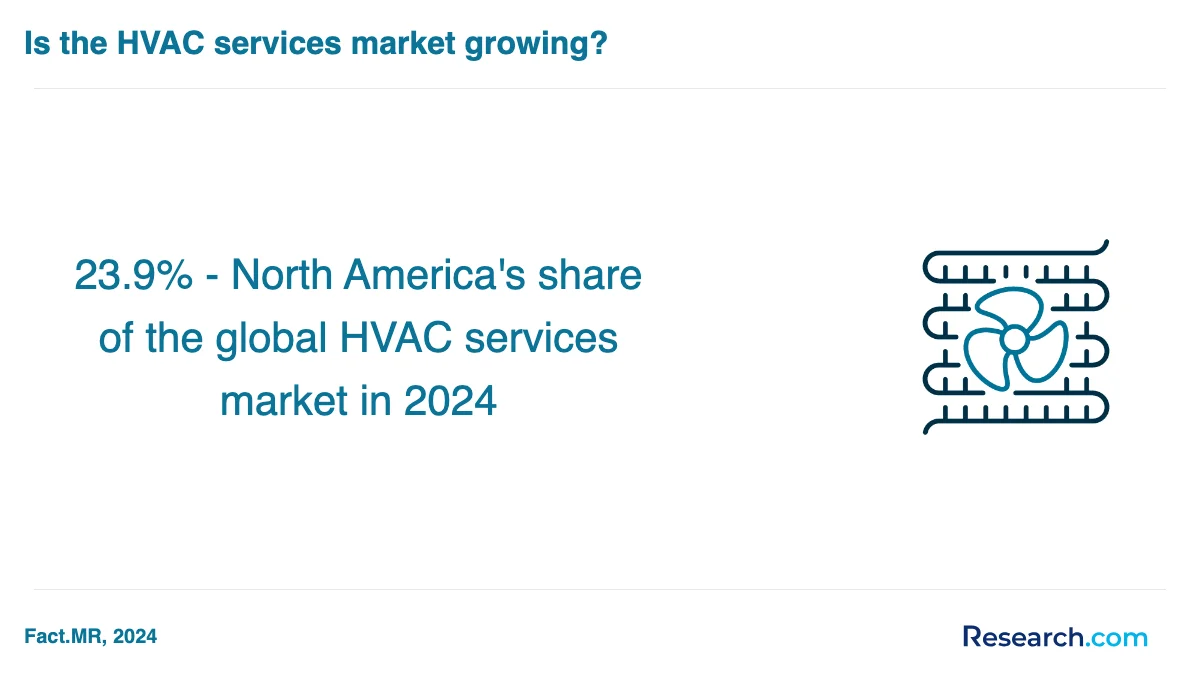
Students pursuing HVAC technician training in Baltimore have access to a variety of financial aid options designed to make their education affordable and achievable. Many graduates recall how applying for federal aid through FAFSA unlocked opportunities like Pell Grants and low-interest loans, easing the burden of tuition at accredited schools such as North American Trade Schools (NATS). These resources often come with helpful guidance from school advisors, turning what once seemed complicated into a clear path forward.
State-level aid is another powerful resource for Maryland residents. For example, the Maryland Workforce Shortage Student Assistance Grant targets high-demand fields like HVAC, giving local students a boost toward entering a stable career. Baltimore-area schools like Anne Arundel Community College also offer institutional scholarships that can cover full tuition, allowing students to focus on learning rather than finances.
Flexible, interest-free payment plans and job placement support further empower students to manage costs and transition confidently into the workforce, transforming dreams of a skilled HVAC career into reality.
To enroll in an HVAC technician trade school program in Baltimore, students generally need a high school diploma or GED. This basic requirement is the foundation that opens doors to hands-on training and exciting career opportunities in the heating, ventilation, and air conditioning field.
Many Baltimore trade schools also appreciate applicants who demonstrate strong problem-solving skills and a genuine eagerness to learn technical concepts. Graduates recall how being comfortable with math and mechanical tasks helped them thrive during their training.
Some programs may ask for:
- Proof of a negative tuberculosis test or other health screenings to ensure safety in workshop environments
- Basic computer literacy for using diagnostic software and completing coursework
- A driver's license or reliable transportation, essential for internships and job placements around Baltimore
Imagine stepping into a Baltimore trade school classroom where instructors guide you through real HVAC systems, just like past students who transformed their curiosity into skilled craftsmanship. The prerequisites set the stage for that inspiring journey, ensuring you're ready to embrace every challenge and succeed.
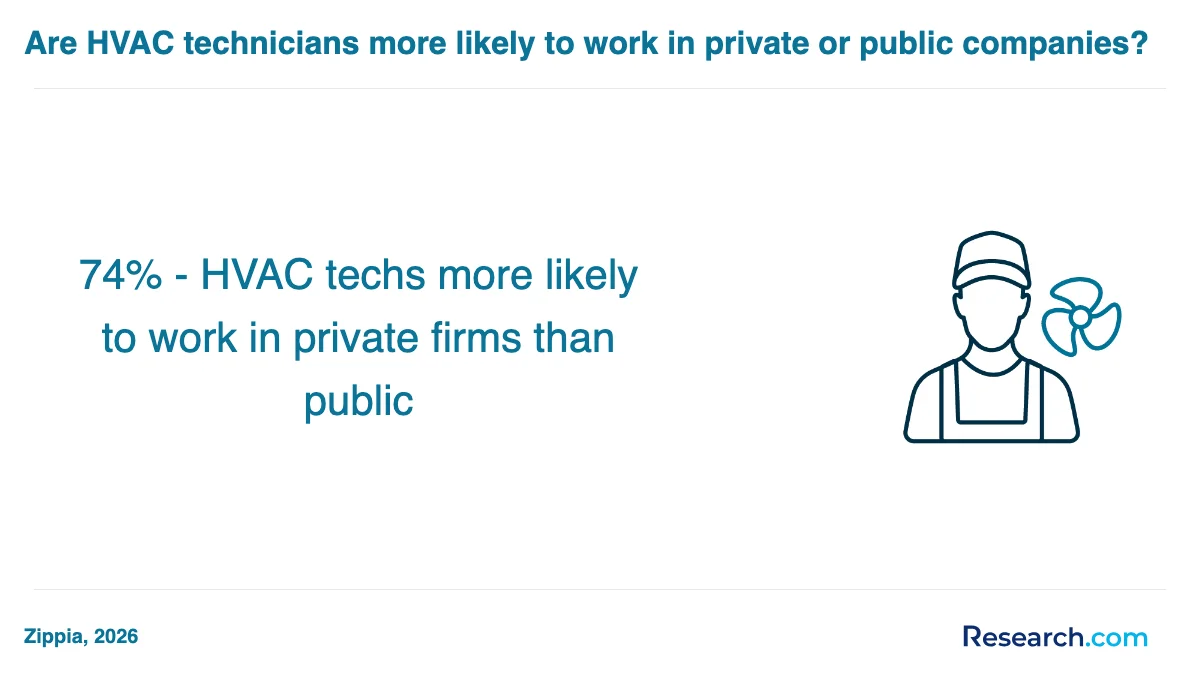
HVAC technician trade school programs in Baltimore equip students with essential skills through a variety of practical and theoretical courses. Graduates from popular schools like North American Trade Schools and Community College of Baltimore County often share how safety training became their foundation, teaching them to confidently handle electrical systems and heavy tools while prioritizing workplace safety.
Core courses include:
- Basic HVAC electricity, where students master wiring diagrams and troubleshoot electrical components critical to HVAC systems.
- Heating, cooling, and refrigeration theory combined with hands-on practice, allowing students to install and repair furnaces, air conditioners, and refrigeration units.
- Ductwork and metal fabrication, which prepares students to design and install efficient air distribution systems.
- Energy auditing and green technologies, introducing cutting-edge skills like using thermal imaging cameras to boost energy efficiency.
- EPA 608 Certification prep, essential for legally handling refrigerants and advancing careers.
Students often reflect on how customer service and apartment maintenance modules helped them connect with clients and thrive in real-world settings. Baltimore's HVAC programs truly prepare you to step into a rewarding career with confidence and pride.
Baltimore offers a range of HVAC technician specializations designed to prepare students for thriving careers in this essential industry. HVAC training programs in Baltimore blend classroom theory with hands-on training, creating confident graduates ready to tackle real-world challenges. Popular programs from schools like the Community College of Baltimore County and Lincoln Tech equip students with skills in:
- Heating, Ventilation, Air Conditioning, and Energy Technology, combining energy efficiency with core HVAC principles,
- Building Automation Systems, which focus on computer-controlled HVAC operations essential in today's smart buildings,
- Installation and repair of heating, cooling, and refrigeration systems, covering everything from oil furnaces to commercial refrigeration,
- EPA-standard refrigerant handling and environmental compliance to prepare for certification exams.
Graduates often recall how immersive hands-on projects and expert instruction empowered them to feel prepared for steady, rewarding careers. These specializations unlock many doors locally, especially as Baltimore continues to seek skilled technicians. For anyone eager to jumpstart their journey, exploring the best vocational trade schools online can provide even more pathways tailored to your career goals.
Choosing from the best HVAC technician trade schools in Baltimore means prioritizing programs with strong accreditation, hands-on training, and experienced faculty. Graduates from schools like All-State Career School share how practical internships and industry connections helped them confidently enter the workforce. Affordable HVAC technician programs in Baltimore often balance quality with cost, such as those offered by Lincoln College of Technology, where students appreciate the flexible scheduling of day or evening classes tailored to their lives.
Real success stories often stem from programs that emphasize licensure preparation, like Howard Community College's curriculum, which equips students to meet Maryland's HVACR journeyperson requirements seamlessly. Imagine yourself in classrooms and workshops where learning is active and mentors guide you through every challenge-this is the environment that fuels career growth and personal pride.
To explore a wider selection and compare top institutions, consider visiting the top trade schools in america for additional insights on quality trade education options.
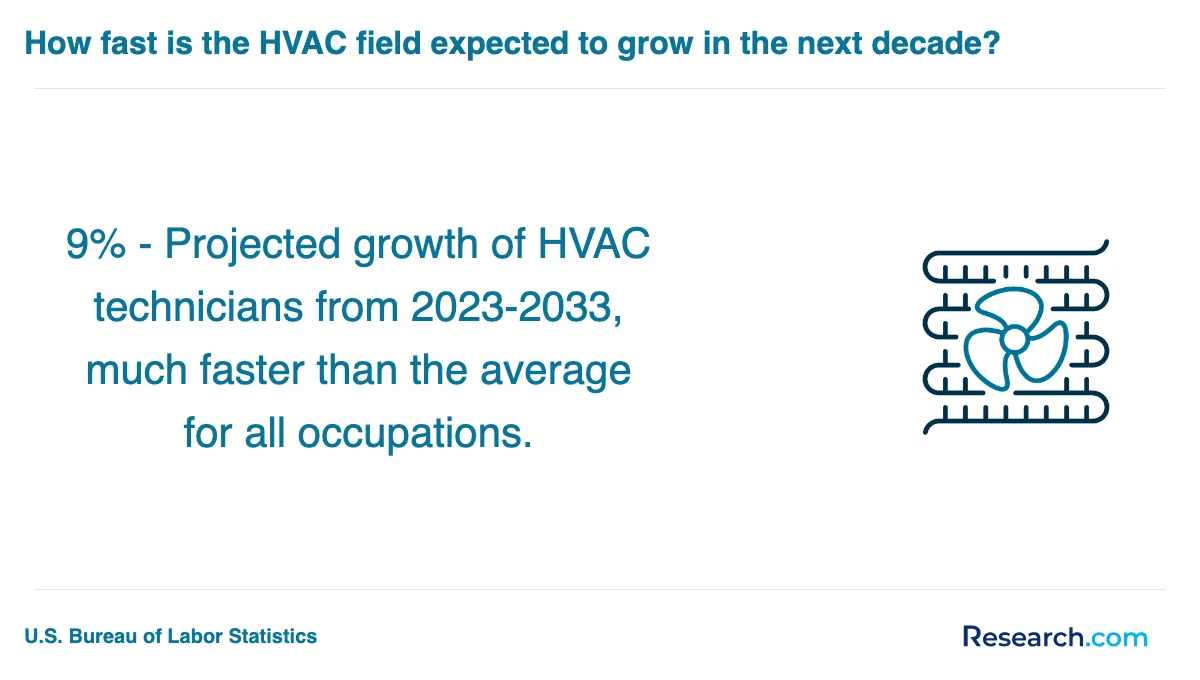
HVAC technician trade school graduates in Baltimore find an exciting array of career paths waiting for them right after completing their programs. Many step directly into roles as HVAC technicians, installing and maintaining systems in homes or bustling businesses. Graduates from popular Baltimore trade schools often share how hands-on training prepared them to confidently tackle real-world challenges on the job.
For those eager to specialize or grow, opportunities include:
- Becoming HVAC installers or service technicians focused on either residential or commercial systems
- Advancing into refrigeration technician roles or building maintenance
- Moving into supervisory positions such as lead technician or project manager
These career paths are supported by Baltimore's booming job market and employers who offer on-the-job training and benefits. Many graduates have embraced roles in hospitals, schools, and large office complexes, experiencing rewarding daily work and steady growth.
By gaining certifications like EPA 608, Baltimore graduates boost their earning potential and open doors to higher responsibility-proof that pursuing HVAC technician career opportunities in Baltimore can lead to both stability and exciting advancement. For inspired students exploring trade jobs that pay well, this vibrant city offers a strong foundation for success in the HVAC industry.
The job market for HVAC technician trade school graduates in Baltimore is vibrant and full of promise. Graduates from well-known local trade schools often step directly into full-time roles, enjoying job stability and strong earnings. Many find entry level HVAC jobs Baltimore opportunities that start with competitive pay rates between $25 and $35 per hour, quickly rising as experience improves. Commercial positions can pay even more, sometimes up to $45 an hour, providing clear financial motivation to advance.
Hands-on experience and support from employers for paid training and licensing make career growth achievable. Graduates share stories of quickly gaining confidence by working on diverse projects-from fixing heating systems in historic Baltimore homes to installing cooling units in large commercial buildings. The strong demand, fueled by Baltimore's aging infrastructure and climate needs, creates a welcoming environment where motivated graduates thrive.
Here are key benefits Baltimore HVAC grads enjoy:
- Over 248 open positions in the region
- Year-round employment stability
- Paid training and licensing assistance
For those considering flexible study options, exploring low cost hvac certification online programs is a smart step toward securing a rewarding Baltimore HVAC technician job opportunities in Baltimore.
Most Affordable HVAC Technician Schools & Training - Budget-Friendly HVAC Trade Programs in Baltimore for 2026
# 1 position
North American Trade Schools - Heating, Air Conditioning, Ventilation and Refrigeration Maintenance Technology/Technician.
certificate or diplomaThe Heating, Air Conditioning, Ventilation and Refrigeration Maintenance Technology/Technician program at North American Trade Schools prepares students to repair, install, service, and maintain HVAC and refrigeration systems. It includes training in diagnostic techniques, testing equipment, and principles of mechanics, electricity, and electronics. The hybrid program is accredited by the Accrediting Commission of Career Schools and Colleges. Graduates earn a median income of $36,464 one year after completion.
# 2 position
All-State Career-Baltimore - Heating, Air Conditioning, Ventilation and Refrigeration Maintenance Technology/Technician.
certificate or diplomaThe Heating, Air Conditioning, Ventilation and Refrigeration Maintenance Technology/Technician program at All-State Career-Baltimore prepares students to repair, install, service, and maintain HVAC and refrigeration systems. Instruction covers diagnostic techniques, testing equipment, and principles of mechanics, electricity, and electronics. This hybrid program offers some distance education. Graduates have median earnings of $30,110 one year after completion. The program is accredited by the Accrediting Commission of Career Schools and Colleges.
Frequently Asked Questions about HVAC technician
After completing an HVAC technician trade program in Baltimore, preparing for the job market involves several key steps. First, obtaining EPA Section 608 certification is essential, as it is federally required for handling refrigerants and highly valued by employers. Many trade schools incorporate this certification into their curriculum.
Next, building a strong resume that highlights hands-on training, internships, or apprenticeships gained during schooling can improve job prospects. Baltimore's growing construction and maintenance sectors offer numerous entry-level opportunities.
Networking through local trade unions and industry associations, such as the Air Conditioning Contractors of America (ACCA), can provide access to job leads and mentorship.
According to the U.S. Bureau of Labor Statistics, HVAC technician employment in Maryland is projected to grow 8% through 2032, signaling positive opportunities for new graduates.
Employers in Baltimore consistently seek HVAC technician graduates who demonstrate strong technical skills and practical experience. According to the U.S. Bureau of Labor Statistics, proficiency in installing, maintaining, and repairing heating and cooling systems is essential. Schools that emphasize hands-on training and familiarity with modern HVAC technologies, including energy-efficient and environmentally friendly systems, tend to produce more employable graduates.
Communication skills also rank highly, as technicians often interact directly with clients and other construction professionals. The Maryland Department of Labor highlights problem-solving abilities and knowledge of safety regulations as critical for workplace success. Additionally, understanding local building codes and licensing requirements is important for HVAC professionals in Baltimore.
Finding internships in Baltimore relevant to HVAC technician trade school programs involves several practical steps. Begin by contacting local trade schools directly, as many maintain partnerships with HVAC companies for internship placements. The Maryland Department of Labor reports that Baltimore's HVAC sector is growing steadily, increasing internship opportunities.
Utilize resources such as the Maryland Apprenticeship and Training Program, which connects students with paid HVAC apprenticeships and internships. Additionally, local unions like the Sheet Metal Workers Local 100 offer programs that combine classroom training with hands-on work experience.
Networking is crucial: attend industry job fairs, and use platforms like BaltimoreWorks to find HVAC-specific internship listings. According to the U.S. Bureau of Labor Statistics, internships can significantly boost employment prospects in this trade.
Obtaining a HVAC technician trade school diploma in Baltimore significantly enhances career mobility and advancement opportunities. According to the U.S. Bureau of Labor Statistics, HVAC technicians in Maryland earn a median annual wage of approximately $49,000, with skilled diploma holders often positioned for higher starting salaries.
Trade school programs provide hands-on training and industry certifications, which local employers highly value. This practical experience is critical in Baltimore's competitive job market, where employers prefer candidates with verified technical skills. Graduates often qualify for entry-level roles that lead to supervisory or specialist positions.
Additionally, Baltimore's growing demand for HVAC services, fueled by urban development and energy efficiency initiatives, increases job stability and promotion potential for diploma holders. The Maryland Department of Labor highlights that formal training correlates with a 15% higher employment rate among HVAC workers compared to those without diplomas.
Part-time job opportunities in Baltimore can effectively complement HVAC technician trade school education by providing practical experience and income. Common roles include HVAC helper or assistant positions, where students support licensed technicians in installations and repairs. These jobs help reinforce classroom learning with real-world applications.
Additionally, positions in general maintenance or building operations offer exposure to HVAC systems, enhancing technical skills. According to the U.S. Bureau of Labor Statistics, Baltimore's demand for HVAC workers is projected to grow 10% from 2022 to 2032, indicating ample opportunities for part-time work.
Local contractors and property management companies often seek part-time help, allowing students to network and gain industry insight while studying.
Choosing the most affordable HVAC Technician degree program near me in Baltimore, MD involves researching local community colleges and trade schools that offer strong programs at competitive costs. Research.com can be a helpful resource in assessing program reputation, faculty, and graduation rates to help ensure a good return on investment. Additionally, consider factors like financial aid options and flexible class schedules to find a program that fits both your budget and lifestyle.
- HVAC Programs in Baltimore, MD | All-State Career https://www.allstatecareer.edu/campuses/maryland/baltimore/hvac.html
- HRVAC Technology Training - North American Trade Schools https://natradeschools.edu/programs/hrvac/
- HVAC Technology https://www.ccbcmd.edu/Programs-and-Courses/SBTL/Industrial-Technology/pages/HVAC-Technology.html
- HVAC Training Schools in Baltimore, MD https://www.hvacclasses.org/schools/maryland/baltimore
- How To Become an HVAC Technician in Baltimore, Maryland - HVAC Schools & Training in Baltimore, Maryland https://hvactechnician.careers/hvac-school/maryland/baltimore/
- Program: HVAC/Refrigeration Technician - Community College of Baltimore County - Modern Campus Catalog™ https://catalog.ccbcmd.edu/preview_program.php
- HVAC School in Maryland at Lincoln Tech https://www.lincolntech.edu/careers/skilled-trades/hvac/maryland
- HVAC Technician Schools in Baltimore, Maryland | TTS https://toptradeschools.com/near-you/hvac/maryland/baltimore/
- HVAC Apprenticeship | Harford Community College https://www.harford.edu/academics/workforce-career-programs/programs/hvac-apprenticeship.php
- Top 5 Challenges in HVAC Training and How to Overcome Them https://iconnecttraining.com/top-5-challenges-in-hvac-training-and-how-iconnect-training-overcomes-them/


