
Best HVAC Technician Training Programs & Trade Schools - Top HVAC Tech Schools in Tennessee for 2026

Co-Founder and Chief Data Scientist
Choosing the right HVAC technician trade school in Tennessee can shape your future career and open doors to rewarding opportunities. This article presents a detailed HVAC technician trade school programs ranking developed by the Research.com team of data scientists to guide you in making an informed decision.
By exploring this ranking, you’ll discover programs that offer quality training and valuable certifications. Earning a diploma or certification can boost your confidence and enhance your skills, setting you up for success in the growing HVAC field.
Key benefits of finishing HVAC technician trade school in Tennessee
- Graduates from HVAC technician trade schools in Tennessee can expect starting salaries around $19.64 to $22.04 per hour, with experienced technicians earning up to $36.65 per hour, offering strong earning potential early in their careers.
- Career paths include roles as residential HVAC installers, commercial system specialists, or supervisors, giving graduates flexibility to find positions that match their skills and interests.
- Completing an HVAC trade school online offers convenient scheduling and faster completion times, helping graduates enter the workforce sooner while balancing other commitments.
- Best HVAC Technician Training Programs & Trade Schools - Top HVAC Tech Schools in Tennessee for 2026
- What can I expect from HVAC technician trade schools in Tennessee?
- Where can I work after finishing HVAC technician trade schools in Tennessee?
What can I expect from HVAC technician trade schools in Tennessee?
Enrolling in an HVAC technician trade school program in Tennessee means immersing yourself in a balanced mix of classroom learning and hands-on training. Graduates often recall long days filled with practical shop sessions, where they installed and repaired real HVAC units, making theory come alive. Programs typically last between 14 to 18 months, with around 1,600 to 1,728 clock hours, offering flexibility through day and evening classes to fit different lifestyles.
Students can expect to master foundational topics like refrigerant handling and safety, but also dive deep into electrical systems and programmable controllers, essential skills praised by recent graduates from top Tennessee trade schools. The emphasis on certifications, especially the EPA Section 608, is a game-changer for employment readiness, giving students confidence and a competitive edge.
Many describe the experience as challenging yet rewarding, highlighting supportive instructors with real-world industry knowledge. The blend of modern facilities and rigorous training prepares students to step confidently into roles across residential, commercial, and industrial HVAC sectors within Tennessee's job market.
Where can I work after finishing HVAC technician trade schools in Tennessee?
After graduating from a Tennessee HVAC technician trade school, many find themselves stepping into roles like HVAC service technician, installer, or maintenance technician, with over 450 job openings statewide as early as 2025. Imagine starting your day in Nashville working for a company such as Donelson Air - Service Experts, handling both residential and commercial HVAC systems. This hands-on experience mirrors what recent graduates from popular trade schools across Tennessee often describe as both challenging and rewarding.
Employment isn't limited to private HVAC companies; mechanical service contractors, construction firms, and property management companies also seek skilled technicians. Picture yourself maintaining HVAC systems in diverse settings-hospitals, factories, or schools-each day offering new challenges and opportunities for growth.
Entry-level positions like HVAC apprentice or junior technician are common starting points, providing on-the-job training that graduates from Tennessee's trade schools deeply appreciate. Many share how benefits like paid vacation and health insurance help them feel valued and motivated while advancing their careers in this thriving field.
Graduates of HVAC technician trade school programs in Tennessee often find themselves stepping into a career with a promising salary range. Right after finishing their training, many report starting salaries between $39,000 and $47,000 per year, or roughly $20 to $25 per hour. This is a solid foundation, especially when considering the steady wage growth that comes with hands-on experience and additional certifications.
Students from well-known Tennessee trade schools share how their first jobs in cities like Nashville or Chattanooga often bring in salaries close to $55,000 annually, boosted by overtime opportunities that can add thousands more. One graduate described the satisfaction of quickly moving from entry-level pay to earning upwards of $64,000 per year after just a few years, thanks to specialized skills gained on the job.
Even those starting in rural areas appreciate that Tennessee's lower cost of living makes these wages stretch further, turning their HVAC education into a rewarding and financially viable career path.
- Most HVAC technician programs in Tennessee require a high school diploma or GED for admission and last about 16 months with roughly 1,728 clock hours of combined classroom and practical training.
- The average tuition and fees are around $6,200, with additional textbook and supply costs between $1,900 and $2,200.
- Training covers troubleshooting, repair, installation, and maintenance for residential and commercial HVAC systems, including electrical systems and refrigerant handling.
- Graduates earn certificates or diplomas and can obtain required certifications like the Section 608 EPA Certification for working with refrigerants.
- Entry-level HVAC technicians in Tennessee typically earn between $40,000 and $45,000 annually, while experienced workers can make $55,000 or more.
Completing an HVAC technician trade school program in Tennessee typically takes between six months to one year, depending on the specific school and course intensity. Many graduates from popular Tennessee trade schools recall how the focused, hands-on training accelerated their learning, allowing them to enter the workforce quickly without sacrificing quality.
For example, students often describe the experience of working directly with HVAC systems in real-world labs as both challenging and rewarding, giving them confidence much faster than traditional classroom-only programs. The shorter timeline fits well with busy schedules and those eager to start earning sooner while mastering essential skills like system installation, repair, and maintenance.
Some trade schools offer flexible pacing options, which graduates appreciate for balancing family or part-time jobs. The combination of practical experience and condensed study creates a sense of accomplishment, reinforcing why many Tennesseans choose these programs to launch their HVAC careers efficiently and with enthusiasm.
The core difference between online and on-campus HVAC technician programs in Tennessee lies in how hands-on training is delivered. Graduates from on-campus programs like TCAT Memphis and TCAT Nashville often describe the satisfaction of working directly with real HVAC systems-repairing air conditioners, troubleshooting heat pumps, and mastering refrigeration units under expert guidance. This immediate interaction with equipment builds confidence and practical skills that Tennessee employers highly value.
In contrast, online HVAC students appreciate the flexibility to study at their own pace, balancing coursework with family or work. However, many find themselves eager for the in-person labs or externships required to gain essential hands-on experience. Without these, the learning can feel abstract, especially in a field where touch and troubleshooting are key.
One graduate from TCAT Murfreesboro recalls how the blend of classroom instruction and shop sessions made the technical concepts "click" in ways online modules couldn't replicate. This real-world exposure is crucial in Tennessee, where state licensing boards emphasize practical skills alongside certification.
When considering the average cost HVAC technician programs Tennessee offer, it's clear that pursuing this career involves a range of financial commitments depending on the type of program chosen. Certificate programs, popular among many graduates for their shorter duration of 6 to 12 months, typically cost between $4,000 and $7,500. For example, students attending the Tennessee College of Applied Technology in Nashville invest around $5,344 in tuition, in addition to roughly $1,100 for necessary books and supplies. These costs feel manageable when graduates recall the confidence and practical skills they gained through hands-on learning.
For those aiming for a deeper educational experience, associate degrees span around two years and come with tuition fees ranging from $15,000 to $35,000. Trade schools such as Remington College in Nashville have diploma programs costing between $19,964 and $21,147 annually, and graduates often describe the intensive curriculum as a rewarding challenge that prepared them well for entering the workforce. Such substantial tuition fees HVAC trade schools Tennessee charge reflect the comprehensive nature of these programs.
Apprenticeship routes, blending paid on-the-job training with classroom instructions, may require registration and tool costs between $500 and $2,000, but many apprentices appreciate earning wages while learning, which eases financial strain. Additionally, budgeting for textbooks, supplies, and tools adds roughly $500 to $1,000 to overall expenses. To those concerned about costs, exploring financial aid or payment plans available through accredited institutions can make a significant difference. Investigating the best trade school in usa options online through resources like best trade school in usa helps prospective students find programs fitting their goals and budgets.

Many HVAC technician students in Tennessee find that financial aid transforms their educational journey from daunting to achievable. Graduates from Tennessee Colleges of Applied Technology (TCAT) campuses often recount how the Free Application for Federal Student Aid (FAFSA) opened doors to Pell Grants, which provided essential funds that didn't require repayment. With Pell Grants covering up to $7,395 for the 2025-2026 academic year, students could focus more on mastering their trade instead of stressing over tuition.
State programs like the Tennessee Promise Scholarship and Tennessee Reconnect Grant further ease the burden. Recent high school graduates and adults over 23 share stories of how these last-dollar scholarships covered tuition and mandatory fees, making TCAT HVAC programs genuinely accessible. The requirement to complete FAFSA and meet residency criteria feels manageable, especially with support from school financial aid offices guiding each step.
Institutional scholarships and grants, including those funded by federal relief efforts, add another layer of support. Many students describe feeling encouraged and hopeful when applying for multiple aid sources, turning what seemed like an expensive investment into a realistic pathway to a skilled career.
Enrolling in an HVAC technician trade school program in Tennessee usually requires meeting a few key prerequisites that ensure you're ready to dive into this hands-on career. Most programs expect applicants to have a high school diploma or GED, which lays the foundation for understanding technical concepts and safety regulations.
Graduates from schools like those in Nashville or Knoxville often mention how having basic math and science skills made complex topics like refrigeration cycles and electrical circuits easier to grasp. Some schools also require applicants to be at least 18 years old, ensuring a level of maturity necessary for handling equipment and onsite work.
Other common prerequisites include:
- Proof of residency or legal status in Tennessee
- Passing an entrance exam or placement test, especially in math and reading comprehension
- Physical ability to perform tasks such as lifting heavy equipment and working in confined spaces
Many students recall that meeting these prerequisites boosted their confidence, allowing them to fully engage with hands-on labs and real-world troubleshooting scenarios offered by popular Tennessee trade schools.
HVAC technician trade schools in Tennessee offer a comprehensive mix of courses that truly prepare students for the realities of the job. Graduates often recall how foundational classes like Technology Foundations and Safety Practices built their confidence before stepping into busy workshops filled with real equipment.
The curriculum typically includes:
- Refrigeration Fundamentals and Refrigerant Practices, where students master EPA Section 608 certification essentials by practicing refrigerant recovery and recycling
- Electrical systems courses, including HVACR Electrical Motors and Controls, teaching wiring and troubleshooting skills critical for modern HVAC systems
- Specialized classes like HVACR System Installation, Gas and Electric Heating, and Variable Refrigerant Flow (VRF) Systems, giving hands-on experience with cutting-edge technology
- Air Distribution, Indoor Air Quality, and Customer Service Skills, preparing students to meet client expectations and energy efficiency demands
Many students describe the balance of theory and lab work at popular Tennessee trade schools as energizing-turning complex diagrams into practical skills that fuel their passion for the trade. The roughly 16-month programs, totaling around 1,728 clock hours, become a transformative journey from classroom lessons to real-world problem solving.
HVAC specializations in Tennessee trade schools are designed to equip students with targeted skills for a variety of career paths. Graduates from Chattanooga State Community College often highlight their expertise in Residential HVAC, learning to handle central air conditioning and heat pumps with confidence in real home settings. Meanwhile, programs at TCAT Clarksville and Jackson offer robust training in Commercial Refrigeration and Air Conditioning, where students work hands-on with walk-in coolers and complex refrigeration units frequently found in local businesses.
Hands-on learners who want to specialize further might find Heat Pump Technology or Electrical and Automated Controls tracks particularly rewarding. TCAT Memphis students, for example, engage deeply with programmable controllers and VRF systems, preparing them for the modern HVAC technician role impacted by evolving energy codes.
Many also appreciate the opportunity to earn EPA Section 608 Certification during their training, a necessity for legal refrigerant handling. Added specializations such as Customer Service and Sales open doors for those aiming beyond technical roles.
If you're weighing your options, exploring why is it better to go to hvac school for certification or apprenticeship can shed light on the best path forward while diving into HVAC technician training programs Tennessee.
Choosing the best HVAC technician trade schools in Tennessee starts with focusing on accredited programs like those at the Tennessee College of Applied Technology campuses in Crump, Dickson, and Shelbyville. Graduates from these schools often highlight how a comprehensive curriculum-covering everything from electrical basics to hands-on refrigeration labs-made their learning both practical and engaging. Many appreciate instructors with real-world HVAC experience who bring lessons to life, bridging the gap between classroom theory and on-the-job skills.
Job placement assistance is another key factor; programs partnering with local HVAC companies ease the often stressful transition to employment, offering internships and direct placements. Students balancing work and study benefit from flexible program formats, including hybrid classes combining online and in-person instruction. When weighing costs, it's important to look beyond tuition-graduates from TCAT Dickson, for example, note that supplies and textbooks add significantly to expenses. Those undecided between options can also explore the college vs trade school debate for deeper insight.
Ultimately, the top-rated HVAC programs in Tennessee equip students with the confidence and skills to thrive in a competitive industry, reflecting the real success stories of past students who found both knowledge and career opportunities through dedicated, hands-on learning.
Graduates from HVAC technician trade school programs in Tennessee step into a landscape rich with career possibilities, reflecting both immediate job openings and long-term growth potential. Many begin as HVAC installers, maintenance technicians, or service technicians in residential and commercial settings, honing skills learned at well-regarded local trade schools. These roles are in especially high demand, with Tennessee forecasting strong growth in HVAC technician jobs in Tennessee, creating a solid foundation for new professionals.
Beyond entry-level jobs, graduates often find pathways to leadership roles like senior technician or service manager, where they lead teams and oversee complex projects in commercial environments. Some choose to specialize in energy-efficient system design or system upgrades for institutions such as schools and hospitals, blending technical expertise with sustainability goals.
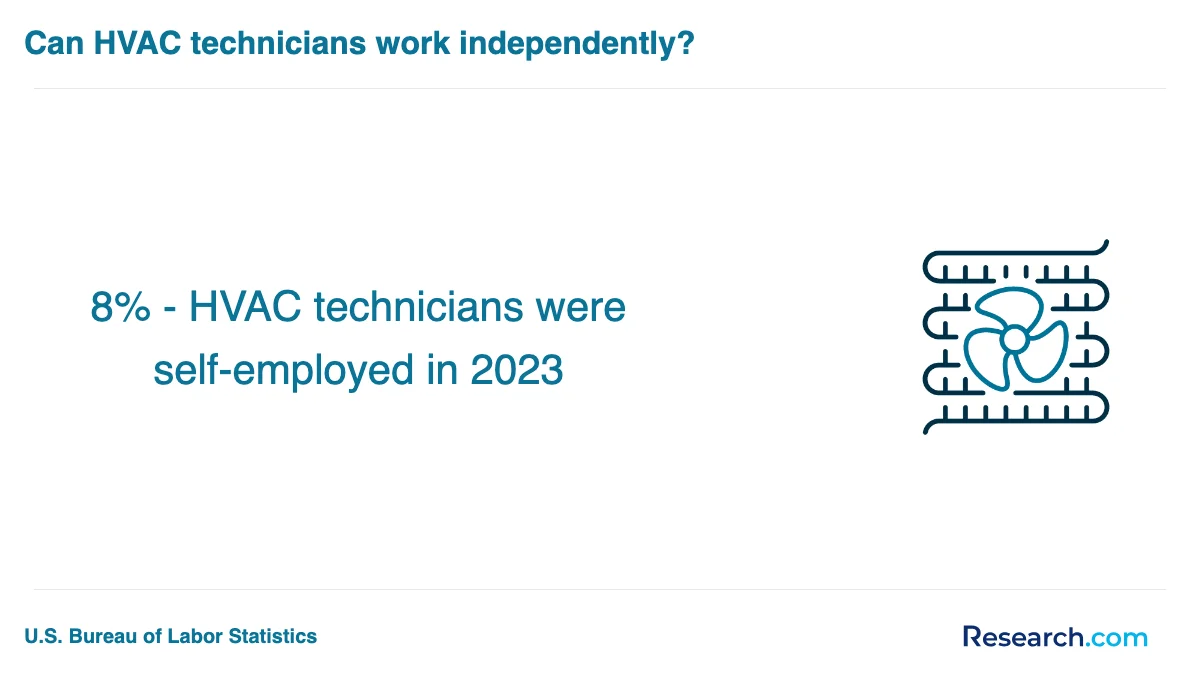
Others leverage their hands-on experience to become independent contractors, capitalizing on HVAC contractor career opportunities in Tennessee by starting their own businesses. This route offers exciting autonomy and potential for high earnings, as many graduates report increased satisfaction working on their own terms.
Trade school alumni also explore opportunities in related fields:
- Facility maintenance in large institutions
- Technical support and sales for HVAC manufacturers
- System design consulting
Whether stepping into high-demand technician roles or venturing into entrepreneurship, Tennessee's dynamic market supports diverse ambitions for HVAC graduates, making it a compelling choice for those wondering what trade school job pays the most.
HVAC technician trade school graduates in Tennessee find themselves in a thriving job market filled with abundant opportunities. With around 469 HVAC technician jobs in Tennessee actively listed on major job boards, graduates from popular trade schools feel confident stepping into roles that offer full-time positions and immediate starts. Many share stories of landing jobs quickly thanks to hands-on training and EPA exam preparation received during their education.
In practical terms, this means:
- Steady demand across residential and commercial sectors throughout Tennessee's diverse climate
- Clear career progression from apprenticeships to senior technician roles
- Employers offering attractive benefits, including 401(k), health insurance, and tuition reimbursement
Experienced technicians in cities like Nashville and Knoxville see HVAC salary and job growth in Tennessee that exceeds national averages, with earnings reaching up to $150,000 annually in some cases. This strong job market reflects the value Tennessee places on skilled HVAC technicians, making the trade school path a rewarding career choice.
For those considering how to enter the field, exploring options like how to become hvac technician provides useful insights into salary prospects and career growth aligned with Tennessee's labor market needs.
Best HVAC Technician Training Programs & Trade Schools - Top HVAC Tech Schools in Tennessee for 2026
# 1 position
Tennessee College of Applied Technology-Hartsville - Heating, Air Conditioning, Ventilation and Refrigeration Maintenance Technology/Technician.
certificate or diplomaThe Heating, Air Conditioning, Ventilation and Refrigeration Maintenance Technology/Technician program at Tennessee College of Applied Technology-Hartsville prepares students to repair, install, service, and maintain heating, air conditioning, and refrigeration systems. Instruction covers diagnostic techniques, testing equipment use, and principles of mechanics, electricity, and electronics related to system repair. The program is accredited by the Council on Occupational Education.
# 2 position
Tennessee College of Applied Technology-Murfreesboro - Heating, Air Conditioning, Ventilation and Refrigeration Maintenance Technology/Technician.
certificate or diplomaThe Heating, Air Conditioning, Ventilation and Refrigeration Maintenance Technology/Technician program at Tennessee College of Applied Technology-Murfreesboro prepares students to repair, install, service, and maintain heating, air conditioning, and refrigeration systems. The hybrid program includes instruction on diagnostic techniques, testing equipment, and principles of mechanics, electricity, and electronics relevant to these systems. The program is accredited by the Council on Occupational Education.
# 3 position
Tennessee College of Applied Technology-Dickson - Heating, Air Conditioning, Ventilation and Refrigeration Maintenance Technology/Technician.
certificate or diplomaThe Heating, Air Conditioning, Ventilation and Refrigeration Maintenance Technology/Technician program at Tennessee College of Applied Technology-Dickson prepares students to repair, install, service, and maintain HVAC and refrigeration systems. The hybrid program includes technical instruction in diagnostic techniques, testing equipment, mechanics, electricity, and electronics. Graduates have median earnings of $38,589 one year after completion. The program is accredited by the Council on Occupational Education.
# 4 position
Tennessee College of Applied Technology-Knoxville - Heating, Air Conditioning, Ventilation and Refrigeration Maintenance Technology/Technician.
certificate or diplomaThe Heating, Air Conditioning, Ventilation and Refrigeration Maintenance Technology/Technician program at Tennessee College of Applied Technology-Knoxville prepares students to repair, install, service, and maintain HVAC and refrigeration systems. The hybrid program includes training in diagnostic techniques, testing equipment, mechanics, electricity, and electronics. Graduates earn a median salary of $39,230 one year after completion. The program is accredited by the Council on Occupational Education.
# 5 position
Tennessee College of Applied Technology-Crossville - Heating, Air Conditioning, Ventilation and Refrigeration Maintenance Technology/Technician.
certificate or diplomaThe Heating, Air Conditioning, Ventilation and Refrigeration Maintenance Technology/Technician program at Tennessee College of Applied Technology-Crossville prepares students to repair, install, service, and maintain HVAC and refrigeration systems. The hybrid program includes instruction in diagnostic techniques, testing equipment, and principles of mechanics, electricity, and electronics. Graduates have median earnings of $28,029 one year after completion. The program is accredited by the Council on Occupational Education.
# 6 position
Tennessee College of Applied Technology Nashville - Heating, Air Conditioning, Ventilation and Refrigeration Maintenance Technology/Technician.
certificate or diplomaThe Heating, Air Conditioning, Ventilation and Refrigeration Maintenance Technology/Technician program at Tennessee College of Applied Technology Nashville prepares students to repair, install, service, and maintain HVAC and refrigeration systems. It includes instruction in diagnostic techniques, testing equipment use, and the principles of mechanics, electricity, and electronics. The program is offered in a hybrid format and is accredited by the Council on Occupational Education. Median earnings one year after completion are $34,315.
# 7 position
Tennessee College of Applied Technology-Shelbyville - Heating, Air Conditioning, Ventilation and Refrigeration Maintenance Technology/Technician.
certificate or diplomaThe Heating, Air Conditioning, Ventilation and Refrigeration Maintenance Technology/Technician program at Tennessee College of Applied Technology-Shelbyville prepares students to repair, install, service, and maintain HVAC and refrigeration systems. This hybrid program includes training in diagnostic techniques, testing equipment use, and principles of mechanics, electricity, and electronics. It is accredited by the Council on Occupational Education and offers some distance-education options for flexibility.
# 8 position
Tennessee College of Applied Technology-Jackson - Heating, Air Conditioning, Ventilation and Refrigeration Maintenance Technology/Technician.
certificate or diplomaThe Heating, Air Conditioning, Ventilation and Refrigeration Maintenance Technology/Technician program at Tennessee College of Applied Technology-Jackson prepares students to repair, install, service, and maintain HVAC and refrigeration systems. This hybrid program includes training on diagnostic techniques, testing equipment, and principles of mechanics, electricity, and electronics. Graduates have median earnings of $33,005 one year after completion. The program is accredited by the Council on Occupational Education.
# 9 position
Tennessee College of Applied Technology-Pulaski - Heating, Air Conditioning, Ventilation and Refrigeration Maintenance Technology/Technician.
certificate or diplomaThe Heating, Air Conditioning, Ventilation and Refrigeration Maintenance Technology/Technician program at Tennessee College of Applied Technology-Pulaski offers hybrid learning with some distance-education options. It prepares students to repair, install, service, and maintain HVAC and refrigeration systems, including instruction in diagnostic techniques, testing equipment use, and relevant principles of mechanics, electricity, and electronics. The program is accredited by the Council on Occupational Education.
# 10 position
Tennessee College of Applied Technology-Crump - Heating, Air Conditioning, Ventilation and Refrigeration Maintenance Technology/Technician.
certificate or diplomaThe Heating, Air Conditioning, Ventilation and Refrigeration Maintenance Technology/Technician program at Tennessee College of Applied Technology-Crump prepares students to repair, install, service, and maintain HVAC and refrigeration systems. The hybrid program includes instruction in diagnostic techniques, testing equipment use, and principles of mechanics, electricity, and electronics related to these systems. It is accredited by the Council on Occupational Education.
Frequently Asked Questions about HVAC technician
After completing an HVAC technician trade school in Tennessee, preparing for the job market involves several key steps. First, obtaining EPA Section 608 certification is essential, as it is federally required to handle refrigerants safely. Many Tennessee programs help students prepare for this exam. Next, gaining hands-on experience through internships or apprenticeships can improve job prospects. According to the U.S. Bureau of Labor Statistics, Tennessee's HVAC job outlook is expected to grow faster than average through 2032, making timely job searching important. Networking with local contractors and joining professional associations like the Air Conditioning Contractors of America (ACCA) Tennessee chapter can also open doors.
Employers hiring HVAC technician graduates in Tennessee prioritize a mix of technical and soft skills. According to the U.S. Bureau of Labor Statistics and Tennessee Department of Labor data, strong knowledge of HVAC systems, including installation, maintenance, and repair, is essential. Proficiency in reading blueprints and electrical diagrams is highly valued.
Additionally, employers seek candidates with problem-solving abilities and attention to detail to diagnose system issues accurately. Communication skills are important for explaining repairs to customers and collaborating with team members. Safety awareness, especially regarding refrigerants and electrical components, is critical due to regulatory compliance requirements.
Hands-on experience gained during trade school programs significantly improves job readiness in Tennessee's competitive HVAC market.
Finding internships relevant to HVAC technician trade school programs in Tennessee involves several practical steps. Begin by contacting the career services or internship coordinators at your trade school, as many maintain relationships with local HVAC companies seeking interns. The Tennessee Department of Labor and Workforce Development offers resources for job seekers, including apprenticeships and internships in skilled trades like HVAC.
Additionally, explore industry associations such as the Air Conditioning Contractors of America (ACCA) Tennessee chapter, which can connect students with internship opportunities. Networking at local trade shows or HVAC-related events also increases chances of finding placements.
According to the U.S. Bureau of Labor Statistics, Tennessee's HVAC sector is growing steadily, supporting increased internship availability. Utilizing online job platforms focused on skilled trades can further aid your search.
Obtaining a HVAC technician trade school diploma in Tennessee significantly enhances career mobility and advancement opportunities. The Tennessee Department of Labor reports that certified HVAC technicians earn a median annual wage approximately 15% higher than non-certified workers. A diploma demonstrates practical skills and industry knowledge, which employers highly value when hiring or promoting staff.
Trade school programs offer hands-on training and prepare students for EPA Section 608 certification, a federal requirement for handling refrigerants. This certification is crucial for career progression within the state.
Furthermore, Tennessee's growing construction and maintenance sectors are increasing demand for skilled HVAC professionals, creating more job openings and potential for advancement for diploma holders.
Students enrolled in HVAC technician trade schools in Tennessee can benefit from part-time jobs that provide practical experience and industry insight. Common opportunities include working as HVAC helpers or assistants with local contractors, which helps build hands-on skills and familiarity with tools and equipment.
Retail positions at home improvement stores like Lowe's or The Home Depot also complement HVAC studies, allowing students to learn about various HVAC products and customer service. According to the U.S. Bureau of Labor Statistics, Tennessee's HVAC job market is expected to grow by 10% from 2022 to 2032, emphasizing the value of early work experience.
Additionally, internships or apprenticeships offered through trade unions or technical colleges can provide structured training while students continue their education.
To find the best HVAC Technician degree program near you in Tennessee, consider searching for local community colleges and trade schools in your area that offer HVAC programs. Research.com can be a helpful resource to compare program specifics and outcomes for schools near Tennessee. Additionally, visiting campuses and speaking with current students or faculty might provide valuable insights to make an informed decision.
- Best HVAC Technician Training Programs & Trade Schools - Top HVAC Tech Schools in Kentucky for 2026
- Best HVAC Technician Training Programs & Trade Schools - Top HVAC Tech Schools in Alabama for 2026
- Best HVAC Technician Training Programs & Trade Schools - Top HVAC Tech Schools in North Carolina for 2026
- Best HVAC Technician Training Programs & Trade Schools - Top HVAC Tech Schools in Missouri for 2026
- Best HVAC Technician Training Programs & Trade Schools - Top HVAC Tech Schools in Illinois for 2026
- Best HVAC Technician Training Programs & Trade Schools - Top HVAC Tech Schools in West Virginia for 2026
- Best HVAC Technician Training Programs & Trade Schools - Top HVAC Tech Schools in Maryland for 2026
- Best HVAC Technician Training Programs & Trade Schools - Top HVAC Tech Schools in Pennsylvania for 2026
- Best HVAC Technician Training Programs & Trade Schools - Top HVAC Tech Schools in Michigan for 2026
- Best HVAC Technician Training Programs & Trade Schools - Top HVAC Tech Schools in Delaware for 2026
- HVAC/R Technician | University of Tennessee at Chattanooga https://www.utc.edu/academic-affairs/center-for-professional-education/hvacr-technician
- HVAC School in Tennessee | Training for HVAC Jobs in TN https://www.hvacschool.org/tennessee/
- Top 5 Challenges in HVAC Training and How to Overcome Them https://iconnecttraining.com/top-5-challenges-in-hvac-training-and-how-iconnect-training-overcomes-them/
- What to Expect from HVAC Training at a Technical School https://aviationmaintenance.edu/blog/your-hvac-technical-school-training-journey/
- How Long Does HVAC Training Take? What To Know Before You Start https://www.aai.edu/how-long-does-hvac-training-take-what-to-know-before-you-start/
- Hands-on Skills at the Best Schools for HVAC Training https://tidewatertechtrades.edu/blog/combination-welding-essential-skills-for-a-successful-career/
- HVAC Technician Salary: Guide to Wages, Jobs, & More | Faraday https://faradaycareers.com/careers/hvac-technician-salary
- Heating, Air Conditioning, and Refrigeration Mechanics and Installers : Occupational Outlook Handbook: : U.S. Bureau of Labor Statistics https://www.bls.gov/ooh/installation-maintenance-and-repair/heating-air-conditioning-and-refrigeration-mechanics-and-installers.htm
- What is the average salary for HVAC technician - Workiz https://www.workiz.com/blog/hvac/average-salary-for-hvac-technician/
- What is an HVAC Technician: Career Guide & FAQs | Penn Foster https://www.pennfoster.edu/blog/what-is-an-hvac-technician


