Most Affordable HVAC Technician Schools & Training - Budget-Friendly HVAC Trade Programs in Mountain Home for 2026

Co-Founder and Chief Data Scientist
Choosing the right HVAC technician trade school in Mountain Home can be overwhelming. This article simplifies that decision by presenting a ranking of the most affordable programs, carefully developed by the Research.com team of data scientists. Their data-driven approach ensures you get reliable information to find schools that fit your budget and goals.
Whether you’re starting fresh or seeking certification, earning a diploma in HVAC technology opens doors to a rewarding career. Reading this guide will help you take confident steps toward a stable and satisfying future in the HVAC field.
Key benefits of finishing HVAC technician trade school in Mountain Home
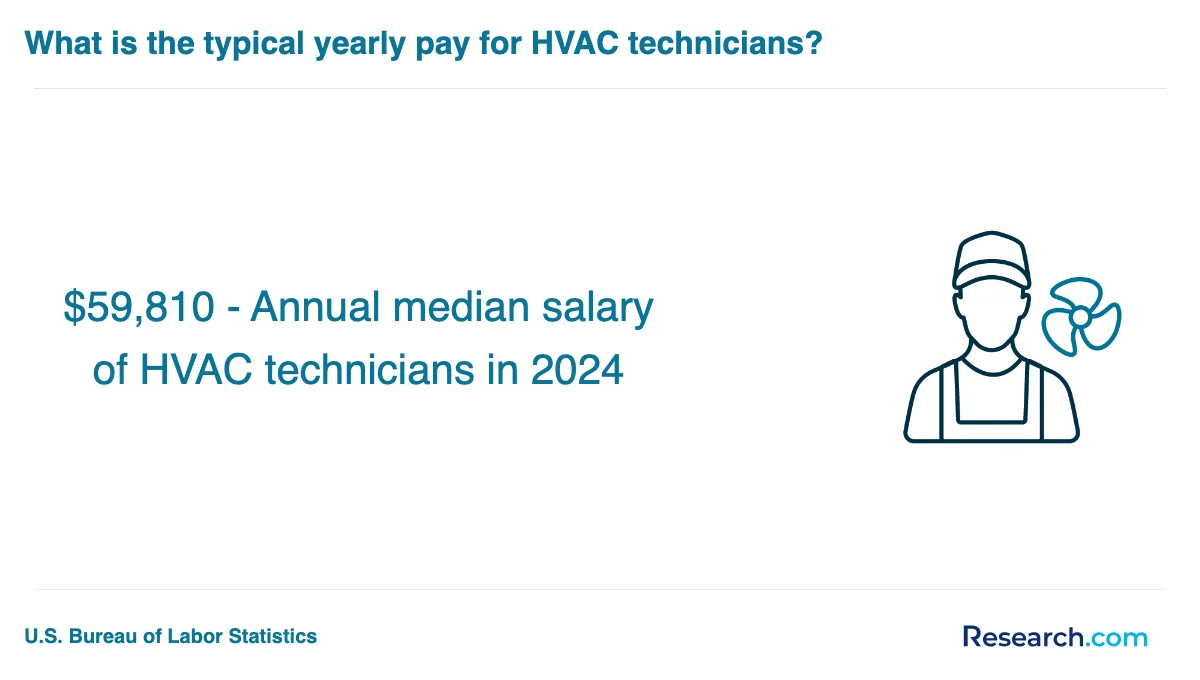
- Graduates in Mountain Home can expect an average salary around $61,346 per year, which is well above the national average, offering strong financial stability right after school.
- Career paths include residential and commercial HVAC technician roles, with opportunities to specialize in refrigeration or system maintenance, providing diverse job options and growth potential.
- Completing HVAC training online offers flexibility and faster completion times, allowing students to balance work or family while gaining practical skills, just like many successful local online graduates.
- Most Affordable HVAC Technician Schools & Training - Budget-Friendly HVAC Trade Programs in Mountain Home for 2026
- What can I expect from HVAC technician trade schools in Mountain Home?
- Where can I work after finishing HVAC technician trade schools in Mountain Home?
What can I expect from HVAC technician trade schools in Mountain Home?
Students enrolling in HVAC technician trade school programs in Mountain Home can expect a hands-on, career-focused journey that blends classroom learning with real-world experience. Graduates often share how early exposure to practical tasks, like installing HVAC systems or troubleshooting energy efficiency issues, builds confidence and job readiness. Popular local schools emphasize on-the-job training, where students spend hundreds of hours working alongside experienced technicians, earning while they learn and developing skills that textbooks alone can't provide.
Expect to dive into subjects such as basic electricity, thermodynamics, and local fuel codes, all tailored to meet Idaho's certification standards. Many find the balance between technical instruction and general education-covering communication and workplace safety-particularly valuable in preparing for a smooth transition to the workforce.
For example, students frequently describe the satisfaction of mastering duct design in lab sessions and then applying those skills during apprenticeships. This blend of theory and practice in Mountain Home's trade schools makes the learning experience both engaging and directly relevant to future careers.
Where can I work after finishing HVAC technician trade schools in Mountain Home?
After finishing an HVAC technician trade school program in Mountain Home, graduates often find themselves stepping into a variety of rewarding career paths. Many start by working with local HVAC companies, where they apply hands-on skills gained during their training to install and maintain heating and cooling systems in homes and businesses. Others join building maintenance teams or construction contractors, gaining experience on larger commercial or industrial projects.
Graduates frequently share how rewarding it feels to quickly secure roles like HVAC Supervisor, Refrigeration Technician, or Facilities Technician within the Mountain Home area. The strong demand reflected in dozens of job openings provides confidence that the skills learned at popular trade schools translate directly into stable employment.
Some find opportunities at companies like Mountain Home Services, where on-the-job training helps them grow professionally and climb the career ladder. Others appreciate working in public sector facilities such as schools or hospitals, where their work ensures comfort and safety for the community.
For many, the combination of solid technical training and an active local job market turns their trade school experience into a promising start for a fulfilling HVAC career in Mountain Home.
After finishing an HVAC technician trade school program in Mountain Home, graduates often find themselves earning around $20.49 per hour at the start. This may feel encouraging for many, especially when thinking about the potential overtime pay that can add roughly $6,750 annually, pushing total earnings to about $42,000 to $47,000 in the first few years. Many graduates from popular local schools share stories of quickly landing positions with employers like Ashley Heating, where starting wages hover near $20.63 per hour despite being slightly below the national average. This initial pay can be a solid foundation for those eager to build their careers.
With hands-on training from Mountain Home trade schools, many graduates feel ready to tackle real-world HVAC challenges, which builds confidence and opens doors to steady work. Over time, gaining experience and certifications typically leads to pay increases, sometimes reaching or exceeding the local average salary of about $61,346 per year. This trajectory gives new technicians a tangible sense of progress and motivation to grow professionally.
- Most HVAC technician trade schools require a high school diploma or GED, a basic math assessment, and an interview for admission.
- Programs typically last two to four years, combining classroom learning with hands-on training and sometimes offering accelerated options through apprenticeships.
- Tuition costs are generally affordable compared to four-year colleges, and apprenticeships often include paid on-the-job training to help offset expenses.
- Additional costs may include safety gear, textbooks, and certification fees, which students should plan for.
- Entry-level HVAC technicians in Idaho usually earn $18 to $25 per hour, with experienced workers making $30 or more as they gain certifications and experience.
- The job market for HVAC technicians remains strong due to ongoing construction and a shortage of trained workers in the area.
Completing an HVAC technician trade school program in Mountain Home typically takes about 6 to 12 months, depending on the intensity and format of the course. Many students at popular local trade schools find the accelerated programs especially rewarding, as they balance hands-on training with classroom learning in a compact timeframe.
Graduates often share how the fast pace kept them engaged and motivated, enabling them to quickly transition into the workforce. One common experience is the excitement of mastering real-world skills early on, such as installing and maintaining HVAC systems, which builds confidence and practical expertise.
Some trade schools in Mountain Home offer part-time or evening classes, extending the program to about a year, which suits those juggling work or family commitments. These flexible schedules help students feel supported while progressing steadily toward certification.
Overall, the completion time aligns well with the eagerness of many students to start their HVAC careers promptly, making the journey feel achievable and energizing right from the start.
The difference between online and on-campus HVAC technician trade school programs in Mountain Home is mainly how hands-on training is delivered. Graduates from on-campus programs at places like Mountain Home Adult Training Academy often recall the value of face-to-face instruction combined with real-world experience. They spent hundreds of hours working directly on HVAC systems under expert supervision, which built their confidence and skills quickly. This immediate feedback in busy labs and job sites made learning feel tangible and rewarding.
Online students appreciate the flexibility of studying theory through digital platforms, fitting coursework around jobs or family life. However, many found that arranging in-person practicums independently required extra effort and planning. Some rural students felt relieved to start classes remotely but recognized the challenge of securing quality hands-on experience nearby. Both paths demand passing Idaho's EPA certification and apprenticeship standards, but on-campus programs often integrate employment opportunities, making the learning process feel more connected and supportive for Mountain Home HVAC hopefuls.
The average cost HVAC technician trade school Mountain Home 2026 is influenced by various factors including program type, duration, and institution. At Arkansas State University-Mountain Home, a known choice among local students, the hybrid HVAC Technician Program tends to offer affordable tuition compared to private schools, though exact tuition fees are not openly published. Graduates often share that the blend of online and in-person coursework helped them manage expenses while gaining practical experience in the field.
Typical costs for HVAC technician trade school tuition fees Mountain Home 2026 generally follow national trends. Certificate programs might range from $1,200 to $15,000, and associate degrees can cost between $15,000 and $35,000. Apprenticeships are often less expensive, from $500 to $2,000, making them attractive for those seeking hands-on learning combined with employment. Graduates who invested in books, supplies, and tools, usually reported an additional $1,000 to $4,000 in costs, which many considered a worthwhile investment given their increased job opportunities.
Many Mountain Home students mention budgeting for living expenses near $5,000 to $10,000 annually if they need to relocate. Financial aid options through scholarships and federal grants are commonly utilized to ease these burdens. Prospective HVAC technicians interested in comparing multiple programs can explore top online vocational trade programs that complement in-person training to balance cost and convenience. Exploring resources like top online vocational trade programs can help students plan strategically for their education investment.

Students pursuing HVAC technician training in Mountain Home often find financial aid options that can significantly ease the burden of tuition and supplies. At Arkansas State University - Mountain Home, many graduates recall applying for federal aid through FAFSA, which unlocked grants and low-interest loans, making the roughly $4,768 annual cost feel more manageable. Some students share how work-study opportunities helped cover living expenses while gaining hands-on experience.
For those enrolled in private or non-credit programs, alternative financing like payment plans or private loans frequently come into play, offering flexibility when federal aid isn't available. Graduates often express relief at discovering scholarships based on merit or financial need, which helped reduce upfront costs for tools and certification fees.
Additionally, students appreciate programs that include tool kits and exam vouchers in their enrollment packages, reducing out-of-pocket expenses for essential materials. Many find that talking directly with financial aid counselors at their chosen Mountain Home school uncovers personalized aid opportunities that truly make training affordable and accessible.
Enrolling in an HVAC technician trade school program in Mountain Home typically requires a few straightforward prerequisites that set students up for success. Most programs expect applicants to have a high school diploma or GED, ensuring basic math and reading skills essential for understanding technical manuals and electrical concepts.
Graduates from popular Mountain Home trade schools often share that having a genuine interest in hands-on work and problem-solving made the learning process enjoyable and engaging. Some schools may also ask for:
- Proof of residency or age verification, usually 18 years or older
- Basic knowledge of physics or mechanical concepts, sometimes demonstrated through placement tests
- A readiness to commit to both classroom and practical training hours
One graduate recalled how early exposure to fixing home heating systems gave them confidence during labs, highlighting the value of personal experience before starting the program. These prerequisites are designed not just as barriers, but as foundations that help students thrive in Mountain Home's growing HVAC job market.

HVAC technician trade school programs in Mountain Home typically include a blend of technical and practical courses that prepare students for real-world challenges. Graduates often describe their experience starting with Fundamentals of HVAC/R, where they grasp how heating, cooling, ventilation, and refrigeration systems work together. This foundational course sets the stage for understanding temperature control and refrigeration cycles, which feels empowering when they first apply it in hands-on labs.
Students then move into specialized classes like:
- Electrical Systems for HVAC - learning to read wiring diagrams and safely install components, an essential skill for diagnosing system issues.
- Mechanical Piping Systems - focusing on the installation and maintenance of pipes crucial for system efficiency.
- Controls and Troubleshooting - teaching how to identify and fix malfunctions, which many graduates find rewarding as they solve real equipment problems.
- Ventilation and Air Quality - highlighting the growing need for indoor environmental control, especially in Mountain Home's changing climate.
Beyond technical skills, popular programs emphasize soft skills like communication and time management, helping students confidently interact with customers and manage their workload. Many graduates recall how mastering these skills made them feel ready for the workforce.
Certification prep, such as EPA 608 and NATE exam readiness, is integrated throughout, often with exam vouchers and tool kits provided. This practical approach reflects trade schools' commitment to student success in Mountain Home's competitive HVAC job market.
HVAC technician training programs in Mountain Home commonly offer specializations that prepare students for hands-on roles with a variety of systems. Graduates of popular trade schools in Mountain Home recall working extensively with residential and light-commercial heating, ventilation, air conditioning, and refrigeration systems, often mastering troubleshooting and installation through immersive simulations. Key specializations include:
- Refrigeration system servicing and EPA 608 certification preparation
- Electric motor diagnostics and automatic control systems
- Use of advanced leak detection and system evacuation tools
- Safety protocols such as OSHA 10 General Safety
Students also appreciate the inclusion of soft skills training, like communication and decision-making, which helps them succeed in real-world service calls. Mountain Home HVAC certification courses emphasize industry-recognized credentials like HVAC Excellence and NATE, preparing students to confidently meet employer expectations. Graduates often point to these comprehensive offerings as critical to landing roles in some of the top paying trade school jobs.
Choosing the best HVAC technician schools in Mountain Home means prioritizing programs that align with Idaho's licensing requirements, such as completing 576 hours of classroom instruction and 8,000 hours of supervised work experience. Graduates from local schools often share how this blend of hands-on training and theoretical knowledge gave them confidence when starting their careers. Imagine learning HVAC system installation during day classes and then applying those skills directly in an apprenticeship with a seasoned technician.
Many students appreciate programs where faculty members are not only instructors but also industry professionals with strong local connections. This mentorship helps graduates secure meaningful on-the-job training and job placements. When you compare HVAC trade school costs Mountain Home, consider not only tuition but also additional expenses like tools and certification tests, as some schools offer flexible schedules to accommodate working students.
For those looking for affordable options, exploring affordable hvac trade school programs online can supplement your search and provide alternatives that fit your budget without sacrificing quality.
Graduates of HVAC technician trade school programs in Mountain Home frequently discover a variety of rewarding career paths. Many begin as apprentice HVAC technicians, gaining hands-on experience that quickly leads to roles like HVAC service technician or maintenance technician. Popular trade schools in Mountain Home prepare students well for these positions, giving them the confidence to tackle real equipment installs and repairs early on.
As graduates progress, they often specialize in areas such as commercial HVAC technician or refrigeration technician, especially given Mountain Home's growing industries. Those drawn to technical craftsmanship sometimes become sheet metal technicians or ductwork specialists, contributing directly to the air distribution infrastructure.
Career advancement is common, with alumni moving into supervisory roles like HVAC supervisor or project manager. Some choose to innovate as energy efficiency technicians or automation experts, aligning their skills with the future demands of sustainable building technology. Successful graduates have shared that understanding how long does it take to become a hvac technician and committing to ongoing learning have been key to their growth.
Overall, the HVAC technician career opportunities in Mountain Home offer diverse and exciting options, with many graduates expressing pride in their ability to solve practical problems and improve local comfort standards.
The HVAC technician job market in Mountain Home Idaho presents promising opportunities for recent trade school graduates. Many who complete their training at popular local trade schools share experiences of landing jobs quickly, drawn by steady demand and competitive starting salaries averaging around $61,346 annually. Employers actively seek qualified technicians to fill more than 40 open positions, reflecting a robust market that welcomes both entry-level and experienced candidates. Benefits such as health insurance and paid time off further enhance these opportunities.
Graduates often find themselves engaged in hands-on work with residential and commercial HVAC systems, enjoying a career path that not only pays well but also offers ongoing learning chances through employer-supported training. The steady growth of Mountain Home ensures that older HVAC units require upgrading or replacement, fueling career stability.
A few key advantages graduates note include:
- Quick job placement driven by local demand
- Attractive wage prospects in alignment with national averages
- Support for continuing education and skill advancement
Those considering HVAC technician programs in Mountain Home can feel confident in a career with a positive outlook. For additional information on where to study, consulting resources listing the top online trade schools can help streamline the decision process toward a rewarding HVAC career.
Most Affordable HVAC Technician Schools & Training - Budget-Friendly HVAC Trade Programs in Mountain Home for 2026
# 1 position
Arkansas State University-Mountain Home - Heating, Air Conditioning, Ventilation and Refrigeration Maintenance Technology/Technician.
associateThe Heating, Air Conditioning, Ventilation and Refrigeration Maintenance Technology/Technician program at Arkansas State University-Mountain Home offers a hybrid format with some distance education options. It prepares students to repair, install, service, and maintain heating, air conditioning, and refrigeration systems. Instruction covers diagnostic techniques, testing equipment use, and the principles of mechanics, electricity, and electronics. Annual in-state tuition is $3,168. The program is accredited by the Higher Learning Commission.
# 2 position
Arkansas State University-Mountain Home - Heating, Air Conditioning, Ventilation and Refrigeration Maintenance Technology/Technician.
certificate or diplomaThe Heating, Air Conditioning, Ventilation and Refrigeration Maintenance Technology/Technician program at Arkansas State University-Mountain Home offers hybrid learning options. It prepares students to repair, install, service, and maintain heating, air conditioning, and refrigeration systems. Instruction covers diagnostic techniques, testing equipment, and principles of mechanics, electricity, and electronics related to these systems. Annual in-state tuition is $3,168. The program is accredited by the Higher Learning Commission.
Frequently Asked Questions about HVAC technician
After completing an HVAC technician trade school in Mountain Home, preparing for the job market involves several key steps. First, obtaining EPA Section 608 certification is essential, as it is federally required for handling refrigerants. Many trade schools incorporate this certification into their curriculum.
Next, gaining hands-on experience through internships or apprenticeships can significantly improve employability. Local employers often prefer candidates with practical skills and familiarity with Mountain Home's climate-specific HVAC needs.
Networking is also important. Joining professional organizations like the Refrigeration Service Engineers Society (RSES) or attending local job fairs can help connect graduates with potential employers. According to the U.S. Bureau of Labor Statistics, HVAC jobs in Arkansas are expected to grow 5% through 2031, signaling steady demand in the region.
Finally, creating a professional resume highlighting certifications, skills, and any work experience will aid in job searches. Online job platforms and Mountain Home's local employment offices are valuable resources for finding HVAC technician positions.
Employers in Mountain Home prioritize several key skills when hiring HVAC technician trade school graduates. Technical proficiency in installing, maintaining, and repairing heating, ventilation, and air conditioning systems is essential. According to the U.S. Bureau of Labor Statistics, hands-on experience with refrigeration cycles and electrical systems ranks highly. Additionally, strong problem-solving abilities and knowledge of local building codes and safety regulations are crucial for compliance and effective service.
Communication skills are also important, as technicians often explain complex issues to customers. Many employers prefer candidates with EPA Section 608 certification, required for handling refrigerants. The Mountain Home job market values adaptability and ongoing learning due to evolving HVAC technologies.
Finding internships in Mountain Home related to HVAC technician trade school programs involves several practical steps. Start by contacting local trade schools, as many have partnerships with HVAC companies for hands-on training opportunities. Networking with instructors can also lead to valuable internship placements.
Additionally, explore job boards like Indeed or the Mountain Home Chamber of Commerce website, which often list internship openings specifically for HVAC students. According to the U.S. Bureau of Labor Statistics, internships increase job placement rates by up to 20% in technical fields.
Local HVAC contractors and service companies frequently offer internships, so reaching out directly with a resume can be effective. Also, consider attending local trade fairs and career expos to connect with employers actively seeking interns.
Obtaining a HVAC technician trade school diploma in Mountain Home significantly enhances career mobility and advancement opportunities. Graduates typically gain hands-on skills and industry-recognized certifications, which employers in the area highly value. According to the U.S. Bureau of Labor Statistics, HVAC technician jobs in Arkansas are expected to grow by 11% through 2032, indicating strong demand.
In Mountain Home's local job market, holding a diploma can lead to higher starting wages and eligibility for supervisory roles. Trade schools also often assist with job placement, connecting students to regional employers. This credential helps technicians qualify for specialized work like refrigeration or energy management, expanding career options.
Students enrolled in HVAC technician trade schools in Mountain Home can benefit from part-time jobs that provide hands-on experience and industry exposure. Common roles include HVAC helper or assistant positions, where students support licensed technicians with installation and maintenance tasks. These roles help build practical skills while earning income.
Additionally, positions in local hardware stores or home improvement centers offer opportunities to learn about HVAC tools and supplies. According to the U.S. Bureau of Labor Statistics, HVAC employment in Arkansas, including Mountain Home, is projected to grow by 9% from 2022 to 2032, indicating a steady demand for trained technicians.
Internships or apprenticeships with local HVAC companies are also valuable, allowing students to apply classroom knowledge in real-world settings while networking within the industry.
To choose the most affordable HVAC Technician degree program near me in Mountain Home, AR, start by researching local community colleges or vocational schools to compare tuition rates, program lengths, and financial aid options. Utilize resources such as Research.com to gather information about graduation rates and potential earnings after completion of the program. Additionally, consider visiting or contacting the schools directly to inquire about their facilities, student support services, and any alumni experiences or reviews to make an informed decision.
- HVAC Technician Salary: Guide to Wages, Jobs, & More | Faraday https://faradaycareers.com/careers/hvac-technician-salary
- Heating, Air Conditioning, and Refrigeration Mechanics and Installers : Occupational Outlook Handbook: : U.S. Bureau of Labor Statistics https://www.bls.gov/ooh/installation-maintenance-and-repair/heating-air-conditioning-and-refrigeration-mechanics-and-installers.htm
- What is the average salary for HVAC technician - Workiz https://www.workiz.com/blog/hvac/average-salary-for-hvac-technician/
- What is an HVAC Technician: Career Guide & FAQs | Penn Foster https://www.pennfoster.edu/blog/what-is-an-hvac-technician
- HVAC Technician Salaries: 2025 U.S. State-by-State Guide - Housecall Pro https://www.housecallpro.com/resources/hvac-technician-salary/
- HVAC Technicians Salary Guide https://orderry.com/blog/hvac-technicians-salary/
- HVAC Associates Degree Salary https://buildops.com/resources/hvac-associates-degree-salary/
- Employment | Mountain Home Heat & Air | Mountain Home, Arkansas https://mountainhomeheatandair.com/employment/
- HVAC Careers With Mountain Home Services | Apply Online https://www.mountainhomeutah.com/careers/
- The Top Certifications Every HVAC Technician Should Pursue - Career Schools of Texas https://careerschoolsoftexas.com/the-top-certifications-every-hvac-technician-should-pursue/