
Best HVAC Technician Training Programs & Trade Schools - Top HVAC Tech Schools in Chicago for 2026

Co-Founder and Chief Data Scientist
Choosing the right HVAC technician trade school in Chicago can shape your future career and open doors to rewarding opportunities. This article features a HVAC technician trade school programs ranking created by the Research.com team of data scientists to help you make an informed decision about which programs truly stand out.
By exploring these top schools, you’ll discover the best options for gaining valuable skills and certifications. Earning your diploma or certification can boost your confidence and set you on a path to success in a growing industry.
Key benefits of finishing HVAC technician trade school in Chicago
- Graduates from HVAC trade schools in Chicago can expect strong starting salaries, typically around $31 per hour, with annual earnings averaging $67,804, reflecting the city's higher-than-average pay for this trade.
- Career paths include residential, commercial, and industrial HVAC roles, with opportunities to advance into senior technician or supervisory positions, as seen in alumni from popular Chicago trade schools.
- Completing an HVAC program online offers flexibility and convenience, allowing students to balance work and study effectively, a benefit highlighted by successful online graduates from reputable Chicago trade schools.
- Best HVAC Technician Training Programs & Trade Schools - Top HVAC Tech Schools in Chicago for 2026
- What can I expect from HVAC technician trade schools in Chicago?
- Where can I work after finishing HVAC technician trade schools in Chicago?
What can I expect from HVAC technician trade schools in Chicago?
Enrolling in an HVAC technician trade school program in Chicago means diving into a curriculum thoughtfully designed to blend solid theory with hands-on experience. Graduates often recall working in labs equipped with real HVAC systems, where they learned to diagnose and fix issues on both high-efficiency and conventional units. This practical training builds confidence, making the jump from classroom to job site feel natural and manageable.
Students can expect to study core subjects like electricity, heating systems, and refrigeration fundamentals, all essential for entry-level roles in residential and light commercial settings around Chicago. Many appreciate the small class sizes that allow for personalized attention from instructors, fostering a supportive learning environment.
Certification preparation, especially for the EPA 608 credential, is a key focus. Graduates often highlight how this boosted their job readiness and opened doors with local employers. Flexible scheduling and financial aid options also make these programs accessible to working adults eager to change careers.
Hands-on learning combined with customer service training equips students to thrive in real-world situations, whether troubleshooting a system in a Chicago home or communicating clearly with clients. Internship opportunities with nearby companies further enhance practical skills and confidence, setting students up for immediate success.
Where can I work after finishing HVAC technician trade schools in Chicago?
After completing an HVAC technician trade school program in Chicago, many graduates find themselves quickly immersed in a city with strong demand for skilled professionals. Working as HVAC technicians or installers, they handle everything from installing new systems in residential homes to maintaining complex refrigeration units in local supermarkets. One graduate from a well-known Chicago trade school shared how their first job with a property management firm involved troubleshooting air conditioning issues in high-rise apartments, a role that felt both challenging and rewarding.
Others move into building engineering or maintenance technician roles at hospitals or schools, where steady, year-round work and benefits provide stability. Some graduates leverage their hands-on training to enter commercial HVAC/R service positions, tackling industrial systems in manufacturing plants-a field that often rewards specialization with higher wages.
Additionally, a number of alumni transition into project management or sales within HVAC companies, using their technical knowledge to support clients and coordinate installations. The vibrant Chicago construction scene ensures these paths remain open and promising for motivated trade school graduates.
Graduates from HVAC technician trade schools in Chicago often find themselves earning well above the national average, with many reporting starting salaries around $36,000 to $54,000. For instance, those finishing programs at popular Chicago schools share stories of landing jobs paying approximately $31 per hour, which quickly grows as they gain hands-on experience and certifications. One graduate described how overtime boosted their annual income by nearly $7,000, turning a modest start into a comfortable living.
In Chicago's busy urban environment, HVAC technicians are in high demand, driving wages higher than in many other regions. Entry-level technicians typically earn less than the citywide average but still enjoy competitive pay, with hourly rates often ranging from $22 to $33. Experienced technicians can reach salaries near $95,000, reflecting the city's climate challenges and dense commercial market.
These figures highlight the tangible rewards of completing a trade school program here, where practical skills meet strong local demand, helping graduates confidently step into financially promising careers.
- Most HVAC trade schools in Chicago recommend a high school diploma or GED but do not always require it for enrollment.
- Program lengths range from one to two semesters, focusing on hands-on HVAC training, OSHA safety, and EPA certification preparation.
- The average cost of HVAC programs in Chicago ranges between $3,000 and $15,000, with financial aid options like Pell Grants often available.
- EPA 608 certification is essential for working with refrigerants, and additional certifications like NATE can improve job prospects.
- Graduates typically start with salaries between $45,000 and $50,000 per year, with experienced technicians earning $60,000 or more.
Completing a HVAC technician trade school program in Chicago typically takes anywhere from six months to one year, depending on the intensity and structure of the course. Many graduates from well-known Chicago trade schools share how their programs balanced hands-on training with essential classroom instruction, making the time feel both productive and engaging.
For example, some students recall spending mornings in the classroom learning about heating and cooling systems, then afternoons applying those lessons directly in workshops or real-world lab environments. This blend of theory and practice helps reinforce skills quickly, so students feel confident by the time they finish.
The relatively short duration allows many to enter the workforce promptly, which is a major motivator. Graduates often express pride and excitement when reflecting on how their focused study period prepared them for immediate employment in local HVAC companies, especially during Chicago's demanding seasonal shifts.
Choosing a Chicago trade school known for its supportive instructors and community of learners can make this intense learning period feel rewarding rather than overwhelming, fueling a sense of accomplishment early in your career journey.
The difference between online and on-campus HVAC technician programs in Chicago often comes down to how students engage with the material and develop vital skills. Graduates from on-campus programs at schools like HVAC Technical Institute recount the value of working directly with real equipment in expansive labs. They describe hands-on practice diagnosing and repairing systems under expert guidance as essential for building confidence and mastery.
In contrast, those who chose online programs appreciate the flexibility to study theory around their own schedules. They gain deep knowledge of system design, safety, and regulations through virtual lessons, but often find themselves seeking local workshops or internships to gain the practical experience that employers expect in Chicago's HVAC market.
Many on-campus students express gratitude for small class sizes and immediate instructor feedback, which help them overcome challenges swiftly. Meanwhile, online learners value affordability and convenience, though they acknowledge the need to supplement their studies with hands-on opportunities to truly prepare for the trade.
The average cost HVAC technician trade school Chicago programs typically ranges from $5,000 to $15,000, depending largely on the type of institution and program length. Many graduates recall enrolling in public community colleges where HVAC technician program tuition fees Chicago are more accessible, particularly for local residents. These programs focus on essential skills, providing hands-on experience without the steep price tag, which fosters a sense of accomplishment early on.
On the other hand, some students choose private trade schools that promise advanced equipment and smaller class sizes. Though these options often come with higher tuition, graduates frequently express satisfaction with the accelerated learning format and specialized training that can speed up certification readiness. For those passionate about diving deep into technical know-how, the investment feels worthwhile.
Beyond tuition, students also remember budgeting for textbooks, tools, uniforms, and exam fees-expenses that can pile up unexpectedly but are part of real-life trade school experiences. Fortunately, scholarships, grants, and federal loans help many manage these costs effectively. To make wise choices, prospective students should explore financial aid and consider programs carefully.
For more insight into the best options available, applicants might find it helpful to review research on what are the best trade school programs. This can guide them toward quality programs worth their investment and commitment.
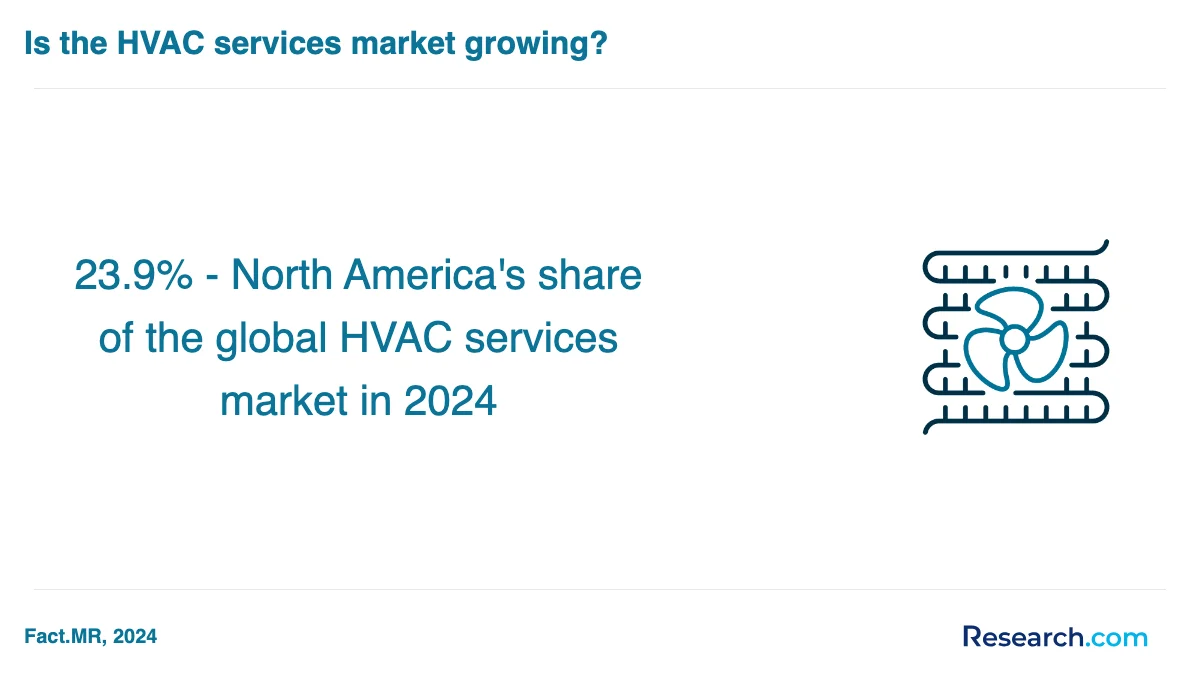
Students pursuing HVAC technician training in Chicago often find financial aid to be a crucial support in their educational journey. Graduates from institutions like the HVAC Technical Institute recall how completing the Free Application for Federal Student Aid (FAFSA) unlocked access to federal grants such as the Pell Grant, which can provide up to $7,395 annually. This form of aid significantly eased their tuition burden, allowing them to focus more on mastering technical skills.
Many also benefit from state and local grants. For example, those enrolled at the College of Lake County have taken advantage of Workforce Innovation & Opportunity Act (WIOA) funding, which covers tuition, books, and exam fees, especially for individuals facing financial hardships or unemployment. Such grants helped these students progress without the constant worry of mounting expenses.
Scholarships tailored to HVAC and electrical training offer another layer of financial relief. Graduates often mention how awards targeting women or minorities made their ambitions feel within reach. Additionally, employer tuition reimbursement programs provide hopeful HVAC workers the chance to advance their skills while working, easing the financial pressure of returning to school.
Enrolling in an HVAC technician trade school program in Chicago usually requires a few clear prerequisites that set students up for success. Most popular trade schools ask for a high school diploma or GED as a baseline, ensuring students have the foundational skills needed for technical coursework.
Graduates often share how having a basic understanding of math and science made hands-on training smoother and less intimidating. Schools emphasize:
- Proficiency in algebra and basic physics
- Strong communication skills for teamwork and customer interaction
- A genuine interest in mechanical systems and problem-solving
Applicants sometimes undergo placement tests or interviews, helping schools gauge readiness and motivation. For example, at well-regarded Chicago trade schools, students recall feeling reassured when these steps highlighted their strengths rather than just their weaknesses.
Many programs also appreciate prior experience or familiarity with tools, whether from part-time jobs or personal projects. This practical background often sparks early confidence and excitement, turning the learning journey into a rewarding adventure in a city known for its challenging weather and demand for skilled HVAC professionals.

HVAC technician trade school programs in Chicago typically include a rich blend of courses designed to build both technical skill and confidence. Graduates often recall beginning with basic electricity, learning how to read circuit diagrams and safely handle wiring, a foundation they find invaluable when diagnosing real-world equipment issues.
Core courses generally cover:
- Heating systems, including furnaces and boilers, where students gain hands-on experience troubleshooting common malfunctions.
- Air conditioning and refrigeration, teaching the principles of refrigerant cycles and system installation, critical for Chicago's varied climate needs.
- Hydronics, focusing on water-based heating used in many of the city's larger buildings.
- Ventilation systems, with lessons on ductwork design and airflow measurement to ensure healthy indoor air quality.
Many popular Chicago trade schools also prepare students for the EPA 608 certification, essential for legally handling refrigerants. Graduates often share how lab sessions using industry-standard equipment made the learning tangible and exciting, helping them feel ready to enter the workforce in both residential and commercial settings.
Students praise the inclusion of customer service training, which equips them to confidently interact with clients and employers, making the whole educational journey feel practical and fulfilling.
Exploring HVAC technician specializations in Chicago reveals a variety of focused training paths that reflect the city's diverse climate needs and industry demands. Graduates from programs at City Colleges of Chicago often highlight the value of deep expertise in residential and commercial air conditioning and refrigeration systems, where they gain hands-on skills in installation and maintenance for spaces ranging from cozy apartments to bustling office buildings.
Other students find their passion in heating systems installation and maintenance, particularly relevant in Chicago's cold winters. Schools like College of DuPage equip them with the know-how to troubleshoot furnaces, boilers, and gas heating units, which creates confidence in managing both traditional and energy-efficient systems.
Chicago HVAC trade school program options also include specialized training in ventilation and indoor air quality, helping students embrace green technologies and new environmental standards. Meanwhile, those interested in robotics and automation thrive in courses focusing on electrical systems and programmable logic controllers at institutions like the Chicago Professional Center. Many pursue certifications such as EPA "Universal" and NATE to enhance career prospects.
Choosing your specialization is a crucial step, and for those weighing their educational options, understanding trade school vs college pros and cons can provide valuable insight.
Choosing among the best HVAC technician trade schools in Chicago means looking beyond mere course listings. Graduates often share how accreditation and a strong reputation quickly became crucial factors in their decision-making, ensuring their qualifications were respected by local employers. For instance, programs meeting standards from HVAC Excellence or NCCER offer confidence that the training matches industry expectations.
When deciding how to choose HVAC technician programs in Chicago, consider those offering a comprehensive curriculum combined with hands-on training-the kind that lets you confidently troubleshoot real systems. Many found attending schools with experienced instructors and career support services invaluable, as these elements provided practical skills and led directly to job placements in a competitive market.
Reflect on personal stories from former students who appreciated flexible scheduling options, enabling them to study while balancing work or family life. Investigating financial aid opportunities also eased the path for many. For deeper insight on the benefits and differences between hvac certification and apprenticeship, reviewing expert resources can clarify the best route tailored to your goals.
Graduates of HVAC technician trade school programs in Chicago discover a wealth of HVAC career opportunities in Chicago that extend far beyond entry-level roles. Many find immediate employment as HVAC installers, service technicians, or maintenance technicians, working in both residential and commercial settings across the city's vibrant and evolving infrastructure. Through hands-on training experienced at popular Chicago trade schools, graduates often share how quickly they felt prepared to handle real-world challenges on construction sites or service calls.
Experienced graduates often pursue diverse Chicago HVAC technician job paths, including specialized roles such as refrigeration technicians, indoor air quality inspectors, or energy auditors-fields growing in importance due to rising environmental standards. Others leverage technical knowledge into HVAC sales or project management positions, finding satisfaction in guiding customers or leading teams. Some envision careers as HVAC systems or design engineers by continuing education beyond trade school.
Many Chicago graduates appreciate that opportunities also exist to become self-employed contractors, enjoying flexibility and control over their work. Certification like the EPA Section 608 Universal Certification, typically included in these programs, opens additional doors. When exploring career options, students weigh these paths alongside salary potential and job stability-the kind of information you can find by comparing them to the highest paying trades.
The job market for HVAC technician trade school graduates in Chicago remains robust, offering ample opportunities for those entering the field. Graduates from well-regarded local trade schools often report multiple job offers soon after completing their programs. Employers highly value formal training, with many roles explicitly requiring certification, which makes the pursuit of specialized education in Chicago a wise investment. The HVAC technician job outlook in Chicago is strengthened by over 800 open positions, fueled by new construction and ongoing maintenance of aging infrastructure.
Entry-level technicians typically earn between $18 and $32 per hour, with experienced workers reaching $40 to $56, especially in commercial or HVAC/R specialties. Many companies offer sign-on bonuses up to $3,500 and benefits such as health insurance, enhancing job satisfaction and financial stability.
Graduates appreciate how their hands-on training and knowledge of safety standards prepare them for real-world challenges, from residential repairs to complex commercial system installations. For those wondering about the pathway to this career, programs explain how long does it take to become hvac technician in Chicago.
Best HVAC Technician Training Programs & Trade Schools - Top HVAC Tech Schools in Chicago for 2026
# 1 position
City Colleges of Chicago-Kennedy-King College - Heating, Air Conditioning, Ventilation and Refrigeration Maintenance Technology/Technician.
associateThe Heating, Air Conditioning, Ventilation and Refrigeration Maintenance Technology/Technician program at City Colleges of Chicago-Kennedy-King College is a hybrid program offering some distance-education options. It prepares students to repair, install, service, and maintain heating, air conditioning, and refrigeration systems. Instruction covers diagnostic techniques, testing equipment, and principles of mechanics, electricity, and electronics related to system repair. Annual in-state tuition is $4,380. The program is accredited by the Higher Learning Commission.
# 2 position
HVAC Technical Institute - Heating, Air Conditioning, Ventilation and Refrigeration Maintenance Technology/Technician.
certificate or diplomaThe Heating, Air Conditioning, Ventilation and Refrigeration Maintenance Technology/Technician program at HVAC Technical Institute offers a hybrid format with some distance education. It prepares students to repair, install, service, and maintain heating, air conditioning, and refrigeration systems. Instruction covers diagnostic techniques, testing equipment, and mechanical, electrical, and electronic principles. The program is accredited by the Council on Occupational Education. Median earnings one year after completion are $41,644.
# 3 position
City Colleges of Chicago-Kennedy-King College - Heating, Air Conditioning, Ventilation and Refrigeration Maintenance Technology/Technician.
certificate or diplomaThe Heating, Air Conditioning, Ventilation and Refrigeration Maintenance Technology/Technician program at City Colleges of Chicago-Kennedy-King College offers a hybrid format with some distance-education options. It trains students to repair, install, service, and maintain HVAC and refrigeration systems, covering diagnostic techniques, testing equipment, and mechanical, electrical, and electronic principles. Annual in-state tuition is $4,380. The program is accredited by the Higher Learning Commission.
Frequently Asked Questions about HVAC technician
After completing an HVAC technician trade school in Chicago, preparing for the job market involves several key steps. First, obtaining EPA Section 608 certification is essential, as it is federally required to handle refrigerants safely. Many Chicago schools incorporate this certification into their programs.
Next, gaining hands-on experience through internships or apprenticeships can significantly improve employment prospects. Local unions and HVAC companies often offer apprenticeships, providing practical skills and networking opportunities.
Job seekers should also develop strong soft skills, such as communication and problem-solving, which employers value highly. According to the U.S. Bureau of Labor Statistics, HVAC technician employment in Illinois is projected to grow 8% from 2022 to 2032, signaling steady demand.
Finally, creating a professional resume highlighting certifications and practical experience will help graduates stand out in Chicago's competitive HVAC job market.
Employers in Chicago seek HVAC technician graduates with a strong foundation in technical skills such as system installation, maintenance, and repair. According to the U.S. Bureau of Labor Statistics, proficiency in electrical systems and refrigeration is essential due to the city's diverse climate demands. Additionally, knowledge of energy-efficient technologies is increasingly valued as Chicago enforces stricter environmental regulations.
Soft skills are equally important. Communication and problem-solving abilities help technicians explain issues to customers and perform repairs efficiently. The Illinois Department of Employment Security highlights that teamwork and reliability rank high in employer priorities for HVAC roles in the Chicago metropolitan area.
Hands-on experience gained through internships or apprenticeships significantly boosts employability. Many local trade schools incorporate practical training, which aligns with industry expectations. Familiarity with digital diagnostic tools and HVAC software is also becoming more critical as technology advances in the field.
Finding internships relevant to HVAC technician trade school programs in Chicago involves a combination of research and networking. Many trade schools partner with local HVAC companies to offer students hands-on internship opportunities, so start by checking with your school's career services or internship coordinator.
Additionally, online job platforms like Indeed and Glassdoor often list HVAC internships available in Chicago. The U.S. Bureau of Labor Statistics projects steady growth in HVAC jobs, increasing demand for apprenticeships and internships in the area.
Professional organizations such as the Air Conditioning Contractors of America (ACCA) Chicago Chapter also provide resources and networking events that can connect students with employers.
Finally, contacting local unions and trade associations can uncover apprenticeship programs that serve as paid internships, offering valuable real-world experience.
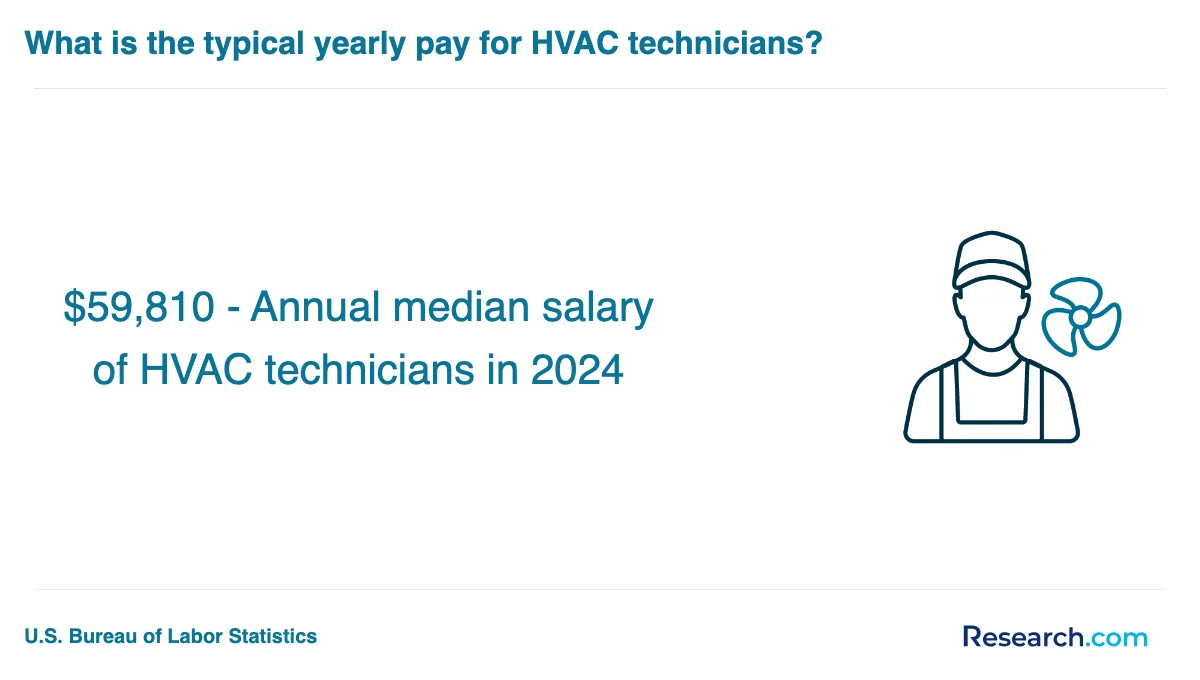
Obtaining a HVAC technician trade school diploma in Chicago significantly enhances career mobility and advancement opportunities. According to the U.S. Bureau of Labor Statistics, HVAC technicians in Illinois earn a median annual wage of around $53,000, with diploma holders often qualifying for higher starting salaries than those without formal training.
Trade school programs provide practical skills and certifications essential for licensing in Chicago, which many employers require. Graduates gain access to apprenticeship programs and union memberships, both critical for upward mobility in this sector.
Moreover, the Chicago Cook Workforce Partnership reports that certified HVAC technicians face lower unemployment rates and enjoy steady job growth, reflecting strong local demand.
Students enrolled in HVAC technician trade schools in Chicago can benefit from part-time jobs that offer practical experience and industry exposure. Entry-level positions such as HVAC helper or installer assistant are common and provide hands-on skills that align with coursework. These roles often involve equipment setup, basic repairs, and maintenance support, allowing students to apply classroom knowledge in real-world settings.
Additionally, opportunities in general construction or facilities maintenance can complement HVAC education by developing related skills. According to the U.S. Bureau of Labor Statistics, Chicago's HVAC job market is projected to grow by 5% through 2031, supporting a steady demand for trained technicians. Local unions and contractors sometimes offer apprenticeship programs that combine paid work with formal training, enhancing career readiness.
To find the best HVAC Technician degree program near me in Chicago, IL, you can start by searching for local colleges, trade schools, and technical institutions offering HVAC training. Programs and universities often provide detailed course outlines and resources to help improve your skills and qualifications in this field. Consulting resources like Research.com can also provide valuable insights into program reputations, rankings, and student reviews specific to the Chicago area.
- HVAC Trade Schools: HVAC Training Programs | Fortis https://www.fortis.edu/programs/skilled-trades/heating--ventilation--air-conditioning-and-refrigeration-trades.html
- Find HVAC Trade Schools - Diploma & Associate Degree Programs https://www.trade-schools.net/trades/hvac
- Ventilation Trade School | Chicago, IL | HVAC Tech https://www.hvac-tech.com/
- HVACR Technician Training - Gwinnett Technical College https://gwinnetttech.edu/online-continuing-education/hvacr-technician-training/
- The Top HVAC Trade Schools in The Country: 9 Expert Programs - Podium https://www.podium.com/article/best-hvac-trade-school
- Entry Level HVAC Technician - Training Certificate | Midlands Technical College https://www.midlandstech.edu/programs-and-courses/advanced-manufacturing-and-skilled-trades/hvac-training-certificate
- HVAC Career Path: What to Expect After Training https://www.genesiscareer.edu/hvac-career-path-after-training/
- Navigating the Career Path of an HVAC Technician | CBT Technology Institute https://www.cbt.edu/blog/navigating-the-career-path-of-an-hvac-technician/
- How to Prepare for an HVAC Career | Air Conditioning & Heating Classes https://www.thetrainingcenterofairconditioningandheating.com/hvac-technician/how-to-prepare-for-an-hvac-career/
- 10 Essential Tips for Starting Your HVAC Career - RightTek HVAC https://righttekhvac.com/2024/08/30/10-essential-tips-for-starting-your-hvac-career/


