Most Affordable HVAC Technician Schools & Training - Budget-Friendly HVAC Trade Programs in Augusta for 2026

Co-Founder and Chief Data Scientist
Choosing the right HVAC technician trade school in Augusta can feel overwhelming. This article simplifies that decision by featuring a HVAC technician trade school programs ranking created by the Research.com team of data scientists. It highlights the most affordable and reputable options for 2026.
Whether you’re starting fresh or seeking certification, earning a diploma in HVAC can open doors to a rewarding career. Reading this guide will help you find programs that match your goals and budget, making your journey smoother and more confident.
Key benefits of finishing HVAC technician trade school in Augusta
- Graduates from HVAC technician trade schools in Augusta can expect competitive salaries, with averages around $48,390 to $65,651 annually, offering a solid financial foundation early in their careers.
- Trade school graduates often pursue diverse career paths, including residential service technician roles, maintenance positions, or specialized installer jobs, providing flexibility and growth opportunities.
- Completing an HVAC program online offers convenience and faster completion times, allowing students to balance work and study while entering the workforce sooner than traditional degree programs.
- Most Affordable HVAC Technician Schools & Training - Budget-Friendly HVAC Trade Programs in Augusta for 2026
- What can I expect from HVAC technician trade schools in Augusta?
- Where can I work after finishing HVAC technician trade schools in Augusta?
What can I expect from HVAC technician trade schools in Augusta?
Enrolling in an HVAC technician trade school program in Augusta means diving into a hands-on, practical learning experience designed to prepare you for real-world HVAC challenges. Graduates from popular schools like Augusta Technical College and Helms College often share how the blend of classroom theory and hands-on labs helped them build confidence in system installation, maintenance, and troubleshooting.
Expect to engage with core topics such as refrigeration theory, electrical systems, and safe refrigerant handling, often through interactive simulations or in-person training. Many students appreciate the flexible formats, with some programs offering online modules paired with in-person labs, allowing them to balance study with other commitments.
Certification preparation is a major focus, with programs targeting EPA 608 and NATE Ready to Work credentials-vital for employment. Graduates frequently mention feeling well-supported by career services that connect them to local job opportunities, contributing to Augusta's strong employment rates for HVAC technicians.
Soft skills like communication and problem-solving are woven into the curriculum, ensuring students graduate ready to thrive in customer-facing roles. Overall, students find the programs both challenging and rewarding, setting a clear path to a stable, growing career in HVAC.
Where can I work after finishing HVAC technician trade schools in Augusta?
After finishing an HVAC technician trade school program in Augusta, many graduates find themselves quickly employed in diverse roles. For example, graduates from well-known local schools often land positions as HVAC installers or service technicians with residential companies, where they work hands-on fixing and maintaining home systems. These roles offer a rewarding sense of accomplishment as they improve people's daily comfort.
Others take advantage of Augusta's active commercial sector, joining larger projects in office buildings or hospitals. These opportunities, favored by graduates from Augusta's respected trade programs, allow technicians to develop specialized skills and gain experience on complex systems. Apprenticeships available locally provide a real-world learning environment under expert mentors, helping new technicians grow confident and capable.
Many graduates report feeling optimistic about their career paths, especially when pursuing certifications like the EPA Type 608 Universal to boost their credentials. Working for companies focused on healthcare or refrigeration services in Augusta also opens doors to steady employment and competitive wages, often ranging from $22 to $35 per hour. This blend of practical training and local demand makes Augusta a promising place to build a fulfilling HVAC career.
After finishing an HVAC technician trade school program in Augusta, graduates often find themselves stepping into a rewarding career with starting salaries around $36,000 to $48,000 per year. Many new technicians, fresh from popular local trade schools, share excitement about earning approximately $48,390 annually as they begin hands-on roles like HVAC Maintenance Technician I. This initial pay offers a solid foundation while gaining real-world experience.
With time and additional certifications, earnings can increase significantly. Experienced technicians in Augusta typically make an average hourly wage near $26, rising to over $32 per hour for senior roles-translating to more than $67,000 a year. Graduates often express pride in seeing their paychecks grow as they master complex systems and take on supervisory responsibilities.
Some advanced HVAC professionals in Augusta report salaries ranging from $75,000 to $100,000 annually, reflecting both skill and dedication. For many graduates, this progression feels like a natural, motivating reward for their hard work and ongoing education at well-regarded trade schools.
- Most HVAC technician programs in Augusta require a high school diploma or GED for admission and can be completed within 12 months for a diploma.
- Program costs vary widely, with some online options costing as little as $10 per month or $96 per year for a 120-hour diploma.
- Certification preparation is included, focusing on EPA 608 and NATE Ready to Work Certificates, which are necessary for employment.
- The job market in Augusta is growing faster than average, with an 86% job placement rate reported by some schools within six months of graduation.
- Entry-level salaries range from $35,000 to $45,000 annually, while experienced HVAC technicians can earn over $55,000 depending on their skills and certifications.
Completing an HVAC technician trade school program in Augusta typically takes about 9 to 12 months, depending on the school and whether you choose full-time or part-time study. Graduates often share how this timeframe allowed them to quickly transition from classroom learning to hands-on experience, feeling confident early on about their career path.
For instance, at well-known Augusta trade schools, students spend several months mastering core skills like system installation, maintenance, and repair. Many recall the excitement of their first real-world projects during internships, which are often integrated into the program timeline. This structure not only builds technical expertise but also energizes students as they see tangible progress.
Choosing a program with a clear schedule and supportive instructors helps maintain motivation throughout the intensive months. In a city like Augusta, where HVAC demand is growing, the relatively short completion time means graduates can quickly enter the workforce and start earning, making the investment feel rewarding and practical.
The core difference between online and on-campus HVAC technician trade school programs in Augusta revolves around how students engage with hands-on training and instruction. Graduates from Augusta Technical College often recall the confidence gained from working directly in fully equipped HVAC labs, where they practiced repairs on real systems under expert supervision. This face-to-face mentorship creates an immediate feedback loop that many find invaluable for mastering complex manual skills.
In contrast, online students at schools like SkillCat experience flexible learning through virtual simulations, allowing them to study at their own pace amid busy schedules. Many appreciate the affordability and convenience, especially those balancing work or family. However, these online graduates often highlight the challenge of lacking physical interaction with equipment, sometimes seeking local internships to build that crucial hands-on experience.
Both routes prepare students for entry-level roles, but the on-campus programs in Augusta emphasize tactile learning and direct instructor support, while online programs offer adaptability and cost savings, catering to different lifestyles and learning preferences.
The average HVAC technician program cost Augusta students encounter typically ranges between $3,000 and $5,000 for tuition alone, depending on the school and program format. Graduates from Augusta Technical College recall their online HVAC/R Technician courses costing around $3,185.00, which included valuable certification exam vouchers that eased their path to employment. On the higher end, those attending Augusta University's online HVAC/R Certified Technician program invested about $4,985.00, a price that reflected the inclusion of a comprehensive 66-piece tool kit essential for hands-on training.
Many students share that while the upfront HVAC trade school tuition fees Augusta programs present might seem significant, the inclusion of tools and certification support often justifies the expense, enabling quicker job placement and confidence in real-world skills. However, the total outlay extends beyond tuition fees. Books, supplies, and living expenses can add an extra $500 to $1,000 in materials and up to $10,000 annually for housing and food, something students advise planning for carefully.
Exploring financial aid options at top local institutions is a common strategy recommended by recent graduates. For those comparing options, reviewing the best trade school programs often clarifies cost versus benefit. This insight can help prospective HVAC technicians in Augusta find a program that balances affordability with comprehensive training to jumpstart their careers effectively.

Students pursuing HVAC technician training in Augusta often find that financial aid options vary significantly depending on the program and school. Graduates from Augusta Technical College frequently share how federal aid, such as Pell Grants and the HOPE Scholarship, made a tangible difference during their credit-bearing certificate or diploma programs. One graduate recalls the relief of covering tuition through FAFSA-funded grants, allowing full focus on mastering hands-on skills without financial stress.
On the other hand, those enrolled in non-credit HVAC/R courses sometimes face challenges since these programs typically don't qualify for traditional federal aid. Yet many find hope through local resources like workforce development boards and vocational rehabilitation programs, which often support students aiming for quick workforce entry. Another graduate described navigating these alternative funding sources with school advisors, unlocking access to community-based aid tailored to their needs.
Payment plans and employer-sponsored tuition assistance also appear as practical solutions for managing costs at popular Augusta trade schools. This flexible support enables students to invest in their futures while balancing work and family life.
Enrolling in an HVAC technician trade school program in Augusta typically requires a few key prerequisites that set the stage for success. Most programs expect applicants to have a high school diploma or GED, ensuring they possess essential math and science skills necessary for understanding HVAC systems.
Graduates from popular Augusta trade schools often recall how their basic knowledge of algebra and physics helped them grasp complex concepts faster. Some programs also recommend hands-on experience or exposure to mechanical work, which can be gained through part-time jobs or internships.
Other common prerequisites include:
- Passing an entrance exam or placement test to assess foundational skills
- Proof of age, typically 18 years or older, aligning with safety and labor regulations
- Basic computer literacy to handle digital tools used in diagnostics and system management
Many students find that these requirements encourage confidence and preparedness. One graduate shared how meeting these prerequisites made the first weeks of training feel less overwhelming, allowing them to focus on mastering practical skills in Augusta's hands-on learning environments.
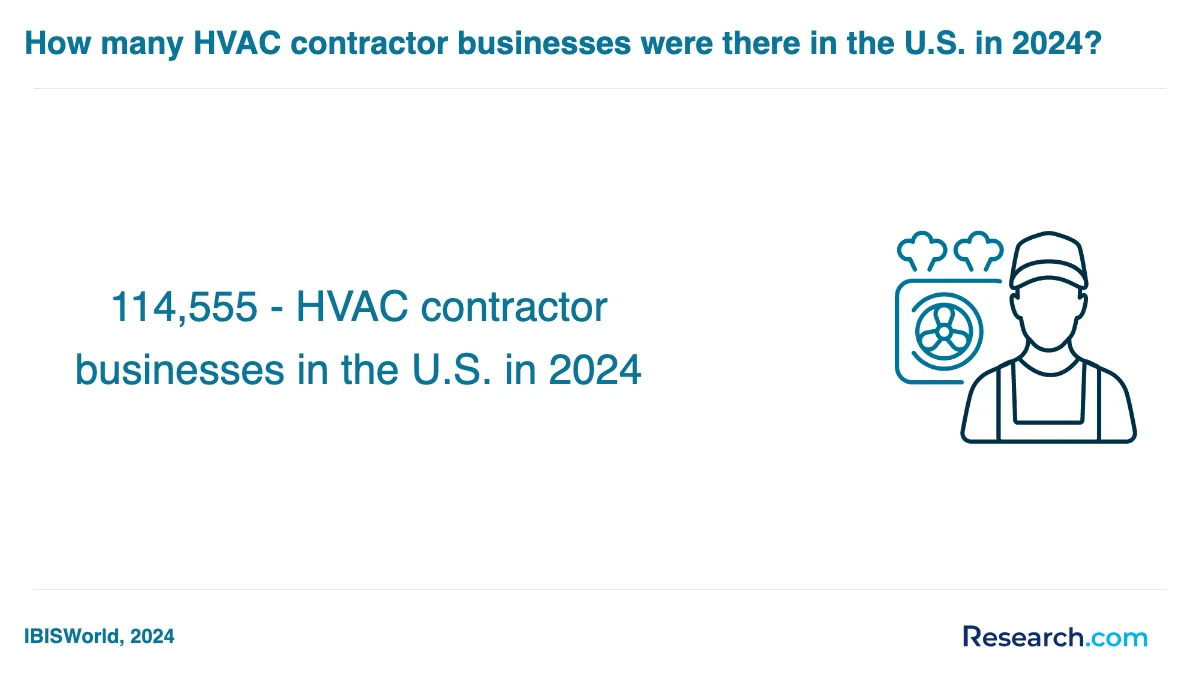
HVAC technician trade school programs in Augusta typically include a mix of essential courses that prepare students for real-world jobs. Graduates often recall starting with foundational classes like "Intro to HVAC," where they grasp the basics of heating, ventilation, air conditioning, and refrigeration systems. This hands-on approach, common at schools like Helms College and Augusta Technical College, makes learning feel practical and immediately applicable.
Core training often includes:
- EPA 608 Certification, crucial for legally handling refrigerants and understanding environmental safety
- Key hand tools, piping, brazing, and soldering techniques, which students practice on equipment similar to what they'll encounter on the job
- Refrigeration Theory and Air Conditioning Systems courses focused on troubleshooting and repairing complex systems
Many students appreciate the inclusion of soft skills training such as customer service and project management, which build confidence for the workplace. Evening classes and immersive labs recreate real job environments, making graduates feel ready to step into HVAC roles with both technical expertise and professional poise.
HVAC technician specializations in Augusta GA typically focus on a blend of core competencies and hands-on skills essential for a rewarding career. Graduates from renowned programs like Augusta Technical College often highlight the value of courses such as:
- Refrigeration Fundamentals
- HVACR Electrical Fundamentals
- Gas Heat Systems
- Heat Pumps and Related Systems
- Air Conditioning Systems Application and Installation
Students commonly describe feeling confident deploying these skills in real-world settings, troubleshooting complex residential and commercial HVAC systems. Augusta GA HVAC training programs also offer advanced opportunities, such as Augusta University's online HVAC/R Certified Technician course, which prepares experienced technicians for certifications recognized nationally. Graduates mention the practical service call simulations as particularly effective in building readiness for challenging fieldwork.
Many apprentices express enthusiasm about the flexible four-year PHCC apprenticeship program, which combines classroom theory with paid on-the-job training, enhancing both technical ability and customer service savvy. These specialized routes not only create skilled workers but also fuel aspirations of well-paid careers-with details about what is the average salary of an hvac technician adding motivation for learners in Augusta.
Many students appreciate attending affordable HVAC trade schools Augusta GA because the costs stay manageable-around $6,000 per year at Augusta Technical College-making it easier to focus on learning rather than financial stress. Being close to home also plays a big role, as the campus's location makes daily commutes feasible, allowing students to maintain work or family commitments alongside their studies.
Finally, exploring career opportunities is crucial. Consider your end goal by researching the top paying trade school jobs in HVAC fields, which can help guide you toward programs that lead to well-paid positions with strong job placement support. Taking this holistic approach aligns your education with both immediate needs and long-term success.
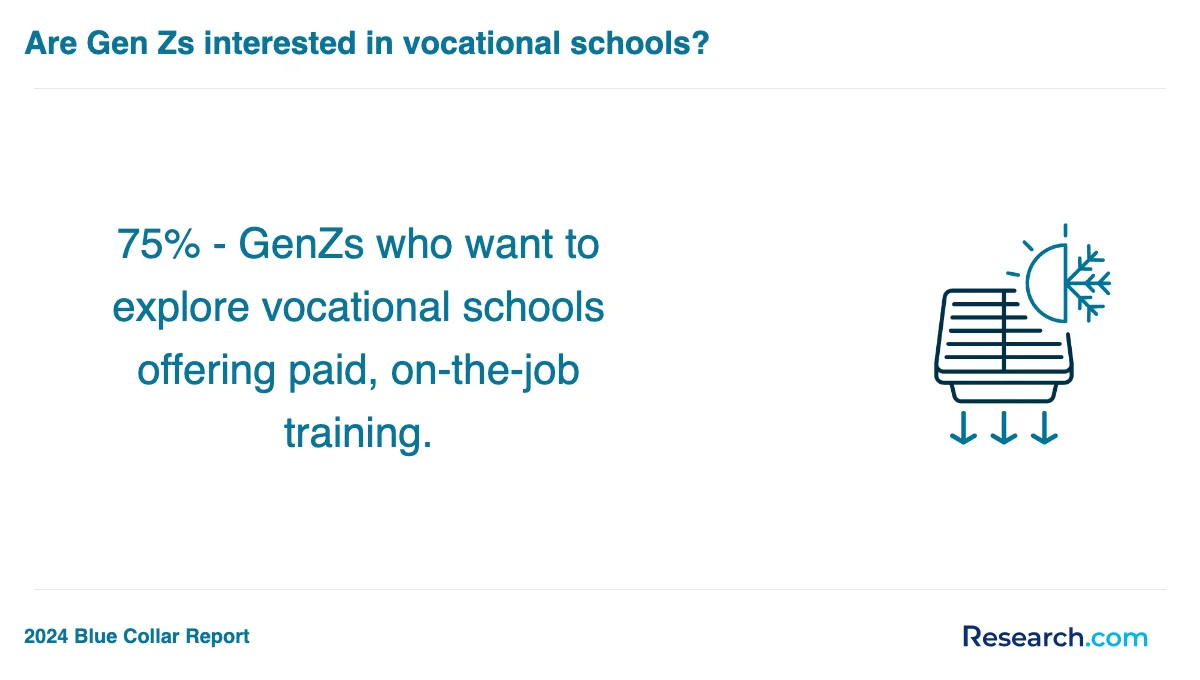
Graduates from HVAC technician trade school programs in Augusta often begin their careers in HVAC technician jobs in Augusta GA, taking on entry-level roles that involve hands-on installation, maintenance, and repair of systems in homes and businesses. Many find success quickly by leveraging certifications such as the EPA 608, which popular trade schools in Augusta help students obtain. With real-world experience, numerous opportunities open up, including advancing to senior technician positions or specializing in commercial HVAC careers Augusta Georgia, where more complex systems require deeper expertise.
Recent graduates frequently share how trade schools prepared them with practical skills that employers like IES Residential praise. Career paths extend beyond on-site work to supervisory roles, HVAC engineering consultancy for new projects, or even sales and dispatch coordination, where technical knowledge enhances client relationships. Many students explore options through mentorship programs and paid certifications offered locally, ensuring continual growth and job stability.
For those looking for accessible ways to achieve certification and launch a career, exploring options like cheap online hvac certification programs complements traditional schooling and broadens future possibilities.
The HVAC job market outlook Augusta shows promising opportunities for graduates from local trade schools. Many graduates report quickly securing HVAC technician jobs in Augusta GA thanks to a high demand driven by the city's population and expanding commercial sector. Entry-level wages typically start between $24 and $28 per hour, with experienced technicians earning up to $31, making it an attractive career path. Graduates from popular trade schools appreciate how employers such as IES Residential and Crothall Healthcare offer paid training and career advancement, fostering positive and supportive work environments.
Many students find that completing trade school programs not only provides practical skills but also prepares them for certifications and apprenticeships, which local employers highly value. Studying HVAC in Augusta means engaging with real-world scenarios, like servicing residential units in the humid summers or working on commercial systems throughout the year, which builds confidence quickly.
For those still exploring educational options, researching best vocational trade schools online can complement local programs and expand career readiness.
Most Affordable HVAC Technician Schools & Training - Budget-Friendly HVAC Trade Programs in Augusta for 2026
# 1 position
Augusta Technical College - Heating, Air Conditioning, Ventilation and Refrigeration Maintenance Technology/Technician.
certificate or diplomaAugusta Technical College offers a hybrid Heating, Air Conditioning, Ventilation and Refrigeration Maintenance Technology/Technician program that prepares students to repair, install, service, and maintain HVAC and refrigeration systems. Instruction covers diagnostic techniques, testing equipment, and principles of mechanics, electricity, and electronics. The program’s annual in-state tuition is $4,022, and median earnings one year after completion are $34,877. It is accredited by the Southern Association of Colleges and Schools Commission on Colleges.
# 2 position
Helms College - Heating, Air Conditioning, Ventilation and Refrigeration Maintenance Technology/Technician.
certificate or diplomaHelms College offers a hybrid program in Heating, Air Conditioning, Ventilation and Refrigeration Maintenance Technology/Technician. The curriculum prepares students to repair, install, service, and maintain HVAC and refrigeration systems using diagnostic techniques and testing equipment. Instruction covers mechanics, electricity, and electronics related to these systems. Annual in-state tuition is $17,924. The program is accredited by the Accrediting Council for Continuing Education & Training.
Frequently Asked Questions about HVAC technician
After completing an HVAC technician trade school in Augusta, preparing for the job market involves several important steps. First, obtaining EPA Section 608 certification is essential, as it is federally required for handling refrigerants. Many trade schools incorporate preparation for this exam into their programs.
Networking locally can significantly improve job prospects. Joining industry groups such as the Augusta Chapter of the Refrigeration Service Engineers Society (RSES) provides access to job leads and professional connections.
Additionally, gaining hands-on experience through internships or apprenticeships offered by local HVAC companies can enhance your resume. According to the U.S. Bureau of Labor Statistics, HVAC jobs in Georgia are expected to grow 9% from 2022 to 2032, indicating steady demand.
Continuing education and staying updated on the latest technology in HVAC systems can further increase employability in the Augusta job market.
Employers in Augusta seeking HVAC technician trade school graduates prioritize a combination of technical and soft skills. Proficiency in electrical systems, refrigeration, and HVAC installation is essential. According to the U.S. Bureau of Labor Statistics, technicians with strong troubleshooting and repair abilities are in higher demand. Local Augusta employers also emphasize knowledge of safety protocols and EPA certification for handling refrigerants, which aligns with federal regulations.
Communication skills and the ability to work independently or in teams are frequently highlighted in job postings across Augusta. Additionally, familiarity with modern HVAC technology, such as smart thermostats and energy-efficient systems, is increasingly important. These skills enhance a graduate's job prospects and earning potential in the region.
Finding internships in Augusta relevant to HVAC technician trade school programs involves several practical steps. Start by contacting local trade schools, as many have established partnerships with HVAC companies offering internship opportunities. According to the Georgia Department of Labor, Augusta has a growing demand for skilled HVAC technicians, increasing chances for hands-on training experiences.
Checking job boards like Georgia's Employ Georgia platform can also help locate internships specifically in the Augusta area. Networking through local HVAC contractors and trade associations, such as the Augusta Chapter of the Refrigeration Service Engineers Society (RSES), often reveals openings not publicly advertised.
Additionally, students should inquire about internship placements during enrollment, since accredited schools often assist with matching learners to relevant employers.
Obtaining a diploma from an HVAC technician trade school in Augusta significantly enhances career mobility within the local job market. Employers in the region often prioritize candidates with formal training, as it demonstrates essential technical skills and industry knowledge. According to the U.S. Bureau of Labor Statistics, HVAC technicians with postsecondary credentials can expect higher starting salaries and faster promotion rates compared to those without formal education.
In Augusta, the demand for skilled HVAC professionals is growing, driven by both residential and commercial construction. Trade school diplomas often open doors to entry-level jobs and apprenticeships, which are crucial for gaining hands-on experience.
Additionally, many HVAC programs in Augusta prepare students for EPA certification and other industry licenses, which are required for advanced roles and increase earning potential. This credentialing process supports upward mobility and job stability in a competitive field.
Students enrolled in HVAC technician trade schools in Augusta can benefit from several part-time job opportunities that complement their education. Positions such as HVAC helper or assistant allow students to gain hands-on experience while supporting licensed technicians on residential and commercial projects. Local companies often seek part-time workers for equipment maintenance and installation tasks, providing practical exposure to industry tools and protocols.
The U.S. Bureau of Labor Statistics reports that HVAC technician jobs in Georgia are projected to grow by 10% from 2022 to 2032, indicating increasing demand. This growth creates more entry-level job openings ideal for students.
Additionally, retail roles in home improvement stores, like Lowe's or Home Depot branches in Augusta, offer part-time work where students can learn about HVAC products and customer service, enhancing their technical knowledge and communication skills.
To find the most affordable HVAC Technician degree program near me, researching local community colleges or trade schools can be a good starting point, as they often offer lower tuition rates and may have programs specifically in HVAC studies. In Augusta, GA, prospective students can explore options such as Augusta Technical College, which offers relevant programs focused on HVAC technology. Additionally, using platforms like Research.com can help compare different educational institutions in terms of affordability, location, and program specifics both near Augusta, GA and elsewhere.
- HVAC Career Path: What to Expect After Training https://www.genesiscareer.edu/hvac-career-path-after-training/
- Navigating the Career Path of an HVAC Technician | CBT Technology Institute https://www.cbt.edu/blog/navigating-the-career-path-of-an-hvac-technician/
- How to Prepare for an HVAC Career | Air Conditioning & Heating Classes https://www.thetrainingcenterofairconditioningandheating.com/hvac-technician/how-to-prepare-for-an-hvac-career/
- 10 Essential Tips for Starting Your HVAC Career - RightTek HVAC https://righttekhvac.com/2024/08/30/10-essential-tips-for-starting-your-hvac-career/
- What to expect after HVAC trade school? What is a real Technician? #realtech #technician #HVAC https://www.youtube.com/watch
- 4 Tips to Prepare for an HVAC Career Path in Michigan https://www.dorsey.edu/blog/hvac-career-path-mi/
- Online HVAC/R Technician (Voucher Included) from Augusta Technical College https://careertraining.augustatech.edu/training-programs/hvacr-technician/
- HVAC/R Training Program in Augusta & Macon | Helms College https://www.helms.edu/programs/hvacr-training-program/
- Augusta Technical College - HVAC Technician Training School https://hvactechnician.careers/hvac-school/georgia/augusta/augusta-technical-college/
- HVAC Schools in Augusta, GA – HVAC Programs & Certifications https://www.hvacclasses.org/schools/georgia/augusta