Most Affordable HVAC Technician Schools & Training - Budget-Friendly HVAC Trade Programs in New Hampshire for 2026

Co-Founder and Chief Data Scientist
Choosing the right HVAC technician trade school in New Hampshire can feel overwhelming. This article makes that decision easier by presenting a carefully crafted HVAC technician trade school programs ranking created by the Research.com team of data scientists.
Whether you’re starting fresh or looking to enhance your skills, this guide highlights programs that offer great value and quality education. Earning a diploma or certification in HVAC opens doors to a rewarding career with strong job prospects.
Explore your options confidently and take the next step toward a fulfilling future in HVAC technology.
Key benefits of finishing HVAC technician trade school in New Hampshire
- Graduates from HVAC technician trade schools in New Hampshire can expect to earn around $32.93 per hour, translating to about $68,000 annually, with opportunities for overtime boosting income further.
- Career paths include becoming master HVAC technicians earning up to $75,932 yearly or moving into HVAC sales roles with salaries reaching $87,362, offering diverse and rewarding job options.
- Completing an HVAC technician program online provides flexibility and convenience, as experienced graduates report balancing work, family, and studies more easily compared to traditional degrees.
- Most Affordable HVAC Technician Schools & Training - Budget-Friendly HVAC Trade Programs in New Hampshire for 2026
- What can I expect from HVAC technician trade schools in New Hampshire?
- Where can I work after finishing HVAC technician trade schools in New Hampshire?
What can I expect from HVAC technician trade schools in New Hampshire?
Enrolling in an HVAC technician trade school in New Hampshire means diving into a hands-on learning experience that balances theory with real-world application. Graduates from schools like Manchester Community College and Granite State Trade School often describe their time working directly with HVAC/R equipment in labs, where they learn to troubleshoot, install, and maintain systems just as they will on the job.
Expect evening classes designed to fit around work or apprenticeships, making it easier to gain experience while studying. For instance, Granite State's two-year evening certificate program lets students earn credentials without disrupting their daily routines, all while benefiting from affordable tuition around $7,900.
You'll also develop valuable skills beyond the technical-many programs incorporate safety training like OSHA 10 and customer service essentials, preparing you for the realities of the field. Graduates appreciate the blend of classroom knowledge and paid apprenticeship opportunities that local partnerships provide, setting the stage for a successful HVAC career right here in New Hampshire.
Where can I work after finishing HVAC technician trade schools in New Hampshire?
After finishing an HVAC technician trade school program in New Hampshire, many graduates find themselves stepping confidently into diverse career paths that offer stability and growth. Popular trade schools like Lakes Region Community College and White Mountains Community College equip students with hands-on skills and certifications, making them attractive candidates for local employers.
Graduates often land roles at residential and commercial HVAC companies, working in real homes and businesses to install, maintain, and repair heating and cooling systems. One graduate shared the satisfaction of securing a position with a respected company like LeBlanc Heating, where year-round work and benefits create a sense of security and pride.
Others thrive in government facilities or large retail environments, such as Walmart supermarkets, where refrigeration skills keep essential systems running smoothly. The ability to work in schools, hospitals, or manufacturing plants also appeals to graduates who enjoy varied challenges and teamwork.
Many find that earning a New Hampshire gas license and EPA certification through their trade school opens doors to higher wages and specialized roles, fueling both confidence and career advancement.
After finishing an HVAC technician trade school program in New Hampshire, many graduates find themselves stepping into jobs that pay around $59,860 annually on average. Imagine completing your training at a well-known trade school in Manchester or Concord and starting out with a paycheck close to $37,670. That's a real achievement for someone just beginning their career.
Many grads share stories of quickly moving up to roles offering salaries as high as $78,620 after gaining experience and extra certifications. They often describe the pride of earning between $28 and $34 an hour, especially when working overtime or weekend shifts that boost their income further.
One graduate from a popular New Hampshire trade school described how hands-on learning prepared them to confidently negotiate their starting wage, landing closer to the upper hourly range. These earnings, paired with the satisfaction of mastering a skilled trade, make HVAC an attractive path for many entering the workforce here.
- Admission requires a high school diploma or equivalent, with recommended coursework in Algebra I, Algebra II, and science; physical ability and background checks may also be needed.
- New Hampshire does not require state HVAC licenses, but gasfitters and oil heating technicians must be licensed and maintain continuing education every two years.
- EPA Section 608 certification is federally required for handling refrigerants, and many programs prepare students for this and other industry credentials like HVAC Excellence and NATE certificates.
- Tuition costs range from $4,000 to $12,000 depending on the program type, with financial aid and scholarships available for eligible students.
- Entry-level HVAC technicians earn between $45,000 and $55,000 annually, while experienced and certified professionals can make $70,000 or more.
Completing an HVAC technician trade school program in New Hampshire typically takes between six months to one year, depending on the intensity and structure of the course. Many students at well-known trade schools in the state find that immersive, hands-on programs accelerate their learning, allowing them to transition quickly from classroom theory to real-world application.
Graduates often share how the condensed schedules push them to stay focused, but the rewarding feeling of mastering skills like system installation and maintenance keeps motivation high. Imagine finishing a program just in time to land a summer apprenticeship, gaining valuable experience while the weather heats up.
Some programs offer flexible pacing options, which can extend the timeline but provide balance for those juggling work or family commitments. This adaptability is especially appreciated by students who need to maintain income while training.
Trade schools in New Hampshire emphasize practical training, which means students graduate feeling confident and job-ready within a short period. This efficient path is perfect for anyone eager to start a stable, hands-on career in HVAC without years of delay.
The core difference between online and on-campus HVAC technician trade school programs in New Hampshire lies in the balance between hands-on experience and flexible learning. Graduates from on-campus programs, like those at Granite State Trade School in Raymond, often share how attending evening classes twice a week immersed them in real equipment-furnaces, heat pumps, control systems-making the learning feel tangible and directly applicable. These students describe a sense of confidence gained from working side-by-side with instructors in workshop settings, where troubleshooting and repairing systems happens in real time.
By contrast, online students appreciate the freedom to study theory at their own pace, fitting coursework around busy jobs or family life. Yet many admit missing the direct, tactile practice that on-campus labs provide. Some online learners supplement their training with short in-person workshops or local partner facilities, but the experience can feel less immediate and hands-on.
For those aiming to nail certification exams and master practical skills, the immersive, lab-centered approach of New Hampshire's on-campus programs often proves more rewarding and engaging.
The average cost HVAC technician trade school New Hampshire students encounter varies widely, often reflecting the length and specialization of the program. Many graduates recall the balance of expense and quality at schools like Granite State Trade School, where the two-year HVAC certificate course costs around $7,900. This price covers an intensive curriculum across four semesters, allowing students to master thermodynamics and hands-on HVAC system repair while attending evening classes tailored for working adults.
On the other hand, some found more affordable routes at institutions such as the New Hampshire School of Mechanical Trades, where targeted courses like Air Conditioning Technician or Oil Heat Technician are priced near $2,300. Graduates from these programs often highlight feeling well-prepared in specialized skills without overwhelming financial burden. However, the tuition fees HVAC technician programs New Hampshire offer don't capture the whole picture-additional costs like textbooks, tools, and certifications, including the EPA Section 608 exam fee of about $50, add to the necessary investment.
For those exploring options that align with their financial situations, community colleges provide a flexible path. Manchester Community College charges tuition per credit hour, from $215 for New Hampshire residents to $490 for out-of-state students, combining affordability with an Associate of Applied Science degree. Many students share how leveraging federal aid and local scholarships eased these tuition challenges, encouraging prospective learners to research support mechanisms.
Choosing the right HVAC program includes considering financial aid to offset these varying expenses effectively. Also, some turn to affordable maintenance technician online courses as supplementary or alternative routes to training, feeling reassured by the balance of cost and comprehensive education.
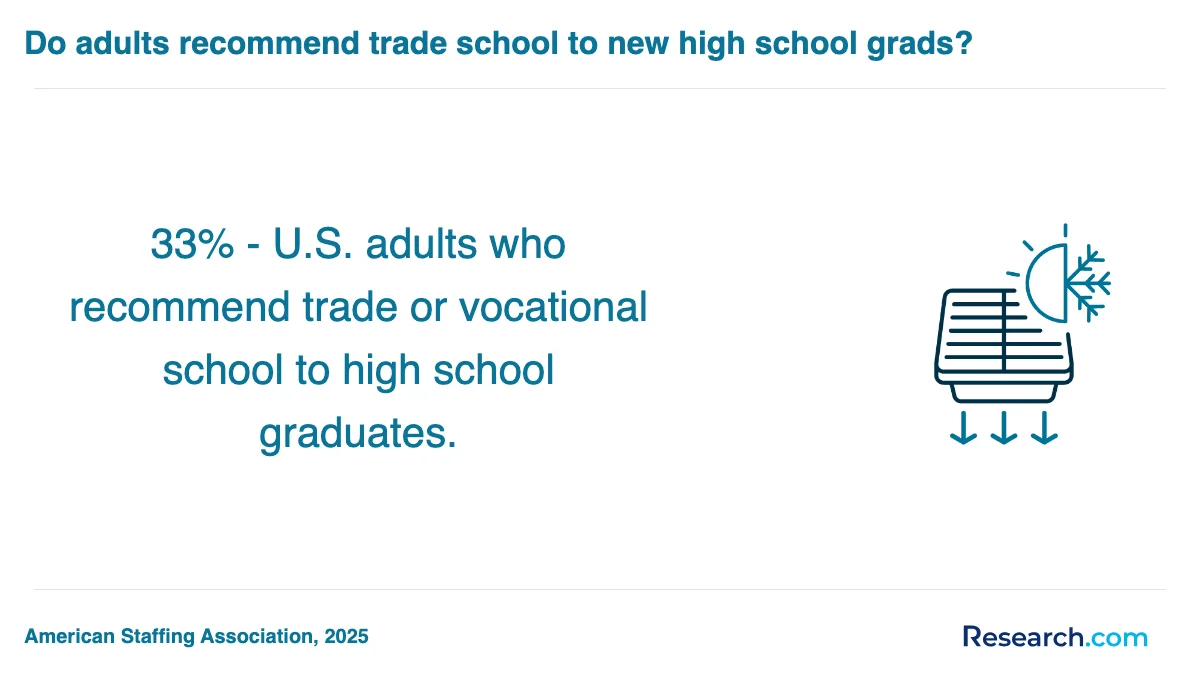
HVAC technician students in New Hampshire often find relief through federal and state grants, accessed by completing the FAFSA. Graduates from schools like The New Hampshire School of Mechanical Trades frequently share how Pell Grants and state-specific aid made their education affordable, especially when enrolled in accredited programs offering college credit. These grants can dramatically reduce tuition, making the path to certification less daunting.
For those attending certificate-based or non-credit HVAC courses, federal aid might not be an option. However, state vocational rehabilitation programs and workforce development boards sometimes cover tuition for qualifying students. Many graduates recall reaching out to their local workforce offices and discovering unexpected support, turning financial worries into motivation.
Interest-free payment plans are another lifeline, allowing students to spread tuition costs over weeks with manageable down payments. Discounts for consecutive hands-on courses also ease the financial load. Private financing exists but often depends on credit, so students weigh these options carefully. Many find that diligent research and early scholarship applications unlock additional funding from industry groups, helping turn ambition into achievement.
Enrolling in an HVAC technician trade school program in New Hampshire usually requires a few key prerequisites that set students up for success. Most popular trade schools in the state expect applicants to have a high school diploma or GED, ensuring a basic foundation in math and science-critical for mastering HVAC concepts.
Graduates often share how having a solid grasp of algebra and physics beforehand made hands-on training feel less overwhelming. Some schools also recommend or require students to pass a placement test to confirm readiness.
Beyond academics, schools look for candidates with strong problem-solving skills and a genuine interest in mechanical systems. Many students recall feeling excited yet challenged when starting, but quickly gained confidence as the program progressed.
Typical prerequisites include:
- High school diploma or GED
- Basic math and science proficiency
- Passing a placement or entrance exam (varies by school)
- Physical ability to handle hands-on work and tools
Trade schools like those in Manchester or Nashua emphasize these requirements to maintain high standards and prepare students for rewarding HVAC careers in New Hampshire's growing market.
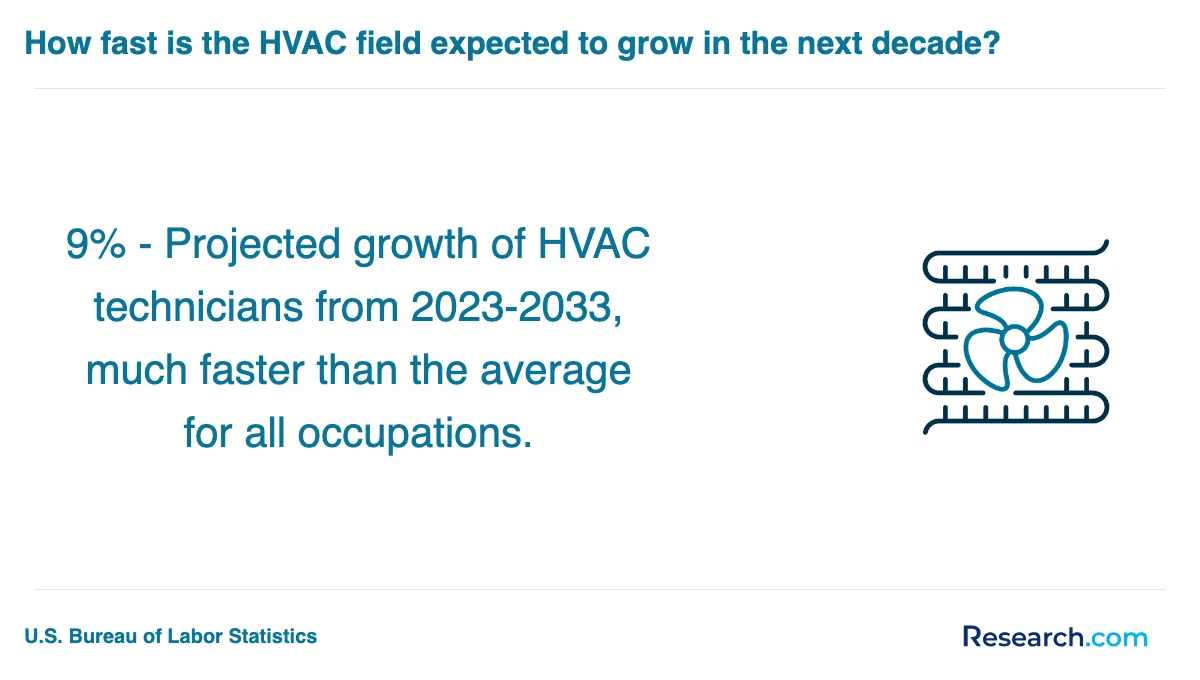
New Hampshire HVAC trade schools focus on courses that blend theory with hands-on practice, ensuring graduates feel confident tackling real-world HVAC challenges. Early classes, like HVAC 101, ground students in essential concepts such as basic thermodynamics and refrigeration cycles, which many graduates recall as the foundation for understanding complex systems.
As the program advances, students dive into practical skills through courses covering:
- Installation and repair of HVAC/R equipment
- Preventive maintenance techniques
- Use of essential tools, meters, and measurement devices
At schools like Granite State Trade School, students often highlight their excitement working directly with oil heat technology-cleaning, tune-ups, electrical wiring, and troubleshooting-gaining hands-on exposure that feels immediately applicable.
Specialized modules cover control systems, condensers, furnaces, heat pumps, and cutting-edge energy-efficient HVAC tech, preparing students to meet evolving industry demands.
Many programs also include preparation for critical certifications such as EPA 608 and optional NORA or NATE certifications, helping graduates enter the workforce with recognized credentials and confidence. Safety training, including OSHA 10, rounds out the curriculum, emphasizing workplace readiness.
HVAC technician specializations in New Hampshire often include hands-on training in air conditioning, refrigeration, heating systems, and electrical components essential for modern HVAC work. Graduates from institutions like the New Hampshire School of Mechanical Trades highlight the value of focused courses such as the 120-hour Air Conditioning Technician program, which not only emphasizes residential and commercial AC repair but also prepares students specifically for the EPA Section 608 certification exam. This blend of theory and fieldwork enables students to confidently troubleshoot real-world HVAC challenges.
At Granite State Trade School, the variety expands as students engage in broad New Hampshire HVAC training programs covering thermodynamics, control systems, refrigerant cycles, and customer service skills. Graduates often speak about how this comprehensive approach, spread over four semesters, sharpens their ability to install, maintain, and repair diverse HVAC/R equipment.
Many HVAC students also weigh the benefits of different paths and explore options like apprenticeships. For those navigating these choices, understanding the trade school hvac program vs apprenticeship can be eye-opening and help tailor their education to career goals.
Choosing the best HVAC technician trade school program in New Hampshire requires careful evaluation of several key factors. Graduates often stress the importance of finding a balance between affordability and quality; affordable HVAC technician programs in New Hampshire like those at Manchester Community College offer a mix of comprehensive classroom learning and essential hands-on training that prepares students for real-world challenges. Many students appreciate the flexibility of evening and weekend classes, which help accommodate personal and professional commitments. A program's accreditation and experienced faculty are crucial, as they ensure industry standards are met and practical insights are delivered effectively.
Another important consideration is the program's focus on licensing and certification preparation, such as the EPA Section 608 Technician Certification, which is vital despite New Hampshire not requiring a state license. Graduates highlight that strong job placement rates and solid industry connections open doors to rewarding HVAC technician jobs after completion. For those aiming for a career in this field, researching schools that combine these elements is essential to success. Exploring hvac technician jobs can also provide clarity on future opportunities.
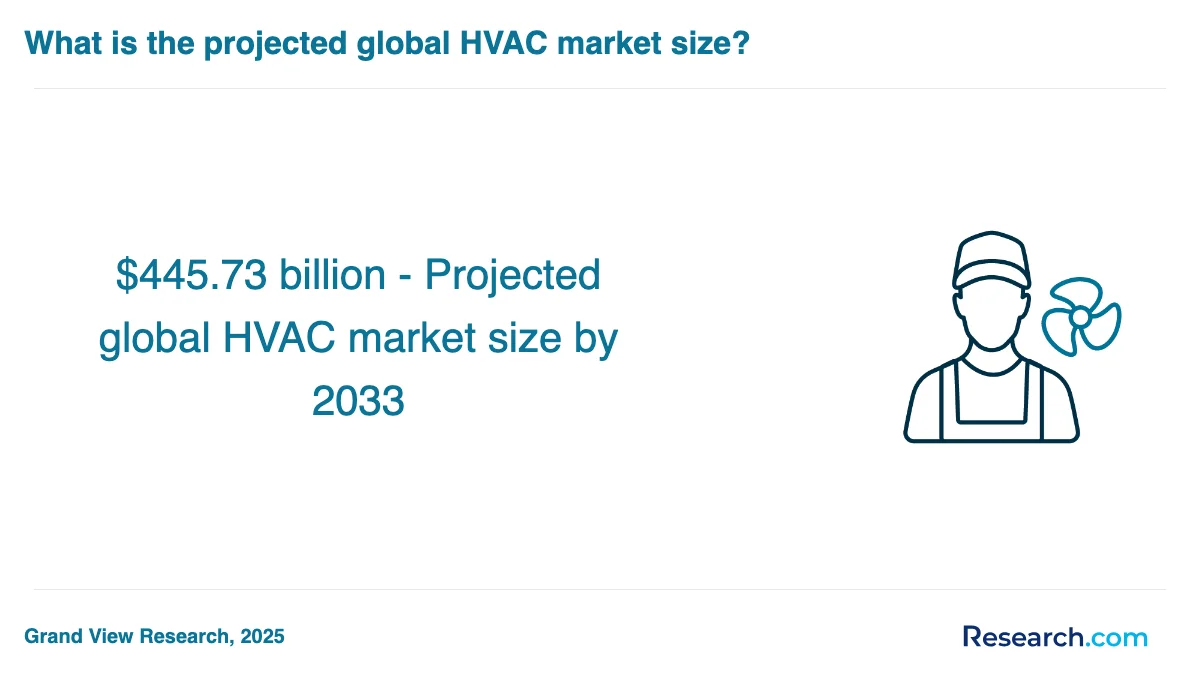
Graduates of HVAC technician trade school programs in New Hampshire step into a dynamic job market brimming with opportunity. Most find themselves starting as HVAC technicians, installing and maintaining vital heating and cooling systems across homes, offices, and healthcare facilities. This role thrives statewide, reflecting the robust demand for HVAC technician jobs in New Hampshire.
Many graduates from popular trade schools embrace diverse career paths such as:
- HVAC installers specialized in bringing new systems to life in residential and commercial properties
- Service technicians providing urgent repair work and advanced system diagnostics
- Refrigeration technicians maintaining complex commercial refrigeration units in supermarkets or industrial sites
With experience, some evolve into HVAC contractors managing projects and teams, or launch their own businesses. Others leverage their foundation in HVAC to branch into related trades like sheet metal work or plumbing. The availability of union apprenticeships with paid training and certification options like EPA Section 608 and New Hampshire gas licenses further enhances HVAC career opportunities in New Hampshire.
Graduates often share how their training opens doors to rewarding roles, full of hands-on challenges and steady growth. Those weighing their options in the region benefit from exploring resources like college vs. trade school to understand why HVAC stands out as a practical and promising career track.
The HVAC job market in New Hampshire remains strong for trade school graduates, reflecting steady demand in cities like Manchester and Concord. Graduates often share how hands-on training from popular local trade schools prepares them to confidently step into full-time roles with hourly wages ranging from $28 to $34. These realistic earnings are supported by regional data showing an average HVAC technician salary New Hampshire around $59,860, with entry-level pay near $37,670 and experienced technicians reaching $78,620.
Graduates appreciate the balance between work and income, especially given New Hampshire's moderate cost of living. Many note how overtime opportunities and certifications meaningfully raise their earning power.
Highlights that attract students to HVAC programs include:
- Frequent job openings fueled by construction and system upgrades
- Employer preference for accredited trade school graduates
- Potential for career growth in emerging green technologies
For those exploring training options, researching the best online trade schools can reveal flexible paths that match busy lifestyles, enhancing both skills and job prospects.
Most Affordable HVAC Technician Schools & Training - Budget-Friendly HVAC Trade Programs in New Hampshire for 2026
# 1 position
Manchester Community College - Heating, Air Conditioning, Ventilation and Refrigeration Maintenance Technology/Technician.
associateManchester Community College offers a hybrid program in Heating, Air Conditioning, Ventilation and Refrigeration Maintenance Technology/Technician. The curriculum trains students to repair, install, service, and maintain heating, air conditioning, and refrigeration systems. Instruction covers diagnostic techniques, testing equipment, and mechanical, electrical, and electronic principles related to these systems. The annual in-state tuition is $7,090. The program is accredited by the New England Commission on Higher Education.
# 2 position
Manchester Community College - Heating, Air Conditioning, Ventilation and Refrigeration Maintenance Technology/Technician.
certificate or diplomaManchester Community College offers a hybrid program in Heating, Air Conditioning, Ventilation and Refrigeration Maintenance Technology/Technician. The curriculum prepares students to repair, install, service, and maintain HVAC and refrigeration systems, emphasizing diagnostic techniques, testing equipment, and mechanical and electrical principles. The annual in-state tuition is $7,090. The program is accredited by the New England Commission on Higher Education.
Frequently Asked Questions about HVAC technician
Preparing for the job market after completing an HVAC technician trade school in New Hampshire involves several key steps. First, obtaining industry-recognized certifications such as the EPA Section 608 certification is essential, as it is legally required for handling refrigerants. According to the U.S. Bureau of Labor Statistics, HVAC jobs in New Hampshire are expected to grow by 8% through 2032, indicating steady demand.
Building practical experience through internships or apprenticeships helps graduates stand out. Networking with local contractors and trade associations like the New England Refrigeration Service Engineers Society can open job opportunities. Additionally, staying current with evolving HVAC technologies and state licensing requirements boosts employability in a competitive market.
Employers hiring HVAC technician graduates in New Hampshire prioritize strong technical skills, including knowledge of heating, ventilation, air conditioning, and refrigeration systems. According to the U.S. Bureau of Labor Statistics, practical experience with system installation, maintenance, and repair is highly valued. Additionally, familiarity with state safety codes and regulations is essential to ensure compliance and secure proper licensing.
Problem-solving abilities and effective communication skills are also critical, as technicians often work directly with customers and other tradespeople. The New Hampshire Department of Labor emphasizes the importance of adaptability and continuous learning due to evolving HVAC technologies.
Overall, employers seek graduates who combine hands-on expertise with strong interpersonal skills for success in this growing field.
Finding internships relevant to HVAC technician trade school programs in New Hampshire involves several practical steps. Start by contacting your school's career services or internship coordinator, as many trade schools maintain partnerships with local HVAC businesses for hands-on training opportunities. The New Hampshire Department of Labor and the U.S. Bureau of Labor Statistics report steady growth in HVAC jobs statewide, increasing demand for skilled interns.
Networking with local contractors and HVAC companies through trade associations like the New England Chapter of the Refrigeration Service Engineers Society can also uncover internship openings. Additionally, online job boards specific to New Hampshire, such as NHJobs.gov, frequently list HVAC internships.
Students should prepare a resume highlighting relevant coursework and certifications, which increases their chances of securing competitive placements.
Obtaining a diploma from a HVAC technician trade school in New Hampshire significantly enhances career mobility and advancement opportunities. According to the U.S. Bureau of Labor Statistics, HVAC jobs in New Hampshire are projected to grow by 6% through 2032, reflecting steady demand for skilled technicians. A diploma certifies practical expertise, making graduates more competitive for entry-level positions and promotions.
Trade school programs often include hands-on training and industry certifications, which are highly valued by employers in the region. This specialized education can lead to higher starting wages, with New Hampshire HVAC technicians earning a median annual wage of approximately $55,000, above the national average.
Furthermore, many New Hampshire employers prefer candidates with formal training for roles involving complex systems and supervisory responsibilities. Graduates also qualify for apprenticeships and licensing exams, essential steps for career advancement within the state's HVAC industry. These credentials collectively support long-term professional growth and job stability.
Students enrolled in HVAC technician trade schools in New Hampshire can benefit from part-time jobs that enhance practical skills and industry knowledge. Positions such as HVAC helper or apprentice technician are common, allowing students to gain hands-on experience while studying. According to the U.S. Bureau of Labor Statistics, New Hampshire's HVAC employment is projected to grow by 5% from 2022 to 2032, indicating steady job availability.
Other complementary roles include maintenance assistant or building systems technician, which expose students to related mechanical systems. Local contractors and facilities management companies often offer part-time roles suited for trade school students. These jobs not only build technical proficiency but also improve customer service and safety awareness, key areas for future HVAC professionals.
To find the most affordable HVAC Technician degree program near me, you can start by researching community colleges and trade schools near New Hampshire that offer HVAC programs. Many institutions provide detailed information on their tuition rates and financial aid options, so contacting admissions offices directly can be beneficial for tailored advice. Utilizing resources like Research.com can also help you compare program costs and details to find options that are both accessible and high-quality.
- Most Affordable HVAC Technician Schools & Training - Budget-Friendly HVAC Trade Programs in Maine for 2026
- Most Affordable HVAC Technician Schools & Training - Budget-Friendly HVAC Trade Programs in New York for 2026
- Most Affordable HVAC Technician Schools & Training - Budget-Friendly HVAC Trade Programs in New Jersey for 2026
- Most Affordable HVAC Technician Schools & Training - Budget-Friendly HVAC Trade Programs in Pennsylvania for 2026
- Most Affordable HVAC Technician Schools & Training - Budget-Friendly HVAC Trade Programs in Delaware for 2026
- Most Affordable HVAC Technician Schools & Training - Budget-Friendly HVAC Trade Programs in Maryland for 2026
- Most Affordable HVAC Technician Schools & Training - Budget-Friendly HVAC Trade Programs in Virginia for 2026
- Most Affordable HVAC Technician Schools & Training - Budget-Friendly HVAC Trade Programs in Ohio for 2026
- Most Affordable HVAC Technician Schools & Training - Budget-Friendly HVAC Trade Programs in West Virginia for 2026
- Most Affordable HVAC Technician Schools & Training - Budget-Friendly HVAC Trade Programs in South Carolina for 2026
- HVAC Schools in New Hampshire (NH) - Programs & Certifications https://www.hvacclasses.org/schools/new-hampshire
- Online HVAC/R Technician (Voucher Included) from University of New Hampshire https://careertraining.unh.edu/training-programs/hvacr-technician/
- Heating, Ventilation & Air Conditioning (HVAC), AAS - Manchester Community College NH https://mccnh.edu/program/heating-ventilation-air-conditioning-hvac/
- How to Become a HVAC Technician in New Hampshire | Dreambound https://dreambound.com/blog/how-to-become-a-hvac-technician-in-new-hampshire
- Heating, Ventilation, Air Conditioning and Refrigeration (HVAC) | Richard W. Creteau Regional Technology Center https://www.rochesterschools.com/o/rtc/page/hvac
- HVAC Associate Degree Program - 18 Months | NEIT https://www.neit.edu/academics/associate-degrees/refrigeration-air-conditioning-heating-technology-as
- HVAC School in New Hampshire | Training for HVAC Jobs in NH https://www.hvacschool.org/new-hampshire/
- How to Become an HVAC Tech in New Hampshire for 2025 | Research.com https://research.com/careers/how-to-become-an-hvac-tech-in-new-hampshire
- Home - NH School of Mechanical Trades https://www.nhtradeschool.com/
- How to Find an HVAC Apprenticeship | Austin Career Institute https://austincareerinstitute.edu/blog/hvac/tips-for-finding-an-hvac-apprenticeship/