
Best Automotive Technician Training Programs & Trade Schools - Top Automotive Technician Schools in Alaska for 2026

Co-Founder and Chief Data Scientist
Choosing the right automotive technician trade school in Alaska can feel overwhelming. This article helps simplify that decision by featuring a carefully crafted ranking of programs developed by the Research.com team of data scientists.
By exploring these top trade schools, you’ll discover options that match your goals and offer quality training for a rewarding career.
Getting a diploma or certification in automotive technology opens doors to steady work and skill mastery. Whether you’re starting fresh or advancing your expertise, this guide supports your journey with trusted insights.
Key benefits of finishing automotive technician trade school in Alaska
- Graduates from automotive technician trade schools in Alaska can expect strong earnings, with average annual salaries around $73,366 and hourly wages up to $50 in cities like Anchorage and Juneau.
- Career paths include roles as certified mechanics, lead technicians, or specialized service experts, offering opportunities to grow within dealerships or independent shops.
- Completing a trade school online offers flexible scheduling and hands-on virtual training, helping students balance work and study while gaining skills valued by employers statewide.
- Best Automotive Technician Training Programs & Trade Schools - Top Automotive Technician Schools in Alaska for 2026
- What can I expect from automotive technician trade schools in Alaska?
- Where can I work after finishing automotive technician trade schools in Alaska?
What can I expect from automotive technician trade schools in Alaska?
Enrolling in an automotive technician trade school program in Alaska means diving into a hands-on, career-focused journey that prepares you for real-world success. Imagine spending your days at the University of Alaska Anchorage or University of Alaska Southeast, learning directly from Master ASE Certified instructors who bring expert knowledge and passion to every lesson.
Graduates often share how the modern facilities, equipped with the latest technology, create an exciting environment where theory meets practice. You'll gain valuable experience through workshops and internships with local employers, making your skills sharp and ready for Alaska's unique automotive demands.
The programs cover essential skills like engine repair, diagnostics, and electrical systems, plus specialized courses like small engine repair. Many students feel empowered knowing their training is accredited at the highest Master Automobile Service Technology level, boosting confidence and career prospects.
With industry-recognized certifications and strong connections to trusted automotive brands, you'll step into the workforce ready to thrive. Scholarships and financial aid also make this journey accessible and rewarding.
Where can I work after finishing automotive technician trade schools in Alaska?
Graduates of automotive technician trade schools in Alaska find themselves stepping confidently into a variety of rewarding career paths across the state. Many begin their journeys in bustling automotive repair shops or with car dealerships, especially in Anchorage, where job opportunities are abundant. Imagine working at a well-known dealership in Wasilla or Soldotna, where you handle advanced diagnostics and enjoy benefits like health insurance and relocation assistance-this is a common reality for many graduates.
Others thrive in independent repair shops, prized for their hands-on experience with both foreign and domestic vehicles, or at specialized tire and glass shops in cities like Ketchikan. Fleet maintenance roles with government agencies or private companies offer another exciting avenue, allowing technicians to service diverse vehicles under Alaska's challenging conditions.
Many graduates proudly share how their education from respected trade schools helped them secure roles that value their ASE certifications and practical skills. The steady demand for skilled technicians ensures a fulfilling career where passion meets opportunity, no matter where in Alaska you choose to work.
Graduates from automotive technician trade schools in Alaska often find themselves stepping into a rewarding career with impressive earnings. Many alumni from well-known Alaskan trade schools share stories of starting with an annual salary around $47,883 and quickly advancing to earn upward of $73,000 as they refine their skills. This means your hard work in the classroom translates directly into a solid paycheck, even in the first few years after graduation.
Imagine clocking in at a local Anchorage repair shop and earning an average hourly wage of nearly $30, with experienced technicians making over $33 per hour. Some graduates describe the satisfaction of handling complex diagnostics or diesel engines, which can push their pay to the higher end of the scale, sometimes reaching nearly $49 per hour. This steady growth in income reflects the real demand for skilled technicians across Alaska's unique automotive market.
Whether you're working in Fairbanks or Juneau, trade school grads report that the combination of solid instruction and Alaska's higher living costs means their paychecks feel well worth the effort. The path from student to skilled technician is not just about knowledge-it's about building a life with financial confidence and pride in a respected trade.
- Most programs require a high school diploma or GED to enroll, with options available at University of Alaska Anchorage, Fairbanks, and Southeast.
- Certificate programs typically take one year, while associate degrees require two years of full-time study.
- Tuition and fees range from about $4,000 to $10,000 per year, not including tools, textbooks, and certification costs.
- UAA offers the only ASE Education Foundation Master Automobile Service Technology (MAST) accredited program in Alaska.
- Entry-level automotive technicians earn between $38,000 and $45,000 annually, with experienced technicians making $55,000 to $65,000 or more.
Completing an automotive technician trade school program in Alaska typically takes about 12 to 24 months, depending on the school and the depth of training you choose. Many graduates from well-known Alaskan trade schools share how this focused timeline allowed them to quickly immerse themselves in hands-on learning, mastering skills in engine repair, diagnostics, and electrical systems within just one to two years.
Imagine starting your journey in Anchorage or Fairbanks, where trade schools offer flexible schedules that fit around your life. Graduates often describe the rewarding feeling of working directly on vehicles soon after beginning their courses, which fuels their excitement and confidence. The programs are designed to balance classroom theory with practical garage experience, helping students build real-world skills fast.
For those eager to launch a career without years of delay, Alaska's automotive technician programs provide just the right pace-intense, engaging, and tailored to prepare you for the state's unique driving conditions and vehicle needs.
The core difference between online and on-campus automotive technician trade school programs in Alaska lies in the hands-on experience and the learning environment. Graduates from the University of Alaska Anchorage's on-campus program often share how invaluable it was to work directly with real vehicles and industry-standard tools under the guidance of Master ASE Certified instructors. This face-to-face training in well-equipped workshops, along with partnerships with local dealerships, builds confidence and skills that prepare students for immediate success in the workforce.
In contrast, online students appreciate the flexibility to study from remote areas of Alaska, balancing jobs and family while accessing comprehensive theoretical courses. Many online learners find value in optional in-person workshops or externships, though they sometimes need to seek out practicum opportunities independently. This path demands self-motivation but opens doors to quality education without relocating.
Whether hands-on or flexible, both routes empower Alaskan students to pursue their passion and craft a rewarding career in automotive technology.
The average cost automotive technician programs Alaska students face varies by institution, but it's important to remember that investing in your future is worth every dollar. Popular trade schools, like the University of Alaska Anchorage (UAA), have tuition fees around $21,322 per year for in-state students. Graduates often reflect on the solid foundation these costs provided, leading to promising careers in automotive technology. At UAA, many students balance tuition with living expenses estimated at $23,748 annually, a worthwhile investment in their hands-on skills and industry connections.
Similarly, those attending the University of Alaska Fairbanks experience tuition fees near $22,320 each year. These fees unlock opportunities to train in state-of-the-art facilities and receive mentorship from experienced instructors. Many graduates share how this financial commitment fueled their passion and boosted their confidence, enabling them to thrive in Alaska's automotive repair and maintenance sector.
Beyond tuition fees automotive trade schools Alaska offer, aspiring technicians can explore financial aids like the Alaska Education Grant Program and scholarships from the National Automotive Technicians Education Foundation (NATEF). Such support eases the path to certification and employment. For students seeking more flexible learning options with affordable costs, consider exploring cheapest online mechanic programs, which complement traditional trade school routes.
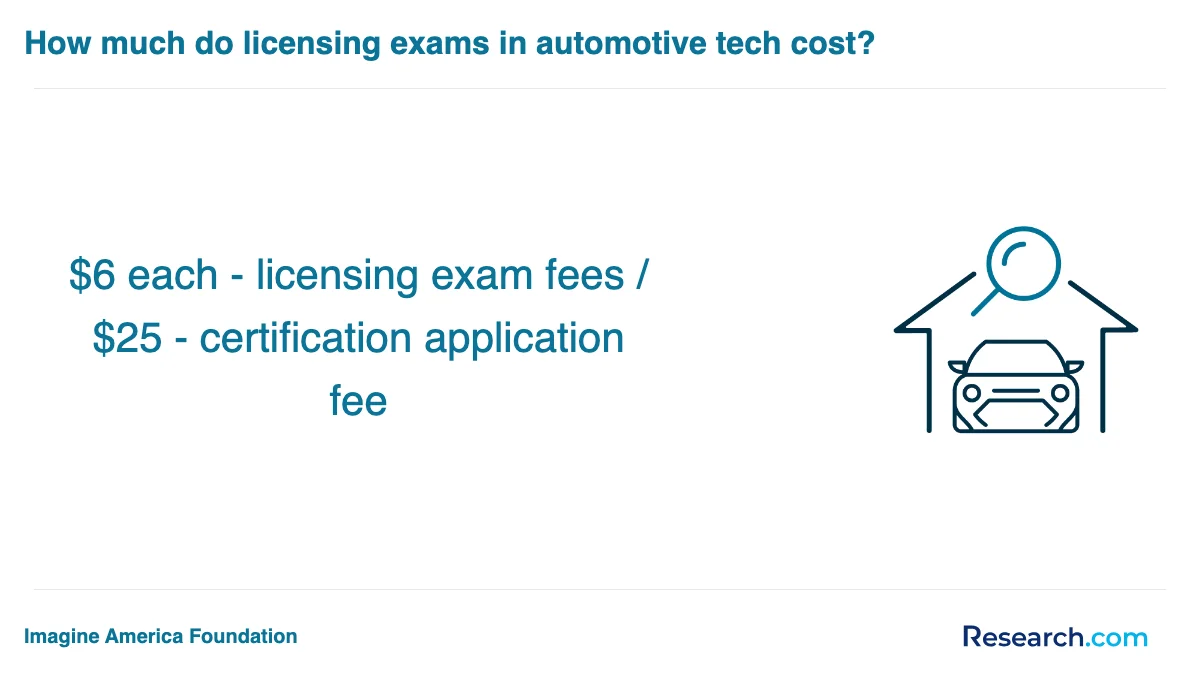
Students pursuing automotive technician programs in Alaska have access to a variety of financial aid options that make their dreams more attainable. By completing the FAFSA, many graduates from AVTEC or the University of Alaska Anchorage unlock Federal Pell Grants and Direct Loans, easing the burden of tuition and allowing them to focus on hands-on learning.
State support also plays a vital role. The Alaska Education Grant offers between $500 and $4,000 annually to eligible residents, empowering students to invest in their education without overwhelming debt. Many find this aid crucial as they balance work and study in demanding technical programs.
Scholarships tailored to automotive technology students add another layer of encouragement. Graduates often share how UAA's scholarship matches provided unexpected relief, enabling them to afford tools and materials essential for their trade.
For Alaska Native and American Indian students, scholarships like the American Indian Education Fund and Pride Foundation Scholarships open doors to education with community pride and support. Veteran Benefits also provide vital assistance for military-connected students at schools like Alaska Career College, showing that a career in automotive technology is within reach for many.
These financial aids combined create a supportive network, turning ambition into achievement in Alaska's thriving automotive technician training community.
To enroll in an automotive technician trade school program in Alaska, students typically need a high school diploma or GED. This basic educational foundation opens the door to hands-on training that many graduates describe as life-changing. Imagine stepping into a bustling workshop in Anchorage or Fairbanks, where instructors guide you through engine diagnostics and repair with real vehicles.
Some trade schools also recommend or require:
- Basic math and reading skills to understand manuals and technical documents
- A genuine passion for cars and problem-solving
- Physical stamina, as working with vehicles can be physically demanding
Graduates often share how these prerequisites prepared them well, allowing them to fully engage with the curriculum and excel in practical settings. For example, hands-on projects at popular Alaskan trade schools help students build confidence quickly, turning curiosity into skill. The supportive environment encourages every learner, no matter their background, to thrive and envision a rewarding career in automotive technology.

Automotive technician trade school programs in Alaska, such as those at the University of Alaska Anchorage and University of Alaska Fairbanks, offer courses designed to build confidence and hands-on expertise. Graduates often share how starting with foundational classes like Introduction to Automotive Technology and Small Engine Repair gave them a strong grasp of engine systems and troubleshooting, making every challenge feel achievable.
Students quickly learn essential skills through courses covering:
- Automotive electrical systems and diagnostics
- Lubrication and gasket-making techniques
- Driver and Safety Education, including behind-the-wheel training to master defensive driving
As they advance, programs dive into exciting areas like modern vehicle technology and hybrid maintenance, reflecting real-world demands. Hands-on industry training with partners like Fiat Chrysler and Subaru empowers students to earn certifications like ASE, boosting their confidence and career prospects.
Many graduates highlight the rewarding practicum experience, where they apply their skills in local dealerships and shops, feeling fully prepared to launch their careers in Alaska's vibrant automotive field.
Automotive technician trade school programs in Alaska offer exciting specializations that prepare students for a variety of rewarding careers. Graduates from these programs gain hands-on experience, often paired with mentorship from expert faculty, making real-world learning both practical and inspiring. Popular specializations include Diesel Power Technology and Automotive Technology, both taught at renowned institutions like the University of Alaska Anchorage (UAA) and the University of Alaska Fairbanks (UAF).
Students pursuing diesel power become skilled in maintaining medium- and heavy-duty vehicles, benefiting from ASE-certified training and connections with top employers such as Schlumberger and Kenworth Alaska. Meanwhile, those in automotive technology programs in Alaska develop expertise in electrical systems, brakes, and engine repair, gaining certifications that open doors at dealerships and repair shops statewide.
For many, the support and excellent job placement rates make these programs thrilling career launchpads. Those exploring options can discover why a trade school is better than college for targeted skill development in this vibrant field.
Start by focusing on accreditation and industry recognition to find the best automotive technician program in Alaska. Graduates from the University of Alaska Anchorage proudly share how the ASE Education Foundation's Master Automobile Service Technology accreditation boosted their confidence and employability. Hands-on training is crucial-programs like those at UAA and Northern Industrial Training, LLC offer real-world practicum experiences with modern equipment, which build skills and passion simultaneously.
When you compare Alaska automotive trade school costs, consider not just tuition but available financial aid and scholarships. Some students have found Northern Industrial Training's affordable tuition a perfect fit, while others invested in university programs for broader training and higher job placement rates. Flexibility matters too; many schools accommodate busy schedules with part-time or evening classes, allowing you to balance life and learning.
Finally, explore certifications and partnerships with manufacturers for added career opportunities. To understand the full scope of education paths, including degree options, see if can you get a bachelor's degree in automotive technology fits your goals.

Graduates from automotive technician trade schools in Alaska step into a world full of exciting automotive technician jobs in Alaska, ranging from dealership service departments to specialized independent shops. Popular trade schools across the state prepare students to confidently handle roles like line technician, main line technician, and auto apprentice technician with competitive wages and benefits. Many graduates describe their first roles diagnosing and repairing a wide variety of vehicles, from family cars to rugged off-road trucks, as deeply rewarding and motivating.
Career growth is common, with employers often offering paths to become senior technicians or shop foremen. Other pathways include diesel mechanic specialties and automotive glass technician roles, especially valuable in Alaska's tough environments. Graduates often share how the hands-on training and certifications they earned at top local schools helped open doors to fleet maintenance or remote government positions.
Those seeking to expand their horizons find automotive trade school career opportunities Alaska offers beyond repair, including service advisor roles or teaching at community colleges. For Alaska residents exploring options for flexible learning, the availability of vocational trade online schools adds exciting convenience to career advancement.
The job market for automotive technician trade school graduates in Alaska is vibrant and full of promise. Many graduates from popular Alaskan trade schools have found rewarding careers, stepping into roles such as automotive mechanic, diesel technician, and glass installer. With over 170 automotive technician job openings in Alaska available as of early 2025, opportunities abound both in urban centers and more remote communities. Employers often seek candidates with hands-on training and certifications, rewarding skilled graduates with competitive starting jobs and sometimes even relocation assistance.
The average automotive technician salary in Alaska, approximately $73,366 annually, reflects not only the state's higher living costs but also the strong value placed on well-trained professionals. Graduates report feeling confident entering the workforce, as their schooling equips them with practical skills demanded by dealerships and service shops statewide. This steady demand means graduates can expect long-term career growth with opportunities to specialize, advance, and contribute to Alaska's evolving automotive industry.
For those looking to enhance their qualifications or begin a new career path, pursuing online auto mechanic certification is also an option that many Alaskan students explore to complement their hands-on experience.
Best Automotive Technician Training Programs & Trade Schools - Top Automotive Technician Schools in Alaska for 2026
# 1 position
University of Alaska Anchorage - Automobile/Automotive Mechanics Technology/Technician.
associateThe University of Alaska Anchorage offers a hybrid program in Automobile/Automotive Mechanics Technology/Technician that prepares students to repair, service, and maintain various automobile systems. The curriculum includes brake systems, electrical systems, engine performance and repair, suspension and steering, transmissions, and heating and air conditioning. The annual in-state tuition is $7,566. The program is accredited by the Northwest Commission on Colleges and Universities.
# 2 position
University of Alaska Fairbanks - Automobile/Automotive Mechanics Technology/Technician.
certificate or diplomaThe University of Alaska Fairbanks offers a hybrid program in Automobile/Automotive Mechanics Technology/Technician that prepares students to repair, service, and maintain various automobile systems. Instruction covers brake systems, electrical systems, engine performance and repair, transmissions, suspension, steering, and heating and air conditioning. The program's annual in-state tuition is $8,640. Graduates have median earnings of $28,616 one year after completion. The program is accredited by the Northwest Commission on Colleges and Universities.
# 3 position
University of Alaska Anchorage - Automobile/Automotive Mechanics Technology/Technician.
certificate or diplomaThe University of Alaska Anchorage offers a hybrid program in Automobile/Automotive Mechanics Technology/Technician designed to equip students with technical skills to repair, service, and maintain various automobiles. The curriculum covers brake systems, electrical systems, engine performance and repair, suspension, steering, transmissions, and heating and air conditioning systems. Annual in-state tuition is $7,566. The program is accredited by the Northwest Commission on Colleges and Universities.
Frequently Asked Questions about automotive technician
After completing an automotive technician trade school in Alaska, preparing for the job market involves several key steps. First, obtaining ASE (Automotive Service Excellence) certification can significantly improve employability, as many employers in Alaska prefer certified technicians. According to the U.S. Bureau of Labor Statistics, Alaska's automotive service technician jobs are expected to grow moderately, emphasizing the importance of credentials.
Networking within local repair shops and attending job fairs hosted by trade schools or community colleges can help graduates connect with potential employers. Additionally, gaining hands-on experience through internships or apprenticeships in Alaskan automotive service centers enhances practical skills.
Understanding the unique vehicle challenges in Alaska's climate, such as cold-weather maintenance, is also valuable to employers. Staying updated on industry technologies and continuing education can further increase job prospects in this competitive market.
Employers in Alaska prioritize several key skills when hiring graduates from automotive technician trade schools. Technical proficiency in diagnostics and repair of modern vehicles, including hybrid and electric models, is essential due to evolving automotive technologies. The Alaska Department of Labor highlights the importance of strong mechanical skills combined with computer literacy for using diagnostic tools.
Additionally, employers value problem-solving abilities and attention to detail to ensure accurate, safe repairs. Good communication skills are also important, as technicians often explain issues and solutions to customers. Adaptability and willingness to continue learning are critical, given rapid industry changes.
Understanding safety protocols specific to Alaska's climate and road conditions is another desired skill, helping technicians work effectively year-round.
Finding internships in Alaska relevant to automotive technician trade school programs involves proactive research and networking. Start by contacting local trade schools, as many have partnerships with dealerships and repair shops offering internship opportunities. The Alaska Department of Labor and Workforce Development provides resources and job listings specifically for automotive technicians, which can help identify potential internships.
Additionally, exploring opportunities through organizations like the Alaska Automotive Dealers Association can connect students with industry employers. Internships typically range from 6 to 12 weeks and offer hands-on experience crucial for certification exams. According to recent state labor data, automotive technician roles in Alaska are projected to grow by 5% through 2030, increasing internship availability. Utilizing online job portals focused on Alaska can also reveal openings tailored to students in trade programs.
Obtaining an automotive technician trade school diploma in Alaska significantly enhances career mobility and advancement opportunities. According to the U.S. Bureau of Labor Statistics, Alaska's demand for skilled automotive service technicians is expected to grow moderately over the next decade, driven by the state's reliance on vehicles in remote and challenging environments.
A diploma from a recognized trade school demonstrates practical skills and technical knowledge, making graduates more competitive for entry-level jobs and promotions within automotive repair shops and dealerships. Employers in Alaska often prefer certified technicians due to the complexity of vehicle maintenance in harsh climates.
Trade school graduates may also qualify for industry certifications such as ASE (Automotive Service Excellence), which further improve job prospects and earning potential. The Alaska Department of Labor notes that certified technicians tend to earn higher wages and experience lower unemployment rates compared to non-certified workers.
In this way, a diploma serves as a critical credential, opening pathways not only to stable employment but also to supervisory or specialized roles within the automotive field across Alaska's diverse regions.
Part-time jobs in Alaska that complement automotive technician trade school education often involve hands-on mechanical work and customer service. Positions such as automotive parts clerk or service assistant provide practical experience with vehicle components and repair processes. These roles help students apply classroom knowledge and develop workplace skills simultaneously.
Additionally, employment at local garages or dealerships offers exposure to real-world automotive diagnostics and maintenance tasks. According to the U.S. Bureau of Labor Statistics, Alaska's automotive service technician jobs are expected to grow moderately, supporting opportunities for students to gain relevant experience.
Working part-time in these settings can enhance technical proficiency and improve employability upon program completion.
To find the best Automotive Technician degree program near me, consider checking local trade schools and community colleges, as these institutions often offer specialized training programs. Near Alaska, universities and vocational schools provide a variety of automotive technician programs, allowing students to gain practical, hands-on experience. Research.com is a helpful resource for exploring rankings and reviews to identify programs that align with your career goals in the field of automotive technology.
- Best Automotive Technician Training Programs & Trade Schools - Top Automotive Technician Schools in Idaho for 2026
- Best Automotive Technician Training Programs & Trade Schools - Top Automotive Technician Schools in Arizona for 2026
- Best Automotive Technician Training Programs & Trade Schools - Top Automotive Technician Schools in Wyoming for 2026
- Best Automotive Technician Training Programs & Trade Schools - Top Automotive Technician Schools in New Mexico for 2026
- Best Automotive Technician Training Programs & Trade Schools - Top Automotive Technician Schools in North Dakota for 2026
- Best Automotive Technician Training Programs & Trade Schools - Top Automotive Technician Schools in South Dakota for 2026
- Best Automotive Technician Training Programs & Trade Schools - Top Automotive Technician Schools in Nebraska for 2026
- Best Automotive Technician Training Programs & Trade Schools - Top Automotive Technician Schools in Oklahoma for 2026
- Best Automotive Technician Training Programs & Trade Schools - Top Automotive Technician Schools in Iowa for 2026
- Best Automotive Technician Training Programs & Trade Schools - Top Automotive Technician Schools in Arkansas for 2026
- Automotive Service Technicians and Mechanics : Occupational Outlook Handbook: : U.S. Bureau of Labor Statistics https://www.bls.gov/ooh/installation-maintenance-and-repair/automotive-service-technicians-and-mechanics.htm
- Automotive Technician Salary Information | Pennco Tech https://www.penncotech.edu/how-much-can-an-automotive-technician-earn/
- Automotive Mechanic Salary Guide For The United States In 2024 https://www.lincolntech.edu/news/automotive/automotive-technology/automotive-mechanic-salary-guide-united-states
- How Much Can an Automotive Technician Earn? | NYADI The College of Transportation Technology https://nyadi.edu/blog/automotive-technician-salary-projections/
- Automotive Technician https://www.careers.govt.nz/jobs-database/engineering/automotive/automotive-technician/
- Associate of Applied Science (AAS), Automotive Technology Salary | PayScale https://www.payscale.com/research/US/Degree=Associate_of_Applied_Science_(AAS)%2C_Automotive_Technology/Salary
- Automotive Technology Certification | University of Alaska CTC Courses https://www.ctc.uaf.edu/programs/automotive-technology/
- Automotive Technology - Associate Degree | Admissions | University of Alaska Anchorage https://www.uaa.alaska.edu/admissions/academic-programs/automotive-technology-aas.cshtml
- Auto Mechanic Schools in Alaska https://automechanicschools.com/alaska/
- Mechanic Programs - Northern Industrial Training, LLC https://nitalaska.com/mechanic-programs/


