Best Automotive Technician Training Programs & Trade Schools - Top Automotive Technician Schools in Idaho for 2026

Co-Founder and Chief Data Scientist
Choosing the right automotive technician trade school in Idaho can shape your future career and open doors in a growing industry. This article introduces a carefully crafted ranking of automotive technician trade school programs, developed by the Research.com team of data scientists, to guide you toward informed decisions.
By exploring these top programs, you’ll discover options that match your goals and learning style. Earning a diploma or certification in this field can lead to rewarding job opportunities and personal growth. Whether you’re starting fresh or changing paths, this guide is here to support your journey.
Key benefits of finishing automotive technician trade school in Idaho
- Graduates of automotive technician trade schools in Idaho can expect hourly wages starting around $17.63, with experienced technicians earning up to $42.79 per hour, reflecting strong earning potential in this trade.
- Career paths include roles as service technicians, diagnostic specialists, or shop supervisors, offering diverse opportunities for growth and specialization after graduation.
- Completing a trade school online provides flexibility and convenience, allowing students to balance work and study, often accelerating entry into the workforce compared to traditional degrees.
- Best Automotive Technician Training Programs & Trade Schools - Top Automotive Technician Schools in Idaho for 2026
- What can I expect from automotive technician trade schools in Idaho?
- Where can I work after finishing automotive technician trade schools in Idaho?
What can I expect from automotive technician trade schools in Idaho?
Students enrolling in an automotive technician trade school program in Idaho can expect an intensive combination of classroom learning and hands-on experience that closely mirrors real-world automotive repair environments. For instance, graduates from North Idaho College highlight how their days balanced theory-about two hours spent on subjects like engine repair and electrical systems-with extensive lab work, often 4.5 hours daily, diagnosing and repairing actual vehicles.
Programs emphasize mastery across all key automotive systems, including brakes, transmissions, and HVAC, taught by ASE-certified instructors. Graduates frequently mention the confidence gained from working on current industry-standard equipment, such as those available at the College of Eastern Idaho and the Parker Technical Education Center in Rathdrum.
Students should also anticipate placement testing in math and English to ensure readiness for the technical and communication demands of the trade. Many appreciate the opportunity to pursue internships or mentored work experiences, which enhance job readiness and can lead to additional certifications valued by employers.
Where can I work after finishing automotive technician trade schools in Idaho?
Graduates of automotive technician trade schools in Idaho find abundant employment opportunities across the state, from bustling urban centers to smaller communities. Many secure positions at new and used car dealerships, where they perform vehicle diagnostics, repairs, and maintenance on a variety of makes and models. For example, graduates from popular Idaho trade schools often report starting careers at dealerships like Peterson Chrysler, Dodge, Jeep, Ram in Nampa, enjoying benefits such as 401(k) matching and health insurance.
Others begin their careers in independent repair shops or automotive repair franchises in cities like Boise and Twin Falls. These environments value up-to-date certifications and may offer signing bonuses or relocation assistance, making the transition from school to work smoother and more rewarding.
Some graduates pursue specialized paths working on diesel engines or agricultural machinery, often employed by mining companies or equipment dealers. Entry-level roles in lube, tire, and battery service provide hands-on experience before advancing to complex diagnostics or management, supported by ongoing ASE certification encouragement from employers.
After finishing an automotive technician trade school program in Idaho, graduates can expect to earn competitive wages that reflect both regional demand and national trends. Many graduates from popular Idaho trade schools report starting with hourly wages around $26, which translates to an annual salary near $54,000. This aligns well with statewide averages that range from $54,000 to $57,000 for full-time work.
For example, graduates working in Boise often see higher earnings, averaging $64,666 annually, with some reaching beyond $70,000 as they gain experience. Entry-level roles such as Automotive Mechanic I typically start around $47,000 yearly, which is encouraging for new graduates building their careers.
In practical terms, this means that after completing your training, you could confidently support yourself while gaining hands-on experience and certifications. Many recent graduates share excitement about quickly increasing their pay as they develop specialized skills and earn overtime, especially in areas like Idaho Falls where overtime can add up to $5,000 annually.
- Most programs require a high school diploma or equivalent and combine classroom theory with about 4.5 hours of hands-on lab work daily.
- Certificate programs can take as little as 10 months, while associate degrees typically require about two years or 64 weeks of study.
- Tuition for two-year associate programs ranges from $4,000 to $8,000, with additional fees for tools and materials.
- Idaho's automotive job market offers over 100 different positions, with entry-level salaries starting around $37,000 to $42,000 per year.
- ASE certification is recommended and can increase employability and wages; programs are generally NATEF certified to meet national standards.
Completing an automotive technician trade school program in Idaho typically takes between 6 months and 12 months. Many students at well-known Idaho trade schools find that the shorter programs, lasting around 6 to 9 months, allow them to quickly gain hands-on skills and enter the workforce with confidence. Graduates often share how immersive, focused training helped them master essential diagnostic and repair techniques without unnecessary delays.
At popular Idaho institutions, programs are designed to balance classroom learning with real-world shop experience, enabling students to build practical expertise within a manageable timeframe. Some graduates recall that the intensive schedule felt challenging but rewarding, as they could see their progress daily and stay motivated toward certification and employment.
For those considering a more comprehensive path, programs closer to a year provide deeper technical knowledge and advanced skills, which many students appreciate for opening doors to specialized career opportunities. Overall, the duration fits well with the goal of quickly launching a fulfilling career as an automotive technician in Idaho's growing industry.
The primary difference between online and on-campus automotive technician trade school programs in Idaho lies in how instruction is delivered and the hands-on experience students gain. On-campus programs at schools like the College of Western Idaho and North Idaho College immerse students in practical learning. Graduates often recall spending long hours in labs, working directly on vehicles under instructor supervision, which builds confidence and skill through real-world practice.
In contrast, online programs such as those offered by the Accelerated Training Institute focus on flexible, self-paced theoretical study. Students appreciate the ability to learn from home but often find mastering technical skills challenging without direct access to automotive labs. For many Idaho students balancing work or family, this flexibility is valuable, though they recognize employers typically expect hands-on experience for entry-level roles.
This distinction highlights why on-campus programs appeal to those eager for immediate, applied training, while online options suit learners needing adaptable schedules or foundational knowledge before practical application.
The average cost automotive technician programs Idaho vary widely depending on the institution and residency status. For example, graduates from Idaho State University's Advanced Technical Certificate in Automotive Technology report a total program cost of approximately $22,066.80. This comprehensive figure includes tuition fees automotive trade schools Idaho typically charge-$16,712.00 in tuition-along with fees, books, and specialized tools and supplies essential for hands-on training.
Many prospective students find community colleges in Idaho offer a more affordable path without sacrificing quality. At the College of Southern Idaho in Twin Falls, automotive technician graduates have experienced an average net price near $4,687, reflecting financial aid and lower tuition rates. Similarly, the College of Western Idaho in Nampa provides an Associate of Applied Science Degree in Automotive Technology with average net costs around $4,932. These figures demonstrate how financial aid affects the final expenses, making trade school programs more accessible to those with financial concerns.
Graduates often describe real-life scenarios where careful budgeting and understanding the tuition fees automotive trade schools Idaho charge helped them manage costs efficiently. Choosing the right program influenced not only by expenses but also by program quality and job placement, many consider pursuing a bachelor's degree in automotive technology a valuable step for career advancement and higher earning potential.

Automotive technician students in Idaho often rely on a mix of federal grants, scholarships, and loans to finance their education at popular trade schools like the College of Western Idaho and North Idaho College. Federal Pell Grants, which can provide up to $6,195 annually, are a lifeline for many students from low-income backgrounds, allowing them to focus on hands-on training without the stress of immediate repayment. Graduates frequently share how the Federal Supplemental Educational Opportunity Grant (FSEOG) helped cover additional costs, making their programs more affordable.
Scholarships such as the Future Mechanic Grant and the Mike Rowe Work Ethic Scholarship are highly valued by Idaho students, often enabling them to attend full-time without financial strain. Many community colleges also offer state and institutional scholarships or work-study options, providing flexibility and support tailored to Idaho's trade school environment. Federal student loans remain an accessible fallback, offering lower interest rates and manageable repayment plans that graduates appreciate as they start their careers.
To enroll in an automotive technician trade school program in Idaho, applicants typically need a high school diploma or GED as a baseline requirement. This ensures students possess essential reading, math, and problem-solving skills necessary for technical coursework.
Many programs also recommend or require basic mechanical aptitude, which can be demonstrated through prior work experience, hobbies like car repair, or completion of introductory automotive classes in high school. Graduates often share how their early hands-on experiences helped them quickly grasp complex diagnostic techniques taught at Idaho's trade schools.
Additional prerequisites may include:
- Proof of age (usually 18 or older)
- Basic proficiency in math and science, particularly algebra and physics concepts related to engines and electronics
- Some schools might request a background check or drug screening to comply with industry standards
Students report that meeting these requirements allowed them to confidently engage with the fast-paced, hands-on training offered by top Idaho institutions. This foundation creates a supportive learning environment where students feel prepared to master skills that lead directly to rewarding careers in automotive technology.
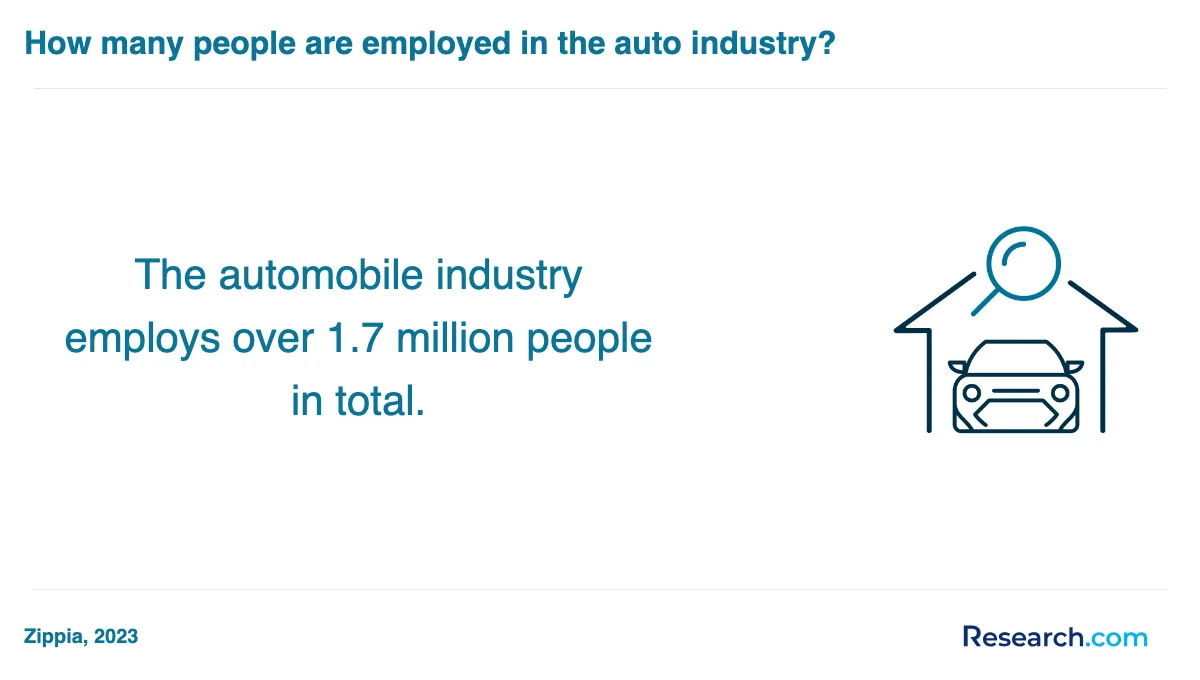
Automotive technician trade school programs in Idaho, such as those at the College of Eastern Idaho and North Idaho College, offer a comprehensive curriculum aligned with Automotive Service Excellence (ASE) certification standards. Graduates often highlight the balance of classroom theory and practical, hands-on training that prepares them effectively for real-world challenges.
Typical courses include:
- Engine Repair: Diagnosing and repairing engine issues, from routine maintenance to complex rebuilds.
- Electrical Systems and Intro to Electrical: Covering wiring, battery systems, and electronic controls crucial for modern vehicles.
- Manual Drive-Train and Transmissions: Learning to maintain and repair transmissions, clutches, and drive shafts.
- Steering and Suspension Systems: Focusing on alignment, shock absorbers, and vehicle safety components.
- Brakes: Studying hydraulic and anti-lock brake systems along with disc/drum servicing.
- Heating, Ventilation, and Air Conditioning (HVAC): Training on climate control system diagnostics and repairs.
- Auto/Diesel Tech Fundamentals & Safety: Emphasizing shop safety and proper tool usage.
- Automotive Theory and Lab Courses: Combining theory with extensive lab work on real vehicles.
- Workplace Technical Skills: Developing communication, teamwork, and professionalism.
- Technical Math: Applying math skills to diagnostics and measurements.
Students report spending significant daily hours-often 4.5 hours-in hands-on labs, boosting confidence and competence. This immersive approach helps them transition smoothly into entry-level roles, equipped not only with technical knowledge but also practical problem-solving abilities highly valued by Idaho employers.
Automotive technician specializations in Idaho often include Automotive Technology, Collision Repair Technology, Diesel Technology, and Auto Body and Paint Technology. Graduates from institutions like the College of Western Idaho (CWI) frequently praise the hands-on experience gained through programs that offer Basic and Advanced Technical Certificates along with associate degrees. These programs prepare students for tasks ranging from diagnosing complex vehicle issues to performing skilled repairs.
Students focused on Collision Repair learn to restore vehicles to their pre-accident condition, benefiting from instruction at schools such as CWI and North Idaho College, where industry-relevant techniques are emphasized. Meanwhile, Diesel Technology specialization-offered at places like the College of Eastern Idaho-equips learners to work on heavy-duty diesel engines with accelerated certificate and associate degree options available.
These Idaho automotive trade school programs cultivate confidence through practical training and industry partnerships. For those wanting to explore what are the best trade school programs, understanding these specializations is key to making an informed choice.
Choosing the best automotive technician trade school program in Idaho requires careful attention to accreditation and industry recognition. Graduates from programs like North Idaho College's NATEF-certified curriculum consistently highlight the confidence gained through training taught by ASE Master Technicians, which enhances their career readiness and trust in their skills.
Equally important are hands-on training opportunities. Students thrive when programs, such as those at the College of Western Idaho, provide real-world lab work and internships that closely mimic actual shop environments. This practical experience builds the technical proficiency employers seek and motivates students by connecting learning directly to future job scenarios.
Faculty expertise and credentials play a critical role in student success. Instructors with industry-leading qualifications create a supportive environment where knowledge transfer feels authentic and relevant. Graduates often express appreciation for expert guidance that keeps them excited and well-prepared.
Job placement rates and career support services are strong indicators of a program's effectiveness. Choosing schools with high employment outcomes demonstrates better alignment with local automotive employers.
Consider program costs and financial aid availability carefully to avoid surprises. Many Idaho schools offer scholarships or work-study options, which ease financial pressures and allow focus on studies.
Curriculum relevance and equipment modernity also matter; updated tools and specialized courses like diesel technology or collision repair ensure skills match industry demands.
Finally, location and proximity to employment opportunities influence convenience and networking potential. Weigh factors like commute and local employer partnerships.
Deciding between trade school and college is a significant choice; for personalized guidance on practicality and outcomes, explore whether is it better to go to college or trade school before committing to your path.

Graduates of automotive technician trade school programs in Idaho often find a variety of rewarding career paths tailored to their skills and interests. Entry-level roles typically include automotive service technician or mechanic positions at dealerships, independent shops, and specialized centers. With programs like those at the College of Western Idaho, students develop practical skills in light truck and automobile maintenance, which opens doors to steady employment in the field of automotive technician jobs in Idaho.
Career advancement is a common and exciting prospect. Many graduates pursue ASE certification to boost their credentials and qualify for roles such as master technicians, shop supervisors, or service managers. Schools like North Idaho College emphasize ASE mastery, preparing students for the complexities of modern vehicle systems and increasing their value in automotive technology career opportunities Idaho.
Beyond repair work, graduates explore paths in parts and service advising, fleet maintenance, automotive sales, or technical instruction. Some even launch their own repair shops or mobile services, reflecting the benefits of hands-on training combined with industry knowledge. For those seeking flexible options, affordable educational pathways like cheap online auto mechanic training programs provide great stepping stones toward these opportunities.
The demand for automotive technician graduates in Idaho remains strong, with numerous automotive technician job openings in Idaho across dealerships, independent shops, and specialty service centers. Graduates from prominent trade schools in Boise and other cities consistently find opportunities that offer competitive hourly wages, often exceeding $30 for experienced technicians. Many graduates highlight the satisfaction of securing positions with benefits such as health insurance, retirement plans, and sign-on bonuses, contributing to both financial security and career growth.
Real-life experiences of graduates from Idaho trade programs reflect how the state's aging vehicle population fuels steady work and learning opportunities. Employment options expand into roles with government agencies like the Idaho Transportation Department, where technicians receive ongoing training and enjoy structured advancement paths.
For those considering specialized credentials, pursuing auto mechanic certification online can enhance skills and open doors to higher-paying roles.
The automotive technician salary in Idaho varies by experience and certification but remains a compelling factor drawing students to local programs, reinforcing the state's healthful market for this skilled trade.
Best Automotive Technician Training Programs & Trade Schools - Top Automotive Technician Schools in Idaho for 2026
# 1 position
College of Southern Idaho - Automobile/Automotive Mechanics Technology/Technician.
associateThe College of Southern Idaho offers a hybrid program in Automobile/Automotive Mechanics Technology/Technician, preparing students to repair, service, and maintain various automobile systems. The curriculum covers brake systems, electrical systems, engine performance and repair, suspension and steering, transmissions, drive trains, and heating and air conditioning. The program’s in-state annual tuition is $3,360, and graduates earn a median of $44,037 one year after completion. It is accredited by the Northwest Commission on Colleges and Universities.
# 2 position
College of Western Idaho - Automobile/Automotive Mechanics Technology/Technician.
associateThe College of Western Idaho offers a hybrid program in Automobile/Automotive Mechanics Technology/Technician preparing students to repair, service, and maintain various automobile systems. Instruction covers brake systems, electrical systems, engine performance and repair, suspension, steering, transmissions, and heating and air conditioning. The program’s annual in-state tuition is $3,336. Graduates have median earnings of $36,676 one year after completion. It is accredited by the Northwest Commission on Colleges and Universities.
# 3 position
Lewis-Clark State College - Automobile/Automotive Mechanics Technology/Technician.
associateLewis-Clark State College offers a hybrid Automobile/Automotive Mechanics Technology/Technician program that prepares students to repair, service, and maintain various automobile systems, including brakes, electrical, engine, suspension, transmissions, and HVAC. The annual in-state tuition is $7,388. Graduates have median earnings of $46,770 one year after completion. The program is accredited by the Northwest Commission on Colleges and Universities.
# 4 position
Idaho State University - Automobile/Automotive Mechanics Technology/Technician.
associateIdaho State University offers a hybrid program in Automobile/Automotive Mechanics Technology/Technician, preparing students to repair, service, and maintain various automobiles. The curriculum covers brake systems, electrical systems, engine performance and repair, suspension and steering, transmissions, and heating and air conditioning systems. Annual in-state tuition is $8,356. Graduates have a median earning of $52,132 one year after completion. The program is accredited by the Northwest Commission on Colleges and Universities.
# 5 position
College of Eastern Idaho - Automobile/Automotive Mechanics Technology/Technician.
associateThe College of Eastern Idaho offers a hybrid Automobile/Automotive Mechanics Technology/Technician program that prepares students to repair, service, and maintain various automobile systems. Instruction covers brake systems, electrical systems, engine performance and repair, suspension and steering, transmissions, and heating and air conditioning. The annual in-state tuition is $3,390. Graduates have median earnings of $31,042.85 one year after completion. The program is accredited by the Northwest Commission on Colleges and Universities.
# 6 position
North Idaho College - Automobile/Automotive Mechanics Technology/Technician.
associateNorth Idaho College offers a hybrid program in Automobile/Automotive Mechanics Technology/Technician that prepares students to repair, service, and maintain various automobiles. The curriculum covers brake and electrical systems, engine performance, repair, suspension, steering, transmissions, and heating and air conditioning systems. Annual in-state tuition is $3,396. Graduates have median earnings of $36,909 one year after completion. The program is accredited by the Northwest Commission on Colleges and Universities.
# 7 position
Brigham Young University-Idaho - Automobile/Automotive Mechanics Technology/Technician.
associateBrigham Young University-Idaho offers a fully online program in Automobile/Automotive Mechanics Technology/Technician. The curriculum covers repair, service, and maintenance of automobiles, including brake systems, electrical systems, engine performance, engine repair, suspension and steering, transmissions, and heating and air conditioning systems. Annual in-state tuition is $4,656. The program is accredited by the Northwest Commission on Colleges and Universities.
# 8 position
College of Western Idaho - Automobile/Automotive Mechanics Technology/Technician.
certificate or diplomaThe College of Western Idaho offers a hybrid program in Automobile/Automotive Mechanics Technology/Technician designed to prepare students to repair, service, and maintain various automobile systems. Instruction covers brake systems, electrical systems, engine performance, repair, suspension, steering, transmissions, and heating and air conditioning. The annual in-state tuition is $3,336, and median earnings one year after completion are $36,676. The program is accredited by the Northwest Commission on Colleges and Universities.
# 9 position
Lewis-Clark State College - Automobile/Automotive Mechanics Technology/Technician.
certificate or diplomaLewis-Clark State College offers a hybrid program in Automobile/Automotive Mechanics Technology/Technician that prepares students to repair, service, and maintain various automobile systems. The curriculum covers brake systems, electrical systems, engine performance and repair, suspension, steering, transmissions, and heating and air conditioning. The annual in-state tuition is $7,388. Graduates have median earnings of $46,770 one year after completion. The program is accredited by the Northwest Commission on Colleges and Universities.
# 10 position
College of Eastern Idaho - Automobile/Automotive Mechanics Technology/Technician.
certificate or diplomaThe Automobile/Automotive Mechanics Technology/Technician program at College of Eastern Idaho offers a hybrid format with some distance education options. It prepares students to repair, service, and maintain various automobile systems, including brakes, electrical, engines, transmissions, and HVAC. The program is accredited by the Northwest Commission on Colleges and Universities. Annual in-state tuition is $3,390, and median earnings one year after completion are $31,042.85.
Frequently Asked Questions about automotive technician
After completing an automotive technician trade school in Idaho, preparing for the job market involves several key steps. First, obtaining industry certifications such as the National Institute for Automotive Service Excellence (ASE) can significantly improve job prospects. ASE certification is widely recognized by employers and demonstrates technical competence.
Networking is also crucial. Joining local industry groups and attending job fairs can connect graduates with potential employers. According to Idaho Department of Labor, automotive service technician jobs are expected to grow by 6% through 2030, indicating steady demand in the state.
Additionally, creating a strong resume that highlights hands-on experience and any internships gained during training is vital. Many Idaho trade schools offer career services to assist with this process.
Employers in Idaho seek automotive technician graduates with strong diagnostic and repair skills. According to the U.S. Bureau of Labor Statistics, proficiency in electronic systems and computer-based diagnostics is increasingly important due to the rise of advanced vehicle technologies.
Hands-on experience with engine repair, brake systems, and transmission work is also highly valued. Trade schools that offer practical training using current industry tools help students meet these demands.
Additionally, employers emphasize problem-solving abilities and attention to detail to ensure quality service and safety. Communication skills are important for explaining repairs to customers clearly.
Industry reports from Idaho's Division of Occupational and Professional Licenses highlight that technicians who continually update their skills have better job prospects and higher wages.
Finding internships in Idaho relevant to automotive technician trade school programs involves several key steps. Start by contacting your trade school's career services or internship coordinator, as many schools have established relationships with local dealerships and repair shops.
The Idaho Department of Labor reports that automotive services is a growing sector, with over 4,000 automotive repair and maintenance jobs statewide, increasing the demand for interns and entry-level technicians.
Explore partnerships with businesses listed on the Idaho Automotive Dealers Association website, which connects students with internship opportunities in dealerships across the state.
Additionally, check online job boards like IdahoWorks, where employers post internship openings specifically for automotive technician roles.
Networking at local automotive trade shows and industry events can also uncover hidden internship prospects not widely advertised.
In Idaho, earning a diploma from an automotive technician trade school significantly enhances career mobility and advancement opportunities. According to the Idaho Department of Labor, the state's automotive service technician jobs are projected to grow by 5% from 2022 to 2032, reflecting steady demand. A trade school diploma equips graduates with industry-recognized skills and certifications, such as ASE (Automotive Service Excellence), which many employers in Idaho require for higher-level positions.
Graduates often start in entry-level roles but can quickly advance to specialized technician, service manager, or diagnostic technician positions.
Higher wages are also common: the Idaho Department of Labor reports that certified technicians earn on average 20%-30% more than non-certified workers.
Overall, a trade school diploma opens doors to both job stability and upward mobility within Idaho's automotive repair industry.
Students enrolled in automotive technician trade schools in Idaho can benefit from various part-time job opportunities that complement their education. Common roles include entry-level mechanic assistant positions, where students gain hands-on experience with vehicle maintenance and repairs. Local auto repair shops often hire part-time workers to support routine tasks, providing practical skills alongside classroom learning.
Idaho's automotive industry is growing, with the U.S. Bureau of Labor Statistics projecting a 5% increase in automotive service technician jobs statewide by 2028. Part-time roles in dealerships or tire and oil change centers also offer valuable exposure to diagnostic tools and customer service.
Additionally, students may find opportunities in parts retail, which enhances their understanding of vehicle components and inventory management. These jobs not only improve technical abilities but also help build professional networks within Idaho's automotive sector.
Finding the best Automotive Technician degree program near Idaho involves researching available programs at universities and technical colleges in the area. You can use Research.com as a helpful resource to compare institutions and read reviews from students and alumni. Additionally, visiting local colleges near me and discussing with current students or faculty can provide valuable insights into the programs' quality and outcomes.
- Best Automotive Technician Training Programs & Trade Schools - Top Automotive Technician Schools in Utah for 2026
- Best Automotive Technician Training Programs & Trade Schools - Top Automotive Technician Schools in Wyoming for 2026
- Best Automotive Technician Training Programs & Trade Schools - Top Automotive Technician Schools in Arizona for 2026
- Best Automotive Technician Training Programs & Trade Schools - Top Automotive Technician Schools in New Mexico for 2026
- Best Automotive Technician Training Programs & Trade Schools - Top Automotive Technician Schools in South Dakota for 2026
- Best Automotive Technician Training Programs & Trade Schools - Top Automotive Technician Schools in North Dakota for 2026
- Best Automotive Technician Training Programs & Trade Schools - Top Automotive Technician Schools in Nebraska for 2026
- Best Automotive Technician Training Programs & Trade Schools - Top Automotive Technician Schools in Oklahoma for 2026
- Best Automotive Technician Training Programs & Trade Schools - Top Automotive Technician Schools in Iowa for 2026
- Best Automotive Technician Training Programs & Trade Schools - Top Automotive Technician Schools in Arkansas for 2026
- Auto Mechanic School: What to Expect in Training Programs https://www.uti.edu/blog/automotive/auto-mechanic-school-expectations
- What to Expect From an Automotive Tech Program https://www.stvt.edu/automotive-tech-program-expectations/
- How to Become an Automotive Technician Guide | UEI College https://www.uei.edu/guides/automotive-technician/how-to-become-automotive-technician/
- Choosing Between Mechanic Trade Schools | Pennco Tech https://www.penncotech.edu/choosing-between-mechanic-trade-schools-what-to-consider/
- Automotive Service Technicians and Mechanics : Occupational Outlook Handbook: : U.S. Bureau of Labor Statistics https://www.bls.gov/ooh/installation-maintenance-and-repair/automotive-service-technicians-and-mechanics.htm
- Becoming an Auto Mechanic with No Experience | Center for Employment Training https://cetweb.edu/blog/what-does-it-take-to-start-a-career-as-an-auto-mechanic
- How to Become a Mechanic | Apex Technical School https://apexschool.com/toolbox/how-to-become-a-mechanic/
- Jobs You Can Only Get with an Automotive Technology Degree - Benjamin Franklin Cummings Institute of Technology https://franklincummings.edu/blog/automotive-technology/
- How to Become an Automotive Mechanic | Chapel Hill Tire | Chapel Hill Tire https://www.chapelhilltire.com/trade-school-vs-college-is-a-mechanic-career-right-for-you/
- 9 Reasons to Become an Automotive Technician https://wrenchway.com/blog/reasons-to-become-an-automotive-technician/