
Best Automotive Technician Training Programs & Trade Schools - Top Automotive Technician Schools in Iowa for 2026

Co-Founder and Chief Data Scientist
Choosing the right automotive technician trade school in Iowa can shape your future career. This article introduces a carefully crafted ranking of the best programs, developed by the Research.com team of data scientists to guide you in making an informed decision.
Whether you’re starting fresh or seeking to upgrade your skills, earning a diploma or certification opens doors to rewarding job opportunities. Explore options that fit your goals and discover how quality training can boost your confidence and success in the automotive field.
Key benefits of finishing automotive technician trade school in Iowa
- Graduates can expect competitive salaries, with the average annual pay for automotive technicians in Iowa around $61,603, and experienced professionals earning up to $75,938 per year.
- Career paths include roles at dealerships, independent shops, or specialized service centers, offering diverse opportunities for growth and skill development after completing a trade school program.
- Finishing an automotive technician trade school online provides flexibility and convenience, allowing students to balance work and study while gaining practical skills, just like many successful online program graduates.
- Best Automotive Technician Training Programs & Trade Schools - Top Automotive Technician Schools in Iowa for 2026
- What can I expect from automotive technician trade schools in Iowa?
- Where can I work after finishing automotive technician trade schools in Iowa?
What can I expect from automotive technician trade schools in Iowa?
Enrolling in an automotive technician trade school program in Iowa means hands-on learning from day one. Graduates from schools like Iowa Lakes Community College and Southeastern Community College often describe spending hours in fully equipped labs, working with real diagnostic tools just like those in professional repair shops. You'll get practical experience repairing engines, electrical systems, brakes, and transmissions, which builds confidence in tackling real-world automotive problems.
Expect to study both domestic and foreign vehicles, practicing everything from routine maintenance to complex diagnostics under the guidance of ASE Certified Master Technicians. Many students appreciate learning about shop management and customer service, skills that prepare them for the fast-paced work environment beyond the classroom.
Internships are a key part of the program, providing real work exposure and connections with local employers. Graduates often share how this on-the-job experience made the transition to full-time roles smoother and more rewarding.
Financial aid options like Iowa's Last-Dollar Scholarship often help make these programs accessible, adding to the overall positive experience of pursuing an automotive technician career in Iowa.
Where can I work after finishing automotive technician trade schools in Iowa?
After finishing an automotive technician trade school program in Iowa, graduates find a variety of employment opportunities across the state. Many start their careers as automotive technicians or mechanics at local dealerships, independent repair shops, or national service chains. For example, graduates from popular Iowa trade schools often share how they quickly secured positions in Iowa City, where over 120 job listings are available for roles like service technician and diesel mechanic.
Some graduates choose specialized paths, becoming alignment technicians, paint and body shop technicians, or lube technicians. Working in auto body shops focusing on collision repair and vehicle restoration is another common route. Others join fleet maintenance companies, such as Mobile Fleet Solutions, gaining valuable full-time experience and additional training.
Entry-level roles are flexible, with options for part-time, full-time, and shift work. With experience, graduates often advance to shop manager or lead technician positions, reflecting the strong demand for skilled professionals across urban and rural Iowa.
After finishing an automotive technician trade school program in Iowa, graduates typically start with an annual salary around $55,000, though many see closer to $61,600 as they gain experience. For example, graduates from well-known Iowa trade schools often share how their first jobs paid near $25 to $26 per hour, which feels rewarding after completing hands-on training.
Many find entry-level positions offering $20 per hour, especially in smaller towns, but others working in dealerships or larger cities report hourly wages reaching $40 with overtime. One graduate recalled clocking extra hours during busy seasons, boosting their yearly earnings to near $70,000. This flexibility can make a big difference in take-home pay.
Iowa ranks last in average pay compared to other states, but the lower cost of living balances this, making steady work as an automotive technician a practical career choice. Graduates often appreciate that their skills quickly translate into real income, giving them confidence in their future.
- Most programs require a high school diploma or GED and may ask for a program orientation before admission.
- Many programs are accredited by the National Automotive Technicians Education Foundation (NATEF), ensuring industry-standard curriculum.
- The typical program length is two years with tuition costs ranging from $10,000 to $20,000, excluding tools and living expenses.
- Hands-on training includes working on real vehicles and using diagnostic tools, covering engine repair, electrical systems, transmissions, and brakes.
- Starting salaries for graduates range from $28,377 to $31,180, with experienced technicians earning between $44,442 and $48,480 annually.
Completing an automotive technician trade school program in Iowa typically takes about 12 to 24 months, depending on the school and the depth of training. Many students at well-known Iowa trade schools find that a one- or two-year program fits their schedules and career goals perfectly.
Graduates often share how the hands-on experience and focused curriculum helped them quickly gain confidence working on real engines and diagnostic tools. For example, those attending popular programs in Des Moines or Cedar Rapids appreciate the balance of classroom theory and practical shop time, which accelerates their readiness for the workforce.
In real life, this means you can enroll one fall and be job-ready by the next or the following year, making it easier to plan financially and professionally. Many students express satisfaction with how manageable the timeline is, especially when juggling family or part-time work.
Choosing a program with flexible schedules or accelerated options can further shorten this timeframe, helping you enter the automotive field faster without sacrificing quality training.
The key difference between online and on-campus automotive technician trade school programs in Iowa lies in how students gain practical skills. At schools like Kirkwood Community College and Iowa Lakes Community College, graduates recall the hands-on experience as invaluable-working directly with vehicles, using SnapOn diagnostic tools, and receiving immediate feedback from ASE-certified instructors. These in-person labs build confidence and skill through real-world practice, something online programs can't fully replicate.
Online programs, when available, focus mainly on theory-covering automotive systems, safety rules, and regulations through digital lessons. Graduates who tried this route appreciated the flexibility but quickly realized that without on-site labs, their understanding of practical tasks was limited. Most Iowa schools require students to complete lab hours on campus, even if part of a hybrid program, because employers expect proven hands-on ability.
Those who trained on campus often describe a sense of accomplishment and readiness, having practiced safety and diagnostic techniques firsthand in fully equipped shops, which online study alone can't provide.
The average cost automotive technician program Iowa students face varies widely but generally falls between $6,000 and $15,000 per year for tuition and fees. Graduates from popular trade schools report that total expenses over two years can reach about $30,000 when including all necessary costs. For example, students at Kirkwood Community College's Automotive Technology program find that tuition, fees, and other expenses combine to roughly $30,066.71 over two years, emphasizing the financial commitment required to gain hands-on training in this field.
Beyond tuition fees automotive trade schools Iowa require additional investments in tools and materials. Tools alone can cost between $1,000 and $10,000, with Eastern Iowa Community Colleges estimating tool costs closer to the $1,000-$4,000 range. Students often share that budgeting for these tools early helps reduce stress and allows them to focus on mastering their skills. Uniforms and course materials add another $2,400 on average, rounding out the overall expenses necessary to complete programs effectively.
Financial aid opportunities are vital for many students. Programs like the Kibbie Grant can cover up to half of the tuition for those qualifying in high-demand trade areas. Along with scholarships and federal aid through FAFSA, Iowa students have multiple resources to make this investment manageable. Graduates express relief at how these options lessen the financial burden and provide confidence in their career paths.
Those seeking to advance in the automotive field often explore a bachelor's in automotive technology after completing trade school programs, which offers further opportunities with manageable tuition costs relative to potential earnings.
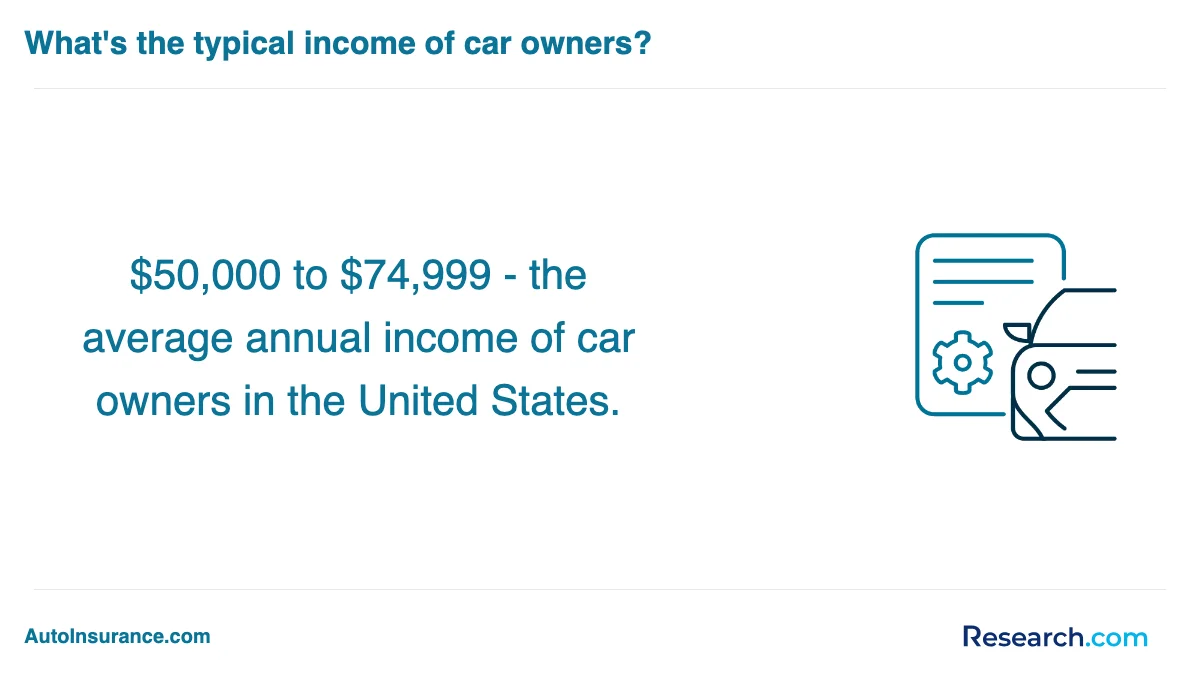
Automotive technician students in Iowa often find financial aid that makes their education affordable and achievable. Many rely on the Iowa Vocational-Technical Tuition Grant, which can provide up to $1,200 annually, helping cover community college costs. For instance, a graduate from Des Moines Area Community College recalls how this grant reduced their tuition burden, allowing them to focus on hands-on training without financial stress.
The Last Dollar Scholarship also plays a crucial role by covering remaining tuition costs after other aid, making programs at schools like Kirkwood Community College accessible without out-of-pocket expenses. Graduates frequently mention the relief of finishing their program debt-free, enabling them to start working confidently.
Local scholarships, such as those from the Iowa Automobile Dealers Foundation for Education, offer $3,000 awards to students committed to automotive careers. Several graduates highlight how these scholarships rewarded their dedication and helped with tool purchases or living expenses.
Federal Pell Grants and work-study options further ease financial pressure, supporting costs beyond tuition, like books and housing. Many students at Iowa's trade schools combine these aids, creating a strong financial foundation to complete their training and enter the workforce ready and motivated.
To enroll in an automotive technician trade school program in Iowa, candidates typically need to meet a few straightforward prerequisites that set the stage for success. Most schools require a high school diploma or GED, ensuring students have a basic foundation in math and reading-skills essential for diagnosing and repairing vehicles.
Applicants may also need to demonstrate a genuine interest in automotive work, often through a brief interview or a personal statement. Graduates from popular Iowa trade schools share how this initial step helped them clarify their goals and commitment before diving into hands-on training.
Some schools ask for basic computer literacy since modern vehicles rely heavily on electronic systems. Others encourage applicants to have taken introductory courses in automotive technology or related fields in high school, which can make the learning curve less steep.
- High school diploma or GED
- Basic math and reading skills
- Interest demonstrated via interview or statement
- Basic computer literacy
- Optional prior experience or coursework in automotive topics
For many students, meeting these prerequisites sparked confidence. One graduate recalled how being prepared with basic computer skills made troubleshooting vehicle software much less intimidating, turning early challenges into rewarding growth moments at their Iowa trade school.

Automotive technician trade school programs in Iowa typically include a mix of fundamental and specialized courses designed to prepare students for real-world automotive careers. Graduates from schools like Iowa Lakes Community College and Western Iowa Tech often highlight how starting with safety training and tool usage immediately built their confidence in the shop.
Core technical courses cover essential systems such as:
- Engine Repair: Hands-on engine diagnostics and overhaul give students practical skills to tackle everyday repairs.
- Electrical and Electronic Systems: Learning to troubleshoot vehicle electronics and computerized controls prepares students for modern diagnostics.
- Suspension and Steering: Aligning and repairing these systems ensures vehicles drive safely.
- Brake Systems: Training includes ABS and hydraulic brakes, critical for safety inspections.
- Transmissions: Both manual and automatic transmission work equip students with versatile repair capabilities.
- Fuel and Emissions: Diagnosing fuel delivery and emissions compliance mirrors shop realities in Iowa.
- Air Conditioning and Climate Control: Repairing these systems adds valuable customer service skills.
Many graduates appreciate how Southeastern Community College's inclusion of manufacturer-specific modules, like Toyota's TECS Elite, gives them an edge with proprietary certifications. Lab work and using advanced diagnostic equipment from day one make the training feel relevant and engaging, setting students up for success in dealerships or independent shops across Iowa.
Automotive technician specializations in Iowa trade schools are designed to equip students with practical skills tailored to real-world industry demands. Programs at well-regarded schools like Kirkwood Community College and Iowa Western Community College offer hands-on training in essential areas such as engine repair, brake systems, and both manual and automatic transmissions. Graduates often reflect on how mastering these fundamentals gave them confidence to tackle everyday vehicle diagnostics and repairs.
Many programs also emphasize automotive electronics, training students to handle modern vehicles' complex electrical systems, from computerized fuel delivery to body electronics. This specialization prepares students to meet the evolving technological demands they'll face in Iowa's automotive technology program focus areas.
Additional offerings include certifications in auto collision repair and diesel mechanics, targeting careers in auto body work or commercial vehicle maintenance. Students appreciate programs that integrate industry-recognized credentials like ASE and sometimes manufacturer certifications, which boost employability.
For practical career advice and insights on automotive paths, explore how to be an automotive mechanic.
Choosing from the best automotive technician trade schools in Iowa starts with verifying accreditation to ensure quality education recognized by industry standards. Graduates from Hawkeye Community College highlight how instructors with real-world certifications provide meaningful mentorship. When exploring top automotive technician programs in Iowa, look for schools like Kirkwood Community College, known for strong industry connections that open doors to local dealerships and repair shops for internships and job placement.
Hands-on learning with modern diagnostic equipment is crucial, as former students describe how working in on-site automotive labs built their confidence and skills. Scheduling flexibility matters too-programs offering part-time or evening classes accommodate those balancing work and study. For financial support, consider options like Southwestern Community College's eligibility for the Iowa Last-Dollar Scholarship, which relieves tuition burdens.
Consider checking out affordable mechanic certification online to supplement your training or start your journey efficiently while weighing in-person benefits. Prioritize schools with solid support services to ensure you thrive throughout your training.

Graduates of automotive technician trade school programs in Iowa find diverse career paths that suit various interests and skills. Many start as service technicians, working in dealerships or independent shops to diagnose and repair vehicles, gaining hands-on experience that builds confidence and technical prowess.
Some graduates advance to service advisor roles, where they use their technical knowledge to communicate with customers, explain repairs, and recommend services, creating rewarding interactions. This pathway reflects one aspect of automotive technician career opportunities in Iowa that combines technical skills with interpersonal abilities.
Experienced individuals often move up to service manager positions, overseeing teams and operations to ensure efficiency and profitability. This career track demands leadership and management skills, offering attractive salaries and job satisfaction.
Other options include:
- Diesel technician roles focusing on heavy equipment and truck engines.
- Entrepreneurship, where graduates start their own repair shops.
- Vehicle and equipment sales benefiting from technical know-how.
Popular trade schools in Iowa emphasize ASE certification, which many graduates credit for opening doors. The steady job growth in the region further motivates students.
For those exploring flexible education pathways, programs like vocational trade schools online can complement traditional training, expanding opportunities in automotive service manager jobs in Iowa and beyond.
The automotive technician job outlook in Iowa remains strong, supported by steady growth across the state. Graduates from popular Iowa trade schools often find quick job placement due to the ongoing demand for automotive technicians in Iowa. For example, many graduates from hands-on programs in Des Moines share how their comprehensive training in both classroom settings and real-world shop environments prepared them to step confidently into roles with auto repair shops and dealerships. Job openings regularly surpass 400 statewide, assuring new technicians strong employment opportunities.
Entry-level technicians typically start earning around $48,000 annually, with wages rising to over $75,000 for those with several years of experience and certifications. Advantages for Iowa automotive tech graduates include:
- Diverse work options, from dealerships to specialized diesel engine repair
- Access to employer benefits like health insurance and 401k plans
- Potential career growth through associate degrees and technical credentials
Those weighing their education paths find value comparing options by reviewing the trade school vs college pros and cons. Trade schools in Iowa provide focused instruction that aligns well with industry needs, reinforcing graduates' practical skills and enhancing job prospects in Iowa's automotive sector.
Best Automotive Technician Training Programs & Trade Schools - Top Automotive Technician Schools in Iowa for 2026
# 1 position
North Iowa Area Community College - Automobile/Automotive Mechanics Technology/Technician.
associateNorth Iowa Area Community College offers a hybrid program in Automobile/Automotive Mechanics Technology/Technician that prepares students to repair, service, and maintain various automobile systems. The curriculum includes brake systems, electrical systems, engine performance and repair, suspension, steering, transmissions, and heating and air conditioning. Annual in-state tuition is $6,436. The program is accredited by the Higher Learning Commission, and graduates earn a median salary of $47,882 one year after completion.
# 2 position
North Iowa Area Community College - Automobile/Automotive Mechanics Technology/Technician.
certificate or diplomaNorth Iowa Area Community College offers a hybrid program in Automobile/Automotive Mechanics Technology/Technician that prepares students to repair, service, and maintain various automobile systems. The curriculum covers brake systems, electrical systems, engine performance and repair, suspension and steering, transmissions, drivetrains, and heating and air conditioning. The program’s annual in-state tuition is $6,436, and graduates earn a median income of $47,882 one year after completion. It is accredited by the Higher Learning Commission.
# 3 position
Northwest Iowa Community College - Automobile/Automotive Mechanics Technology/Technician.
associateNorthwest Iowa Community College offers a hybrid program in Automobile/Automotive Mechanics Technology/Technician, preparing students to repair, service, and maintain various automobile systems. The curriculum covers brake systems, electrical systems, engine performance and repair, suspension and steering, transmissions, drive trains, and heating and air conditioning. The annual in-state tuition is $7,110. Graduates earn a median income of $52,174 one year after completion. The program is accredited by the Higher Learning Commission.
# 4 position
Northwest Iowa Community College - Automobile/Automotive Mechanics Technology/Technician.
certificate or diplomaNorthwest Iowa Community College offers a hybrid program in Automobile/Automotive Mechanics Technology/Technician, preparing students to repair, service, and maintain various automobile systems. Instruction covers brake systems, electrical systems, engine performance and repair, suspension, steering, transmissions, drive trains, and heating and air conditioning. The program is accredited by the Higher Learning Commission. Annual in-state tuition is $7,110, and median earnings one year after completion are $52,174.
# 5 position
Des Moines Area Community College - Automobile/Automotive Mechanics Technology/Technician.
associateDes Moines Area Community College offers a hybrid program in Automobile/Automotive Mechanics Technology/Technician that prepares students to repair, service, and maintain various automobile systems. Instruction covers brake, electrical, engine performance and repair, suspension, steering, transmissions, and heating and air conditioning systems. The program’s annual in-state tuition is $5,550, and graduates earn a median income of $52,325 one year after completion. It is accredited by the Higher Learning Commission.
# 6 position
Des Moines Area Community College - Automobile/Automotive Mechanics Technology/Technician.
certificate or diplomaDes Moines Area Community College offers a hybrid program in Automobile/Automotive Mechanics Technology/Technician designed to prepare students to repair, service, and maintain various types of automobiles. The curriculum covers brake systems, electrical systems, engine performance and repair, suspension and steering, transmissions, and heating and air conditioning systems. Annual in-state tuition is $5,550. The program is accredited by the Higher Learning Commission, and graduates earn a median salary of $52,325 one year after completion.
# 7 position
Southwestern Community College - Automobile/Automotive Mechanics Technology/Technician.
associateSouthwestern Community College offers a hybrid program in Automobile/Automotive Mechanics Technology/Technician, designed to prepare students with technical skills to repair, service, and maintain various automobiles. The curriculum covers brake systems, electrical systems, engine performance and repair, suspension and steering, transmissions, and heating and air conditioning. The annual in-state tuition is $7,024. The program is accredited by the Higher Learning Commission.
# 8 position
Southwestern Community College - Automobile/Automotive Mechanics Technology/Technician.
certificate or diplomaSouthwestern Community College offers a hybrid Automobile/Automotive Mechanics Technology/Technician program designed to prepare students with technical skills for repairing, servicing, and maintaining various automobiles. The curriculum includes instruction in brake systems, electrical systems, engine performance and repair, suspension and steering, transmissions, drive trains, and heating and air conditioning systems. The program is accredited by the Higher Learning Commission. Annual in-state tuition is $7,024.
# 9 position
Indian Hills Community College - Automobile/Automotive Mechanics Technology/Technician.
associateIndian Hills Community College offers a hybrid program in Automobile/Automotive Mechanics Technology/Technician that prepares students to repair, service, and maintain various automobiles. The curriculum covers brake systems, electrical systems, engine performance and repair, suspension and steering, transmissions, and heating and air conditioning systems. The program is accredited by the Higher Learning Commission. Annual in-state tuition is $4,872, and median earnings one year after completion are $50,901.
# 10 position
Indian Hills Community College - Automobile/Automotive Mechanics Technology/Technician.
certificate or diplomaIndian Hills Community College offers a hybrid program in Automobile/Automotive Mechanics Technology/Technician that trains students to repair, service, and maintain various automobile systems, including brakes, electrical, engines, transmissions, and heating and air conditioning. The program is accredited by the Higher Learning Commission. Annual in-state tuition is $4,872. Graduates have median earnings of $50,901 one year after completion, reflecting strong job market potential.
Frequently Asked Questions about automotive technician
After completing an automotive technician trade school in Iowa, preparing for the job market involves several key steps. First, obtaining industry certifications such as the National Institute for Automotive Service Excellence (ASE) can significantly enhance employability. According to the U.S. Bureau of Labor Statistics, ASE-certified technicians often earn higher wages and have better job prospects.
Networking is also crucial. Joining local automotive associations or attending job fairs in Iowa can connect graduates with potential employers. Additionally, internships or apprenticeships during or after school provide practical experience that employers value.
Continuing education to keep up with evolving automotive technologies is important, as this field rapidly changes. The Iowa Workforce Development reports steady demand for skilled automotive technicians, with an expected 5% job growth through 2030.
Employers in Iowa seek several key skills in automotive technician trade school graduates. Technical proficiency in engine diagnostics, electrical systems, and brake repair ranks highly, as these are critical for everyday tasks. According to the Iowa Workforce Development, hands-on experience with modern diagnostic tools and software is essential due to increasing vehicle complexity.
Problem-solving abilities and mechanical aptitude are also important, enabling technicians to efficiently identify and fix issues. Communication skills matter too, since technicians often explain repairs to customers or collaborate with team members. Finally, a commitment to safety and attention to detail is vital, ensuring compliance with regulations and quality work.
Finding internships in Iowa relevant to automotive technician trade school programs involves several strategic steps. Start by consulting your trade school's career services, as many schools partner with local auto dealerships and repair shops to offer internship opportunities. According to the Iowa Workforce Development, the automotive repair sector in Iowa employs over 8,000 technicians, indicating a steady demand for skilled interns.
Networking is essential. Engage with local chapters of organizations such as the Automotive Service Association of Iowa to connect with employers offering hands-on experience. Additionally, check the Iowa Department of Transportation's listings for apprenticeship and internship openings in automotive fields.
Online job boards specific to Iowa, like IowaWORKS, frequently post automotive internships. Applying early and tailoring your resume to highlight relevant skills improves your chances of securing a position.
In Iowa, earning a diploma from an automotive technician trade school significantly enhances career mobility and advancement opportunities. According to the Iowa Department of Labor, the automotive service industry is expected to grow steadily, increasing demand for skilled technicians. A diploma validates specialized training, making graduates more competitive for entry-level roles and promotions.
Many employers in Iowa prioritize candidates with formal training, as it reflects proficiency in current automotive technologies and safety standards. Graduates often qualify for higher starting wages, with the Iowa Workforce Development reporting median annual earnings around $42,000 for certified technicians.
Trade school diplomas also open pathways to certifications like ASE, which further boost career prospects and salary potential. Overall, a diploma provides a strong foundation for upward mobility in Iowa's automotive sector.
Part-time job opportunities in Iowa that complement automotive technician trade school education often involve hands-on experience in vehicle maintenance and repair. Many students find positions as automotive service assistants or lube technicians at local dealerships and independent repair shops. These roles reinforce classroom learning and build practical skills.
According to the U.S. Bureau of Labor Statistics, Iowa's automotive service technician jobs are projected to grow by 5% through 2031, reflecting steady demand. Working part-time in tire shops, car washes, or parts stores also helps students understand industry operations and customer service.
Such jobs provide valuable exposure to diagnostic tools and customer interaction, which are essential for career success in this field.
To find the best automotive technician degree program near me, prospective students near Iowa can research local community colleges and technical schools that offer accredited automotive programs. It may also be beneficial to use platforms like Research.com, which can provide information on various degree programs' rankings and reputations. Additionally, visiting campuses, meeting current students and faculty, and assessing available facilities can help determine the best fit for automotive technician studies.
- Best Automotive Technician Training Programs & Trade Schools - Top Automotive Technician Schools in Illinois for 2026
- Best Automotive Technician Training Programs & Trade Schools - Top Automotive Technician Schools in Nebraska for 2026
- Best Automotive Technician Training Programs & Trade Schools - Top Automotive Technician Schools in South Dakota for 2026
- Best Automotive Technician Training Programs & Trade Schools - Top Automotive Technician Schools in Indiana for 2026
- Best Automotive Technician Training Programs & Trade Schools - Top Automotive Technician Schools in North Dakota for 2026
- Best Automotive Technician Training Programs & Trade Schools - Top Automotive Technician Schools in Ohio for 2026
- Best Automotive Technician Training Programs & Trade Schools - Top Automotive Technician Schools in Oklahoma for 2026
- Best Automotive Technician Training Programs & Trade Schools - Top Automotive Technician Schools in Arkansas for 2026
- Best Automotive Technician Training Programs & Trade Schools - Top Automotive Technician Schools in West Virginia for 2026
- Best Automotive Technician Training Programs & Trade Schools - Top Automotive Technician Schools in Wyoming for 2026
- Auto Mechanic Schools in Iowa https://automechanicschools.com/iowa/
- Automotive Technology AAS Degree | Hawkeye Community College Waterloo, IA https://www.hawkeyecollege.edu/programs/automotive-technology/
- Automotive Technology | EICC https://eicc.edu/classes-programs/pathway/transportation/automotive-technology/default.aspx
- Automotive Technology, AAS Degree - Iowa Lakes Community College https://iowalakes.edu/program/automotive-technology-aas/
- Automotive Mechanics - Northeast Iowa Community College https://www.nicc.edu/academics/programs/automotive-mechanics/
- Automotive Technology | AAS - Western Iowa Tech Community College https://www.witcc.edu/programs/25/
- profile icon https://www.niche.com/colleges/search/best-colleges-for-mechanics-repair/s/iowa/
- DMACC Automotive & Diesel Program Details https://www.dmacc.edu/pathways/btt/auto-details.html
- Automotive Technology - Automotive Mechanics Diploma | SCC Iowa https://www.scciowa.edu/programs/pathways/applied-technologies/automotive-technology/auto-diploma.aspx
- Jobs You Can Only Get with an Automotive Technology Degree - Benjamin Franklin Cummings Institute of Technology https://franklincummings.edu/blog/automotive-technology/


