Best Automotive Technician Training Programs & Trade Schools - Top Automotive Technician Schools in West Virginia for 2026

Co-Founder and Chief Data Scientist
If you're considering a career as an automotive technician in West Virginia, choosing the right trade school is essential. This article presents a carefully crafted ranking of automotive technician trade school programs, developed by the Research.com team of data scientists. It’s designed to help you make an informed decision about which programs stand out.
Reading this guide will give you valuable insights into quality education options that can boost your skills and career prospects. Earning a diploma or certification opens doors to rewarding job opportunities and personal growth.
Key benefits of finishing automotive technician trade school in West Virginia
- Graduates of automotive technician trade schools in West Virginia can expect starting salaries around $22.95 per hour, with potential to earn up to $80,000 annually as experience and skills grow.
- Career paths include working as service technicians, specialists, or even management roles, offering flexibility and growth after completing a trade program.
- Completing an automotive technician program online provides convenience and flexibility, allowing graduates to balance work and study while gaining the same valuable skills as traditional programs.
- Best Automotive Technician Training Programs & Trade Schools - Top Automotive Technician Schools in West Virginia for 2026
- What can I expect from automotive technician trade schools in West Virginia?
- Where can I work after finishing automotive technician trade schools in West Virginia?
What can I expect from automotive technician trade schools in West Virginia?
Enrolling in an automotive technician trade school program in West Virginia means diving into a hands-on learning experience that balances classroom theory with real-world practice. Graduates often recall spending half their time in bustling shop environments, working directly on vehicles, diagnosing engine issues, or mastering brake systems. This practical approach builds confidence and sharpens skills essential for today's computer-controlled cars.
Students can expect a curriculum covering vital automotive systems-from transmissions to air conditioning-preparing them for industry certifications like ASE and state inspections. Many find the alignment with certification standards reassuring, knowing it boosts their job readiness and marketability.
In popular West Virginia trade schools, the supportive faculty and collaborative student atmosphere foster a sense of accomplishment and community. Graduates frequently mention the accessibility of admissions and reasonable tuition costs as encouraging factors that made pursuing their passion achievable.
Ultimately, the program equips students not just with technical knowledge but with a practical mindset, readying them for rewarding careers as technicians, mechanics, or service advisors throughout West Virginia's automotive industry.
Where can I work after finishing automotive technician trade schools in West Virginia?
Graduates from automotive technician trade schools in West Virginia often find themselves stepping confidently into a variety of rewarding work environments. Many start their careers at local car dealerships, where they apply their skills diagnosing and repairing vehicles from brands like Ford and Toyota. These workplaces not only offer hands-on experience but also provide benefits such as health insurance and paid time off, giving new technicians a stable foundation to build their careers.
Others discover fulfilling roles in independent repair shops or auto body collision centers. Here, the work ranges from routine oil changes to complex collision repairs requiring specialized training and personal tools. The sense of pride in restoring vehicles and the supportive atmosphere make these jobs highly satisfying for graduates.
Fleet service companies and transportation firms, especially in cities like Fairmont and Parkersburg, also seek skilled technicians to maintain commercial trucks and trailers. Graduates appreciate how these positions challenge their diesel system knowledge and offer steady work.
Some graduates even branch into roles like service advisors or parts specialists, leveraging their broad skillset in mechanical troubleshooting and customer service. The variety of paths available after training at West Virginia's trade schools ensures that each graduate can find a role that fits their passion and strengths.
After completing an automotive technician trade school program in West Virginia, graduates often find themselves pleasantly surprised by their earning potential. Many start with entry-level salaries around $22,050 per year, which aligns with early experiences shared by recent graduates from well-known state trade schools. These newcomers quickly appreciate how hands-on skills gained during training translate into tangible paychecks.
With time and additional certifications, earnings can rise to the state's median salary of about $34,880 annually. Some experienced technicians, especially those working in higher-paying areas like Elkview, report salaries exceeding $50,000, reflecting steady career growth. A few top technicians even reach $60,350 per year, a motivating milestone for those willing to hone their craft.
Hourly wages typically range between $19.38 and $19.75, but overtime can boost yearly income by roughly $5,700. Graduates often express pride in their ability to support themselves and their families through these competitive wages, all while doing work they enjoy in a field that respects practical expertise.
- Admission typically requires a high school diploma or GED, with some programs accepting high school sophomores, juniors, and seniors.
- Programs vary in length from about 11 months for technical certificates to two years for associate degrees.
- Students receive training in brakes, transmissions, engine repair, electrical systems, and heating and air conditioning.
- Most programs prepare students for ASE certification exams, which are often required by employers for advanced positions.
- Annual tuition for West Virginia residents at public community colleges ranges from $4,500 to $4,800, with additional costs for books and supplies.
- The average salary for automotive service technicians is $30,190, while bus and truck mechanics earn about $38,640 annually; experienced technicians can earn $60,000 or more.
Completing an automotive technician trade school program in West Virginia typically takes between 12 to 24 months, depending on the school and the depth of training chosen. Many graduates from well-regarded programs in cities like Charleston and Morgantown share how the focused timeline allowed them to balance hands-on learning with theoretical knowledge without feeling overwhelmed.
For those attending popular trade schools in West Virginia, the experience often resembles an intense but rewarding journey. One graduate described the process as diving straight into real-world auto repair challenges, which made the months fly by. These programs emphasize practical skills alongside classroom instruction, helping students quickly build confidence under the guidance of experienced instructors.
The relatively short duration means students can enter the workforce sooner, which keeps motivation high. Many find that by the end of their program, they feel genuinely prepared to tackle diverse automotive issues, having spent months in fully equipped workshops that mirror actual service environments.
The main difference between online and on-campus automotive technician trade school programs in West Virginia is how students gain hands-on experience and interact with instructors. Graduates from Eastern West Virginia Community and Technical College often recall the confidence built through direct, supervised work on engines and brake systems, handling real vehicles in well-equipped labs. This face-to-face environment allows immediate feedback and skill refinement that many find invaluable.
In contrast, those who chose online programs like Penn Foster appreciate the flexibility to study automotive theory and diagnostics through videos and simulations, fitting coursework around busy schedules. However, these graduates often share how they had to seek out their own in-person internships or workshops to develop practical skills, a challenge that tested their initiative but also deepened their commitment.
Both paths require visiting official test centers in West Virginia to complete ASE certification exams in person, reminding students that real-world application remains essential regardless of study format.
The average tuition fees for automotive technician programs in West Virginia typically fall between $3,000 and $6,000 per year, depending on the institution and program length. Graduates from popular trade schools like the Cabell County Career Technology Center in Huntington often recall their yearly tuition being around $4,980, which is a manageable cost that allows them to focus fully on hands-on skills rather than financial stress. Meanwhile, others studying at the James Rumsey Technical Institute in Martinsburg report an annual tuition near $6,055 but emphasize how the comprehensive training justifies the expense. This range reflects the total cost of automotive technician trade school in West Virginia and aligns well with the practical, career-ready education these schools provide.
Beyond tuition, students should expect to budget for necessary tools, which can range from $500 to $1,000, along with another $500 annually for books and supplies. These costs can feel significant initially, yet many graduates remember these investments as essential steps toward becoming confident, skilled professionals. Some programs add lab fees for access to specialized equipment, adding a layer of real-world experience highly valued by employers.
Financial aid plays a crucial role in alleviating these expenses. For students eager to pursue this path, West Virginia's options like Federal Pell Grants and the WV Invests Grant help make education more affordable. Additionally, institutional scholarships can provide further relief, easing the burden as you build your future. For those weighing their choices, it helps to look closely at specific schools, and explore resources like the automotive trade school listings to find the best fit economically and educationally.

Automotive technician students in West Virginia often find relief through a variety of financial aid options that make their education more attainable. Graduates from schools like Eastern West Virginia Community & Technical College have benefited from the WV Invests Grant, which covers tuition and fees for high-demand fields such as automotive technology, significantly easing their financial burden.
Many students start by completing the FAFSA to unlock federal Pell Grants and state aid. These grants, which do not require repayment, have helped numerous aspiring technicians focus on learning rather than worrying about debt. For part-time learners attending community colleges, the Higher Education Adult Part-Time Student Grant offers additional financial support tailored to their needs.
Scholarships add another layer of assistance. Graduates from Hampshire or Hardy Counties recall how the Jerry Shingleton Scholarship provided crucial funds to advance their training. Similarly, recipients of the Bill and Stella Halterman Crane Vo-tech and Trades Scholarship from Moorefield High School have expressed gratitude for the $1,500 award that made full-time enrollment possible.
Some trade schools also offer payment plans, allowing students without immediate aid to manage tuition costs over time. While federal and state loans may be limited-James Rumsey Technical Institute, for example, does not offer these-students often find private lending options from banks or credit unions to bridge gaps. This blend of aid options reflects West Virginia's commitment to supporting its future automotive technicians.
Enrolling in an automotive technician trade school in West Virginia typically requires a few straightforward but important prerequisites. Most programs expect prospective students to have a high school diploma or GED. This foundational step ensures you're prepared for the technical coursework ahead, much like many graduates from well-known West Virginia trade schools have experienced.
Some schools also recommend or require basic math and reading skills, which are crucial when dealing with diagnostics and repair manuals. Graduates often reflect on how brushing up on these skills before starting helped them feel confident and ready to tackle hands-on challenges.
Additional prerequisites may include:
- A genuine interest in automotive technology and a willingness to learn by doing, which many students describe as the heart of their success.
- Passing an entrance exam or placement test at certain schools to assess readiness.
- Being physically able to perform tasks like lifting parts and standing for extended periods, common in real workshop environments.
Many students find that meeting these requirements opens the door to a rewarding journey in West Virginia's automotive trade schools, where practical experience and community support foster growth and enthusiasm.

Automotive technician trade school programs in West Virginia, such as those at Eastern West Virginia Community & Technical College and James Rumsey Technical Institute, include a well-rounded mix of courses that prepare students for hands-on work. Graduates often reflect on how these courses helped them confidently diagnose and repair vehicles, bridging classroom learning with real-world application.
Core courses typically cover:
- Automotive Fundamentals: Learning safety protocols, tool handling, and basic systems sets a solid foundation.
- Engine Repair and Performance: From engine blocks to computer diagnostics, students gain deep insight into what makes engines run efficiently.
- Braking Systems: Understanding both traditional and electronic anti-lock brakes prepares students for modern vehicle needs.
- Steering and Suspension: Courses include practical wheel alignment and suspension repairs, common tasks in daily shop work.
- Automotive Electricity and Electronics: Wiring and electronic diagnostics are vital skills students appreciate mastering.
- Manual and Automatic Transmissions: Learning to troubleshoot and repair these systems builds confidence for complex repairs.
- Heating and Air Conditioning: Comfort systems are addressed thoroughly, reflecting real customer service demands.
Students often mention how internships integrated into these programs give invaluable experience, turning textbook knowledge into problem-solving skills that employers in West Virginia highly value.
Automotive trade school programs in West Virginia commonly offer a wide array of specializations that prepare students for real-world challenges in vehicle repair and maintenance. Graduates from institutions such as Eastern West Virginia Community and Technical College often reflect on the value of mastering key areas like engine repair, braking systems, and electrical/electronic systems. Their hands-on training extends to heating and air conditioning, suspension and steering, manual drive train and axles, automatic transmissions and transaxles, and engine performance.
Similarly, students at the Fred W. Eberle Technical Center experience rigorous programs focusing on brakes, engine performance, and suspension, gaining practical skills known to boost confidence and job readiness. These comprehensive automotive technician specializations in West Virginia enable a deep understanding of evolving vehicle technologies, fostering a sense of pride and accomplishment among graduates who feel equipped to handle modern automotive complexities.
For those considering career growth, pursuing one of these trade school programs can open doors to opportunities highlighted in top paying trade jobs, offering both stability and satisfaction in the automotive field.
Choosing the best automotive technician programs in West Virginia means focusing on factors that truly impact your future. Graduates from Fred W Eberle Technical Center often share how the NATEF accreditation gave them confidence employers recognize their skills. Hands-on experience is equally vital-students at James Rumsey Technical Institute praise the balance between classroom theory and practical shop work, which prepared them well for real jobs. Cost is another major concern; many find Eastern West Virginia Community and Technical College offers affordable tuition without sacrificing quality.
When you compare automotive trade schools West Virginia, look for programs that prepare you for ASE certification, a key credential that employers value. Consider also the length and flexibility of the program to fit your life. Many have found that part-time options made it possible to study while working. Positive student support and job placement rates also create a reassuring path forward, easing the stress of transition from school to work. For deeper insights on why trade school might be the right choice, see why is trade school better than college.
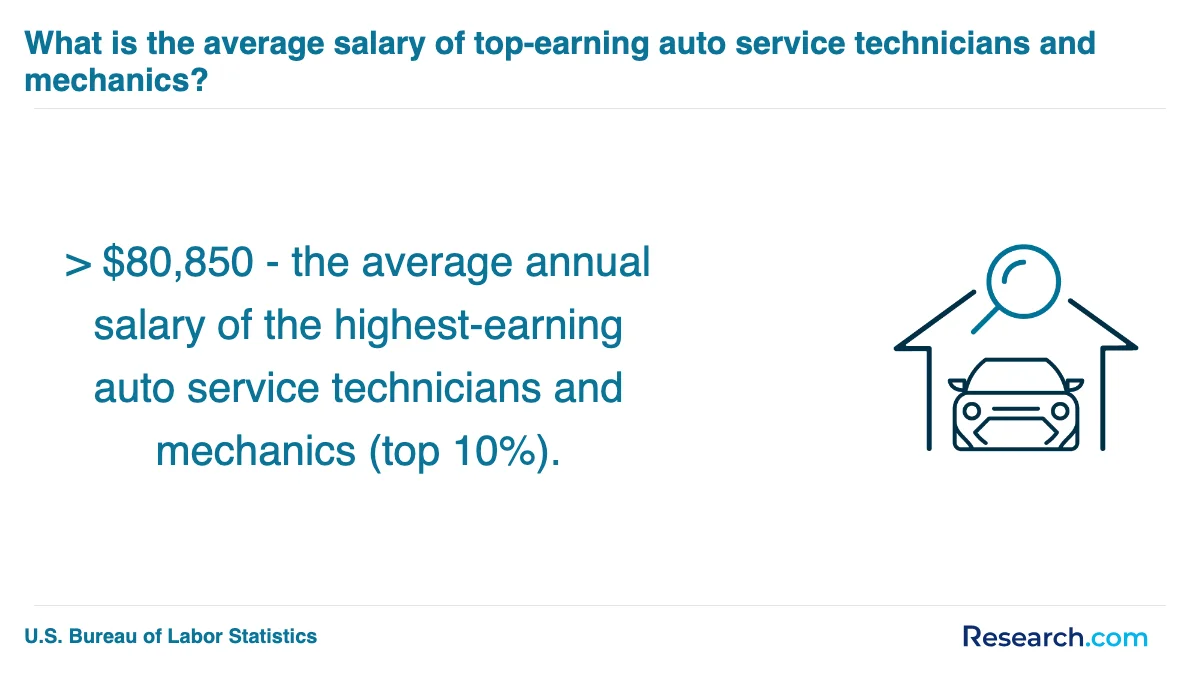
Automotive technician trade school graduates in West Virginia find a broad spectrum of opportunities tailored to their skills and passions. Many begin as automotive service technicians or mechanics, stepping into roles at dealerships or independent repair shops where hands-on problem-solving is part of the daily routine. Graduates often share that working directly on vehicle engines or electronic systems brings a satisfying blend of challenge and accomplishment.
Others explore auto mechanic career paths West Virginia offers, such as specializing in collision repair as auto body technicians, mastering bodywork, painting, and frame straightening. Diesel and trailer mechanics are also in demand, especially with large employers like Walmart and regional transport companies offering competitive wages.
For graduates aiming beyond the workshop, positions in service advising or automotive parts sales provide avenues to build relationships and leverage technical knowledge into management roles or sales. Some graduates even pursue further education, such as a bachelor's degree in automotive technology, enhancing their career prospects within West Virginia's thriving automotive sector.
- Common roles: automotive service technician, mechanic, auto body technician
- Specializations: diesel mechanic, trailer mechanic, collision repair
- Workplaces: dealerships, fleet maintenance, independent shops
- Advancement: supervisory positions, service advising, parts sales
The automotive technician job outlook in West Virginia shows promising opportunities for trade school graduates ready to enter the workforce. Graduates from popular vocational schools in the state often share feelings of confidence and excitement upon securing roles ranging from general automotive technician to diesel mechanic. Employers value hands-on experience and up-to-date knowledge gained through local programs, contributing to steady demand. Typical employer expectations include routine diagnostics and customer service skills, with companies offering career advancement and certification reimbursements that graduates appreciate.
Wages vary across the state, reflecting the broader automotive technician salary trends West Virginia experiences. Some technicians start near $16 per hour, while experienced professionals can earn up to $31 per hour or more, with annual salaries ranging from $43,000 to $72,000. This competitive pay aligns well with the region's cost of living, encouraging a fulfilling career path.
For those pursuing automotive technician training, exploring the best vocational trade schools offers a practical foundation and connection to local employers, enhancing job readiness and long-term success.
Best Automotive Technician Training Programs & Trade Schools - Top Automotive Technician Schools in West Virginia for 2026
# 1 position
New River Community and Technical College - Automobile/Automotive Mechanics Technology/Technician.
associateNew River Community and Technical College offers a Hybrid program in Automobile/Automotive Mechanics Technology/Technician. The curriculum prepares students to repair, service, and maintain various automobile systems, including brakes, electrical, engines, suspensions, transmissions, and heating/air conditioning. Annual in-state tuition is $5,158. The program is accredited by the Higher Learning Commission, providing technical skills essential for automotive careers.
# 2 position
Eastern West Virginia Community and Technical College - Automobile/Automotive Mechanics Technology/Technician.
associateEastern West Virginia Community and Technical College offers a hybrid program in Automobile/Automotive Mechanics Technology/Technician that prepares students to repair, service, and maintain various automobiles. The curriculum covers brake and electrical systems, engine performance and repair, suspension and steering, transmissions, drive trains, and heating and air conditioning systems. Annual in-state tuition is $4,288. The program is accredited by the Higher Learning Commission.
# 3 position
New River Community and Technical College - Automobile/Automotive Mechanics Technology/Technician.
certificate or diplomaNew River Community and Technical College offers a hybrid program in Automobile/Automotive Mechanics Technology/Technician designed to prepare students with technical skills for repairing and maintaining various automotive systems. The curriculum covers brake systems, electrical systems, engine performance and repair, suspension and steering, transmissions, and heating and air conditioning. In-state tuition is $5,158 annually. The program is accredited by the Higher Learning Commission.
# 4 position
Eastern West Virginia Community and Technical College - Automobile/Automotive Mechanics Technology/Technician.
certificate or diplomaEastern West Virginia Community and Technical College offers a hybrid program in Automobile/Automotive Mechanics Technology/Technician designed to teach technical skills in repairing and maintaining all types of automobiles. The curriculum covers brake systems, electrical systems, engine performance and repair, suspension, steering, transmissions, drive trains, and heating and air conditioning systems. The program has an annual in-state tuition of $4,288 and is accredited by the Higher Learning Commission.
# 5 position
Ben Franklin Career Center - Automobile/Automotive Mechanics Technology/Technician.
certificate or diplomaBen Franklin Career Center offers an on-campus program in Automobile/Automotive Mechanics Technology/Technician. The curriculum prepares students to repair, service, and maintain various automobile systems, including brakes, electrical, engine performance and repair, suspension, steering, transmissions, and heating and air conditioning. The program is accredited by the Council on Occupational Education.
# 6 position
Cabell County Career Technology Center - Automobile/Automotive Mechanics Technology/Technician.
certificate or diplomaThe Cabell County Career Technology Center offers a hybrid program in Automobile/Automotive Mechanics Technology/Technician. It prepares students to repair, service, and maintain various automobile systems, including brakes, electrical, engine performance, and transmissions. Instruction covers both automatic and manual systems, suspension, steering, and heating and air conditioning. The program is accredited by the Council on Occupational Education, providing technical knowledge essential for automotive careers.
# 7 position
James Rumsey Technical Institute - Automobile/Automotive Mechanics Technology/Technician.
certificate or diplomaJames Rumsey Technical Institute offers a hybrid program in Automobile/Automotive Mechanics Technology/Technician. The curriculum prepares students to repair, service, and maintain various automobile systems, including brakes, electrical, engines, transmissions, suspension, steering, and heating and air conditioning. The program is accredited by the Council on Occupational Education, ensuring recognized standards in technical education for automotive careers.
Frequently Asked Questions about automotive technician
After completing an automotive technician trade school in West Virginia, preparing for the job market involves several key steps. First, obtaining industry certifications such as the National Institute for Automotive Service Excellence (ASE) credentials can significantly boost employability. ASE certification is widely recognized across the U.S., including West Virginia, and demonstrates technical competence.
Networking is also important; students should attend local job fairs and connect with employers in West Virginia's automotive industry. According to the U.S. Bureau of Labor Statistics, automotive technician employment in West Virginia is projected to grow by about 3% through 2031, indicating steady demand.
Additionally, gaining hands-on experience through internships or apprenticeships offered by trade schools or local garages can improve job prospects. Updating resumes to highlight practical skills and certifications is essential before applying.
Employers in West Virginia seek specific skills when hiring graduates from automotive technician trade schools. Technical proficiency is essential, including knowledge of engine repair, electrical systems, and diagnostics. According to the U.S. Bureau of Labor Statistics, automotive technicians must be skilled in using computerized diagnostic tools, which are integral to modern vehicles.
In addition to technical skills, employers value problem-solving abilities and attention to detail. West Virginia's growing automotive service industry demands technicians who can accurately identify issues and perform repairs efficiently.
Strong communication skills are also important, enabling technicians to explain problems and repairs clearly to customers and colleagues. Finally, a commitment to ongoing learning is critical, as automotive technology rapidly evolves with electric and hybrid vehicles becoming more common in the state.
Finding internships in West Virginia relevant to automotive technician trade school programs involves several strategic steps. Start by connecting with your school's career services or internship coordinator, as many programs maintain relationships with local dealerships and repair shops. The West Virginia Department of Commerce and the Division of Workforce Development offer resources and job listings that often include internship opportunities in the automotive sector.
Networking locally through technical colleges and trade schools, such as BridgeValley Community and Technical College, can increase your chances of placement. Additionally, platforms like the West Virginia Labor Market Information provide data on employer demand in automotive services, helping you target high-opportunity areas.
Engaging with industry associations such as the Automotive Service Association of West Virginia can also lead to internships by connecting students to professionals in the field.
Obtaining a diploma from an automotive technician trade school in West Virginia significantly enhances career mobility and advancement opportunities. According to the U.S. Bureau of Labor Statistics, automotive service technicians in West Virginia earn a median annual wage above the national average, partly due to specialized training. A diploma demonstrates practical skills and technical knowledge, which employers highly value in this competitive market.
Graduates often qualify for certifications such as the ASE (Automotive Service Excellence), improving job prospects and potential for higher pay. Furthermore, West Virginia's growing automotive repair sector shows steady demand, allowing diploma holders to access diverse roles or supervisory positions more quickly.
Trade schools also connect students with local employers through apprenticeships and job placement programs, facilitating smoother entry into the workforce and long-term career growth.
Students enrolled in automotive technician trade schools in West Virginia can benefit from various part-time job opportunities that provide practical experience and income. Positions such as automotive service assistants, parts clerks, or tire technicians are common in local repair shops and dealerships. These roles allow students to apply classroom knowledge in real-world settings, enhancing technical skills and customer service abilities.
According to the U.S. Bureau of Labor Statistics, West Virginia's automotive service technician employment is expected to grow steadily through 2031, supporting demand for workers with hands-on experience. Additionally, internships or co-op programs offered by some schools may connect students with employers seeking part-time help.
Finding the best Automotive Technician degree program near me involves researching accredited colleges and vocational schools that offer specialized automotive programs. In West Virginia, you can explore programs such as those at local community colleges or technical institutes that are known for their strong automotive technology curricula. Research.com can be a good resource to find highly ranked programs near West Virginia, based on factors like curriculum quality, facility resources, and graduate employment rates.
- Best Automotive Technician Training Programs & Trade Schools - Top Automotive Technician Schools in Virginia for 2026
- Best Automotive Technician Training Programs & Trade Schools - Top Automotive Technician Schools in Ohio for 2026
- Best Automotive Technician Training Programs & Trade Schools - Top Automotive Technician Schools in Pennsylvania for 2026
- Best Automotive Technician Training Programs & Trade Schools - Top Automotive Technician Schools in North Carolina for 2026
- Best Automotive Technician Training Programs & Trade Schools - Top Automotive Technician Schools in Indiana for 2026
- Best Automotive Technician Training Programs & Trade Schools - Top Automotive Technician Schools in South Carolina for 2026
- Best Automotive Technician Training Programs & Trade Schools - Top Automotive Technician Schools in New Jersey for 2026
- Best Automotive Technician Training Programs & Trade Schools - Top Automotive Technician Schools in Delaware for 2026
- Best Automotive Technician Training Programs & Trade Schools - Top Automotive Technician Schools in Illinois for 2026
- Best Automotive Technician Training Programs & Trade Schools - Top Automotive Technician Schools in New York for 2026
- Jobs You Can Only Get with an Automotive Technology Degree - Benjamin Franklin Cummings Institute of Technology https://franklincummings.edu/blog/automotive-technology/
- 9 Reasons to Become an Automotive Technician https://wrenchway.com/blog/reasons-to-become-an-automotive-technician/
- Make Job Applications Stand Out When You Become A Mechanic https://www.autotrainingcentre.com/blog/make-job-applications-stand-out-when-you-become-a-mechanic/
- Why Train for a Career as an Automotive Technician? - Advanced Training Institute https://atitraining.edu/why-train-for-a-career-as-an-automotive-technician/
- 5 Tips to Succeed in Automotive Mechanic School | UTI https://www.uti.edu/blog/automotive/tips-for-succeeding-in-automotive-mechanic-school
- Automotive Service Technicians and Mechanics : Occupational Outlook Handbook: : U.S. Bureau of Labor Statistics https://www.bls.gov/ooh/installation-maintenance-and-repair/automotive-service-technicians-and-mechanics.htm
- Automotive Mechanic Trade School | Sheridan Technical College https://www.sheridantechnicalcollege.edu/automotive-technology/
- Automotive Technician | Clover Park Technical College https://www.cptc.edu/programs/auto-tech
- Automotive Technology Program https://gwinnetttech.edu/automotive/
- Find an Auto Mechanic School | Training & Industry Details https://www.trade-schools.net/trades/automotive-mechanic