Best Automotive Technician Training Programs & Trade Schools - Top Automotive Technician Schools in Virginia for 2026

Co-Founder and Chief Data Scientist
Choosing the right automotive technician trade school in Virginia can shape your future career. This article introduces the best programs for 2026, based on a carefully crafted ranking by the Research.com team of data scientists. Their work helps you identify which schools truly stand out.
Whether you want a diploma or certification, this guide highlights valuable opportunities to gain hands-on skills. Reading it will empower you to make an informed decision, setting you on a rewarding path in the automotive industry with confidence and excitement.
Key benefits of finishing automotive technician trade school in Virginia
- Graduates can expect an average annual salary of around $67,744 in Virginia, with entry-level positions starting near $50,883, offering a solid income right after finishing school.
- Career paths include roles like automotive mechanic, service technician, or specialized system experts, allowing graduates to find positions that match their skills and interests within Virginia's growing automotive industry.
- Completing an online automotive technician trade school offers flexible learning schedules and faster completion times, helping students balance work and study while gaining valuable hands-on skills from anywhere in Virginia.
What can I expect from automotive technician trade schools in Virginia?
Students enrolling in automotive technician trade schools in Virginia can expect a hands-on experience that blends classroom learning with real-world practice. Graduates from programs like Virginia Peninsula Community College often highlight the value of working directly with modern diagnostic tools and real vehicles, which builds confidence before entering the workforce. Coursework covers essential automotive systems such as engine repair, electrical diagnostics, and brake systems, ensuring a comprehensive skill set.
Programs vary in length, ranging from certificate options lasting one semester to two-year associate degrees at schools like Reynolds Community College, where students benefit from internships that provide actual industry exposure. Flexible schedules, including evening classes, accommodate those balancing work or family commitments.
A common positive reflection from students is the preparation for Automotive Service Excellence (ASE) certification exams, which are highly regarded by employers. The opportunity to learn in purpose-built labs staffed by experienced instructors adds to a sense of readiness and excitement about future job prospects in Virginia's automotive repair industry.
Where can I work after finishing automotive technician trade schools in Virginia?
Graduates of automotive technician trade schools in Virginia often find themselves employed in diverse settings that match their skills and interests. Many secure positions at franchise dealerships like Ford or Toyota, where they benefit from structured career paths and manufacturer-specific training. These roles frequently come with competitive salaries, health benefits, and paid time off, making them attractive for those seeking stability and growth.
Others prefer independent repair shops or specialty service centers, which offer hands-on experience with specific vehicle types or advanced diagnostics. Here, graduates often feel a strong sense of accomplishment by tackling complex repairs, earning hourly wages between $20 and $42 depending on expertise.
National auto service chains also provide steady opportunities, especially for recent graduates eager to gain experience through on-the-job training and predictable schedules. Meanwhile, working in fleet maintenance for local governments or utility companies offers an alternative path, combining public service with solid earning potential.
Graduates from popular Virginia trade schools often share how these varied environments helped them build confidence and find fulfilling careers tailored to their passions and strengths.
How much can I make after finishing automotive technician trade schools in Virginia?
Graduates from automotive technician trade schools in Virginia often find themselves starting with an average salary around $67,744 annually, according to recent data. Many report feeling encouraged by these figures, especially when entering the workforce with practical skills gained from well-known programs in the state. For example, a graduate from a popular Richmond trade school shared how their starting wage of roughly $27.56 per hour closely matched expectations, allowing them to support themselves soon after completing their training.
Entry-level salaries typically range from about $43,949 to $57,332 annually, though some skilled individuals have broken into higher brackets reaching over $63,000. Hourly wages vary similarly, with most new technicians earning between $20.72 and $33.12 per hour, depending on their location and employer. These numbers reflect real experiences from graduates who appreciate the clear pathway to advancement and increased earnings as they gain certifications and hands-on expertise.
Working in Virginia's automotive sector, many graduates describe a sense of accomplishment as their skills translate directly into higher paychecks and job stability. This tangible progression is a major motivator for those considering trade school in the state.
Best Automotive Technician Training Programs & Trade Schools - Top Automotive Technician Schools in Virginia for 2026
# 1 position
Tidewater Community College - Automobile/Automotive Mechanics Technology/Technician.
associateTidewater Community College offers a hybrid program in Automobile/Automotive Mechanics Technology/Technician, preparing students to repair, service, and maintain various automobiles. Coursework covers brake systems, electrical systems, engine performance and repair, suspension, steering, transmissions, drive trains, and heating and air conditioning systems. The program’s annual in-state tuition is $5,714. Graduates have median earnings of $47,722 one year after completion. It is accredited by the Southern Association of Colleges and Schools Commission on Colleges.
# 2 position
Tidewater Community College - Automobile/Automotive Mechanics Technology/Technician.
certificate or diplomaThe Automobile/Automotive Mechanics Technology/Technician program at Tidewater Community College offers hybrid learning with some distance-education options. It trains students to repair and maintain various automobile systems, including brakes, electrical, engines, transmissions, and HVAC. The program is accredited by the Southern Association of Colleges and Schools Commission on Colleges. Annual in-state tuition is $5,714, and median earnings one year after completion reach $47,722.
# 3 position
Advanced Technology Institute - Automobile/Automotive Mechanics Technology/Technician.
associateThe Automobile/Automotive Mechanics Technology/Technician program at Advanced Technology Institute prepares students to repair, service, and maintain various automobile systems, including brakes, electrical, engines, suspension, steering, transmissions, and heating/air conditioning. The program is accredited by the Accrediting Commission of Career Schools and Colleges. Annual in-state tuition is $14,568. Median earnings for graduates one year after completion are $38,942.
# 4 position
Advanced Technology Institute - Automobile/Automotive Mechanics Technology/Technician.
certificate or diplomaThe Automobile/Automotive Mechanics Technology/Technician program at Advanced Technology Institute trains students to repair, service, and maintain various automobiles. Instruction covers brake systems, electrical systems, engine performance and repair, suspension, steering, transmissions, and heating and air conditioning systems. The program is accredited by the Accrediting Commission of Career Schools and Colleges. Annual in-state tuition is $14,568, and median earnings one year after completion are $38,942.
# 5 position
New River Community College - Automobile/Automotive Mechanics Technology/Technician.
certificate or diplomaNew River Community College offers a hybrid program in Automobile/Automotive Mechanics Technology/Technician, preparing students to repair, service, and maintain various automobile systems. The curriculum covers brake systems, electrical systems, engine performance and repair, suspension and steering, transmissions, and heating and air conditioning. The program is accredited by the Southern Association of Colleges and Schools Commission on Colleges. Annual in-state tuition is $4,835.
# 6 position
Germanna Community College - Automobile/Automotive Mechanics Technology/Technician.
certificate or diplomaThe Automobile/Automotive Mechanics Technology/Technician program at Germanna Community College offers a hybrid learning format, combining in-person and distance education. The program prepares students to repair, service, and maintain various automobile systems, including brakes, electrical, engine, suspension, transmissions, and heating and air conditioning. Annual in-state tuition is $5,066. The program is accredited by the Southern Association of Colleges and Schools Commission on Colleges.
# 7 position
Blue Ridge Community College - Automobile/Automotive Mechanics Technology/Technician.
associateBlue Ridge Community College offers a hybrid Automobile/Automotive Mechanics Technology/Technician program that prepares students to repair, service, and maintain various automobile systems. Instruction covers brake systems, electrical systems, engine performance and repair, suspension and steering, transmissions, and heating and air conditioning. The program’s annual in-state tuition is $5,502, and median earnings one year after completion are $41,801. It is accredited by the Southern Association of Colleges and Schools Commission on Colleges.
# 8 position
Blue Ridge Community College - Automobile/Automotive Mechanics Technology/Technician.
certificate or diplomaBlue Ridge Community College offers a hybrid program in Automobile/Automotive Mechanics Technology/Technician designed to prepare students to repair, service, and maintain various automobiles. The curriculum covers brake systems, electrical systems, engine performance and repair, suspension, steering, transmissions, and heating and air conditioning systems. Annual in-state tuition is $5,502. The program is accredited by the Southern Association of Colleges and Schools Commission on Colleges. Median earnings one year after completion are $41,801.
# 9 position
Northern Virginia Community College - Automobile/Automotive Mechanics Technology/Technician.
associateNorthern Virginia Community College offers a hybrid program in Automobile/Automotive Mechanics Technology/Technician, focusing on skills to repair, service, and maintain various automobiles. The curriculum covers brake systems, electrical systems, engine performance and repair, suspension, steering, transmissions, drivetrains, and heating and air conditioning systems. Annual in-state tuition is $5,703. Graduates earn a median of $35,887 one year after completion. The program is accredited by the Southern Association of Colleges and Schools Commission on Colleges.
# 10 position
Northern Virginia Community College - Automobile/Automotive Mechanics Technology/Technician.
certificate or diplomaNorthern Virginia Community College offers a hybrid Automobile/Automotive Mechanics Technology/Technician program preparing students to repair, service, and maintain various automobile systems. The curriculum covers brakes, electrical systems, engine performance and repair, suspension, steering, transmissions, and heating and air conditioning. The annual in-state tuition is $5,703. Graduates earn a median salary of $35,887 one year after completion. The program is accredited by the Southern Association of Colleges and Schools Commission on Colleges.
Key Findings
- Admission requires a high school diploma or GED, proof of college readiness through placement tests, a valid driver's license, and sometimes an orientation course.
- Programs are accredited by the ASE Education Foundation and often include ASE certification preparation to improve job prospects.
- Program lengths vary from technical diplomas (56 credits) to two-year associate degrees, with total costs ranging from several thousand to over $20,000.
- Books and supplies for a technical diploma average about $1,359, and financial aid or credit for prior learning is often available.
- Starting salaries range from $30,000 to $40,000 annually, with experienced technicians earning $50,000 to $60,000 or more.
- Many programs offer on-campus recruitment and apprenticeships through partnerships with local employers to support job placement.
How long does it take to complete automotive technician trade schools in Virginia?
Completing an automotive technician trade school program in Virginia typically takes between 12 to 24 months, depending on the school and the depth of the curriculum. Many graduates from well-known Virginia trade schools report that a focused one-year program offers intense, hands-on training that equips them quickly to enter the workforce. These programs often blend classroom learning with practical experiences in simulated repair shops, which helps students build confidence early on.
Other students opt for longer programs, around two years, which allow more comprehensive study of advanced diagnostics and electronics. These extended programs provide a pace that some find less overwhelming, enabling deeper understanding of complex vehicle systems. Graduates often describe feeling well-prepared and proud, especially when they secure jobs soon after completing their courses.
For example, attending a popular trade school in Virginia means immersing yourself in a community where instructors emphasize real-world skills, mirroring what students encounter in local garages. This practical approach not only shortens the learning curve but also boosts enthusiasm and motivation, making the typical 12 to 24 months feel rewarding and purposeful.
What's the difference between online and on-campus automotive technician trade school programs?
The primary difference between online and on-campus automotive technician trade school programs in Virginia centers on the mode of instruction and hands-on training. Graduates from on-campus programs like Advanced Technology Institute in Virginia Beach often highlight the value of direct access to real vehicles, tools, and immediate feedback from experienced instructors in fully equipped workshops. This hands-on experience builds confidence quickly and closely mirrors actual workplace conditions.
In contrast, online or blended programs such as those at Universal Technical Institute offer more flexibility by allowing students to complete theory and diagnostics coursework remotely. However, students still must attend campus labs for essential practical training. Many appreciate this balance, especially those balancing work or family, as it reduces commuting while retaining vital hands-on skill development.
On-campus students also benefit from local employer connections and job fairs, which many graduates credit for smoother transitions into their careers. Ultimately, choosing between these options depends on your personal learning style and schedule demands, but in Virginia's automotive trade schools, hands-on experience remains indispensable.
What is the average cost of automotive technician trade schools in Virginia?
The average tuition fees for automotive technician programs in Virginia hover around $13,218, though this figure varies by school and program. Graduates from popular trade schools often remark that institutions like the Advanced Technology Institute in Virginia Beach charge approximately $13,200 annually, making it accessible for many students. However, others attending Tidewater Tech-Trades in Norfolk report an average annual tuition closer to $16,337, reflecting a higher-cost but possibly more specialized program.
Beyond tuition, the cost of automotive technician trade school in Virginia includes additional expenses like books and supplies, which typically total around $1,669 per year. Many students recount budgeting carefully for these materials, as well as for living expenses that vary depending on personal circumstances and location within Virginia. In practical terms, this means a student might be paying nearly $15,000 to $18,000 annually to complete their program, depending on where they study and how they manage their costs.
Financial aid often eases these burdens. Grants like the Future Mechanic Grant, offering up to $1,000, and federal Pell Grants are helpful resources that many students have relied on to fund their education. Those exploring automotive mechanic careers frequently emphasize how researching individual schools and aid opportunities proved crucial in making their trade school experience financially feasible. For a deeper understanding of the career path after school, consider exploring automotive mechanic careers.

What financial aid is available for automotive technician trade schools in Virginia?
Automotive technician students in Virginia often find critical financial support through a mix of federal, state, and institutional aid that makes trade school more accessible. Many graduates recall relying on the Federal Pell Grant, which requires demonstrating financial need and does not require repayment, helping cover tuition at popular schools like Northern Virginia Community College and Tidewater Community College. This grant often serves as the backbone of their funding, easing the burden significantly.
Beyond federal aid, Virginia's Tuition Assistance Grant (VTAG) offers additional help, especially for those attending private trade schools, though eligibility can vary and should be verified with the school's financial aid office. Several students express relief when securing scholarships such as the DEWALT Trades Scholarship or local awards offered by their institutions, which can reduce costs by thousands of dollars.
Veterans and military families benefit from GI Bill education benefits, which many find invaluable for hands-on training. Completing the FAFSA early is a shared tip among graduates, unlocking access to these funds and sometimes private loans when extra support is needed. These combined sources frequently transform financial stress into confidence and focus on training.
What are the prerequisites for enrolling in automotive technician trade schools in Virginia?
Enrolling in an automotive technician trade school program in Virginia typically requires meeting a few straightforward prerequisites that set you up for success. Most schools ask for a high school diploma or GED, ensuring students have a basic foundation in math, science, and reading-skills essential when diagnosing vehicle issues or understanding mechanical systems.
Graduates from popular Virginia trade schools often share how having hands-on experience, such as working on cars or participating in automotive clubs, made the transition into their programs smoother and more enjoyable. This practical background is not always required but highly encouraged.
Common prerequisites include:
- Proof of high school completion or equivalent
- Basic proficiency in math and reading comprehension
- Some programs may request a driver's license, reflecting the hands-on nature of the training
- Physical ability to perform tasks like lifting parts and standing for long periods
One graduate recounted feeling confident walking into the classroom because their prior experience tinkering with family vehicles gave them a real edge. For students in Virginia, trade schools emphasize readiness to engage both mentally and physically-preparing you for the rewarding challenge of automotive repair.

What are the typical courses in automotive technician trade schools in Virginia?
Automotive technician programs in Virginia focus on practical, industry-relevant courses that prepare students for real-world challenges. Graduates from schools like Virginia Peninsula Community College and Northern Virginia Community College often highlight the value of hands-on training combined with core theoretical knowledge.
Typical courses include:
- Engine performance: Students learn to diagnose and repair engine issues, gaining confidence through live engine work and troubleshooting.
- Vehicle maintenance: Routine inspections and service procedures help students understand how to keep vehicles reliable and safe.
- Electrical diagnostics: This course teaches troubleshooting of increasingly complex electronic vehicle systems, a skill praised by graduates for its relevance.
- Braking systems, steering, suspension, and transmissions: Comprehensive exposure to these subsystems ensures students develop a well-rounded skill set demanded by employers.
Graduates frequently mention that the integration of classroom theory with real lab work at Virginia trade schools creates an engaging learning environment. This approach helps them feel prepared and excited to enter the workforce, knowing they meet NATEF and ASE certification standards valued by Virginia employers.
What are the available specializations in automotive technician trade schools in Virginia?
Automotive technician specializations in Virginia typically cover several focused areas designed to prepare students for diverse careers within the industry. Graduates from well-known trade schools like Northern Virginia Community College (NOVA) often highlight how programs in Automotive Technology offer hands-on experience in engine performance, electrical diagnostics, and customer service roles, which builds their confidence to enter the workforce promptly.
Key specializations within Virginia automotive trade school programs include:
- Automotive Technology - blending theory and practice for roles like line technician or service advisor.
- Collision Repair - students gain skills in welding, painting, and refinishing using real vehicle projects.
- Diesel Technology - a foundation in diesel engines and hydraulic systems, often including cooperative education for real-world learning.
- Electric, Hybrid, and Autonomous Vehicles - focused on emerging vehicle technologies offering a competitive edge.
Other community colleges such as Southwest Virginia Community College and Blue Ridge Community College emphasize ASE-endorsed curricula that equip students with certification-ready skills, enhancing employment prospects. Many graduates enthusiastically recall how the practical training felt immediately applicable, helping them secure entry-level technician roles.
For those considering options beyond campus learning, exploring affordable online engine technician certificate programs can be a flexible path to specialize while balancing other commitments.
How do you choose the best automotive technician trade school program in Virginia?
Choosing the best automotive technician trade school program in Virginia requires a clear focus on accreditation and hands-on training quality. Graduates from Northern Virginia Community College often emphasize how its accredited curriculum and modern equipment prepared them for real-world challenges, making the learning experience both engaging and practical. Meanwhile, Advanced Technology Institute offers smaller class sizes, which some students find more supportive and personalized, enhancing skill development.
To effectively compare automotive trade school costs in Virginia, consider both tuition and available financial aid options. Many students appreciate that Northern Virginia Community College provides competitive pricing alongside flexible schedules, including part-time and evening classes, which work well for those balancing jobs and study. Hands-on experience is critical, so visiting campuses or reading reviews helps gauge if the school's resources meet your expectations.
For those exploring alternatives, exploring trade school online programs might offer additional flexibility without compromising quality. More details are available at trade school online.
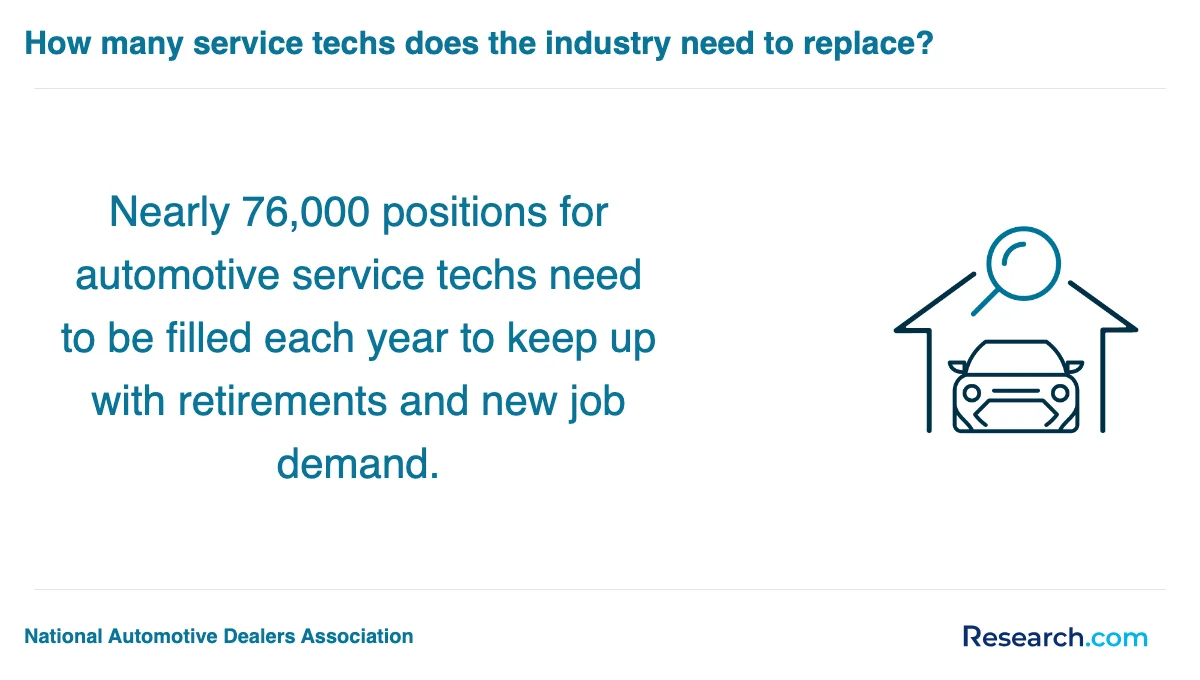
What career paths are available for automotive technician trade school graduates in Virginia?
Graduates of automotive technician trade school programs in Virginia find themselves poised for a variety of rewarding career paths. Many begin as automotive technicians, tire and lube specialists, or tune-up experts, roles consistently in high demand across the state. Those stepping out of programs at institutions like Northern Virginia Community College or Virginia Western Community College often share how their specialized training-ranging from diesel engine maintenance to collision repair technology-has equipped them for these hands-on roles.
Beyond technical positions, there are diverse roles such as parts sales representatives, repair service writers, and customer service professionals within dealerships and service centers. These jobs require not only technical expertise but also strong communication skills, appealing to graduates who enjoy working closely with customers. Experienced alumni mention positive outcomes, including starting salaries surpassing $85,000 with benefits, reflecting the value of automotive technician jobs in Virginia.
Many find pathways to growth through apprenticeship programs or advanced certifications like OSHA 10, enhancing their prospects in automotive service career paths Virginia. Moreover, motivated students can leverage opportunities to further their education or move into supervisory and management roles-showcasing the robust flexibility trade schools provide compared to traditional routes, as noted in discussions around trade schools vs college.
What is the job market for automotive technician trade school graduates in Virginia?
The job market for automotive technician trade school graduates in Virginia remains notably strong, reflecting a steady demand for skilled workers across urban and rural areas. Graduates from popular Virginia trade schools frequently report multiple job openings soon after completion, supported by over 1,800 active technician roles statewide. Employers like Goodyear actively recruit from these schools, offering opportunities enriched with benefits such as health insurance and paid training.
Entry-level wages range from $20 to $42 per hour, with experienced technicians in areas like Fairfax earning between $110,000 and $265,000 annually. Graduates highlight how certifications, especially ASE credentials, increase employability and salary potential. Many share experiences of accelerated growth paths when combining hands-on training with ongoing education.
Career opportunities extend beyond basic roles, with clear advancement paths at dealerships and service centers investing in technician development. Many students pursuing a bachelor of science automotive technology find that the emphasis on new vehicle technologies enhances their readiness, making this field an appealing and stable choice.
- High demand with over 1,800 job openings in Virginia as of 2025
- Competitive salaries starting at $20/hour, rising significantly with experience
- Strong benefits including health, 401(k), and paid training
- Positive career advancement supported by employer-sponsored training
Frequently Asked Questions about automotive technician
After completing an automotive technician trade school in Virginia, preparing for the job market involves several key steps. First, obtaining industry certifications such as the National Institute for Automotive Service Excellence (ASE) can significantly boost employability. According to the Virginia Employment Commission, ASE-certified technicians earn up to 15% more than uncertified peers.
Networking is also crucial. Joining local automotive associations and attending job fairs can connect graduates with employers in Virginia's growing automotive repair sector.
Additionally, building a strong resume highlighting hands-on training and any internship experience gained during schooling helps graduates stand out to potential employers.
Continual learning is important due to evolving vehicle technology, so staying updated through workshops and short courses is recommended.
Employers in Virginia seeking automotive technician trade school graduates prioritize a combination of technical and soft skills. Proficiency in diagnosing and repairing modern vehicle systems, including computerized engine controls, is essential. According to the U.S. Bureau of Labor Statistics, automotive service technicians in Virginia must be adept with advanced diagnostic equipment.
Strong problem-solving abilities and attention to detail are highly valued, as these ensure accurate repairs and customer satisfaction. Communication skills also matter because technicians often explain issues and solutions to clients or team members.
Hands-on experience gained through internships or apprenticeships is crucial, reflecting practical readiness. Additionally, knowledge of safety protocols and adherence to environmental regulations is important in the Virginia automotive industry.
Finding internships in Virginia relevant to automotive technician trade school programs involves leveraging several key resources. Many trade schools maintain partnerships with local dealerships, repair shops, and automotive service centers, which can provide structured internship opportunities.
Students should also explore listings on Virginia's official workforce and labor department websites, as they often post automotive technician internships and apprenticeships. According to the Virginia Employment Commission, the state supports programs connecting students with employers in automotive fields.
Networking through trade school career services and attending local automotive industry events can increase chances of securing an internship. Internships typically last 3 to 6 months and offer practical experience crucial for certification exams like ASE.
Obtaining a diploma from an automotive technician trade school in Virginia significantly enhances career mobility and advancement opportunities. According to the Virginia Department of Labor and Industry, the state projects a 6% growth in automotive service technician jobs through 2030, emphasizing demand for qualified professionals.
A diploma validates technical skills and knowledge, making graduates more competitive in the job market. Employers in Virginia often prefer candidates with formal training, which can lead to higher starting wages and quicker promotions.
Additionally, many trade schools in Virginia offer industry-recognized certifications, such as ASE, that further boost employability and career progression.
Overall, a trade school diploma serves as a critical credential supporting upward mobility in Virginia's automotive industry.
Part-time job opportunities in Virginia that complement automotive technician trade school education often include roles such as automotive service assistant, parts clerk, and tire technician. These positions provide practical experience alongside formal training, enhancing technical skills and industry knowledge.
According to the U.S. Bureau of Labor Statistics, Virginia's automotive service technicians and mechanics earn a median hourly wage of about $21.50, and hands-on experience is highly valued by employers in this competitive field.
Working part-time in dealerships or independent repair shops allows students to apply classroom concepts to real-world problems, improving diagnostic and repair abilities. Additionally, some employers offer flexible schedules to accommodate class times, making it easier for students to balance work and education.
To choose the best Automotive Technician degree program near me in Virginia, start by researching accredited programs offered by community colleges and technical schools in your locality to ensure they provide the relevant hands-on training. It's beneficial to consider programs near Virginia that offer industry certifications, internship opportunities, and faculty with professional experience in automotive technology. Consulting resources like Research.com can provide rankings and reviews of these programs to help make an informed decision.
Related Automotive Technician Rankings for Nearby States
- Best Automotive Technician Training Programs & Trade Schools - Top Automotive Technician Schools in West Virginia for 2026
- Best Automotive Technician Training Programs & Trade Schools - Top Automotive Technician Schools in North Carolina for 2026
- Best Automotive Technician Training Programs & Trade Schools - Top Automotive Technician Schools in Pennsylvania for 2026
- Best Automotive Technician Training Programs & Trade Schools - Top Automotive Technician Schools in South Carolina for 2026
- Best Automotive Technician Training Programs & Trade Schools - Top Automotive Technician Schools in Ohio for 2026
- Best Automotive Technician Training Programs & Trade Schools - Top Automotive Technician Schools in Delaware for 2026
- Best Automotive Technician Training Programs & Trade Schools - Top Automotive Technician Schools in New Jersey for 2026
- Best Automotive Technician Training Programs & Trade Schools - Top Automotive Technician Schools in Indiana for 2026
- Best Automotive Technician Training Programs & Trade Schools - Top Automotive Technician Schools in New York for 2026
- Best Automotive Technician Training Programs & Trade Schools - Top Automotive Technician Schools in Florida for 2026
Top Trending Rankings
References
- The Auto Tech Problem https://www.insidehighered.com/blogs/confessions-community-college-dean/auto-tech-problem
- Service Advisor's Challenges After Automotive Training https://www.autotrainingcentre.com/blog/challenges-of-service-advisors-after-automotive-training/
- Education's Role in Addressing Difficulty in the Auto Service Industry - Auto Service World https://www.autoserviceworld.com/educations-role-in-addressing-difficulty-in-the-auto-service-industry/
- What You Can Do With Automotive Technician Training - AAI https://www.aai.edu/automotive-technician-training-careers/
- Automotive Tech I/II/III - Williamsburg, Virginia, United States https://careers.jamescitycountyva.gov/jobs/automotive-tech-ii-iii-williamsburg-virginia-united-states
- Automotive Technician Salary in Virginia | Salary.com https://www.salary.com/research/salary/posting/automotive-technician-salary/va
- Automotive Technology | Northern Virginia Community College https://www.nvcc.edu/academics/programs/automotive/index.html
- Automotive Analysis & Repair – Skilled Trades – Virginia Western Community College https://www.virginiawestern.edu/academics/building-trades/auto-repair/
- Auto Mechanic Schools in Virginia https://automechanicschools.com/virginia/
- Automotive Service Technology - Technical & Career Education Center http://techcenter.vbschools.com/school/programs-of-study/automotive-service-technology