Best Automotive Technician Training Programs & Trade Schools - Top Automotive Technician Schools in New York for 2026

Co-Founder and Chief Data Scientist
Choosing the right automotive technician trade school in New York can shape your future career and open doors to exciting opportunities. This article presents a carefully crafted ranking of automotive technician trade school programs, developed by the Research.com team of data scientists. It’s designed to help you make an informed choice about which programs truly stand out.
Whether you’re starting fresh or looking to advance your skills, earning a diploma or certification can boost your confidence and employability. Discover the schools that align with your goals and take the next step toward a rewarding career in automotive technology.
Key benefits of finishing automotive technician trade school in New York
- Graduates of automotive technician trade schools in New York can expect competitive salaries, with averages around $30 to $36 per hour and annual earnings often exceeding $70,000, reflecting strong demand for skilled professionals.
- Career paths for trade school grads include roles at dealerships, independent shops, and specialty services, offering opportunities to advance into positions like service manager or vehicle diagnostician.
- Completing an automotive technician program online offers flexibility and faster completion times, allowing students to balance work and study while gaining practical skills recognized by employers in New York.
What can I expect from automotive technician trade schools in New York?
Enrolling in an automotive technician trade school program in New York means engaging in a curriculum that balances foundational theory with extensive hands-on practice. Graduates from programs at Bronx Community College or Rockland Community College often describe working directly on late-model vehicles and utilizing state-of-the-art tools like Snap-on Certified Labs and vehicle lifts, which build confidence and real-world skills.
Students can expect to master engine theory, hybrid technology, brake and transmission systems, along with computerized diagnostics and electrical troubleshooting. These skills are taught using industry-standard equipment, ensuring readiness for modern automotive challenges.
Many programs emphasize experiential learning by allowing students to service customer vehicles under supervision, fostering practical expertise and developing customer service and shop management abilities-key for immediate employment success.
Partnerships with local dealerships and manufacturers, such as Nissan/Infiniti at Bronx Community College, offer salaried internships that frequently lead to full-time jobs, making the transition from student to professional smoother and more rewarding.
Where can I work after finishing automotive technician trade schools in New York?
After completing an automotive technician trade school program in New York, graduates find diverse employment opportunities across the state's vibrant automotive sector. Many start their careers at dealership service centers for major brands like BMW, Toyota, and Mercedes-Benz, where they gain hands-on experience diagnosing and repairing vehicles while benefiting from ongoing training and career advancement. Graduates often share how working at these dealerships builds confidence through exposure to cutting-edge automotive technology.
Others choose independent repair shops scattered throughout New York's urban and rural areas, enjoying the variety of vehicle makes and models they service daily. Specialty shops focusing on electric vehicles, performance upgrades, or collision repair also attract those eager to specialize in emerging automotive fields.
Retailers like Walmart employ technicians for routine maintenance, offering a fast-paced yet supportive environment. Public sector roles with the City of New York maintain municipal fleets and provide benefits such as federal loan forgiveness eligibility, appealing to graduates interested in stable, community-oriented work.
Students from prominent New York trade schools consistently express enthusiasm about the strong job placement support from local dealer associations, which connect them to rewarding career paths in battery replacement, tire services, and advanced diagnostics.
How much can I make after finishing automotive technician trade schools in New York?
Graduates of automotive technician trade schools in New York typically start with an average annual salary around $78,688, according to recent data. Many find their earnings fall between $69,082 and $87,289, reflecting both the quality of their training and hands-on experience gained during their programs. For example, those coming from well-known New York trade schools often share how their practical skills helped them secure positions at reputable dealerships, boosting their confidence and income.
Hourly wages commonly range from about $23 to $36, with an average near $30.41. This flexibility appeals to graduates who enjoy the prospect of overtime pay, which can add thousands annually. Entry-level roles and specialized certifications can push wages higher, especially in competitive areas like Manhattan or luxury brand dealerships.
One graduate recalled how starting at a dealership servicing BMWs in New York City provided a steady paycheck near $68,000 annually, with room to grow as skills advanced. The job market's variability encourages continuous learning, making trade school graduates optimistic about their earning potential in this vibrant industry.
Best Automotive Technician Training Programs & Trade Schools - Top Automotive Technician Schools in New York for 2026
# 1 position
Clinton Essex Warren Washington BOCES - Automobile/Automotive Mechanics Technology/Technician.
certificate or diplomaThe Clinton Essex Warren Washington BOCES offers a Hybrid Automobile/Automotive Mechanics Technology/Technician program. It prepares students to repair, service, and maintain various automobiles, covering brake systems, electrical systems, engine performance and repair, suspension and steering, transmissions, drive trains, and heating and air conditioning systems. The program is accredited by the New York State Board of Regents State Education Department Office of the Professions (Public Postsecondary Vocational Education Practical Nursing).
# 2 position
Western Suffolk BOCES - Automobile/Automotive Mechanics Technology/Technician.
certificate or diplomaWestern Suffolk BOCES offers a hybrid program in Automobile/Automotive Mechanics Technology/Technician that prepares students to repair, service, and maintain various automobile systems. The curriculum covers brake systems, electrical systems, engine performance and repair, suspension and steering, transmissions, and heating and air conditioning. The program is accredited by the Council on Occupational Education. Graduates have median earnings of $43,952 one year after completion.
# 3 position
Columbia-Greene Community College - Automobile/Automotive Mechanics Technology/Technician.
associateColumbia-Greene Community College offers a hybrid program in Automobile/Automotive Mechanics Technology/Technician. This program prepares students to repair, service, and maintain various automobile systems, including brakes, electrical, engine, suspension, transmissions, and HVAC. The annual in-state tuition is $5,904. Graduates earn a median salary of $46,236 one year after completion. The program is accredited by the Middle States Commission on Higher Education.
# 4 position
Columbia-Greene Community College - Automobile/Automotive Mechanics Technology/Technician.
certificate or diplomaColumbia-Greene Community College offers a hybrid program in Automobile/Automotive Mechanics Technology/Technician, preparing students to repair, service, and maintain various automobile systems. The curriculum covers brake, electrical, engine, suspension, transmission, and heating/air conditioning systems. Annual in-state tuition is $5,904. Graduates earn a median salary of $46,236 one year after completion. The program is accredited by the Middle States Commission on Higher Education.
# 5 position
Suffolk County Community College - Automobile/Automotive Mechanics Technology/Technician.
associateThe Automobile/Automotive Mechanics Technology/Technician program at Suffolk County Community College offers hybrid learning with some distance-education options. It trains students in repairing, servicing, and maintaining various automobile systems, including brakes, electrical, engines, transmissions, and heating/air conditioning. The program is accredited by the Middle States Commission on Higher Education. Annual in-state tuition is $6,440, and median earnings one year after completion are $42,496.
# 6 position
Suffolk County Community College - Automobile/Automotive Mechanics Technology/Technician.
certificate or diplomaThe Automobile/Automotive Mechanics Technology/Technician program at Suffolk County Community College offers a hybrid learning format with some distance-education options. It prepares students to repair, service, and maintain various automobile systems including brakes, electrical, engine performance, transmission, suspension, and heating and air conditioning. The program is accredited by the Middle States Commission on Higher Education. Annual in-state tuition is $6,440, and median earnings one year after completion are $42,496.
# 7 position
New York Automotive and Diesel Institute - Automobile/Automotive Mechanics Technology/Technician.
associateThe Automobile/Automotive Mechanics Technology/Technician program at New York Automotive and Diesel Institute offers hybrid learning with some distance-education options. It prepares students to repair, service, and maintain various automobile systems including brakes, electrical, engines, transmissions, and HVAC. Graduates have median earnings of $43,046 one year after completion. The program is accredited by the Accrediting Commission of Career Schools and Colleges.
# 8 position
New York Automotive and Diesel Institute - Automobile/Automotive Mechanics Technology/Technician.
certificate or diplomaThe Automobile/Automotive Mechanics Technology/Technician program at New York Automotive and Diesel Institute offers hybrid learning with some distance-education options. It prepares students to repair, service, and maintain various automobile systems, including brakes, electrical, engines, transmissions, and HVAC. Graduates have median earnings of $43,046 one year after completion. The program is accredited by the Accrediting Commission of Career Schools and Colleges.
# 9 position
Hudson Valley Community College - Automobile/Automotive Mechanics Technology/Technician.
associateHudson Valley Community College offers a hybrid program in Automobile/Automotive Mechanics Technology/Technician, preparing students to repair, service, and maintain various automobiles. The curriculum covers brake systems, electrical systems, engine performance and repair, suspension and steering, transmissions, and heating and air conditioning systems. The program is accredited by the Middle States Commission on Higher Education. Annual in-state tuition is $6,694, and median earnings one year after completion are $43,799.
# 10 position
Hudson Valley Community College - Automobile/Automotive Mechanics Technology/Technician.
certificate or diplomaHudson Valley Community College offers a hybrid program in Automobile/Automotive Mechanics Technology/Technician that prepares students to repair, service, and maintain various automobile systems, including brakes, electrical, engines, transmissions, and HVAC. The program is accredited by the Middle States Commission on Higher Education. Annual in-state tuition is $6,694. Graduates earn a median salary of $43,799 one year after completing the program.
Key Findings
- A high school diploma or equivalent is usually required for admission into automotive technician programs in New York.
- Associate degree programs typically require 60-61 credits and 1,440 to 1,464 hours of training, taking 15 to 16 months full-time or 25 months part-time to complete.
- Certificate programs involve about 45 credits and 1,080 hours of training and can be finished in 11-12 months full-time or 18 months part-time.
- Tuition for in-state students at public community colleges ranges from $5,000 to $10,000 for a two-year associate degree, excluding tools, books, and living expenses.
- Starting salaries for entry-level automotive technicians in New York range from $35,000 to $45,000 per year, with experienced technicians earning $55,000 to $70,000 or more.
- Many programs offer hands-on training with late-model vehicles, paid internships, and industry certifications such as ASE/EPA 609 to improve job prospects.
How long does it take to complete automotive technician trade schools in New York?
Completing an automotive technician trade school program in New York typically takes between 12 to 24 months, depending on the depth of the curriculum and whether students attend full-time or part-time. Many trade schools in New York offer accelerated options that allow motivated students to finish sooner, often within a year, while balancing hands-on training with classroom instruction.
Graduates from well-known New York trade schools often share how the structured timelines enabled them to quickly transition into the workforce. For example, several alumni describe finishing their programs in just over a year, which allowed them to start earning income and gaining real-world experience without prolonged delays.
Trade schools emphasize practical learning, so students frequently engage in live vehicle diagnostics and repairs early in their programs. This immersive approach helps maintain enthusiasm and confidence, making the completion timeline feel both achievable and rewarding. For those balancing work or family, part-time schedules extend completion time but still provide a clear path to certification and employment.
What's the difference between online and on-campus automotive technician trade school programs?
The primary difference between online and on-campus automotive technician trade school programs in New York lies in how students gain practical skills. Online programs, like those offered by Penn Foster, deliver core theoretical knowledge through flexible, mobile-friendly platforms, allowing students to study around their work or family commitments. Graduates appreciate this convenience, especially when balancing busy schedules. However, hands-on training is either optional or arranged independently, which can challenge those eager to get immediate, supervised experience with diagnostic tools.
In contrast, on-campus programs at Bronx Community College, SUNY Canton, and Monroe Community College immerse students in hands-on learning from day one. Students work directly with late-model vehicles and industry-standard equipment in real automotive labs, often donated by manufacturers. Graduates describe this environment as energizing, fostering teamwork and confidence as they apply safety procedures and diagnostic skills under expert supervision, preparing them thoroughly for employment.
Thus, New York students must weigh the flexibility of online study against the structured, immersive experience of on-campus training when choosing their path.
What is the average cost of automotive technician trade schools in New York?
The average tuition fees for automotive technician programs in New York vary significantly depending on the institution and program structure. For instance, graduates from the New York Automotive and Diesel Institute often recall a substantial investment, with tuition alone costing $42,200 for a Diesel Mechanics Technology/Technician program spanning 60 contact hours over about 15 months. This fee is notably above the national average, which reflects the specialized training and comprehensive hands-on experience provided. Students in this program also budget around $1,180 for necessary books and supplies, which completes the full picture of educational expenses at this level.
In contrast, those attending Manhattan Area Technical College for an Associate of Applied Science in Automotive Technology describe a slightly less costly experience, with estimated total expenses reaching $28,253 for two years covering tuition, fees, and tools. This difference illustrates the range of cost of automotive technician trade school programs in New York and offers prospective students a clearer view of their options. Many graduates appreciate how these programs prepare them thoroughly for careers, despite the upfront financial commitment.
For students mindful of budgets, community colleges such as Erie Community College provide more affordable choices, with an average net price around $4,575 for families earning over $110,000 annually. This affordability does not come at the expense of quality, as many graduates successfully enter the workforce confident in their skills. Considering the average tuition fees alongside potential living costs and personal expenses allows candidates to make informed decisions aligned with their career goals.
Students comparing choices between a traditional degree and trade school might find helpful insights in the debate over college vs. trade school, helping clarify value and expenses in their educational path.

What financial aid is available for automotive technician trade schools in New York?
Students pursuing automotive technician training in New York benefit from a variety of financial aid options that make education more affordable and accessible. Federal aid, including Pell Grants up to $7,395 for the 2025-2026 year, is a crucial resource that many graduates recall as a turning point in managing tuition without overwhelming debt. The FAFSA application opens doors to subsidized and unsubsidized Stafford Loans, offering manageable repayment plans tailored to students' future earnings.
At well-known institutions like Apex Technical School and Lincoln Tech in Queens, many students receive additional institutional scholarships and grants. These awards often target hardworking individuals, veterans, or those facing financial challenges, providing relief and motivation throughout their studies.
New York's Tuition Assistance Program (TAP) further supports residents attending approved trade schools, offering grants up to $5,665 annually. Graduates frequently highlight how TAP combined with federal aid created a financial foundation that allowed them to focus on hands-on skills rather than money worries.
Some programs, such as NYADI, accept Ability to Benefit (ATB) students, opening doors for those without a high school diploma. Tool grants and subsidized internships also lighten expenses, helping students transition confidently into rewarding automotive careers.
What are the prerequisites for enrolling in automotive technician trade schools in New York?
To enroll in an automotive technician trade school program in New York, applicants typically must meet several key prerequisites that ensure readiness for the hands-on, technical nature of the training. Most popular trade schools in the state require:
- A high school diploma or GED as a minimum educational qualification, which provides a foundation in basic math and reading skills essential for understanding complex automotive systems.
- Proof of residency or citizenship, which helps schools manage enrollment priorities and financial aid eligibility.
- Physical ability to perform manual tasks, as graduates often describe the rewarding challenge of working directly with vehicle systems, lifting parts, and using diagnostic tools.
- Basic computer literacy, since modern automotive diagnostics rely heavily on software and electronic interfaces.
- Sometimes, schools ask for a background check or drug screening to comply with internship or apprenticeship requirements at partner garages.
Graduates from New York trade schools frequently share that meeting these prerequisites was straightforward but crucial. They recall how their solid high school math skills enabled them to excel in understanding engine mechanics and electronics. The emphasis on physical readiness was highlighted by those who found real satisfaction in the active, practical work environment. By preparing for these requirements, applicants set themselves up for a fulfilling and dynamic career path in automotive technology.
What are the typical courses in automotive technician trade schools in New York?
Automotive technician trade school programs in New York typically feature a robust curriculum designed to prepare students for the demands of modern vehicle repair. Core courses commonly include:
- Engine theory and repair
- Brake systems
- Electrical systems
- Transmissions
- Suspension and steering
Graduates from Bronx Community College often highlight hands-on experience diagnosing and repairing internal combustion engines, mastering brake hydraulics, and using computer-based diagnostic tools to troubleshoot electrical issues. Erie Community College students gain valuable skills with fuel and emissions systems, air conditioning, heating, and alignment, balancing theory with real lab work.
Many programs now incorporate cutting-edge training such as computerized diagnostics and hybrid vehicle technology, reflecting industry advances. At Capital Region BOCES, students enjoy practical exposure to late-model vehicles, employing scan tools and oscilloscopes in realistic repair scenarios.
This comprehensive coursework, combined with safety training, shop management, and customer service, equips students to confidently enter the workforce and excel in professional environments.
What are the available specializations in automotive technician trade schools in New York?
Automotive technician trade school programs in New York offer a range of specializations tailored to meet industry demands. Graduates from schools like Lincoln Tech in Queens gain hands-on experience in computer diagnostics, engine repair and performance tuning, electrical and A/C systems, transmissions, suspensions, brakes, and steering systems. These skills prepare them for dynamic automotive technician roles.
Similarly, the New York Automotive and Diesel Institute (NYADI) provides comprehensive training covering automatic transmissions, brakes, electrical systems, engine performance and repair, heating and air conditioning, manual drive trains, and suspension systems. This prepares students for leadership positions in automotive repair shops with a strong grasp of diesel and automotive technology.
Specialized programs also include collision repair, automotive management technology, and heavy-duty truck and diesel service technology, offered by institutes across New York. Many graduates highlight feeling confident entering the workforce due to the practical skills acquired.
For those exploring program options, exploring a trade school auto mechanic program can help identify specialized paths aligned with your career goals.
How do you choose the best automotive technician trade school program in New York?
Choosing the best automotive technician trade school program in New York starts with verifying accreditation and reputation. Graduates from Lincoln Technical Institute - Whitestone often share how their accredited programs provided them with confidence, knowing their training met industry standards and was respected by employers. Practical, hands-on experience is essential, so schools like New York Automotive and Diesel Institute stand out by offering specialized courses in automotive technology and diesel mechanics, ensuring students gain real-world skills through workshops and labs.
Cost is a major factor, especially for budget-conscious students. Public colleges such as Erie Community College frequently offer lower tuition and strong financial aid, helping graduates manage expenses without sacrificing quality education. When comparing New York automotive trade schools, consider location and class size too; urban campuses provide valuable internship opportunities and stronger industry connections, which many graduates cite as pivotal in securing jobs promptly after completing their programs.
Finally, explore each school's partnerships with local employers. These connections often translate into internships that offer hands-on experience and networking advantages. For a comprehensive overview of options, consult resources like the best vocational trade schools to find programs aligned with your career goals and lifestyle.

What career paths are available for automotive technician trade school graduates in New York?
Graduates of New York automotive technician trade school programs, such as Bronx Community College and SUNY Canton, find rewarding automotive technician jobs in New York across several career paths. Entry-level roles typically include automotive service technician positions where they diagnose and repair vehicles for dealerships and repair shops. Many graduates also advance into service advisor or service writer roles, bridging communication between customers and technicians, or step into management roles like service or station manager, overseeing operations and quality control.
Specialized technical careers provide exciting options as well, such as diagnostic technician, transmission specialist, or wheel alignment technician. Those intrigued by commercial vehicles often pursue diesel mechanic or fleet maintenance supervisor roles, with salaries ranging from $42,649 to $63,615 annually. Success stories from trade school alumni highlight the potential to open their own automotive repair shops or partner with companies like Ford and NAPA Auto Parts for entrepreneurial ventures.
Career opportunities after automotive trade school New York also include pathways in automotive research and development or insurance appraisal, especially as hybrid and electric vehicle technology becomes more prevalent. Many graduates continue their education by transferring credits to four-year programs or exploring innovative fields through an automotive technology degree online.
What is the job market for automotive technician trade school graduates in New York?
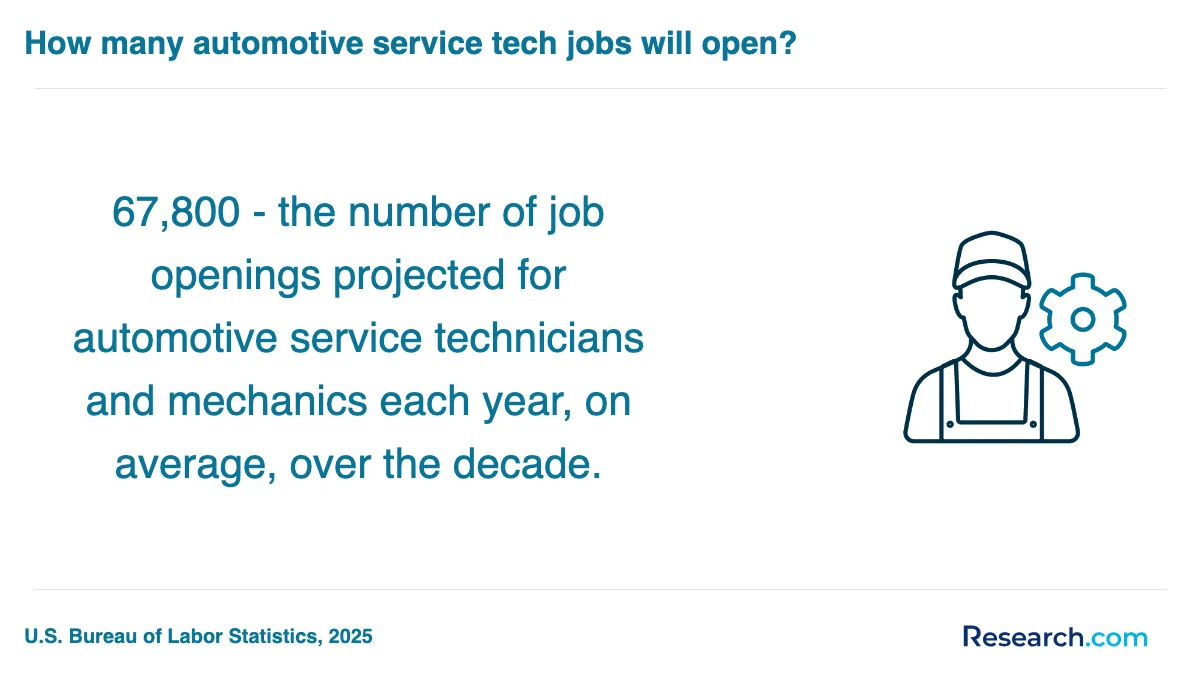
The job market for automotive technician trade school graduates in New York is exceptionally promising, with a projected annual job growth rate of 29% until 2030, leading to roughly 54,000 job openings during this period. Graduates entering this market benefit from the New York-Newark-Jersey City metropolitan area's status as the top U.S. region for automotive mechanic employment. Popular trade schools in New York have reported that their graduates quickly secure roles ranging from service technicians to specialized diagnostic experts, thanks to the continuous demand fueled by skilled labor shortages and rising vehicle maintenance needs.
Many graduates share positive experiences about starting as apprentices or trainees before advancing through certifications. Key advantages include:
- Entry-level wages from $22 to $35 per hour
- Experienced technicians earning $70,000 to $90,000 annually
- Benefits packages with health insurance, 401(k) matching, and tuition assistance
Student testimonials highlight the steady flow of job listings in metro areas, which often call for both general repair skills and specialized knowledge like transmission rebuilding. These trends create an encouraging outlook for those reviewing the automotive technician job outlook in New York. For a deeper understanding of career potential, graduates frequently explore the highest paid trade jobs as part of their career planning.
Frequently Asked Questions about automotive technician
After completing an automotive technician trade school in New York, preparing for the job market involves several strategic steps. First, obtaining industry certifications, such as those from the National Institute for Automotive Service Excellence (ASE), can significantly increase employability. According to the New York State Department of Labor, ASE certification holders earn up to 15% more than uncertified technicians. Networking is also vital; attending local job fairs and joining professional organizations like the Automotive Service Association can connect graduates with potential employers.
Gaining hands-on experience through apprenticeships or internships enhances practical skills and job readiness. Additionally, keeping up with evolving automotive technologies, such as electric vehicles, is important given the industry's shift. Finally, preparing a professional resume that highlights technical skills and certifications tailored to New York's automotive job market will help graduates stand out to employers.
Employers in New York highly value automotive technician graduates who demonstrate strong diagnostic and repair skills. According to the New York State Department of Labor, proficiency in computerized vehicle systems and the ability to use advanced diagnostic tools are essential due to the increasing complexity of modern vehicles.
Technical knowledge in engine performance, brake systems, and electrical systems remains crucial. Additionally, employers look for graduates with good problem-solving abilities and attention to detail to ensure accurate repairs and maintenance.
Soft skills such as communication and teamwork are also important, as technicians often interact with customers and collaborate with service teams.
Hands-on experience gained through internships or apprenticeships significantly enhances employability in this competitive field.
Finding internships relevant to automotive technician trade school programs in New York requires a strategic approach. Start by contacting the career services office at your trade school, as many maintain partnerships with local automotive shops and dealerships. These connections often lead to exclusive internship opportunities.
The New York State Department of Labor reports a steady demand for skilled automotive technicians, with numerous internships available in urban centers like New York City and Buffalo. Online job portals such as Indeed and the National Institute for Automotive Service Excellence (ASE) also list internships specifically tailored for students.
Networking at local automotive trade shows or industry events can provide direct contact with potential employers. Additionally, joining professional organizations, such as the Automotive Service Association (ASA), may offer internship listings and mentorship programs.
Obtaining a diploma from an automotive technician trade school in New York can significantly enhance career mobility and advancement opportunities. According to the U.S. Bureau of Labor Statistics, automotive service technicians in New York earn a median annual wage of around $48,000, with those holding formal credentials often qualifying for higher starting salaries.
Trade school graduates gain hands-on experience and industry-recognized certifications, such as ASE (Automotive Service Excellence), which employers value highly. These qualifications improve job prospects and can lead to supervisory roles or specialized technician positions.
Additionally, New York's automotive sector shows steady job growth, estimated at 5% through 2030, strengthening the demand for skilled technicians.
Students enrolled in automotive technician trade schools in New York have several part-time job options that complement their education. Positions such as automotive service assistants, lube technicians, or parts clerks offer hands-on experience with vehicle systems and repair processes. According to the U.S. Bureau of Labor Statistics, New York's automotive service technician jobs are expected to grow by 6% from 2022 to 2032, reflecting steady demand for skilled workers.
Working in local repair shops or dealerships can enhance practical skills while balancing coursework. These jobs often provide exposure to diagnostic tools and customer service, both vital for career success. Additionally, New York's large urban environment offers opportunities in fleet maintenance and auto parts supply chains, broadening experience.
Yes, there are automotive technician degree programs available near New York, which can provide the necessary skills and qualifications for a career in this field. Programs near me also offer courses that may include hands-on training in automotive repair, diagnostics, and maintenance. These programs can often be found in community colleges, technical schools, and universities, and Research.com can be a helpful resource for finding top programs in these institutions near New York.
Related Automotive Technician Rankings for Nearby States
- Best Automotive Technician Training Programs & Trade Schools - Top Automotive Technician Schools in New Jersey for 2026
- Best Automotive Technician Training Programs & Trade Schools - Top Automotive Technician Schools in Pennsylvania for 2026
- Best Automotive Technician Training Programs & Trade Schools - Top Automotive Technician Schools in Massachusetts for 2026
- Best Automotive Technician Training Programs & Trade Schools - Top Automotive Technician Schools in Delaware for 2026
- Best Automotive Technician Training Programs & Trade Schools - Top Automotive Technician Schools in Ohio for 2026
- Best Automotive Technician Training Programs & Trade Schools - Top Automotive Technician Schools in Virginia for 2026
- Best Automotive Technician Training Programs & Trade Schools - Top Automotive Technician Schools in Maine for 2026
- Best Automotive Technician Training Programs & Trade Schools - Top Automotive Technician Schools in West Virginia for 2026
- Best Automotive Technician Training Programs & Trade Schools - Top Automotive Technician Schools in North Carolina for 2026
- Best Automotive Technician Training Programs & Trade Schools - Top Automotive Technician Schools in South Carolina for 2026
Top Trending Rankings
References
- Jobs You Can Only Get with an Automotive Technology Degree - Benjamin Franklin Cummings Institute of Technology https://franklincummings.edu/blog/automotive-technology/
- Make Job Applications Stand Out When You Become A Mechanic https://www.autotrainingcentre.com/blog/make-job-applications-stand-out-when-you-become-a-mechanic/
- 9 Reasons to Become an Automotive Technician https://wrenchway.com/blog/reasons-to-become-an-automotive-technician/
- Why Train for a Career as an Automotive Technician? - Advanced Training Institute https://atitraining.edu/why-train-for-a-career-as-an-automotive-technician/
- 5 Tips to Succeed in Automotive Mechanic School | UTI https://www.uti.edu/blog/automotive/tips-for-succeeding-in-automotive-mechanic-school
- Automotive Service Technicians and Mechanics : Occupational Outlook Handbook: : U.S. Bureau of Labor Statistics https://www.bls.gov/ooh/installation-maintenance-and-repair/automotive-service-technicians-and-mechanics.htm
- Automotive Mechanic I Salary in New York, NY (August 01, 2025) | Salary.com https://www.salary.com/research/salary/benchmark/automotive-mechanic-i-salary/new-york-ny
- Auto mechanic salary in New York ‐ CareerExplorer https://www.careerexplorer.com/careers/auto-mechanic/salary/new-york/
- Automotive Mechanic Trade School | Sheridan Technical College https://www.sheridantechnicalcollege.edu/automotive-technology/
- Automotive Technology Program https://gwinnetttech.edu/automotive/