
Best Automotive Technician Training Programs & Trade Schools - Top Automotive Technician Schools in Massachusetts for 2026

Co-Founder and Chief Data Scientist
Choosing the right automotive technician trade school in Massachusetts can shape your future career. This article introduces a carefully crafted ranking of trade school programs created by the Research.com team of data scientists. Their work helps you easily identify the best schools worth considering in 2026.
By exploring these top programs, you’ll gain insight into quality education options that lead to valuable diplomas or certifications. Pursuing this path opens doors to rewarding job opportunities and skill development. Let this guide support your journey toward a successful and fulfilling career.
Key benefits of finishing automotive technician trade school in Massachusetts
- Graduates can expect an average salary of about $30.01 per hour or roughly $62,420 per year, with opportunities for overtime pay that can boost earnings significantly in Massachusetts.
- Completing a trade school opens doors to various career paths, from working at busy dealerships to specialized repair shops, offering hands-on experience and steady job growth.
- Finishing an automotive technician program online provides flexibility for busy students, allowing them to learn at their own pace while still gaining essential skills, making it a great option for those balancing work or family.
- Best Automotive Technician Training Programs & Trade Schools - Top Automotive Technician Schools in Massachusetts for 2026
- What can I expect from automotive technician trade schools in Massachusetts?
- Where can I work after finishing automotive technician trade schools in Massachusetts?
What can I expect from automotive technician trade schools in Massachusetts?
At an automotive technician trade school program in Massachusetts, you can expect a balanced mix of classroom learning and hands-on training that prepares you for real-world challenges. Graduates from schools like Massachusetts Bay Community College often describe working directly with engines, brake systems, and automotive electrical components in fully equipped garages, gaining confidence as they troubleshoot and repair modern vehicles.
Theoretical lessons cover engine design and diagnostics, but the real excitement comes from using advanced diagnostic tools and learning about hybrid or electric vehicle technology. At Benjamin Franklin Institute of Technology, students appreciate the small class sizes-about 15 per instructor-which means personalized guidance and mentorship from experienced professionals.
Flexible schedules, including night classes and online options, help many balance training with work or family life. Some schools, such as Mount Wachusett Community College, also provide practical student support like child care and food pantries, making education accessible even for those with other responsibilities.
Many graduates highlight the value of internships arranged through their schools, which connect them to local dealerships and repair shops, boosting job prospects right after graduation. The programs are designed to meet industry standards and often carry ASE certification, a credential that employers in Massachusetts highly respect.
Where can I work after finishing automotive technician trade schools in Massachusetts?
After finishing an automotive technician trade school program in Massachusetts, graduates find a variety of rewarding job opportunities throughout the state. Many start their careers at well-known car dealerships like Toyota or Mercedes-Benz, where they quickly apply their skills diagnosing and repairing vehicles while enjoying brand-specific training and clear paths for promotion. Graduates from popular Massachusetts trade schools often share how fulfilling it is to work hands-on with the latest automotive technology in these settings.
Others prefer the fast-paced environment of national service chains or independent repair shops, where their up-to-date technical training from Massachusetts schools makes them valuable team members trusted to handle diverse vehicle issues. Some graduates move into specialized roles such as diesel mechanics or fleet technicians, servicing trucks and buses for large companies or municipal fleets, which many find both challenging and stable.
Government agencies and organizations like the U.S. Postal Service also hire automotive technicians, offering steady work maintaining essential vehicles. Graduates frequently express satisfaction in knowing their skills keep communities moving. With hourly wages typically between $22 and $38, trade school grads enjoy flexible and fulfilling careers across Massachusetts's automotive industry.
After completing an automotive technician trade school program in Massachusetts, graduates often find themselves earning a strong starting salary that reflects their skills and training. Many report beginning with hourly wages around $22 to $30, translating to annual salaries in the range of $41,000 to $47,000. With experience, certifications, and on-the-job learning, this can quickly rise to an average of about $70,000 per year, with some earning up to $75,000 or more.
Graduates from well-known Massachusetts trade schools often share how their hands-on training helped them secure positions at dealerships and specialty shops, where the demand for qualified technicians remains high. One graduate mentioned that after just a year, their pay increased noticeably due to gaining additional certifications.
Living and working in Massachusetts means benefiting from some of the highest technician wages in the country, which helps offset the region's higher cost of living. This financial stability motivates many to pursue and complete their programs with confidence.
- Applicants need a high school diploma or GED/HiSET to enroll in automotive technician trade school programs in Massachusetts.
- Programs cover major automotive systems and some offer specialized training in brands like BMW, Chrysler, GM, or Toyota/Lexus.
- Certificate programs take 7 to 12 months, while associate degrees usually require about two years and 64-65 credits.
- Tuition for in-state students at public community colleges is around $227 per credit, totaling $15,000 to $18,000 for most programs.
- The average starting salary for automotive technicians in Massachusetts is about $49,000 per year, with experienced technicians earning $60,000 or more.
Completing an automotive technician trade school program in Massachusetts typically takes between 12 and 24 months. Most popular trade schools in the state offer flexible schedules that allow students to finish faster if they commit full-time or extend their learning with part-time options. Graduates often share how the hands-on training and real-world simulations helped them quickly build confidence under the guidance of experienced instructors.
For instance, students at well-known Massachusetts trade schools mention starting with fundamental engine diagnostics and advancing to complex electrical systems within the first year. This step-by-step approach makes the learning process manageable and rewarding. Many appreciate how the programs combine classroom theory with practical shop time, which mirrors the pace and challenges they encounter in actual repair shops.
By dedicating one to two years, students can expect to graduate job-ready, feeling accomplished and motivated about launching their careers as skilled automotive technicians in Massachusetts's growing automotive industry.
The main difference between online and on-campus automotive technician trade school programs in Massachusetts is how the training is delivered and the amount of hands-on experience you get. On-campus programs, like those at Mount Wachusett Community College or Quinsigamond Community College, require you to spend a significant portion of your time in labs working directly with vehicles and tools. Graduates from these programs often describe the in-person experience as invaluable, praising the immediate feedback from instructors and the chance to practice skills in real-time.
Online programs focus more on theory and lectures and are usually combined with on-campus labs to meet industry standards. For example, students at Porter and Chester Institute's Worcester campus complete lectures online but attend scheduled lab sessions in person. This blended approach appeals to those balancing work or family, offering flexibility without sacrificing essential hands-on training.
Graduates appreciate this model for adapting to busy lifestyles while still gaining confidence in using diagnostic equipment and repairing vehicles under expert guidance in Massachusetts trade schools.
The average tuition fees for automotive technician programs in Massachusetts vary widely depending on the type of institution. Public schools like Massachusetts Bay Community College offer programs with tuition around $7,631 for households earning under $30,000 annually, making it an affordable option for many students. Graduates from such programs often share how this manageable cost allowed them to focus on hands-on learning without financial stress.
In contrast, private trade schools such as the Motoring Technical Training Institute in Seekonk charge roughly $17,050, which covers tuition, uniforms, and a tool kit. Many students appreciate this all-inclusive pricing because it simplifies budgeting and ensures they graduate fully equipped for work. Considering the total cost of automotive technician trade school in Massachusetts means also accounting for additional expenses like textbooks, application fees, and living costs, which can vary per student's situation.
Many find that financial aid options, including grants and loans, significantly reduce expenses. Public vocational schools like Greater Lawrence Technical School also provide solid training programs at competitive prices. It's wise to contact admissions directly for precise cost details to avoid surprises. With the right planning, aspiring technicians can navigate costs effectively and pursue a fulfilling career.
For those wondering about career prospects after investing in a program, the highest paying trade school jobs highlight encouraging outcomes for automotive technician graduates, reinforcing that a reasonable investment in education can lead to rewarding opportunities.
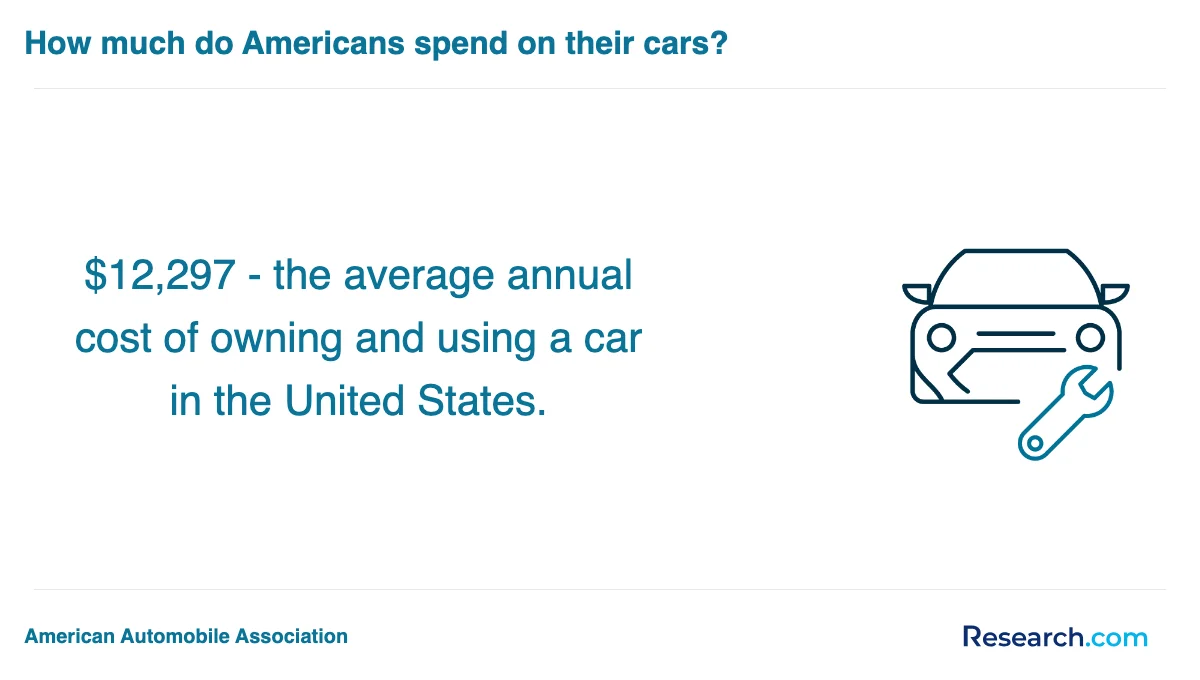
Automotive technician students in Massachusetts often find financial aid that makes their training affordable and manageable. Many rely on federal financial aid like the Federal Pell Grant, which can provide up to $6,195 annually, easing the burden for those from low-income families. Completing the FAFSA is the first step, unlocking access to this and other support such as the Federal Supplemental Educational Opportunity Grant (FSEOG), which offers additional help based on financial need.
Graduates from schools like Quinsigamond Community College and Mount Wachusett Community College frequently share how institutional scholarships and emergency grants helped them stay on track during unexpected hardships. These schools also provide practical support like food pantries and child care, which many students find essential for balancing school and life.
Scholarships such as the Mike Rowe Work Ethic Scholarship can cover full tuition for dedicated students pursuing automotive trades, making the dream of a skilled career even more attainable. Personalized guidance from financial aid advisors at these colleges helps students navigate multiple aid options smoothly.
To enroll in an automotive technician trade school program in Massachusetts, you generally need to meet a few straightforward prerequisites that set you up for success. Most schools require a high school diploma or GED, ensuring you have the basic academic foundation. Graduates often mention how having strong skills in math and science, especially in areas like algebra and physics, really helped them grasp complex automotive systems quickly.
Applicants may also need to provide proof of residency or citizenship, especially for state-funded programs. Some schools ask for a valid driver's license, reflecting the hands-on nature of the training.
Here are typical prerequisites you can expect:
- High school diploma or GED
- Basic math and science proficiency
- Valid driver's license (in some cases)
- Proof of Massachusetts residency for certain programs
Many students share how early preparation, like brushing up on electrical basics or even volunteering at local auto shops, made their transition into programs at popular schools in Massachusetts smoother and more exciting. This practical approach not only meets admission requirements but also builds confidence right from the start.

Automotive technician trade school programs in Massachusetts typically include a variety of hands-on and technical courses designed to build strong, practical skills. Graduates from schools like Massachusetts Bay Community College and Franklin Cummings Tech often highlight how their training covered essential areas such as:
- Automotive electrical systems, giving students confidence in diagnosing complex wiring issues.
- Engine repair and diagnostics, enabling accurate troubleshooting of modern engines.
- Brakes and suspension work, crucial for everyday vehicle safety and performance.
- Steering systems and transmissions, helping students master vital drivetrain components.
Many students appreciate learning with real vehicles, often working on both donated and customer cars, which mirrors the environment at Greater Lawrence Technical School. This hands-on approach makes it easier to understand abstract concepts, such as hybrid and electric vehicle systems, which are increasingly emphasized in Massachusetts programs. For example, Franklin Cummings Tech's Electric Vehicle Technology courses provide experience with battery management and electric drivetrains, preparing graduates for the latest industry demands.
Safety training is also a key part of the curriculum, with certifications like OSHA 10 and A/C 609 Recovery ensuring students enter the workforce ready and confident. Cooperative education opportunities with local employers add real-world experience, turning classroom knowledge into job-ready skills.
Automotive technician trade school programs in Massachusetts offer a range of practical specializations to prepare students for diverse career paths. Graduates from schools like Massachusetts Bay Community College benefit from automotive technology specializations in Massachusetts that include targeted training on brands such as BMW, Chrysler, GM, and Toyota/Lexus. These tailored programs help students develop confidence working with specific diagnostic tools and repair procedures, making them highly employable at local dealerships.
Many students thrive by choosing hybrid and electric vehicle technician programs Massachusetts offers at institutions like Franklin Cummings Tech. These programs focus on the latest technology in electric and hybrid vehicles, including maintenance of battery systems and autonomous vehicle features, equipping students for the growing green automotive sector.
Core technical skills are also emphasized. For example, Quinsigamond Community College offers hands-on training in engine performance, brake systems, transmissions, suspension, and powertrain control, ensuring graduates have the comprehensive knowledge employers seek.
Other practical niche areas include diesel mechanics, motorcycle repair, and small engine maintenance, allowing students to quickly enter specialized fields.
For those balancing commitments, many find value in exploring trade school programs online to complement or start their automotive training.
When selecting one of the best automotive technician trade schools in Massachusetts, graduates often emphasize the importance of accreditation. Choosing programs accredited by recognized organizations ensures your education meets industry standards, making your skills more respected by local employers. Students from well-known Massachusetts colleges share how hands-on training with modern diagnostic tools boosted their confidence and job readiness.
The top automotive technician programs Massachusetts offer comprehensive curricula covering engine repair, electrical systems, and brake diagnostics, paired with internships that provide invaluable real-world experience. Graduates find that faculty members with ASE certifications and local industry experience enhance learning through mentorship and networking, opening doors to local dealerships and repair shops.
Flexibility is another crucial factor. Many students appreciate schools offering evening classes or online components, accommodating personal schedules while advancing their careers. Additionally, exploring financial aid options can significantly ease the burden of tuition. For those seeking detailed program options and career paths, pursuing an auto technology degree through established Massachusetts institutions is a practical step toward long-term success.
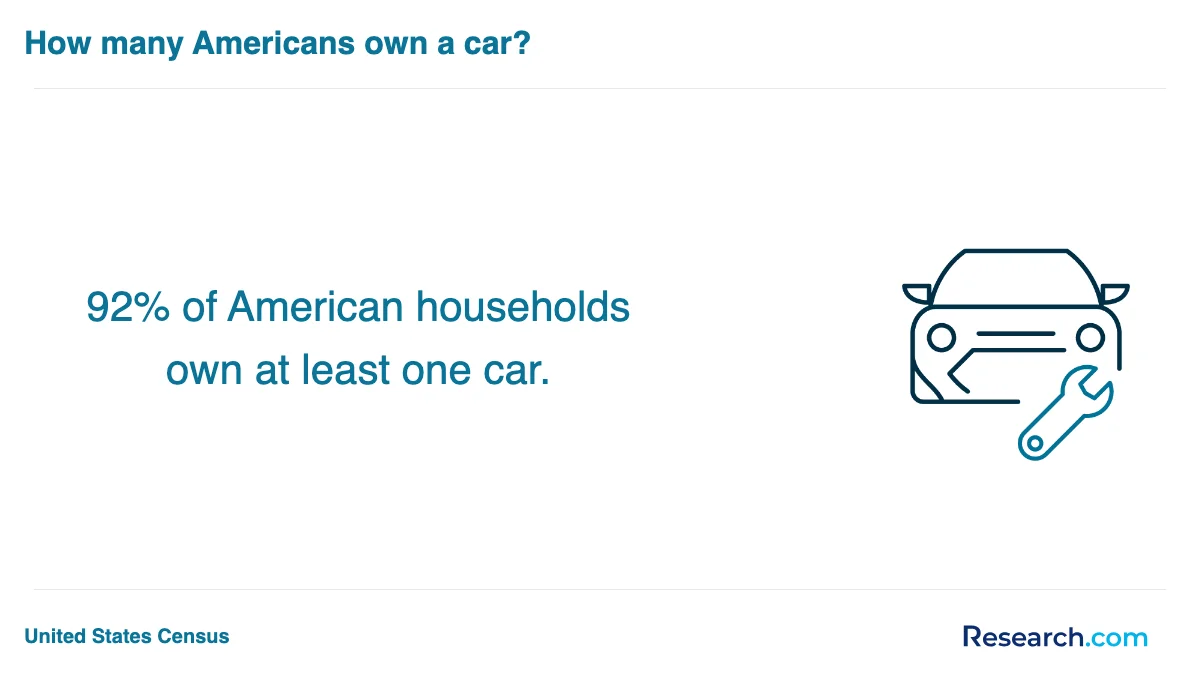
Graduates of automotive technician trade programs in Massachusetts launch their careers in diverse roles reflecting the state's dynamic automotive industry. Most start as automotive technicians or auto mechanics, gaining hands-on experience diagnosing and repairing everything from engines to advanced electronic systems, a path many graduates from popular trade schools find rewarding. Many expand into specialized careers, such as diesel service technicians working with heavy trucks, OEM certified service technicians focusing on specific vehicle brands, or collision repair experts skilled in bodywork and paint.
Other fulfilling options include fleet technicians maintaining commercial vehicles or state vehicle inspectors ensuring compliance with Massachusetts safety standards. The range of automotive technician jobs in Massachusetts also includes customer-facing roles like service advisor and parts specialist, where excellent communication and organizational skills are key. Graduates often share how their technical training and internships enhanced their confidence, enabling smooth transitions into supervisory positions like shop foreman or service manager at local dealerships.
For those seeking automotive service career paths Massachusetts offers unique roles such as field engineers or manufacturer representatives, combining technical expertise with direct industry collaboration. Many students appreciate how these programs, enhanced by certifications, prepare them well for a satisfying and stable career. For insights on choosing between educational routes, exploring vocational school vs college can be helpful.
The job market for automotive technician trade school graduates in Massachusetts is highly promising, with a notably strong demand for auto technicians in Massachusetts. Graduates from well-known trade schools in the state often find opportunities quickly, benefiting from a workforce that values formal training alongside hands-on skills. Many report securing positions in local dealerships, specialty shops, or national chains within weeks of graduation.
Key factors driving this robust market include:
- Over 760 active automotive technician job opportunities in Massachusetts as of 2025, spanning entry-level to advanced roles.
- Employers seeking technicians familiar with the latest vehicle technologies, including electric and hybrid models.
- A supportive network offering in-house training and certification reimbursement to encourage career growth.
Graduates often appreciate the combination of competitive entry wages-starting around $25 per hour-and clear career advancement paths. The strong focus on continual learning highlights how important ongoing development is, reflected in many programs' graduates thriving by leveraging skills acquired at trade schools.
For prospective students, understanding what do you need to become an auto mechanic in this environment can guide choices about specialization and certifications, enhancing job prospects further in this stable and growing industry.
Best Automotive Technician Training Programs & Trade Schools - Top Automotive Technician Schools in Massachusetts for 2026
# 1 position
Massachusetts Bay Community College - Automobile/Automotive Mechanics Technology/Technician.
associateMassachusetts Bay Community College offers a hybrid program in Automobile/Automotive Mechanics Technology/Technician designed to prepare students to repair, service, and maintain various automobiles. The curriculum covers brake systems, electrical systems, engine performance and repair, suspension and steering, transmissions, drive trains, and heating and air conditioning systems. The program is accredited by the New England Commission on Higher Education. Annual in-state tuition is $5,616, with median earnings one year after completion at $43,602.
# 2 position
Massachusetts Bay Community College - Automobile/Automotive Mechanics Technology/Technician.
certificate or diplomaMassachusetts Bay Community College offers a hybrid Automobile/Automotive Mechanics Technology/Technician program that prepares students to repair, service, and maintain various automobile systems, including brakes, electrical, engines, transmissions, and heating/air conditioning. The program is accredited by the New England Commission on Higher Education. Annual in-state tuition is $5,616. Median earnings one year after completion are $43,602, reflecting the program’s practical job market value.
# 3 position
Motoring Technical Training Institute - Automobile/Automotive Mechanics Technology/Technician.
certificate or diplomaMotoring Technical Training Institute offers a hybrid program in Automobile/Automotive Mechanics Technology/Technician, preparing students to repair, service, and maintain various automobiles. The curriculum covers brake systems, electrical systems, engine performance and repair, suspension and steering, transmissions, and heating and air conditioning. Graduates have median earnings of $34,078 one year after completion. The program is accredited by the Accrediting Commission of Career Schools and Colleges.
# 4 position
Benjamin Franklin Cummings Institute of Technology - Automobile/Automotive Mechanics Technology/Technician.
associateThe Automobile/Automotive Mechanics Technology/Technician program at Benjamin Franklin Cummings Institute of Technology offers hybrid learning with some distance education. It prepares students to repair, service, and maintain various automobile systems, including brakes, electrical, engines, transmissions, and HVAC. The program is accredited by the New England Commission on Higher Education. Annual in-state tuition is $18,906, and median earnings one year after completion are $36,032.
# 5 position
Middlesex Community College - Automobile/Automotive Mechanics Technology/Technician.
associateMiddlesex Community College offers a hybrid program in Automobile/Automotive Mechanics Technology/Technician, preparing students to repair, service, and maintain various automobile systems. The curriculum includes brake systems, electrical systems, engine performance and repair, suspension, steering, transmissions, and heating and air conditioning. The program is accredited by the New England Commission on Higher Education. Annual in-state tuition is $6,048.
# 6 position
Quinsigamond Community College - Automobile/Automotive Mechanics Technology/Technician.
associateQuinsigamond Community College offers a hybrid Automobile/Automotive Mechanics Technology/Technician program designed to equip students with skills to repair, service, and maintain various automobile systems. The curriculum covers brake, electrical, engine performance and repair, suspension and steering, transmissions, and heating and air conditioning systems. The program’s annual in-state tuition is $5,974. It is accredited by the New England Commission on Higher Education.
# 7 position
Springfield Technical Community College - Automobile/Automotive Mechanics Technology/Technician.
associateSpringfield Technical Community College offers a hybrid Automobile/Automotive Mechanics Technology/Technician program that prepares students to repair, service, and maintain various automobiles. The curriculum covers brake systems, electrical systems, engine performance and repair, suspension and steering, transmissions, drive trains, and heating and air conditioning systems. The program’s annual in-state tuition is $5,520. It is accredited by the New England Commission on Higher Education.
# 8 position
Mount Wachusett Community College - Automobile/Automotive Mechanics Technology/Technician.
associateMount Wachusett Community College offers a hybrid Automobile/Automotive Mechanics Technology/Technician program. The curriculum prepares students to repair, service, and maintain various automobile systems, including brakes, electrical, engines, transmissions, suspension, steering, and heating and air conditioning. Annual in-state tuition is $6,000. The program is accredited by the New England Commission on Higher Education, providing technical skills essential for careers in automotive maintenance and repair.
# 9 position
Benjamin Franklin Cummings Institute of Technology - Automobile/Automotive Mechanics Technology/Technician.
certificate or diplomaThe Automobile/Automotive Mechanics Technology/Technician program at Benjamin Franklin Cummings Institute of Technology offers hybrid learning with some distance-education options. It prepares students to repair, service, and maintain various automobile systems, including brakes, electrical, engine performance, and transmissions. The program is accredited by the New England Commission on Higher Education. Annual in-state tuition is $18,906, and median earnings one year after completion are $36,032.
# 10 position
Quinsigamond Community College - Automobile/Automotive Mechanics Technology/Technician.
certificate or diplomaQuinsigamond Community College offers a hybrid program in Automobile/Automotive Mechanics Technology/Technician designed to prepare students to repair, service, and maintain various automobile systems. Instruction covers brake, electrical, engine performance and repair, suspension, steering, transmissions, and heating and air conditioning systems. The program’s annual in-state tuition is $5,974 and it is accredited by the New England Commission on Higher Education.
Frequently Asked Questions about automotive technician
After completing an automotive technician trade school in Massachusetts, graduates should focus on gaining practical experience to enhance employability. Many employers value hands-on skills, so internships or apprenticeships with local repair shops can be crucial. According to the Massachusetts Executive Office of Labor and Workforce Development, automotive service technician jobs are expected to grow by 7% through 2030, indicating a steady demand.
Obtaining industry certifications such as Automotive Service Excellence (ASE) can improve job prospects significantly. Networking through local trade associations and job fairs is also recommended to connect with potential employers. Additionally, maintaining up-to-date knowledge of automotive technology trends is essential in this evolving field.
Employers in Massachusetts seek automotive technician graduates with strong diagnostic and repair skills. Knowledge of modern vehicle systems, including hybrid and electric technologies, is increasingly important as the state pushes for cleaner transportation.
Technical proficiency in using computerized diagnostic tools is highly valued. According to the Massachusetts Executive Office of Labor and Workforce Development, employers prioritize candidates who can efficiently troubleshoot electronic engine controls and safety systems.
In addition to technical skills, good communication and customer service abilities are essential. Technicians often explain complex repairs to customers, making clear communication a key asset.
Hands-on experience gained through internships or cooperative education programs also enhances employability. Employers prefer graduates who demonstrate practical knowledge alongside formal training.
Finding internships relevant to automotive technician trade school programs in Massachusetts involves several practical steps. Start by contacting the career services office of your trade school, as many maintain partnerships with local auto repair shops and dealerships. According to the Massachusetts Department of Higher Education, approximately 65% of trade schools in the state facilitate internship placement for their students.
Another effective approach is to connect directly with automotive businesses in your area. Many shops and dealerships offer paid or unpaid internships to support skill development. Websites like MassHire Career Centers provide listings for automotive internships statewide, helping students access opportunities aligned with their training.
Joining professional organizations, such as the Automotive Service Association (ASA) of Massachusetts, can also expand your network. These groups often share internship openings and offer guidance tailored to aspiring automotive technicians.
Obtaining a diploma from an automotive technician trade school in Massachusetts significantly enhances career mobility and advancement opportunities. According to the Massachusetts Executive Office of Labor and Workforce Development, automotive service technicians with formal training earn on average 15-20% higher wages than those without specialized credentials.
Trade school programs focus on hands-on skills aligned with industry standards, preparing graduates for certifications like ASE (Automotive Service Excellence), which are highly valued by employers statewide. This credentialing often leads to faster promotions and access to specialized roles in diagnostics or repair.
Moreover, Massachusetts' growing automotive service sector demands skilled technicians, with job growth projected at 5% through 2030, per the U.S. Bureau of Labor Statistics. Graduates typically experience lower unemployment rates and better job security compared to peers lacking formal diplomas.
These factors combine to improve social mobility by equipping students with marketable skills that meet regional employer needs.
Part-time job opportunities in Massachusetts that complement automotive technician trade school education often include positions such as automotive service assistant, parts clerk, and tire technician. These roles provide hands-on experience in vehicle maintenance and repair, allowing students to apply classroom knowledge in real-world settings.
According to the Massachusetts Executive Office of Labor and Workforce Development, automotive service technicians in the state earn an average hourly wage of around $22, making part-time work financially worthwhile for students. Working in dealerships or independent repair shops can also expose students to diagnostic tools and customer service skills.
Additionally, internships or apprenticeships offered by local garages and dealerships often accommodate class schedules, enabling students to gain valuable industry contacts and practical experience while studying.
To choose the best Automotive Technician degree program near Massachusetts, consider both location and program quality by researching accredited institutions offering such programs near me. Evaluate schools based on factors like curriculum, resources, and job placement rates, and use platforms like Research.com to compare offerings near Massachusetts. Visiting campuses and speaking with current students or faculty can provide additional insights into which program might be the best fit for your career goals.
- Best Automotive Technician Training Programs & Trade Schools - Top Automotive Technician Schools in New York for 2026
- Best Automotive Technician Training Programs & Trade Schools - Top Automotive Technician Schools in New Jersey for 2026
- Best Automotive Technician Training Programs & Trade Schools - Top Automotive Technician Schools in Maine for 2026
- Best Automotive Technician Training Programs & Trade Schools - Top Automotive Technician Schools in Pennsylvania for 2026
- Best Automotive Technician Training Programs & Trade Schools - Top Automotive Technician Schools in Delaware for 2026
- Best Automotive Technician Training Programs & Trade Schools - Top Automotive Technician Schools in Virginia for 2026
- Best Automotive Technician Training Programs & Trade Schools - Top Automotive Technician Schools in Ohio for 2026
- Best Automotive Technician Training Programs & Trade Schools - Top Automotive Technician Schools in West Virginia for 2026
- Best Automotive Technician Training Programs & Trade Schools - Top Automotive Technician Schools in North Carolina for 2026
- Best Automotive Technician Training Programs & Trade Schools - Top Automotive Technician Schools in South Carolina for 2026
- Automotive Technology | Massachusetts Bay Community College https://www.massbay.edu/academics/automotive
- Auto Mechanic Schools in Massachusetts https://automechanicschools.com/massachusetts/
- Mechanic School | Automotive Trade School for Technicians https://www.uti.edu/programs/automotive
- Hybrid Electric Vehicle Technician Training | Worcester, MA https://porterchester.edu/program/automotive/automotive-technology/
- MTTI Seekonk, MA - Career & Technical Trade School https://mtti.edu/
- Best Auto Mechanic Schools Near Massachusetts | NEIT https://www.neit.edu/blog/auto-mechanic-schools
- Automotive Technology Certificate Gardner, MA | MWCC https://mwcc.edu/academics/certificate/automotive-technology/
- Automotive Technology | Quinsigamond https://www.qcc.edu/installation-maintenance-and-repair-technologies/automotive-technology
- Automotive Technology – Essex North Shore https://essexnorthshore.org/programs/services-cluster/automotive-technology/
- Automotive Technology - Blackstone Valley Regional Vocational Technical High School https://www.valleytech.k12.ma.us/programs/vocational/servicepathways/automotivetech


