Best Automotive Technician Training Programs & Trade Schools - Top Automotive Technician Schools in Nebraska for 2026

Co-Founder and Chief Data Scientist
Choosing the right automotive technician trade school in Nebraska can shape your future career. This article introduces a carefully crafted ranking of automotive technician trade school programs developed by the Research.com team of data scientists. It’s designed to help you make an informed decision about which programs truly stand out.
Whether you’re starting fresh or seeking to upgrade your skills, earning a diploma or certification opens doors to exciting job opportunities. Reading this guide will give you confidence and clarity on your education path.
Key benefits of finishing automotive technician trade school in Nebraska
- Graduates can expect an average salary around $28.35 per hour, with annual earnings near $60,644, and opportunities to earn more with experience and overtime.
- Career paths include working at dealerships, specialty shops, or as certified technicians, offering diverse roles to match your skills and interests.
- Completing a trade school online offers flexible scheduling and faster completion times, making it easier to start earning sooner compared to traditional degrees.
- Best Automotive Technician Training Programs & Trade Schools - Top Automotive Technician Schools in Nebraska for 2026
- What can I expect from automotive technician trade schools in Nebraska?
- Where can I work after finishing automotive technician trade schools in Nebraska?
What can I expect from automotive technician trade schools in Nebraska?
At a Nebraska automotive technician trade school, expect a balanced mix of classroom theory and hands-on training, essential for mastering the trade. Graduates from schools like Metropolitan Community College often describe spending long hours in labs equipped with modern diagnostic tools, working directly on engines, transmissions, and electrical systems. This real-world experience builds confidence, making the transition to professional roles smoother.
Programs typically cover core areas such as engine repair, brakes, and suspension systems. For example, students at Southeast Community College recount progressing through detailed courses like Welding and Advanced Control Systems, which deepen their technical expertise. The structured curriculum is often paired with general education classes, especially in associate degree tracks, broadening both skills and perspectives.
Many Nebraska programs hold ASE Education Foundation Master Level accreditation, reassuring students that their training meets high industry standards. Graduates feel pride in earning certifications that boost employability and open doors to roles ranging from line technician to service manager. Overall, students can expect a challenging yet rewarding path grounded in practical learning and industry relevance.
Where can I work after finishing automotive technician trade schools in Nebraska?
After completing an automotive technician trade school program in Nebraska, graduates find diverse employment opportunities across the state. Many secure positions at dealership automotive service departments representing brands like Chevrolet, Subaru, and Mercedes-Benz, where they diagnose vehicle problems and perform routine maintenance. These roles often come with benefits such as 401(k) matching, health insurance, and paid training, which recent graduates from popular Nebraska trade schools frequently highlight as career boosters.
Others choose independent repair shops or specialty service centers, enjoying hands-on work with a wide range of vehicles, including small engines and lawn equipment. This variety suits graduates who appreciate a dynamic work environment and direct customer interaction. Some graduates also thrive in paint and body shops, repairing exteriors and collaborating on specialty vehicle projects.
Positions in fleet maintenance with commercial transportation companies or government agencies offer yet another pathway, especially appealing to those who prefer structured schedules and teamwork. With over 400 technician jobs statewide and hourly wages between $19 and $33, Nebraska trade school grads report feeling confident about their career prospects in cities like Omaha and Lincoln as well as smaller communities.
After finishing an automotive technician trade school program in Nebraska, graduates typically see starting wages around $19 to $28 per hour. For example, many graduates from popular Nebraska trade schools report entering the workforce earning about $26.50 per hour, which aligns with state averages. This pay reflects median figures, though entry-level roles like lube technicians might start closer to $13,700 annually, gradually increasing with experience.
One graduate shared how hands-on training at their Nebraska school helped them quickly gain certifications, leading to an initial salary near $25,500. With overtime and specialized skills, some technicians boost their wages by an additional $5,000 yearly. Experienced professionals in the state can earn up to about $60,644 annually, though Nebraska ranks last nationwide for these salaries.
While the pay may be lower than in other states, the trade schools in Nebraska offer practical preparation that many graduates find empowering as they build careers with steady income and clear advancement paths.
- Applicants must be at least 18 years old, have a valid driver's license, a high school diploma or equivalent, and complete two years of training plus pass the state exam and a 12-hour orientation.
- Certificate programs take 17 weeks to one year, while associate degrees usually require two years; some schools offer bachelor's degrees for managerial roles.
- Tuition ranges from $3,000 to $6,000 for certificates and $6,000 to $12,000 for associate degrees, with scholarships available for qualified students.
- Entry-level salaries start around $34,000 to $38,000 per year, with experienced technicians earning $45,000 or more, and advanced certifications can lead to $55,000+ annually.
- Job demand remains stable with opportunities in dealerships, service centers, and repair shops as vehicle technology advances.
Completing an automotive technician trade school program in Nebraska typically takes about 9 to 12 months, depending on the school and whether the student attends full-time or part-time. Graduates from well-known Nebraska trade schools often share how this timeframe allowed them to quickly immerse themselves in hands-on learning, gaining real-world skills without lengthy delays.
For example, attending a program in Omaha or Lincoln means balancing classroom theory with practical workshops, which many students find both challenging and rewarding. One graduate described the experience as intense but fulfilling, appreciating how the compact schedule kept motivation high and helped them enter the workforce sooner than expected.
Choosing a program with a focused curriculum means students don't spend unnecessary time on unrelated subjects, which makes the completion timeline efficient. This efficiency is crucial for those eager to start earning in the automotive field, especially in Nebraska's growing vehicle service industry.
The key difference between online and on-campus automotive technician trade school programs in Nebraska centers on how students engage with the material and develop practical skills. Graduates from online programs like Penn Foster appreciate the flexibility to study theory remotely, balancing coursework with jobs or family life. They often describe the convenience of digital modules and video lessons that cover automotive systems and diagnostics at their own pace.
Conversely, those attending on-campus programs at schools such as Metropolitan Community College or Northeast Community College highlight the value of hands-on experience. Working directly on vehicles in well-equipped labs, they gain confidence repairing engines and using diagnostic tools under expert supervision. This immersive environment fosters a tangible connection to the trade that online learning alone can't fully provide.
Many Nebraska students find hybrid programs appealing, blending online theory with essential in-person labs. This combination helps bridge the gap between convenience and real-world skill-building, preparing graduates for both certification requirements and employment in the automotive industry.
The average cost automotive technician programs Nebraska offer typically range from $5,000 to $15,000 per year for in-state students, a figure that many graduates from popular trade schools in Nebraska find manageable with proper planning. Tuition fees automotive trade schools Nebraska often vary by institution, with out-of-state students facing higher costs between $10,000 and $20,000 annually. Graduates commonly share that budgeting for these fees alongside additional expenses like books, tools, and uniforms helped them maintain realistic expectations throughout their studies.
Students at well-known Nebraska trade schools recount investing around $500 to $1,000 in books and supplies, with tools and equipment adding another $1,000 to $3,000 to their budgets. Uniforms and safety gear, including essential steel-toe boots and safety glasses, usually cost between $100 and $300. The combination of tuition and materials creates a comprehensive picture of the required financial commitment.
Beyond these predictable expenses, some students have noted variable fees for certification exams imposed by their programs. They highlight the importance of considering living costs like housing and transportation, which can add $5,000 to $10,000 yearly, significantly impacting their overall financial responsibilities during the program.
For those seeking more affordable alternatives, exploring options such as a cheap automotive engine technician course online can be a practical consideration. Many graduates recommend investigating financial aid opportunities to ease the burden and make this career path more attainable. Thoughtful financial planning is key to successfully navigating the cost landscape of automotive technician trade school programs in Nebraska.

Financial aid options for automotive technician students in Nebraska are diverse and accessible, helping many ease the burden of tuition and related costs. For instance, graduates from Mid-Plains Community College often recall how scholarships like the Dorothy Yont and Sorenson Technical Awards provided crucial financial relief, ranging from $500 to $2,000 annually. These targeted scholarships make a tangible difference, allowing students to focus more on hands-on learning rather than financial stress.
Similarly, Southeast Community College automotive students benefit from program-specific aid such as the Scott Pathway Scholarship and the Future Ready Workforce Program, which directly lower education expenses. Locally, the High Plains Auto Club Scholarship stands out by awarding $1,000 in two installments to Nebraska Panhandle high school graduates pursuing automotive fields, reinforcing community support for future technicians.
Beyond scholarships, federal and state grants like the Pell Grant and Nebraska Opportunity Grant provide no-repayment financial aid based on need, accessible through FAFSA. Graduates often highlight that these combined resources contribute to their relatively low average debt of about $16,500, paired with strong starting salaries near $33,600, making the investment in their education feel worthwhile and encouraging.
Enrolling in an automotive technician trade school program in Nebraska typically requires a high school diploma or GED, which ensures students have basic academic skills. Many programs also expect prospective students to have a strong interest in automotive technology and some hands-on experience, whether from personal projects or prior work. Graduates often recall how initial familiarity with automotive basics helped ease their transition into more complex topics.
Specific prerequisites can include:
- Basic math and reading proficiency to understand technical manuals and diagnostic tools
- Physical ability to handle tools and work in varied environments
- Possession of a valid driver's license, which some schools consider essential for safety and practical training
Popular Nebraska trade schools emphasize readiness through orientation and placement tests that assess technical aptitude. Graduates highlight that these prerequisites are not barriers but stepping stones, fostering confidence as they dive into engine diagnostics or electrical systems. For example, students from well-known Nebraska campuses share that meeting these prerequisites made them feel prepared and excited, turning their passion for cars into a rewarding career path.

Automotive technician trade school programs in Nebraska focus on practical, industry-relevant courses that prepare students for real-world automotive work. Graduates from schools like Metropolitan Community College and Northeast Community College emphasize the value of foundational classes such as:
- Engine repair, where they learn to diagnose and fix engine problems that keep vehicles running smoothly.
- Transmissions, covering the complex mechanics behind gear shifting in cars and trucks.
- Brake systems, essential for safety and performance on the road.
- Electrical systems, which address modern vehicle electronics and diagnostics.
Students often highlight how courses in air conditioning, fuel systems, and auto maintenance teach both routine servicing and troubleshooting, making them confident in everyday repair scenarios.
Many also appreciate specialized tracks available at Nebraska schools, such as collision repair and automotive body technology, especially when tied to manufacturer-specific programs like Ford ASSET or GM training. These courses offer hands-on experience with brand-specific technologies, a definite advantage when entering dealerships or specialty shops.
Overall, the blend of theory and extensive lab work in these programs equips students with tangible skills and certifications that reflect the demands of Nebraska's automotive industry.
Automotive technician trade school programs in Nebraska often include a variety of specialized tracks that match the evolving demands of the auto industry. Graduates from institutions like Metropolitan Community College and Mid-Plains Community College emphasize the value of hands-on training in core areas such as engine repair, transmission and drive line systems, suspension and alignment, and electrical systems. These Nebraska automotive technician program concentrations provide students with practical skills using industry-standard diagnostic tools, preparing them for the realities of the modern shop floor.
Specializations extend beyond traditional mechanical skills to include:
- Collision repair, with focused labs that mimic real-world auto body shops, helping students gain confidence in vehicle restoration
- Alternative fuel and hybrid vehicle technology, addressing safety and maintenance challenges unique to electric cars
- Manufacturer-specific programs like the Toyota T-TEN, offering direct exposure to dealership-level service standards
Many graduates highlight the positive impact of industry certifications such as ASE and NC3 earned through these concentrations, which can significantly boost job prospects. For those considering advanced study, exploring a bachelor's in automotive technology also builds on these specializations, offering deeper technical expertise within Nebraska's growing automotive sector.
When selecting among the best automotive technician programs in Nebraska, accreditation is a top priority. Graduates from Metropolitan Community College, which holds ASE Education Foundation Master Level accreditation, often praise how this recognition gave them confidence that their training met industry expectations, helping them secure quality jobs. Hands-on training is equally vital; Central Community College stands out with its students gaining valuable real-world experience by working directly on vehicles owned by peers and employees, making technical skills tangible and boosting confidence.
The top-rated automotive trade schools in Nebraska also invest in modern facilities and experienced faculty-key elements that graduates commonly highlight as instrumental in understanding complex systems. Strong industry connections can make a huge difference, too, with Universal Technical Institute's career support opening doors through internships and job placement assistance. For aspiring students wondering how long does it take to become a car mechanic, these programs provide structured timelines and resources to help navigate that journey efficiently.
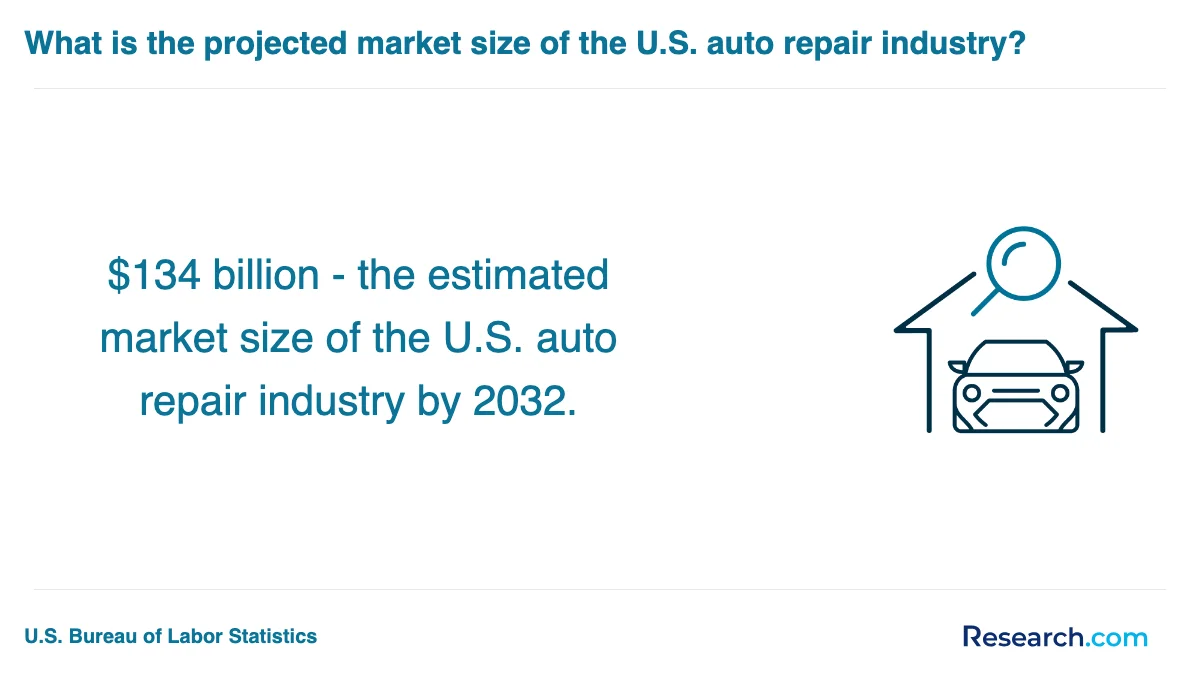
Graduates of automotive technician trade school programs in Nebraska find diverse career paths tailored to their skills and interests within the Nebraska automotive industry career opportunities. Common roles include automotive service technicians and mechanics working in independent shops, dealerships, and specialized centers. Many graduates from leading trade schools in Nebraska confidently step into these positions, applying hands-on training to diagnose, repair, and maintain vehicles.
Beyond general mechanic roles, career options expand to:
- Diesel and truck mechanics, focusing on larger commercial vehicles.
- Automotive body and glass repairers, specializing in structural and exterior vehicle repairs.
- Advanced vehicle system experts, including hybrid and electric vehicle maintenance.
Graduates often share that earning ASE certification boosts their employment prospects and earning potential. With such credentials, many advance to supervisory roles like service managers or transition into service writers, or even launch their own repair businesses. These pathways underscore the strong demand for automotive technician jobs in Nebraska, supported by workforce data showing thousands employed statewide. Some take pride working with government fleets or emergency services, which reflect trusted community roles.
Students new to this career can explore options through trade school online programs that maintain ASE Foundation accreditation, ensuring readiness for evolving industry demands.
The automotive technician job outlook in Nebraska is robust for trade school graduates, with over 400 openings statewide as of mid-2025. Graduates from popular Nebraska trade schools often find themselves quickly absorbed into the workforce due to the steady retirements of experienced technicians and strong demand in cities like Omaha and Lincoln. Employers frequently offer competitive incentives, including signing bonuses up to $5,000, retention bonuses, and comprehensive benefits, making the job market highly attractive.
Many graduates share positive experiences of moving directly into roles that provide both on-the-job training and opportunities for career advancement, allowing them to build skills beyond the classroom. For those committed to this pathway, Nebraska's emphasis on formal technical training signals real value for trade school credentials, as employers prioritize candidates with these qualifications.
Wage prospects align with Nebraska automotive technician salary trends, where entry-level hourly rates typically range from $19 to $33, and specialized technicians can earn up to $58 per hour. This strong financial incentive encourages continued education, which is supported by many employers.
When weighing options for education, it's important to understand the distinctions between trade schools and traditional colleges. Those interested can explore the differences at trade vs college.
Best Automotive Technician Training Programs & Trade Schools - Top Automotive Technician Schools in Nebraska for 2026
# 1 position
Metropolitan Community College Area - Automobile/Automotive Mechanics Technology/Technician.
associateThe Automobile/Automotive Mechanics Technology/Technician program at Metropolitan Community College Area offers a hybrid learning format. It prepares students to repair, service, and maintain various automobile systems, including brakes, electrical, engines, transmissions, and heating/air conditioning. The program is accredited by the Higher Learning Commission. Annual in-state tuition is $3,285, and median earnings one year after completion reach $52,060.
# 2 position
Southeast Community College Area - Automobile/Automotive Mechanics Technology/Technician.
associateThe Automobile/Automotive Mechanics Technology/Technician program at Southeast Community College Area offers hybrid learning with some distance-education options. It prepares students to repair, service, and maintain various automobile systems, including brakes, electrical, engine performance, and transmissions. The program is accredited by the Higher Learning Commission. Annual in-state tuition is $3,540, and median earnings one year after completion are $52,556.
# 3 position
Central Community College - Automobile/Automotive Mechanics Technology/Technician.
associateCentral Community College offers a hybrid program in Automobile/Automotive Mechanics Technology/Technician that prepares students to repair, service, and maintain various automobiles. The curriculum covers brake systems, electrical systems, engine performance and repair, suspension and steering, transmissions, and heating and air conditioning systems. The program’s annual in-state tuition is $3,360. Graduates earn a median salary of $46,758 one year after completion. The program is accredited by the Higher Learning Commission.
# 4 position
Northeast Community College - Automobile/Automotive Mechanics Technology/Technician.
associateNortheast Community College offers a Hybrid Automobile/Automotive Mechanics Technology/Technician program that prepares students to repair, service, and maintain various automobiles. The curriculum covers brake systems, electrical systems, engine performance, engine repair, suspension, steering, transmissions, drive trains, and heating and air conditioning systems. Annual in-state tuition is $3,840. Graduates earn a median salary of $44,528 one year after completing the program. The program is accredited by the Higher Learning Commission.
# 5 position
Mid-Plains Community College - Automobile/Automotive Mechanics Technology/Technician.
associateMid-Plains Community College offers a Hybrid Automobile/Automotive Mechanics Technology/Technician program that prepares students to repair, service, and maintain various automobile systems. The curriculum covers brake systems, electrical systems, engine performance, engine repair, suspension and steering, transmissions, and heating and air conditioning. Annual in-state tuition is $3,600. The program is accredited by the Higher Learning Commission.
# 6 position
Western Nebraska Community College - Automobile/Automotive Mechanics Technology/Technician.
associateWestern Nebraska Community College offers a Hybrid program in Automobile/Automotive Mechanics Technology/Technician. The curriculum covers brake systems, electrical systems, engine performance and repair, suspension and steering, transmissions, drive trains, and heating and air conditioning systems. Annual in-state tuition is $3,000. The program is accredited by the Higher Learning Commission, preparing students with the technical knowledge and skills needed for automotive repair and maintenance.
# 7 position
Metropolitan Community College Area - Automobile/Automotive Mechanics Technology/Technician.
certificate or diplomaThe Metropolitan Community College Area offers a hybrid Automobile/Automotive Mechanics Technology/Technician program designed to prepare students with technical skills to repair, service, and maintain various automobiles. The curriculum covers brake systems, electrical systems, engine performance and repair, suspension and steering, transmissions, and heating and air conditioning systems. Annual in-state tuition is $3,285. Median earnings one year after completion are $52,060. The program is accredited by the Higher Learning Commission.
# 8 position
Southeast Community College Area - Automobile/Automotive Mechanics Technology/Technician.
certificate or diplomaThe Automobile/Automotive Mechanics Technology/Technician program at Southeast Community College Area offers hybrid learning with some distance-education options. It prepares students to repair, service, and maintain various automobile systems including brakes, electrical, engines, transmissions, and heating/air conditioning. The program is accredited by the Higher Learning Commission. Annual in-state tuition is $3,540, and median earnings one year after completion reach $52,556.
# 9 position
Central Community College - Automobile/Automotive Mechanics Technology/Technician.
certificate or diplomaThe Automobile/Automotive Mechanics Technology/Technician program at Central Community College prepares students to repair, service, and maintain all types of automobiles. This hybrid program covers brake systems, electrical systems, engine performance and repair, suspension and steering, transmissions, and heating and air conditioning. The annual in-state tuition is $3,360. Graduates earn a median salary of $46,758 one year after completion. The program is accredited by the Higher Learning Commission.
# 10 position
Northeast Community College - Automobile/Automotive Mechanics Technology/Technician.
certificate or diplomaNortheast Community College offers a hybrid program in Automobile/Automotive Mechanics Technology/Technician designed to prepare students with technical skills to repair, service, and maintain various automobiles. The curriculum covers brake systems, electrical systems, engine repair, suspension, transmissions, and heating and air conditioning. The annual in-state tuition is $3,840. Graduates earn a median salary of $44,528 one year after program completion. The program is accredited by the Higher Learning Commission.
Frequently Asked Questions about automotive technician
After completing an automotive technician trade school in Nebraska, preparing for the job market involves several strategic steps. First, obtaining industry certifications such as the National Institute for Automotive Service Excellence (ASE) credentials can significantly improve employment prospects. Nebraska's demand for skilled automotive technicians is expected to grow by about 7% through 2030, according to the U.S. Bureau of Labor Statistics.
Networking through internships or local dealership programs provides valuable hands-on experience and job leads. Additionally, tailoring resumes to highlight specific skills like diagnostics and repair of hybrid vehicles can attract employers.
Staying updated with evolving automotive technologies is also critical for long-term career success in Nebraska's dynamic job market.
Employers in Nebraska seek automotive technician graduates with strong diagnostic and mechanical skills. According to the Nebraska Department of Labor, proficiency in electronic systems repair is increasingly important as modern vehicles rely heavily on computer technology. Practical experience with engine diagnostics, brake systems, and transmission repairs ranks high among desired skills.
Communication skills are also critical since technicians must explain complex issues to customers clearly. Attention to detail and problem-solving abilities help reduce errors and improve repair accuracy. Additionally, familiarity with safety protocols and environmental regulations is essential in Nebraska's automotive industry.
Technical certifications, such as ASE (Automotive Service Excellence), significantly boost employability, with over 70% of local employers preferring certified technicians, per industry reports. These combined skills prepare graduates to meet the demands of Nebraska's evolving automotive service sector.
Finding internships relevant to automotive technician trade school programs in Nebraska involves several practical steps. First, students should engage with their school's career services or internship coordinators, as many Nebraska trade schools have partnerships with local dealerships and repair shops.
Additionally, the Nebraska Department of Labor provides resources and job listings that include internship opportunities in automotive fields. According to their latest reports, Lincoln and Omaha offer the highest concentration of automotive service internships.
Networking is also crucial; attending industry events or joining organizations like the Nebraska Automotive Dealers Association can connect students with potential employers.
Online platforms such as NebraskaWorks also list internships specifically tailored to automotive technicians in the state.
Obtaining an automotive technician trade school diploma in Nebraska significantly enhances career mobility and advancement opportunities. According to the Nebraska Department of Labor, certified automotive technicians earn a median annual wage about 15% higher than those without formal training. This credential often serves as a prerequisite for ASE (Automotive Service Excellence) certification, which further improves job prospects and salary potential.
Employers in Nebraska's automotive industry increasingly prefer candidates with accredited trade diplomas, viewing them as evidence of practical skills and technical knowledge. Graduates can access roles ranging from entry-level technician to service manager more quickly.
Trade school programs also offer valuable networking connections with local dealerships and repair shops, aiding career growth. The Nebraska Workforce Development reports that diploma holders experience lower unemployment rates compared to non-certified workers in the same field.
Students enrolled in automotive technician trade schools in Nebraska can benefit from various part-time job opportunities that complement their education. Positions such as junior mechanic assistants, service advisors, and parts department clerks provide hands-on experience while allowing students to apply classroom knowledge in real-world settings.
According to the U.S. Bureau of Labor Statistics (BLS), Nebraska has a steady demand for automotive service technicians, with job growth projected at about 6% through 2032. Working part-time at local repair shops or dealerships helps students build practical skills and industry connections vital for future employment.
Additionally, roles in tire shops and quick lube centers offer flexible hours that accommodate class schedules. These jobs enhance technical proficiency and customer service skills, both crucial for career advancement in the automotive sector. Nebraska's growing automotive market supports ample opportunities for motivated students.
Yes, there are automotive technician degree programs available near Nebraska, with several universities and technical colleges offering specialized coursework in automotive technology. These programs often provide hands-on training and comprehensive curricula designed to equip students with the skills needed to succeed in the automotive field. To find the best programs near me, prospective students can refer to resources like Research.com for reviews and comparisons of local educational offerings.
- Best Automotive Technician Training Programs & Trade Schools - Top Automotive Technician Schools in South Dakota for 2026
- Best Automotive Technician Training Programs & Trade Schools - Top Automotive Technician Schools in Iowa for 2026
- Best Automotive Technician Training Programs & Trade Schools - Top Automotive Technician Schools in Wyoming for 2026
- Best Automotive Technician Training Programs & Trade Schools - Top Automotive Technician Schools in Oklahoma for 2026
- Best Automotive Technician Training Programs & Trade Schools - Top Automotive Technician Schools in North Dakota for 2026
- Best Automotive Technician Training Programs & Trade Schools - Top Automotive Technician Schools in Illinois for 2026
- Best Automotive Technician Training Programs & Trade Schools - Top Automotive Technician Schools in Arkansas for 2026
- Best Automotive Technician Training Programs & Trade Schools - Top Automotive Technician Schools in New Mexico for 2026
- Best Automotive Technician Training Programs & Trade Schools - Top Automotive Technician Schools in Indiana for 2026
- Best Automotive Technician Training Programs & Trade Schools - Top Automotive Technician Schools in Mississippi for 2026
- Auto Mechanic Schools in Nebraska https://automechanicschools.com/nebraska/
- Metropolitan Community College Automotive Technology https://www.mccneb.edu/programs/automotive-technology
- Automotive Technology https://www.southeast.edu/academics/programs/automotive-technology/index.php
- Auto Mechanic School in Nebraska https://www.automechanicschooledu.org/nebraska/
- #custom_field-_genesis_title https://usmechanicedu.com/ne/
- Automotive Technology - Central Community College of Nebraska - Modern Campus Catalog™ https://catalog.cccneb.edu/content.php
- Automotive Technology https://northeast.edu/degrees-and-programs/automotive-technology
- How to Become an Auto Mechanic in Nebraska | Dreambound https://dreambound.com/blog/how-to-become-an-auto-mechanic-in-nebraska
- profile icon https://www.niche.com/colleges/search/best-colleges-for-mechanics-repair/s/nebraska/
- Automotive Technology https://www.mpcc.edu/academics/programs/automotive-technology.php