
Most Affordable Automotive Technician Schools, Colleges & Trade Certification Training Programs in West Virginia for 2026

Co-Founder and Chief Data Scientist
Choosing the right automotive technician trade school in West Virginia can shape your future career. This article introduces a carefully crafted ranking of top programs, developed by the Research.com team of data scientists, designed to help you find the best fit for your goals.
Whether you want a diploma or certification, gaining skills in this field opens doors to rewarding job opportunities. Reading this guide will give you confidence and clear direction as you explore affordable and quality options near you.
Start your journey toward a fulfilling career today.
Key benefits of finishing automotive technician trade school in West Virginia
- Graduates can expect an average hourly wage around $22 to $25, translating to about $44,000 to $52,000 per year, with chances to earn more as experience grows.
- Many trade school alumni find rewarding careers as automotive technicians, service managers, or specialty repair experts, benefiting from hands-on skills learned during their program.
- Completing an automotive technician trade school online offers flexible scheduling and faster completion, helping graduates balance work and study while entering the workforce sooner.
- Most Affordable Automotive Technician Schools, Colleges & Trade Certification Training Programs in West Virginia for 2026
- What can I expect from automotive technician trade schools in West Virginia?
- Where can I work after finishing automotive technician trade schools in West Virginia?
What can I expect from automotive technician trade schools in West Virginia?
When you enroll in an automotive technician trade school program in West Virginia, like the ones at Eastern West Virginia Community & Technical College or James Rumsey Technical Institute, get ready for a hands-on experience that balances classroom learning with plenty of time in the shop. Graduates often say they appreciated how the 50/50 split between theory and practice really helped them understand how engines, brakes, and electrical systems work in real cars-not just in books.
Expect to dive into essential skills such as engine repair, transmission work, and even automotive electronics. Some students enjoy learning about alternative fuels and emissions, which keeps training up-to-date with the latest industry trends. Programs usually run from about 11 months to two years, so you can start working sooner than you might think.
Many students find the opportunity to earn certifications like ASE and OSHA 10 especially rewarding, as these credentials open doors to better jobs. Plus, tuition in West Virginia is affordable, which makes the whole experience feel like a smart, achievable investment.
Where can I work after finishing automotive technician trade schools in West Virginia?
After finishing an automotive technician trade school program in West Virginia, many graduates jump right into hands-on roles at automotive dealerships, independent repair shops, or specialty service centers. Imagine a recent graduate from one of the state's popular trade schools confidently diagnosing engine issues at a local dealership, benefiting from manufacturer-specific training and enjoying perks like health insurance and paid time off.
Others find rewarding work at independent shops or auto body centers, where they tackle everything from brake repairs to collision damage restoration. These spots often value the specialized skills graduates bring, making the work feel meaningful and respected.
Some grads land positions with fleet maintenance companies, servicing commercial trucks and vehicles. One example is working at Walmart's diesel service shops, where entry-level technicians earn competitive hourly wages and gain experience in diesel mechanics.
Plus, there are opportunities in vehicle inspection centers, municipal agencies, and even performance shops focusing on custom builds. West Virginia's variety of automotive jobs means graduates can find a path that fits their passion and lifestyle perfectly.
After finishing an automotive technician trade school program in West Virginia, many graduates find themselves earning between $30,000 and $45,000 a year starting out. For example, those coming from popular trade schools often share how they were pleasantly surprised by starting salaries in the low $30,000s, which quickly rise as they gain hands-on experience.
Some grads report making around $21.50 an hour on average, which adds up to nearly $45,000 annually if working full-time. Others, especially those in areas like Elkview, mention earning closer to $25 per hour or about $53,000 a year, reflecting local demand and experience.
It's common for new technicians to start near $22,000 to $38,000 depending on their certifications and employer. But with a few years on the job, many see pay grow steadily, sometimes reaching over $50,000. This steady growth makes the investment in a West Virginia automotive technician trade school feel truly worthwhile.
- Most automotive technician programs in West Virginia require a high school diploma or GED, with some schools offering open admission policies.
- Program lengths range from 11 months for full-time certificates to about two years for associate degrees.
- Tuition for residents at community and technical colleges can be as low as $4,512 per year, excluding books and fees.
- Average starting salaries for automotive technicians in the state are around $30,190 annually, with specialized roles earning up to about $38,640.
- Programs typically prepare students for ASE certification exams, which are important for job opportunities and career growth.
Completing an automotive technician trade school program in West Virginia usually takes about 9 to 12 months, though some students finish in as little as 6 months if they're going full speed. Many graduates from popular West Virginia trade schools share how this timeframe felt just right-long enough to build solid skills but short enough to jump into the workforce quickly.
One graduate talked about balancing hands-on labs with real-world repair scenarios, which made the learning both engaging and practical. Imagine working on engines and diagnostics by day, then feeling confident enough to tackle your own car repairs by the end of the course. That's the kind of experience West Virginia's programs focus on.
For those studying part-time or juggling other responsibilities, the program might stretch closer to 18 months, but the supportive environment in these schools helps keep motivation high. Students often mention the excitement of seeing their progress week by week, fueling their drive to complete the program and start a rewarding career.
The main difference between online and on-campus automotive technician trade school programs in West Virginia comes down to where and how you learn. Graduates from on-campus programs at places like Eastern West Virginia Community and Technical College often talk about the hands-on experience they gained, working directly on cars in well-equipped labs. They appreciate having instructors right there to show them the ropes and give instant feedback-something that really builds confidence behind the wrench.
On the flip side, online students enjoy the freedom to study at their own pace from home, which is perfect if you're juggling a job or family. But many grads mention missing out on physical, hands-on training, which is a big part of mastering automotive skills. Some online programs try to fix this by partnering with local shops, but it's a good idea to check if that's available where you live.
Both paths prepare you for ASE certification, but many employers in West Virginia still favor those with solid, real-world shop experience. So if you thrive in a busy, hands-on setting, on-campus might feel more rewarding, while online suits self-motivated learners needing flexibility.
When looking at the average tuition fees for automotive technician programs in West Virginia, you'll find they can vary quite a bit depending on the school and program length. For example, graduates from Eastern West Virginia Community and Technical College often mention how affordable their Associate in Applied Science degree was, with tuition at $4,512 for residents. That's well below the state average for two-year colleges, making it a smart choice for many students.
On the other hand, those who completed the 11-month Automotive Technology program at James Rumsey Technical Institute typically pay closer to $9,800 total, spread over two semesters. While slightly higher, grads appreciate the hands-on training and the practical focus that gets them ready for real-world jobs fast. This balance of quality and cost really stands out as a typical example of the cost of automotive technician trade schools in West Virginia.
Keep in mind, private schools may be more expensive, but many students find value in what they offer. Plus, additional expenses like tools-ranging from $500 to $1,000-and books add to the total budget. Luckily, financial aid options such as the West Virginia Invests Grant and Pell Grants make attending a trade school more accessible, which many students find reassuring when planning their education.
For anyone wondering where to start, exploring an automotive course in college can be a helpful step toward understanding all costs involved and comparing programs side by side.

If you're looking into automotive technician trade schools in West Virginia, you'll find a solid range of financial aid options to help cover costs. Most students start by filling out the FAFSA, which unlocks federal grants like the Pell Grant. It's a big relief for many because it can cover a chunk of tuition, especially if you apply early-ideally before March 1 to hit important state deadlines.
Graduates from places like James Rumsey Technical Institute or the Academy of Careers and Technology often mention the West Virginia Invests Grant as a game changer. This last-dollar scholarship can cover tuition and fees after other aid is applied, making it easier to focus on learning rather than stressing over bills.
There are also scholarships aimed specifically at automotive students, such as the $500 Jerry Shingleton Scholarship or the $1,500 Bill and Stella Halterman Crane Scholarship. Many students appreciate that these awards consider financial need and encourage full-time enrollment, helping them stay motivated and committed.
For those who don't get full aid right away, some schools offer payment plans so you can start classes without waiting for every dollar. Veterans' benefits and Workforce WV funding also play a big role for qualifying students, easing the financial burden and opening doors to careers in automotive tech.
Getting into an automotive technician trade school in West Virginia is pretty straightforward, but there are a few key prerequisites you'll want to have lined up. Most popular schools in the state, like those in Charleston or Beckley, expect you to have a high school diploma or a GED. This basic requirement ensures you're ready to handle the technical coursework ahead.
Aside from that, schools often look for:
- Strong interest in cars and mechanics, which really shines through during interviews or application essays.
- Basic math and reading skills since you'll be working with manuals and measurements regularly.
- Sometimes, a background in shop class or any hands-on experience with vehicles can give you an edge.
Graduates often mention how these prerequisites helped them hit the ground running. One shared how having some prior experience in a high school auto shop made learning diagnostics at their West Virginia trade school exciting and less intimidating. It's all about showing you're eager and ready to dive into the practical, hands-on world of automotive repair.

In West Virginia, automotive technician trade school programs are packed with hands-on and classroom courses that really get you ready for the shop floor. Graduates from schools like Eastern West Virginia Community and Technical College often share how starting with Automotive Fundamentals gave them confidence in basic safety and tool handling, which made their first day in the garage feel less intimidating.
Typical courses include:
- Braking Systems: learning about disc, drum, and electronic anti-lock brakes through real car repairs.
- Steering and Suspension: practicing alignment and suspension fixes on actual vehicles.
- Engine Repair and Performance: diving into engine parts, fuel systems, and ignition to diagnose problems accurately.
- Automotive Electricity/Electronics: mastering wiring and scan tool diagnostics to handle modern computerized cars.
- Heating and Air Conditioning: hands-on work with climate control systems.
Many students feel excited tackling Manual and Automatic Transmissions and learning about Alternative Fuels, which reflects the industry's green shift. Plus, these programs align with ASE certification standards, so graduates feel ready and proud to take those important exams, knowing their training from West Virginia trade schools truly prepares them for real-world challenges.
Automotive technician trade school programs in West Virginia offer students diverse specializations tailored to real-world vehicle repair and maintenance. Graduates often share how training in engine performance and repair taught them to confidently diagnose both gasoline and diesel engines, a key part of automotive technician specializations in West Virginia. Hands-on labs at schools like Eastern West Virginia Community and Technical College immerse students in everything from automatic and manual transmissions to the intricacies of automotive electricity and electronics.
Other popular focuses include:
- Heating and air conditioning systems, ensuring passenger comfort in all seasons
- Braking systems, covering both hydraulic and electronic types
- Suspension and steering repairs for smooth, safe rides
Many graduates highlight how these programs prepare them for certifications like ASE, boosting their job prospects across the state. For those interested in diesel mechanic training West Virginia offers especially relevant courses to jump-start careers working on trucks and heavy equipment. Plus, if you're looking for the cheapest online mechanic course, you'll find flexible options that fit your needs while covering essential automotive skills.
When picking the best automotive technician trade school program in West Virginia, start by looking at the curriculum and hands-on training. Graduates from top programs often mention how gaining real-world experience with modern diagnostic tools really boosted their confidence. Schools known for affordable automotive technician programs in West Virginia usually offer a solid balance between classroom learning and practical internships, which many students say is key to feeling ready for the workforce.
Faculty expertise is another must-check-experienced instructors who've worked in the local automotive industry make learning feel more relevant and relatable. Many students at popular trade schools in West Virginia share how helpful it was to get insights from instructors who understand current industry challenges firsthand.
Also, factor in the school's connections with local dealerships and repair shops. Those strong ties often lead to internships and job opportunities right after graduation. Plus, don't forget to explore financial aid options to ease the cost.
Finally, if you're curious about how long does it take to become a car mechanic, researching career paths from trade schools here will give you a realistic roadmap.
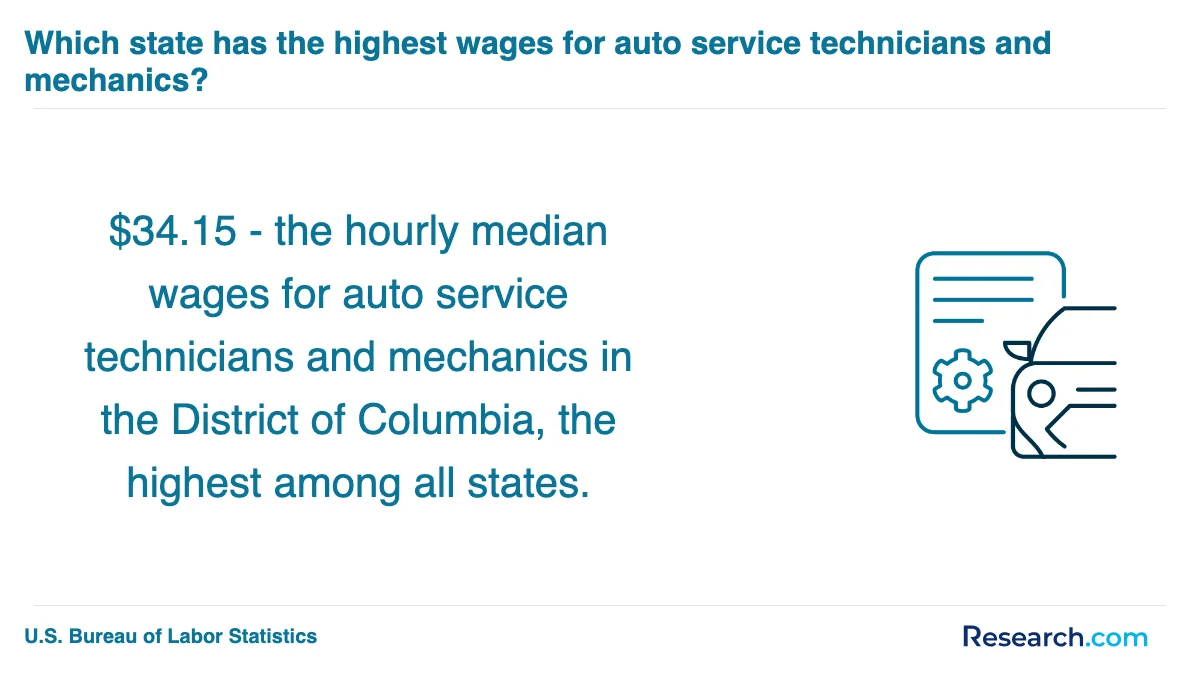
Graduates of automotive technician trade school programs in West Virginia find a range of exciting career opportunities right after finishing their training. Many head straight into roles as automotive technicians or mechanics, handling maintenance, diagnostics, and repairs on cars and light trucks. Others dive into specialized fields like diesel mechanics or trailer mechanics, which are especially in demand thanks to the state's busy transportation and logistics sectors. Walmart and other local companies often hire these graduates, offering wages between $27 and $31 per hour.
The automotive technician job market in West Virginia also includes careers like auto body technicians, who focus on collision repair and refinishing, and roles beyond the garage such as service advisors or shop supervisors. Graduates from popular trade schools enjoy on-the-job training and some employers even provide tuition reimbursement, supporting advancement to higher-paying positions like master technician or shop foreman.
For students weighing their options, it's useful to understand the value of trade school vs vocational school when deciding how to launch a career in this field.
The automotive technician job market West Virginia is looking solid for trade school graduates. With more than 240 job openings available statewide, graduates from popular trade schools often find themselves snapped up quickly by dealerships, independent shops, and national chains. Many students share how hands-on training and industry certifications gained during their programs gave them a real edge when applying for jobs. One recent graduate landed a mechanic role within weeks of finishing, appreciating the steady work and friendly career growth prospects.
When it comes to automotive technician salary trends West Virginia offers competitive pay. Entry-level technicians generally start around $43,000 annually, with experienced pros making up to $72,000. For example, the average salary in Elkview is about $52,890 or roughly $25 an hour-quite attractive compared to the national median of $49,670. This steady income reinforces why many local graduates feel confident pursuing this career path.
West Virginia's stable demand for certified technicians is expected to keep growing at about 3% through 2033. Graduates who stay current with technical skills and certifications, often accessible through online classes trade schools, tend to secure better jobs with benefits and chances for advancement.
Most Affordable Automotive Technician Schools, Colleges & Trade Certification Training Programs in West Virginia for 2026
# 1 position
New River Community and Technical College - Automobile/Automotive Mechanics Technology/Technician.
associateNew River Community and Technical College offers a Hybrid program in Automobile/Automotive Mechanics Technology/Technician. The curriculum prepares students to repair, service, and maintain various automobile systems, including brakes, electrical, engines, suspensions, transmissions, and heating/air conditioning. Annual in-state tuition is $5,158. The program is accredited by the Higher Learning Commission, providing technical skills essential for automotive careers.
# 2 position
New River Community and Technical College - Automobile/Automotive Mechanics Technology/Technician.
certificate or diplomaNew River Community and Technical College offers a hybrid program in Automobile/Automotive Mechanics Technology/Technician designed to prepare students with technical skills for repairing and maintaining various automotive systems. The curriculum covers brake systems, electrical systems, engine performance and repair, suspension and steering, transmissions, and heating and air conditioning. In-state tuition is $5,158 annually. The program is accredited by the Higher Learning Commission.
# 3 position
Eastern West Virginia Community and Technical College - Automobile/Automotive Mechanics Technology/Technician.
associateEastern West Virginia Community and Technical College offers a hybrid program in Automobile/Automotive Mechanics Technology/Technician that prepares students to repair, service, and maintain various automobiles. The curriculum covers brake and electrical systems, engine performance and repair, suspension and steering, transmissions, drive trains, and heating and air conditioning systems. Annual in-state tuition is $4,288. The program is accredited by the Higher Learning Commission.
# 4 position
Eastern West Virginia Community and Technical College - Automobile/Automotive Mechanics Technology/Technician.
certificate or diplomaEastern West Virginia Community and Technical College offers a hybrid program in Automobile/Automotive Mechanics Technology/Technician designed to teach technical skills in repairing and maintaining all types of automobiles. The curriculum covers brake systems, electrical systems, engine performance and repair, suspension, steering, transmissions, drive trains, and heating and air conditioning systems. The program has an annual in-state tuition of $4,288 and is accredited by the Higher Learning Commission.
Frequently Asked Questions about automotive technician
After completing an automotive technician trade school in West Virginia, preparing for the job market involves several key steps. First, graduates should obtain relevant certifications such as the ASE (Automotive Service Excellence) to increase employability. According to the U.S. Bureau of Labor Statistics, certified technicians earn higher wages and have better job prospects. Networking with local employers and attending job fairs in West Virginia can also open doors, as regional dealerships and repair shops often seek skilled workers. Additionally, building a strong resume highlighting hands-on training and any internship experience gained during school is crucial.
Continuous learning is important, too. The automotive field evolves rapidly with new technologies, so staying updated through workshops or online courses can give graduates an edge. The West Virginia Department of Commerce reports a steady demand for automotive technicians, projecting a 5% job growth in the state through 2030. By combining certification, networking, and ongoing education, graduates can successfully transition into the West Virginia job market.
Employers in West Virginia highly value automotive technician graduates who possess strong diagnostic skills. The ability to accurately identify mechanical and electrical issues using advanced tools is essential. According to the U.S. Bureau of Labor Statistics, precision in diagnostics reduces repair time and increases customer satisfaction.
Technical knowledge of vehicle systems, including engines, brakes, and transmissions, also ranks as a top requirement. Hands-on experience gained through trade schools prepares students for these tasks.
Communication skills are increasingly important, as technicians often explain repairs to customers and collaborate with service teams.
Additionally, adaptability to new automotive technologies, such as hybrid and electric vehicles, is becoming critical in West Virginia's evolving job market.
Finding internships in West Virginia related to automotive technician trade school programs involves several practical steps. Start by contacting your trade school's career services office, as many institutions maintain partnerships with local auto repair shops and dealerships.
The West Virginia Department of Commerce and the Workforce West Virginia website also provide resources to connect students with internship opportunities in automotive fields. According to the U.S. Bureau of Labor Statistics, automotive service technician internships in West Virginia are often available through small to mid-sized repair shops concentrated in urban areas like Charleston and Morgantown.
Networking through local trade associations, such as the West Virginia Automotive Dealers Association, can also help identify internship openings. Many internships are paid or offer stipends, which supports gaining hands-on experience while studying.
In West Virginia, earning a diploma from an automotive technician trade school significantly enhances career mobility and advancement opportunities. According to the West Virginia Department of Education and the U.S. Bureau of Labor Statistics, certified automotive technicians typically have higher employment rates and earn 15-20% more than non-certified counterparts. Technical diplomas provide hands-on training and industry-recognized credentials, which local employers value highly.
The state's growing automotive repair industry benefits from skilled technicians, with job openings projected to increase by 7% through 2030. Graduates can advance from entry-level mechanic roles to supervisory or specialized technician positions more quickly with formal training. This diploma also facilitates eligibility for ASE certification, further boosting career prospects within West Virginia's automotive sector.
Students enrolled in automotive technician trade schools in West Virginia can benefit from several part-time job opportunities that align with their studies. Many local auto repair shops and dealerships offer positions such as assistant mechanic or lube technician, providing hands-on experience with vehicle maintenance. These roles help develop practical skills while earning income.
Additionally, jobs at car rental agencies and tire service centers are common, often requiring basic automotive knowledge. According to the U.S. Bureau of Labor Statistics, West Virginia's automotive service technician employment is expected to grow moderately, supporting demand for skilled workers.
Engaging in these jobs complements classroom learning and enhances employability after graduation.
To find the most affordable Automotive Technician degree program near me, consider using Research.com as a resource to explore educational opportunities and programs. You may also want to investigate community colleges and technical institutions that are near West Virginia, as they often offer more budget-friendly tuition rates. Additionally, contacting local schools directly for their specific program costs and potential financial aid options can be beneficial in identifying the most economical choice for your needs.
- Most Affordable Automotive Technician Schools, Colleges & Trade Certification Training Programs in Virginia for 2026
- Most Affordable Automotive Technician Schools, Colleges & Trade Certification Training Programs in Kentucky for 2026
- Most Affordable Automotive Technician Schools, Colleges & Trade Certification Training Programs in North Carolina for 2026
- Most Affordable Automotive Technician Schools, Colleges & Trade Certification Training Programs in South Carolina for 2026
- Most Affordable Automotive Technician Schools, Colleges & Trade Certification Training Programs in Delaware for 2026
- Most Affordable Automotive Technician Schools, Colleges & Trade Certification Training Programs in Michigan for 2026
- Most Affordable Automotive Technician Schools, Colleges & Trade Certification Training Programs in Alabama for 2026
- Most Affordable Automotive Technician Schools, Colleges & Trade Certification Training Programs in Missouri for 2026
- Most Affordable Automotive Technician Schools, Colleges & Trade Certification Training Programs in Florida for 2026
- Most Affordable Automotive Technician Schools, Colleges & Trade Certification Training Programs in Mississippi for 2026
- Auto Mechanic Schools in West Virginia https://automechanicschools.com/west-virginia/
- Auto Mechanic School in West Virginia - WV https://www.automechanicschooledu.org/west-virginia/
- Automotive Technology - Eastern West Virginia Community and Technical College https://easternwv.edu/academics/automotive-technology/
- Trade Schools in West Virginia | Top Trade Schools https://toptradeschools.com/states/west-virginia/
- Automotive Service Technology AAS - New River Community and Technical College https://www.newriver.edu/courses/automotive-service-technology-associate-of-applied-science/
- Mechanic Trade Schools in West Virginia - Automotive Tech Training https://mechaniccareernow.com/mechanic-schools/west-virginia
- Automotive Analysis & Repair – Skilled Trades – Virginia Western Community College https://www.virginiawestern.edu/academics/building-trades/auto-repair/
- #custom_field-_genesis_title https://usmechanicedu.com/wv/
- Paid Technician Internships - Central Oregon Community College https://cocc.edu/programs/automotive/paid-technician-internships
- Job Placement Services at Mechanic Trade Schools | NYADI The College of Transportation Technology https://nyadi.edu/blog/job-placement-is-an-important-element-of-mechanic-trade-schools/


