
Most Affordable Automotive Technician Schools, Colleges & Trade Certification Training Programs in Virginia for 2026

Co-Founder and Chief Data Scientist
If you’re considering a career as an automotive technician in Virginia, finding the right trade school is key. This article introduces a carefully crafted ranking of automotive technician trade school programs created by the Research.com team of data scientists. It’s designed to help you make an informed choice about which programs truly stand out.
Reading through this guide will give you valuable insights into affordable and quality options. Earning a diploma or certification in this field opens doors to rewarding job opportunities and skill development. Take the first step toward a hands-on career you can feel confident about.
Key benefits of finishing automotive technician trade school in Virginia
- Graduates of automotive technician trade schools in Virginia can expect an average salary around $67,744 per year, with entry-level roles starting near $50,883, offering a solid financial foundation early in their careers.
- Career paths include working as automotive technicians in dealerships, independent shops, or retail chains, allowing graduates to find roles that fit their skills and interests while growing professionally.
- Completing an automotive technician trade school online provides flexibility, enabling students to balance work and study, as many online graduates report quicker entry into the workforce compared to traditional degree routes.
- Most Affordable Automotive Technician Schools, Colleges & Trade Certification Training Programs in Virginia for 2026
- What can I expect from automotive technician trade schools in Virginia?
- Where can I work after finishing automotive technician trade schools in Virginia?
What can I expect from automotive technician trade schools in Virginia?
Expect a blend of hands-on training and classroom learning when enrolling in an automotive technician trade school program in Virginia. Graduates often recall working directly with modern diagnostic tools in settings like Virginia Peninsula Community College's dedicated automotive labs, where theory meets real-world application. This practical approach builds confidence early, whether diagnosing electrical issues or mastering brake systems.
Programs vary in length and depth. Some students complete focused certificate tracks in just four months, gaining entry-level skills like tire servicing quickly. Others choose more comprehensive paths, such as Reynolds Community College's two-year associate degree, which includes internships that simulate actual work environments. These experiences not only sharpen technical skills but also prepare graduates for industry-recognized ASE certification exams, a key milestone often highlighted by alumni as boosting their employability.
Admission often requires basic readiness in math and reading, ensuring you can keep pace with coursework. Most programs welcome new students each semester, offering flexibility. Students frequently describe the journey as demanding but rewarding, especially when they land roles at dealerships or specialty shops shortly after graduation.
Where can I work after finishing automotive technician trade schools in Virginia?
After completing an automotive technician trade school program in Virginia, graduates find a broad range of employment opportunities across the state. Many quickly secure positions at car dealerships like Ford or Toyota, where they apply hands-on skills learned during their training. Others join independent repair shops or national chains such as Firestone or Pep Boys, gaining valuable experience while building their careers.
Graduates from popular Virginia trade schools often share how starting as entry-level technicians allowed them to grow into roles like A-Level Technicians, earning salaries over $85,000 annually. Some advance to specialized positions, such as Flat Rate Technicians at brands like Audi, with pay ranging from $60,000 to $150,000 plus benefits.
Government fleet maintenance centers also hire technicians, offering competitive salaries and requiring certifications that trade schools prepare students for, such as the Virginia State Inspector's License. Locations like Williamsburg and Fairfax consistently have hundreds of technician jobs, with wages from $20 to $42 per hour, making this a promising career path for motivated graduates.
After finishing an automotive technician trade school program in Virginia, graduates typically start with salaries around $59,000 to $67,000 annually, according to Salary.com data from August 2025. Many graduates from well-known Virginia trade schools find this range realistic, especially when beginning their careers in local service centers or independent shops. For example, a recent graduate working 40 hours a week at a dealership might see an hourly wage near $27.56, translating to roughly $57,000 annually.
Some graduates share that entry-level positions often pay closer to $44,000 to $50,000, but with experience and certifications, earnings can rise quickly. Those specializing in certain automotive systems or gaining manufacturer-specific skills report feeling confident as their pay approaches the $75,000 mark. The difference between a mechanic and technician role also affects pay, with mechanics averaging slightly less-around $51,000 yearly.
Graduates appreciate how these programs open doors to steady income and career growth, making the investment in Virginia's trade schools feel rewarding and motivating.
- Applicants typically need a valid driver's license and a clean driving record to enter automotive technician programs in Virginia.
- Program lengths vary from about four months for accelerated certificates to 15-18 months for diplomas or associate degrees requiring around 56 credits.
- Costs include approximately $1,359 for books and supplies, with tuition varying by school; financial aid is often available.
- Many programs are accredited by the Automotive Service Excellence (ASE) Education Foundation and prepare students for ASE certification exams.
- Starting salaries for automotive technicians in Virginia range from $32,000 to $45,000 annually, with experienced technicians earning $55,000 or more.
Completing an automotive technician trade school program in Virginia typically takes between 12 to 24 months, depending on the depth and format of the curriculum. Many graduates from well-known Virginia trade schools share how the one- to two-year timeframe allowed them to swiftly transition from classroom learning to hands-on experience, building confidence as they worked on real vehicles.
For instance, students at popular Virginia trade schools often describe their schedules as intensive but rewarding, with some programs offering accelerated tracks that enable completion in just one year. This appeals especially to those eager to enter the workforce quickly while still gaining comprehensive skills in diagnostics, repair, and maintenance.
Others appreciate programs extending to two years, which provide more time for internships and advanced training, making graduates feel thoroughly prepared for the challenges of modern automotive technology. These students often mention feeling proud and ready when they finally step into their first professional roles, thanks to the balanced pace of their education.
Choosing a Virginia-based trade school with flexible completion options can make the difference between rushing through a program and gaining deep, practical expertise that boosts long-term career satisfaction.
The core difference between online and on-campus automotive technician trade school programs in Virginia is the nature of hands-on training. Graduates from on-campus programs like those at Advanced Technology Institute in Virginia Beach emphasize how working directly with vehicles and industry-standard tools in labs builds confidence and skill quickly. They describe the immediate feedback from instructors and the chance to practice real diagnostic tasks as invaluable experiences that online learning alone can't replicate.
In contrast, students in blended programs such as Universal Technical Institute appreciate the flexibility of completing theory lessons online but often mention that the mandatory in-person labs are crucial for truly mastering repair techniques. These hybrid models cater well to those balancing work or family, yet graduates stress that fully online options lack the immersive, tactile learning vital for this trade.
At Northern Virginia Community College, graduates highlight the benefit of manufacturer-specific certifications earned through direct industry partnerships, reinforcing that Virginia's accredited programs prioritize practical experience alongside classroom study.
The average tuition for automotive technician programs in Virginia varies significantly, reflecting differences in program length, school type, and course offerings. For instance, many graduates share that attending Germanna Community College was affordable, with their one-year Automotive Technician Certificate program costing around $4,032. This program is especially appealing for those starting their career journey, focusing on core skills like engine repair and brakes without an overwhelming price tag.
On the other hand, some students aiming for deeper technical expertise and management skills choose more comprehensive programs like those at Advanced Technology Institute in Virginia Beach, where tuition for an Associate in Occupational Science in Automotive Technology with Service Management reaches about $36,640. Those pursuing the Automotive Technology Diploma at the same school report tuition around $25,160. These programs offer hands-on experience with modern vehicles, preparing students well but at a much higher cost.
When considering the cost of automotive technician trade schools in Virginia, it's crucial to include expenses beyond tuition. Graduates often mention budgeting for personal tools, which may cost between $300 and $800, as well as certification fees and safety gear. These added costs can catch many unaware, so thorough planning pays off.
Many students benefit from financial aid options such as Virginia's G3 program, which covers tuition, fees, and books for eligible candidates at schools like Piedmont Virginia Community College. To find the best fit, prospective students are encouraged to research detailed school expenses and scholarships, and to explore options through top online trade schools that offer automotive technician certifications.
Automotive technician trade school students in Virginia often rely on a mix of financial aid options to manage tuition costs. Many graduates recall how submitting the FAFSA unlocked access to federal programs like Pell Grants, which for 2025-2026 can provide up to $7,395 without repayment. This grant proved essential for those attending popular trade schools such as Northern Virginia Community College or Tidewater Community College, enabling them to focus on hands-on training rather than financial stress.
Beyond Pell Grants, students frequently benefit from the Federal Supplemental Educational Opportunity Grant (FSEOG), which adds need-based support, especially valuable in short-term certificate programs. Federal student loans are another resource, offering manageable repayment plans suited for those balancing work and study. Some graduates highlight the importance of exploring Virginia's state grants and scholarships, which, although less publicized, can significantly ease the financial burden.
Private scholarships, like the Work Ethic Scholarship or Graybar Construction Trades Scholarship, have also made a real difference for many, providing awards from $1,000 to $5,000. Veterans often tap into GI Bill benefits or military tuition assistance, making trade school an achievable goal. Trade schools themselves frequently offer institutional aid, so consulting financial aid advisors is a smart step toward uncovering all available options.
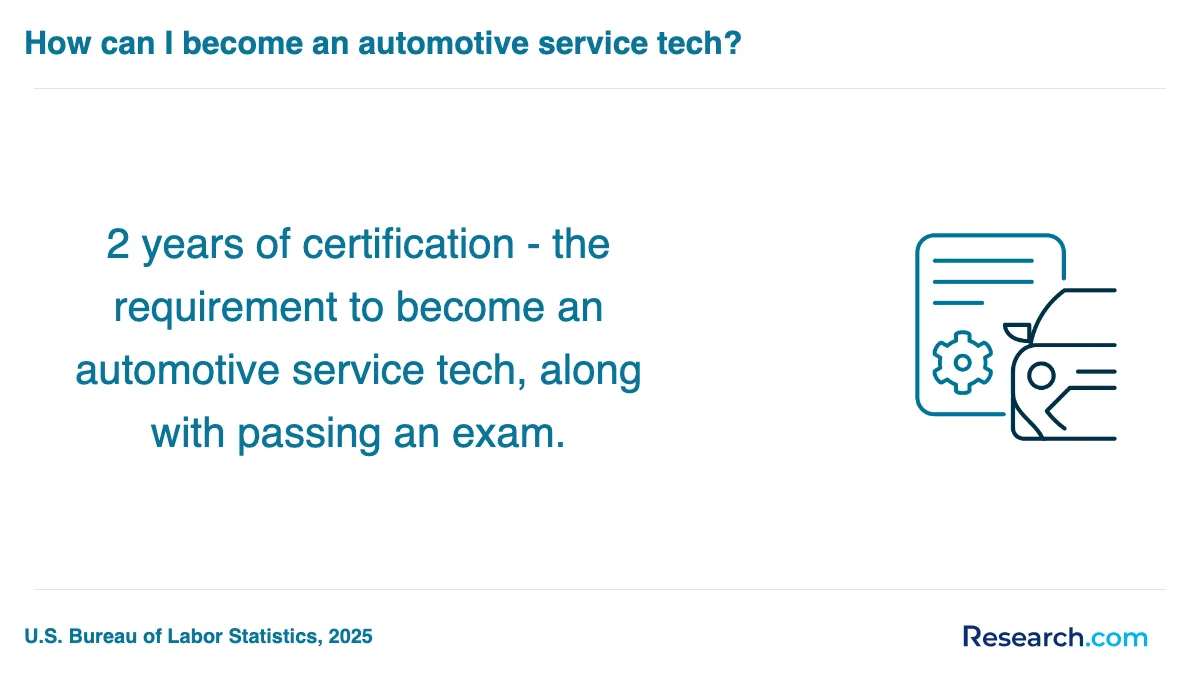
Enrolling in an automotive technician trade school program in Virginia typically requires a high school diploma or GED, reflecting a basic educational foundation. Many graduates emphasize how this prerequisite helped them transition smoothly into hands-on training, as core skills like math and reading are essential for understanding vehicle diagnostics and repair manuals.
Some trade schools in Virginia also expect applicants to demonstrate a genuine interest in automotive technology, often assessed through an interview or a written statement. Graduates recall that expressing enthusiasm during this stage positively influenced their acceptance, showing schools value motivation alongside academic readiness.
Additional prerequisites may include:
- Proof of legal residency or citizenship in the U.S., relevant for in-state tuition benefits.
- Basic computer skills, since modern vehicles and diagnostic tools rely heavily on software.
- Physical ability to handle tools and parts, which can be discussed during orientation or health screenings.
For example, at popular Virginia trade schools, graduates often share how completing a pre-admission assessment helped identify their strengths and areas for improvement, making the learning process more engaging and tailored. This realistic preparation fosters confidence and excitement about starting a career in automotive technology.

Automotive technician trade school programs in Virginia consistently include courses designed to build both practical skills and theoretical understanding, preparing students for real-world challenges. Graduates from programs like those at Virginia Peninsula Community College often describe their hands-on experience with engine performance and repair as invaluable, mastering diagnostic procedures on both gasoline and diesel engines.
- Engine Performance and Repair: Covers troubleshooting and repair techniques essential for daily shop work.
- Electrical Systems and Diagnostics: Focuses on complex vehicle electronics, reflecting modern automotive technology.
- Brake Systems: Includes service of disc, drum, and ABS brakes, ensuring safety-critical knowledge.
- Steering and Suspension: Teaches diagnosis and repair to maintain ride quality and vehicle control.
- HVAC Systems: Addresses climate control maintenance, crucial for customer comfort in all seasons.
- Automatic and Manual Transmissions: Prepares students for working on various transmission types.
Many students appreciate how these courses align with ASE standards, boosting confidence for certification exams. Flexible scheduling-daytime or evening-allows working adults to advance skills without sacrificing their current jobs. The inclusion of English composition also equips students with communication skills necessary for clear customer interactions and workplace success.
Automotive technician trade school programs in Virginia offer a variety of specialized tracks tailored to meet industry demands and students' career goals. Popular options include the Automotive Technology Program, where graduates praise hands-on experiences with engine diagnostics and repair, preparing them for roles like line technicians or customer service reps at dealerships.
Other sought-after specializations focus on emerging fields such as electric, hybrid, and autonomous vehicles, reflecting the evolving nature of automotive technology. Certificates in these areas emphasize skills needed to maintain next-generation cars, making graduates feel confident about entering future-ready job markets.
For those interested in diesel technology, Virginia automotive trade school programs provide foundational and preventative maintenance certificates, valued by graduates working at truck service centers. Students often highlight how real-world practice at campuses like Northern Virginia Community College enhances their learning.
The flexibility of these programs-from one-semester certificates to two-year associate degrees-allows students to balance education with life commitments. Such diverse options make these programs ideal for anyone deciding between college or trade school paths in their automotive careers.
Choosing the best automotive technician programs in Virginia starts with verifying accreditation to ensure your certificate or degree holds value with employers. Graduates from Northern Virginia Community College often share how hands-on training in well-equipped labs prepared them confidently for real-world repair challenges. This blend of classroom theory and practical experience is vital, so prioritize schools like Advanced Technology Institute that emphasize shop time alongside lectures.
Cost is another key factor; public community colleges such as Tidewater and Germanna offer affordable tuition and financial aid options, easing the burden on students balancing work and family. Many graduates express relief at managing expenses while gaining quality education. Reputation matters too-programs with strong job placement rates and local employer ties, like those in Northern Virginia, boost your chances for a smooth transition to employment.
Flexibility in scheduling can make a difference, especially if you need evening or part-time classes. Comparing Virginia automotive trade schools on these factors helps you find a program fitting your lifestyle and goals. For detailed program comparisons, consider exploring an automotive course in college to see how curricula align with industry needs.
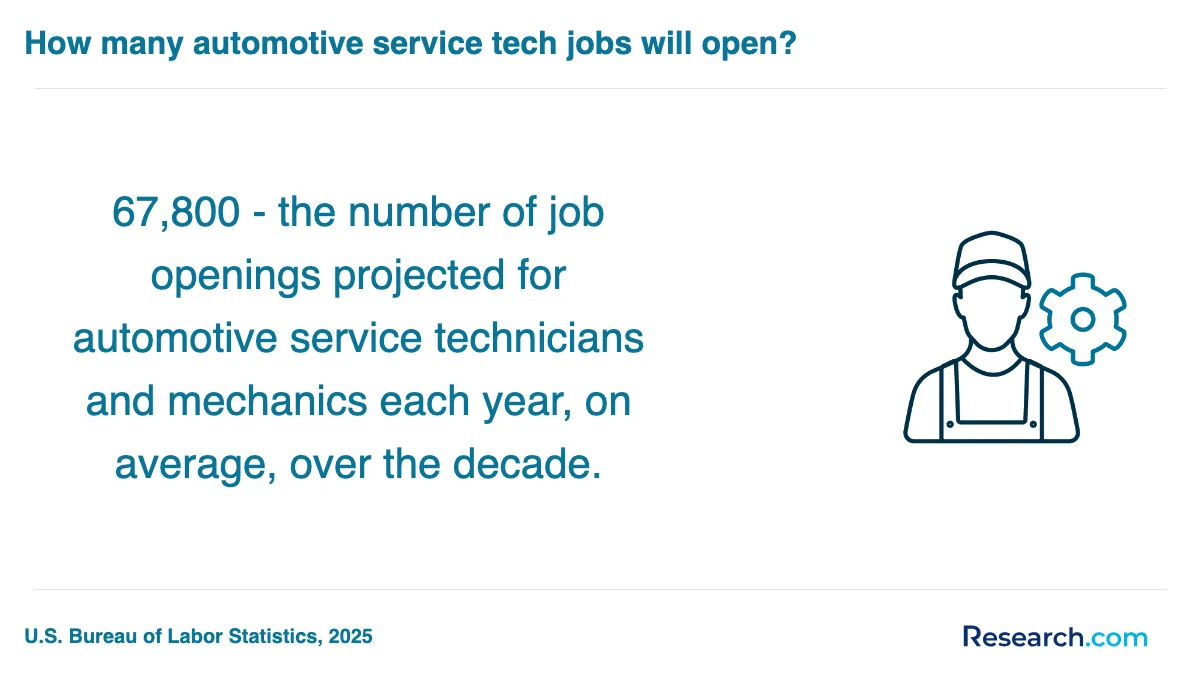
Graduates of automotive technician trade schools in Virginia often find a variety of rewarding career paths immediately available. Popular entry-level roles include automotive technician, tire and lube technician, and service department positions at new and used car dealerships or independent shops. At institutions like Virginia Western Community College or the Wilson Workforce and Rehabilitation Center, students experience hands-on training that smoothly prepares them for these roles. Many start as Tire & Lube Technicians, performing oil changes and tire services, then gain opportunities to advance to junior and senior technician levels within local automotive businesses. These clear pathways foster a sense of achievement and career growth.
Further specialization is common, with graduates moving into automotive diagnosis and repair, collision repair, diesel mechanics, or preventative maintenance. For those interested in customer-facing jobs, careers in parts sales or service writing are viable and profitable options. The abundance of automotive technology jobs for trade school graduates Virginia-wide speaks to a strong and sustained demand, making these programs an excellent investment.
- Automotive technician
- Tire and lube technician
- Service writer or parts sales representative
- Collision repair technician
- Diesel mechanic
Many graduates also pursue further education leading to management or specialist roles, supported by transferable credits. Students often report satisfaction with the career clarity provided by their programs. Those considering their future should consider checking out highly regarded trade schools for auto mechanics in Virginia to explore tailored opportunities and hands-on experiences.
The automotive technician job outlook in Virginia is notably strong, with over 1,800 open positions statewide as of early 2025. Graduates from well-regarded trade schools across Virginia often find themselves quickly employed, benefiting from employers who actively seek newly trained technicians. Many graduates report that hands-on experience gained during school directly contributes to their ability to secure jobs at everything from local repair shops to national chains offering robust benefits and paid training programs.
Typical salary ranges align with competitive automotive technician salary Virginia 2026 expectations. Entry-level technicians commonly earn between $20 and $35 per hour, while seasoned professionals in areas like Fairfax can reach annual salaries from $110,000 to $265,000. These figures rely on accumulating certifications and practical knowledge, often supported by employer-sponsored ASE reimbursement and fast-track advancement programs.
Graduates frequently highlight that continual training and real-world scenarios experienced during their studies prepare them well for challenges on the job. For those interested in furthering skills, options such as cheap online online diesel mechanic training programs offer flexible pathways to increase expertise and job prospects.
- Strong demand across urban and rural Virginia regions
- Competitive starting wages with rapid growth potential
- Employers prioritizing continuous certification and development
Most Affordable Automotive Technician Schools, Colleges & Trade Certification Training Programs in Virginia for 2026
# 1 position
Virginia Western Community College - Automobile/Automotive Mechanics Technology/Technician.
certificate or diplomaVirginia Western Community College offers a hybrid program in Automobile/Automotive Mechanics Technology/Technician, preparing students to repair, service, and maintain various automobile systems. The curriculum covers brake systems, electrical systems, engine performance and repair, suspension and steering, transmissions, drive trains, and heating and air conditioning. Annual in-state tuition is $5,256. Graduates have median earnings of $30,414 one year after completion. The program is accredited by the Southern Association of Colleges and Schools Commission on Colleges.
# 2 position
Northern Virginia Community College - Automobile/Automotive Mechanics Technology/Technician.
associateNorthern Virginia Community College offers a hybrid program in Automobile/Automotive Mechanics Technology/Technician, focusing on skills to repair, service, and maintain various automobiles. The curriculum covers brake systems, electrical systems, engine performance and repair, suspension, steering, transmissions, drivetrains, and heating and air conditioning systems. Annual in-state tuition is $5,703. Graduates earn a median of $35,887 one year after completion. The program is accredited by the Southern Association of Colleges and Schools Commission on Colleges.
# 3 position
Northern Virginia Community College - Automobile/Automotive Mechanics Technology/Technician.
certificate or diplomaNorthern Virginia Community College offers a hybrid Automobile/Automotive Mechanics Technology/Technician program preparing students to repair, service, and maintain various automobile systems. The curriculum covers brakes, electrical systems, engine performance and repair, suspension, steering, transmissions, and heating and air conditioning. The annual in-state tuition is $5,703. Graduates earn a median salary of $35,887 one year after completion. The program is accredited by the Southern Association of Colleges and Schools Commission on Colleges.
# 4 position
Blue Ridge Community College - Automobile/Automotive Mechanics Technology/Technician.
associateBlue Ridge Community College offers a hybrid Automobile/Automotive Mechanics Technology/Technician program that prepares students to repair, service, and maintain various automobile systems. Instruction covers brake systems, electrical systems, engine performance and repair, suspension and steering, transmissions, and heating and air conditioning. The program’s annual in-state tuition is $5,502, and median earnings one year after completion are $41,801. It is accredited by the Southern Association of Colleges and Schools Commission on Colleges.
# 5 position
Blue Ridge Community College - Automobile/Automotive Mechanics Technology/Technician.
certificate or diplomaBlue Ridge Community College offers a hybrid program in Automobile/Automotive Mechanics Technology/Technician designed to prepare students to repair, service, and maintain various automobiles. The curriculum covers brake systems, electrical systems, engine performance and repair, suspension, steering, transmissions, and heating and air conditioning systems. Annual in-state tuition is $5,502. The program is accredited by the Southern Association of Colleges and Schools Commission on Colleges. Median earnings one year after completion are $41,801.
# 6 position
Tidewater Community College - Automobile/Automotive Mechanics Technology/Technician.
associateTidewater Community College offers a hybrid program in Automobile/Automotive Mechanics Technology/Technician, preparing students to repair, service, and maintain various automobiles. Coursework covers brake systems, electrical systems, engine performance and repair, suspension, steering, transmissions, drive trains, and heating and air conditioning systems. The program’s annual in-state tuition is $5,714. Graduates have median earnings of $47,722 one year after completion. It is accredited by the Southern Association of Colleges and Schools Commission on Colleges.
# 7 position
Tidewater Community College - Automobile/Automotive Mechanics Technology/Technician.
certificate or diplomaThe Automobile/Automotive Mechanics Technology/Technician program at Tidewater Community College offers hybrid learning with some distance-education options. It trains students to repair and maintain various automobile systems, including brakes, electrical, engines, transmissions, and HVAC. The program is accredited by the Southern Association of Colleges and Schools Commission on Colleges. Annual in-state tuition is $5,714, and median earnings one year after completion reach $47,722.
# 8 position
New River Community College - Automobile/Automotive Mechanics Technology/Technician.
certificate or diplomaNew River Community College offers a hybrid program in Automobile/Automotive Mechanics Technology/Technician, preparing students to repair, service, and maintain various automobile systems. The curriculum covers brake systems, electrical systems, engine performance and repair, suspension and steering, transmissions, and heating and air conditioning. The program is accredited by the Southern Association of Colleges and Schools Commission on Colleges. Annual in-state tuition is $4,835.
# 9 position
Germanna Community College - Automobile/Automotive Mechanics Technology/Technician.
certificate or diplomaThe Automobile/Automotive Mechanics Technology/Technician program at Germanna Community College offers a hybrid learning format, combining in-person and distance education. The program prepares students to repair, service, and maintain various automobile systems, including brakes, electrical, engine, suspension, transmissions, and heating and air conditioning. Annual in-state tuition is $5,066. The program is accredited by the Southern Association of Colleges and Schools Commission on Colleges.
# 10 position
Patrick & Henry Community College - Automobile/Automotive Mechanics Technology/Technician.
certificate or diplomaPatrick & Henry Community College offers a hybrid program in Automobile/Automotive Mechanics Technology/Technician that prepares students to repair, service, and maintain various automobile systems. The curriculum covers brake systems, electrical systems, engine performance and repair, suspension and steering, transmissions, and heating and air conditioning. The annual in-state tuition is $4,858. The program is accredited by the Southern Association of Colleges and Schools Commission on Colleges.
Frequently Asked Questions about automotive technician
After completing an automotive technician trade school in Virginia, preparing for the job market involves several key steps. First, obtaining industry certifications such as the National Institute for Automotive Service Excellence (ASE) credentials can significantly enhance employment prospects. ASE certifications are widely recognized by Virginia employers and can lead to higher wages.
Networking is also crucial. Joining local automotive associations or attending job fairs in Virginia can provide valuable connections. According to the Virginia Employment Commission, the automotive service sector is expected to grow steadily, with openings primarily in urban areas like Richmond and Virginia Beach.
Additionally, actively seeking internships or apprenticeships during or after school offers real-world experience employers value. Keeping up with evolving automotive technology through continuous learning helps graduates stay competitive.
Employers in Virginia seek automotive technician graduates who demonstrate strong diagnostic and mechanical skills. According to the U.S. Bureau of Labor Statistics, proficiency in using computerized diagnostic equipment is increasingly important as vehicles become more technologically advanced. Trade schools that emphasize hands-on training with modern automotive systems often produce graduates that stand out.
Communication skills are also valued, as technicians must explain repairs and maintenance to customers clearly. Additionally, knowledge of safety protocols and environmental regulations specific to Virginia is essential. The Virginia Employment Commission highlights that adaptability and continuous learning are critical, given the rapid evolution of automotive technology in the state's job market.
Finding internships relevant to automotive technician trade school programs in Virginia involves several strategic steps. Students should begin by consulting their school's career services, which often have partnerships with local dealerships and repair shops. According to the Virginia Department of Labor, automotive repair businesses in the state employ over 15,000 technicians, creating numerous internship opportunities.
Networking is crucial-attending industry events and joining organizations like the Virginia Automotive Association can connect students with employers. Additionally, online job boards such as Indeed and the Virginia Workforce Connection list internships specific to automotive technology.
Many schools also support cooperative education (co-op) programs, allowing students to earn credit while gaining paid work experience.
In Virginia, earning a diploma from an automotive technician trade school significantly enhances career mobility. Employers in the state often require formal training credentials, making graduates more competitive in the job market. According to the Virginia Employment Commission, automotive service technician roles are expected to grow by 5% between 2022 and 2032, reflecting steady industry demand.
Trade school diplomas provide practical skills and certifications that align with Virginia's licensing and industry standards. This formal education enables technicians to qualify for higher-paying positions and promotions more quickly than those without credentials.
Furthermore, many Virginia employers prefer candidates with diplomas for specialized roles, such as diagnostics or hybrid vehicle repair, supporting advancement opportunities.
Students enrolled in automotive technician trade schools in Virginia can benefit from various part-time job opportunities that complement their studies. Positions such as automotive service assistant, parts clerk, or tire technician provide hands-on experience while reinforcing classroom knowledge. According to the U.S. Bureau of Labor Statistics, Virginia's automotive service technician roles are expected to grow by 6% from 2022 to 2032, indicating steady demand.
Working in local repair shops or dealerships allows students to develop practical skills and understand workplace dynamics. Additionally, jobs in customer service related to automotive parts sales can improve communication abilities, valuable for future technicians.
To choose the most affordable Automotive Technician degree program near me in Virginia, begin by researching local community colleges and technical schools known for offering lower tuition rates while providing quality education in this field. It's beneficial to compare different program costs, financial aid opportunities, and program length to determine overall affordability, which can often be accessed through resources like Research.com. Furthermore, look for programs near Virginia that offer hands-on training and align with industry requirements, ensuring that you receive practical experience in addition to theoretical knowledge.
- Most Affordable Automotive Technician Schools, Colleges & Trade Certification Training Programs in North Carolina for 2026
- Most Affordable Automotive Technician Schools, Colleges & Trade Certification Training Programs in Kentucky for 2026
- Most Affordable Automotive Technician Schools, Colleges & Trade Certification Training Programs in South Carolina for 2026
- Most Affordable Automotive Technician Schools, Colleges & Trade Certification Training Programs in Delaware for 2026
- Most Affordable Automotive Technician Schools, Colleges & Trade Certification Training Programs in Florida for 2026
- Most Affordable Automotive Technician Schools, Colleges & Trade Certification Training Programs in Alabama for 2026
- Most Affordable Automotive Technician Schools, Colleges & Trade Certification Training Programs in Missouri for 2026
- Most Affordable Automotive Technician Schools, Colleges & Trade Certification Training Programs in Michigan for 2026
- Most Affordable Automotive Technician Schools, Colleges & Trade Certification Training Programs in Mississippi for 2026
- Most Affordable Automotive Technician Schools, Colleges & Trade Certification Training Programs in Wisconsin for 2026
- Automotive Technology | Northern Virginia Community College https://www.nvcc.edu/academics/programs/automotive/index.html
- Automotive Analysis & Repair – Skilled Trades – Virginia Western Community College https://www.virginiawestern.edu/academics/building-trades/auto-repair/
- Auto Mechanic Schools in Virginia https://automechanicschools.com/virginia/
- Automotive Service Technology - Technical & Career Education Center http://techcenter.vbschools.com/school/programs-of-study/automotive-service-technology
- WWRC - Auto Mechanics Training https://www.wwrc.virginia.gov/AutomotiveTraining.htm
- Automotive Technology - Arlington Career Center https://careercenter.apsva.us/automotive-technology/
- Auto Technician Programs for Skilled Careers | Tidewater Tech https://tidewatertechtrades.edu/programs/auto-technician/
- Automotive Technology | Reynolds Community College https://reynolds.edu/programs/program-pages/automotive-technology-aas.html
- Automotive Technician Certificate | Germanna Community College https://germanna.edu/programs/automotive-technician-certificate
- Automotive Technology Program | Tidewater Community College https://www.tcc.edu/programs/automotive/


