
Most Affordable Automotive Technician Schools, Colleges & Trade Certification Training Programs in Michigan for 2026

Co-Founder and Chief Data Scientist
Choosing the right automotive technician trade school in Michigan can be overwhelming, but this article is here to help. We've gathered a ranking of the most affordable programs, carefully created by the Research.com team of data scientists. Their insights make it easier for you to find quality schools that fit your budget and career goals.
Whether you want a diploma or certification, a skilled trade education opens doors to rewarding job opportunities. Reading on will give you confidence and clarity in making a smart decision for your future.
Key benefits of finishing automotive technician trade school in Michigan
- Graduates from automotive technician trade schools in Michigan can expect an average salary between $63,000 and $65,000 per year, with opportunities to earn up to $78,932 annually as experience and certifications grow.
- Career paths for graduates include roles at dealerships, specialty shops, and fleet maintenance, offering a variety of options to find a rewarding and stable position.
- Completing an automotive technician program online provides flexibility and often faster completion times, allowing students to balance work or family while gaining valuable skills.
- Most Affordable Automotive Technician Schools, Colleges & Trade Certification Training Programs in Michigan for 2026
- What can I expect from automotive technician trade schools in Michigan?
- Where can I work after finishing automotive technician trade schools in Michigan?
What can I expect from automotive technician trade schools in Michigan?
When you dive into an automotive technician trade school program in Michigan, expect a mix of hands-on work and classroom learning that really gets you ready for the real world. Graduates from schools like Gogebic Community College often share how working with up-to-date diagnostic tools in labs made the learning feel practical and exciting, not just theoretical. You'll start with the basics-things like general maintenance, safety, and electrical systems-before moving on to specialized areas like brakes, transmissions, and HVAC.
Many programs, such as the one at Grand Rapids Community College, pack a lot into a short time-some finishing a solid certificate in just 18 weeks. This fast pace means you're always busy, whether it's group projects or working individually on cars and light trucks.
Safety and professionalism are key parts of the day-to-day experience, with students expected to follow shop standards and develop skills like teamwork and customer communication. Plus, you'll be preparing to pass ASE and Michigan state licensing exams, opening doors to great entry-level jobs or even specialized fields like diesel engines or mobile HVAC systems.
Where can I work after finishing automotive technician trade schools in Michigan?
After finishing an automotive technician trade school program in Michigan, graduates find themselves with plenty of job options. Many start working as automotive service technicians or auto mechanics in cities like Detroit or Grand Rapids, often landing roles at local repair shops or big dealership service centers. For example, some grads from popular Michigan trade schools share how they quickly secured full-time jobs at dealerships offering benefits like 401(k) plans and signing bonuses, which definitely made the transition smoother and more exciting.
Others choose specialties like diesel engines or auto body repair, finding work at collision centers or tire shops scattered throughout the state. Many employers also offer on-the-job training, which helps grads grow their skills and earn extra pay through ASE certifications. Plus, with over 3,000 openings statewide, including roles as technical trainers or even account managers, the career paths feel flexible and promising for anyone passionate about cars and technology.
After finishing an automotive technician trade school program in Michigan, you can expect to make between $57,322 and $72,434 a year, with the median salary sitting around $65,297. Many graduates from popular Michigan trade schools share how starting out can feel exciting but a bit challenging when their pay begins closer to $50,000, especially if they're new to the field.
Hourly wages give another clear picture-most technicians earn about $24.23 per hour, though some start at around $18.22. Many grads mention that overtime opportunities can really boost their income, sometimes adding an extra $5,000 annually, which makes a big difference when paying bills or saving up for tools.
Techs with extra certifications or experience often find themselves earning up to $78,932 or more, especially in busy metro areas. This shows how the skills you gain at a Michigan trade school can open doors to solid, rewarding paychecks as you grow in your career.
- Most Michigan automotive technician programs require basic reading and math skills plus a valid driver's license.
- Programs can be completed quickly, such as an 18-week course with 612 clock hours at Grand Rapids Community College.
- Many schools are NATEF accredited, which is necessary for State Mechanic and ASE certification exams.
- Michigan residents aged 25 or older may qualify for tuition-free or reduced tuition through the Michigan Reconnect Program.
- Entry-level salaries range from $31,000 to $40,000 annually, with experienced technicians earning $50,000 to $60,000 or more.
Completing an automotive technician trade school program in Michigan typically takes about 12 to 24 months, depending on the school and the intensity of the program. Many students at popular schools like those in Detroit or Grand Rapids find that a one-year full-time schedule can get them ready to jump into the workforce quickly, which is great if you're eager to start earning and gaining hands-on experience.
Some graduates share how the accelerated programs kept them fully engaged, with a mix of classroom learning and practical shop time that made every day feel productive and exciting. Others who chose part-time or extended options appreciated the flexibility to balance work or family while still moving steadily toward their certification.
Imagine spending your days in a state-of-the-art garage, mastering diagnostics and repairs on real vehicles-this hands-on approach is a highlight that helps students feel confident and job-ready by the time they finish. For many, the relatively short program length is a big plus, making the goal of a skilled career in automotive technology feel totally within reach.
The main difference between online and on-campus automotive technician trade school programs in Michigan comes down to hands-on experience. Graduates from schools like Kirtland Community College often highlight how being in a real auto shop, working directly with engines and diagnostic tools, made all the difference. They talk about the excitement of fixing actual cars under instructor supervision, which helped build confidence fast.
On the other hand, online options in Michigan are pretty limited because the trade demands practical skills. Some programs do offer a blended model, where you study theory and safety protocols online but still show up for in-person labs. Students appreciate the flexibility this provides, especially when juggling work or family, but they emphasize that the in-person sessions are crucial to truly mastering the craft.
In short, if you want the full immersive experience with immediate feedback and industry-standard tools, on-campus programs in Michigan deliver that in a way online can't fully match yet.
The average tuition fees for automotive technician programs in Michigan usually fall between $5,000 and $30,000 depending on whether you're pursuing a certificate or an associate degree. For example, graduates from Kirtland Community College have shared how their in-district tuition was around $21,900, which felt like a fair investment given the hands-on experience and job-ready skills they gained. Those living outside the district paid closer to $29,000 but appreciated the wide range of classes and modern facilities the school offers.
Of course, the total cost of automotive technician trade schools in Michigan goes beyond just tuition. Students often budget an extra $500 to $2,500 annually for essential tools, textbooks, uniforms, and lab fees. Graduates from popular schools report spending around $400 to $1,400 on specialized tools alone, plus lab fees of nearly $600, which isn't always obvious upfront. It's the kind of real-world purchase that feels exciting once you're in the trenches, working on engines and transmissions.
Living expenses add another layer, with room and board typically costing between $5,000 and $10,000 a year. Many students find ways to balance this by sharing housing or cooking meals with classmates. Federal loans, grants, and scholarships make a big difference, often easing the burden. Many schools actively promote scholarships designed for automotive students, making the journey more achievable.
If you're weighing your options or curious about how this translates to future earnings, it's smart to explore the best paying trades for graduates, which often include automotive technicians. Seeing that potential return on investment really helps keep motivation high throughout your studies.

Many automotive technician students in Michigan find financial aid that fits their needs perfectly, making trade school more affordable than they expected. For example, graduates from popular schools like Macomb Community College often rely on Pell Grants by filling out the FAFSA, which helps cover a big chunk of tuition without needing to be paid back. These grants give students peace of mind as they focus on mastering hands-on skills.
Adults going back to school appreciate programs like Michigan Reconnect, which offers free or reduced tuition for residents 25 and older who don't yet have a degree. Imagine being able to train at schools such as Oakland Community College with little financial stress-that's a game changer for many.
Private scholarships also boost confidence. Take the Garage Gurus Automotive Technician Scholarship, which awards up to $2,500 to skilled applicants. Graduates often mention how this extra support helped them afford books and certification fees, easing their path toward a rewarding career.
Plus, resources like Michigan Works! provide tuition and certification fee coverage for those meeting their criteria, which many students at schools like Henry Ford College have benefited from. Overall, combining these options creates a supportive financial foundation for anyone passionate about becoming an automotive technician in Michigan.
When you're thinking about enrolling in an automotive technician trade school program in Michigan, the prerequisites are usually straightforward but important. Most schools expect you to have a high school diploma or GED - this lays the foundation for the hands-on training you'll get. Some graduates from popular Michigan trade schools mention how having a solid grasp of basic math and science really helped them breeze through the early coursework.
Besides the diploma, here are a few common prerequisites you might encounter:
- Passing a basic skills test in math and reading at some schools to ensure you're ready for technical material
- Being at least 18 years old to enroll, although some schools accept younger students with parental consent
- Providing proof of residency or citizenship, especially for state-funded programs
- Having a valid driver's license, since many programs include practical driving or vehicle testing
Many students find that preparing with a bit of extra study in automotive basics before starting can boost confidence. For example, graduates from well-known Michigan schools often share how their early enthusiasm grew because they already knew a bit about engines or electrical systems, making the hands-on work more exciting. If you're eager to get your hands dirty and learn, meeting these prerequisites is just the first step toward a rewarding career in automotive tech.
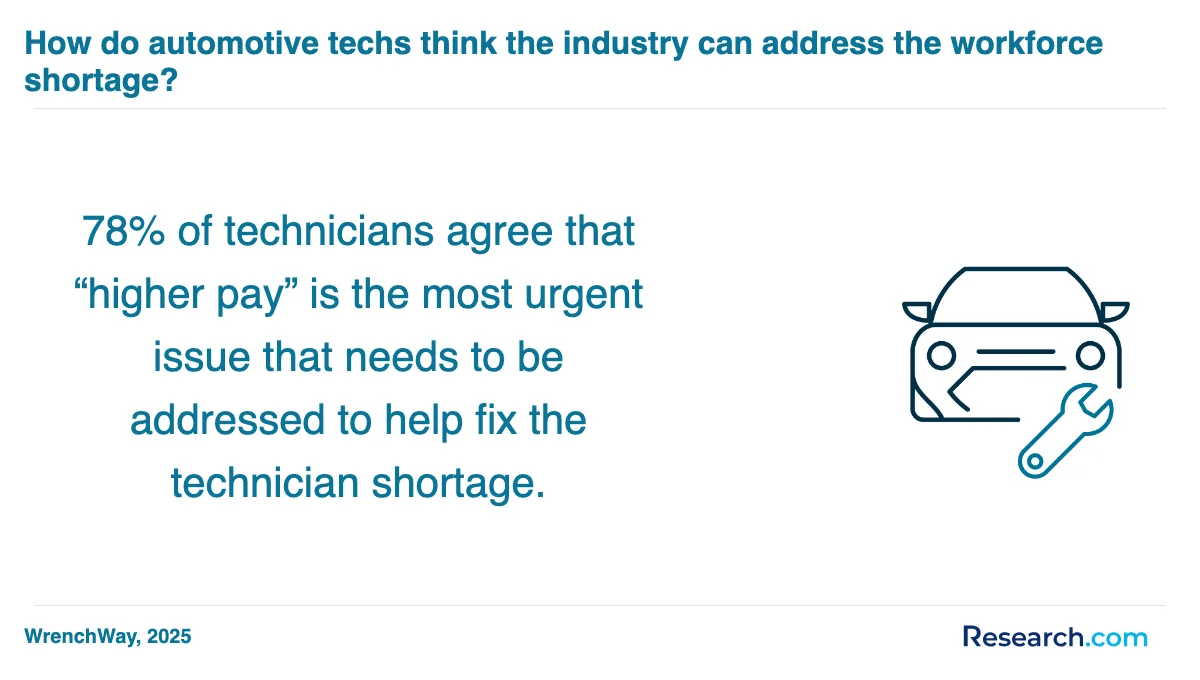
If you're diving into automotive technician trade school in Michigan, you'll quickly find the courses are designed to get your hands dirty and your skills sharp. At places like Grand Rapids Community College, graduates often talk about spending up to 90 hours working on real brakes, steering, suspension, and tire repair. It's not just theory - you're in labs that feel like actual service bays, using the latest diagnostic tools.
Typical courses cover core systems such as:
- Engine performance and repair
- Electrical systems troubleshooting
- Heating and air conditioning maintenance
- Transmissions and drivability
- Emission control systems
For many students, learning to read service manuals, mastering shop math, and using measurement tools become daily routines. Courses also emphasize clear communication with automotive terminology, which graduates find super helpful when they start working with technicians and customers.
Some Michigan schools, like Northwestern Michigan College, even offer specialized certificate tracks in hybrid technology and under-car work, giving students a chance to focus on what excites them most about cars and trucks. It's a hands-on, practical journey that really prepares you for the fast-paced world of automotive service.
Automotive technician trade school programs in Michigan offer a variety of specializations that really help students find their niche. Many graduates share how focusing on areas like general maintenance helps them confidently handle everyday vehicle checks and repairs, which is a solid starting point in Michigan automotive trade school programs. Others dive into automotive electrical systems-learning to troubleshoot complicated wiring or sensors that keep modern cars running smoothly.
Popular specializations include:
- Engine performance technician, where students learn to fine-tune engines for better fuel efficiency and lower emissions.
- Suspension and steering technician programs that train you to improve vehicle handling and safety.
- Heating, Ventilation, and Air Conditioning (HVAC) technician skills, which are great for those who enjoy working on comfort and climate control systems.
- Diesel mechanics, focusing on the heavy-duty engines in trucks and buses common in Michigan's transport industry.
With electric vehicles becoming a big deal here, some graduates highlight the emerging electric vehicle (EV) technician specialization built into these programs. They get hands-on with battery management and high-voltage systems, making this a smart choice for those excited about the future of automotive tech in Michigan.
For anyone debating their next move, Michigan students often compare trade options and college vs trades to match their career goals and training style perfectly.
Choosing from the best automotive technician trade schools in Michigan means starting with accredited schools that have strong hands-on training. Graduates from places like MIAT College of Technology and Lansing Community College often share how their mix of classroom learning and real-world experience, especially in updated automotive labs, gave them the confidence to tackle modern car tech right away.
Many students find that how to choose automotive tech program Michigan boils down to balancing cost, location, and schedule. For example, community colleges in bigger cities like Ann Arbor offer evening classes that fit well if you're working while studying. Plus, in-state tuition at these schools is usually more affordable, which helps keep debt low.
Don't forget to ask about job placement and industry connections. Graduates from Macomb Community College and Baker College often praise how these partnerships helped them land solid jobs quickly. If you want to dive deeper into options, check out this detailed guide on trade schools for auto mechanics.

Graduates of automotive technician trade school programs in Michigan find themselves with plenty of exciting options. Whether fresh out of popular trade schools or those with hands-on experience, many jump right into roles like automotive service technician, mechanic, or automotive body repairer. It's common to see them thrive in bustling Detroit Metro area shops or southern Lower Peninsula dealerships, where the demand for skilled pros remains strong.
Some really enjoy the diversity of roles available:
- Bus, truck, and diesel mechanic positions for those who love heavy-duty vehicles
- Fleet service roles supporting schools and municipalities
- Machine shop repair or stepping up as a service manager or shop foreman
Others take a creative route, working in parts sales, service writing, or even joining race team pit crews where quick thinking and skill pay off big. Michigan automotive trade school graduate jobs can also lead to entrepreneurial paths like starting a repair business, especially with ASE certification.
If you're considering advancing your skills further, many grads explore roles as mechanical engineering technicians or teachers. For those aiming to boost credentials, pursuing a bachelor in automotive technology is a smart next step that opens doors in the state's growing mobility sector. This kind of focus keeps many graduates motivated and excited about their automotive technician career opportunities in Michigan.
The automotive technician job outlook in Michigan is a mix of steady opportunities and evolving demands. Graduates from popular trade schools around Detroit and Lansing often share how their hands-on training helped them land jobs quickly, especially as shops look for techs skilled in both traditional repairs and the latest EV technologies. Many found openings ranging from entry-level positions at local garages to specialized roles with luxury dealerships and fleet services.
Here's what these new technicians are experiencing:
- Techs with experience in diagnostics and multiple brands are highly sought after.
- Starting wages can be around $17 per hour, with average pay climbing to about $24 per hour as skills and certifications grow.
- Employers sometimes offer signing bonuses and clear paths to advance in pay and responsibilities.
It's worth noting that, despite these positives, Michigan ranks 50th nationally for automotive technician salary in 2026, so some grads consider additional certification or relocation to boost earnings. For those interested in flexible learning options, checking out the best online vocational trade schools can be a smart move while starting a career in this changing industry.
Most Affordable Automotive Technician Schools, Colleges & Trade Certification Training Programs in Michigan for 2026
# 1 position
Macomb Community College - Automobile/Automotive Mechanics Technology/Technician.
associateMacomb Community College offers a hybrid program in Automobile/Automotive Mechanics Technology/Technician that prepares students to repair, service, and maintain various automobile systems, including brakes, electrical, engines, transmissions, and heating/air conditioning. The program is accredited by the Higher Learning Commission and features an annual in-state tuition of $3,600. Graduates earn a median income of $33,195 one year after completion.
# 2 position
Macomb Community College - Automobile/Automotive Mechanics Technology/Technician.
certificate or diplomaMacomb Community College offers a hybrid program in Automobile/Automotive Mechanics Technology/Technician that prepares students to repair, service, and maintain various automobile systems. The curriculum covers brake systems, electrical systems, engine performance and repair, suspension and steering, transmissions, and heating and air conditioning. The program's annual in-state tuition is $3,600. Graduates have median earnings of approximately $33,195 one year after completion. It is accredited by the Higher Learning Commission.
# 3 position
Lansing Community College - Automobile/Automotive Mechanics Technology/Technician.
associateLansing Community College offers a hybrid Automobile/Automotive Mechanics Technology/Technician program that prepares students to repair, service, and maintain various automobiles. The curriculum covers brake systems, electrical systems, engine performance and repair, suspension, steering, transmissions, drive trains, and heating and air conditioning systems. Annual in-state tuition is $4,010. Graduates earn a median income of $33,545 one year after completing the program. The program is accredited by the Higher Learning Commission.
# 4 position
Lansing Community College - Automobile/Automotive Mechanics Technology/Technician.
certificate or diplomaLansing Community College offers a hybrid program in Automobile/Automotive Mechanics Technology/Technician designed to prepare students for repairing, servicing, and maintaining various automobiles. The curriculum covers brake systems, electrical systems, engine performance and repair, suspension, steering, transmissions, and heating and air conditioning systems. The program’s annual in-state tuition is $4,010, and median earnings one year after completion are $33,545.25. It is accredited by the Higher Learning Commission.
# 5 position
Washtenaw Community College - Automobile/Automotive Mechanics Technology/Technician.
associateWashtenaw Community College offers a hybrid Automobile/Automotive Mechanics Technology/Technician program designed to prepare students to repair, service, and maintain various automobile systems. The curriculum covers brake systems, electrical systems, engine performance and repair, suspension and steering, transmissions, and heating and air conditioning. The program is accredited by the Higher Learning Commission. Annual in-state tuition is $2,736, with median earnings one year after completion of $37,457.
# 6 position
Washtenaw Community College - Automobile/Automotive Mechanics Technology/Technician.
certificate or diplomaWashtenaw Community College offers a hybrid program in Automobile/Automotive Mechanics Technology/Technician, designed to train students in repairing, servicing, and maintaining various automobile systems. The curriculum covers brake systems, electrical systems, engine performance and repair, suspension and steering, transmissions, and heating and air conditioning. The program is accredited by the Higher Learning Commission. Annual in-state tuition is $2,736, and median earnings one year after completion are $37,457.
# 7 position
Grand Rapids Community College - Automobile/Automotive Mechanics Technology/Technician.
associateThe Automobile/Automotive Mechanics Technology/Technician program at Grand Rapids Community College offers hybrid instruction focused on repairing, servicing, and maintaining various automobile systems. Topics include brake systems, electrical systems, engine performance and repair, suspension and steering, transmissions, and heating and air conditioning. The program is accredited by the Higher Learning Commission. Annual in-state tuition is $4,059, and median earnings one year after completion are $37,927.
# 8 position
Grand Rapids Community College - Automobile/Automotive Mechanics Technology/Technician.
certificate or diplomaThe Automobile/Automotive Mechanics Technology/Technician program at Grand Rapids Community College offers hybrid learning with some distance-education options. It prepares students to repair, service, and maintain various automobile systems, including brakes, electrical, engine performance and repair, suspension, steering, transmissions, and heating and air conditioning. The program is accredited by the Higher Learning Commission. Annual in-state tuition is $4,059, and median earnings one year after completion are $37,927.
# 9 position
Oakland Community College - Automobile/Automotive Mechanics Technology/Technician.
associateOakland Community College offers a Hybrid program in Automobile/Automotive Mechanics Technology/Technician. The curriculum prepares students to repair, service, and maintain various automobile systems, including brakes, electrical, engine performance and repair, suspension, steering, transmissions, and heating and air conditioning. Annual in-state tuition is $3,020. The program is accredited by the Higher Learning Commission, ensuring quality education and training for future automotive technicians.
# 10 position
Oakland Community College - Automobile/Automotive Mechanics Technology/Technician.
certificate or diplomaOakland Community College offers a hybrid Automobile/Automotive Mechanics Technology/Technician program that prepares students to repair, service, and maintain various automobile systems. The curriculum covers brake systems, electrical systems, engine performance and repair, suspension and steering, transmissions, and heating and air conditioning. The program is accredited by the Higher Learning Commission, and annual in-state tuition costs $3,020.
Frequently Asked Questions about automotive technician
After completing an automotive technician trade school in Michigan, preparing for the job market involves several strategic steps. First, obtaining industry certifications such as the National Institute for Automotive Service Excellence (ASE) credentials significantly improves employability. According to the Michigan Department of Labor, ASE-certified technicians earn 10-15% more on average than non-certified peers.
Networking is also crucial; attending local automotive trade events and joining professional associations can provide valuable job leads. Many schools offer job placement assistance, which students should utilize fully. Additionally, gaining hands-on experience through internships or apprenticeships in Michigan's growing auto repair sector enhances practical skills and resumes.
Finally, staying updated on emerging automotive technologies, including electric vehicles, is important as the industry evolves rapidly.
Employers in Michigan highly value practical skills in automotive technician graduates. Key competencies include diagnostic abilities, particularly with electronic systems, reflecting the increasing complexity of modern vehicles. According to the Michigan Department of Labor and Economic Opportunity, proficiency in using computerized diagnostic tools is essential for entry-level technicians.
Strong mechanical skills remain fundamental, including engine repair, brake systems, and suspension work. Communication skills are also important, as technicians often explain repairs to customers and work within team environments. Problem-solving abilities and adaptability to new technologies rank highly.
Additionally, certifications such as ASE (Automotive Service Excellence) improve job prospects, as reported by the National Institute for Automotive Service Excellence. Employers seek graduates who combine technical knowledge with hands-on experience gained through trade school programs.
Finding internships relevant to automotive technician trade school programs in Michigan involves several strategic steps. Start by contacting your trade school's career services office, as many schools maintain partnerships with local auto shops and dealerships. According to the Michigan Department of Labor and Economic Opportunity, the state supports workforce development programs linking students with employers in the automotive sector.
Additionally, explore apprenticeship programs registered with the Michigan Apprenticeship Program, which often include paid internships. Networking at industry events, such as those hosted by the Michigan Automotive Dealers Association, can also connect you with potential internship opportunities. Online job boards and the Michigan Works! agency provide listings specifically for automotive internships within the state, increasing your chances of finding suitable placements.
Obtaining a diploma from an automotive technician trade school in Michigan significantly enhances career mobility and advancement opportunities. According to the Michigan Department of Labor and Economic Opportunity, certified automotive technicians earn a median wage notably higher than non-certified counterparts, reflecting the value employers place on formal training.
A diploma demonstrates proficiency in essential skills like engine repair, diagnostics, and electrical systems. This formal credential often leads to quicker promotions and eligibility for specialized roles within dealerships and repair shops.
Additionally, many employers in Michigan prefer or require graduates from accredited trade programs, increasing job prospects. With the state's automotive industry evolving rapidly, a diploma also supports adaptability to new technologies, which is crucial for career growth.
Students enrolled in automotive technician trade schools in Michigan can benefit from several part-time job opportunities that enhance their practical skills. Common options include positions as automotive service assistants, where students support experienced technicians in repair shops. These roles provide hands-on experience with diagnostics and vehicle maintenance, complementing classroom learning.
Additionally, jobs at car dealerships or tire centers offer exposure to customer service and inventory management related to automotive parts. According to the U.S. Bureau of Labor Statistics, Michigan's automotive service technician employment is projected to grow by 6% from 2022 to 2032, indicating steady demand for skilled workers. Part-time roles allow students to build relevant work history while pursuing their education.
Such opportunities not only improve technical expertise but also help develop soft skills like communication and time management, which are valuable in the automotive industry.
To find an affordable Automotive Technician degree program near me, consider exploring local community colleges and technical schools which often offer cost-effective options. Near Michigan, numerous institutions provide relevant programs, and you can compare tuition rates and facilities by contacting schools directly or checking their official educational offerings. Additionally, resources like Research.com can assist with identifying and comparing programs to ensure they meet your specific requirements and budget.
- Most Affordable Automotive Technician Schools, Colleges & Trade Certification Training Programs in Wisconsin for 2026
- Most Affordable Automotive Technician Schools, Colleges & Trade Certification Training Programs in Minnesota for 2026
- Most Affordable Automotive Technician Schools, Colleges & Trade Certification Training Programs in Kentucky for 2026
- Most Affordable Automotive Technician Schools, Colleges & Trade Certification Training Programs in Iowa for 2026
- Most Affordable Automotive Technician Schools, Colleges & Trade Certification Training Programs in Missouri for 2026
- Most Affordable Automotive Technician Schools, Colleges & Trade Certification Training Programs in Virginia for 2026
- Most Affordable Automotive Technician Schools, Colleges & Trade Certification Training Programs in North Carolina for 2026
- Most Affordable Automotive Technician Schools, Colleges & Trade Certification Training Programs in Delaware for 2026
- Most Affordable Automotive Technician Schools, Colleges & Trade Certification Training Programs in South Carolina for 2026
- Most Affordable Automotive Technician Schools, Colleges & Trade Certification Training Programs in Alabama for 2026
- Automotive Mechanic Trade School | Sheridan Technical College https://www.sheridantechnicalcollege.edu/automotive-technology/
- Automotive Technician | Clover Park Technical College https://www.cptc.edu/programs/auto-tech
- Automotive Technology Program https://gwinnetttech.edu/automotive/
- Find an Auto Mechanic School | Training & Industry Details https://www.trade-schools.net/trades/automotive-mechanic
- Online Auto Mechanic School | Penn Foster https://www.pennfoster.edu/programs/automotive/auto-repair-career-diploma
- Automotive Technician | Grand Rapids Community College https://www.grcc.edu/schools-departments/school-workforce-training/job-training-programs/automotive-technician
- Automotive Service Technology Program | College of DuPage https://www.cod.edu/academics/programs/autotech/
- Automotive Tech Programs | Auto Technician Training | South Texas https://www.stvt.edu/career-training-programs/skilled-trades/automotive-service-technician/
- Automotive Service Technicians and Mechanics : Occupational Outlook Handbook: : U.S. Bureau of Labor Statistics https://www.bls.gov/ooh/installation-maintenance-and-repair/automotive-service-technicians-and-mechanics.htm
- Automotive Mechanic Salary Guide For The United States In 2024 https://www.lincolntech.edu/news/automotive/automotive-technology/automotive-mechanic-salary-guide-united-states


