
Most Affordable Automotive Technician Schools, Colleges & Trade Certification Training Programs in Iowa for 2026

Co-Founder and Chief Data Scientist
Exploring a career as an automotive technician can open doors to a rewarding and stable future. If you’re in Iowa and looking for affordable training options, this article is designed just for you.
The Research.com team of data scientists has created a detailed ranking of automotive technician trade school programs to help you make an informed decision. By reading this guide, you’ll discover which schools offer great value without compromising quality.
Whether you’re aiming for a diploma or certification, this information will support your journey toward a skilled, fulfilling career.
Key benefits of finishing automotive technician trade school in Iowa
- Graduates of automotive technician trade schools in Iowa can expect an average annual salary between $61,603 and $62,823, with opportunities to earn up to $75,938 as experience and certifications grow.
- Career paths include working at dealerships, independent repair shops, or fleet maintenance companies, offering diverse roles and steady advancement for trade school graduates.
- Completing an automotive technician trade school online provides flexibility and quicker entry into the workforce, ideal for those balancing life commitments while gaining valuable hands-on skills.
- Most Affordable Automotive Technician Schools, Colleges & Trade Certification Training Programs in Iowa for 2026
- What can I expect from automotive technician trade schools in Iowa?
- Where can I work after finishing automotive technician trade schools in Iowa?
What can I expect from automotive technician trade schools in Iowa?
Expect a dynamic blend of classroom learning and hands-on training when you enroll in an automotive technician trade school program in Iowa. Graduates from well-known schools like Iowa Lakes and Kirkwood often describe the experience as both challenging and rewarding, with real-world labs that simulate busy auto shops. You'll dive into topics such as engine repair, electrical systems, and computerized vehicle diagnostics, gaining skills that feel immediately applicable.
Many students appreciate the guidance from ASE Certified instructors who bring industry expertise directly to the classroom. Imagine diagnosing vehicle issues using the latest diagnostic tools or mastering brake systems during practical sessions. These programs often include specialized training, like Toyota's TECS Elite, offering a glimpse into manufacturer-specific repair techniques.
Students also find value in the career-focused approach, with preparation for certifications that boost employability. Knowing that peers have transitioned smoothly into dealership roles or service management creates a motivating atmosphere. Financial aid options and supportive admissions processes help ease the path, making this a promising step toward a stable automotive career in Iowa.
Where can I work after finishing automotive technician trade schools in Iowa?
After finishing an automotive technician trade school program in Iowa, graduates often find themselves stepping into diverse and rewarding career paths. Many start as automotive or service technicians in local repair shops, dealerships, or franchise service centers. For example, graduates from popular Iowa trade schools frequently describe landing positions in cities like Des Moines and Iowa City, where over 470 automotive technician jobs are actively available.
Others explore specialized roles, such as diesel mechanics, lube technicians, or fleet maintenance experts. Imagine working for a company like Mobile Fleet Solutions, where your skills help keep commercial vehicles running smoothly across the state. Graduates often highlight the satisfaction of on-the-job training combined with their trade school education, which prepares them well for advancing into certifications and higher-paying roles.
Many find opportunities in mobile repair services or niche areas like RV repair and paint and body work, enjoying the flexibility and variety these roles offer. The steady demand in both urban and rural Iowa ensures that your newly acquired expertise opens doors to careers that feel meaningful and secure.
After completing an automotive technician trade school program in Iowa, many graduates find themselves earning a starting salary typically between $55,000 and $62,000 annually. These numbers come from real experiences of students who trained at well-known Iowa trade schools and quickly landed jobs in local dealerships or repair shops. Many share how their hands-on training gave them the confidence to negotiate better pay and take on challenging roles early in their careers.
Hourly wages often range from about $20 to $30 per hour, with some technicians earning up to $40 per hour in more competitive markets like Des Moines. Graduates report that overtime opportunities can add an extra $5,000 or more annually, boosting their income further. This practical pay scale offers a strong incentive to keep building skills and certifications.
Many graduates relate that their starting pay felt rewarding, especially knowing it reflected their newly acquired expertise and the demand for automotive skills across Iowa. For those eager to grow, the potential earnings climb steadily as experience and certifications accumulate, making the investment in trade school a promising step toward a stable, well-paying career.
- Most programs require a high school diploma or GED, with lengths from six months for certificates to two years for associate degrees.
- Many Iowa programs are accredited by NATEF, and instructors often hold ASE certifications; ASE certification is encouraged but not legally required.
- Tuition for a one-year diploma typically ranges from $5,000 to $10,000, with scholarships like the Kibbie Grant available to cover up to half of the cost.
- The automotive technology field in Iowa is expected to grow 4.14% between 2020 and 2030, with about 8,550 jobs projected by 2025.
- Entry-level technicians usually earn $35,000 to $40,000 annually, while experienced technicians in larger cities can make $50,000 or more.
- No state licensing is required, but employers prefer formal training, certifications, a valid driver's license, and a clean driving record.
Completing an automotive technician trade school program in Iowa typically takes between 12 to 24 months, depending on the school and the depth of the curriculum. Many graduates from well-known Iowa trade schools share how immersive and hands-on the experience feels, accelerating their confidence and skills quickly. One common sentiment is the excitement of moving from classroom theory to real-world repairs within just a few months.
At popular schools, students often balance foundational courses with intensive lab work, making each day both challenging and rewarding. For instance, some programs offer accelerated tracks that allow dedicated students to finish closer to a year, which graduates describe as an intense but gratifying sprint toward certification.
Others opt for extended pathways that spread learning over two years, providing extra time to master diagnostic technology and complex vehicle systems. Graduates from these programs often appreciate the thorough preparation, feeling fully ready to tackle Iowa's evolving automotive industry.
The key difference between online and on-campus automotive technician trade school programs in Iowa centers on hands-on experience versus theoretical learning. Graduates from schools like Iowa Lakes Community College and Hawkeye Community College often recall the excitement of working directly on real vehicles in fully equipped labs. They practiced using industry-standard diagnostic tools and learned safety protocols firsthand, gaining confidence through immediate instructor feedback.
In contrast, those pursuing online programs focus more on understanding automotive systems through virtual simulations and video lessons. While convenient, these students sometimes feel the challenge of missing the tactile aspect-like the feel of tightening a bolt or diagnosing engine noises in person. Many have arranged local internships to bridge this gap, eager to apply their knowledge practically.
On-campus students appreciate the collaborative environment, exchanging tips with peers and accessing specialized equipment unavailable online. This immersive setting fosters a sense of readiness and pride, essential for Iowa's competitive automotive job market.
The average tuition fees for automotive technician programs in Iowa at public institutions generally range between $6,000 and $10,000 per year for in-state students. Many graduates from schools like Western Iowa Tech Community College recall paying around $7,488 annually while gaining hands-on experience through well-equipped workshops. This cost feels manageable to students who are eager to enter the field, knowing that practical skills and certifications add value beyond the tuition amounts. Private trade schools command higher prices, often between $15,000 and $30,000 per year, attracting students seeking specialized or accelerated training.
Besides tuition, students should anticipate expenses related to tools, textbooks, and uniforms. Many graduates mention budgeting roughly $1,000 to $4,000 for essential tools, although some programs suggest planning for higher costs, up to $10,000, to ensure full readiness. Course materials typically add an extra $1,673, with uniforms costing around $800, while certification and testing fees amount to approximately $840. These additional costs contribute to the overall cost of automotive technician trade school in Iowa but are seen as worthwhile investments by students who envision successful careers ahead.
Financial aid programs, including the Kibbie Grant and federal Pell Grants, significantly reduce the burden for many. Industry scholarships also bring encouragement and support during training. For those looking for flexible study options, some explore online classes trade schools to complement their hands-on learning. Many graduates reflect on how balancing these financial considerations made their training journey both attainable and rewarding.
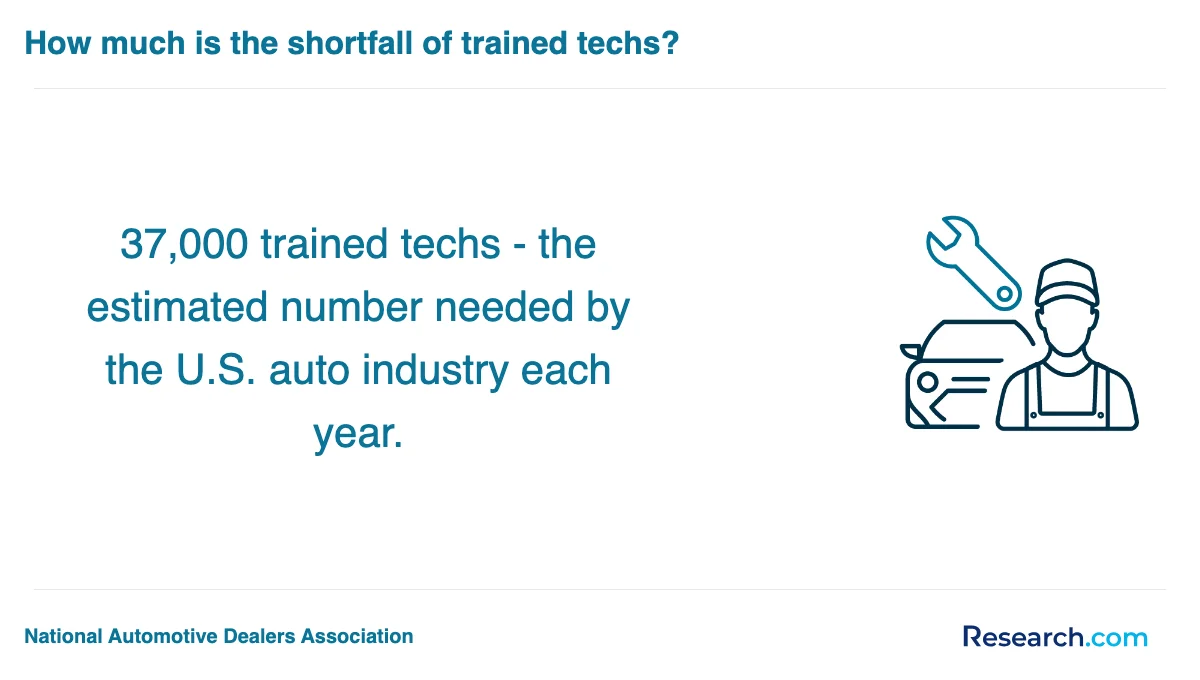
Automotive technician students in Iowa often find financial aid that makes their education more attainable and less stressful. Many graduates from Kirkwood Community College share how the Iowa Vocational-Technical Tuition Grant eased their burden, providing up to $1,000 per year to help cover costs. This grant requires demonstrating financial need through the FAFSA, which encourages students to plan ahead and stay organized.
The Iowa Automobile Dealers Foundation for Education Scholarship is another beacon of hope. Some students recall the excitement of receiving one of the 15 scholarships worth $3,000 each, awarded for dedication to an automotive career and strong academics. This scholarship can transform the path to certification into a more affordable, achievable goal.
Additionally, the Last Dollar Scholarship often makes the difference between struggling with tuition and graduating debt-free, as it covers remaining costs after other aid is applied. Many students at Iowa trade schools experience relief knowing they can focus on hands-on training without constant financial worry.
Institutional scholarships from community colleges like Kirkwood offer further support, sometimes covering nearly half the tuition, which many automotive students say boosts their confidence and motivation throughout their program.
Enrolling in an automotive technician trade school program in Iowa typically requires a few key prerequisites that set students up for success. Most trade schools in Iowa expect applicants to have a high school diploma or GED, ensuring a basic level of academic readiness. Graduates often recall how this foundation helped them grasp technical manuals and diagnostic software with greater ease.
Beyond formal education, schools commonly look for:
- Basic math and reading skills, essential for understanding complex repair procedures and safety protocols
- A genuine interest in automotive technology, often demonstrated through prior hands-on experience or hobby work on vehicles
- Physical stamina and dexterity, as the work frequently involves lifting parts and working in confined spaces
For example, students at well-known Iowa trade schools often share that having prior exposure to car maintenance-like changing oil or brake pads-boosted their confidence during early training sessions. In these programs, instructors appreciate when students come prepared with a proactive mindset and a willingness to learn through both classroom instruction and practical workshops.
Some schools may also require placement tests or interviews to assess readiness, helping tailor support for each student's journey. This forward-thinking approach ensures that every aspiring technician in Iowa is equipped to thrive in a fast-evolving automotive industry.

Students at Iowa's automotive technician trade schools typically dive into courses that build both confidence and skills through hands-on learning. Graduates often recall the satisfaction of mastering engine repair, where they practiced tasks like long block removal and installation, making complex repairs feel achievable. Popular programs emphasize:
- Manual and automatic transmissions, teaching diagnosis and maintenance of drivetrains.
- Brake systems, including both traditional and anti-lock brakes, enhancing safety expertise.
- Suspension and steering systems, covering alignment and electronic controls.
- Electrical and electronic systems, focusing on automotive circuits and control modules.
Many students find courses on fuel and emission systems, air conditioning and heating, and powertrain management incredibly relevant as vehicles evolve. Iowa's programs often include technical math, computer skills, and shop management, preparing students for real-world challenges.
Graduates frequently mention the value of internships or work experience seminars, which provide a glimpse into daily shop life and customer interactions. Courses in human relations or customer service also help students develop communication skills vital for future service advisor roles. This comprehensive curriculum, certified by NATEF, ensures that Iowa students are ready for ASE certification and a rewarding automotive career.
Automotive technician trade school programs in Iowa offer many exciting specializations tailored to today's rapidly evolving vehicle technologies. Graduates from schools like Kirkwood Community College often describe their hands-on experiences working with core systems such as engine repair, fuel and emission controls, electronic diagnostics, automatic transmissions, brakes, and air conditioning. These Iowa automotive technician training programs help students master practical skills essential for thriving in a competitive job market.
Specializations go beyond the basics, with options including:
- Auto collision repair and auto glass installation
- Diesel mechanics and heavy truck technician training
- Brake, suspension, and steering system maintenance
- Advanced engine diagnostics and automotive electrical systems
Graduates find these focused tracks rewarding, often securing positions where technical expertise in diagnostics and electronic systems matters most. Many Iowa programs are NATEF accredited, preparing students for ASE certifications that boost employability. Interested students can explore opportunities and career paths with an automotive technology degree jobs tailored to the region's industry demands, ensuring they join a forward-looking workforce.
Choosing affordable automotive technician programs in Iowa means prioritizing accredited schools with hands-on training, like Kirkwood Community College, where graduates frequently highlight the confidence gained from working directly with advanced diagnostic tools. Imagine yourself mastering electrical systems in state-of-the-art facilities, just as many successful alumni have, knowing you're building practical skills that employers value. Job placement rates are equally critical; students from Iowa Central Community College often share how strong industry connections led to immediate employment after graduation, especially given the county's vast network of automotive dealerships.
When evaluating top-rated automotive trade schools in Iowa, consider programs offering specialized training in emerging technologies such as hybrid vehicle systems, preparing you for the evolving job market. Many former students appreciate the value of schools with partnerships like Kirkwood's Mopar® CAP LOCAL Program, which offers exclusive internships enhancing real-world readiness. Pursuing this path can set you up for the best paying trade jobs, making your education investment both practical and rewarding.
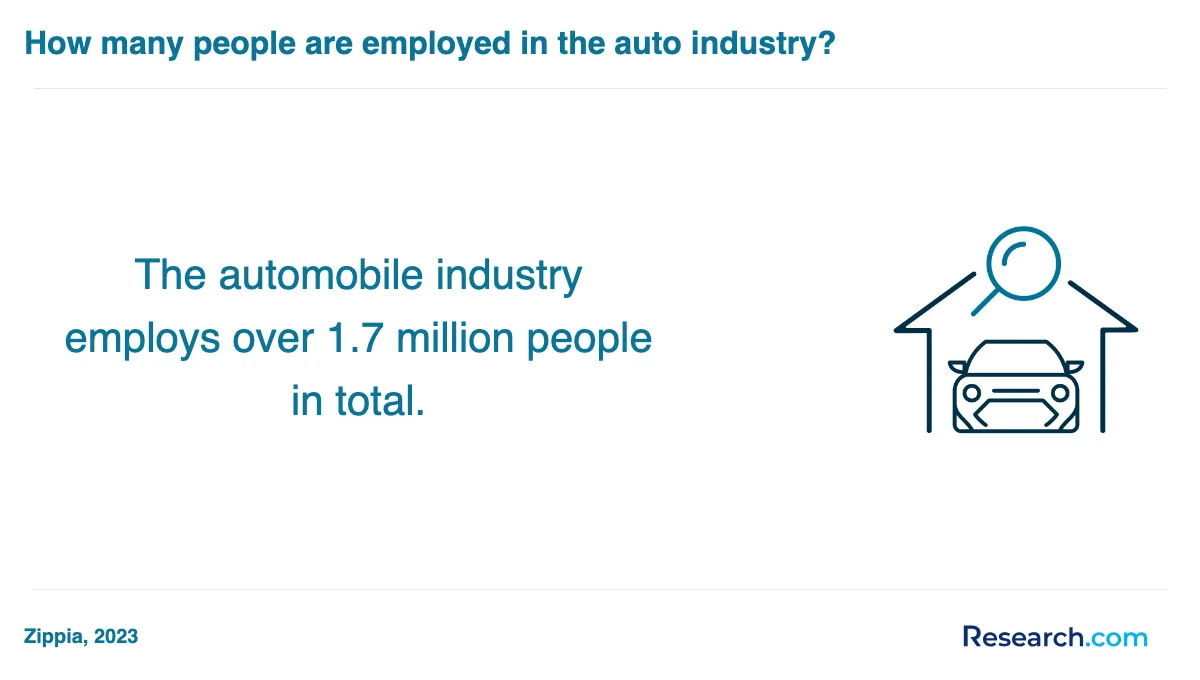
Graduates of automotive technician trade school programs in Iowa find a variety of rewarding career paths. Many begin as service technicians or dealership technicians, gaining hands-on experience diagnosing and repairing cars, trucks, and motorcycles. These early roles offer a solid foundation and entry into automotive technician jobs in Iowa, with starting salaries near $28,377 and growth to over $44,000 as skills develop.
Others with strong communication skills transition to service advisor positions, where they connect customers with technicians and explain repairs. This role can be particularly fulfilling for graduates who enjoy problem-solving and customer interaction, with Midwest service advisors earning an average of $79,563.
Ambitious graduates often aim for leadership roles such as service manager, overseeing service departments and teams. The automotive service manager career Iowa offers not only increased responsibility but a significant salary boost, averaging $135,870 annually, reflecting strong demand for management talent within dealerships and repair shops.
Specializing as diesel technicians is another promising path, focusing on heavy-duty vehicles critical to Iowa's agricultural economy, earning around $71,407 on average. Additionally, entrepreneurial graduates sometimes open repair shops or mobile services, combining technical skills with business savvy.
Popular trade schools in Iowa emphasize practical training that prepares graduates for these diverse options, empowering them to succeed locally or beyond. For students weighing education options, understanding why is college better than trade school can be valuable when planning their future in the automotive industry.
The automotive technician job market in Iowa is currently very promising for trade school graduates, with over 470 open positions as of August 2025. Graduates from popular programs in urban hubs like Des Moines often share how quickly they land jobs due to strong employer demand. Many employers provide supportive benefits like paid training and career advancement, which makes entering the field feel rewarding and motivating.
The demand for automotive technicians in Iowa is expected to grow by 8.4% through 2030, driven by the increasing complexity of vehicle technology and retirements in the workforce. This growth boosts confidence among recent graduates, who see clear opportunities to advance their careers. Experience and certifications such as ASE can push salaries beyond the average $61,603 annual pay, sometimes reaching as high as $75,938.
Common feedback from graduates highlights:
- Competitive starting salaries averaging around $30 per hour
- Supportive work environments ranging from local shops to national dealerships
- Access to employer-paid certification reimbursements
For those curious about how long does it take to become a automotive technician, Iowa's trade schools provide focused, hands-on training that aligns well with employer needs, enhancing readiness for the thriving job market.
Most Affordable Automotive Technician Schools, Colleges & Trade Certification Training Programs in Iowa for 2026
# 1 position
Western Iowa Tech Community College - Automobile/Automotive Mechanics Technology/Technician.
associateWestern Iowa Tech Community College offers a Hybrid program in Automobile/Automotive Mechanics Technology/Technician, preparing students to repair, service, and maintain various automobile systems. The curriculum covers brake systems, electrical systems, engine performance and repair, suspension and steering, transmissions, and heating and air conditioning. The program is accredited by the Higher Learning Commission. Annual in-state tuition is $5,042. Median earnings one year after completion reach $37,520.
# 2 position
Western Iowa Tech Community College - Automobile/Automotive Mechanics Technology/Technician.
certificate or diplomaWestern Iowa Tech Community College offers a hybrid Automobile/Automotive Mechanics Technology/Technician program that prepares students to repair, service, and maintain various automobile systems. The curriculum covers brake systems, electrical systems, engine performance and repair, suspension and steering, transmissions, and heating and air conditioning. Annual in-state tuition is $5,042. Graduates earn a median income of $37,520 one year after completion. The program is accredited by the Higher Learning Commission.
# 3 position
Indian Hills Community College - Automobile/Automotive Mechanics Technology/Technician.
associateIndian Hills Community College offers a hybrid program in Automobile/Automotive Mechanics Technology/Technician that prepares students to repair, service, and maintain various automobiles. The curriculum covers brake systems, electrical systems, engine performance and repair, suspension and steering, transmissions, and heating and air conditioning systems. The program is accredited by the Higher Learning Commission. Annual in-state tuition is $4,872, and median earnings one year after completion are $50,901.
# 4 position
Indian Hills Community College - Automobile/Automotive Mechanics Technology/Technician.
certificate or diplomaIndian Hills Community College offers a hybrid program in Automobile/Automotive Mechanics Technology/Technician that trains students to repair, service, and maintain various automobile systems, including brakes, electrical, engines, transmissions, and heating and air conditioning. The program is accredited by the Higher Learning Commission. Annual in-state tuition is $4,872. Graduates have median earnings of $50,901 one year after completion, reflecting strong job market potential.
# 5 position
Eastern Iowa Community College District - Automobile/Automotive Mechanics Technology/Technician.
associateThe Eastern Iowa Community College District offers a hybrid Automobile/Automotive Mechanics Technology/Technician program that prepares students to repair, service, and maintain various automobile systems. Coursework includes brake, electrical, engine performance and repair, suspension, steering, transmissions, and heating and air conditioning systems. The program is accredited by the Higher Learning Commission. Annual in-state tuition is $4,680. Median earnings one year after completion are approximately $26,829.
# 6 position
Eastern Iowa Community College District - Automobile/Automotive Mechanics Technology/Technician.
certificate or diplomaEastern Iowa Community College District offers a hybrid program in Automobile/Automotive Mechanics Technology/Technician that prepares students to repair, service, and maintain various automobile systems. Instruction covers brake systems, electrical systems, engine performance and repair, suspension, steering, transmissions, and heating and air conditioning. The program’s annual in-state tuition is $4,680. Graduates have median earnings of $26,829 one year after completion. The program is accredited by the Higher Learning Commission.
# 7 position
North Iowa Area Community College - Automobile/Automotive Mechanics Technology/Technician.
associateNorth Iowa Area Community College offers a hybrid program in Automobile/Automotive Mechanics Technology/Technician that prepares students to repair, service, and maintain various automobile systems. The curriculum includes brake systems, electrical systems, engine performance and repair, suspension, steering, transmissions, and heating and air conditioning. Annual in-state tuition is $6,436. The program is accredited by the Higher Learning Commission, and graduates earn a median salary of $47,882 one year after completion.
# 8 position
North Iowa Area Community College - Automobile/Automotive Mechanics Technology/Technician.
certificate or diplomaNorth Iowa Area Community College offers a hybrid program in Automobile/Automotive Mechanics Technology/Technician that prepares students to repair, service, and maintain various automobile systems. The curriculum covers brake systems, electrical systems, engine performance and repair, suspension and steering, transmissions, drivetrains, and heating and air conditioning. The program’s annual in-state tuition is $6,436, and graduates earn a median income of $47,882 one year after completion. It is accredited by the Higher Learning Commission.
# 9 position
Kirkwood Community College - Automobile/Automotive Mechanics Technology/Technician.
associateKirkwood Community College offers a hybrid Automobile/Automotive Mechanics Technology/Technician program designed to prepare students with skills to repair, service, and maintain automobiles. The curriculum covers brake systems, electrical systems, engine performance and repair, suspension, steering, transmissions, drive trains, and heating and air conditioning systems. The program is accredited by the Higher Learning Commission and has an annual in-state tuition of $5,980. Median earnings one year after completion are $44,896.
# 10 position
Kirkwood Community College - Automobile/Automotive Mechanics Technology/Technician.
certificate or diplomaKirkwood Community College offers a Hybrid program in Automobile/Automotive Mechanics Technology/Technician. The curriculum covers repair and maintenance of automobiles, including brake systems, electrical systems, engine performance, transmissions, and HVAC systems. Annual in-state tuition is $5,980. Graduates have a median earning of $44,896 one year after completion. The program is accredited by the Higher Learning Commission.
Frequently Asked Questions about automotive technician
After completing an automotive technician trade school in Iowa, it is essential to build a strong professional profile to enter the job market successfully. Begin by obtaining industry certifications such as ASE (National Institute for Automotive Service Excellence), which are highly valued by Iowa employers and can increase job prospects and wages.
Networking with local repair shops and dealerships during and after training can lead to valuable job opportunities. According to the Iowa Workforce Development, automotive technician jobs are expected to grow about 5% through 2030, reflecting steady demand.
Additionally, maintaining up-to-date knowledge of evolving automotive technologies, such as electric and hybrid vehicles, will make candidates more competitive. Practical experience through internships or apprenticeships offered by many trade schools further enhances employability in Iowa's automotive sector.
Employers in Iowa value a blend of technical skills and practical experience when hiring automotive technician trade school graduates. Proficiency in diagnosing and repairing modern vehicle systems, including computerized engine controls and hybrid technologies, is essential. According to the Iowa Workforce Development, about 70% of automotive employers prioritize hands-on experience with diagnostic tools and software.
Strong problem-solving abilities and attention to detail are also critical. Graduates must effectively interpret technical manuals and follow safety protocols. Communication skills matter too, as technicians often explain repairs to customers or collaborate with team members.
Finally, adaptability to rapidly evolving automotive technologies is highly regarded in Iowa's labor market, reflecting industry trends nationwide.
Finding internships in Iowa relevant to automotive technician trade school programs involves several strategic steps. Start by contacting your trade school's career services office, as many schools have established partnerships with local auto repair shops and dealerships. These partnerships often provide exclusive internship opportunities for students.
Additionally, explore resources like the Iowa Department of Workforce Development, which frequently lists automotive internships and apprenticeships statewide. According to the department's latest report, automotive service technician roles are expected to grow by 6% in Iowa through 2028, increasing internship availability.
Networking through local automotive associations, such as the Iowa Automobile Dealers Association, can also connect you with employers offering hands-on experience. Finally, online job boards focused on Iowa, including those hosted by community colleges, may list internships specifically designed for automotive students.
Obtaining a diploma from an automotive technician trade school in Iowa can significantly enhance career mobility and advancement. According to the Iowa Workforce Development, skilled automotive technicians in the state experience steady job growth, with a projected 5% increase through 2030.
A diploma demonstrates practical skills and industry knowledge, making graduates more competitive for entry-level positions. Employers in Iowa often prefer candidates with formal training, which can lead to higher starting wages compared to uncertified workers.
Furthermore, trade school diplomas open pathways to certifications such as ASE, which are valued for career progression. Certified technicians in Iowa generally earn 10-20% more and have better job security.
Overall, completing a trade program increases opportunities for promotions and specialized roles within automotive service centers across Iowa.
Part-time jobs in Iowa that align well with automotive technician trade school education often include roles such as automotive service assistant, parts clerk, or tire technician. These positions provide hands-on experience with vehicle maintenance, repair processes, and parts inventory management.
According to the Iowa Workforce Development, automotive service technicians and mechanics earn a median wage of about $22 per hour, reflecting steady demand in the state. Working part-time in local repair shops or dealerships allows students to apply classroom knowledge while building professional networks.
Additionally, roles in car rental agencies or fleet maintenance departments offer exposure to vehicle diagnostics and routine upkeep, which are essential skills for technicians.
Such part-time employment not only supplements income but also enhances students' resumes, improving job prospects after graduation.
There are most affordable Automotive Technician degree programs available near Iowa, with many community colleges and technical schools offering cost-effective options for students. Programs near me may include discussions on tuition rates, scholarships, and vocational training designed to prepare students for workforce entry. Researchers can consider using resources like Research.com to explore specific details about programs and universities to find the best fit for their educational and financial needs.
- Most Affordable Automotive Technician Schools, Colleges & Trade Certification Training Programs in Minnesota for 2026
- Most Affordable Automotive Technician Schools, Colleges & Trade Certification Training Programs in Wisconsin for 2026
- Most Affordable Automotive Technician Schools, Colleges & Trade Certification Training Programs in South Dakota for 2026
- Most Affordable Automotive Technician Schools, Colleges & Trade Certification Training Programs in Missouri for 2026
- Most Affordable Automotive Technician Schools, Colleges & Trade Certification Training Programs in Kansas for 2026
- Most Affordable Automotive Technician Schools, Colleges & Trade Certification Training Programs in North Dakota for 2026
- Most Affordable Automotive Technician Schools, Colleges & Trade Certification Training Programs in Michigan for 2026
- Most Affordable Automotive Technician Schools, Colleges & Trade Certification Training Programs in Kentucky for 2026
- Most Affordable Automotive Technician Schools, Colleges & Trade Certification Training Programs in Colorado for 2026
- Most Affordable Automotive Technician Schools, Colleges & Trade Certification Training Programs in Louisiana for 2026
- Auto Mechanic Schools in Iowa https://automechanicschools.com/iowa/
- Automotive Technology AAS Degree | Hawkeye Community College Waterloo, IA https://www.hawkeyecollege.edu/programs/automotive-technology/
- Automotive Technology | EICC https://eicc.edu/classes-programs/pathway/transportation/automotive-technology/default.aspx
- Automotive Technology, AAS Degree - Iowa Lakes Community College https://iowalakes.edu/program/automotive-technology-aas/
- Automotive Mechanics - Northeast Iowa Community College https://www.nicc.edu/academics/programs/automotive-mechanics/
- Automotive Technology | AAS - Western Iowa Tech Community College https://www.witcc.edu/programs/25/
- DMACC Automotive & Diesel Program Details https://www.dmacc.edu/pathways/btt/auto-details.html
- profile icon https://www.niche.com/colleges/search/best-colleges-for-mechanics-repair/s/iowa/
- Automotive Technician Salary in Iowa | Salary.com https://www.salary.com/research/salary/posting/automotive-technician-salary/ia
- Auto mechanic salary in Iowa ‐ CareerExplorer https://www.careerexplorer.com/careers/auto-mechanic/salary/iowa/


