Most Affordable Automotive Technician Schools, Colleges & Trade Certification Training Programs in Kansas for 2026

Co-Founder and Chief Data Scientist
Choosing the right automotive technician trade school in Kansas can be overwhelming, but this article is here to help. We present a carefully crafted ranking of automotive technician trade school programs created by the Research.com team of data scientists to guide you toward the best options available.
Whether you’re starting a new career or enhancing your skills, earning a diploma or certification opens up promising opportunities. Reading this article will give you clear insights and confidence to make an informed decision that fits your goals and budget.
Key benefits of finishing automotive technician trade school in Kansas
- Graduates of automotive technician trade schools in Kansas can expect an average salary around $54,500 to $63,145 per year, with opportunities to earn more as experience and skills grow.
- Career paths include working as service technicians, shop managers, or specialized mechanics, offering diverse opportunities for growth and advancement within the automotive industry.
- Completing a trade school online offers flexibility and faster completion times, allowing graduates to balance work and study while entering the workforce sooner than traditional degree programs.
- Most Affordable Automotive Technician Schools, Colleges & Trade Certification Training Programs in Kansas for 2026
- What can I expect from automotive technician trade schools in Kansas?
- Where can I work after finishing automotive technician trade schools in Kansas?
What can I expect from automotive technician trade schools in Kansas?
When you join an automotive technician trade school program in Kansas, expect an immersive, hands-on experience that truly prepares you for the fast-paced automotive industry. Whether at WSU Tech, Flint Hills Technical College, or Johnson County Community College, graduates often share how much time they spent working directly on late-model vehicles in well-equipped labs-up to 80% of their training.
You'll dive into real-world tasks like diagnosing brake systems, repairing engines, and mastering electrical systems, all while using the latest diagnostic tools. Many students find themselves amazed by learning advanced skills for hybrid and electric vehicles, which keeps them ahead in today's evolving market.
Class sizes are small, making it easy to build strong connections with ASE-certified instructors who bring the industry into the classroom. Graduates frequently mention how affordable tuition combined with Kansas Promise scholarships made their dream career achievable.
Certification opportunities, including ASE student credentials and manufacturer-specific certifications, boost confidence and open doors to rewarding jobs. You'll feel supported every step of the way with transfer options and industry advisory boards guiding your path.
Where can I work after finishing automotive technician trade schools in Kansas?
After finishing an automotive technician trade school program in Kansas, graduates step into a world full of promising career paths. Many find rewarding jobs at independent auto repair shops scattered across both bustling cities like Kansas City and quieter rural towns. Here, new technicians gain hands-on experience working on a variety of vehicle makes and models, building confidence and diverse skills every day.
Others thrive in dealership service centers, where structured training and brand-specific certifications open doors to advancement and specialization. Imagine starting your day diagnosing a complex engine issue with the latest tools, knowing you're backed by manufacturer support and a clear career ladder.
Fleet maintenance roles offer another exciting avenue, working with delivery companies or municipal vehicles, perfect for those who enjoy variety and teamwork. Some graduates even branch into diesel mechanics or aircraft maintenance, leveraging additional certifications to expand their horizons.
Across the state, Kansas trade school alumni report not only stable incomes but also a strong sense of pride and purpose, fueled by steady demand and competitive pay. Their journey from classroom to career illustrates the vibrant opportunities awaiting every new graduate.
After completing an automotive technician trade school program in Kansas, graduates often find themselves stepping confidently into a rewarding career with strong earning potential. Many alumni from well-known Kansas trade schools share stories of starting their first jobs earning around $37,929 annually, quickly gaining hands-on experience and moving into roles paying between $54,500 and $63,145. This range reflects the typical starting point and growth after a few years in the field.
Imagine working at a bustling dealership in Wichita or Overland Park, where technicians can earn upwards of $24.79 per hour, with some skilled professionals making as much as $40.52. Graduates often express excitement about how certifications and specialization boost their paychecks, helping them rise from entry-level to top-tier positions earning over $100,000 yearly.
Many feel proud knowing their hard work leads to tangible financial rewards, supporting families and building futures. This journey from trade school classroom to thriving career in Kansas automotive shops inspires confidence and hope for anyone ready to start this path.
- Admission usually requires a high school diploma or GED, with some programs allowing high school juniors and seniors to enroll early.
- Program options include a one-year technical certificate (52 credit hours) or a two-year Associate of Applied Science degree (61 credit hours), with credit transfer available.
- Programs combine classroom instruction with hands-on training using modern diagnostic tools and late-model vehicles.
- Many schools are Kansas Promise Eligible, offering state-funded scholarships that can cover most or all tuition costs.
- Entry-level salaries for automotive technicians in Kansas range from $30,000 to $38,000 per year, with experienced technicians earning $45,000 or more.
Completing an automotive technician trade school program in Kansas typically takes between 9 months to 2 years, depending on the depth of the curriculum and whether students attend full-time or part-time. Many graduates from well-known Kansas trade schools share how they balanced hands-on training with classroom learning, allowing them to develop real skills quickly while staying motivated throughout the process.
One graduate recalls the excitement of their first day working directly on engines, which made the months fly by. Another highlights how the structured pace of a 12-month program kept their momentum strong, making the journey feel achievable and rewarding. The hands-on labs and internship opportunities at schools popular in Kansas create a dynamic environment, where students often feel a powerful sense of progress and purpose.
For those eager to enter the workforce swiftly, the compact timeframes combined with expert instructors make Kansas trade schools an inspiring option for launching a fulfilling career in automotive technology.
On-campus automotive technician programs in Kansas, like those at Flint Hills Technical College and Johnson County Community College, immerse students in hands-on training that truly brings learning to life. Graduates often share how working directly with industry-standard diagnostic and repair equipment in real shop settings made them confident and job-ready. Imagine spending your days fine-tuning engines, mastering brake services, and using alignment tools under the watchful eyes of ASE-certified instructors-this practical experience is invaluable and hard to replicate online.
In contrast, online programs focus mainly on theory, delivering automotive systems knowledge and diagnostic principles through virtual lessons. While this flexibility suits those balancing work or family, many Kansas schools such as WSU Tech and Cowley College still require in-person labs to develop critical hands-on skills. Students often appreciate hybrid options, which allow completing general education online but returning to campus for essential practical training.
Ultimately, the vibrant, tactile learning environment on campus helps students build real-world expertise and confidence, preparing them to thrive in automotive careers across Kansas.
The average tuition fees for automotive technician programs in Kansas can vary widely, reflecting differences in school types and program offerings. For example, graduates from Manhattan Area Technical College often recall investing around $31,801 for their Associate of Applied Science degree, which includes tuition, fees, books, and essential tools. This experience highlights a comprehensive learning environment that equips students with real-world skills.
Conversely, those attending Cowley College share how their total in-state cost, approximately $5,829, covers tuition, fees, books, and supplies, making it an affordable yet quality path into the trade. These numbers represent just the core expenses; students also factor in extra costs like specialized tools, textbooks, and certifications, creating a fuller picture of the cost of automotive technician trade schools in Kansas.
Many graduates describe how budgeting for tools, which typically range from $1,500 to $3,000, and allocating funds for textbooks and uniforms help them feel prepared and confident on day one. This practical approach extends to seeking financial support. Exploring scholarships, grants, and loans can ease the financial burden, opening doors to a rewarding career. To explore further options, especially flexible learning setups, consider checking out excellent vocational trade online training schools that support dedicated students through varied and affordable programs.

Automotive technician students in Kansas have a variety of financial aid options that make pursuing their passion affordable and achievable. Graduates from WSU Tech often share how the Kansas Promise Scholarship transformed their journey by covering tuition, books, and fees, allowing them to focus fully on hands-on learning without financial stress. Completing the FAFSA unlocks access to federal Pell Grants and student loans, which many students at Washburn Institute of Technology rely on to support their education.
State-specific aid programs like the Kansas Promise Scholarship reward commitment to the local community by helping students train for in-demand automotive careers with minimal out-of-pocket costs. At Metropolitan Community College, automotive students benefit from institutional scholarships and work-study opportunities, often paired with veteran support, easing the path to certification.
Additionally, partnerships with industry leaders such as General Motors ASEP offer targeted scholarships, making it possible for students to gain valuable experience while funding their education. For adults retraining, Workforce Innovation and Opportunity Act (WIOA) funds provide vital support, opening doors to rewarding automotive careers across Kansas.
Enrolling in an automotive technician trade school program in Kansas is an exciting step toward a rewarding career, and most schools have clear, achievable prerequisites that open the door to success. Typically, these programs require a high school diploma or GED, ensuring you have a solid foundation in basic math and reading skills. Graduates from popular Kansas trade schools often mention how these requirements prepared them for hands-on learning.
Many programs also expect students to demonstrate enthusiasm and a willingness to learn, which can be shown through a simple interview or an application essay. Some schools might ask for a background in basic automotive knowledge or previous experience with tools, but this is often encouraged rather than mandatory.
Here's what you can expect as common prerequisites:
- High school diploma or GED
- Basic proficiency in math and reading
- A positive attitude and eagerness to learn
- Sometimes, prior exposure to automotive concepts or mechanical work
Imagine stepping into a classroom at a well-known Kansas trade school, surrounded by peers who once stood where you are now-full of hope and determination. Graduates recall how meeting these straightforward requirements allowed them to focus fully on mastering the skilled trade, fueling their confidence as they moved from theory to hands-on practice. Your journey starts with these simple steps, opening the path to a fulfilling career under the hood.

Automotive technician trade school programs in Kansas offer a powerful blend of hands-on training and essential knowledge that graduates describe as both challenging and deeply rewarding. At schools like WSU Tech and Johnson County Community College, students dive into core courses that prepare them for real-world automotive repair with confidence and skill.
Key courses typically include:
- Engine Repair and Performance: Learning to diagnose and fix everything from basic engines to advanced performance issues, including gasoline and alternative-fuel systems.
- Electrical and Electronic Systems: Mastering vehicle wiring, electronic diagnostics, and emerging electric and hybrid vehicle technologies.
- Brake Systems: Understanding the intricacies of disc, drum, and anti-lock braking systems for vehicle safety.
- Steering and Suspension: Gaining skills to inspect, repair, and align critical handling components.
- Transmissions and Drivetrains: Hands-on training with both automatic and manual systems.
- Heating and Air Conditioning: Learning HVAC operation and repair, sometimes earning special certifications.
- Alternative Fuel Technologies: Exploring hybrid, electric, LPG, and CNG vehicle maintenance to stay ahead in a changing industry.
Graduates from Washburn Tech often share how these courses create a strong foundation, empowering them to confidently enter the workforce and adapt to evolving automotive technologies in Kansas and beyond.
Automotive technician trade school programs in Kansas offer exciting opportunities to specialize in areas that match the evolving automotive industry. Graduates from WSU Tech often share how automotive technology specializations in Kansas trade schools gave them hands-on experience with both traditional vehicles and cutting-edge electrical systems. This includes training in diagnostics, engine repair, and advanced electronics that bring their skills to a professional level.
Many students thrive in hybrid and alternative fuel vehicle programs Kansas schools provide, embracing the future by working on electric vehicles, hybrid fuel systems, and compressed natural gas technologies. For instance, students at Johnson County Community College gain real-world expertise by working on a variety of fuel systems, preparing them for the green automotive revolution.
Popular programs often include:
- Automotive Service Technology with OEM certification paths
- Alternative fuels and advanced electronics
- ASE certification core areas like brakes, transmissions, and engine repair
- Manufacturer-specific tracks such as GM ASEP and Ford ASSET
- Collision repair and diesel technology training
These wide-ranging specializations empower graduates to enter the workforce confidently, knowing their skills are in demand every day. Exploring how much does it cost to become an auto mechanic can inspire future students aiming to advance their careers through these diverse programs.
Choosing the best automotive technician trade school program in Kansas means focusing on hands-on experience and practical learning. Graduates from Flint Hills Technical College often share how their real-world lab sessions, making up 80% of the curriculum, built their confidence and skills to succeed on the job. Look for affordable automotive technician programs in Kansas that offer updated facilities like Johnson County Community College, where students train on over 30 different vehicle models, preparing them for a variety of career paths.
Top-rated automotive trade schools in Kansas also emphasize experienced instructors who bring industry knowledge to the classroom. Many students appreciate how instructors with certifications and years of practice guide them through challenges with relatable advice. Flexible program schedules, such as those at Washburn Institute of Technology, allow learners to balance life and study while pursuing their passion.
For those aiming to advance academically, exploring a bachelor of science in automotive technology schools can open additional opportunities beyond trade programs. By choosing a school that matches your goals and lifestyle, you set yourself up for a rewarding and exciting career in automotive technology.
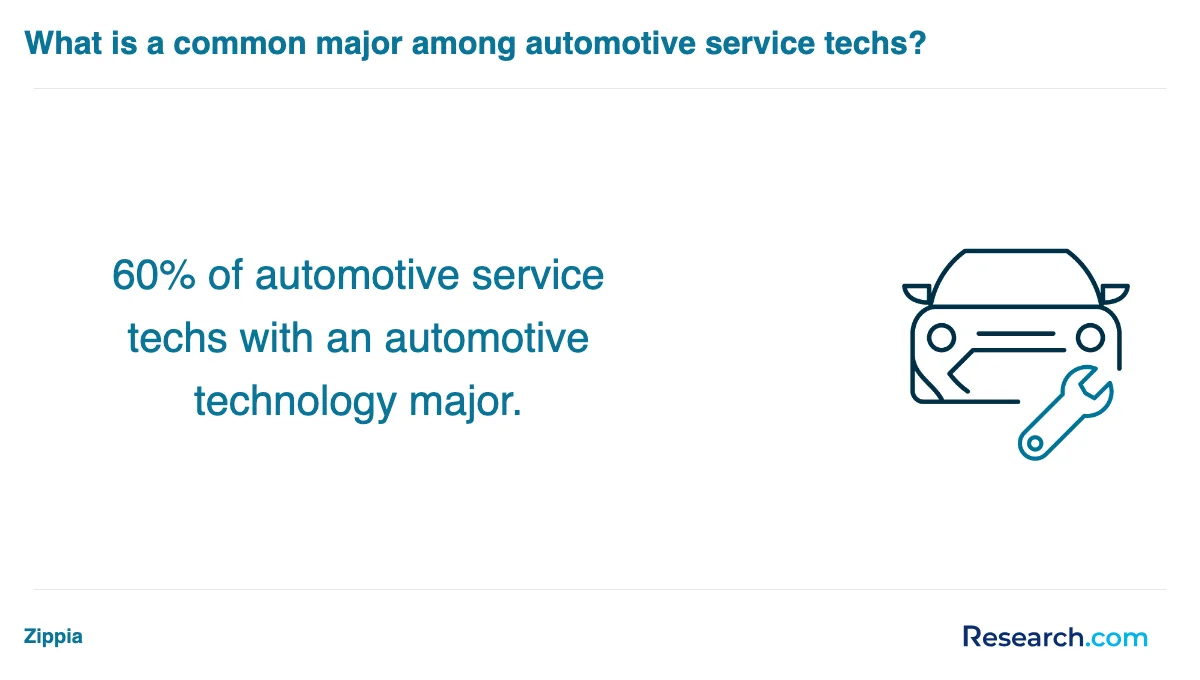
Graduates of automotive technician trade schools in Kansas find a rewarding range of automotive technician jobs in Kansas. Many begin as automotive service technicians or mechanics in local dealerships, repair shops, or fleet service companies. With hands-on training from leading programs such as those at WSU Tech, students gain skills in emerging technologies like hybrid and electric vehicles, opening doors to careers in electrical diagnostics and alternative fuel vehicle maintenance. Graduates often share how their training provides confidence tackling real-world challenges, from complex engine diagnostics to customer service roles.
Career growth frequently leads to specialized and leadership positions, including:
- Diagnostic specialists honing expertise in advanced automotive systems
- Service advisors managing client communications and repairs
- Shop forepersons overseeing daily operations and teams
For those seeking further advancement, paths to service manager, master technician, or automotive instructor roles become accessible through certifications like ASE and additional experience. Many graduates commend the flexibility their training offers, branching into parts distribution, insurance adjustments, or vehicle inspection jobs, highlighting the diversity of automotive technology career opportunities Kansas offers.
Moreover, students exploring affordable online mechanic course options find valuable resources to supplement their skills and career readiness, making this an ideal time to enter Kansas's thriving automotive industry.
The automotive technician job outlook in Kansas is exceptionally promising for graduates of local trade schools. Those completing programs at popular institutions in the state consistently report finding opportunities quickly, fueled by a high demand in towns like Kansas City and beyond. Employers value the hands-on experience and up-to-date training that graduates bring, making them highly sought after in dealerships, independent shops, and national chains. Many graduates describe the rewarding feeling of turning their passion into a stable career with strong community impact.
Wages reflect this demand vividly. Starting pay at places like Goodyear ranges from $24 to $36 per hour depending on skill level and certifications, rewarding graduates for their hard work and dedication. Benefits such as health insurance and career growth incentives motivate new technicians to continue advancing their skills.
Key factors driving this vibrant market include:
- Strong employer preference for certified technicians.
- Ongoing training opportunities tied to auto technology advancements.
- Encouragement to earn ASE certifications, enhancing job security.
- A robust network of job openings on platforms like Indeed.
For students weighing their paths, understanding the college vs. trade school debate is crucial, especially since trade schools in Kansas offer tailored curriculum that leads directly to in-demand careers. This clear pathway empowers graduates to confidently step into thriving automotive roles.
Most Affordable Automotive Technician Schools, Colleges & Trade Certification Training Programs in Kansas for 2026
# 1 position
Kansas City Kansas Community College - Automobile/Automotive Mechanics Technology/Technician.
certificate or diplomaKansas City Kansas Community College offers a hybrid program in Automobile/Automotive Mechanics Technology/Technician. The curriculum covers brake systems, electrical systems, engine performance and repair, suspension, steering, transmissions, drive trains, and heating and air conditioning systems. Annual in-state tuition is $3,150. Graduates have median earnings of $36,954 one year after completion. The program is accredited by the Higher Learning Commission.
# 2 position
Salina Area Technical College - Automobile/Automotive Mechanics Technology/Technician.
associateSalina Area Technical College offers a Hybrid program in Automobile/Automotive Mechanics Technology/Technician that prepares students to repair, service, and maintain various automobile systems, including brakes, engines, transmissions, and air conditioning. The program is accredited by the Higher Learning Commission. Annual in-state tuition is $7,020. Graduates earn a median income of $35,847 one year after completion, reflecting strong employment outcomes in the automotive field.
# 3 position
Salina Area Technical College - Automobile/Automotive Mechanics Technology/Technician.
certificate or diplomaSalina Area Technical College offers a hybrid program in Automobile/Automotive Mechanics Technology/Technician that prepares students to repair, service, and maintain various automobile systems. The curriculum includes brake systems, electrical systems, engine performance, repair, suspension, steering, transmissions, and heating and air conditioning. Annual in-state tuition is $7,020. Graduates have median earnings of $35,847 one year after completion. The program is accredited by the Higher Learning Commission.
# 4 position
Wichita State University-Campus of Applied Sciences and Technology - Automobile/Automotive Mechanics Technology/Technician.
associateThe Automobile/Automotive Mechanics Technology/Technician program at Wichita State University-Campus of Applied Sciences and Technology offers hybrid learning options. It prepares students to repair, service, and maintain various automobile systems, including brakes, electrical, engines, transmissions, and heating and air conditioning. The program’s annual in-state tuition is $6,018. Graduates earn a median salary of $56,315 one year after completion. The program is accredited by the Higher Learning Commission.
# 5 position
Wichita State University-Campus of Applied Sciences and Technology - Automobile/Automotive Mechanics Technology/Technician.
certificate or diplomaThe Automobile/Automotive Mechanics Technology/Technician program at Wichita State University-Campus of Applied Sciences and Technology offers a hybrid format with some distance education. It prepares students to repair, service, and maintain various automobile systems, including brakes, electrical, engines, transmissions, and HVAC. Annual in-state tuition is $6,018. Graduates have median earnings of $56,315 one year after completion. The program is accredited by the Higher Learning Commission.
# 6 position
North Central Kansas Technical College - Automobile/Automotive Mechanics Technology/Technician.
associateNorth Central Kansas Technical College offers a hybrid program in Automobile/Automotive Mechanics Technology/Technician that prepares students to repair, service, and maintain various automobiles. The curriculum includes brake systems, electrical systems, engine performance and repair, suspension and steering, transmissions, and heating and air conditioning systems. The annual in-state tuition is $7,208. Graduates have median earnings of $31,125 one year after completion. The program is accredited by the Higher Learning Commission.
# 7 position
Seward County Community College - Automobile/Automotive Mechanics Technology/Technician.
associateSeward County Community College offers a Hybrid program in Automobile/Automotive Mechanics Technology/Technician, preparing students to repair, service, and maintain various automobile systems. Instruction covers brake systems, electrical systems, engine performance and repair, suspension and steering, transmissions, and heating and air conditioning. The program is accredited by the Higher Learning Commission. Annual in-state tuition is $3,744.
# 8 position
Seward County Community College - Automobile/Automotive Mechanics Technology/Technician.
certificate or diplomaSeward County Community College offers a hybrid Automobile/Automotive Mechanics Technology/Technician program that prepares students to repair, service, and maintain various automobile systems. The curriculum covers brake systems, electrical systems, engine performance and repair, suspension and steering, transmissions, and heating and air conditioning systems. The program’s annual in-state tuition is $3,744. It is accredited by the Higher Learning Commission and includes some distance-education options.
# 9 position
Coffeyville Community College - Automobile/Automotive Mechanics Technology/Technician.
associateCoffeyville Community College offers a hybrid Automobile/Automotive Mechanics Technology/Technician program that prepares students to repair, service, and maintain various automobile systems, including brakes, electrical, engines, suspensions, transmissions, and heating and air conditioning. The program includes both in-person and distance-education options. Annual in-state tuition is $3,040. The program is accredited by the Higher Learning Commission.
# 10 position
Coffeyville Community College - Automobile/Automotive Mechanics Technology/Technician.
certificate or diplomaCoffeyville Community College offers a hybrid program in Automobile/Automotive Mechanics Technology/Technician designed to prepare students for repairing, servicing, and maintaining various automobile systems. The curriculum covers brake, electrical, engine performance and repair, suspension, steering, transmissions, drive trains, and heating and air conditioning systems. Annual in-state tuition is $3,040. The program is accredited by the Higher Learning Commission.
Frequently Asked Questions about automotive technician
After completing an automotive technician trade school in Kansas, preparing for the job market involves several key steps. First, obtaining certification from the National Institute for Automotive Service Excellence (ASE) can significantly improve employment prospects. ASE certifications are widely recognized by Kansas employers and demonstrate technical competence.
Networking is also important; joining local industry groups such as the Kansas Automotive Dealers Association can connect graduates with job openings. Additionally, many schools offer job placement assistance or internships, which provide valuable work experience.
According to the U.S. Bureau of Labor Statistics, automotive technician jobs in Kansas are expected to grow by about 6% through 2031, reflecting steady demand.
Keeping skills current through continuing education, especially in emerging vehicle technologies, is essential for long-term career success.
Employers in Kansas seek automotive technician graduates with strong diagnostic and mechanical skills. Proficiency in using electronic diagnostic tools is critical, as modern vehicles rely heavily on computerized systems. The Kansas Department of Labor highlights that problem-solving abilities and attention to detail rank highly among desired traits.
Effective communication skills are also important, enabling technicians to explain issues and repairs clearly to customers and colleagues. Hands-on experience gained through trade school labs or internships significantly boosts employability.
Additionally, familiarity with safety protocols and environmental regulations is essential, given Kansas's adherence to federal automotive standards. According to the Bureau of Labor Statistics, automotive service technicians in Kansas earned a median wage of around $45,000 in 2023, reflecting demand for skilled workers.
Finding internships in Kansas relevant to automotive technician programs involves several practical steps. Start by contacting the career services office at your trade school, as many maintain partnerships with local dealerships and repair shops. According to the Kansas Department of Labor, the automotive service sector offers over 2,000 job openings annually, creating strong demand for interns. Networking through industry events and trade associations like the Kansas Automotive Dealers Association can also uncover opportunities. Additionally, online job boards such as KansasWorks provide listings specifically for automotive internships. Students should prepare a resume highlighting hands-on skills and certifications like ASE to increase their chances.
In Kansas, earning a diploma from an automotive technician trade school significantly enhances career mobility and advancement opportunities. The state's automotive industry is growing, with the Kansas Department of Labor projecting a 4% increase in automotive service technician jobs by 2030. A diploma demonstrates practical skills and knowledge employers seek, often leading to higher starting wages compared to those without formal training.
Trade school graduates typically qualify for certifications such as ASE, which are valued statewide. Certified technicians in Kansas earn an average of 15% more than non-certified workers, according to the Bureau of Labor Statistics. This credential also opens doors to supervisory roles and specialized positions.
Furthermore, many Kansas employers prioritize candidates with accredited diplomas, facilitating quicker promotions and job stability. The diploma thus serves as a key credential for upward mobility within the state's automotive sector.
Students enrolled in automotive technician trade schools in Kansas can benefit from several part-time job opportunities that provide practical experience alongside their studies. Positions such as automotive service assistant, parts clerk, or tire technician are commonly available in local repair shops and dealerships. These roles allow students to develop hands-on skills and understand vehicle maintenance processes in real work environments.
According to the U.S. Bureau of Labor Statistics, Kansas had over 3,000 automotive service technicians and mechanics in 2023, reflecting steady demand for skilled workers. Part-time roles in this sector often offer flexible hours suitable for students.
Additionally, students may find opportunities in related fields like car detailing or customer service roles at automotive stores, which help improve communication skills and industry knowledge.
If you are looking for an affordable Automotive Technician degree program near me in Kansas, there are several community colleges and technical schools in the state offering programs that teach essential skills for this field. These programs often include hands-on experience and coursework in vehicle maintenance and repair, which can be a solid foundation for a career as an automotive technician. Research.com can be a helpful resource to explore specific program offerings and find one that suits your needs near Kansas.
- Most Affordable Automotive Technician Schools, Colleges & Trade Certification Training Programs in Missouri for 2026
- Most Affordable Automotive Technician Schools, Colleges & Trade Certification Training Programs in Colorado for 2026
- Most Affordable Automotive Technician Schools, Colleges & Trade Certification Training Programs in Iowa for 2026
- Most Affordable Automotive Technician Schools, Colleges & Trade Certification Training Programs in South Dakota for 2026
- Most Affordable Automotive Technician Schools, Colleges & Trade Certification Training Programs in Minnesota for 2026
- Most Affordable Automotive Technician Schools, Colleges & Trade Certification Training Programs in New Mexico for 2026
- Most Affordable Automotive Technician Schools, Colleges & Trade Certification Training Programs in Louisiana for 2026
- Most Affordable Automotive Technician Schools, Colleges & Trade Certification Training Programs in Wisconsin for 2026
- Most Affordable Automotive Technician Schools, Colleges & Trade Certification Training Programs in Mississippi for 2026
- Most Affordable Automotive Technician Schools, Colleges & Trade Certification Training Programs in Alabama for 2026
- Jobs You Can Only Get with an Automotive Technology Degree - Benjamin Franklin Cummings Institute of Technology https://franklincummings.edu/blog/automotive-technology/
- 5 Tips to Succeed in Automotive Mechanic School | UTI https://www.uti.edu/blog/automotive/tips-for-succeeding-in-automotive-mechanic-school
- How to Become an Automotive Mechanic | Chapel Hill Tire | Chapel Hill Tire https://www.chapelhilltire.com/trade-school-vs-college-is-a-mechanic-career-right-for-you/
- 9 Reasons to Become an Automotive Technician https://wrenchway.com/blog/reasons-to-become-an-automotive-technician/
- Make Job Applications Stand Out When You Become A Mechanic https://www.autotrainingcentre.com/blog/make-job-applications-stand-out-when-you-become-a-mechanic/
- Automotive Service Technicians and Mechanics : Occupational Outlook Handbook: : U.S. Bureau of Labor Statistics https://www.bls.gov/ooh/installation-maintenance-and-repair/automotive-service-technicians-and-mechanics.htm
- Become an Auto Tech and Mechanic After High School | Automotive Technician and Mechanic School https://autotraining.edu/automotive-technician-training/become-a-certified-auto-technician/become-an-auto-tech-and-mechanic-after-high-school/
- Automotive Programs | WSU Tech https://wsutech.edu/automotive/
- Auto Mechanic Schools in Kansas https://automechanicschools.com/kansas/
- Auto Repair School | Car Mechanic School In Kansas | Washburn Tech https://www.washburntech.edu/career-programs/transportation/auto-mechanic.html