
Most Affordable Automotive Technician Schools, Colleges & Trade Certification Training Programs in California for 2026

Co-Founder and Chief Data Scientist
Choosing the right automotive technician trade school in California can feel overwhelming. This article is here to help you navigate that decision with confidence.
The Research.com team of data scientists has created an automotive technician trade school programs ranking to highlight the most affordable and valuable options for 2026. Their analysis helps you focus on schools that offer quality education without breaking the bank.
By reading this guide, you’ll discover programs that can set you up for a rewarding career, giving you the skills and certification needed to succeed in the automotive industry.
Key benefits of finishing automotive technician trade school in California
- Graduates can expect an average annual salary of around $74,309 in California, with entry-level positions starting near $56,390, offering a strong return on investment for trade school training.
- Career paths include roles such as automotive technician, specialist, or service advisor, with many graduates from popular California trade schools quickly advancing through experience and certifications.
- Completing a trade school online offers flexibility and convenience, allowing students to balance work or family while gaining skills, as shown by successful online graduates who enter the workforce prepared and confident.
- Most Affordable Automotive Technician Schools, Colleges & Trade Certification Training Programs in California for 2026
- What can I expect from automotive technician trade schools in California?
- Where can I work after finishing automotive technician trade schools in California?
What can I expect from automotive technician trade schools in California?
Enrolling in an automotive technician trade school program in California means diving into a dynamic learning environment where theory meets hands-on practice. Graduates from schools like Cypress College and Fullerton often describe the experience as both challenging and rewarding, balancing detailed engine diagnostics lessons with real-time repairs on domestic and foreign vehicles in well-equipped labs.
Students can expect flexible schedules accommodating full- or part-time attendance, allowing them to tailor their studies around work or personal commitments. Programs often range from quick specialist certificates focused on areas like transmission repair to comprehensive two-year Associate degrees, offering pathways that fit diverse career goals.
Many students appreciate the guidance from ASE-certified instructors who bring current industry standards into the classroom, helping them feel confident about meeting California licensing requirements. Hands-on projects and internships at local dealerships further boost readiness, making the transition to entry-level technician roles smoother and more exciting.
With curriculum updates embracing mechatronics and robotics, students graduate feeling prepared for the evolving automotive landscape, excited by the prospect of working with cutting-edge vehicle technology across Southern California.
Where can I work after finishing automotive technician trade schools in California?
After finishing an automotive technician trade school program in California, graduates find themselves stepping into a vibrant job market with opportunities that excite and challenge. Many start their careers in independent repair shops or national automotive chains, where hands-on skills learned at popular trade schools quickly prove invaluable. Imagine working alongside seasoned technicians at a major dealership, diagnosing issues on BMWs or Fords, just like recent graduates have experienced, feeling proud as their expertise grows.
Others move into specialized roles like automotive diagnostic technicians or fleet mechanics, often finding rewarding paths with the California Highway Patrol or large commercial fleets. Graduates often share how working in these roles offers a sense of contribution and steady growth, supported by employers who value their trade school training.
Public sector positions with the California Bureau of Automotive Repair also attract many, blending technical work with consumer protection efforts. With thousands of job openings statewide, graduates feel optimistic and motivated, knowing their skills open doors across diverse automotive environments.
Graduates of automotive technician trade schools in California often find themselves stepping into the workforce with promising earning potential. Many new technicians from well-known programs in the state start around $22 per hour, which feels encouraging when they land their first job after hands-on training. Imagine finishing a program at a popular California trade school and securing an entry-level position paying about $20 to $23 per hour-that's a solid start for many, especially when combined with the excitement of working directly on cars.
With experience, certifications, and additional training, these wages can grow substantially. For instance, after a couple of years, it's common for technicians to earn closer to $34 per hour or more, reflecting the average annual salary of about $74,000 in California. Graduates often share how gaining manufacturer-specific skills or moving into specialized roles quickly boosts their income, turning their initial paychecks into a rewarding career path full of opportunity and pride.
- Programs range from short-term certificates and diplomas to Associate of Science degrees, typically lasting 10 months to 2 years.
- Admission usually requires a high school diploma or GED, with some programs needing additional prerequisites like a skills assessment.
- Costs for tuition, books, supplies, and tools generally total between $3,000 and $6,000 for the full program.
- Programs prepare students for ASE certification exams and may fulfill California BAR requirements for Smog Check Inspector credentials.
- Entry-level technicians earn about $39,000 to $45,000 annually, with experienced technicians making $60,000 or more in some areas.
Completing an automotive technician trade school program in California typically takes between 9 months and 2 years, depending on the intensity and format of the program. Many graduates from well-known California trade schools share that immersive, full-time courses allow them to enter the workforce faster-sometimes in less than a year-while part-time or extended programs offer flexibility for those balancing other commitments.
One graduate from a popular Los Angeles trade school recalls the excitement of hands-on training starting within weeks, which made the months fly by. Another from the Bay Area emphasizes how the structured pacing over 18 months helped build confidence in mastering complex diagnostics and repair skills without feeling rushed.
Students often find the blend of classroom theory and real-world shop experience energizing, making the timeline feel achievable and rewarding. With California's demand for skilled automotive technicians rising, many feel motivated by the clear pathway from enrollment to certification, fueling their enthusiasm throughout the program.
The main difference between online and on-campus automotive technician trade school programs in California centers on where and how hands-on skills are developed. Graduates from on-campus programs like Universal Technical Institute (UTI) and Reedley College often describe the immersive experience of working directly with engines and diagnostic tools in real shops as invaluable. They appreciate immediate access to instructors and the camaraderie formed with peers during in-person labs, which boosts confidence and job readiness.
Online or hybrid programs offer a different rhythm. Students at UEI College, for example, enjoy the flexibility to complete theory and quizzes from home, fitting study around busy schedules. However, even these programs require regular in-person sessions to hone practical skills, blending convenience with essential hands-on training.
This balance helps self-motivated learners thrive while still meeting California's rigorous industry standards. The mix of digital coursework and scheduled labs creates a uniquely adaptable path that can suit a variety of personal circumstances without sacrificing the depth of learning needed to succeed in automotive careers.
The average cost automotive technician programs California students encounter varies depending on the type of institution and program length. Certificate programs typically range from $6,000 to $20,000, while those pursuing associate degrees might expect tuition fees automotive trade schools California to fall between $10,000 and $25,000. Graduates from Los Angeles Trade Technical College, for example, often reflect on their investment of approximately $10,854 in tuition, balanced with family incomes between $48,000 and $75,000, feeling confident in the value of their education and hands-on experience.
Other trade schools like Victor Valley College report similar average net prices near $11,994, a sum that many students consider reasonable given the practical knowledge and skills gained. While tuition covers a large portion of expenses, additional costs for essential tools, books, and fees can add $1,000 to $3,000 to the total. Living expenses, including rent and meals, may increase the budget further by $5,000 to $10,000 annually, which many students manage through part-time work or financial aid.
Private institutions, such as Universal Technical Institute in Rancho Cucamonga, represent another aspect where tuition fees may be significantly higher-around $43,150-yet students often express excitement for the advanced resources and industry connections available, justifying the premium cost. Financial aid opportunities, including scholarships from industry organizations, frequently help mitigate these costs, making the education more accessible. Prospective students benefit from exploring the college vs trade school pros and cons thoughtfully to find the best fit for their goals and finances.
Automotive technician students in California often find crucial financial support through a mix of federal aid, state programs, and private scholarships. Graduates from popular trade schools like Universal Technical Institute (UTI) frequently share how submitting the FAFSA opened doors to federal grants such as the Pell Grant, which can cover thousands annually and significantly ease tuition worries.
Many students also benefit from school-specific scholarships; for instance, UTI offers over $15 million in scholarships and grants, including manufacturer-specific awards and the MSAT Grant, which rewards academic progress and FAFSA completion automatically. Enrolled students often feel motivated by UTI's Industry's Choice Scholarship, providing up to $1,000 to those meeting certain criteria.
Local organizations add further support. Graduates recall applying for scholarships from the Automotive Service Councils Educational Foundation or the California New Car Dealers Foundation, which offer targeted awards to residents pursuing automotive careers. These combined resources help many students transform financial stress into confidence as they build their futures in California's automotive industry.
Enrolling in an automotive technician trade school program in California typically requires a few clear prerequisites that set students up for success. Graduates from well-known California trade schools often share how meeting these requirements helped them confidently step into hands-on learning environments.
Most programs expect:
- A high school diploma or GED, ensuring foundational knowledge in math, science, and reading.
- Basic mechanical aptitude or prior exposure to automotive concepts, which can come from personal hobbies or entry-level jobs.
- Proof of residency or citizenship status, especially for in-state tuition benefits.
- Sometimes a valid driver's license, aligning with the practical nature of the training.
Imagine arriving at a bustling California trade school workshop, where instructors expect students to already grasp simple engine parts or diagnostic tools. Graduates often recall how these prerequisites made their early days smoother, turning initial challenges into exciting problem-solving opportunities. This foundation sparks confidence, making the complex world of automotive repair feel accessible and energizing right from the start.

Automotive technician trade school programs in California typically immerse students in a blend of foundational and specialized courses that align closely with industry demands and state regulations. Graduates from schools like American River College and Reedley College often highlight how core subjects such as engine repair, brake systems, and heating and air conditioning felt immediately relevant to real-world shop environments.
Students frequently engage in hands-on learning through practical courses, reinforcing skills in:
- Suspension and steering systems
- Manual and automatic transmissions
- Electrical systems diagnostics, from basic multimeter use to advanced electronic engine controls
Many programs also integrate California-specific training like emission controls and Smog Check Inspector preparation, which graduates find rewarding as these credentials unlock vital career opportunities statewide.
At schools such as UEI and the Center for Employment Training, students appreciate the balance between classroom instruction and shop practice on diverse vehicle models, boosting their confidence and readiness for the fast-evolving automotive industry.
Automotive technician trade school programs in California highlight a broad spectrum of specializations designed to prepare students for an ever-evolving industry. Graduates often reflect on their hands-on experience in popular trade schools across Long Beach and Sacramento, emphasizing their skills in:
- Engine Performance, where diagnosing fuel injection and ignition systems became second nature.
- Heating, Ventilation, and Air Conditioning (HVAC), mastering climate system repairs to ensure passenger comfort.
- Electrical Systems, tackling complex wiring circuits and battery maintenance with growing confidence.
- Advanced Diagnostics, using cutting-edge equipment to solve modern vehicle issues.
- Alternative Fuels and Hybrid Vehicles, gaining expertise in eco-friendly technologies shaping the future.
Many students find these automotive technology programs in California not only build technical prowess but also foster a sense of accomplishment as they adapt to the latest repair techniques and technologies. For anyone serious about mastering diverse skills in the automotive industry, exploring automotive technology degree requirements is an essential step toward realizing those ambitions.
Choosing the best automotive technician trade school program in California involves weighing factors like accreditation, hands-on curriculum, and expert faculty. Graduates from well-known colleges often share how practical internships and access to advanced diagnostic tools made their learning experience both exciting and effective. Many point out that affordable automotive technician programs in California that still maintain strong industry ties provide invaluable networking opportunities vital for launching a career.
Scheduling flexibility is another key factor, as some programs offer evening classes or online modules allowing students to balance studies with work or family life. Top-rated automotive trade schools in California are praised by alumni for their career support services, such as resume workshops and interview coaching, which boost confidence during job searches.
Furthermore, exploring real student reviews highlights the importance of reputation and alumni success stories in guiding choices. For those aiming at lucrative careers, examining top paying trades linked to automotive fields can provide additional motivation and planning insight.
Graduates from automotive technician trade school programs in California can embark on diverse automotive technician jobs in California, ranging from hands-on roles to specialized expertise. Many start as auto mechanics or quick service inspection technicians, applying skills learned at well-known schools in the state. These roles often evolve with experience and certifications, such as those from ASE, boosting earning potential and job stability.
Popular career avenues include:
- Transmission specialists who focus on complex drivetrain systems.
- Brake technicians and smog check repair technicians requiring state licensing from BAR.
- Auto body and paint technicians enhancing cosmetic and structural repairs.
Some graduates leverage multiple certifications to launch their own businesses, while others find rewarding opportunities in California's regulatory agencies, overseeing safety and compliance as automotive program representatives. Trade school alumni emphasize that these automotive career opportunities in California feel fulfilling, with paths tailored to both technical mastery and entrepreneurial ambition. For those wondering how long does it take to become an auto mechanic, hands-on training combined with ongoing certification offers a practical route to steady, rewarding work in this dynamic field.
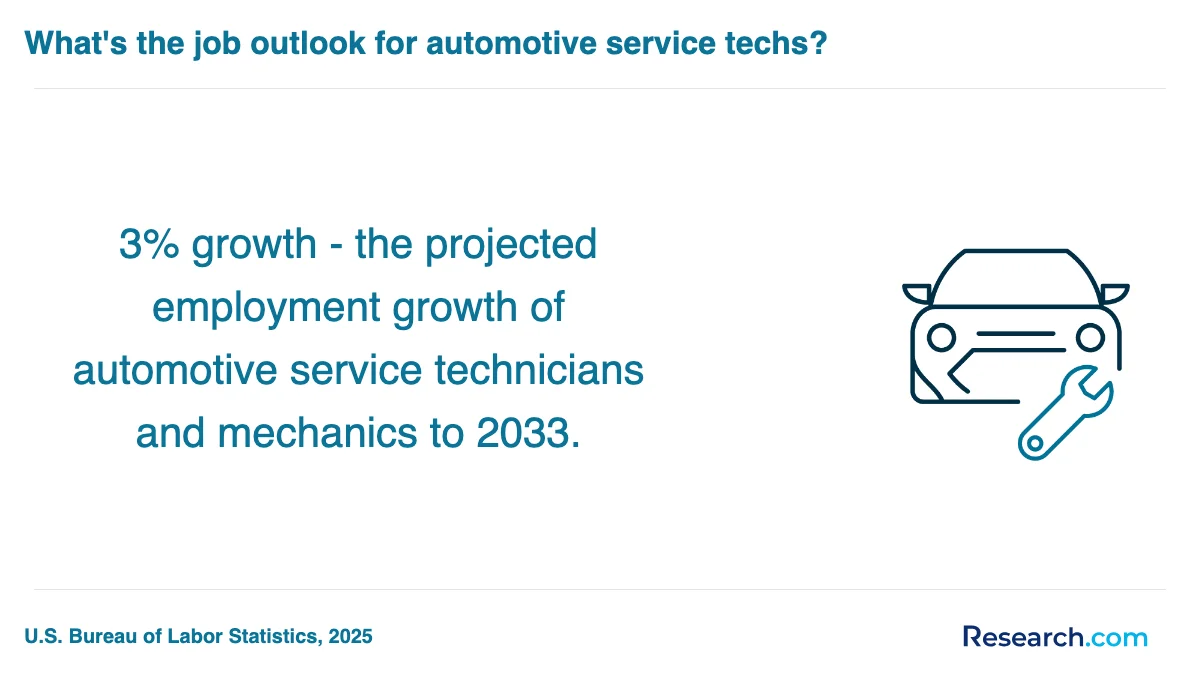
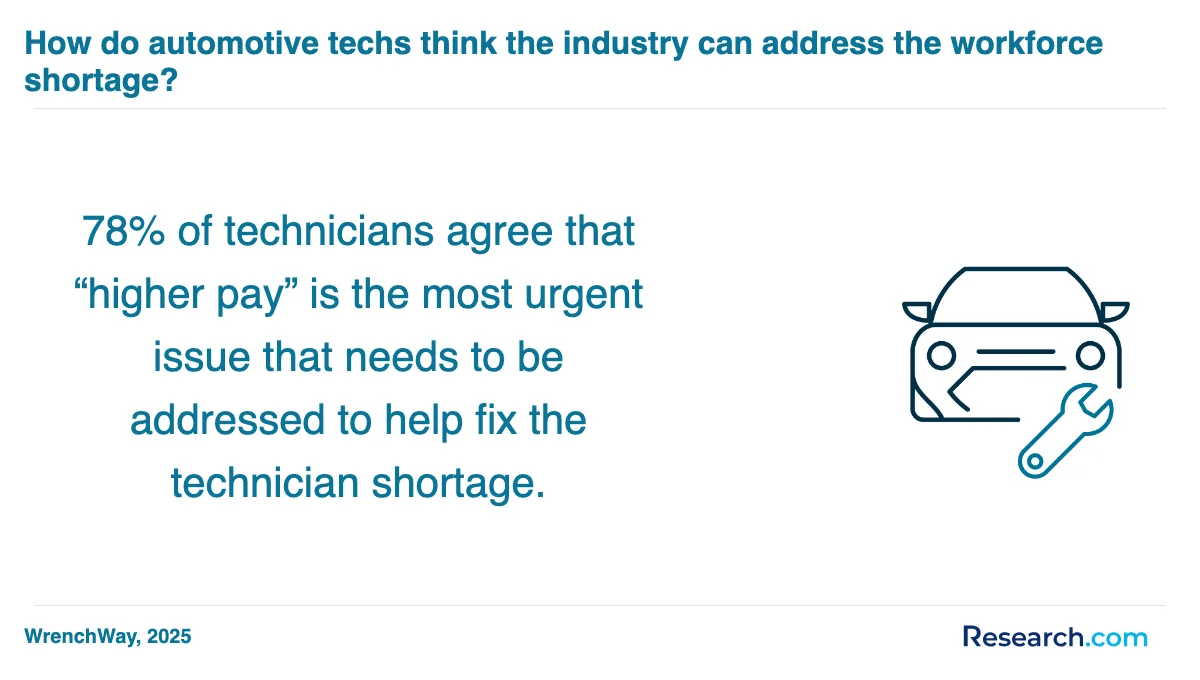
The automotive technician job outlook in California remains highly promising for trade school graduates as demand continues to surge. Graduates from well-known California trade schools often share experiences of quickly securing positions at dealerships, repair shops, and independent service centers eager to fill a statewide shortage of roughly 5,000 technicians. These schools emphasize hands-on training with cutting-edge vehicle electronics, making their alumni fit seamlessly into modern roles characterized by complex diagnostic tasks.
Several factors contribute to this optimistic perspective, including:
- Strong employer preference for candidates trained in the latest automotive technologies.
- A growing market driven by increasingly sophisticated vehicle systems.
- Competitive wages boosted by California's higher cost of living and skill demand.
By 2026, the automotive technician demand in California 2026 is expected to rise further, creating steady opportunities for new graduates. Many find career growth supported not just in private sectors but also through public agencies offering technical positions. Prospective students exploring best online vocational trade schools note the blend of convenience and comprehensive skills training these programs provide, making career entry smoother and more accessible across the state.
Most Affordable Automotive Technician Schools, Colleges & Trade Certification Training Programs in California for 2026
# 1 position
San Diego Miramar College - Automobile/Automotive Mechanics Technology/Technician.
associateSan Diego Miramar College offers a hybrid program in Automobile/Automotive Mechanics Technology/Technician, providing technical skills to repair, service, and maintain various automobile systems. The curriculum covers brake, electrical, engine, suspension, transmission, and heating and air conditioning systems. Annual in-state tuition is $1,150. Graduates earn a median salary of $43,285 one year after completion. The program is accredited by the Western Association of Schools and Colleges Accrediting Commission for Community and Junior Colleges.
# 2 position
San Diego Miramar College - Automobile/Automotive Mechanics Technology/Technician.
certificate or diplomaSan Diego Miramar College offers a hybrid program in Automobile/Automotive Mechanics Technology/Technician that prepares students to repair, service, and maintain various automobiles. The curriculum covers brake systems, electrical systems, engine performance and repair, suspension and steering, transmissions, and heating and air conditioning. The annual in-state tuition is $1,150. Median earnings one year after completion are $43,285. The program is accredited by the Western Association of Schools and Colleges Accrediting Commission for Community and Junior Colleges.
# 3 position
Santa Ana College - Automobile/Automotive Mechanics Technology/Technician.
associateSanta Ana College offers a hybrid program in Automobile/Automotive Mechanics Technology/Technician, preparing students to repair, service, and maintain various automobile systems. The curriculum covers brake, electrical, engine performance and repair, suspension and steering, transmissions, and heating and air conditioning systems. The annual in-state tuition is $1,180. Graduates have median earnings of $36,380 one year after completion. The program is accredited by the Western Association of Schools and Colleges Accrediting Commission for Community and Junior Colleges.
# 4 position
Santa Ana College - Automobile/Automotive Mechanics Technology/Technician.
certificate or diplomaSanta Ana College offers a fully online program in Automobile/Automotive Mechanics Technology/Technician, preparing students to repair, service, and maintain various automobile systems including brakes, engines, transmissions, and heating and air conditioning. The program is accredited by the Western Association of Schools and Colleges Accrediting Commission for Community and Junior Colleges. Annual in-state tuition is $1,180. Median earnings for graduates one year after completion are $36,380.
# 5 position
Victor Valley College - Automobile/Automotive Mechanics Technology/Technician.
associateVictor Valley College offers a hybrid Automobile/Automotive Mechanics Technology/Technician program designed to prepare students with technical skills to repair and maintain various automobile systems. The curriculum covers brake systems, electrical systems, engine performance and repair, suspension, steering, transmissions, and heating and air conditioning. The annual in-state tuition is $1,425. Graduates earn a median of $49,729 one year after completion. The program is accredited by the Western Association of Schools and Colleges Accrediting Commission for Community and Junior Colleges.
# 6 position
Victor Valley College - Automobile/Automotive Mechanics Technology/Technician.
certificate or diplomaVictor Valley College offers a hybrid program in Automobile/Automotive Mechanics Technology/Technician that prepares students to repair, service, and maintain various automobile systems. The curriculum covers brake, electrical, engine, suspension, transmission, and heating and air conditioning systems. Annual in-state tuition is $1,425. Graduates have median earnings of $49,729 one year after completion. The program is accredited by the Western Association of Schools and Colleges Accrediting Commission for Community and Junior Colleges.
# 7 position
Los Angeles Trade Technical College - Automobile/Automotive Mechanics Technology/Technician.
associateLos Angeles Trade Technical College offers a Hybrid program in Automobile/Automotive Mechanics Technology/Technician. The curriculum covers brake systems, electrical systems, engine performance and repair, suspension and steering, transmissions, and heating and air conditioning systems. The annual in-state tuition is $1,238. Graduates earn a median salary of $31,031 one year after completion. The program is accredited by the Western Association of Schools and Colleges Accrediting Commission for Community and Junior Colleges.
# 8 position
Los Angeles Trade Technical College - Automobile/Automotive Mechanics Technology/Technician.
certificate or diplomaLos Angeles Trade Technical College offers a hybrid program in Automobile/Automotive Mechanics Technology/Technician. The curriculum covers brake systems, electrical systems, engine performance and repair, suspension and steering, transmissions, and heating and air conditioning systems. Annual in-state tuition is $1,238. Graduates earn a median of $31,031 one year after completion. The program is accredited by the Western Association of Schools and Colleges Accrediting Commission for Community and Junior Colleges.
# 9 position
El Camino Community College District - Automobile/Automotive Mechanics Technology/Technician.
associateEl Camino Community College District offers a hybrid Automobile/Automotive Mechanics Technology/Technician program designed to teach technical skills for repairing and maintaining various automobile systems. The curriculum covers brake systems, electrical systems, engine performance and repair, suspension and steering, transmissions, and heating and air conditioning. The annual in-state tuition is $1,144. The program is accredited by the Western Association of Schools and Colleges Accrediting Commission for Community and Junior Colleges.
# 10 position
El Camino Community College District - Automobile/Automotive Mechanics Technology/Technician.
certificate or diplomaEl Camino Community College District offers a hybrid program in Automobile/Automotive Mechanics Technology/Technician that prepares students to repair, service, and maintain various automobile systems. Coursework includes brake, electrical, engine, suspension, transmission, and heating and air conditioning systems. The program’s annual in-state tuition is $1,144. It is accredited by the Western Association of Schools and Colleges Accrediting Commission for Community and Junior Colleges.
Frequently Asked Questions about automotive technician
After completing an automotive technician trade school in California, it is important to build a strong professional profile to enter the job market successfully. Begin by obtaining industry-recognized certifications, such as those from the National Institute for Automotive Service Excellence (ASE), which many employers require. According to the California Employment Development Department, automotive service technicians earn a median wage of around $24 per hour, highlighting the value of specialized skills.
Networking is also crucial. Join local trade associations or attend job fairs to connect with potential employers. Additionally, consider internships or apprenticeships to gain hands-on experience. Continuously updating skills with the latest automotive technology trends will enhance employability in this evolving field.
Employers in California's automotive industry prioritize several key skills when hiring graduates from automotive technician trade schools. Technical proficiency in diagnosing and repairing modern vehicles, including hybrid and electric models, is essential. According to the California Employment Development Department, there is growing demand for technicians skilled in computerized engine controls and emissions systems.
Strong problem-solving abilities and attention to detail are also critical, as technicians must accurately troubleshoot complex mechanical and electronic issues. Communication skills are valued because technicians often explain repairs to customers and collaborate with service teams.
Hands-on experience gained through internships or apprenticeships significantly improves job prospects. Familiarity with safety protocols and industry-standard tools further enhances employability in this competitive field.
Finding internships in California relevant to automotive technician trade school programs often begins with leveraging the resources provided by the schools themselves. Many California trade schools maintain partnerships with local dealerships, repair shops, and automotive service centers, facilitating internship placements for their students.
Additionally, students can explore opportunities through the California Department of Industrial Relations, which supports apprenticeship and internship programs in skilled trades, including automotive technology. According to the U.S. Bureau of Labor Statistics, California employs over 40,000 automotive service technicians, creating a steady demand for trained interns and apprentices.
Online job platforms like CalJOBS, managed by the California Employment Development Department, list numerous internship openings specifically for automotive technician students. Networking at industry events and contacting local automotive businesses directly can also enhance internship prospects.
Obtaining an automotive technician trade school diploma in California significantly enhances career mobility and advancement opportunities. According to the California Employment Development Department, the demand for skilled automotive technicians is expected to grow by 6% through 2030, reflecting steady job availability in the state.
A diploma provides foundational knowledge and hands-on skills that employers seek, increasing job prospects beyond entry-level positions. Graduates often qualify for certifications such as the Automotive Service Excellence (ASE), which further boosts professional credibility.
Trade school graduates in California typically experience higher starting salaries compared to those without formal training. This credential opens pathways to supervisory roles, specialized technical work, and even self-employment.
Overall, a diploma acts as a valuable credential that supports upward career mobility in California's competitive automotive industry.
California offers several part-time job opportunities that align well with automotive technician trade school education. Positions such as automotive service assistant, parts clerk, or tire technician provide practical experience alongside coursework. These roles help students develop essential skills in diagnostics, repair, and customer service.
The California Employment Development Department reports that automotive service technician jobs are expected to grow by 6% from 2022 to 2032, indicating steady demand. Working part-time at dealerships or independent repair shops also improves networking and industry knowledge. Additionally, roles in vehicle inspection or emissions testing centers can deepen understanding of state regulations.
These jobs typically pay between $15 and $22 per hour, supporting students financially while enhancing their technical expertise.
To find the most affordable Automotive Technician degree program near me in California, you can start by researching local community colleges and technical schools, as they often offer affordable tuition rates and comprehensive programs. Additionally, exploring resources like Research.com may provide insights into highly recommended programs available near California, along with their associated costs. Visiting campuses and speaking directly with admissions counselors can also give you a clearer picture of financial aid options and program specifics.
- Most Affordable Automotive Technician Schools, Colleges & Trade Certification Training Programs in Nevada for 2026
- Most Affordable Automotive Technician Schools, Colleges & Trade Certification Training Programs in Oregon for 2026
- Most Affordable Automotive Technician Schools, Colleges & Trade Certification Training Programs in Arizona for 2026
- Most Affordable Automotive Technician Schools, Colleges & Trade Certification Training Programs in Idaho for 2026
- Most Affordable Automotive Technician Schools, Colleges & Trade Certification Training Programs in New Mexico for 2026
- Most Affordable Automotive Technician Schools, Colleges & Trade Certification Training Programs in Colorado for 2026
- Most Affordable Automotive Technician Schools, Colleges & Trade Certification Training Programs in Kansas for 2026
- Most Affordable Automotive Technician Schools, Colleges & Trade Certification Training Programs in South Dakota for 2026
- Most Affordable Automotive Technician Schools, Colleges & Trade Certification Training Programs in North Dakota for 2026
- Most Affordable Automotive Technician Schools, Colleges & Trade Certification Training Programs in Minnesota for 2026
- How to Craft the Perfect Cover Letter After Auto Mechanic School https://www.autotrainingcentre.com/blog/craft-perfect-cover-letter-auto-mechanic-school/
- Sample Student Cover Letter – Automotive – Technical Writing for Technicians https://openoregon.pressbooks.pub/ctetechwriting/chapter/sample-student-cover-letter-for-automotive-weeks-9-10/
- Automotive Technician Cover Letter Examples | MyPerfectResume https://www.myperfectresume.com/cover-letter/examples/mechanics/automotive-technician
- Automotive Service Technician - Skilled Trades Ontario https://www.skilledtradesontario.ca/trade-information/automotive-service-technician/
- Automotive Technician | Clover Park Technical College https://www.cptc.edu/programs/auto-tech
- Automotive Service Technician https://www.sait.ca/apprenticeships-and-trades/programs/automotive-service-technician
- Automotive Service Technician: School of Trades and Technology : Thompson Rivers University https://www.tru.ca/trades/trades-programs/automotive-service-technician.html
- Automotive Tech Programs | Auto Technician Training | South Texas https://www.stvt.edu/career-training-programs/skilled-trades/automotive-service-technician/
- Jobs You Can Only Get with an Automotive Technology Degree - Benjamin Franklin Cummings Institute of Technology https://franklincummings.edu/blog/automotive-technology/
- What Can You Do With An Auto Tech Degree? | MWCC https://mwcc.edu/blog/automotive-technology-faqs/


