2027 Most Valuable Speech Pathology Degree Programs Ranking in District of Columbia
Choosing the right speech pathology degree program can shape your future career and open doors to meaningful opportunities in District of Columbia. This article introduces the 2027 Most Valuable Speech Pathology Degree Programs Ranking in District of Columbia, developed by the Research.com team of data scientists. It's designed to guide you through the best options based on rigorous data analysis and real-world outcomes.
By exploring this ranking, you'll gain confidence in making an informed decision that fits your goals and values. Pursuing a speech pathology degree offers a rewarding path helping others communicate effectively and improve their lives.
Key benefits of getting speech pathology degree in District of Columbia
- Salary benefits: Graduates can expect competitive earnings, with speech therapists earning a mean annual wage of $96,790 and speech-language pathology assistants earning around $47,010, offering strong financial stability in the District of Columbia.
- Career paths: A speech pathology degree opens doors to roles such as speech therapist, clinical research coordinator, or community outreach coordinator, providing a variety of fulfilling opportunities to make a difference.
- Online degree advantages: Earning a speech pathology degree online allows for flexible scheduling and the ability to balance work or family life while gaining quality education from reputable DC universities, making the journey more convenient and accessible.
- Key benefits of getting speech pathology degree in District of Columbia
- What can I expect from speech pathology degree in District of Columbia?
- Where can I work with speech pathology degree in District of Columbia?
- How much can I make with speech pathology degree in District of Columbia?
- 2027 Most Valuable Speech Pathology Degree Programs Ranking in District of Columbia
- Key Findings
- How long does it take to complete speech pathology degree in District of Columbia?
- Certification and Licensure Requirements
- What's the difference between online and on-campus speech pathology degree?
- How We Rank Schools
- What is the average cost of speech pathology degree in District of Columbia?
- Ranking Methodology
- What financial aid is available to speech pathology degree students in District of Columbia?
- Investing in an Affordable Speech Pathology Education in District of Columbia
- What are the prerequisites for enrolling in speech pathology degree program in District of Columbia?
- Licensing and Certification Requirements for Speech-Language Pathologists in the District of Columbia
- What courses are typically in speech pathology degree programs in District of Columbia?
- What types of specializations are available in speech pathology degree programs in District of Columbia?
- How do you choose the best speech pathology degree in District of Columbia?
- What career paths are available for speech pathology degree students in District of Columbia?
- What is the job market for speech pathology degree in District of Columbia?
- Related Speech Pathology Rankings for Nearby States
- Top Trending Speech Pathology Rankings
- See What Experts Have To Say About Studying Speech Pathology
What can I expect from speech pathology degree in District of Columbia?
The average cost of a speech pathology graduate degree in the District of Columbia tends to be higher than the national norm due to the urban setting and quality of education offered. For instance, graduates from programs at The George Washington University often remark on the substantial tuition fees, which reflect the school's strong clinical training and access to diverse healthcare facilities. Beyond tuition, students should prepare for additional expenses such as ASHA certification fees, clinical placement costs, and materials needed for hands-on practice.
Many students find value in seeking scholarships and assistantships offered by DC institutions to help offset these costs. Those who leveraged financial aid spoke positively about their ability to focus more on immersive clinical experiences, such as working in nearby rehabilitation centers. These opportunities often translate into greater confidence and readiness for licensure exams.
Prospective students should weigh these financial factors alongside the rich practical training and research exposure available in DC, which current graduates frequently cite as pivotal to their professional success and satisfaction in the field.
Where can I work with speech pathology degree in District of Columbia?
Graduates with a speech pathology degree in the District of Columbia find rewarding careers across healthcare, education, private practice, and community services. Many start working in hospitals or rehab centers, helping patients recover speech and swallowing functions after injuries or surgery. Those who studied at universities like Gallaudet University or The Catholic University of America often share how clinical placements in major medical centers boosted their confidence and prepared them for these roles.
Another common path is in public and charter schools, where speech pathologists support children with speech delays or language impairments. Graduates recall feeling motivated by making a meaningful impact in classroom settings through the DC Public Schools system.
Private practices and outpatient clinics offer flexibility to tailor therapy plans for diverse clients, which appeals to many recent alumni seeking autonomy.
Additionally, community agencies such as the Department on Disability Services or veteran programs provide opportunities to serve specialized populations, fulfilling a sense of purpose and community connection.
How much can I make with speech pathology degree in District of Columbia?
Graduates with a speech pathology degree in the District of Columbia often find rewarding salary opportunities that align with their education and experience. For instance, those working as speech therapists can expect a mean annual wage around $96,790, according to recent data. This figure reflects the competitive pay scale in the D.C. area, especially for professionals employed in hospitals or specialized clinical settings.
Entry-level graduates from well-known local institutions report starting salaries typically between $60,000 and $70,000, which steadily increase with certification and experience. Many leverage their degrees from D.C.-area universities to secure roles in schools, clinics, or outpatient care centers where annual earnings vary but often stay competitive-speech-language pathology assistants earn around $47,010 per year.
Graduates often emphasize how advanced certifications like the Certificate of Clinical Competence (CCC) elevate their chances of earning beyond $100,000 in private practice or niche medical fields. Those beginning their careers in familiar D.C. environments find encouragement in seeing steady salary growth and professional stability, making the investment in their speech pathology degree highly worthwhile.
2027 Most Valuable Speech Pathology Degree Programs Ranking in District of Columbia
How do we rank schools?
Investing in your education is a significant decision that can shape your future, and the Research.com team understands the importance of making informed choices. To assist prospective students in the District of Columbia, we have meticulously crafted the "2027 Most Valuable Speech Pathology Degree Programs Ranking in District of Columbia." Our commitment to quality, credibility, and accuracy is reflected in the extensive research and analysis conducted to compile this ranking.
We utilized the following reputable data sources to ensure a comprehensive evaluation of speech pathology programs:
By exploring this ranking, readers will gain valuable insights into the most valuable speech pathology degree programs available in the District of Columbia, helping them make confident and well-informed decisions about their educational paths. For more details on our methodology, please visit our Research.com methodology page.

# 2 position
University of the District of Columbia
Master of Science in Speech


Key Findings
- Speech pathology programs in the District of Columbia require a master's degree and generally take two years to complete.
- Tuition costs range from $25,000 to $45,000 per year, with additional expenses for books and living in a high-cost area.
- The job market shows strong growth, with a 21% nationwide employment increase expected from 2021 to 2031.
- Starting salaries average around $70,000, with experienced speech pathologists earning between $95,000 and $110,000 annually.
- Licensing requires completing a Clinical Fellowship Year and passing the Praxis exam, plus ongoing continuing education.
How long does it take to complete speech pathology degree in District of Columbia?
A speech pathology degree in the District of Columbia typically takes about six years to complete when starting from scratch. This includes around four years to finish a bachelor's degree, often in communication sciences or a related field, followed by two years of graduate study for a master's in Speech-Language Pathology at institutions like the University of the District of Columbia. Graduates often share how the two-year master's program, aligned with American Speech-Language-Hearing Association (ASHA) standards, feels rigorous but rewarding, especially with the required 400 supervised clinical hours built into coursework.
Many students balance part-time study with work, which can extend the program duration, but full-time enrollment usually stays within two years. The hands-on clinical training provides real confidence before entering professional practice. After the degree, graduates complete a Clinical Fellowship Year and pass the Praxis exam, which adds about 9 to 12 months before full licensure, marking the final step toward a fulfilling career in speech pathology in DC.
Certification and Licensure Requirements
After completing a master’s program, follow these steps to become a licensed speech-language pathologist in D.C.:
- Graduate from a CAA-accredited speech pathology program
- Complete at least 400 hours of supervised clinical practicum
- Pass the Praxis® Speech-Language Pathology exam
- Apply for the ASHA Certificate of Clinical Competence (CCC-SLP)
- Obtain your D.C. state license through the Department of Health Office of Licensure
Stay current with at least 20 continuing education units every two years to renew your license. For students comparing program costs, see our ranking of most affordable slp programs in california
What's the difference between online and on-campus speech pathology degree?
Choosing between online and on-campus speech pathology degrees in the District of Columbia hinges on how you want to balance flexibility with direct access to resources. Graduates from on-campus programs at local universities often describe the benefit of face-to-face interactions with instructors and peers, which makes hands-on learning in speech clinics feel immediate and supportive. For example, being able to walk into campus labs or participate in in-person practicum placements nearby helps build confidence and practical skills quickly.
Conversely, online students appreciate the ability to study remotely around work or family commitments, but they must proactively arrange clinical practicum hours at approved local sites in D.C. This requires strong time management and initiative, yet many find it rewarding to build connections within their own communities. Tuition differences also influence choices-on-campus programs here tend to be higher priced, reflecting the city's cost of living, while some online options offer slight savings.
Whichever path you pick, securing clinical experience locally and meeting national certification standards is crucial for success in this growing field.
How We Rank Schools
Our ranking methodology is founded on a rigorous evaluation process that combines quantitative data, expert insights, and real student feedback. We analyze key factors such as accreditation status, curriculum quality, faculty credentials, clinical training opportunities, and post-graduation career outcomes to ensure that each program is measured against industry standards. This transparent and multifaceted approach enables prospective students to trust that our rankings are objective and reflective of the actual educational value. Moreover, we continuously update our criteria to reflect emerging trends, technological advancements, and evolving industry demands. For those exploring faster educational pathways, consider exploring the best accelerated speech language pathology programs online to find programs that match your pace and career ambitions.
What is the average cost of speech pathology degree in District of Columbia?
The average cost of a speech pathology degree in District of Columbia varies depending on residency status, with a median total cost around $61,504 for out-of-state students and about $35,810 for in-state students. Graduates from well-known institutions like Howard University and Gallaudet University often mention budgeting carefully to manage these costs, especially since tuition alone can range broadly within this spectrum. Many find that combining tuition and fees with expenses for books, technology, and clinical practicum supplies brings the total cost closer to the median figures observed for the region.
Understanding speech pathology degree tuition and fees DC is essential for prospective students who want to plan effectively. Some graduates recall that seeking financial aid early, including scholarships and federal loans, was critical in making their education affordable without overwhelming debt. Assistantships and part-time work in campus clinics often provide both valuable experience and financial relief. To explore options, students are encouraged to check available resources through organizations like the Council of Academic Programs in Communication Sciences and Disorders.
For those comparing programs, it helps to look into the affordable speech pathology school in District of Columbia options, balancing quality and cost. This approach makes pursuing a rewarding career in speech pathology achievable while maintaining financial stability throughout graduate studies.
Ranking Methodology
To ensure transparency and align with Google’s Search Quality Guidelines, our 2024 Most Valuable Speech Pathology Degree Programs Ranking in the District of Columbia is built on a multi-factor approach that balances outcome metrics, cost measures, and academic rigor. Data were sourced from the National Center for Education Statistics, the American Speech-Language-Hearing Association (ASHA), the U.S. Bureau of Labor Statistics, and direct institution reporting. Our evaluation criteria and weightings are: • Graduate Outcomes (25%): Median post-graduation salary, licensure pass rates, and job placement percentages. • Affordability (20%): Total program tuition and fees, adjusted for average living expenses. Students interested in cost-effective alternatives may compare our findings with those in Low Cost Speech Pathology Degree Programs Ranking in Nevada. • Clinical Training (20%): Required supervised clinical hours and diversity of practicum settings. • Faculty Expertise (15%): Percentage of faculty holding ASHA certification, number of peer-reviewed publications per professor, and student-faculty ratio. • Admissions Selectivity (10%): Average incoming GPA and GRE percentile scores, reflecting academic preparedness. • Accreditation & Compliance (10%): Program accreditation status with ASHA’s Council on Academic Accreditation and adherence to District licensure standards. Each program received a normalized score per criterion, aggregated into a composite index out of 100. Scores were validated by cross-checking institution-reported outcomes against third-party data repositories. Rankings are updated annually to reflect the latest enrollment, cost, and employment statistics. This methodology ensures that prospective students can confidently compare program value, outcomes, and affordability when choosing a speech pathology degree in the nation’s capital.
What financial aid is available to speech pathology degree students in District of Columbia?
Students pursuing a speech pathology degree in the District of Columbia often rely on a mix of financial aid options to cover tuition, which typically ranges from $20,000 to $40,000. Completing the FAFSA is a straightforward first step that unlocks federal aid such as Pell Grants for undergraduates and Direct Unsubsidized or Graduate PLUS Loans for graduate students. Graduates from DC universities share how these loans helped them focus on studies rather than finances.
Local scholarships and grants make a big difference too. Programs like the DC Tuition Assistance Grant (DCTAG) provide valuable tuition discounts for residents attending institutions like Howard University or Gallaudet University, easing the financial burden for many speech pathology students. Several DC colleges also offer unique scholarships for graduate health programs, which students often discover through their school's financial aid office.
Professional organizations, especially the American Speech-Language-Hearing Association (ASHA), offer targeted scholarships based on academic excellence, which past recipients describe as game-changers. Some students also benefit from employer tuition reimbursements or university assistantships that provide stipends or waive tuition in exchange for clinical or research work, making education more accessible and manageable.
Investing in an Affordable Speech Pathology Education in District of Columbia
Investing in a speech pathology education is a significant decision, and for many prospective students, affordability is a crucial factor. When considering the various programs available in the District of Columbia, it's essential to weigh the costs against the potential benefits. For those seeking an affordable speech pathology school in District of Columbia, there are several options to explore. These institutions not only offer competitive tuition rates but also provide access to quality education, hands-on clinical experiences, and mentorship from experienced professionals in the field. By choosing an affordable program, students can set themselves up for success without shouldering excessive debt, allowing them to focus on their studies and their future careers as speech-language pathologists.
What are the prerequisites for enrolling in speech pathology degree program in District of Columbia?
To enroll in a speech pathology degree program in the District of Columbia, applicants typically need a bachelor's degree with specific prerequisite courses. Graduates from local universities often share how crucial courses like Introduction to Communication Disorders, Anatomy and Physiology of the Speech and Hearing Mechanism, and Phonetics were for building their confidence and competence before graduate study.
Many students at prominent D.C. institutions found completing Statistics or Research Methods alongside Biological Sciences essential, as these subjects laid the groundwork for understanding research and clinical applications. Some programs allow you to finish missing prerequisites during graduate school, but this often means more time and extra tuition, so planning ahead makes the journey smoother and less stressful.
Standardized test scores like the GRE are still requested by several programs, but some have recently adopted test-optional policies, easing the application process. Additionally, strong letters of recommendation and a personal statement describing your passion and goals can positively impact your acceptance chances in competitive D.C. programs.
Hands-on practicum experience, deeply valued at schools in D.C., prepares students for real-world practice and licensure requirements, making early preparation crucial for future success as a speech-language pathologist.
Licensing and Certification Requirements for Speech-Language Pathologists in the District of Columbia
To practice as a Speech-Language Pathologist (SLP) in D.C., candidates must meet specific academic, clinical, and examination requirements governed by the D.C. Board of Audiology and Speech–Language Pathology. Academic and Clinical Requirements Aspiring SLPs must earn a master’s degree from a Council on Academic Accreditation (CAA)–accredited program, complete a minimum of 400 supervised clinical practicum hours, and document experience in diverse settings (e.g., schools, hospitals, private clinics). Prospective candidates seeking an affordable route to meet these requirements might explore the most affordable online masters in speech pathology, which offer CAA-accredited curricula and flexible schedules. Praxis Examination and State Application After completing the academic and practicum prerequisites, applicants must pass the Praxis® Examination in Speech-Language Pathology (Test Code 5333) with a score that meets or exceeds the D.C. Board’s cutoff. Once Praxis results are available, candidates submit an application packet including official transcripts, proof of supervised clinical hours, Praxis score report, and a non-refundable fee. Clinical Fellowship Year (CFY) New graduates enter a 36-week Clinical Fellowship Year under mentorship from a licensed SLP, during which they refine assessment and therapeutic skills. Successful CFY completion requires quarterly evaluations and board verification. Maintaining Licensure and Continuing Education Licensed SLPs in D.C. must renew their license biennially and complete 30 continuing education units (CEUs) every two years, including at least 3 hours of ethics. Acceptable CEUs span workshops, conferences, and supervised clinical instruction. By understanding and fulfilling these licensure and certification steps, graduates ensure compliance with District regulations and strengthen their professional credibility.
What courses are typically in speech pathology degree programs in District of Columbia?
Courses in speech pathology degree programs in the District of Columbia focus on building a strong foundation in communication sciences alongside hands-on clinical practice. Students at popular local universities often highlight the value of classes like Anatomy and Physiology of the Speech and Hearing Mechanism and Introduction to Communication Disorders for understanding the basics behind speech challenges they will treat.
Many graduates recall how courses in Phonetics and Phonology and Language Development and Disorders clarified complex speech patterns, preparing them to assess diverse clients effectively. Programs include Clinical Methods in Speech-Language Pathology and Practicum or Clinical Internships, which provide practical, supervised experience at D.C. hospitals or schools. This immersion builds confidence and real-world skills critical for certification.
Students also appreciate research-focused classes like Research Methods and Statistics, which enable them to interpret data and stay current with evidence-based practices. These combined experiences help graduates feel prepared and motivated to excel in D.C.'s dynamic healthcare and education environments.
What types of specializations are available in speech pathology degree programs in District of Columbia?
In the District of Columbia, speech pathology degrees typically offer specializations that prepare students for targeted career paths. Popular tracks include pediatric speech pathology, focusing on childhood communication disorders-a common choice among graduates from local universities who appreciate working directly in D.C. schools and pediatric clinics. Another major specialization is adult neurogenic communication disorders, which trains students to support adults recovering from strokes or brain injuries, reflecting growing community needs in rehabilitation centers throughout the District.
Voice and fluency disorders constitute another pathway, often chosen by those aiming to launch private practices or work in specialized therapy clinics. Additionally, programs in the area may offer a focus on augmentative and alternative communication (AAC), equipping students to assist clients with severe speech impairments using technology-a skill highly sought after in both healthcare and education sectors.
Students weighing District of Columbia speech therapy degree options report that these specializations significantly enhance their confidence and employment outcomes. For those exploring options, reviewing the best accelerated speech language pathology programs online can also reveal flexible pathways suited to diverse professional goals.
How do you choose the best speech pathology degree in District of Columbia?
To choose the best speech pathology degree in District of Columbia, prioritize programs accredited by the Council on Academic Accreditation (CAA) to ensure your education meets professional standards. Graduates from popular universities here often highlight the value of diverse clinical practicum experiences in hospitals and schools, which build confidence and hands-on skills for certification.
Consider tuition costs carefully, as the District tends to be on the higher end due to its prestigious institutions and living expenses. Look into scholarships and financial aid options to ease your path. Many students appreciate programs offering part-time or online options, which balance work and study effectively.
Employment opportunities in District of Columbia are strong, with many graduates finding rewarding jobs thanks to the region's high demand for speech-language pathologists. To find affordable speech pathology degrees District of Columbia offers, researching financial aid alongside program quality is crucial. You can explore the most affordable online masters in speech pathology to expand your options.
What career paths are available for speech pathology degree students in District of Columbia?
Graduates with a speech pathology degree in District of Columbia find diverse career paths in healthcare, education, and private practice. Healthcare roles are especially prominent around well-known universities offering clinical training, where graduates help patients recover from strokes or brain injuries in hospitals and rehab centers. Job opportunities for speech pathology degree DC also include schools, where professionals support children facing developmental speech challenges, collaborating closely with teachers and families to foster early communication skills.
Many graduates from District of Columbia universities appreciate the flexibility of private practice, tailoring therapy services to clients ranging from children to adults with neurological conditions. This path allows autonomy and the chance to build personalized treatment plans. Others pursue research or join government and nonprofit organizations addressing public health, contributing to advances in therapeutic methods or policy.
For those mindful of costs, exploring the Low Cost Speech Pathology Degree Programs Ranking in Nevada may offer alternative options. Overall, the speech pathology career options in District of Columbia align well with students' goals, combining strong job prospects with rewarding, hands-on work.
What is the job market for speech pathology degree in District of Columbia?
The job market for speech pathology degree holders in District of Columbia is robust and promising. Graduates from top programs at well-known D.C. universities frequently find rewarding employment in diverse settings such as local schools, hospitals, and government agencies. The city's focus on healthcare and education fuels strong demand, resulting in competitive salaries above the national average. Many new professionals report satisfaction in working with children and adults needing speech and language support, especially within D.C. public school districts where special education services are prioritized.
Employment opportunities for speech pathology graduates DC extend beyond schools to private practices and rehabilitation centers, offering various career paths. Graduates often recommend pursuing licensure promptly and exploring available federal financial aid or tuition assistance to manage program costs effectively. Several students highlight the advantage of supplementing their credentials with certifications for high paying jobs, which further enhance employability in this competitive market.
Frequently Asked Questions About speech pathology
Speech pathology degree students in the District of Columbia can maximize their learning experience by engaging with the region's diverse clinical opportunities. DC hosts multiple healthcare facilities and public schools where students gain hands-on experience, crucial for mastering assessment and intervention techniques. The American Speech-Language-Hearing Association (ASHA) requires a supervised clinical fellowship, and local placements can provide immediate access to varied client populations.
Students should also leverage partnerships between universities and nearby institutions such as Children's National Hospital. Networking through professional events hosted in DC improves job prospects and knowledge of current practices. Additionally, focusing on evidence-based research with access to resources like the National Institutes of Health supports academic success in speech pathology.
Emerging niches in the speech pathology field reflect expanding opportunities for professionals in the District of Columbia and beyond. One growing area is telepractice, which allows clinicians to provide remote therapy, increasing access for patients with mobility or geographic constraints. The American Speech-Language-Hearing Association (ASHA) reports a significant rise in telehealth services since 2020.
Another specialized niche is working with aging populations, addressing communication and swallowing disorders related to conditions like dementia and stroke. The U.S. Census Bureau highlights that DC's senior population is expected to grow, creating increased demand for speech pathologists knowledgeable in geriatric care.
Additionally, bilingual speech pathology is important in DC's diverse environment, with clinicians serving many multilingual clients.
After completing a speech pathology degree in the District of Columbia, preparing for the job market requires strategic steps. First, obtaining the Certificate of Clinical Competence in Speech-Language Pathology (CCC-SLP) from the American Speech-Language-Hearing Association (ASHA) is essential for most employers. This certificate validates professional skills and is recognized nationally.
Networking within the D.C. area is also crucial. The region's healthcare and educational institutions often post job openings through local professional groups and university career centers. According to the U.S. Bureau of Labor Statistics, speech-language pathologists in the D.C. metro area earn a median annual wage above the national average, making it competitive but promising.
Completing supervised clinical hours and internships in local settings can provide valuable hands-on experience, increasing employability. Familiarity with Medicaid and Medicare billing processes can also enhance job prospects in healthcare settings.
Employers hiring speech pathology degree graduates in the District of Columbia prioritize several key skills. Strong communication abilities are essential, as speech pathologists must effectively interact with clients of diverse backgrounds and ages. Clinical proficiency, including experience with assessment tools and evidence-based therapy techniques, is highly valued. Additionally, critical thinking and problem-solving skills enable professionals to design tailored treatment plans.
Knowledge of relevant laws and ethical standards in the District, such as those outlined by the American Speech-Language-Hearing Association (ASHA), is important for compliance and quality care. Familiarity with assistive technology also enhances employability. According to the Bureau of Labor Statistics, speech-language pathologists in D.C. earn a higher median wage than the national average, reflecting demand for well-qualified graduates.
Finding internships in District of Columbia for speech pathology students involves a combination of research and networking. Many universities offering speech pathology programs have established partnerships with local hospitals, clinics, and schools where students can complete required clinical hours. For example, institutions like George Washington University provide resources and connections for placements.
Students can also explore opportunities through the American Speech-Language-Hearing Association (ASHA) website, which lists accredited internships nationwide, including those in D.C. Local health departments and specialized rehabilitation centers often seek interns to assist with speech therapy services.
It is advisable to start the internship search early and communicate directly with program coordinators or clinical supervisors. According to ASHA (2023), D.C. has a growing demand for speech-language pathologists, increasing internship availability in diverse clinical and educational settings.
Obtaining a speech pathology degree in the District of Columbia significantly enhances career mobility and advancement opportunities. Graduates meet the rigorous academic and clinical requirements necessary for state licensure and certification by the American Speech-Language-Hearing Association (ASHA), which is essential for practicing as a certified speech-language pathologist (SLP).
District of Columbia offers competitive salaries, with a median annual wage for SLPs around $85,000 as reported by the U.S. Bureau of Labor Statistics in 2023. Holding a recognized degree directly impacts eligibility for higher-paying roles in healthcare, education, and rehabilitation.
Additionally, local universities often provide clinical placements and professional networking opportunities that support career growth. Possessing a speech pathology degree is a key credential for accessing leadership positions or specialized fields within the capital's healthcare system.
Studying for a speech pathology degree in the District of Columbia offers rigorous training that emphasizes interdisciplinary collaboration. Programs here prepare students to work effectively with professionals in fields such as education, healthcare, and social work. Coursework often includes joint learning experiences that highlight the importance of integrating speech therapy with medical and educational interventions.
DC's proximity to federal agencies and hospitals provides practical opportunities for students to engage in diverse clinical settings, fostering skills in teamwork and communication across disciplines. According to the American Speech-Language-Hearing Association (ASHA), nearly 30% of speech-language pathologists in DC work in healthcare, underscoring the need for interdisciplinary expertise.
When choosing between a thesis and a non-thesis speech pathology degree program in the District of Columbia, consider your career goals. Thesis programs emphasize research and are ideal if you plan to pursue a PhD or a research-based career. Non-thesis options typically focus on clinical practice and can be completed faster, suiting those aiming for immediate work as speech-language pathologists.
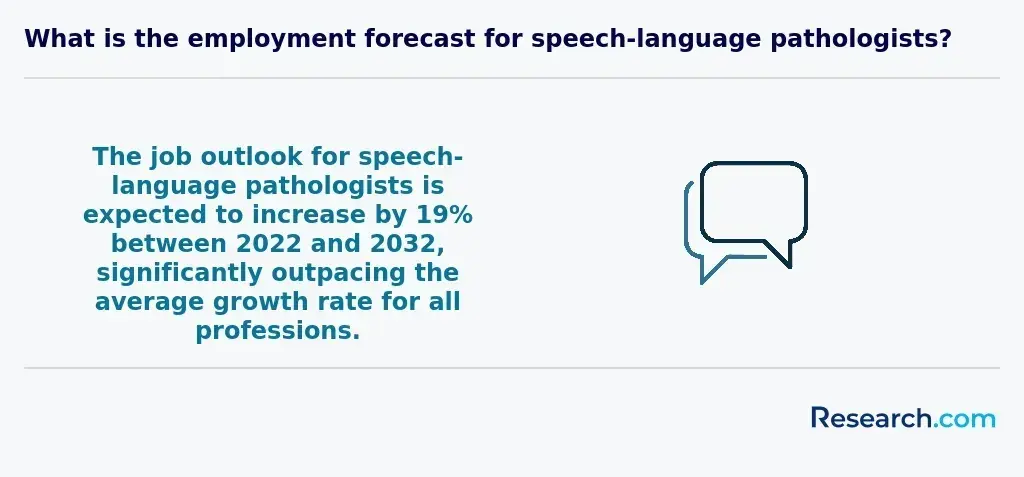
DC offers accreditation from the American Speech-Language-Hearing Association (ASHA), ensuring both paths meet national standards. According to the Bureau of Labor Statistics, employment for speech-language pathologists in DC is projected to grow 19% by 2030, highlighting job opportunities for both degree types.
Examine program specifics, faculty expertise, and available clinical placements before deciding.
Students based in District of Columbia interested in studying speech pathology abroad have several options within the U.S. higher education framework. While there are limited international speech pathology programs directly affiliated with DC institutions, many universities across the U.S. offer exchange or study-abroad opportunities in allied health fields, including speech pathology. These experiences provide exposure to global healthcare practices and research.
According to the American Speech-Language-Hearing Association (ASHA), certification requirements remain consistent nationally, so students planning to study abroad should verify that credits will transfer and meet District of Columbia licensure criteria. This ensures eligibility for professional certification upon return.
Popular destinations often include programs with robust clinical practice components in countries recognized by accrediting bodies accepted in the U.S. Collaboration between DC institutions and international universities might also offer specialized summer programs or remote learning options enhancing global perspectives in speech pathology.
Students pursuing speech pathology degrees in the District of Columbia can enhance their education through various part-time job opportunities. Common roles include speech therapy assistants and aides, where hands-on experience supports clinical skill development. Local hospitals and rehabilitation centers often hire part-time workers to assist licensed speech-language pathologists, providing exposure to diverse patient populations.
Schools and special education programs in DC also offer positions as paraprofessionals or tutors, enabling students to work directly with children facing speech and language challenges. According to the Bureau of Labor Statistics, DC has a higher-than-average demand for speech pathology services, increasing available work options.
Volunteering at community health organizations further bolsters practical knowledge while contributing to local needs.
Speech pathology students in the District of Columbia benefit from diverse networking opportunities through local universities and professional organizations. Institutions offering communication sciences programs often host events, workshops, and guest lectures where students can meet experts and potential employers. The American Speech-Language-Hearing Association (ASHA) has a strong presence in D.C., providing access to conferences and local chapters that encourage student involvement and professional connection.
Many programs partner with nearby hospitals and clinics, creating practicum placements that enhance networking with seasoned speech pathologists. Additionally, D.C.'s role as a governmental hub offers unique chances to connect through federal health agencies or advocacy groups focused on communication disorders.
Alumni networks offer valuable support to speech pathology degree students in the District of Columbia by providing access to professional connections and mentorship opportunities. These networks often include graduates working in local healthcare facilities, schools, and clinics, facilitating job placements and internships. According to the American Speech-Language-Hearing Association, strong professional ties can improve employment rates and career advancement for new graduates.
In the District, alumni events and online platforms connect current students with experienced speech-language pathologists, helping them navigate certification and licensure requirements. Additionally, alumni networks share resources about continuing education and emerging practices, essential for staying updated in this evolving field.
Customizing a speech pathology degree program in the District of Columbia involves selecting elective courses and clinical placements that align with your career goals. Many local universities offer specialized tracks such as pediatric speech therapy, motor speech disorders, or audiology. Taking advantage of internships within D.C.'s diverse healthcare and educational facilities can provide practical experience tailored to your interests.
The American Speech-Language-Hearing Association (ASHA) outlines specific graduate competencies; programs generally allow students to specialize by focusing on certain disorders or populations. Additionally, students can often engage in research projects relevant to their desired career path.
Choosing courses that emphasize evidence-based practice is valuable, especially since D.C. has a significant population of clients with complex communication needs. This focus can better prepare you for certification and licensure in the region. According to the Bureau of Labor Statistics, metropolitan D.C. offers competitive employment opportunities for speech-language pathologists, making tailored education an investment in future job prospects.
Speech pathology students in the District of Columbia often face several challenges during their studies. One key difficulty is meeting clinical hour requirements, as D.C. offers limited local placement opportunities compared to larger states. Securing diverse, quality fieldwork experiences can be competitive and time-consuming. Additionally, the cost of education in D.C. is relatively high, with tuition and living expenses placing financial strain on many students. According to the American Speech-Language-Hearing Association (ASHA), the necessity of passing the Praxis exam adds pressure, requiring focused preparation alongside rigorous coursework. These challenges reflect the demanding nature of speech pathology programs in the region.
With a speech pathology degree in the District of Columbia, graduates can pursue several key professional certifications to advance their careers. The most recognized credential is the Certificate of Clinical Competence in Speech-Language Pathology (CCC-SLP) issued by the American Speech-Language-Hearing Association (ASHA). This certification validates a professional's ability to provide high-quality services and is often required for many clinical positions.
In addition, licensure from the District's Board of Speech-Language Pathology is mandatory to practice within DC. Requirements include holding a master's degree, completing supervised clinical hours, and passing the Praxis Exam in Speech-Language Pathology.
Speech pathologists may also seek certification in specialized areas such as swallowing disorders or pediatric speech therapy through various national organizations. These credentials can improve employment prospects, with DC employment of speech-language pathologists expected to grow 18% from 2020 to 2030, according to the Bureau of Labor Statistics.
Applying for a speech pathology program in the District of Columbia requires careful preparation and attention to detail. First, ensure your academic records reflect strong performance in science and communication courses, as these are fundamental to speech pathology. Most programs in DC expect a minimum GPA of 3.0, but aiming higher improves your chances. The application typically calls for a personal statement; use it to highlight your passion for helping others and any relevant experience, such as volunteering in healthcare settings.
Programs accredited by the American Speech-Language-Hearing Association (ASHA) are preferred, so confirm the program's status. Additionally, since clinical practice is key in speech pathology, emphasize any hands-on experience in your application. Recommendations from faculty or supervisors who know your commitment can strongly support your candidacy. Lastly, prepare for the GRE if required, with competitive scores enhancing your profile.
The career of speech pathology is recognized worldwide for its vital role in improving communication and quality of life. In the United States, including the District of Columbia, speech-language pathologists (SLPs) are in high demand, with the Bureau of Labor Statistics projecting a 17% growth in employment from 2022 to 2032. This growth reflects increasing awareness of speech and language disorders across all ages.
Globally, the profession shares common goals but varies in certification and practice standards. In the U.S., the American Speech-Language-Hearing Association (ASHA) sets rigorous credentialing requirements, and District of Columbia mandates licensure. These standards ensure highly trained professionals equipped to handle diverse communication disorders.
The global perspective highlights speech pathology as a multidisciplinary field connected to education, healthcare, and technology, offering varied career opportunities and the chance to make a significant social impact.
Gaining practical experience while studying for a speech pathology degree in the District of Columbia is essential for career readiness. Students can participate in clinical placements arranged through university programs, giving hands-on experience with diverse patient populations. Many programs collaborate with local hospitals, schools, and rehabilitation centers for supervised internships.
The American Speech-Language-Hearing Association (ASHA) requires at least 400 hours of supervised clinical experience for certification, which students typically complete during their studies. In D.C., institutions like Gallaudet University offer specialized programs focusing on multicultural and bilingual populations, reflecting the area's diverse community.
Additionally, volunteering or working part-time in clinics or schools can provide valuable exposure. Networking with local professional organizations, such as the District of Columbia Speech-Language-Hearing Association, can also lead to mentorship and practical opportunities.
Choosing the right concentration within a speech pathology degree program in District of Columbia depends on your career goals and interests. Programs often offer focuses such as pediatric speech therapy, adult neurogenic disorders, or fluency and voice disorders. Consider local job market demands; according to the Bureau of Labor Statistics, D.C. has a higher concentration of speech pathologists working in educational services and healthcare settings.
Research program accreditation by the Council on Academic Accreditation in Audiology and Speech-Language Pathology (CAA) to ensure quality education. Also, check if the program includes clinical practicum opportunities in D.C. communities, which are vital for hands-on experience.
Related Speech Pathology Rankings for Nearby States
- 2027 Most Valuable Speech Pathology Degree Programs Ranking in Oregon
- 2027 Most Valuable Speech Pathology Degree Programs Ranking in California
- 2027 Most Valuable Speech Pathology Degree Programs Ranking in Utah
- 2027 Most Valuable Speech Pathology Degree Programs Ranking in Arizona
- 2027 Most Valuable Speech Pathology Degree Programs Ranking in Colorado
- 2027 Most Valuable Speech Pathology Degree Programs Ranking in New Mexico
- 2027 Most Valuable Speech Pathology Degree Programs Ranking in North Dakota
- 2027 Most Valuable Speech Pathology Degree Programs Ranking in Oklahoma
- 2027 Most Valuable Speech Pathology Degree Programs Ranking in Texas
- 2027 Most Valuable Speech Pathology Degree Programs Ranking in Minnesota
Top Trending Speech Pathology Rankings
See What Experts Have To Say About Studying Speech Pathology
Read our interview with Speech Pathology experts
References
- The 10 Biggest Challenges of Being a Speech Pathologist https://www.friendshipcircle.org/blog/2014/03/03/the-10-biggest-challenges-of-being-a-speech-pathologist
- How to Become a Speech Pathologist https://speechpathologymastersprograms.com/become-speech-pathologist/
- Your Guide to SLP Certifications and Specialties https://otpotential.com/blog/slp-certifications-and-specialties
- Speech Pathology Study Abroad https://bilinguistics.com/speech-pathology-study-abroad/
- How to Become a Speech-Language Pathologist - Graduate Programs for Educators https://www.graduateprogram.org/blog/how-to-become-a-speech-language-pathologist/
- Eligibility and Requirements https://www.kumc.edu/school-of-health-professions/academics/departments/hearing-and-speech/academics/speech-language-pathology-degrees/master-of-arts-in-speech-language-pathology-(m.a.slp)/eligibility-and-requirements.html
- How to Navigate 6 Common Challenges for School-Based SLP https://invocompanies.com/blog/how-to-navigate-6-common-challenges-for-school-based-speech-language-pathologists/
- Speech-Language Pathology Trends 2026: What’s Changing https://hanselunion.com/speech-language-pathology-trends-2026/
- Speech-Language Pathology Scholarships https://www.salus.edu/admissions/tuition-financial-aid/scholarships/speech-language-pathology-scholarships.html
- What Degree Is Required for a Career in Speech Therapy? | Advanced Therapy Clinic https://www.advancedtherapyclinic.com/blog/what-degree-is-required-for-a-career-in-speech-therapy