
Research.com is an editorially independent organization with a carefully engineered commission system that’s both transparent and fair. Our primary source of income stems from collaborating with affiliates who compensate us for advertising their services on our site, and we earn a referral fee when prospective clients decided to use those services. We ensure that no affiliates can influence our content or school rankings with their compensations. We also work together with Google AdSense which provides us with a base of revenue that runs independently from our affiliate partnerships. It’s important to us that you understand which content is sponsored and which isn’t, so we’ve implemented clear advertising disclosures throughout our site. Our intention is to make sure you never feel misled, and always know exactly what you’re viewing on our platform. We also maintain a steadfast editorial independence despite operating as a for-profit website. Our core objective is to provide accurate, unbiased, and comprehensive guides and resources to assist our readers in making informed decisions.

2027 Best Speech Pathology Degree Programs Ranking in Valdosta

Imed Bouchrika, PhD

by Imed Bouchrika, PhD

Co-Founder and Chief Data Scientist

Table of Contents

What can I expect from speech pathology degree in Valdosta?

The average cost of pursuing a speech pathology degree in Valdosta, particularly at Valdosta State University, can range from approximately $6,000 to $8,000 per year for in-state undergraduate tuition, with graduate programs costing around $7,000 to $10,000 annually. Graduates often mention that these prices, compared to out-of-state rates or private institutions, make Valdosta an affordable and practical choice for aspiring speech-language pathologists.

Many students find financial aid options, scholarships, and assistantships at Valdosta State University pivotal in managing expenses. For example, graduates recall using assistantships to gain clinical experience while reducing tuition costs significantly. This hands-on support enhances both their skills and financial ease.

Local clinical practicum placements also save costs on travel and living, offering valuable experience right in the community. The balance between affordable tuition, local clinical opportunities, and financial support creates a manageable path toward certification and licensure for most students in Valdosta's speech pathology programs.

Where can I work with speech pathology degree in Valdosta?

Graduates with a speech pathology degree in Valdosta typically find work in diverse, rewarding settings including public and private schools. Many Valdosta State University graduates share how working with children facing communication challenges in local schools offers daily purpose and visible progress. These roles support growing student populations, especially those in special education programs.

Healthcare is another key area. Speech therapists employed at South Georgia Medical Center and nearby rehabilitation clinics help patients regain speech after strokes or traumatic brain injuries. Recent alumni describe the fulfillment of contributing to recovery in multidisciplinary teams, offering both challenge and growth.

Early intervention centers and pediatric therapy clinics are in demand, focusing on speech delays in young children. Graduates often appreciate the family-centered approach here, working closely with parents and caregivers.

Careers also extend to nursing homes and assisted living facilities, where addressing speech and swallowing difficulties becomes vital as the local population ages. Some graduates pursue research or teaching roles at Valdosta State University, enriching their career paths with evidence-based practice and academic advancement.

How much can I make with speech pathology degree in Valdosta?

Graduates with a speech pathology degree in Valdosta can expect starting salaries typically between $55,000 and $60,000, reflecting entry-level wages in the region. Many graduates from Valdosta State University report beginning their careers as Speech-Language Pathology Assistants (SLPAs), earning an average annual wage of about $47,010, which provides a solid foundation while gaining critical hands-on experience.

As professionals build experience and acquire certifications like the CCC-SLP, salaries tend to rise significantly. For licensed speech therapists in Valdosta, annual wages approach the national average of around $79,000, with some sources citing mean wages near $96,790. Those working in hospitals or specialized healthcare centers often reach these higher earnings faster.

Valdosta graduates frequently transition from assistant roles to full speech therapist positions, enjoying rewarding careers supported by steady local demand. Schools and community health centers also provide opportunities, though wages in educational settings may be slightly lower than medical environments. Choosing Valdosta helps balance strong salary potential with a lower cost of living, maximizing financial comfort early in the career.

2027 Best Speech Pathology Degree Programs Ranking in Valdosta

# 1 position

Valdosta State University

Master of Arts in Communication Disorders

MasterCollege logo

# 2 position

Valdosta State University

Bachelor of Science in Speech-Language Pathology

BachelorCollege logo

How long does it take to complete speech pathology degree in Valdosta?

Completing a speech pathology degree in Valdosta typically takes around 6 to 7 years. This includes four years to earn a bachelor's degree-often in communication sciences and disorders-followed by 2 to 3 years in a master's program. Graduates from Valdosta State University recall that the bachelor's program built a strong foundation, preparing them well for the more intensive master's coursework and clinical practicum.

Many students appreciate the clear structure at Valdosta State, where the master's program meets national standards by including at least 400 supervised clinical hours. This hands-on experience helps students grow confident and job-ready. For those balancing work or family, part-time options can extend the timeline, but alumni still highlight the supportive faculty and flexible scheduling that make the journey manageable.

By planning carefully and leveraging local resources, students in Valdosta find they can efficiently meet licensure requirements while enjoying a rewarding educational experience close to home.

Licensure and Certification Requirements in Georgia

After completing an accredited Speech-Language Pathology program in Georgia, you must meet state and national requirements to practice legally and maintain professional standards.

  1. Graduate from a CAA-accredited master’s program in Speech-Language Pathology.
  2. Pass the Praxis SLP exam administered by Educational Testing Service.
  3. Complete a 36-week Clinical Fellowship Year under ASHA-approved supervision.
  4. Obtain the Certificate of Clinical Competence (CCC-SLP) from the American Speech-Language-Hearing Association.
  5. Apply for state licensure through the Georgia Composite Board of Speech-Language Pathology and Audiology, providing transcripts, exam scores, and CFY verification.

Explore cost-effective graduate options like the cheapest speech pathology graduate programs in new york for budgeting insights.

What's the difference between online and on-campus speech pathology degree?

Choosing between online and on-campus speech pathology degrees in Valdosta hinges on your lifestyle and learning preferences. Graduates from Valdosta State University often highlight the value of face-to-face interaction in their on-campus programs, where hands-on clinical labs and community placements build confidence and networking skills. This traditional setup provides direct access to professors and peer collaboration, supporting students who thrive in structured environments.

By contrast, online students appreciate the flexibility to juggle coursework with jobs or family duties, accessing classes anytime without commuting stress. However, even fully online programs require you to arrange local clinical practicum hours, which means proactive planning to meet ASHA's 400-hour supervised requirement. Nearby institutions offering online options tend to be more budget-friendly, saving on housing and travel costs while maintaining essential clinical training.

Successful students balance social engagement and self-discipline differently; on-campus learners enjoy campus resources and spontaneous connections, while online students develop strong time management skills to stay motivated. Both paths in Valdosta prepare you well for certification if you focus on meeting practicum requirements and seeking supportive communities.

Professional Development and Career Growth Opportunities

Graduates in Speech Pathology enjoy not only immediate employment prospects but also a dynamic roadmap for long-term professional development. Beyond initial job placements, continuing education plays a pivotal role in career advancement. Many professionals enhance their expertise with specialized certifications, attend workshops, and participate in industry conferences, all of which keep them updated on the latest research and treatment techniques. Networking with fellow practitioners through local or national associations—for example, the American Speech-Language-Hearing Association—can open doors to mentorship and collaborative projects that further refine clinical skills and business acumen. Moreover, professionals seeking to elevate their career trajectories often explore roles that offer a blend of clinical practice and leadership responsibilities. This might include positions in academic settings, research projects, administrative roles, or consultancy positions. For those interested in maximizing their earning potential and impact in the field, exploring highest paying jobs and careers in speech pathology is an excellent step. By continuously embracing professional growth opportunities, graduates are well-equipped to adapt to evolving industry demands and achieve sustained success in their careers.

What is the average cost of speech pathology degree in Valdosta?

The average cost of a speech pathology degree in Valdosta varies significantly depending on residency status and university choice. For in-state students, the median total tuition is approximately $6,124, making programs at public institutions like Valdosta State University a cost-effective option. Graduates often share how the affordability of in-state tuition helped them focus more on clinical practice and less on financial stress during their two-year graduate studies.

Out-of-state students can expect a median total cost near $30,704, reflecting higher tuition at local private universities or out-of-state public schools. While this may seem steep, many students find value in smaller class sizes or specialized faculty that can enhance their education and future career prospects. These positive aspects contribute to a rewarding student experience despite higher fees.

Students should also prepare for additional expenses such as books, clinical practicum fees, and licensing exam preparation, which can add several thousand dollars beyond tuition. Many report budgeting an extra $3,000 to $5,000 for these necessary costs to complete their speech pathology degree in Valdosta.

To ease the financial burden, it's crucial to explore financial aid options including scholarships, grants, and assistantships available locally and federally. Those interested in teaching careers alongside speech pathology might find helpful resources by researching Louisiana teaching certification online as a supplementary pathway, which some graduates pursue to expand their job opportunities.

By comparing public and private options and actively seeking financial aid, students can manage the overall expense and invest confidently in their futures with a speech pathology degree tuition and fees Valdosta that fits their budget and goals.

What is the average cost of speech pathology degree in Valdosta?

Cost Considerations and Financial Planning for Speech Pathology Students in Valdosta, GA

When considering a degree in Speech Pathology, one of the most crucial factors to evaluate is the cost and available financial aid options. For students looking to minimize their expenses, finding the cheapest speech pathology school in georgia can be a significant step in making their educational goals more accessible. Understanding the total cost of attendance, including tuition, fees, and living expenses, is essential for creating a realistic financial plan. Many institutions in Valdosta, GA, offer comprehensive financial aid packages that include scholarships, grants, and federal loans to help students cover these costs. Additionally, prospective students should explore external funding opportunities, such as private scholarships and assistantships, which can provide additional financial support. By carefully considering these factors and planning ahead, students can ensure that financial constraints do not hinder their ability to pursue a rewarding career in Speech Pathology.

What financial aid is available to speech pathology degree students in Valdosta?

Students pursuing a speech pathology degree in Valdosta, especially at Valdosta State University, often find federal financial aid vital in managing education costs. Many graduates recall applying early for the Free Application for Federal Student Aid (FAFSA), unlocking opportunities like the Pell Grant, which offers need-based funding that doesn't require repayment. Federal Direct Loans also provide flexible repayment plans with fixed interest rates, easing financial pressure during studies.

Work-study programs tied to Valdosta's campus give hands-on experience and income, helping students balance academics and expenses. Additionally, Georgia residents can tap into the HOPE Scholarship or HOPE Grant, which significantly reduce tuition burdens at public institutions.

Speech pathology students benefit further from specialized scholarships via organizations such as the American Speech-Language-Hearing Foundation, rewarding academic and community achievements. Graduates often share how combining these aids made their degrees not just affordable but a source of pride, empowering them to serve local communities.

Some also secure loan forgiveness through programs like the National Health Service Corps by committing to work in rural areas near Valdosta, turning financial aid into a career-launching opportunity.

Licensure and Certification Requirements in Georgia

To practice as a licensed Speech-Language Pathologist (SLP) in Georgia, graduates must first earn a master’s degree from a program accredited by the Council on Academic Accreditation in Audiology and Speech-Language Pathology (CAA). Upon graduation, candidates are required to complete a minimum of 375 supervised clinical practicum hours, as verified by the American Speech-Language-Hearing Association (ASHA). Next, applicants must pass the Praxis Examination in Speech-Language Pathology, which assesses knowledge across assessment, intervention, and professional issues. After achieving the ASHA Certificate of Clinical Competence (CCC-SLP), candidates enter a 36-week Clinical Fellowship (CF) under the mentorship of an ASHA-certified SLP. Successful completion of the CF year culminates in full certification and eligibility to apply for a Georgia state license through the Composite Board for Speech-Language Pathology and Audiology. The application process includes submitting official transcripts, proof of clinical hours, exam scores, a background check, and a licensing fee. To maintain licensure in Georgia, SLPs must renew their credential biennially and complete at least 20 continuing education units (CEUs) per renewal cycle, including one hour of ethics. For students seeking a faster pathway, consider exploring our best accelerated online speech pathology degree programs, which are designed to meet all CAA and ASHA requirements while offering flexible schedules to accommodate working professionals.

What are the prerequisites for enrolling in speech pathology degree program in Valdosta?

To enroll in a speech pathology degree program in Valdosta, students typically need a strong high school background in science and language, including biology, chemistry, mathematics, and English or literature. Graduates from local programs at colleges such as Valdosta State University often share how this foundation made advanced concepts more approachable and fueled their confidence early on.

If you're aiming for a master's in speech-language pathology, a relevant bachelor's degree like communication sciences or speech pathology is usually required. Some students coming from unrelated fields recall completing prerequisite courses in anatomy, linguistics, or psychology before starting the graduate program. This step reassured them they were well-prepared, boosting their motivation and reducing anxiety.

A minimum GPA near 3.0 and proof of commitment through volunteer work or internships is often expected. Applicants who secured strong recommendation letters and crafted clear statements of purpose noticed these helped their applications stand out. Checking specific requirements at Valdosta's universities early can save time and clarify your path forward.

What are the prerequisites for enrolling in speech pathology degree program in Valdosta?

Licensure Exam Pass Rates and Career Outcomes

Graduates from Valdosta’s Speech Pathology programs consistently demonstrate high proficiency on the ASHA Praxis examination, with an average first-time pass rate of 92%, surpassing the national average of 85%. This strong performance reflects the rigorous curriculum, extensive clinical practicum hours, and targeted exam preparation workshops offered at institutions like Valdosta State University. Students benefit from dedicated review sessions led by faculty experts in neuroanatomy, speech disorders, and assessment methods, ensuring they feel confident on exam day. Beyond licensure, career placement rates further underscore program quality: over 90% of graduates secure full-time positions within six months of completing their degree. Many enter K–12 school systems under Georgia’s Teacher Retirement System, while others join hospitals, private clinics, or telehealth services. Employers frequently highlight Valdosta alumni’s readiness to design evidence-based treatment plans and collaborate effectively with interdisciplinary teams. For prospective students seeking cost-effective pathways to certification, our overview of Low Cost Online Master's in Speech Pathology Degree Programs presents accredited options with comparable licensure support, competitive tuition rates, and flexible practicum scheduling. Whether you choose an on-campus track or an online alternative, focusing on programs with proven licensure outcomes and robust career services will set the foundation for a successful career in speech-language pathology.

What courses are typically in speech pathology degree programs in Valdosta?

Speech pathology programs in Valdosta, such as those at Valdosta State University, focus on courses designed to build strong practical skills and clinical knowledge. Graduates often recall foundational classes like speech-language pathology basics, which cover human communication, language development, and common disorders, setting a clear path for assessment and intervention roles.

Courses in anatomy and physiology are vital, helping students understand the vocal tract and respiratory systems firsthand-knowledge essential when diagnosing speech issues. For example, learners describe how studying nervous system functions empowered them to connect theory to patient care during clinical practicums.

Phonetics and linguistics classes sharpen the ability to analyze speech sounds accurately. Many students share how these skills boosted their confidence during hands-on speech therapy sessions, a major component of Valdosta's curriculum.

Practical courses on speech and language disorders-including aphasia and stuttering-prepare students for real-world therapy. Additionally, research methods and statistics courses teach students to critically evaluate evidence, a skill praised by graduates planning their careers.

Clinical practicums provide hands-on therapy experience under supervision, a highlight for many students who value the opportunity to apply classroom learning in local speech therapy settings before graduation.

What courses are typically in speech pathology degree programs in Valdosta?

What types of specializations are available in speech pathology degree programs in Valdosta?

Speech pathology specializations in Valdosta offer targeted training that enhances both skills and career prospects. For example, students at Valdosta State University often choose pediatric speech-language pathology to work with children facing articulation and language delays. Graduates share how rewarding it is to see young clients improve communication, fueling their passion for this focus area.

Another popular area is adult neurogenic communication disorders, where students learn to support adults recovering speech abilities after strokes or brain injuries. Many find this specialization fulfilling because it involves making a significant difference in adults' daily lives. Voice and fluency disorders are also common, with training on therapeutic techniques addressing stuttering and vocal quality issues, which students appreciate for its blend of science and personal interaction.

Augmentative and Alternative Communication (AAC) is a valuable track involving assistive technologies to help nonverbal individuals communicate. Those pursuing Valdosta speech therapy degree focus areas often praise this specialization for its innovative use of technology and positive impact.

Prospective students aiming to advance quickly might also explore options like the fastest phd pathways to complement their specialized skills and enhance employment opportunities.

How do you choose the best speech pathology degree in Valdosta?

Choosing the best speech pathology degree in Valdosta starts with verifying program accreditation, especially from the Council on Academic Accreditation in Audiology and Speech-Language Pathology (CAA). Graduates from popular local universities proudly share how CAA-accredited programs boost their confidence and eligibility for ASHA certification, opening doors to rewarding careers. Affordable speech pathology schools in Valdosta often provide competitive tuition rates for residents, which can ease financial concerns without sacrificing quality.

Hands-on clinical practicum experiences are vital. Valdosta schools often partner with community hospitals and schools, offering diverse real-life cases that former students say made their skills and job readiness stand out. Considering program length, some choose combined bachelor's and master's pathways to save time and reduce costs.

For more flexibility, you might explore an accredited online master's in ESL, which complements speech pathology studies and broadens career options. Comparing job placement rates and faculty expertise reported by local graduates can help you find the best fit for your goals.

How do you choose the best speech pathology degree in Valdosta?

What career paths are available for speech pathology degree students in Valdosta?

Graduates with a speech pathology degree in Valdosta find diverse career paths in healthcare, education, private practice, and research. Many work in hospitals and rehabilitation centers, helping patients recover communication skills after strokes or injuries. Others choose to join local schools, where Valdosta's investment in special education creates opportunities to support children with speech and language challenges. These jobs provide rewarding daily interactions, as graduates witness tangible progress in their students' lives.

Private practice is also a popular choice, especially for those who want autonomy and flexibility. Speech pathologists in Valdosta can establish clinics tailored to community needs, benefiting from the support of nearby universities. Research roles and academic positions offer another path for graduates who want to deepen understanding of communication disorders or teach future clinicians at institutions like Valdosta State University.

For students exploring advanced options, programs like the doctorate in higher education online expand opportunities beyond traditional roles. Overall, speech pathology career opportunities in Valdosta are strong, with graduates reporting positive job satisfaction and steady demand.

What career paths are available for speech pathology degree students in Valdosta?

What is the job market for speech pathology degree in Valdosta?

The speech pathology job outlook Valdosta offers strong opportunities driven by growing local demand in schools and healthcare facilities. Graduates from programs at Valdosta State University often find rewarding careers working with diverse populations, including children needing pediatric speech therapy and elderly patients requiring neurological rehabilitation. These graduates report positive experiences applying their training in settings such as public schools, hospitals, and outpatient clinics, where the need for qualified speech-language pathologists continues to increase.

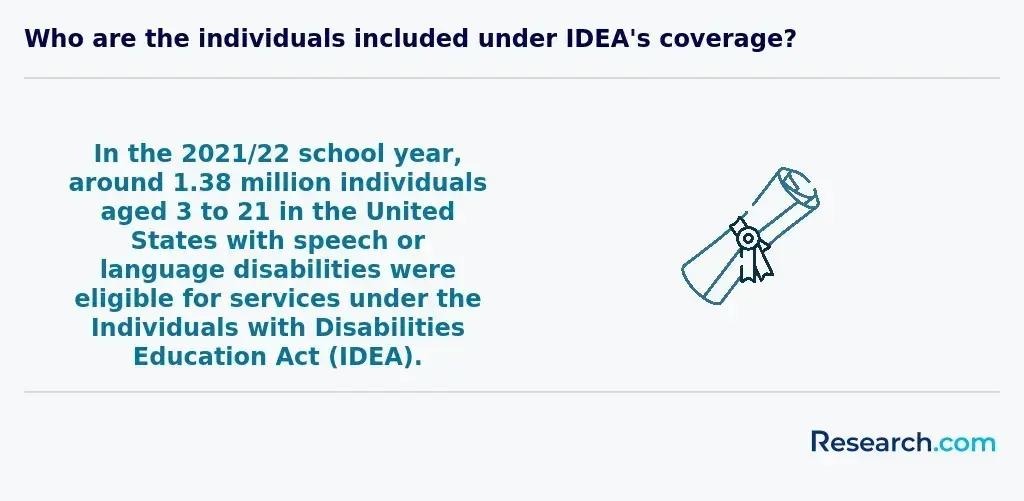
Salary expectations align with Georgia's averages, with entry-level roles starting near $50,000 and median wages around $68,000, providing a solid foundation for career growth. With federal mandates like IDEA fueling demand in educational sectors, Valdosta's speech pathology career opportunities are promising. Prospective students benefit from Valdosta State University's competitive tuition rates-which are lower than many national averages-making it more accessible to earn a degree here.

For those considering additional certifications or career shifts, resources on Louisiana teaching career requirements might offer useful parallels in educational credentialing pathways relevant to this field.

Frequently Asked Questions About speech pathology

How can speech pathology degree students in Valdosta maximize their learning experience?

Speech pathology degree students in Valdosta can maximize their learning by engaging deeply in both theoretical and practical coursework offered by local institutions. Valdosta State University provides access to faculty with expertise in speech-language disorders, enhancing academic support. Students should take advantage of clinical practicum opportunities available through partnerships with regional health centers and schools, critical for real-world experience.

Additionally, joining professional organizations like the American Speech-Language-Hearing Association (ASHA) can provide networking and continuing education. Utilizing Valdosta's community resources to observe or volunteer in speech therapy sessions further enriches understanding. Staying current with updated licensure requirements in Georgia ensures focused academic and career preparation.

What are the emerging niches within the speech pathology field?

The field of speech pathology is evolving rapidly, with several emerging niches gaining prominence. In Valdosta and across the US, telepractice is a growing area, allowing clinicians to offer remote therapy, which expanded significantly during the COVID-19 pandemic. This modality increases access to services for rural and underserved populations.

Another niche is pediatric feeding and swallowing disorders, where specialists address complex issues beyond traditional speech therapy. Additionally, work with aging populations focusing on cognitive-communication disorders caused by stroke or dementia is expanding.

According to the American Speech-Language-Hearing Association (ASHA), demand for these specialties is expected to grow by 21% through 2030 nationally, reflecting trends that Valdosta-based programs are adapting to.

How to prepare for the job market after completing speech pathology degree in Valdosta?

After completing a speech pathology degree in Valdosta, preparing for the job market involves several key steps. First, obtaining the Certificate of Clinical Competence in Speech-Language Pathology (CCC-SLP) from the American Speech-Language-Hearing Association is crucial for licensure. In Georgia, graduates must also meet state licensure requirements, which include supervised clinical hours and passing the Praxis exam.

Gaining practical experience through internships or graduate assistantships offered by local universities can improve employment prospects.

Networking with professionals in Valdosta's healthcare facilities and school systems is beneficial, as these are the largest employers of speech pathologists in the area.

According to the U.S. Bureau of Labor Statistics, the region expects steady growth in speech pathology jobs, with an average salary around $75,000 annually, supporting a positive outlook for new graduates.

What are the top skills employers look for in speech pathology degree graduates in Valdosta?

Employers in Valdosta seek speech pathology graduates with strong clinical and communication skills. Effective oral and written communication is essential, as professionals must interact clearly with clients and multidisciplinary teams. Critical thinking and problem-solving abilities enable graduates to design personalized treatment plans for diverse speech disorders.

Knowledge of evidence-based practices and proficiency in assessment tools are highly valued. According to the American Speech-Language-Hearing Association, adherence to these standards ensures quality care. Additionally, cultural competence and empathy are important due to Valdosta's diverse population.

Finally, graduates with practical experience through internships or clinical placements in local healthcare settings tend to be preferred by employers, emphasizing hands-on skills alongside academic knowledge.

How to find internships in Valdosta relevant to a speech pathology degree?

In Valdosta, students pursuing speech pathology degrees can find internships through several local resources tied to health and educational institutions. Many programs include clinical practicum placements with Valdosta-area hospitals, schools, and rehabilitation centers, providing hands-on experience required for certification. For example, South Georgia Medical Center frequently offers internships for speech pathology students.

Additionally, contacting the Georgia Speech-Language-Hearing Association can help identify approved internship sites and local professionals who mentor interns. University career offices in Valdosta also maintain internship listings and have partnerships with clinics and schools in the region.

The American Speech-Language-Hearing Association (ASHA) requires accredited programs to ensure students complete supervised clinical hours, often fulfilled through local internships. This guidance is critical when searching for valid opportunities in Valdosta.

How does a speech pathology degree influence career mobility and advancement in Valdosta?

A speech pathology degree in Valdosta significantly enhances career mobility and advancement opportunities within the region. Graduates with this credential meet state licensure requirements, which is essential for practicing legally and gaining employment in clinical, educational, and healthcare settings.

According to the U.S. Bureau of Labor Statistics, speech-language pathologists in Georgia earn a median annual salary of approximately $74,000, with job growth expected at around 21% through 2031, well above the national average. This growth is reflected in Valdosta, where local hospitals, school districts, and rehabilitation centers actively seek qualified professionals.

Possessing a master's degree or higher often allows speech pathologists to access supervisory roles or specialize in areas like pediatric or geriatric care, which can lead to higher salaries and better job security.

How does studying for a speech pathology degree in Valdosta prepare for interdisciplinary roles?

Studying for a speech pathology degree in Valdosta equips students with essential skills to work effectively in interdisciplinary teams. Programs emphasize collaboration with professionals in fields such as education, healthcare, and social work. According to the American Speech-Language-Hearing Association (ASHA), speech pathology curricula commonly include courses in psychology, anatomy, and communication sciences, fostering broad knowledge.

Valdosta State University, a key local institution, integrates clinical experiences in diverse settings, enabling students to address complex communication disorders alongside other specialists. This practical training is crucial for teamwork in hospitals, schools, and rehabilitation centers. Such interdisciplinary readiness aligns with employment trends reported by the U.S. Bureau of Labor Statistics, highlighting growing demand for adaptable speech pathologists.

How to choose between a thesis and a non-thesis speech pathology degree program in Valdosta?

When choosing between a thesis and a non-thesis speech pathology degree program in Valdosta, consider your career goals. A thesis program typically involves conducting original research and writing a formal dissertation. This path suits students interested in clinical research, doctoral studies, or academic careers. Non-thesis programs focus more on coursework and clinical practice, appealing to those aiming to quickly enter the workforce as practicing speech-language pathologists.

Valdosta State University offers graduate speech pathology options aligned with these formats. According to the U.S. Bureau of Labor Statistics, demand for speech pathologists in Georgia is expected to grow by 18% through 2030, so practical skills are vital.

Evaluate your time commitment, interest in research, and professional ambitions when selecting the right path.

What options do students based in Valdosta have for studying speech pathology abroad?

Students based in Valdosta interested in studying speech pathology abroad have several options, though these can be limited by accreditation requirements. Many U.S. programs encourage international study through exchange or study-abroad partnerships, but speech pathology degrees must comply with standards set by the American Speech-Language-Hearing Association (ASHA).

For Valdosta students, pursuing a degree entirely overseas is uncommon due to professional licensing concerns upon return to the U.S. However, short-term clinical placements or research collaborations abroad can complement studies at institutions like Valdosta State University, which offers a reputable speech-language pathology program.

Students should consult the ASHA website for guidance on international accreditation to ensure their qualifications meet U.S. certification standards.

What part-time job opportunities in Valdosta can complement speech pathology degree education?

Students pursuing speech pathology degrees in Valdosta can find several part-time jobs that enhance their education. Working as a speech-language pathology assistant (SLPA) is one of the most relevant roles. This position allows gaining practical experience by supporting licensed speech therapists in clinical and educational settings.

Another option is tutoring or mentoring students with communication challenges in local schools or community centers. Valdosta's public school system often seeks aides who understand speech and language development.

Additionally, part-time roles in healthcare facilities, such as rehabilitation centers or nursing homes, provide valuable exposure to speech therapy practices with diverse patients.

By combining these roles, students develop essential skills and strengthen resumes before entering the professional workforce.

What are the networking opportunities for speech pathology students in Valdosta?

Speech pathology students in Valdosta benefit from several networking opportunities integral to their academic and professional growth. Valdosta State University (VSU), the primary institution offering speech pathology degrees in the area, maintains active connections with local healthcare providers and school districts. These partnerships provide students with chances to participate in internships and clinical placements, which are valuable for hands-on experience and professional networking.

Students can also join state and national organizations such as the Georgia Speech-Language-Hearing Association (GSHA) and the American Speech-Language-Hearing Association (ASHA). These bodies host conferences, workshops, and webinars that help students build relationships with experienced practitioners and researchers. According to GSHA, these events often feature over 500 attendees statewide, making them ideal for expanding professional contacts.

Additionally, VSU's communication sciences department frequently invites guest speakers and industry experts, offering students direct access to professionals in the field. Local speech pathology clinics and educational institutions in Valdosta also foster networking through collaborative projects and volunteer opportunities. Overall, these avenues support speech pathology students in establishing vital connections for future career advancement.

How do alumni networks benefit speech pathology degree students in Valdosta?

Alumni networks offer significant benefits to speech pathology degree students in Valdosta by providing valuable professional connections and mentorship opportunities. Graduates of Valdosta State University's communication sciences programs often support current students with career advice and job leads, which can be crucial in the competitive healthcare job market.

Networking through alumni events and online platforms also enhances access to internships and clinical placements in local healthcare facilities, a key factor in graduate success. The Georgia Speech-Language-Hearing Association highlights strong alumni engagement as a factor in regional employment outcomes for speech pathology students.

Such networks contribute to skill development and knowledge sharing, preparing students for certification exams and advancing their careers.

How can I customize my speech pathology degree program in Valdosta to fit my career goals?

Customizing your speech pathology degree program in Valdosta allows you to align your education with specific career goals. Many institutions in Georgia, including those near Valdosta, offer flexible curricula that let you choose electives focused on areas like pediatric speech therapy, adult rehabilitation, or augmentative communication.

Additionally, practical experience through internships or clinical placements within Valdosta's healthcare settings can enhance your skill set. The local demand for speech pathologists is expected to grow by 21% through 2030 according to the Bureau of Labor Statistics, making specialization a strategic advantage.

Some programs also provide options for research involvement or certifications in related fields, giving you a competitive edge in the job market. Always check if the program is accredited by the American Speech-Language-Hearing Association (ASHA) to ensure your degree meets professional standards.

What are the typical challenges that speech pathology students in Valdosta are facing?

Speech pathology students in Valdosta often encounter several challenges throughout their academic journey. A notable difficulty lies in securing enough clinical practicum hours due to limited placement options in local healthcare and educational settings, which is common in smaller cities. According to the American Speech-Language-Hearing Association (ASHA), students must complete at least 400 supervised hours, combining both academic and clinical work, which sometimes delays graduation.

Another challenge is balancing rigorous coursework with external responsibilities, as many students in Valdosta attend part-time or work while studying. Additionally, the competitive nature of graduate program admissions in speech pathology means students must maintain high academic standards.

Limited local research opportunities also restrict practical exposure to evolving speech therapy techniques, affecting hands-on learning experiences. Despite these obstacles, Valdosta's programs strive to provide comprehensive education in speech pathology.

What professional certifications can I pursue with a speech pathology degree?

With a speech pathology degree, graduates in Valdosta can pursue several key professional certifications to enhance their credentials. The most recognized certification is the Certificate of Clinical Competence in Speech-Language Pathology (CCC-SLP), awarded by the American Speech-Language-Hearing Association (ASHA). This certification is crucial for many career paths and licensing requirements across the U.S. including Georgia.

Additionally, obtaining state licensure through the Georgia State Board of Examiners for Speech-Language Pathology and Audiology is mandatory for practicing speech pathology professionally in Valdosta. This license ensures compliance with local regulations and standards.

Some professionals also pursue specialized certifications in areas such as fluency disorders or swallowing disorders, which may be offered by ASHA or other recognized organizations.

How to write a winning application for a speech pathology program in Valdosta?

Applying to a speech pathology program in Valdosta requires careful preparation and attention to detail. Start by researching programs accredited by the Council on Academic Accreditation in Audiology and Speech-Language Pathology (CAA), as accreditation ensures quality and eligibility for certification. Highlight your academic achievements, especially in communication sciences, biology, or psychology, to demonstrate your foundational knowledge.

Craft a compelling personal statement that explains your passion for speech pathology and relates any relevant volunteer or work experience in healthcare or education. Valdosta's healthcare organizations often value practical exposure when evaluating candidates.

Include strong letters of recommendation from professors or supervisors who know your skills in communication and clinical settings.

Lastly, prepare for the GRE if required, and meet application deadlines precisely to improve your chances of admission.

What are the global perspectives on a speech pathology career?

Speech pathology is recognized worldwide as a vital healthcare profession that helps individuals with communication and swallowing disorders. In the United States, including Valdosta, the demand for speech pathologists is growing rapidly; the Bureau of Labor Statistics projects a 21% job growth from 2022 to 2032, much faster than average. Globally, standards for speech pathology education vary but generally emphasize obtaining a master's degree and clinical certification.

In Valdosta, programs align with national certification requirements by the American Speech-Language-Hearing Association (ASHA), ensuring graduates can practice both locally and internationally. This standardization enhances mobility and career opportunities across borders.

According to data from the U.S. Department of Education, regional universities in Georgia contribute significantly to training competent speech pathologists who meet global expectations in evidence-based practice and diversity awareness.

How can I gain practical experience while studying for a speech pathology degree in Valdosta?

Gaining practical experience while studying for a speech pathology degree in Valdosta is essential for career readiness. Many programs in the area incorporate clinical practicum courses, where students work directly with clients under supervision. Valdosta State University, for example, partners with local schools, hospitals, and rehabilitation centers to provide hands-on training opportunities.

Students can also seek internships or volunteer roles at healthcare facilities or community organizations. These experiences not only enhance clinical skills but also help build professional networks. According to the American Speech-Language-Hearing Association, completing supervised clinical hours is mandatory to qualify for certification, emphasizing the importance of practical experience throughout the degree.

How do I choose the right concentration within a speech pathology degree program in Valdosta?

Choosing the right concentration within a speech pathology degree program in Valdosta depends on your career goals and interests. Common concentrations include pediatric speech disorders, adult rehabilitation, or voice therapy. Research local employment trends; for example, Valdosta's growing healthcare sector often seeks therapists skilled in adult neurogenic communication disorders.

Consider program faculty expertise and available clinical practicum sites, as hands-on experience shapes specialization. In Valdosta, partnerships with local hospitals and schools can influence the variety of clinical experiences offered.

Finally, check accreditation status and state licensure preparation, since these affect your eligibility to practice in Georgia.

See What Experts Have To Say About Studying Speech Pathology

Read our interview with Speech Pathology experts

Rhea Paul

Rhea Paul

Speech Pathology Expert

Professor, Communication Disorders

Sacred Heart University

Do you have any feedback for this article?

Related Articles
2027 Best CAA-Accredited Graduate Degrees in Speech-Language Pathology thumbnail
2027 Best Online Communication Disorders Degree Programs thumbnail
Degrees SEP 3, 2026

2027 Best Online Communication Disorders Degree Programs

by Imed Bouchrika, PhD
2027 How to Make a Career Change from Teacher to SLP Speech Pathologist thumbnail
2027 What Accreditation Matters for Speech Pathology Programs (ASHA, CAA Explained) thumbnail
Speech language pathology SEP 3, 2026

2027 What Accreditation Matters for Speech Pathology Programs (ASHA, CAA Explained)

by Imed Bouchrika, PhD
2027 Can You Get a Speech Pathology Degree Master's Without a Related Bachelor's Degree? thumbnail
2027 Best Speech Pathology Degrees for Working Adults thumbnail
Advice SEP 1, 2026

2027 Best Speech Pathology Degrees for Working Adults

by Imed Bouchrika, PhD