2027 Most Valuable Online Bachelor's in Social Work Degree Programs Ranking in the West

Co-Founder and Chief Data Scientist
Choosing the right social work degree program can shape your future and impact the communities you serve. This article introduces the 2027 Most Valuable Online Bachelor's in Social Work Degree Programs Ranking in the West, crafted by the Research.com team of data scientists to guide you toward programs that truly deliver value.
By exploring this ranking, you'll gain insight into programs that balance quality education with practical benefits. Earning a social work degree opens doors to meaningful careers helping others and making a difference. Let this guide support your journey toward an enriching and rewarding future.
Key benefits of getting online social work degree in the West
- Salary for social work degree graduates: Graduates can expect rewarding salaries, such as $68,800 annually for Social Workers and up to $83,400 for Community Organizers and Youth Workers, providing financial stability in meaningful careers.
- Career paths: Social work graduates from Western universities often pursue roles like Child Welfare Specialist or Residential Counselor, offering diverse opportunities to impact communities positively.
- Benefits of online degrees: Online social work degrees offer flexibility and accessibility, enabling graduates to balance work and study while gaining credentials from respected Western institutions easily.
- Key benefits of getting online social work degree in the West
- What can I expect from online social work degree in the West?
- Where can I work with online social work degree in the West?
- How much can I make with online social work degree in the West?
- 2027 Most Valuable Online Bachelor's in Social Work Degree Programs Ranking in the West
- Key Findings
- How long does it take to complete online social work degree in the West?
- Licensure and Certification: Essential Steps for Social Work Practice in the West
- What's the difference between online and on-campus social work degree?
- Licensure and Certification Guidance
- What is the average cost of online social work degree in the West?
- Licensure and Certification Requirements
- What financial aid is available to online social work degree students in the West?
- Why Pursue a Popular Social Work Degree in the West?
- What are the prerequisites for enrolling in online social work degree program in the West?
- Licensure and Certification Requirements for Online Social Work Graduates in the West
- What courses are typically in online social work degree programs in the West?
- What types of specializations are available in online social work degree programs in the West?
- How do you choose the best online social work degree in the West?
- What career paths are available for online social work degree students in the West?
- What is the job market for online social work degree in the West?
- Top Trending Social Work Rankings
- See What Experts Have To Say About Studying Social Work
What can I expect from online social work degree in the West?
The average cost of an online social work degree in the Western United States varies but is often affordable, especially compared to many traditional programs. Graduates from well-known universities in California, Oregon, and Washington have found that public institutions typically offer lower tuition rates for in-state residents, making higher education within reach. For example, many social work students pursuing their Bachelor of Social Work online have enjoyed balancing work, family, and studies while benefiting from these competitive prices.
Beyond tuition, accessible financial aid and scholarships tailored to social work learners in the West play a vital role in easing the investment. Graduates frequently share how support opportunities helped transform potential financial worries into motivation, encouraging them to focus on their passion for helping communities.
Studying online with local practicum placements creates a practical and flexible path. This blend of affordability, support, and real-world experience makes earning a social work degree in the West an inspiring and empowering journey for many.
Where can I work with online social work degree in the West?
Graduates from online social work degree programs in the West find themselves stepping into rewarding roles across healthcare, child welfare, mental health, education, and private practice. Imagine supporting patients through recovery in hospitals or guiding families in Oregon's child welfare agencies-these are real opportunities for social workers from universities like the University of Washington and California State University.
Many graduates share how working in community mental health centers in Nevada or Arizona allows them to make a genuine difference with counseling and addiction support. Others feel fulfilled helping students thrive in school districts actively hiring social workers throughout the West, thanks to programs at institutions like Arizona State University.
With licensure eligibility through CSWE-accredited online degrees, social workers can confidently pursue independent practice or consulting, enjoying the flexibility and impact they envisioned when starting their education. This vibrant and growing field offers inspiring career paths tailored to your desire to uplift individuals and communities across the Western United States.
How much can I make with online social work degree in the West?
Graduates of online social work programs in the Western United States can look forward to promising financial opportunities that reflect both their dedication and the region's demand for skilled professionals. Many graduates from schools like the University of Southern California and the University of Washington enter rewarding careers as social workers, where the mean annual wage hovers around $68,800. For those inspired to specialize, roles such as Community Organizer or Youth Worker offer substantial earnings, with mean salaries reaching up to $83,400 annually-highlighting the value of advanced skills and leadership.
Entry-level positions such as Child Welfare Specialists and Residential Counselors typically earn about $59,190 per year, enabling new graduates to confidently start their impactful careers. These wages, combined with the flexibility of online education, empower students to balance life while preparing for roles that change lives in their communities. Many graduates share excitement about advancing quickly due to growing opportunities in Western states like California and Washington, where social service roles enjoy competitive pay and meaningful work.
2027 Most Valuable Online Bachelor's in Social Work Degree Programs Ranking in the West
How do we rank schools?
Investing in your education is a significant decision that can shape your future, and the Research.com team understands the importance of making informed choices. To assist prospective students seeking online bachelor's degrees in social work across the Western United States, we have meticulously developed the "2027 Most Valuable Online Bachelor's in Social Work Degree Programs Ranking in the West." Our commitment to quality, credibility, and accuracy underpins the extensive research and analysis behind this ranking.
We utilized the following reputable data sources to ensure a comprehensive evaluation of online social work programs:
By exploring this ranking, readers will gain valuable insights into the most valuable programs available, empowering them to make well-informed decisions that align with their academic and career goals. For more information on how this ranking was created, please visit our Research.com methodology page.

# 2 position
University of Massachusetts Global
Bachelor of Social Work

# 3 position
University of Alaska Fairbanks
Bachelor of Social Work

Key Findings
- Online social work bachelor's degrees in the Western US cost between $30,000 and $60,000, with public universities offering lower rates for in-state students.
- Graduates can expect early-career salaries around $45,000 to $50,000, rising to $60,000 to $70,000 with experience and certification like Licensed Bachelor Social Worker (LBSW).
- The job market for social workers in the West is growing at about 13% from 2022 to 2032, driven by demand in healthcare, mental health, and child welfare.
- Programs are typically accredited by the Council on Social Work Education (CSWE), which is required for licensure and employment.
- Many online programs require fieldwork or internships to be completed in person despite mostly online coursework.
How long does it take to complete online social work degree in the West?
Completing an online social work degree in the West is an achievable and rewarding journey that typically takes about four years for a full-time Bachelor of Social Work (BSW) student. Many graduates from respected Western universities find that this timeline perfectly balances academic rigor with personal growth, empowering them to make a real difference in their communities.
For those juggling work or family, part-time study options stretch the experience to five or six years, allowing flexibility without sacrificing quality. Others accelerate their path, especially if they bring prior credits or relevant experience, finishing their BSW in as little as two to three years. This adaptability is a beacon of hope for busy professionals eager to transition into social work.
Master of Social Work (MSW) students often complete their degrees in two years full-time, though advanced standing options can shorten this to one year for BSW graduates. Fieldwork hours blend seamlessly into the schedule, offering practical experience that enhances personal fulfillment and professional confidence.
Licensure and Certification: Essential Steps for Social Work Practice in the West
Before entering professional practice, graduates must obtain state licensure to ensure compliance with legal and ethical standards. In the Western U.S., aspiring social workers typically pursue a Licensed Bachelor Social Worker (LBSW) credential after completing a CSWE-accredited Bachelor of Social Work (BSW) program. Many students compare options for the cheapest bsw programs online to balance quality education with affordability, meeting both academic and financial goals. Key requirements for LBSW licensure:
- Degree Verification: Proof of a CSWE-accredited BSW.
- Supervised Experience: 1,000 hours of post-graduate supervised practice under an LCSW or other approved supervisor.
- Examination: Passing the Association of Social Work Boards (ASWB) Bachelor’s exam. Advancing to clinical practice involves earning a Master of Social Work (MSW) and pursuing the Licensed Clinical Social Worker (LCSW) credential. Core steps include:
- MSW Completion: Graduation from a CSWE-accredited MSW program with a clinical concentration.
- Supervision Hours: 3,000 hours of face-to-face clinical supervision over at least two years.
- Clinical Exam: Passing the ASWB Clinical exam. State Variations and Continuing Education Licensure requirements can vary by state. For example, California mandates 3,200 supervised hours plus additional ethics coursework, while Washington requires 3,000 hours and specific training in child welfare. After initial licensure, social workers must fulfill biennial continuing education (CE) credits-typically 30 hours for LCSWs and 20 hours for LBSWs-to maintain their credentials and stay current on best practices.
What's the difference between online and on-campus social work degree?
Choosing between online and on-campus social work degrees in the Western U.S. opens exciting pathways tailored to your lifestyle. Graduates from on-campus programs at universities like the University of Washington cherish the vibrant campus life-the instant face-to-face support from professors and spontaneous study groups that deepen connections and real-world skills.
Meanwhile, online students often praise the flexibility that fits their busy schedules, whether balancing work or family commitments. For example, those studying through California State University's online BSW program embrace the chance to learn from anywhere while arranging local internships-turning familiar community agencies into meaningful practicum sites.
Both paths uphold rigorous CSWE standards, ensuring you gain the hands-on experience needed to thrive as a social worker. Cost savings and convenience add to the appeal of online learning, especially when a graduate recalls avoiding commuting expenses and still feeling fully engaged through dynamic virtual classrooms.
The choice reflects your unique journey, empowering you to build a rewarding career in social work with confidence and support, wherever you are in the West.
Licensure and Certification Guidance
For many aspiring social workers, obtaining a degree is just the first step toward a fulfilling career-it’s equally important to understand the licensure and certification processes that enable professional practice. Graduates should be aware that licensure requirements vary by state and often include a set number of supervised fieldwork hours, passing a national or state-specific examination, and completing continuing education credits throughout one’s career. This section provides essential insights into the licensing journey and post-graduation certification steps that can help you confidently transition from student to practitioner. Key factors to consider include: • State-Specific Requirements: Each state determines its own criteria for social work licensure. Prospective social workers should research local regulations to understand mandatory supervised experience and examination prerequisites. • Certification Exams: Passing licensing exams is a critical milestone. These assessments test your understanding of social work principles, ethics, and practical skills. Many programs even offer integrated exam preparation as part of their curriculum. • Continuing Education: Once licensed, maintaining your certification involves ongoing education. Engaging in workshops, seminars, or advanced coursework ensures your skills remain current in a rapidly evolving field. • Career Impact: Understanding the licensure process is not only crucial for compliance but also enhances your marketability in a competitive job market. In fact, if you are wondering is bachelors online degree in social work worth it, knowing the clear path to certification and continuous professional development may help solidify your decision. By carefully planning for licensure and pursuing additional certifications as needed, you lay the foundation for a career marked by both professional competence and the ability to make a genuine impact in your community.
What is the average cost of online social work degree in the West?
The average cost of an online social work degree in the West reflects a promising investment in your future. Median tuition totals around $49,856, with in-state students typically paying about $15,952. Many graduates from well-known public universities in California, Oregon, and Washington share how this accessible pricing helped them balance education with work and family, making their dreams feel truly achievable. This blend of affordability and quality fosters a supportive learning environment that resonates deeply with aspiring social workers.
Choosing an affordable online bachelor's in social work in western states often means tapping into programs that offer strong accreditation and comprehensive training, preparing you for licensure across several states. Graduates attest that the flexibility of these programs allowed them to participate in social work workshops california while managing personal commitments, enriching both their education and community engagement.
For many, the value shines not just in tuition figures but in the overall experience-practicum opportunities, financial aid access, and a curriculum designed to empower future changemakers. The variable out-of-state costs, with a median around $39,712, remind prospective students that exploring specific university options can uncover tuition plans that fit diverse budgets, helping set the stage for a rewarding career dedicated to helping others.
Licensure and Certification Requirements
Graduates must meet state board criteria to practice officially:
- Graduate from a CSWE-accredited BSW program (ensures eligibility for licensure).
- Complete required supervised practice hours (typically 400–1,000 hours, varying by state).
- Pass the Association of Social Work Boards (ASWB) Bachelors examination.
- Apply for your initial license under titles such as LBSW or LSW, depending on state regulations.
- For advanced clinical roles, earn an MSW-many opt for msw accelerated programs online-and complete post-master’s supervision before taking the ASWB Clinical exam.
What financial aid is available to online social work degree students in the West?
Students pursuing online social work degrees in the West often find hope through numerous financial aid opportunities that make their dreams achievable. Graduates from popular programs at universities like the University of Washington or California State University share stories of relief when federal aid, such as the Pell Grant, covered a significant portion of their tuition without the burden of repayment.
State-specific programs add even more support; for example, Washington's College Grant or California's Cal Grant empowered many to focus on their studies knowing their costs were partially covered. Imagine attending a well-known West Coast university with tuition assistance from your employer in human services, easing financial stress while gaining real-world experience.
Additionally, merit scholarships and need-based grants from these institutions provide crucial aid, sometimes covering full tuition. Professional organizations like the NASW Foundation motivate students with scholarships that encourage serving underserved Western communities, making education both affordable and purposeful.
Why Pursue a Popular Social Work Degree in the West?
Pursuing a popular social work degree in the West can be a highly rewarding career path for those passionate about making a difference in their communities. With the demand for skilled social workers on the rise, graduates of these programs can expect to find fulfilling roles in various settings, including child welfare services, healthcare, education, and community organizations. By exploring the popular social work degree options available, prospective students can make informed decisions about their educational paths, ensuring they align with their career aspirations and financial realities. Whether one is interested in clinical social work, school social work, or community practice, the West offers a diverse range of opportunities for social workers to grow and make a meaningful impact.
What are the prerequisites for enrolling in online social work degree program in the West?
To embark on your journey toward an online social work degree in the Western United States, you'll find that meeting certain prerequisites unlocks a path full of opportunity and impact. Most programs, like those at renowned public universities in California and Washington, welcome students who have completed high school or earned a GED. Graduates often share how maintaining a GPA around 2.5 to 3.0 helped them demonstrate their dedication and readiness for college-level study.
Many Western schools have embraced flexibility around standardized testing, making it easier for you to apply without stress. You might encounter requirement for key courses in English, psychology, or sociology, mirroring real cases where students used these foundations to connect deeply with their community work.
- Letters of recommendation often provide inspirational support, coming from mentors who have witnessed your passion firsthand.
- Your personal statement is a powerful moment to express your unique drive toward social justice, a common thread among those successfully accepted at Western institutions.
For those reaching toward a Master of Social Work, many graduate programs value prior degrees and real-world social services experience, reflecting the journeys of many alumni who now lead change in their fields.

Licensure and Certification Requirements for Online Social Work Graduates in the West
Obtaining state licensure is an essential step for online social work graduates who wish to practice professionally in the West. While online BSW and MSW programs accredited by the Council on Social Work Education (CSWE) lay the academic foundation, each state’s board of social work sets specific requirements-typically a combination of supervised hours, examination passage, and continuing education-to grant credentials such as Licensed Social Worker (LSW) or Licensed Clinical Social Worker (LCSW). Most Western states require between 2,000 and 3,000 hours of supervised clinical experience post-graduation. For example, California mandates 3,200 hours under a licensed supervisor and successful completion of the Association of Social Work Boards (ASWB) Clinical Exam, while Washington requires 3,000 hours plus the ASWB Clinical or Advanced Generalist Exam. In Arizona, candidates complete 2,400 supervised hours and pass the ASWB Clinical Exam, whereas Oregon requires 3,000 hours along with the ASWB Clinical Exam and jurisprudence exam on state laws. To streamline the licensure process, consider the following best practices:
- Verify your program’s CSWE accreditation and check reciprocity agreements if you anticipate relocating.
- Document fieldwork and supervision hours meticulously; many boards offer online portals for progress tracking.
- Register early for the ASWB exam and utilize official practice materials to ensure familiarity with question formats.
- Budget for application and exam fees, which can range from $200 to $500, and plan for renewal costs every two years. Finally, aspiring social workers should compare program costs and outcomes to balance academic quality with affordability. For an in-depth look at budget-friendly options and ROI, explore our Cheapest Social Work Degree Programs Ranking in Atlanta, GA, which highlights cost-effective pathways to professional licensure.
What courses are typically in online social work degree programs in the West?
Online social work degree programs in the West offer an empowering blend of courses that prepare students to make a meaningful impact in their communities. Graduates from well-known universities in California and Washington often share how courses like Human Behavior in the Social Environment deepened their understanding of real-life challenges faced by individuals and families. These classes connect theory with heartfelt stories, inspiring students to become compassionate advocates.
Classes such as Social Welfare Policy Analysis and Research Methods and Statistics for Social Work equip students with critical skills to evaluate and improve services that support vulnerable populations. Many students find the focus on Diversity and Cultural Competency especially motivating, as it fosters respect and inclusion in the diverse communities of the West.
Hands-on experiences through a Field Practicum or Internship, often completed locally or virtually, bring these lessons to life. Graduates recall how partnering with community agencies in Oregon or Washington expanded their confidence and professional readiness, turning academic knowledge into powerful tools for change.
What types of specializations are available in online social work degree programs in the West?
Online social work degrees in the West offer inspiring specializations designed to align with your passion and career goals. Graduates from prominent Western universities often share how the clinical social work track empowered them to skillfully provide mental health therapy, preparing them for licensing and impactful roles as licensed clinical social workers. Others find fulfillment in child and family social work, working in dynamic environments like foster care and schools to nurture the well-being of youth and families across diverse communities in the Western US.
With a focus on the social work degree focus areas Western US students appreciate, healthcare social work is a powerful specialization, equipping learners to support patients through complex medical and emotional challenges. Many graduates recall rewarding practicum experiences at hospitals in California or Washington, witnessing firsthand the difference compassionate care makes.
Additional options such as school social work and gerontology allow students to tailor their education to serve unique population needs. Exploring these options prepares you to thrive in the social work job market and fulfill a meaningful career in Western communities.
How do you choose the best online social work degree in the West?
To choose the best online social work degree in the West, prioritize programs with strong CSWE accreditation, as this ensures your education meets professional standards needed for licensure. Graduates from renowned Western colleges often praise the blend of rigorous academics and flexible schedules that allow them to balance work, family, and clinical internships in their communities. Selecting among the best affordable online social work degree programs West means considering tuition, financial aid, and extra costs like technology fees-all vital for a smooth educational journey.
Look for programs offering specializations that resonate with your passion, whether child welfare or mental health, allowing you to tailor your learning to real-world impact. Graduates from top accredited online social work bachelor's degrees Western US highlight the importance of strong alumni networks and local agency partnerships that open doors after graduation. Exploring related fields can also enrich your perspective; for example, many find inspiration by reviewing cognitive psychology training programs to better support client needs.
What career paths are available for online social work degree students in the West?
Graduates pursuing online social work careers in the West discover a variety of fulfilling paths that truly make a difference in diverse communities. Those earning their degrees from well-known universities across California, Oregon, and Washington often share inspiring stories of working as healthcare social workers who guide patients through complex medical systems or school social workers helping students overcome challenges and thrive academically. These rewarding roles allow graduates to directly impact lives while growing in meaningful ways.
Many social work degree jobs in Western US also include positions as child and family social workers, providing protection and advocacy for vulnerable youth, or substance abuse counselors offering vital support on the road to recovery. Community outreach coordinators collaborate with nonprofits to combat homelessness and poverty, blending compassion with action. Students from popular social work programs often highlight how hands-on fieldwork placements across Western communities helped them gain confidence and readiness for these dynamic careers.
For those seeking more information on schools to start their journey, exploring accredited web-based colleges can open doors to thriving social work professions in the West.
What is the job market for online social work degree in the West?
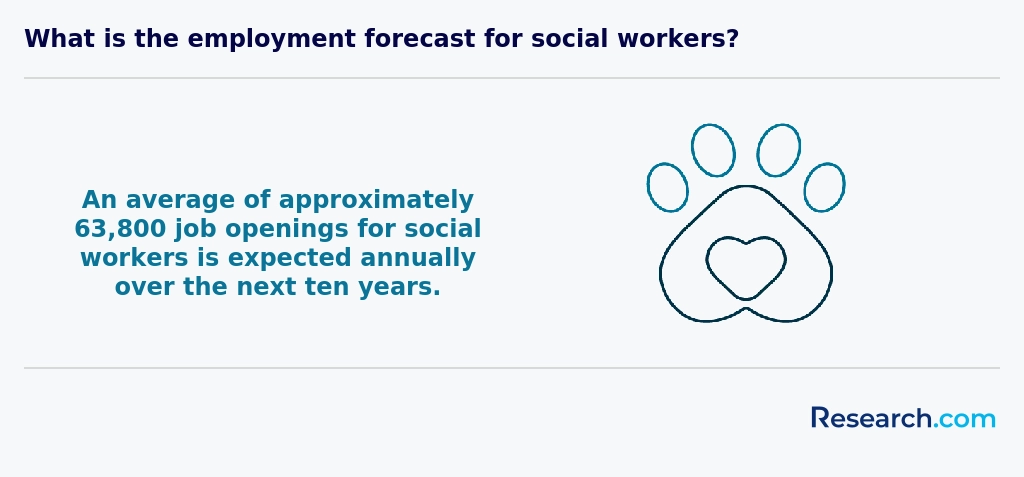
The job market for online social work degree graduates in the Western US is vibrant and full of opportunity. Graduates from well-known programs at universities such as the University of Washington or California State University often share stories of quickly finding roles in mental health clinics or community outreach organizations. These positions allow them to make a tangible difference, supporting individuals and families facing challenges like homelessness or substance abuse.
The demand for qualified social workers in this region is growing steadily, driven by an increased focus on services for children, the elderly, and mental health support. This positive trend makes pursuing an online social work degree in the West a smart investment. Graduates often appreciate the balance of on-the-job impact with competitive salaries, with many excited about the flexibility and accessibility of online study options.
Success stories often highlight how graduates fulfill licensing requirements, essential to maximizing job opportunities in this area. For those aiming to deepen their credentials, resources like the lpc licensure in iowa process provide clear guidance. The job outlook for social work degrees in the West promises a meaningful and rewarding career path for dedicated students.
Frequently Asked Questions About social work
Online social work degree students in the West can maximize their learning by engaging actively with course materials and participating in virtual discussions. The Council on Social Work Education (CSWE) accredits many online programs, ensuring they meet rigorous standards relevant to field placements and professional skills.
Students should seek local field internship opportunities to gain practical experience aligned with Western regional needs, such as addressing rural or urban community challenges. According to the California Board of Behavioral Sciences, practicum placements significantly enhance job readiness.
Additionally, leveraging digital tools like online libraries and webinars offered by Western universities can deepen understanding. Time management and consistent communication with instructors foster success in predominantly asynchronous social work courses.
Emerging niches within the social work field are shaping new career paths for students pursuing online social work degrees in the Western United States. One growing area is geriatric social work, which addresses the needs of an aging population in states like California and Washington. According to the Bureau of Labor Statistics, the demand for social workers in elderly services is expected to grow faster than average through 2030.
Another expanding niche is behavioral health, focusing on addiction and mental health disorders. Western states have increased funding for these services to address rising opioid and substance abuse challenges. Furthermore, social work related to rural health care access is gaining importance, due to underserved populations in Western rural communities.
Child welfare and school social work continue to evolve, with digital interventions becoming more common. These emerging specializations offer diverse opportunities for online social work graduates aiming to meet the dynamic needs across the West.
After completing an online social work degree in the West, preparing for the job market involves practical experience and credentialing. Many states in the Western U.S. require social workers to obtain licensure, starting with the Licensed Bachelor Social Worker (LBSW) credential. Graduates should seek supervised internships or volunteer opportunities to build hands-on skills. According to the Bureau of Labor Statistics (2023), social workers in the West earn a median annual wage of around $60,000, with demand expected to grow by 12% through 2030.
Networking through local social work organizations and attending job fairs can also improve employment chances. Certification and continuing education play key roles in advancing a social work career in this region.
Employers in the Western US value several key skills in graduates of online social work degree programs. Critical thinking and problem-solving abilities are essential, enabling social workers to assess client needs and develop effective intervention plans. Strong communication skills, both verbal and written, are highly sought after since social workers must interact with diverse populations and collaborate with community agencies.
Additionally, cultural competence is important given the West's diverse demographics. Understanding and respecting different backgrounds helps improve service delivery. According to the California Board of Behavioral Sciences, measurable interpersonal skills directly impact job performance. Knowledge of state-specific social welfare laws and ethical standards is also critical for compliance and client protection.
Finding internships in the Western United States for social work students involves a combination of research, networking, and utilizing university resources. Many accredited online social work programs require field placements, which universities often coordinate with local agencies. Students should begin by consulting their program's internship office or advisor to access approved sites.
Additionally, organizations like the California Department of Social Services and Washington State's Department of Social and Health Services offer internship opportunities aligned with social work studies.
Networking through platforms such as the National Association of Social Workers (NASW) Western chapters can also connect students to local internship openings.
Statistics from the Bureau of Labor Statistics show a projected 12% growth for social work jobs in the West between 2020 and 2030, indicating increasing availability of internships and employment opportunities.
Obtaining an online social work degree in the Western United States can significantly enhance career mobility and advancement opportunities. Many accredited programs in this region meet the requirements for state licensure, an essential step for professional growth in social work. According to the California Board of Behavioral Sciences, completing an accredited degree is mandatory for clinical licensure, expanding job options from entry-level positions to clinical roles.
The remote learning format increases accessibility, allowing students to maintain employment while earning their degree, which supports ongoing career development. Additionally, Western states like Washington and Oregon report growing demand for licensed social workers, driven by population growth and increased mental health awareness.
Data from the U.S. Bureau of Labor Statistics indicates a projected 13% job growth for social workers nationwide from 2022 to 2032, with many openings concentrated in Western metropolitan areas. Thus, holding an online social work degree not only provides foundational knowledge but also aligns with regional market demands, improving prospects for promotions and specialized roles in healthcare, education, and social services.
Studying for a social work degree in the Western United States equips students with skills essential for interdisciplinary roles. Programs often emphasize collaboration with healthcare, education, and criminal justice professionals, reflecting the region's integrated approach to community support. According to the Council on Social Work Education (CSWE), Western schools incorporate practical trainings involving diverse agencies, enhancing real-world teamwork abilities.
Online degrees maintain these standards, offering courses that focus on communication and systemic analysis across fields. In states like California and Washington, graduates frequently engage in roles requiring coordination among sectors to address complex social issues efficiently.
This interdisciplinary training responds to the West's diverse populations and emerging social challenges, improving graduates' adaptability and effectiveness in varied professional environments.
When choosing between a thesis and a non-thesis online social work degree program in the West, consider your career goals and learning preferences. A thesis option appeals to students interested in research or advanced graduate study, requiring original work and critical analysis. Non-thesis programs focus more on practical application and coursework, preparing students for immediate social work practice.
In Western states like California and Washington, accredited programs often provide both tracks. Data from the Council on Social Work Education (CSWE) indicates about 40% of Western social work programs offer thesis options.
Non-thesis routes may suit working professionals who seek flexible schedules without the intensive research commitment.
Students in the Western United States interested in studying social work abroad have several options through online programs offered by accredited universities. Many Western schools provide fully online Bachelor of Social Work (BSW) and Master of Social Work (MSW) degrees, allowing students to study from anywhere while meeting U.S. accreditation standards.
Western states like California, Washington, and Oregon have institutions with online social work degrees approved by the Council on Social Work Education (CSWE), ensuring quality and eligibility for licensure nationwide. These programs often include virtual fieldwork placements, enabling practical experience without relocating.
According to the National Association of Social Workers (NASW), the demand for social workers continues to rise in the West, making accredited online degrees attractive for flexibility and professional growth.
Part-time job opportunities in the Western United States can significantly enhance the learning experience for students pursuing online social work degrees. Many students find roles as case management assistants or social work aides in community health centers helpful for gaining practical skills. According to the Bureau of Labor Statistics, California, Washington, and Oregon have some of the highest demand for social work support roles, offering flexible part-time positions.
Working in nonprofit organizations or shelters can provide exposure to client advocacy and crisis intervention. Additionally, roles in school counseling support or elder care facilities allow students to observe diverse social work environments.
These jobs complement academic study by offering real-world insight and networking opportunities within the social service sectors prevalent in the West.
Online social work students in the West have several networking opportunities to connect with peers and professionals. Many universities offer virtual meetups, discussion forums, and alumni networks specifically for social work cohorts. These platforms allow students to share experiences, seek advice, and build professional relationships.
Regional organizations like the California Chapter of the National Association of Social Workers (NASW-CA) provide events and webinars accessible online, helping students engage with local practitioners. According to NASW-CA, participation in such activities can increase job placement rates by up to 20% for new graduates.
Additionally, many online programs encourage internships that link students to agencies in Western states, offering critical real-world connections and mentorship.
Alumni networks offer significant advantages for online social work degree students in the Western United States. These networks provide valuable connections to experienced professionals and potential employers, which can be crucial in a competitive job market. According to the Council on Social Work Education, graduates with active alumni involvement report higher employment rates within six months of graduation. Many Western universities also host regional events and online forums, helping students build relationships despite geographic distances. Additionally, alumni can offer mentorship, guidance on licensure preparation, and insights into local social service agencies, enhancing both academic and professional growth for online students.
Customizing an online social work degree program in the West allows students to align their education with specific career goals. Many Western universities offer flexible electives and concentrations such as child welfare, mental health, or community advocacy. This modular approach helps tailor skills to regional needs.
Field placements or internships are typically arranged in local agencies, giving practical experience and networking opportunities relevant to Western communities. According to the California Social Work Education Center, over 60% of social workers in California emphasize fieldwork in underserved areas.
Additionally, some programs incorporate bilingual education, addressing the growing Spanish-speaking population in the West as noted by the U.S. Census Bureau (2023).
Online social work students in the Western United States frequently encounter challenges related to balancing rigorous coursework with personal and professional commitments. Many students juggle full-time jobs or family responsibilities, which can limit their available study time. According to the Council on Social Work Education (CSWE), nearly 40% of social work students nationwide experience stress linked to time management, a figure likely reflected in the West.
Access to quality field placements presents another significant hurdle. Western states often have fewer local agencies offering social work internships, which are essential for graduation and licensing. Additionally, students may face technical difficulties with online platforms or lack strong internet connectivity in rural parts of the region.
Finally, feelings of isolation are common, as remote learning reduces opportunities for peer interaction and mentorship, impacting student engagement and motivation over time.
Graduates with an online social work degree in the Western US can pursue licensure as a Licensed Bachelor Social Worker (LBSW). This certification allows entry-level practitioners to provide essential social services under supervision.
Many states in the West also offer Licensed Master Social Worker (LMSW) or Licensed Clinical Social Worker (LCSW) certifications, which require advanced degrees and supervised clinical experience. These licenses enable independent practice in therapy and counseling.
Certification through the Association of Social Work Boards (ASWB) is key to obtaining these licenses. According to the California Board of Behavioral Sciences, nearly 75% of social workers hold an LCSW or LMSW, reflecting strong regional demand for credentialed professionals.
When applying to an online social work program in the Western United States, start with a clear and personalized statement of purpose. This letter must explain your motivation for social work and how the program aligns with your career goals. Admissions committees often look for candidates who demonstrate commitment and an understanding of the profession's challenges.
Include relevant experience, such as volunteer work or employment in social services, emphasizing outcomes and skills gained. Many programs in the West require a minimum GPA of 3.0, so highlight your academic achievements prominently. Be sure to request strong recommendation letters from supervisors or professors familiar with your work ethic and interpersonal skills.
Finally, research specific state accreditation requirements, as social work licensure varies across Western states. Institutions accredited by the Council on Social Work Education (CSWE) are preferred. According to the California Board of Behavioral Sciences, nearly 80% of social workers pursue licensure, making it crucial to confirm your program meets licensure criteria.
Social work is recognized globally as a vital profession focused on improving individual and community well-being. In the United States, social workers play crucial roles in healthcare, education, and social services, reflecting a strong commitment to ethical practice and cultural competence. According to the U.S. Bureau of Labor Statistics, social work employment is projected to grow 13% through 2032, highlighting increasing demand.
Globally, social work careers emphasize advocacy, social justice, and human rights, aligning with values upheld in Western education systems. Many Western programs offer online degrees that integrate international perspectives, preparing students for diverse client populations.
Accreditation by the Council on Social Work Education (CSWE) ensures programs meet rigorous standards, fostering professional mobility across borders.
Gaining practical experience while studying for an online social work degree in the West is essential. Many accredited programs require supervised field placements or internships, which students can complete locally. These opportunities allow you to work directly with communities and social service agencies. According to the Council on Social Work Education (CSWE), nearly all accredited online programs in states like California, Oregon, and Washington include this hands-on component.
Additionally, partnerships between universities and regional organizations often facilitate placements that meet licensure requirements. Some students also volunteer or work part-time in social service roles to supplement their experience. This practical exposure is vital for building skills and meeting state licensure standards in the Western United States.
Choosing the right concentration within an online social work degree program in the West begins with assessing your career goals and interests. Popular concentrations include child and family welfare, healthcare social work, and mental health. According to the California Board of Behavioral Sciences, healthcare social work roles are growing 12% faster than average in the region. Regional demands also matter; for instance, programs in Oregon often emphasize rural social work due to local community needs.
Consider licensure requirements in your state. Western states like Washington and Nevada may require specific coursework tied to Clinical Social Work or School Social Work concentrations. Reviewing program accreditation by the Council on Social Work Education (CSWE) ensures your degree meets professional standards and prepares you for licensure exams.
Top Trending Social Work Rankings
See What Experts Have To Say About Studying Social Work
Read our interview with Social Work experts

References
- Online Social Work Major | SUNY Plattsburgh https://www.plattsburgh.edu/programs/social-work-major-online.html
- 5 Career Planning Steps for Success in Social Work https://www.twrecruitment.com.au/blog/2026/02/5-career-planning-steps-for-success-in-social-work
- Top Online Courses for Social Work: Your Pathway to a Rewarding Career https://www.stonebridge.uk.com/blog/distance-learning/online-courses-for-social-work-or/
- All CSWE Accredited Online MSW Programs (2025 Update) https://www.masterofsocialwork.com/online-msw-programs
- 1+ Social Worker Cover Letter Examples (with In-Depth Guidance) https://www.tealhq.com/cover-letter-examples/social-worker
- Practice & Networking Groups | AASW https://www.aasw.asn.au/about-aasw/practice-networking-groups/
- Global Definition of Social Work https://www.ifsw.org/what-is-social-work/global-definition-of-social-work/
- Career stages | BASW https://basw.co.uk/careers/career-stages
- Online MSW Programs with No GRE Required https://socialworklicensemap.com/social-work-degrees/online-msw-programs/social-work-programs-no-gre/
- Grand Challenges for Social Work https://grandchallengesforsocialwork.org/