2027 Best Online Bachelor's in Social Work Degree Programs Ranking in Missouri

Co-Founder and Chief Data Scientist
Choosing the right online bachelor's degree in social work can be a big step toward a rewarding career helping others in Missouri. This article presents the 2027 Best Online Bachelor's in Social Work Degree Programs Ranking in Missouri, carefully created by the Research.com team of data scientists. It's designed to guide you through the top programs that offer quality education and flexible learning options.
By exploring these rankings, you'll gain confidence in making an informed decision about your future. Earning a social work degree opens doors to meaningful opportunities where you can truly make a difference.
Key benefits of getting online social work degree in Missouri
- Graduates with a social work degree in Missouri can expect competitive salaries, such as Social Workers earning a mean annual wage of $68,800 and Child Welfare Specialists making around $59,190 per year, reflecting strong income potential.
- Career paths include roles like Community Organizer, Youth Worker, and Residential Counselor, offering diverse opportunities to make a positive impact across Missouri communities.
- Online social work degrees provide flexible schedules and lower costs, allowing students to balance work and life more easily while earning credentials from respected Missouri universities.
- 2027 Best Online Bachelor's in Social Work Degree Programs Ranking in Missouri
- What can I expect from online social work degree in Missouri?
- Where can I work with online social work degree in Missouri?
What can I expect from online social work degree in Missouri?
The average cost of an online social work degree in Missouri hovers around $10,000 to $20,000 per year, depending on the institution and whether you enroll as an in-state or out-of-state student. Graduates from well-known programs at institutions like the University of Missouri or Missouri State University often recall the balance between investing financially and gaining invaluable hands-on experiences through local field placements. Imagine logging into a lecture from your living room one moment, then stepping into a nearby community center the next, applying those lessons as a vital social worker apprentice.
Many students feel empowered knowing their tuition supports accredited, CSWE-approved programs that not only meet state requirements but open doors to licensure and careers in diverse social service fields. As one graduate reflects, "The cost was manageable once I factored in scholarships, community programs, and the flexibility to work part-time." The journey to becoming an LSW in Missouri often feels like planting seeds of compassion in fertile ground, with each dollar spent growing real skills and local connections.
Where can I work with online social work degree in Missouri?
Graduates from online social work programs at Missouri universities often find themselves stepping into diverse worlds of impact. Imagine a graduate from the University of Missouri navigating child welfare cases for the state's Department of Social Services, helping families weave safety nets of trust and support. Another from Missouri State University might be in a bustling St. Louis hospital, coordinating discharge plans and offering mental health guidance to patients and their loved ones, blending compassion with critical care.
School hallways at institutions like Southeast Missouri State become vibrant with social workers addressing student challenges, where emotional resilience meets educational success. Nonprofit hubs in Kansas City buzz with graduates who reach out to veterans and homeless populations, their efforts creating ripples of hope. For those pursuing advanced licensure, private practice opens doors to personalized counseling, embodying freedom and responsibility in equal measure. Every path reflects Missouri's commitment to nurturing social workers ready to transform lives, proving that earning an online degree here is not just a credential-it's a passport to meaningful change.
- Missouri offers accredited online social work programs at both Bachelor's and Master's levels that meet CSWE standards.
- Tuition for an online Bachelor of Social Work in Missouri typically ranges from $15,000 to $25,000, varying by institution and school type.
- The job market for social workers in Missouri is expected to grow by about 9% from 2020 to 2030, driven by demand in mental health, elder care, and child welfare.
- Starting salaries for social workers in Missouri average around $40,000 annually, increasing to about $58,000 after five to ten years of experience.
- Licensure is required for most social work jobs in Missouri, and many online programs are designed to help students meet these licensure requirements.
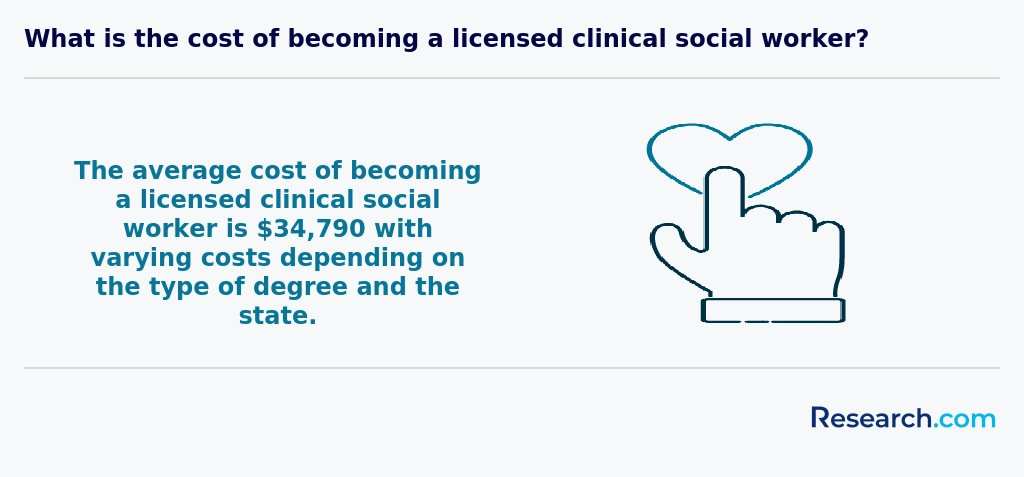
The average cost of an online social work degree in Missouri hovers around $34,800 for in-state students, a figure that resonates with many graduates who balance the rigors of their coursework while managing budgets. Missouri's public universities, like the University of Missouri system and Missouri State University, offer social work programs recognized not just for affordability but also for quality and accessibility. Graduates often recall how the manageable tuition allowed them to focus on gaining practical experience rather than financial stress, embodying the true spirit of social work-helping others without being overwhelmed by debt.
Missouri online bachelor's in social work tuition reflects a balance between cost and opportunity, especially compared to the median total cost of about $69,260 nationwide. The public institutions' pricing structures accommodate Missouri residents by providing an accessible pathway toward a career grounded in compassion and community impact. However, out-of-state students can expect significantly higher fees, roughly double or more, reminding everyone of the importance of residency status when planning their studies.
Many students navigate these costs with the help of scholarships and aid, which soften expenses such as technology fees, books, and certification exams. Missouri's educational landscape invites you to tap into these resources, enhancing affordability and aligning well with the average cost online social work degree Missouri students seek. Graduates often share stories of leveraging financial aid while pursuing their degrees, highlighting the emotional reassurance that comes with knowing education is within reach.
As you explore your path, keep in mind that understanding state-specific requirements and continuing development is vital. Social work professionals frequently refer to resources like the arkansas psychology license continuing education requirements to stay sharp and certified, illustrating the lifelong learning journey typical in this field.

When evaluating an online Social Work program in Missouri, ensuring proper accreditation and clear licensure pathways is essential for both academic rigor and professional credibility. Prospective students should verify that their chosen program holds Council on Social Work Education (CSWE) accreditation-this is the gold standard that qualifies graduates to sit for licensure exams and pursue clinical credentials. In particular, researching an accredited online social worker degree guarantees that coursework meets national competency benchmarks, regional credit transfer policies, and state board requirements. Missouri’s licensure structure typically begins with BSW graduates obtaining the Licensed Bachelor Social Worker (LBSW) credential, which demands successful completion of a CSWE-accredited curriculum and passage of the Association of Social Work Boards (ASWB) bachelor’s exam. Graduates aiming for advanced practice should plan for post-baccalaureate supervised experience-usually two years or 2,000 hours-before pursuing the ASWB master’s or clinical level exams. Understanding these steps early allows students to map out field practicum arrangements, supervision contracts, and continuing education obligations specific to Missouri’s Division of Professional Registration. Finally, strong programs often provide dedicated licensure support services, including exam prep workshops, alumni mentorship, and state board application guidance. Prospective social workers who select a fully accredited online pathway not only meet quality education standards but also streamline their journey toward meaningful practice, ethical compliance, and long-term career growth in Missouri’s diverse social service settings.
Completing an online bachelor's degree in Social Work opens the door to further study and career advancement through graduate education. Many professionals find that pursuing a Master of Social Work not only deepens theoretical knowledge but also provides the practical skills needed for specialized roles in clinical practice, administration, and policy-making. Graduate programs typically offer advanced coursework in topics such as mental health, community advocacy, and leadership, which can significantly enhance your ability to impact communities and drive systemic change. In addition, further education can increase your professional network, help you secure better job placements, and lead to higher earning potential. For those exploring enhanced roles, you might consider career options with master of social work, which provide a bridge between academic achievement and meaningful career progression. Whether you aim to specialize in clinical practice or take on leadership positions within social service agencies, graduate studies serve as a strategic investment in your long-term professional development and personal growth.
If you're aiming to dive into an online social work degree in Missouri, picture the moment a graduate from the University of Missouri recalls: balancing study and life, fueled by a clear personal statement that sparked their admission. You'll need a high school diploma or GED, but that's just the starting line. Programs like those at Southeast Missouri State University often want transcripts showing a steady GPA-around 2.5 to 3.0-proving you've got the chops to handle the journey.
Forget the old-school pressure of SAT or ACT scores; many Missouri schools now roll out the welcome mat test-optional, reflecting a shift toward understanding you beyond numbers. But your story matters-a heartfelt essay or recommendation letters from mentors who've seen your growth can tip the scale.
Advanced standing options at places like Missouri State University reward those with prior associate degrees, accelerating your path and brightening the future ahead.
Accreditation is a critical factor when selecting an online Social Work degree in Missouri, as it ensures your education meets rigorous standards set by the Council on Social Work Education (CSWE) and prepares you for professional licensure. CSWE accreditation verifies that your program provides the curriculum, fieldwork, and faculty expertise necessary for competent practice. Before enrolling, confirm that your chosen university holds CSWE candidacy or full accreditation-this status is typically listed on both the institution’s website and the CSWE directory. In Missouri, graduates with a CSWE-accredited Bachelor of Social Work (BSW) are eligible to pursue licensure as a Licensed Bachelor Social Worker (LBSW). Requirements include: • Completion of a CSWE-accredited BSW program. • Submission of official transcripts to the Missouri Committee for Social Workers. • Passing the Association of Social Work Boards (ASWB) bachelor’s level exam. • A background check and payment of state licensure fees. Once you obtain the LBSW, you may work under supervision in various settings while accruing the supervised hours needed for the Licensed Master Social Worker (LMSW) or Licensed Clinical Social Worker (LCSW) credential. Advanced clinical roles typically require an LMSW or LCSW, necessitating a CSWE-accredited Master of Social Work (MSW) and additional supervised practice. If affordability is a concern, you might also explore programs recognized for value in neighboring states-for example, our ranking of Affordable Social Work Degree Programs Ranking in Iowa highlights budget-friendly options that maintain CSWE accreditation and robust licensure support.
Choosing the best online social work degree Missouri students rave about often means diving deep into the heart of Missouri's unique educational landscape. Graduates from popular public universities speak warmly of programs where CSWE accreditation isn't just a checkbox but a gateway to trusted licensure and career opportunities. Imagine juggling family life while tapping into flexible, asynchronous courses offered by these schools, creating a rhythm that fits your hustle. Affordable social work programs Missouri-wide balance cost with quality, sparing no effort to provide local field placement support - a lifeline for hands-on experience in your own community.
Picture yourself learning from licensed social workers who infuse real-world wisdom into virtual classrooms, turning theory into tangible skills. Their care extends beyond coursework with robust advising and career counseling services, helping you navigate challenges confidently. And if your interests ever veer toward related fields, you might explore a path highlighted by graduates who transitioned successfully into organizational psychology careers, blending social insight with workplace dynamics for a unique edge.
2027 Best Online Bachelor's in Social Work Degree Programs Ranking in Missouri
Investing in your education is a significant decision that can shape your future, and the Research.com team understands the importance of making informed choices. To assist prospective students in Missouri, we have meticulously crafted the "2027 Best Online Bachelor's in Social Work Degree Programs Ranking in Missouri." Our commitment to quality, credibility, and accuracy is reflected in the extensive research and analysis conducted to compile this ranking.
We utilized the following reputable data sources to ensure a comprehensive evaluation of social work programs:
By exploring this ranking, readers will gain valuable insights into the top online social work degree programs in Missouri, empowering them to make confident and well-informed educational decisions. For more details on our methodology, please visit our Research.com methodology page.


Frequently Asked Questions About social work
Online social work degree students in Missouri can maximize their learning experience by actively engaging with both digital coursework and local community resources. Missouri offers various practicum opportunities that align with state licensure requirements, crucial for hands-on experience. Staying connected with professors and peers through virtual study groups or discussion boards enhances understanding of complex social work issues.
Making use of Missouri's workforce resources, such as the Missouri Economic Research and Information Center (MERIC), helps students stay informed on employment trends in social services. Additionally, joining professional organizations like the Missouri Chapter of the National Association of Social Workers (NASW) provides networking and continuing education opportunities vital for career growth.
Emerging niches within the social work field reflect evolving societal needs and impact opportunities for Missouri students pursuing online social work degrees. One key area is geriatric social work, driven by Missouri's growing aging population. The U.S. Census Bureau projects that by 2030, 20% of Missouri residents will be over 65, increasing demand for specialized care and counseling.
Another expanding sector is behavioral health, where social workers address mental health issues and substance abuse, especially in rural areas with limited access to care. Child welfare also remains critical, with Missouri Department of Social Services focusing on improving family support programs.
Finally, school social work is growing as educational institutions seek professionals trained to assist students facing social and emotional challenges to enhance academic success.
After completing an online social work degree in Missouri, preparing for the job market involves several important steps. First, ensure you meet Missouri's licensing requirements by applying for the Licensed Bachelor of Social Work (LBSW), which is essential for entry-level social work positions. The Missouri Committee for Social Workers oversees this process.
Networking is also critical. Joining local organizations such as the Missouri Chapter of the National Association of Social Workers (NASW) provides access to job listings and professional development opportunities. Additionally, gaining practical experience through internships or volunteering can improve job prospects.
According to the U.S. Bureau of Labor Statistics, social work jobs in Missouri are expected to grow by approximately 9% through 2031, reflecting a positive employment outlook. Staying current with continuing education helps maintain licensure and enhances career advancement.
Employers in Missouri highly value social work graduates who demonstrate strong communication skills. The ability to effectively engage with clients from diverse backgrounds is essential for success in various social work settings across the state. Additionally, critical thinking and problem-solving skills are key, as social workers often must assess complex situations and develop appropriate intervention plans.
Knowledge of Missouri-specific policies and resources also plays a significant role. For instance, familiarity with state programs like MO HealthNet can improve a graduate's effectiveness in case management. According to the Missouri Department of Social Services, ethics and cultural competence remain top priorities in hiring decisions.
Technical proficiency in electronic health records and data management is another growing requirement due to modernization efforts in Missouri's social services.
Finding internships in Missouri relevant to a social work degree involves several strategic steps. Start by contacting your online program's field education office, as many universities have partnerships with local agencies.
The Missouri Chapter of the National Association of Social Workers (NASW-MO) offers resources that may connect students with internship opportunities throughout the state.
Public agencies like the Missouri Department of Social Services and community nonprofits frequently provide placements. According to NASW-MO, internships must comply with the Council on Social Work Education (CSWE) standards, emphasizing practical experience.
Utilizing online job boards focused on social services in Missouri can also uncover local openings suited for interns.
An online social work degree in Missouri can significantly enhance career mobility and advancement opportunities within the state's social services sector. Missouri's growing need for qualified social workers, driven by expanding healthcare and community programs, creates demand for professionals with accredited Bachelor of Social Work (BSW) degrees. Earning a degree online provides flexibility for working adults to upgrade their credentials without interrupting their current employment.
The Missouri State Committee for Social Workers reported a 12% projected job growth for social workers between 2020 and 2030, indicating favorable market conditions. Graduates holding a BSW are often eligible for licensed social worker positions, which are essential for career progression to clinical roles and supervisory positions in organizations such as the Department of Social Services.
Additionally, online degree programs accredited by the Council on Social Work Education (CSWE) meet Missouri's licensing requirements, allowing graduates to pursue the Licensed Specialist Social Worker (LSSW) credential. This licensure is important for career advancement and higher salary potential across healthcare, mental health, and school social work fields.
Studying for a social work degree in Missouri equips students with skills essential for interdisciplinary roles by emphasizing collaboration across health, education, and justice sectors. Missouri's programs often integrate coursework on community resources, policy analysis, and behavioral health, reflecting the state's workforce needs reported by the Missouri Department of Social Services.
Many online degrees include practicum experiences that connect students to local agencies, fostering teamwork with professionals like nurses, teachers, and counselors. According to the Council on Social Work Education, Missouri's graduates enter fields requiring coordination with diverse disciplines to address complex social issues.
This comprehensive preparation ensures graduates can navigate and contribute within multidisciplinary teams effectively.
When choosing between a thesis and a non-thesis online social work degree in Missouri, consider your career goals. A thesis option typically involves conducting original research, which suits students aiming for academic or research roles. Conversely, a non-thesis track focuses more on practical skills and fieldwork, ideal for those planning direct social work practice.
The Missouri Department of Higher Education notes that many accredited programs align with the Council on Social Work Education (CSWE) standards, ensuring both paths meet professional competencies.
Additionally, if you plan to pursue advanced study or a clinical license requiring research experience, a thesis may provide a stronger foundation.
Students based in Missouri seeking to study social work abroad through online programs face limited direct options. Most accredited social work degrees in the US, including those recognized by the Council on Social Work Education (CSWE), require domestic practicum hours, making fully international online study rare. However, Missouri students can explore exchange or study abroad opportunities through partnerships their US institutions may offer.
The University of Missouri system, for example, occasionally supports overseas internships, which complement online coursework. Additionally, students might consider programs with flexible field placement options, enabling supervised experience locally while engaging in international class discussions. According to the Missouri Economic Research and Information Center, social work demand is expected to grow 11% statewide through 2028, highlighting the value of adaptable, accredited education pathways.
In Missouri, part-time jobs that complement social work degree education often include roles such as case aides, peer support specialists, and community outreach assistants. These positions provide practical experience and a chance to apply classroom knowledge.
According to the Missouri Economic Research and Information Center (MERIC), social service and community organizations in the state frequently seek part-time workers to support growing demands.
Jobs in schools, healthcare centers, and nonprofit agencies allow students to develop skills in client interaction, crisis intervention, and resource coordination. These experiences are valuable for social work licensure requirements in Missouri.
Furthermore, some roles offer flexible hours, which suit online students balancing coursework and employment.
Online social work students in Missouri have several networking opportunities to enhance their education and career prospects. Many Missouri universities offering online social work degrees facilitate virtual networking events, workshops, and career fairs, allowing students to connect with faculty, alumni, and professionals. Additionally, students can join the Missouri Chapter of the National Association of Social Workers (NASW), which hosts conferences and regional meetings for networking and professional development.
Local social service agencies often collaborate with online programs for internships, providing real-world experience and networking in the community. According to NASW Missouri, nearly 3,500 social workers are active statewide, increasing peer connection opportunities.
Alumni networks offer significant benefits for online social work degree students in Missouri by providing access to professional connections and career opportunities. Graduates often join these networks to connect with experienced social workers across the state, helping them navigate the local job market more effectively. According to the Missouri Chapter of the National Association of Social Workers, networking is critical to career advancement in this field.
Such networks facilitate mentorship opportunities, allowing students to receive guidance from professionals familiar with Missouri's social service landscape. Additionally, alumni groups frequently share information about local job openings and internships, which can be especially useful given Missouri's emphasis on community-based social work.
In Missouri, online social work degree programs offer flexibility to tailor coursework to individual career goals. Students can often select electives or specialize in areas such as child welfare, mental health, or community organizing. This customization helps align academic training with professional interests.
Many programs include field placements or internships that students can arrange near their home, providing practical experience in local agencies. Missouri's licensing board requires specific supervised hours, so choosing a program with strong community partnerships is beneficial.
Additionally, some schools offer options to pursue advanced certifications alongside the degree, enhancing preparedness for roles in social services or policy development. This adaptability supports diverse career paths in the state's social work field.
Online social work students in Missouri often face challenges balancing coursework with personal and professional responsibilities. Many learners juggle jobs and family obligations while completing demanding assignments, which can increase stress and affect performance.
Technical difficulties also pose a barrier; reliable internet access and familiarity with online platforms are essential but not always guaranteed, especially in rural areas of Missouri. According to the Missouri Department of Social Services, the state has significant rural populations where connectivity can be inconsistent.
Additionally, building practical skills remotely is challenging. Field education is a required component of social work degrees, and securing quality placements that comply with Missouri's licensing standards may be complex.
Lastly, students sometimes experience feelings of isolation due to limited face-to-face interaction, affecting motivation and engagement. Support services designed specifically for online students help but may vary by institution.
Graduates with an online social work degree in Missouri can pursue several professional certifications to advance their careers. The most common certification is becoming a Licensed Social Worker (LSW), which requires passing the Association of Social Work Boards (ASWB) exam and completing supervised experience. Missouri also offers the Licensed Advanced Generalist Social Worker (LAGSW) and Licensed Clinical Social Worker (LCSW) certifications for advanced practice.
These credentials enhance job opportunities and are recognized by the Missouri Committee of Social Workers. According to the Missouri Division of Professional Registration, employment for social workers is projected to grow by 10% through 2030. Earning licenses can improve credibility and salary potential within the field.
To write a winning application for an online social work program in Missouri, begin by thoroughly researching accredited schools recognized by the Council on Social Work Education (CSWE). Missouri's Department of Social Services highlights the growing need for qualified social workers, making a clear commitment to the profession essential in your personal statement.
Highlight relevant experience, such as volunteer work or employment in social services, as Missouri employers value practical skills. Emphasize your ability to balance online learning with professional responsibilities, showcasing time management and self-motivation.
Strong letters of recommendation from supervisors or academic mentors who understand the social work field in Missouri will strengthen your application. Finally, ensure your academic transcripts demonstrate satisfactory performance, since Missouri programs typically require a minimum GPA of 3.0 for admission.
Social work is recognized worldwide as a vital profession that addresses social justice, human rights, and community well-being. In the United States, including Missouri, social workers often engage with diverse populations and complex social issues, reflecting global trends towards inclusivity and advocacy.
Internationally, social work emphasizes cultural competence and global interconnectedness. The Council on Social Work Education (CSWE) integrates these perspectives into accredited programs, ensuring students gain skills relevant locally and globally.
Missouri's social work programs align with these global standards, preparing students for careers that may involve migration, international aid, or cross-cultural counseling. The U.S. Bureau of Labor Statistics notes a growing demand for social workers, with Missouri expecting a 10% job growth from 2020 to 2030.
These trends highlight the profession's expanding scope and the importance of global awareness for new graduates.
Gaining practical experience is essential while studying for an online social work degree in Missouri. Most accredited programs require field practicum or internships, allowing students to apply classroom knowledge in real-world settings.
Missouri universities typically partner with local social service agencies, healthcare facilities, and government organizations to facilitate these opportunities. Students must complete supervised hours, often between 450 to 900, depending on the program, to meet state licensing requirements outlined by the Missouri Committee for Social Work Examiners.
Online students benefit from flexible scheduling but should start planning early to secure placements that comply with state guidelines and accreditation standards from the Council on Social Work Education (CSWE).
Choosing the right concentration within an online social work degree program in Missouri depends on your career goals and the community needs you wish to serve. Missouri's aging population, which is expected to grow by 20% over the next decade according to the Missouri Department of Health and Senior Services, highlights the demand for gerontology-focused social workers. Alternatively, concentrations such as child and family social work also address pressing state issues, as Missouri reported over 13,000 substantiated child abuse cases in 2022 (Children's Division, Missouri DSS).
Consider licensure requirements in Missouri; clinical social work licensing often requires specific practicum experiences tied to your concentration, so aligning this early helps. Research each program's partnerships with local agencies to ensure practical opportunities. Lastly, reflect on your passion for areas like mental health, substance abuse, or school social work, as Missouri sees high demand in these sectors.
See What Experts Have To Say About Studying Social Work
Read our interview with Social Work experts

- The Pros and Cons of Online MSW Programs – Should I Pursue an MSW Online? https://www.masterofsocialwork.com/resources/pros-and-cons-online-msw-programs
- 2025 Best Online Social Work Degrees https://www.onlineu.com/degrees/social-work
- Social Work Networking Nights - National Association of Social Workers https://www.naswma.org/page/218
- 10 Careers for Social Work Majors https://www.umassglobal.edu/blog-news/careers-for-social-work-majors
- Bachelor’s degrees in social work (BSW) online https://www.onlinemswprograms.com/online-social-work-degrees/bsw/
- Social Work Scholarships https://socialworklicensemap.com/social-work-resources/social-work-scholarships/
- Social work certificates | edX https://www.edx.org/certificates/social-work-certificates
- Global Definition of Social Work https://www.ifsw.org/what-is-social-work/global-definition-of-social-work/
- The Best International Social Work Internships for Undergrads and Grads https://www.internhq.com/fields/social-work/
- Top Skills Employers Look for in Qualified Social Workers Today - Vitalis https://www.vitalissocialcare.co.uk/career-development/top-skills-employers-look-for-in-social-workers-today/