
2027 Most Valuable Public Health Degree Programs Ranking in the West

Co-Founder and Chief Data Scientist
Choosing the right public health degree program can feel overwhelming, especially with so many options in the West. Our article introduces the 2027 Most Valuable Public Health Degree Programs Ranking in the West, created by the Research.com team of data scientists to help you make an informed decision.
Understanding which programs offer the best value can guide you toward a rewarding education and career. Public health degrees open doors to meaningful work that impacts communities and improves lives. Dive in to discover programs that align with your goals and aspirations.
Key benefits of getting public health degree in the West
- Public health degree graduates in the West can earn competitive salaries, such as $86,710 annually for Environmental Health Specialists and $69,790 for Health Educators, reflecting strong financial rewards in the field.
- Career paths include roles like Community Health Worker, Medical Assistant, and Occupational Health and Safety Specialist, offering diverse opportunities to impact community well-being positively.
- Online public health degrees from top Western universities provide flexibility for working students, allowing them to gain valuable skills without sacrificing their current job or lifestyle.
- 2027 Most Valuable Public Health Degree Programs Ranking in the West
- What can I expect from public health degree in the West?
- Where can I work with public health degree in the West?
What can I expect from public health degree in the West?
When considering the average cost of a public health degree in the Western United States, students from institutions like the University of California and the University of Washington often find themselves balancing tuition expenses that reflect both public and private university standards. Many graduates recall investing between $30,000 to $60,000 for a bachelor's degree, depending on residency status and the program chosen. This figure might initially seem daunting, yet these costs translate into access to robust research opportunities and community health projects deeply embedded in the region's real-world challenges.
Graduates frequently highlight that the value extends beyond tuition-practicums addressing wildfire smoke impact or urban pollution, common in Western curricula, provide hands-on experience unmatched elsewhere. Flexible formats like online or hybrid courses also help working students manage expenses by allowing them to maintain employment. The financial commitment is part of a transformative journey, where many find that the degree's worth lies in immersive learning framed by the West's distinctive environmental and cultural landscape, making the cost not just a fee but an investment in addressing complex health disparities.
Where can I work with public health degree in the West?
Graduates holding a public health degree in the Western United States find themselves stepping into dynamic roles that defy the notion of traditional healthcare jobs. Imagine a recent graduate from the University of Washington, energized by an internship with local public health departments combating infectious diseases across Seattle. Their work transcended simple data collection-it shaped community responses that saved lives. In California, those emerging from UCLA's public health programs often join vast state agencies tackling everything from environmental health hazards to maternal care programs, directly influencing policies felt daily by millions.
Picture a graduate from Oregon State designing innovative outreach programs for underserved populations in Portland, fueled by real stories witnessed during their studies. Or consider alumni engaging with Silicon Valley's health tech firms, pushing boundaries in health informatics, turning raw data into actionable insights that transform workplace wellbeing. These career paths are not just jobs-they are immersive experiences that blend compassion, cutting-edge technology, and strategic thinking, offering a deeply rewarding sense of impact in the diverse, health-challenged West.
Graduates holding public health degrees from renowned Western institutions like the University of Washington or UC Berkeley often discover their salaries stretch well beyond the national norms, reflecting the region's economic vibrancy and unique health challenges. Consider the role of a Community Health Worker, with an average annual wage near $52,610 nationally. In the West, urban graduates find this easily nudging higher, especially when engaging with tech-driven health initiatives in Seattle or San Francisco.
Health Educators, earning around $69,790 per year on average nationwide, showcase remarkable potential in metropolitan hubs, where graduates from schools like UCLA experience salaries that reflect both demand and expertise. Meanwhile, Environmental Health Specialists frequently command wages averaging $86,710, signaling strong appreciation for specialized knowledge critical in areas grappling with environmental health threats.
For those pursuing Occupational Health and Safety Specialist roles, typical earnings hover near $85,570 annually, a figure bolstered by growing industries centered around worker health and regulatory compliance, especially prevalent in the West's diverse economies.
These figures illustrate how investing in a public health degree in the West can translate to rewarding careers. Graduates often find their salaries not only align with but exceed expectations, fueled by the region's high living costs, strong institutional reputations, and evolving public health demands.
- Tuition for public health bachelor's degrees in the Western US ranges from $10,000 to $25,000 per year at public universities and can exceed $40,000 annually at private institutions.
- Graduate MPH programs typically cost between $20,000 and $50,000 total, depending on the university and program length.
- Starting salaries for public health graduates range from $50,000 to $65,000 annually, varying by job role and location.
- Mid-career public health professionals can earn between $75,000 and $100,000 per year, especially in cities like Los Angeles, San Francisco, and Seattle.
- The job market in the Western US is projected to grow 10% to 15% over the next decade, outpacing national averages.
- Western schools often offer specializations such as global health, environmental health, biostatistics, and health policy, along with practical internships.
Completing a public health degree in the West often defies one-size-fits-all expectations. For instance, undergraduates pursuing a Bachelor of Science or Arts in Public Health at universities like the University of California typically invest around four years of full-time study, but some find that balancing part-time jobs or co-op programs naturally extends this timeline. Graduates often describe this flexibility as empowering-they can tailor education around real-world demands, savoring the journey instead of rushing through it.
Master's candidates at institutions such as the University of Washington embrace formats that fit their busy lives: evening or online classes stretch the typical two-year MPH program to three or four years for many, allowing students to grow both academically and personally without sacrificing their livelihood. This adaptability fuels motivation and deeper engagement with public health issues.
Doctoral students elsewhere in the West attest that the journey to earning a PhD or DrPH is less about a fixed timeframe, often spanning four to six years. Research intensity and dissertation depth, rather than a calendar, guide their progress. Embracing this uncertainty has helped many graduates develop resilience and a profound mastery of their field.
Choosing between online and on-campus public health degrees in the Western United States reveals more than just a format difference; it challenges how you envision your educational journey. Online programs, embraced increasingly across Western states through WICHE initiatives, offer unmatched flexibility that fits into busy lives. Imagine juggling a family dinner while tuning into a virtual lecture from a university like Arizona State-graduates often celebrate how this balance empowered them without sacrificing progress.
Conversely, those attending campuses like the University of Washington describe the unmistakable energy of hands-on labs and real-time interactions with faculty and peers. This tactile engagement fuels their passion and builds networks critical for post-graduation opportunities.
While on-campus costs hover between $10,000 and $15,000 annually for residents, online students frequently save on commuting and housing. Yet, some online courses maintain similar tuition, posing questions about value-does the convenience outweigh immediate immersion?
Time flexibility also varies: online learners might tailor pacing around personal demands, whereas on-campus cohorts often follow a structured, two-year path, fostering predictable rhythms and peer camaraderie. This contrast reflects deeper trade-offs between autonomy and community that resonate strongly depending on your lifestyle and aspirations.
The average cost of obtaining a public health degree in the West often surprises many, blending affordability and significant investment depending on one's residency and institution choice. Graduates from public universities in states like Washington or California typically reference an average total expense around $11,879 for in-state students, encompassing tuition, fees, and living costs. This figure challenges the assumption that all public health degrees are prohibitively expensive, reflecting a more attainable pathway for local residents.
Contrastingly, those from out-of-state face a median total cost near $44,906, a number that shifts how future students might approach their decision-making. Alumni from prestigious universities such as the University of California have shared the emotional mixed experience of pride in their rigorous education but also an acute awareness of the financial pressures involved. The balance between educational value and cost cannot be ignored when considering public health degree tuition and fees Western US, especially as these expenses include not only tuition but also the hidden costs of textbooks, fees, and living.
Private institutions, with their higher tuition brackets ranging between $50,000 and $60,000 yearly, amplify this conversation, yet many graduates express gratitude for financial aid that softened the burden. For students exploring potentially quicker pathways, options like the fastest online public health degree in california offer compelling alternatives that blend affordability with speed, reshaping conventional wisdom about time and cost. Reflecting on these experiences underscores the complexity behind the average cost of public health degree in the West, inviting prospective students to weigh not just dollars but the immeasurable value of their chosen journey.
In today’s rapidly evolving healthcare landscape, public health programs are embracing cutting-edge innovations that redefine how students learn and apply their knowledge. Modern curricula are increasingly integrating digital health, telemedicine, and advanced data analytics to provide real-world applications of traditional public health principles. For example, many progressive institutions now offer flexible, accelerated online pathways designed to meet the diverse needs of working professionals-consider the fastest online public health degree in california, which combines state-of-the-art virtual learning platforms with interactive, project-based modules. These emerging trends not only foster a dynamic environment that adapts to global health challenges but also empower students with the technical and leadership skills necessary to drive transformative change in their communities. By continuously evolving to incorporate innovations, public health education is setting a new standard for excellence and career readiness in a digital age.
Financial aid for public health degrees in the West is more accessible than many realize, yet it requires proactive effort to unlock. Graduates from universities like the University of Washington or UCLA often recount how completing the FAFSA opened doors to Pell Grants, which can cover up to $7,395 annually, easing the immediate financial burden. For California residents, the Cal Grant emerges as a game-changer, offering up to $12,630 to tackle tuition costs at prestigious public institutions.
Beyond federal and state aid, graduate assistantships frequently transform the experience for those enrolled in programs at schools such as Oregon State University. These positions don't just provide stipends-they create opportunities to engage deeply with research or teaching, turning financial support into professional growth. Imagine balancing studies with meaningful work that fuels both your career and your bank account.
Moreover, scholarships from bodies like the American Public Health Association often reward passion and community involvement, which many students in the West find validating and motivating. Some even discover employer tuition reimbursement or loan forgiveness, reflecting a growing recognition that investing in public health professionals benefits entire communities.
Investing in a Public Health degree demands careful consideration of both tuition costs and career earnings to ensure a strong return on investment (ROI). On average, graduates recoup their educational expenses within 4–6 years, thanks to competitive entry-level salaries-Community Health Workers start at around $49,900, while Environmental Health Specialists and Occupational Health and Safety Specialists can exceed $80,000 annually. When comparing programs, it’s essential to weigh average tuition against projected post‐graduation earnings to calculate your break-even point. Many students seeking affordability without sacrificing quality explore regional rankings; for example, those interested in cost-effective options can review the Cheapest Public Health Degree Programs Ranking in Washington to identify schools offering lower tuition rates. By aligning the lowest tuition figures with average starting salaries, prospective students can estimate how quickly they’ll offset educational debt. Beyond direct costs, consider additional factors such as scholarship opportunities, employer tuition reimbursement, and loan forgiveness programs, which can shorten the payback period. For instance, graduates who secure state grants or participate in public service loan forgiveness often see their ROI improve by 20–30%. Ultimately, a holistic ROI analysis-combining program affordability, average graduate salaries, and financial aid packages-provides a clear roadmap for selecting a Public Health degree that not only fulfills your passion for community well-being but also supports long-term financial stability.
Entering a public health degree program in the West is more than ticking boxes-it's about proving you can thrive in a demanding, real-world environment. Graduates from prominent Western universities often reflect that beyond the usual high school diploma or an undergraduate degree, the real prerequisite is a demonstrated passion for impact combined with solid foundational knowledge. For undergraduates, completing coursework in biology or chemistry isn't just an academic formality; it becomes the springboard to understanding complex health challenges faced by communities like those in California or Washington.
Graduate students recall that having prior classes in statistics or research methods didn't just ease their transition but fueled their confidence during rigorous projects. The necessity of relevant professional experience-volunteering at clinics or joining public health campaigns-is often the overlooked element that sets them apart, making abstract concepts tangible and career paths clearer.
Admission score thresholds, such as a minimum 3.0 GPA, matter but don't fully capture the determination and resilience Western public health students bring to their studies. They know the journey ahead merges academic rigor with a commitment to community well-being.
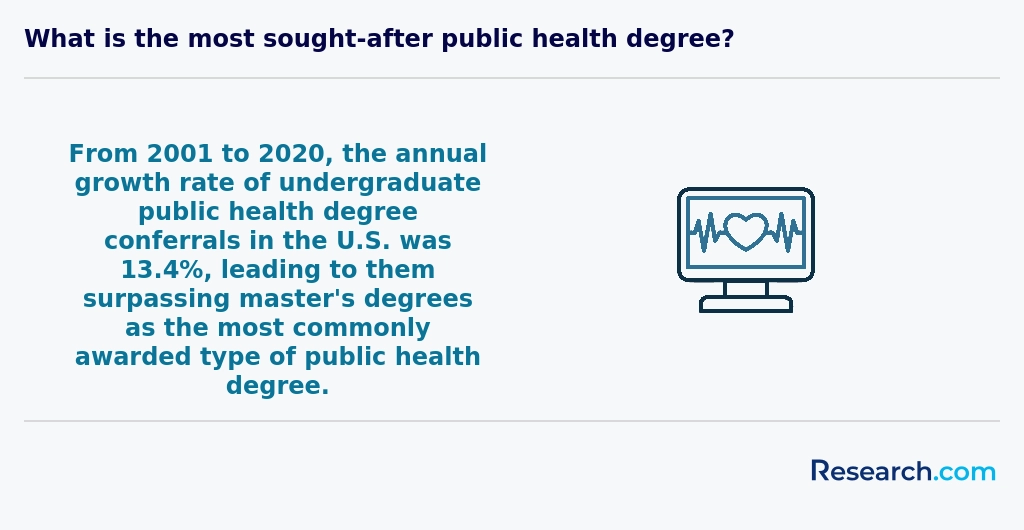
Public health degrees in the Western United States challenge students to think beyond textbooks through courses like Epidemiology, which unravels the mysteries behind disease outbreaks in communities-something graduates from the University of Washington often describe as eye-opening when connecting theory to real local health crises. Core classes such as Biostatistics empower learners at California State University campuses to confidently analyze data, transforming numbers into impactful health policies.
Environmental Health courses push students at University of California system schools to witness firsthand how urban pollution tangibly affects neighborhood wellness, deepening their commitment to change. The Health Policy and Management class reveals the complexities behind healthcare systems, prompting graduates to appreciate the painstaking efforts behind effective policy development and management.
These rigorous courses, including Social and Behavioral Sciences, which explore the nuances of culture and behavior on health, often inspire a profound sense of purpose. Students find themselves not just studying public health but living its urgency, brimming with optimism as they prepare to make a measurable difference in the vibrant, diverse communities of the West.
Public health degree specializations in the West reflect the unique challenges and opportunities of this diverse region. Graduates often find themselves immersed in programs at institutions like the University of California or the University of Washington, where concentrations span from epidemiology-tracking infectious disease patterns during community outbreaks-to environmental and occupational health, tackling pollution and workplace safety concerns specific to Western industries.
Other popular tracks include health policy and management, appealing to those who want to influence healthcare systems, and community health promotion, which focuses on addressing social determinants unique to rural and urban Western populations. These specializations are not abstract; students recount vivid experiences, like collaborating on rural healthcare access projects or analyzing public health data through biostatistics, making their education deeply relevant and personally rewarding.
For students considering the top public health concentrations western region, there are also global health programs reflecting the West's international ties and immigrant diversity. These pathways prepare graduates for careers that intersect local and worldwide health priorities. Some even discover new futures by exploring health information manager career options, which blend data expertise with impactful health outcomes.
Choosing the best public health degree in the West demands looking beyond rankings or simple cost comparisons. Graduates from top schools in Seattle and San Francisco often highlight how the ability to engage with local health disparities shaped their education profoundly. It's essential to consider programs that emphasize hands-on research and practicum opportunities within diverse urban and rural settings, reflecting the West's unique public health challenges.
Affordability also requires fresh perspective. Exploring not just tuition but the availability of scholarships and assistantships can distinguish affordable public health programs Western US offers. For example, some graduates found financial relief through comprehensive aid at well-regarded state universities.
Specializations matter deeply. Reflect on how expertise in epidemiology or environmental health, offered by these programs, aligns with your passion and future impact. Finally, scrutinize employment outcomes-it's inspiring when alumni secure meaningful roles locally, where public health innovation thrives.
For students seeking cost-effective options in Washington, explore the Cheapest Public Health Degree Programs Ranking in Washington to find programs that balance quality with value.
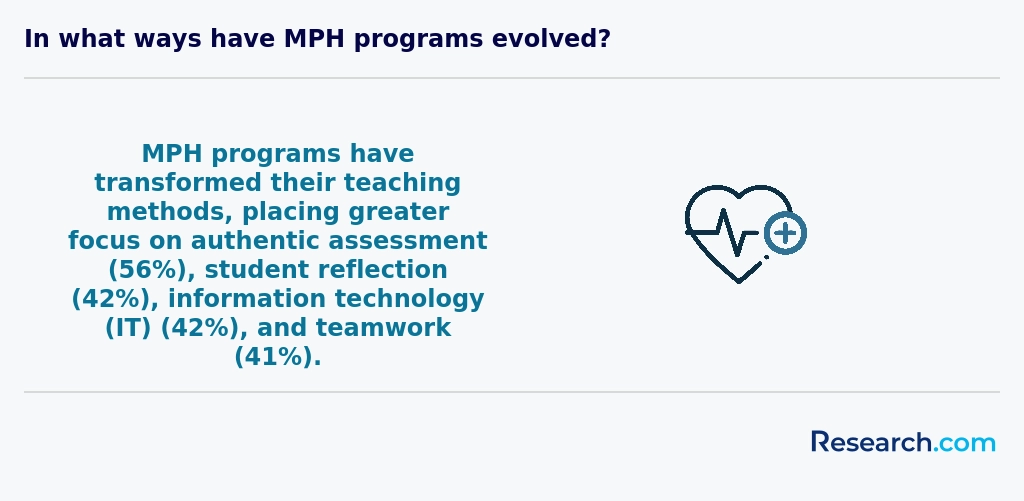
Graduates of public health degrees in the West find themselves navigating a landscape of career paths shaped by unique regional challenges and opportunities, far beyond what traditional roles suggest. From health education and promotion in bustling urban centers like Los Angeles, where graduates craft culturally sensitive community programs, to epidemiology roles in research hubs such as the University of Washington, these careers demand adaptability and a deep understanding of local populations. This diversity reveals why many see a public health degree jobs in the West as a gateway to impactful work addressing rural health disparities, environmental crises like wildfire smoke, and complex urban health dynamics.
Public health graduates embrace roles in environmental health, influencing policy in government and private sectors with a focus on sustainability, while health policy and management positions allow them to shape healthcare access across growing metropolitan and rural areas. Their experiences at top Western institutions foster a sense of purpose, empowering them to engage with community outreach tailored to immigrant populations. Many also explore advanced options through 1 year master programs, accelerating their path in this expansive field of career opportunities for public health graduates West.
The public health degree job outlook in the West reveals a dynamic environment where graduates from top programs at universities like the University of California and Seattle University find promising opportunities. These graduates often land roles as health educators or epidemiologists in vibrant cities such as San Francisco or Portland, gaining experience that blends technical expertise with community engagement. The steadily growing demand, driven by aging populations and public health emergencies, pushes many to embrace career paths that challenge traditional job expectations.
Employment opportunities for public health graduates Western US extend beyond state agencies to nonprofit organizations actively addressing health disparities. Graduates describe their experiences as both fulfilling and inspiring, especially when seeing the impact of their work on local communities. Salaries reflect the region's higher cost of living but remain competitive, with entry-level ranges typically between $50,000 and $70,000, and advanced roles surpassing $90,000.
Students considering their next steps can explore options through resources offered by institutions and networks that emphasize practical skills. For those uncertain about admission barriers, numerous programs list among the best open enrollment online colleges in the region, providing accessible pathways without sacrificing quality.
2027 Most Valuable Public Health Degree Programs Ranking in the West
Investing in your education is a significant decision that can profoundly impact your career and life, and the Research.com team is dedicated to helping you make well-informed choices. To support prospective students interested in public health, we have carefully developed the "2027 Most Valuable Public Health Degree Programs Ranking in the West." Our commitment to quality, credibility, and accuracy is ensured through thorough research and analysis.
We utilized the following reputable data sources to create this ranking:
By consulting this ranking, readers will gain valuable insights into top public health degree programs in the western region, empowering them to choose programs aligned with their career goals. For more detailed information on how this ranking was created, please visit our Research.com methodology page.

# 2 position
Weber State University
Master of Public Health


# 14 position
The Chicago School at Los Angeles
Master of Public Health



Frequently Asked Questions About public health
Public health degree students in the Western US can maximize their learning by engaging with local health departments and community organizations. Hands-on experience is crucial, as internships offer insight into regional health challenges such as wildfire-related respiratory issues and rural healthcare access. According to the Association of Schools and Programs of Public Health (ASPPH), fieldwork enhances practical skills and job readiness.
Students should also leverage research opportunities offered by universities in states like California and Washington, where public health funding is significant. Participating in interdisciplinary projects broadens understanding of social determinants of health unique to the West.
Networking through professional groups such as the Western Public Health Association helps connect students with mentors and regional experts.
The public health field in the Western United States is evolving with several emerging niches attracting attention from students and professionals. One growing area is environmental health, driven by increasing concerns about climate change and pollution's impact on communities. According to the Association of Schools and Programs of Public Health, programs in California and Washington report a rise in student interest in this specialty.
Another niche gaining momentum is health informatics, which integrates data analysis with public health practices to improve healthcare outcomes. The demand reflects trends in technology use in health systems, particularly in urban centers like Seattle and San Francisco.
Behavioral health remains critical, especially with rising mental health challenges in the West. Public health programs increasingly emphasize this area to address regional disparities and substance abuse issues.
Graduates with public health degrees in the Western US should emphasize gaining practical experience to prepare for the job market. Internships or fellowships with local health departments or nonprofit organizations provide valuable skills and networking opportunities. According to the California Department of Public Health, over 70% of graduates find employment within six months if they complete relevant internships.
Additionally, obtaining certifications such as Certified Health Education Specialist (CHES) can enhance credibility and job prospects. Staying informed about regional public health challenges, like wildfire smoke impact and rural healthcare access, is crucial for targeted employment.
Finally, leveraging university career services and attending local public health conferences supports job placement and professional growth.
Employers in the Western US seek public health graduates with strong analytical and communication skills. Graduates must be able to collect, interpret, and present health data effectively. Proficiency in using software for statistical analysis, such as SAS or SPSS, is highly valued. According to the California Employment Development Department, the demand for professionals with data management skills is growing by over 15% annually.
Additionally, employers look for expertise in community health promotion and program planning. Graduates who understand policy development and can navigate complex healthcare systems stand out. Leadership and cultural competency are also crucial to work successfully in diverse Western communities.
Problem-solving abilities combined with teamwork experience further enhance a candidate's employability in local health departments, NGOs, and research institutes.
Finding internships in the Western US relevant to a public health degree involves a targeted approach. Many universities in California, Washington, and Oregon partner with local health departments, nonprofit organizations, and hospitals to offer internships focused on epidemiology, health promotion, and policy analysis. According to the Association of Schools and Programs of Public Health (ASPPH), nearly 75% of public health students in the West secure internships through university-affiliated programs.
Students should also explore opportunities with state health agencies, such as the California Department of Public Health, which regularly offers internships in disease prevention and community health.
Networking at regional conferences and joining professional groups like the Western Public Health Association can further increase chances of finding suitable internships that build practical skills and local connections.
Obtaining a public health degree in the Western United States significantly enhances career mobility and advancement opportunities. According to the Association of Schools and Programs of Public Health (ASPPH), graduates from accredited programs in states like California and Washington experience expanding job markets, with employment projected to grow by 11% through 2031. Public health professionals are in demand across various sectors including government, healthcare, and non-profits. Degrees such as the MPH (Master of Public Health) often lead to higher earning potential and leadership roles. Employers in the West place strong value on formal education, especially from regionally accredited institutions, which supports career progression effectively.
Regional data from the Bureau of Labor Statistics highlights that urban centers like San Francisco and Seattle offer diverse public health roles, ranging from epidemiologists to health policy analysts. Moreover, many Western states invest heavily in public health infrastructure, increasing promotions and lateral moves for degree holders. Professional certifications paired with degrees further bolster advancement possibilities. Overall, a public health degree equips graduates with the expertise and credentials needed to navigate competitive job markets and ascend professionally within public health fields in the West.
Studying for a public health degree in the Western United States equips students with skills across multiple disciplines including epidemiology, biostatistics, health policy, and behavioral sciences. Programs often emphasize real-world problem solving, fostering collaboration between students from medical, environmental, and social science backgrounds. This interdisciplinary training reflects the complex health challenges in the West, such as addressing rural health disparities and environmental health concerns.
According to the Association of Schools and Programs of Public Health (ASPPH), over 70% of Western public health programs integrate community engagement projects, enabling students to work alongside professionals in diverse sectors. These experiences prepare graduates for roles requiring cross-sector coordination and data-driven decision making.
Choosing between a thesis and a non-thesis public health degree program in the Western United States depends on your career goals and learning preferences. Thesis programs typically require original research and a formal paper, which is ideal if you plan to pursue a PhD or research-intensive roles. Non-thesis options focus more on practical skills and coursework, suited for those aiming for immediate public health practice or management positions.
According to the Association of Schools and Programs of Public Health (ASPPH), around 40% of Western public health graduates choose non-thesis tracks, citing faster completion times and applied training. Public health schools in California and Washington often provide both options to accommodate diverse student needs.
Students based in the Western United States seeking to study public health abroad have several opportunities through exchange programs and partnerships with international universities. Institutions like the University of Washington and the University of California system often collaborate with schools in Europe, Asia, and Latin America to offer semester-long study abroad options focused on global health issues.
The Council on Education for Public Health (CEPH) accredits many U.S. public health programs, helping students identify reputable overseas study opportunities. Participation in these programs enhances cultural competence and provides exposure to diverse health systems, critical for a global public health career.
Financial aid and scholarships specific to study abroad are frequently available for Western students pursuing public health degrees, reducing overall costs.
Part-time job opportunities that complement public health degree education in the Western United States often align with community health and research roles. Students can gain valuable experience working as health educators or community outreach assistants, positions frequently available through local health departments and nonprofit organizations. The Bureau of Labor Statistics reports that California and Washington employ the highest number of health educators nationwide, making these states prime locations for such jobs.
Research assistant roles at universities in the West also provide hands-on experience, especially in epidemiology and health policy studies. These positions often offer flexible hours suited for students. Additionally, roles in healthcare facilities, like patient advocacy or medical office assistance, help develop administrative and communication skills vital for public health careers.
Public health students in the Western US benefit from diverse networking opportunities that enhance their career prospects. Many universities in states like California, Washington, and Oregon host regular events connecting students with leading public health professionals. The Association of Schools and Programs of Public Health (ASPPH) offers regional conferences that bring together students, faculty, and employers from the West Coast.
Students often engage with local health departments and non-profits through internships or collaborative research projects, fostering valuable professional relationships. According to the California Department of Public Health, over 70% of public health graduates find job leads through campus networking.
Alumni networks play a crucial role for public health degree students in the Western United States by providing access to a broad community of professionals. These networks often facilitate mentorship opportunities, career advice, and job placements, which are vital in a competitive job market.
According to the Association of Schools and Programs of Public Health (ASPPH), graduates connected through alumni groups report higher employment rates within six months after graduation. In states like California and Washington, strong alumni presence helps students tap into public health agencies and non-profits focused on local and regional health challenges.
Networking events, webinars, and online platforms maintained by alumni groups enhance students' exposure to current public health trends and research, strengthening their professional growth.
Customizing your public health degree program in the Western US allows you to align education with specific career goals. Many universities offer concentrations such as epidemiology, health policy, or environmental health, enabling students to specialize. For example, the University of Washington provides options geared towards rural and indigenous health, reflecting regional needs.
Elective courses and internships provide further customization. These experiences help build practical skills and professional networks relevant to local health challenges. According to the Association of Schools and Programs of Public Health, hands-on training improves employment outcomes by 30% in this region.
Additionally, universities often partner with local health departments or nonprofits, giving students opportunities to engage in real-world projects. This practical approach supports diverse career paths from community health to research.
Public health students in the Western US often face significant challenges balancing rigorous academic demands with practical experience. Many programs require unpaid internships or fieldwork, which can strain students financially, especially in high-cost cities like San Francisco and Seattle.
Additionally, access to diverse community health settings may be limited in rural Western areas, affecting students' exposure to varied populations. According to the Association of Schools and Programs of Public Health (ASPPH), nearly 30% of Western students report difficulties securing relevant placements.
Another common challenge is keeping up with rapidly evolving public health issues, such as pandemic response and health equity, requiring continuous learning and adaptability in coursework and research.
Graduates with a public health degree in the Western United States can pursue several professional certifications to enhance their career prospects. The Certified in Public Health (CPH) credential, offered by the National Board of Public Health Examiners, is widely recognized and validates your knowledge across core public health disciplines. According to the Council on Education for Public Health (CEPH), many Western universities align their curricula to prepare students for this exam.
Other valuable certifications include the Certified Health Education Specialist (CHES) and the Registered Environmental Health Specialist (REHS), which cater to specific public health roles. These credentials often lead to higher earning potential and greater job market competitiveness in states like California, Oregon, and Washington.
To write a winning application for a public health program in the West, start with a clear, focused personal statement. Emphasize your passion for improving community health and connect it to your experience or goals. According to the Association of Schools and Programs of Public Health (ASPPH), Western US programs highly value demonstrated commitment to public service and leadership.
Highlight relevant experience such as internships, research, or volunteer work, especially within populations in Western states. Strong letters of recommendation from academic or professional contacts familiar with your public health dedication can strengthen your application.
Additionally, maintain a competitive GPA; top programs often look for at least a 3.0 on a 4.0 scale. Preparing for and including valid GRE scores, when required, can also enhance your candidacy.
Programs in California and Washington have seen increased applications in recent years, reflecting growing public health investment, so distinctiveness and clarity in your goals are crucial.
Public health careers in the West develop within a global context, reflecting interconnected health challenges. Graduates often engage with worldwide issues like pandemics, health disparities, and environmental risks. According to the Association of Schools and Programs of Public Health, over 50% of US public health graduates work in international or globally oriented roles. Many Western programs incorporate global health in their curricula, preparing students to address health inequities in diverse populations.
The Council on Education for Public Health highlights that skills such as epidemiology, health policy, and biostatistics have universal application. This versatility increases graduates' employability in organizations like the WHO or CDC. Understanding global trends helps Western students appreciate how local health actions impact worldwide outcomes.
Gaining practical experience while studying for a public health degree in the Western US is essential for career readiness. Many universities partner with local health departments, hospitals, and nonprofits to offer internships and fieldwork opportunities. For example, California and Washington state public health programs often include required practicum placements, giving students exposure to real-world challenges.
Students can also participate in research projects on topics like epidemiology or health policy, often funded by agencies such as the CDC or NIH. Additionally, volunteering during public health crises-like wildfire smoke impacts or the COVID-19 pandemic-offers practical insights. According to the Western Public Health Association, over 70% of public health students in the region complete internships before graduation.
Choosing the right concentration within a public health degree program in the Western US involves understanding your career goals and local health challenges. Popular concentrations include epidemiology, health policy, environmental health, and community health promotion. According to the Association of Schools and Programs of Public Health, programs in California and Washington often emphasize environmental and urban health due to regional priorities.
Research the faculty expertise and resources available at Western institutions, as this can impact your learning experience. Additionally, consider practicum opportunities linked to local public health departments, which are abundant in Western states with diverse populations. Reviewing employment trends from the Bureau of Labor Statistics can also guide your choice, revealing high demand in fields like biostatistics and health informatics.
- Top 15 Places to Look For M.P.H. Jobs - Benedictine University Online https://online.ben.edu/programs/public-health/mph/resources/top-places-to-find-mph-jobs/
- How to Become a Public Health Professional | West Coast University https://westcoastuniversity.edu/about/career-guides/how-to-become-a-public-health-professional
- For Academic Public Health https://globalnetworkpublichealth.org/
- Public Health Degrees & Careers | How To Work In Public Health https://www.learnhowtobecome.org/medical-health-careers/public-health/
- Careers https://www.publichealthdegrees.org/careers/
- Public Health | University of West London https://www.uwl.ac.uk/course/undergraduate/public-health
- Medical University of GdaÅsk https://publichealth.mug.edu.pl/
- Areas in Public Health https://www.publichealthcareers.org/areas-in-public-health.html
- The Experience of Studying Public Health at West China School of Public Health https://aspph.org/about/public-health-stories/the-experience-of-studying-public-health-at-west-china-school-of-public-health/
- Global Health Perspectives https://globalhealthperspectives.com/









