
2027 Most Valuable Public Health Degree Programs Ranking in Kentucky

Co-Founder and Chief Data Scientist
Choosing the right public health degree program in Kentucky can shape your future in meaningful ways. Our 2027 Most Valuable Public Health Degree Programs Ranking in Kentucky, created by the Research.com team of data scientists, offers clear, data-driven insights to guide your decision.
This article helps you discover programs that provide strong career prospects and valuable skills for improving community health. Whether you're just starting or seeking advancement, understanding which programs offer the best value can empower your educational journey and set you up for success.
Key benefits of getting public health degree in Kentucky
- Public health degree graduates in Kentucky can earn competitive salaries, such as $52,610 annually for Community Health Workers and up to $86,710 for Environmental Health Specialists, offering strong financial rewards.
- Graduates often pursue diverse careers including health education, safety inspection, and community outreach, as seen with alumni from the University of Kentucky expanding into impactful public health roles.
- Obtaining your degree online from institutions like Eastern Kentucky University provides flexibility and convenience, allowing you to balance work and study while gaining valuable skills from home.
- 2027 Most Valuable Public Health Degree Programs Ranking in Kentucky
- What can I expect from public health degree in Kentucky?
- Where can I work with public health degree in Kentucky?
What can I expect from public health degree in Kentucky?
The cost of getting a public health degree in Kentucky is pretty manageable, especially if you're staying in-state. On average, tuition tends to be lower than the national rates, which is a relief for many students. For example, those attending the University of Kentucky or the University of Louisville often find that tuition fees for public health programs fit within a reasonable budget compared to programs elsewhere.
Many graduates share how financial aid and scholarships made a big difference in reducing their expenses, letting them focus more on their studies and less on stressing about bills. Because Kentucky schools want to support local students passionate about making a difference in their communities, there's often help available to ease the financial load.
One graduate from the University of Louisville mentioned how these funds allowed them to take on unpaid internships with local health departments without worrying financially, which was key to gaining real-world experience. So, while costs vary by program and degree level, the general vibe is that Kentucky makes public health education affordable and accessible.
Where can I work with public health degree in Kentucky?
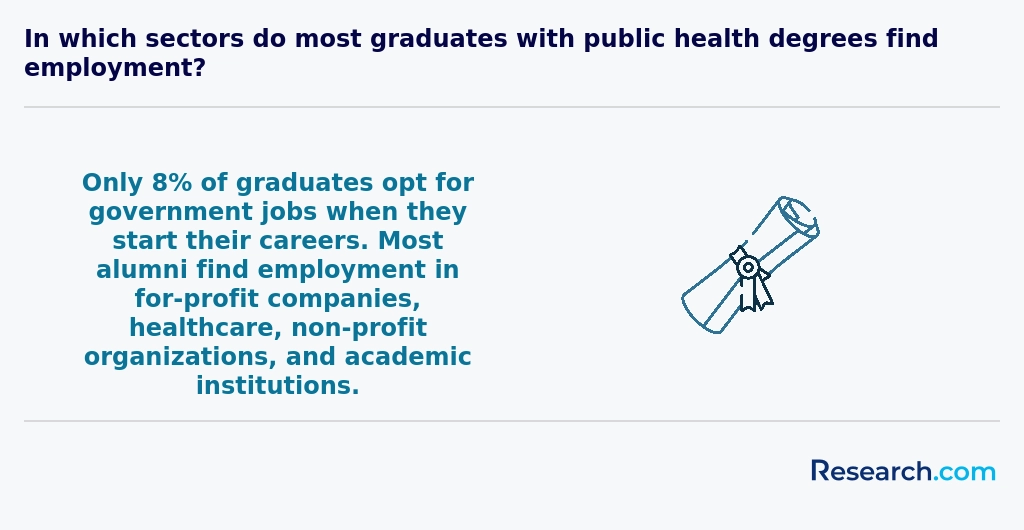
If you earn a public health degree in Kentucky, you'll find doors opening all over the place. Graduates from the University of Kentucky and the University of Louisville often land jobs with the Kentucky Department for Public Health, working on real-world issues like tracking disease outbreaks or promoting healthier lifestyles. Imagine helping design programs that actually reduce opioid addiction rates or managing campaigns to boost community wellness-that's the kind of impactful work waiting here.
Many grads also jump into healthcare spots-hospitals and clinics-where they educate patients and coordinate health projects. Others find themselves with non-profits focused on things like rural health or substance abuse prevention, leading outreach efforts to make a real difference. Plus, for anyone who digs research or teaching, universities themselves are hiring folks to assist with public health studies or to inspire the next wave of students.
It's pretty exciting knowing that your degree can put you right in the middle of meaningful, community-focused careers across Kentucky's diverse health landscape.
If you're thinking about a public health degree in Kentucky, here's the scoop on what you might expect to make. Graduates from schools like the University of Kentucky or Eastern Kentucky University often start as community health workers, where the average annual wage is around $52,610. That's a solid start, especially if you enjoy hands-on work in local communities.
Moving up, health educators in Kentucky typically earn closer to $69,790 per year. Many grads find this role super rewarding, helping folks understand how to live healthier lives while bringing in a nice paycheck. For those who dive into environmental health, salaries jump even higher-specialists can expect about $86,710 annually. This fits well if you're passionate about safe living environments and want a career that blends science with public impact.
Occupational health and safety specialists can earn roughly $85,570 a year, a good option if you're targeting private companies or government agencies in cities like Louisville or Lexington. Many grads from local colleges tell us they love knowing their work keeps people safe on the job.
So, whether you're starting out or aiming high, there's real potential for growth, especially if you combine your Kentucky degree with some field experience. The salaries here reflect a balance of solid earning potential and the rewarding nature of public health careers close to home.
- The average annual tuition and fees for public health programs at public institutions in Kentucky are around $11,000 for in-state students, which is below the national average.
- The public health job market in Kentucky is expected to grow by about 12% over the next decade, matching national growth rates.
- Starting salaries for entry-level public health professionals in Kentucky range from $45,000 to $50,000 annually.
- With experience and advanced qualifications, salaries can increase to between $65,000 and $80,000, particularly in leadership or specialized roles.
- Many public health programs in Kentucky are accredited and aligned with national standards, offering preparation for certification exams like the Certified in Public Health (CPH).
- Local public health issues in Kentucky include rural healthcare access and chronic disease management, providing unique opportunities for graduates.
If you're thinking about earning a public health degree in Kentucky, expect around four years for a full-time bachelor's program. Many students at schools like the University of Kentucky find this timeline pretty comfortable, balancing general classes with public health courses. Some even choose online or part-time programs, which can stretch that out a bit but offer great flexibility if you're juggling work or family.
For those moving on to a Master of Public Health, it usually takes about 1.5 to 2 years full-time at places like the University of Louisville. Lots of grads appreciate how part-time or evening classes let them keep working while finishing their degree, though that might mean the program takes closer to three years.
And if you're aiming for a doctoral degree, like a DrPH or PhD, plan on 3 to 5 years after your master's. Students often say the research part is tough but rewarding, especially at universities with strong public health programs that support their unique pace and interests.
If you're looking at public health degrees in Kentucky, the choice between online and on-campus really comes down to how you like to learn and live your life. Online programs, like those offered through the University of Kentucky or Western Kentucky University, are great if you need flexibility-imagine juggling work and family while catching lectures whenever you have time. Graduates often say it felt like learning on their own terms without missing out on quality content.
On the flip side, traditional on-campus students at places like the University of Louisville love the buzz of face-to-face interaction. They get real-time feedback, make friends in study groups, and dive into hands-on internships around Louisville's public health scene. It's perfect if you thrive in a classroom environment and want that close-knit campus vibe.
Cost can differ, too. On-campus might mean extra for housing or commuting, while online students usually save there but sometimes pay tech fees. Either way, Kentucky's schools keep tuition reasonable compared to other states, which is a win for just about everyone.
If you're wondering about the average cost of a public health degree in Kentucky, most students find that in-state tuition is surprisingly manageable. Graduates from well-known schools like the University of Kentucky or the University of Louisville often share how paying around $11,652 for the entire degree made their journey feel achievable. Of course, out-of-state students face higher tuition, typically adding up to about $40,582, which can feel like a big leap but is often offset by financial aid or scholarships.
Many students pursuing a public health degree tuition fees in Kentucky mention that the cost fits fairly well within their budgets compared to other states. Plus, there are plenty of options for scholarships and grants that helped some of these graduates ease the burden of textbook costs, fees, and living expenses. One common piece of advice from recent grads is to explore programs' online or hybrid formats-these can cut down living costs by limiting commutes.
For those curious about more affordable options, Kentucky offers several spots known for their affordable public health programs in kentucky, which students say balance quality education and reasonable pricing nicely. It's really about finding the right fit for your goals and wallet, and many find that the in-state residency definitely softens the overall cost of getting a public health degree here.
Navigating the competitive landscape of public health often requires more than a degree-professional certifications and ongoing education can distinguish you in the job market and expand your career trajectory. Key certifications include:
- Certified in Public Health (CPH): Offered by the National Board of Public Health Examiners, the CPH demonstrates mastery of core public health competencies. Many employers prioritize CPH-certified candidates for leadership and policy roles.
- Certified Health Education Specialist (CHES) and Master Certified Health Education Specialist (MCHES): Administered by the National Commission for Health Education Credentialing, these credentials validate your expertise in designing, implementing, and evaluating health education programs. Graduates with CHES or MCHES often secure higher salaries and more advanced positions.
- Public Health Informatics Certification (PHIC): As data-driven decision-making becomes essential, PHIC-certified professionals are highly valued for managing health information systems and analyzing large datasets. Continuing education also plays a pivotal role:
- Online Microcredentials and MOOCs: Short courses in epidemiology, biostatistics, or environmental health reinforce skills between degree milestones and can be highlighted on your resume.
- Graduate Certificates: Specialized certificate programs-such as in global health, maternal and child health, or disaster management-offer focused expertise without the time commitment of a full master’s degree.
- Workshops and Conferences: Engaging with professional bodies like the American Public Health Association provides networking opportunities and the latest insights on emerging public health challenges. By strategically pursuing certifications and lifelong learning, graduates can enhance their competitiveness and align their qualifications with high-demand roles. For those exploring top-tier healthcare careers-including insights into what is the highest paying medical job-these credentials serve as a springboard to leadership, advanced practice, and multidisciplinary collaborations.
Getting financial aid for a public health degree in Kentucky can make a huge difference, especially when tuition at places like the University of Kentucky or Eastern Kentucky University can range from $8,000 to $20,000 a year. Many students start by filling out the FAFSA to tap into federal aid like Pell Grants, which can offer up to $7,395 annually without needing to be paid back. That kind of help really easing the stress of paying for school.
Some grads share how federal Direct Loans helped cover the rest of their expenses with lower interest rates than private loans, so they didn't have to break the bank. Plus, Kentucky residents can apply for state grants through programs like the Kentucky College Access Program (CAP), which many say was a lifesaver to cover tuition costs at schools offering public health degrees.
On top of that, a bunch of universities here offer scholarships and assistantships-especially for grad students-which might include teaching gigs or research roles. Those often come with tuition waivers or stipends, making the whole financial load way more manageable.
Many students also seek scholarships from groups like the American Public Health Association, and though competitive, snagging one of those feels like a real win-both for the money and the confidence boost.
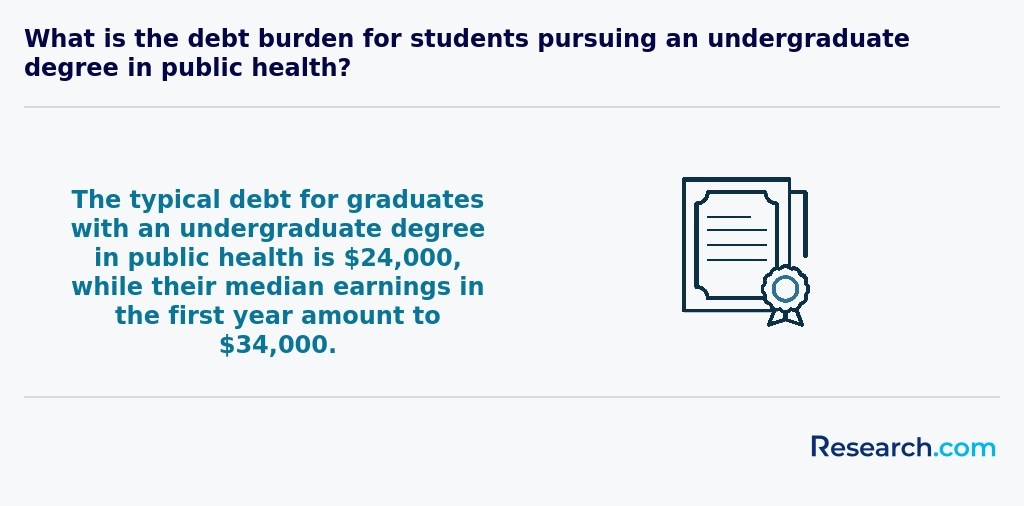
Prospective students often weigh tuition costs against future earnings to determine real value. In Kentucky, the average annual cost of a bachelor’s in Public Health ranges from $25,000 to $50,000, while entry-level salaries start near $50,000. By comparing total program expenses-including tuition, fees, living costs, and loan interest-with median first-year earnings of $55,000–$65,000, graduates can estimate a payback period of approximately 3–5 years. Programs at the University of Kentucky and Western Kentucky University, for example, demonstrate strong ROI due to above-average placement rates and competitive starting salaries, often enabling students to recoup their investment faster than national averages. To improve ROI, students should maximize scholarship opportunities, leverage on-campus assistantships, and pursue internships that translate into higher-paying roles upon graduation. Creative financing-such as work-study positions with local health departments-can offset living expenses and reduce reliance on high-interest loans. Additionally, considering part-time online coursework may allow continuous professional engagement and income growth while completing the degree. For students prioritizing affordability without sacrificing quality, our Inexpensive Online Bachelor's in Public Health Degree Programs Ranking in the Midwest offers a comparative look at low-cost, accredited online programs that maintain strong outcomes and accelerated ROI.
If you're thinking about jumping into a public health degree in Kentucky, the first step is meeting some basic requirements that are pretty straightforward but important. For undergrads, you'll usually need a high school diploma or something similar. Graduates I've talked to from popular Kentucky schools like the University of Kentucky or Northern Kentucky University mention that having a solid background in science and math really helps because it sets you up for the kind of topics you'll see, like biology and statistics.
For grad programs, like the MPH, you'll need a bachelor's degree-doesn't always have to be in public health itself, but related fields like biology or sociology definitely give you a leg up. Most programs want at least a 3.0 GPA, and you'll probably need to write a statement of purpose that shows why public health matters to you. One graduate shared how their volunteer work at a local clinic made their application stand out.
Also, letters of recommendation are a must, and while some schools ask for GRE scores or interviews, many have relaxed those rules recently, which is a relief for busy students.
Choosing a CEPH-accredited public health program ensures your education meets rigorous industry standards and qualifies you for key professional credentials.
- Council on Education for Public Health (CEPH) accreditation validates curriculum quality, faculty expertise, and structured field experiences.
- Graduates from accredited programs are eligible for national exams like Certified in Public Health (CPH) and Certified Health Education Specialist (CHES).
- Many Kentucky programs integrate exam prep and satisfy practicum hour requirements for certification.
- Consider joint coursework with healthcare administration degree online to expand leadership and management skills.
If you're thinking about a public health degree in Kentucky, expect to dive into courses like Introduction to Public Health that break down the history and real-world roles of public health pros. Many graduates from schools like the University of Kentucky or the University of Louisville say courses like Epidemiology really bring the puzzle of disease outbreaks to life, making you feel like a detective piecing together clues to stop illness spread.
Biostatistics might sound tough, but it's all about using numbers to understand health patterns, which gets a lot clearer with practical examples from local health data. Environmental Health shows how air pollution or workplace hazards directly affect communities in Louisville or Lexington, making lessons feel relevant.
Students often talk about Health Behavior and Promotion classes where they discover how small changes in habits can make a big impact on their neighbors' lives. Plus, Health Policy and Management courses help you see behind the scenes of Kentucky's health services - exactly what you'll work with after graduation. Many even get hands-on experience through internships with state health departments, grounding everything in real Kentucky communities.
If you're diving into a public health degree in Kentucky, you'll find some cool specializations that really connect with local health needs. Graduates from popular schools like the University of Kentucky or Eastern Kentucky University often tell stories about focusing on epidemiology-tracking disease patterns, which is super relevant here with challenges like opioid overdoses. There's also health policy and management, which is perfect if you want to help improve healthcare access in rural parts of the state.
Kentucky's public health concentration options also include environmental health, where students get hands-on with issues like pollution and water safety, which really matters around the state's industrial and farming areas. Community health education is another favorite; graduates share how rewarding it is to promote healthier lifestyles in their neighborhoods.
Some programs even offer global health if you want to think beyond Kentucky borders. If you're curious about career pathways, check out what is the highest paying medical job to see how these specializations can pay off.
Picking the best public health degree program in Kentucky comes down to what fits you personally. Graduates from the University of Kentucky often mention how helpful it was that their program was CEPH-accredited-this means employers and licensing boards take their degree seriously. Cost can be a big deal too; many find that schools like the University of Louisville offer affordable public health schools in Kentucky options, especially when you dig into scholarships or assistantships to help with tuition.
When choosing, think about what interests you most in public health. Some programs focus on issues close to home, like rural health disparities or opioid addiction, which makes studying in Kentucky feel really relevant and motivating. Students also talk about how attending schools tied to local health organizations gave them cool internship opportunities. If you want to explore options, check out the Inexpensive Online Bachelor's in Public Health Degree Programs Ranking in the Midwest for a great starting point.

If you're exploring public health career opportunities in Kentucky, there's a great variety of paths you can take after graduation. Many folks from universities like the University of Kentucky or the University of Louisville find themselves working with government agencies, digging into epidemiology or health education, tackling real-world problems like disease prevention or emergency preparedness.
Others jump into hospitals or clinics, managing programs that fight chronic illnesses or boost patient outreach. It's rewarding work that makes a real impact on communities around the state. Some grads even get involved with nonprofits - these organizations often focus on specific groups like seniors or kids and need passionate public health pros to help create programs and write grants.
Graduates often mention how their roles at local universities or research centers open doors to jobs in health policy or biostatistics, blending analysis with meaningful community health work. If you want to see how public health stacks up compared to different college majors, Kentucky's variety of jobs with a public health degree Kentucky offers really stands out and keeps things exciting.
The job market for public health degree jobs in Kentucky is looking pretty bright right now. Graduates from well-known universities like the University of Kentucky and the University of Louisville often find roles in state health departments, local clinics, or community organizations. Many share how rewarding it feels to work directly on programs battling the opioid crisis or improving healthcare access in rural towns.
What's cool is that Kentucky's efforts to boost public health create steady demand in areas like epidemiology and health education. The Kentucky Cabinet for Health and Family Services frequently posts openings, and grads say the work is meaningful because you're really impacting people's lives. Salaries vary, but many find the balance between earnings and community service very satisfying, especially when considering tuition rates here that range from $10,000 to $15,000 annually.
Students aiming for Kentucky public health career opportunities can also explore flexible learning options by checking out best online degree programs for seniors, making it easier to study while gaining hands-on experience.
2027 Most Valuable Public Health Degree Programs Ranking in Kentucky
Investing in your education is a significant decision that can shape your future, and the Research.com team understands the importance of making informed choices. To assist prospective students in Kentucky, we have meticulously created the "2027 Most Valuable Public Health Degree Programs Ranking in Kentucky." Our commitment to quality, credibility, and accuracy is reflected in the thorough research and analysis conducted to compile this ranking.
We utilized the following reputable data sources to ensure a comprehensive evaluation of public health programs:
By exploring this ranking, readers will gain valuable insights into the most valuable public health degree programs available in Kentucky, empowering them to make well-informed decisions about their educational and career paths. For more details on our methodology, please visit our Research.com methodology page.


Frequently Asked Questions About public health
Public health degree students in Kentucky can maximize their learning by engaging in hands-on experiences through local internships and community projects. Kentucky's public health workforce is expected to grow by over 11% through 2030, indicating strong demand for skilled professionals, according to the Kentucky Department for Public Health.
Students should also leverage partnerships with regional health departments and organizations like the Kentucky Public Health Association. These collaborations offer opportunities to apply classroom knowledge to real-world challenges.
Furthermore, incorporating multidisciplinary studies covering epidemiology, health policy, and environmental health broadens skill sets essential for local public health needs.
Networking at conferences and staying current with state health reports can enhance career readiness and understanding of Kentucky's unique health priorities.
The public health field in Kentucky is evolving, with emerging niches attracting growing attention. One key area is epidemiology, focusing on disease tracking and outbreak prevention, especially important due to the state's history with opioid addiction and infectious diseases.
Another expanding niche is health informatics, where professionals analyze healthcare data to improve services and policy. Kentucky's investment in digital health systems has increased demand for such expertise.
Environmental health is also significant, addressing issues like air and water quality that directly impact Kentucky's communities, particularly in rural areas. Lastly, public health policy and management continue to grow, preparing leaders to tackle complex health challenges in the state.
Preparing for the job market after earning a public health degree in Kentucky involves several strategic steps. First, gaining practical experience through internships or volunteer work is crucial. Institutions like the Kentucky Department for Public Health offer opportunities that can enhance skills and networking.
Additionally, obtaining relevant certifications, such as Certified Health Education Specialist (CHES), can improve employability. Kentucky's public health job market is growing, with employment projected to increase by about 15% through 2030, according to the U.S. Bureau of Labor Statistics, driven by expanded community health initiatives.
Building connections with local health organizations and attending industry events also supports career advancement in this field.
Employers seeking public health degree graduates in Kentucky prioritize strong analytical skills and the ability to interpret health data effectively. According to the Kentucky Department for Public Health, competence in biostatistics and epidemiology is essential for addressing local health challenges.
Communication skills are also highly valued. Graduates must clearly convey health information to diverse communities, ensuring public awareness and engagement, as emphasized by the Centers for Disease Control and Prevention (CDC) regional reports.
Problem-solving abilities and knowledge of health policy contribute to better decision-making in public health roles across Kentucky. Additionally, proficiency in public health software and familiarity with Kentucky's unique health concerns, such as rural health disparities, enhance employability.
Finding internships in Kentucky for public health students involves connecting with local health departments, hospitals, and nonprofit organizations. The Kentucky Department for Public Health regularly offers internship opportunities that provide hands-on experience in community health initiatives. Partnerships between universities and regional healthcare providers also expand options for placements.
Students should explore programs affiliated with schools such as the University of Kentucky and the University of Louisville, which often facilitate internships through established networks. Additionally, the Kentucky Public Health Association is a valuable resource for internship listings and professional networking.
According to the Bureau of Labor Statistics, Kentucky's employment in health and social assistance sectors grows steadily, creating expanding internship possibilities. Early outreach and utilizing university career services are essential for securing valuable positions.
A public health degree in Kentucky significantly enhances career mobility and advancement opportunities. The state's growing focus on health initiatives has increased demand for professionals skilled in epidemiology, health education, and policy development. According to the Kentucky Cabinet for Health and Family Services, the public health sector employs approximately 6,000 individuals statewide, with job growth projected at 5% through 2030.
Graduates with a public health degree qualify for a variety of roles in government agencies, hospitals, and nonprofit organizations. Higher education credentials often lead to supervisory and specialist positions, which typically offer higher salaries and greater job security.
Additionally, Kentucky's accreditation of several public health programs aligns with national standards, facilitating professional licensing and certification pursuit, further aiding advancement. The degree's versatility also allows for lateral moves into healthcare management and community health planning, broadening the career path.
Studying for a public health degree in Kentucky equips students with skills that span multiple disciplines, essential for addressing complex health challenges. Programs commonly integrate coursework in epidemiology, biostatistics, health policy, environmental health, and social sciences. This multidisciplinary approach enables graduates to collaborate with various professionals, including healthcare providers, policymakers, and community organizations.
Kentucky's public health education often emphasizes practical experience through internships or partnerships with institutions like the Kentucky Department for Public Health. According to the Kentucky Center for Statistics, the state faces unique health issues such as high rates of chronic disease and substance abuse, which require coordinated efforts across sectors.
By blending theory with local public health practice, Kentucky programs prepare students for leadership roles where interdisciplinary collaboration is crucial for developing effective interventions and policies.
When choosing between a thesis and a non-thesis public health degree program in Kentucky, consider your career goals and time commitment. A thesis option involves conducting original research and writing a substantial paper, which is ideal for students aiming for research roles or doctoral studies. Non-thesis programs often emphasize practical skills and may require internships or capstone projects instead.
Programs like the University of Kentucky's College of Public Health offer both tracks. According to the Council on Education for Public Health (CEPH), nearly 30% of public health graduate students in Kentucky opt for thesis options, reflecting a growing research focus in the region.
Also, think about funding and duration; thesis programs may extend your studies but provide valuable research experience favored by employers in academic and public sectors.
Students based in Kentucky seeking to study public health abroad have several options through exchange programs and partnerships offered by universities within the state. Institutions such as the University of Kentucky and University of Louisville often facilitate study abroad opportunities in countries with robust public health systems. These programs allow students to gain international experience while earning credits toward their degrees.
Kentucky's public health students can also explore dual-degree programs or internships in global health, which provide practical exposure to diverse healthcare environments. Additionally, some programs participate in the Global Health Learning Opportunities database, helping students find suitable placements worldwide.
According to the Association of Schools and Programs of Public Health, international experience enhances career prospects and cultural competence, key skills in today's public health field.
Students pursuing public health degrees in Kentucky can benefit greatly from several part-time job opportunities that align with their academic goals. Roles such as community health worker, health educator assistant, and medical office support staff offer valuable practical experience. According to the Kentucky Department for Public Health, community health workers are in growing demand to help address rural health disparities.
Part-time positions in local health departments or nonprofit organizations often provide exposure to data collection and public outreach programs. Jobs in healthcare facilities like hospitals or clinics also allow students to understand patient care coordination, which is essential for public health careers.
Gaining work experience while studying supports competency development in areas like epidemiology, health communication, and policy analysis. This hands-on involvement strengthens resumes and networking opportunities within Kentucky's health sector.
Public health students in Kentucky have access to a variety of networking opportunities designed to connect them with professionals and peers in the field. Universities like the University of Kentucky and the University of Louisville host events, workshops, and student organizations focused on public health careers. These platforms offer chances to engage with faculty researchers and local health departments.
Additionally, the Kentucky Public Health Association (KPHA) holds annual conferences and regular meetings that students can attend to build professional contacts. Participating in internships and community projects across Kentucky's major cities also helps students gain real-world experience and connections.
According to the Kentucky Center for Statistics, over 20% of public health graduates remain in-state, suggesting strong local professional networks that facilitate job placement and collaboration.
Alumni networks play a vital role for public health degree students in Kentucky by providing valuable professional connections. Graduates who join these networks often gain access to job opportunities within state health departments or nonprofit organizations focused on local health issues.
These networks also offer mentorship, which helps students and recent graduates navigate career paths and develop essential skills. According to the Kentucky Public Health Association, many alumni actively participate in continuing education events, fostering lifelong learning.
Additionally, alumni connections can ease internship placements, crucial for hands-on experience, especially as Kentucky faces specific public health challenges like rural healthcare disparities. This community support enhances both academic and career success for students.
Customizing a public health degree program in Kentucky allows students to align their education with specific career goals. Many universities offer concentrations such as epidemiology, health policy, or community health, enabling focused skill development. Kentucky's public health workforce is projected to grow by 12% from 2020 to 2030, making specialization valuable for job opportunities (Bureau of Labor Statistics).
Students can also choose elective courses or participate in internships within local health departments or organizations like the Kentucky Department for Public Health. This practical experience enhances career readiness. Additionally, some programs provide options for online or part-time study, offering flexibility for working professionals aiming to advance in areas like health education or environmental health.
Public health students in Kentucky often face several challenges during their studies. One major issue is limited local funding for public health programs, which can affect access to resources and research opportunities. According to the Kentucky Cabinet for Health and Family Services, Kentucky ranks low nationally in public health funding, which impacts educational support.
Another challenge is the need to balance fieldwork and coursework. Many programs require students to complete internships in rural or underserved areas, presenting logistical and financial difficulties, especially for those without personal transportation.
Additionally, navigating Kentucky's diverse health issues, such as high rates of chronic diseases and opioid addiction, can be demanding but essential for gaining relevant experience. These challenges shape a rigorous learning environment for students preparing to enter Kentucky's public health workforce.
With a public health degree in Kentucky, graduates can pursue several professional certifications to enhance their careers. One of the most recognized is the Certified in Public Health (CPH) credential, offered by the National Board of Public Health Examiners. This certification demonstrates mastery of core public health knowledge and skills.
Other valuable certifications include the Certified Health Education Specialist (CHES) and the Registered Environmental Health Specialist (REHS), both opening doors to specialized roles. Kentucky's health workforce often values these credentials for public health program management and community health roles.
Obtaining certifications can improve salary prospects and job stability in Kentucky's growing public health sector, as noted by the Kentucky Cabinet for Health and Family Services.
Writing a winning application for a public health program in Kentucky involves clear demonstration of your commitment to improving community health. Start by researching each program's focus areas, such as epidemiology or health policy, to tailor your statement of purpose accordingly. Kentucky has seen rising public health needs, particularly in rural areas, making experience with underserved populations a strong asset.
Include relevant academic achievements, such as coursework in biology or statistics, and any volunteer or work experience in health services. The Council on Education for Public Health (CEPH) accredits top Kentucky programs, an important quality marker to mention.
Strong letters of recommendation from professionals in healthcare or public health can greatly strengthen your application. Finally, highlight your understanding of Kentucky's specific health challenges like opioid addiction and chronic disease prevalence, referencing data from the Kentucky Department for Public Health when possible.
The field of public health is increasingly viewed through a global lens, emphasizing collaboration across nations to address widespread health challenges. For students in Kentucky considering a public health degree, it is important to understand that careers often involve partnerships with organizations like the World Health Organization and Centers for Disease Control and Prevention.
Global health initiatives focus on infectious diseases, chronic illnesses, and health equity, which have significant impacts even at local levels in Kentucky. According to the Kentucky Department for Public Health, understanding global trends helps professionals design better community health programs that reflect worldwide best practices.
Moreover, many public health programs in Kentucky incorporate global health perspectives in their curriculum to prepare graduates for diverse career paths, including international agencies, non-profits, and government roles.
Students pursuing a public health degree in Kentucky can gain practical experience through internships and cooperative education programs offered by many universities in the state. These opportunities often involve placements at local health departments, non-profit organizations, and hospitals, allowing students to apply classroom knowledge in real-world settings.
Kentucky's Department for Public Health frequently collaborates with academic institutions to provide internships that focus on community health, epidemiology, and health promotion. Such experiences are valuable for building professional networks and enhancing resumes.
Additionally, some Kentucky schools offer service-learning projects and student research programs connected to state health priorities, including chronic disease prevention and rural health initiatives.
Choosing the right concentration within a public health degree in Kentucky depends on your career goals and the specific health challenges of the state. Kentucky faces significant issues such as high rates of chronic diseases, including diabetes and heart disease, which creates demand for experts in epidemiology and community health.
Look for programs that offer concentrations aligned with state workforce needs, such as environmental health or health policy. The Kentucky Department for Public Health highlights a growing need for professionals skilled in substance abuse prevention, reflecting local priorities.
Exploring internships or partnerships within Kentucky's health departments can provide insight into practical applications of each concentration. This experience, combined with understanding local public health data, supports informed decisions.
- 2027 Most Valuable Public Health Degree Programs Ranking in Indiana
- 2027 Most Valuable Public Health Degree Programs Ranking in Georgia
- 2027 Most Valuable Public Health Degree Programs Ranking in Alabama
- 2027 Most Valuable Public Health Degree Programs Ranking in Arkansas
- 2027 Most Valuable Public Health Degree Programs Ranking in Florida
- 2027 Most Valuable Public Health Degree Programs Ranking in Minnesota
- 2027 Most Valuable Public Health Degree Programs Ranking in Connecticut
- 2027 Most Valuable Public Health Degree Programs Ranking in Idaho
- 2027 Most Valuable Public Health Degree Programs Ranking in Arizona
- 2027 Most Valuable Public Health Degree Programs Ranking in California
- Letter of Intent for Admissions to Masters of Public Health - how this program fits to my goals? https://essayforum.com/graduate/intent-admissions-masters-public-health-64817/
- Master of Public Health Degree Programs in Kentucky - Healthcare Administration Degree Programs https://www.healthcare-administration-degree.net/masters-public-health-in/kentucky/
- Work Experience Opportunities - Everyone Health Careers https://careerseveryonehealth.co.uk/work-experience/
- Students and Alumni associations - Europubhealth https://www.europubhealth.org/students-alumni-associations/
- Know more about thesis vs non- thesis: what is the difference? https://studyfans.com/en/blogs/816
- How to carve a niche in your public health career | PH SPOT https://phspot.org/carvinganiche/
- Best Online MPH Programs in Kentucky | 2026 Guide – PublicAdministrationPolicy.org https://publicadministrationpolicy.org/public-health/kentucky/
- Dive deeper into public health topics. https://www.apha.org/topics-and-issues
- Kentucky https://www.publichealth.org/online-degrees/kentucky/
- Why Public Health is the Ideal Career Path for Gen Z - Reach Out https://we-reachout.org/why-public-health-is-the-ideal-career-path-for-gen-z/














