
2027 Most Valuable Public Health Degree Programs Ranking in the USA Territories

Co-Founder and Chief Data Scientist
Choosing the right public health degree program is an important step toward a rewarding career in healthcare. This article introduces the 2027 Most Valuable Public Health Degree Programs Ranking in the USA Territories, created by the Research.com team of data scientists to guide students in making well-informed decisions.
By exploring this ranking, you'll discover programs that offer great value and strong career prospects. Pursuing a public health degree opens doors to meaningful work that positively impacts communities, making it a smart and inspiring choice for your future.
Key benefits of getting public health degree in the USA Territories
- Graduates with a public health degree can earn a mean annual wage ranging from $43,350 as a Medical Assistant to $86,710 as an Environmental Health Specialist, offering strong financial benefits in various roles.
- Career paths include working as a Community Health Worker or Health Educator, with opportunities across local clinics, government health departments, and nonprofits in the USA Territories, making the degree versatile and impactful.
- Online public health degrees provide flexible schedules and access to quality education from popular universities in the Territories, allowing students to balance work or family while advancing their careers confidently.
- 2027 Most Valuable Public Health Degree Programs Ranking in the USA Territories
- What can I expect from public health degree in the USA Territories?
- Where can I work with public health degree in the USA Territories?
What can I expect from public health degree in the USA Territories?
The average cost of pursuing a public health degree in the USA Territories tends to be more affordable than many mainland institutions, offering a compelling balance between quality education and financial accessibility. Graduates from the University of Puerto Rico often share how manageable tuition allowed them to focus on hands-on learning rather than overwhelming debt. Likewise, students at the University of Guam appreciate the lower fees as they engage deeply with local health challenges like diabetes and obesity.
Though exact prices vary by institution and degree level, the financial reality in these territories means more opportunities to invest in meaningful practical experiences. Instead of worrying purely about costs, students find themselves motivated by the return on investment in vibrant community projects and professional networks distinct from mainland programs.
Weather-related disruptions have influenced curricula, shaping resilient, adaptable graduates who recognize their education's value far beyond tuition figures. In these tropical and island settings, affordability combines with exceptional relevance, making the investment in public health education a worthwhile endeavor.
Where can I work with public health degree in the USA Territories?
Graduates with a public health degree from universities like the University of Puerto Rico or the University of Guam quickly discover that their skills unlock opportunities far beyond typical healthcare settings. Many find themselves at the heart of territorial government health departments, where their work directly protects communities from frequent natural disasters and disease outbreaks. This proximity to urgent, real-world challenges often transforms their education into a deeply personal mission.
Others embrace frontline roles in hospitals and community health centers such as the Schneider Regional Medical Center in the U.S. Virgin Islands, where their efforts in health education and chronic disease management directly uplift neighbors and families they grew up alongside. The sense of fulfillment from these roles often surpasses what traditional career paths promise.
Nonprofits focused on health equity in places like American Samoa also rely on public health graduates to tackle social determinants that mainstream systems might overlook. These graduates often collaborate with federal agencies, amplifying their impact through strategic partnerships. With emerging fields like telehealth gaining ground, careers increasingly blend technology with community care, creating unexpected but rewarding pathways.
Graduates with public health degrees from institutions like the University of Puerto Rico or Guam Community College often face unique salary landscapes in the USA Territories, but many find financial stability and meaningful careers nonetheless. For instance, community health workers typically earn around $52,610 annually, reflecting a solid baseline for entry-level roles tied closely to local health initiatives and federal programs.
Health educators, who are frequently involved in public awareness campaigns and chronic disease prevention efforts, see mean salaries near $69,790, a figure that surprises many students who initially expect lower wages in the Territories. This salary reflects the growing value placed on education and outreach.
Environmental health specialists and occupational safety experts command some of the highest wages, earning about $86,710 and $85,570 on average. Graduates who land these roles benefit from both the technical prestige and the crucial impact they have on community well-being, fueling their motivation and pride.
Real-world graduates often recount how their earnings enabled them to invest in local projects or support family needs, turning their degree into a gateway beyond mere income. The evolving public health challenges in the Territories mean that financial rewards may grow as demand rises, making this a path both pragmatic and inspiring.
- Tuition for public health degrees in the USA Territories typically ranges from $6,000 to $12,000 per academic year, making them more affordable than many mainland universities.
- Entry-level salaries for public health graduates in these regions range from $40,000 to $50,000 annually, with experienced professionals earning between $70,000 and $85,000.
- Public health programs usually have accreditation from bodies like the Council on Education for Public Health (CEPH), ensuring education quality and recognition.
- Main employers include federal and territorial government agencies, non-governmental organizations, and community health programs focused on local health challenges.
- The U.S. Department of Health and Human Services actively supports workforce development and infrastructure improvements in public health within the territories.
Completing a public health degree in the USA Territories often takes about as long as it does on the mainland, but with nuances that make the journey uniquely rewarding. Undergraduates at institutions like the University of Puerto Rico commonly spend four years building a solid foundation in epidemiology and health policy, embracing a pace that balances rigor with real-life responsibilities.
Master's students frequently find themselves immersed in two-year full-time programs, where practical skills sharpen alongside leadership ambitions. Many graduates appreciate how this typical duration allows for deep engagement without feeling rushed, especially in schools accredited by bodies like CEPH, ensuring their credentials hold strong national merit.
Doctoral candidates might stretch their studies over three to five years, navigating research and dissertation phases at their own rhythm. Graduates often recall how this flexibility accommodated ongoing work or family life, a reality familiar to peers balancing part-time or hybrid programs thriving in these territories.
These timeframes embody more than academic milestones; they reflect a lived experience of growth and adaptability, wrapped in the embrace of community and culture unique to the USA Territories.
Graduates from the University of Puerto Rico often reflect on how their on-campus experience shaped their understanding of public health's local challenges. The face-to-face engagement, group discussions, and hands-on internships in nearby communities gave them a tangible connection to island-specific issues like hurricane preparedness and tropical disease control. This direct interaction fostered strong professional networks within local health agencies-an advantage not easily replicated online.
Conversely, alumni of online programs from institutions like the University of Guam praise the flexibility that allowed them to balance work, family, and study. The freedom to access lectures from remote areas, even amidst island isolation, empowered them to tailor learning to their pace. Yet, many emphasize the discipline required to stay motivated without the structured schedule and immediate feedback that an on-campus setting offers.
Both formats commonly meet CEPH accreditation, but the choice often comes down to whether a student values immersive, community-rooted experiences or adaptable, self-directed study fitting unique territorial lifestyles.
The average cost of obtaining a public health degree in the USA Territories is strikingly affordable compared to mainland options, with median total expenses hovering around $17,450. In-state students, benefiting from local tuition advantages, often face significantly lower costs, averaging near $7,750. Graduates from popular institutions, such as universities in Puerto Rico or Guam, frequently share how this affordability has allowed them to focus more fully on their studies and community impact, rather than financial stress. This real-world context challenges the common belief that quality education must come with exorbitant price tags.
For students navigating the public health degree tuition and fees in US territories, these figures reflect a landscape where public health education is accessible without sacrificing educational rigor. Public universities in the territories combine affordable tuition with programs tailored to local health challenges, inspiring graduates who feel deeply connected to their communities. This affordability enables them to envision careers where they make meaningful contributions without starting their journey under a mountain of debt.
Living expenses and fees still vary widely, with challenges like higher costs in Guam balanced against lower tuition rates in Puerto Rico. Yet many students find support through scholarships specifically targeting territorial students, federal aid programs, and cost-effective resources that help keep total education spending manageable. For those seeking flexible options, exploring 6 month associate programs online can also be a strategic step toward an affordable path in public health education within these regions.
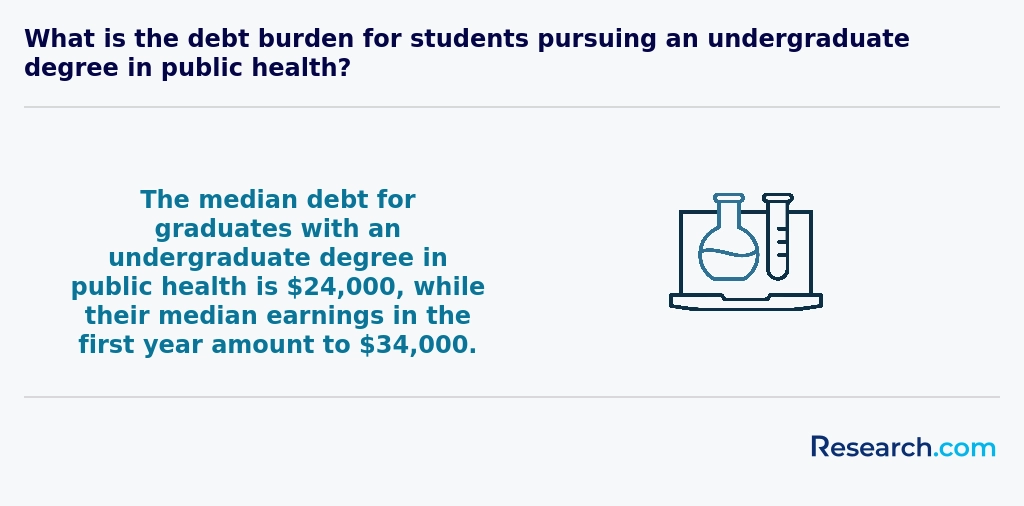
Students pursuing public health degrees in USA Territories like Puerto Rico and Guam often find financial aid opportunities more accessible than they initially expect. A graduate from the University of Puerto Rico recounts how completing the FAFSA opened doors to Pell Grants and Federal Work-Study programs, covering much of her tuition and easing financial stress. Such federally backed supports are vital, especially when tuition ranges between $7,000 and $14,000 annually depending on residency and institution.
Beyond federal aid, localized scholarships reward commitment to regional health needs. For example, graduates from the University of Guam benefited from territory-specific grants designed to encourage public health professionals to serve their communities. These scholarships not only relieve debt but also connect students to local networks, fostering a sense of purpose and belonging.
National awards from organizations like the APHA recognize merit and dedication regardless of your location, reminding territorial students they are part of a broader public health movement. Loan forgiveness programs for government work further highlight how serving in your home territory can translate into tangible financial relief, making the pursuit of a public health degree feel both achievable and deeply rewarding.
Enrolling in a public health degree program in the USA Territories demands more than just academic credentials; it requires a genuine readiness to engage with complex social and scientific challenges. Prospective students must have a high school diploma or equivalent for bachelor's programs and a completed undergraduate degree for graduate studies, such as an MPH. Graduates from institutions like the University of Puerto Rico often share how foundational courses in biology, chemistry, and statistics prepared them not only academically but mentally for the rigorous interdisciplinary studies ahead.
Beyond grades, students recount the importance of submitting compelling personal statements and letters of recommendation that reflect their passion for community health. Many recall volunteer experiences or internships in local clinics that deepened their commitment and shaped their understanding of health disparities unique to the Territories.
While testing requirements like the SAT, ACT, or GRE vary, many programs have embraced flexible policies, especially after the pandemic, easing access without sacrificing quality. The financial reality is also motivating; tuition at public institutions ranges roughly from $3,000 to $10,000 annually, giving Territorial students access to affordable education embedded in their communities.
Finally, fluency in English is essential, but graduates affirm that bilingual skills, particularly in Spanish, amplify their capacity to serve diverse populations. Health clearances and background checks underscore the responsibility carried by students entering this field, ensuring their roles in safeguarding public wellbeing begin with integrity and trust.
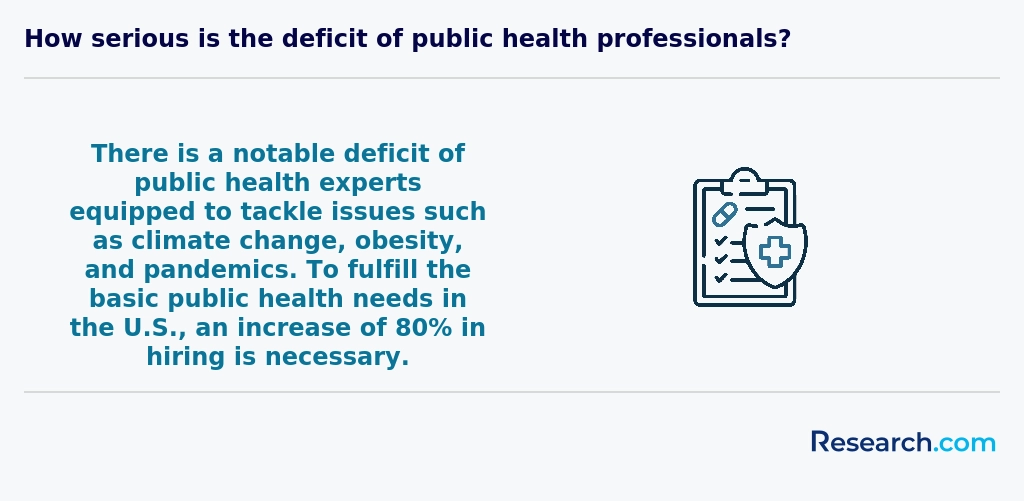
Public health degrees in the USA Territories typically include courses that go beyond textbook theory to address the real health challenges students see daily. Graduates from places like the University of Puerto Rico or Guam Community College often describe courses like Epidemiology and Biostatistics as eye-opening-they transform abstract numbers into stories of local disease outbreaks or community health trends.
Environmental Health classes aren't just academic; students learn how to manage risks from hurricanes or volcanic activity, threats familiar on island territories. Health Policy and Management courses feel intensely relevant as learners study healthcare systems molded by territorial governance, preparing for leadership roles in their own communities.
Social and Behavioral Sciences courses are where students connect deeply with cultural contexts, crafting interventions tailored to diverse island populations. Introduction to Public Health lays the foundation, but the focus on vector-borne diseases like dengue or Zika makes the curriculum highly practical, reflecting urgent public health realities here.
Graduates express pride in gaining skills that empower them to drive change, blending data analysis with culturally sensitive outreach to improve health outcomes where it matters most.
In the USA Territories, public health degree specializations uniquely reflect the pressing health challenges and rich cultural contexts of the region. Graduates from universities in Puerto Rico and Guam often recall how their Epidemiology courses addressed tropical diseases common in these areas, creating a deeply personal connection to their community's wellbeing. Environmental Health specialization resonates strongly among students who have witnessed the destruction hurricanes can cause and are driven to improve water quality and disaster response systems.
Health Policy and Management prepares students to navigate the complex healthcare systems in these territories, an experience vividly described by many graduates who balance funding limitations with innovative service delivery. Community Health studies empower students to design culturally sensitive interventions, reflecting diverse local traditions and socioeconomic realities found in the USA Territories. Additionally, growing interest in Global Health aligns with the territories' strategic locations and cross-border health dynamics.
Those exploring public health fields in USA Territories often find these specializations not only relevant but inspiring for real-world impact, which is why prospective students may also want to consider what is the easiest masters degree to get online as part of their broader decision-making process.
Choosing the best public health degree programs USA Territories means looking beyond just reputation. Graduates from Puerto Rico's leading universities often share how accreditation, especially by CEPH, gave them confidence their education could open doors locally and beyond. But affordability weighs heavily; students from Guam praise lower tuition rates for residents, which helped them pursue their studies without overwhelming debt. Flexible study options-many territorial colleges now offer hybrid or online formats-allow working professionals to balance family and community work, enriching their learning with real-life context.
Reflecting on their experiences tackling local challenges like tropical diseases and disaster preparedness, these graduates emphasize the value of programs linked with regional health agencies, which blend classroom theory with impactful fieldwork. When deciding, weigh how closely a program addresses your community's health needs and future job prospects-employment in the territories varies but can be rewarding and stable. For some, considering a bachelor's degree that makes the most money alongside advanced options was part of their strategic plan to thrive in public health careers.
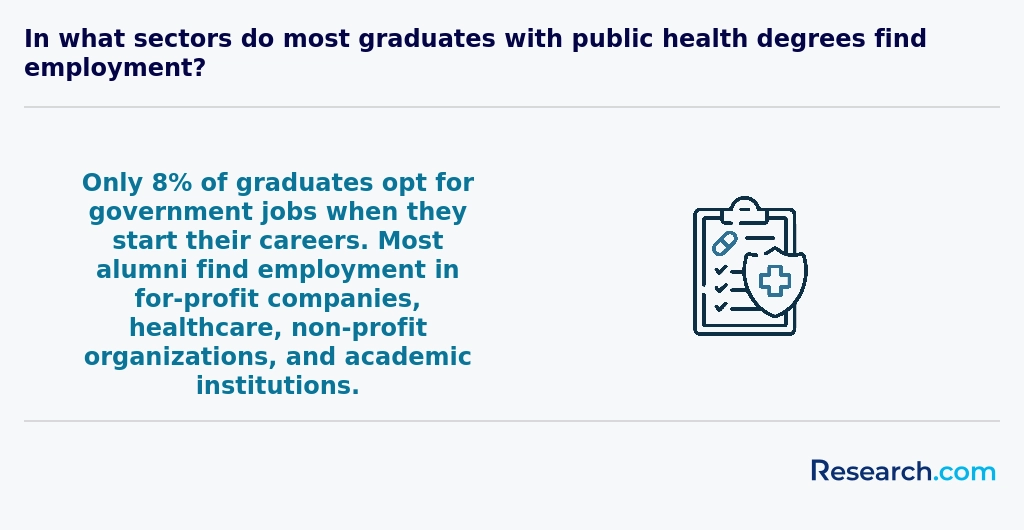
Graduates with a public health degree from universities in Puerto Rico, Guam, or the U.S. Virgin Islands often find themselves at the frontline of pressing health challenges unique to these territories. Public health career opportunities in USA Territories are anything but conventional, demanding innovative minds ready to tackle outbreaks like dengue fever or support disaster preparedness in communities where resources are limited. Graduates speak of their roles as epidemiologists or health educators not just as jobs, but as vital contributions to their islands' wellbeing, fueled by a deep connection to local culture and environment.
Job prospects for public health graduates in USA Territories extend beyond frontline health workers to policy analysts customizing health programs under tight budget constraints. Working in community clinics or government offices, many relish the tangible impact of their efforts-such as improving water quality or addressing chronic diseases prevalent in their neighborhoods after studying at popular colleges like the University of Guam or the University of Puerto Rico.
For those aiming to advance rapidly, some pursue 1 year online doctorate programs, blending local expertise with global knowledge. These paths highlight the adaptability and resilience required to thrive, making a career in public health here both challenging and deeply rewarding.
The job market for public health degree holders in the USA Territories offers a landscape unlike the mainland, shaped by unique public health challenges and community needs. Graduates from institutions popular in the region often find themselves addressing urgent issues such as vector-borne diseases and disaster preparedness, crucial in territories with tropical climates. Many report rewarding careers working closely with local health departments or federal agencies, where salaries reflect federal pay scales, sometimes reaching $40,000 to $50,000 annually, aligning with local living costs.
Public health job opportunities in USA territories differ from the mainland in scale but not in importance. A graduate once shared how program management roles in Puerto Rico's health sector allowed direct impact on community resilience post-hurricane, underscoring the deeply meaningful work accessible here. The demand for health educators and community health workers continues to rise, a hopeful sign for those entering the field.
Cost considerations also play a pivotal role for many students. With tuition ranging between $8,000 and $20,000 per year at regional universities, financial aid and scholarships tailored for residents can significantly ease the burden. Prospective students should thoughtfully explore these options and career outlooks before committing, balancing local opportunities against broader goals. For more career pathways beyond public health, resources like provide valuable insights into the diverse employment landscape.
2027 Most Valuable Public Health Degree Programs Ranking in the USA Territories
Investing in your education is a significant decision that can shape your future, and the Research.com team understands the importance of making informed choices. To support students and professionals in the USA territories, we have carefully developed the "2027 Most Valuable Public Health Degree Programs Ranking in the USA Territories." Our dedication to quality, credibility, and accuracy is demonstrated through rigorous research and data analysis behind this ranking.
We utilized the following reputable data sources to ensure a comprehensive evaluation of public health degree programs:
By exploring this ranking, readers will gain valuable insights that help identify the most impactful and rewarding public health programs in the region, empowering them to make well-informed educational decisions. For more information about the methodology behind our rankings, please visit our Research.com methodology page.
# 1 position
San Juan Bautista School of Medicine
Master of Public Health
# 2 position
University of Puerto Rico-Medical Sciences
Master of Public Health
# 3 position
Ponce Health Sciences University
Master of Public Health in International Health

# 4 position
Atenas University
Master of Public Health

# 5 position
Ponce Health Sciences University
Doctor of Public Health
# 6 position
Universidad Ana G. Mendez-Gurabo Campus
Bachelor of Science in Public Health
# 7 position
Universidad Ana G. Mendez-Cupey Campus
Bachelor of Science in Public Health

# 9 position
Universidad Ana G. Mendez-Carolina Campus
Bachelor of Science in Public Health
Frequently Asked Questions About public health
Public health degree students in the USA Territories can enhance their learning by engaging with community-based projects that address local health challenges. Hands-on experience in tackling issues such as dengue fever or chronic diseases prevalent in the region provides valuable practical knowledge. Collaboration with local health departments and organizations is essential for real-world exposure.
Students should also leverage online resources and remote learning options from accredited US institutions, which often offer tailored programs to meet territorial needs. According to the CDC, integrating culturally relevant approaches boosts effectiveness in public health initiatives in these areas.
Networking through internships and conferences focused on tropical and territorial health can further expand professional competencies and career opportunities.
Emerging niches within the public health field reflect the growing complexity of health challenges in the USA Territories. One significant area is climate change and environmental health, as territories like Puerto Rico and Guam face increasing risks from hurricanes, rising sea levels, and pollution. Specialized programs focus on disaster preparedness and resilience.
Another fast-growing niche is telehealth and digital health innovation, responding to geographic barriers in the territories' healthcare access. Incorporating technology improves healthcare delivery in remote communities.
Community-based participatory research is gaining traction, emphasizing collaboration with local populations to address unique health disparities. This approach is supported by data from the CDC showing higher rates of chronic diseases in several territories compared to the mainland U.S.
These niches align with regional needs, preparing students for targeted public health roles.
Graduates with public health degrees in the USA Territories should begin preparing for the job market by gaining practical experience through internships and local health department volunteer work. These opportunities build essential skills and professional networks critical in territories like Puerto Rico and Guam, where public health resources are limited but growing.
Understanding regional health challenges, such as chronic diseases prevalent in these areas, will also help graduates tailor their expertise. According to the CDC, chronic disease management and emergency preparedness are top priorities in the territories, influencing job availability.
Additionally, pursuing certifications such as Certified Health Education Specialist (CHES) can enhance employability. Maintaining awareness of federal funding initiatives affecting territorial health programs is equally important. Networking with organizations like the Association of State and Territorial Health Officials (ASTHO) can provide valuable job leads and training.
Employers in the USA Territories seek specific skills from public health degree graduates to address unique regional health challenges. Critical thinking and data analysis are highly valued for interpreting local epidemiological data effectively. Communication skills, both written and verbal, are essential for educating diverse communities on health practices. Knowledge of public health policy and programming tailored to tropical climates and limited resource settings is important, as shown by reports from the CDC's Division of Global Health Protection.
Additionally, cultural competency stands out, enabling graduates to work respectfully within indigenous and multicultural populations. Skills in emergency preparedness and response are crucial, given the frequent natural disasters affecting the territories. Familiarity with health information systems used by U.S. territories also improves employability in public health roles.
Finding internships in the USA Territories for public health students involves connecting with local health organizations and governmental agencies. Territories such as Puerto Rico, Guam, and the U.S. Virgin Islands have health departments that offer internship opportunities tailored to public health fields. Students should start by consulting their university's career services and public health faculty for guidance and potential contacts.
Many internships focus on addressing territory-specific health challenges like infectious diseases or chronic conditions, reflecting data from the CDC and local health departments. Networking at local health conferences or public health events is also effective. Additionally, federal programs like the CDC Internship Program often include placements in U.S. Territories, providing valuable practical experience.
A public health degree significantly enhances career mobility and advancement opportunities for professionals in the USA Territories. The territories often face unique health challenges, including higher rates of chronic diseases and limited healthcare infrastructure, making specialized knowledge highly valuable. According to the U.S. Census Bureau and CDC reports, demand for public health expertise is growing across territories like Puerto Rico and Guam, especially in governmental and nonprofit sectors.
Graduates with a public health degree can access diverse roles in epidemiology, health education, policy analysis, and emergency preparedness. With formal education, individuals often qualify for higher salary brackets and leadership positions. The degree also opens doors to federal health agencies and interterritorial collaborations, further enhancing career prospects.
Studying for a public health degree in the USA Territories offers a unique opportunity to engage with diverse health challenges that require interdisciplinary solutions. Programs typically emphasize collaboration across fields such as epidemiology, environmental science, social work, and healthcare management. This approach equips students with the ability to address complex health issues affecting communities in territories like Puerto Rico, Guam, and the U.S. Virgin Islands.
Students gain practical skills by working on local public health concerns, including chronic disease prevention and disaster preparedness. The territories' public health departments often partner with universities to provide real-world experience.
According to the Centers for Disease Control and Prevention (CDC), territories face unique health disparities, making interdisciplinary training crucial for effective intervention and policy development.
Choosing between a thesis and a non-thesis public health degree program in the USA Territories depends on your career goals and learning preferences. Thesis programs focus on original research and prepare students for academic or research-oriented careers, while non-thesis tracks emphasize practical skills and coursework suited for professional practice.
In the Territories, where public health challenges often include infectious diseases and disaster response, non-thesis programs offer applied training beneficial for immediate community impact. According to the Association of Schools and Programs of Public Health, about 60% of public health students in US jurisdictions select non-thesis options for quicker workforce entry.
If planning to pursue a PhD or work in research, a thesis is advisable. Otherwise, a non-thesis degree may better suit those targeting local health departments or NGOs.
Students based in the USA Territories seeking to study public health abroad have several pathways through U.S.-accredited institutions located outside the mainland. Many accredited universities in Puerto Rico, such as the University of Puerto Rico School of Public Health, offer programs recognized by the Council on Education for Public Health (CEPH). These options provide quality education while allowing students to remain within U.S. jurisdictions.
Additionally, students can consider online public health degree programs from mainland U.S. institutions, which often feature flexible schedules suited to territorial residents. According to the Association of Schools and Programs of Public Health (ASPPH), these digital formats maintain accreditation and meet U.S. educational standards.
The U.S. Territories, including Guam and the U.S. Virgin Islands, have limited local options, making these external or online programs essential for accessible public health education.
Students pursuing public health degrees in the USA Territories have access to various part-time job opportunities that complement their academic work. Positions such as community health workers, research assistants, and health educators are common roles that provide hands-on experience while supporting local health initiatives. For example, in Puerto Rico, community health programs often seek part-time aides to assist with outreach, which aligns well with public health training.
Additionally, research projects led by the Centers for Disease Control and Prevention (CDC) or local health departments may employ part-time assistants, offering exposure to epidemiological methods and data analysis.
Such roles not only enhance practical skills but also provide valuable networking within the regional health sector, an essential step given the unique public health challenges faced in territories like Guam and the U.S. Virgin Islands.
Public health students in the USA Territories have access to unique networking opportunities tailored to the region's health challenges. Universities in Puerto Rico, Guam, and the U.S. Virgin Islands often collaborate with local health departments and community organizations, offering students internships and fieldwork that connect them directly with public health professionals.
Many programs encourage participation in regional conferences and workshops where students can meet experts addressing tropical diseases, environmental health, and disaster preparedness relevant to island communities. According to the Association of Schools and Programs of Public Health, these events foster strong professional ties within these territories.
Additionally, students can join local chapters of national public health organizations like the American Public Health Association, which provide access to mentorship and job placement services specific to territorial needs.
Alumni networks play a crucial role for public health degree students in the USA Territories by offering valuable connections within a relatively small and specialized job market. These networks facilitate access to internships, mentorship, and employment opportunities, which are essential given the unique public health challenges faced in territories like Puerto Rico, Guam, and the U.S. Virgin Islands.
According to data from the CDC and local health departments, public health professionals in these territories often tackle issues such as infectious diseases and disaster preparedness. Alumni can guide current students in acquiring relevant skills tailored to these priorities.
Furthermore, alumni networks foster collaboration between graduates working in territorial health agencies and those involved in federal programs, enhancing community impact and professional growth.
Customizing a public health degree program in the USA Territories allows students to align their education with specific local health challenges and career goals. Many programs offer elective courses focusing on issues common in territories such as Puerto Rico, Guam, and the U.S. Virgin Islands, including chronic disease prevention and disaster response.
Students can often choose concentrations like epidemiology, environmental health, or health policy, tailoring their learning to sectors with high demand locally. Internships and fieldwork opportunities within territory health departments or community organizations provide practical experience.
According to the CDC, the burden of chronic diseases in these regions exceeds national averages, making specialized skills particularly valuable for employment. Selecting research projects on territorial health disparities can also enhance expertise and job prospects.
Public health students in the USA Territories often face unique challenges compared to those in the continental United States. Limited access to accredited public health programs is a significant issue, as many territories have fewer institutions offering advanced degrees. This scarcity limits local opportunities for education and research. Additionally, geographic isolation and limited internet infrastructure can affect access to online resources and national networks.
Financial constraints are also common. Many students rely on federal funding, yet this support can be inconsistent or insufficient to cover all expenses. According to the Association of Schools and Programs of Public Health (ASPPH), enrollment in territorial institutions remains lower due to these barriers.
Lastly, public health students often confront challenges related to workforce opportunities post-graduation, since healthcare systems in the territories are smaller and less diversified than mainland U.S. systems.
With a public health degree in the USA Territories, you can pursue several professional certifications to advance your career. One widely recognized credential is the Certified in Public Health (CPH) certification, offered by the National Board of Public Health Examiners. This certifies your knowledge in core public health areas and is valued nationwide.
Another important certification is the Registered Environmental Health Specialist/Registered Sanitarian (REHS/RS), which focuses on environmental health and is relevant in territories facing unique ecological challenges.
Additionally, certifications in specialties like epidemiology and health education are available through organizations such as the National Commission for Health Education Credentialing. These certifications help public health professionals meet local health needs effectively.
According to the U.S. Territories Public Health Workforce Survey (2022), certified professionals have higher employment rates and better job security in public health roles across the territories.
When applying to public health programs in the USA Territories, a strong application begins with clear communication of your passion for local health challenges. Admissions committees value candidates who understand regional health issues, such as higher rates of diabetes and asthma prevalent in territories like Puerto Rico and Guam (CDC, 2023).
Highlight relevant academic achievements and practical experience, including volunteering or work in community health settings. Submit well-crafted personal statements that connect your goals to improving health outcomes locally. Strong letters of recommendation from professors or professionals acquainted with your commitment strengthen your profile.
Lastly, meet all deadlines and ensure your transcripts are official. Attention to detail demonstrates professionalism crucial in public health careers.
Global perspectives on a public health career emphasize the growing importance of addressing health challenges across diverse populations. Public health professionals in the USA Territories engage with issues like infectious diseases, chronic illness, and environmental health, reflecting broader global trends.
According to the Centers for Disease Control and Prevention (CDC), the Caribbean region, including USA Territories, experiences unique public health concerns such as vector-borne diseases and climate-related impacts. This requires collaboration with international health organizations and adherence to global health standards.
The World Health Organization highlights workforce demand, estimating a 20% growth in public health jobs worldwide by 2030. In the USA Territories, accredited public health programs prepare students to meet these global and local health priorities.
Gaining practical experience while pursuing a public health degree in the USA Territories is essential for career readiness. Students can engage in internships offered by local health departments, hospitals, and nonprofit organizations focused on community health issues. Many universities in territories such as Puerto Rico and Guam have partnerships with public health agencies that provide hands-on training opportunities.
Fieldwork often includes activities like epidemiological studies, health promotion projects, and data collection. According to the Centers for Disease Control and Prevention (CDC), public health internships in these regions focus heavily on infectious disease control and chronic disease prevention, addressing local health disparities.
Additionally, students can participate in research projects under faculty supervision, often supported by grants from federal health agencies. This real-world experience enhances skills and strengthens resumes for future employment in the public health sector.
Choosing the right concentration within a public health degree program in the USA Territories depends largely on local health needs and your career goals. The territories face unique challenges such as infectious diseases, chronic conditions, and disaster preparedness, making fields like epidemiology, health policy, or environmental health especially relevant.
Research from the Centers for Disease Control and Prevention highlights higher rates of diabetes and heart disease in these regions, suggesting a need for expertise in chronic disease prevention. Additionally, resilience planning for hurricanes is critical, pointing to disaster management as a valuable focus.
Explore programs that offer specialized courses aligned with these issues and consider internship opportunities in local public health departments to gain practical experience.
- Masters in Public Health in Hawaii | Online MPH Degree Programs in HI https://www.publichealthonline.org/hawaii/
- Public Health Courses Abroad: Top Universities, Cost, Jobs https://www.aeccglobal.com/advice/public-health-courses-abroad
- Public Health - SUM Admission https://admission.sum.edu.pl/public-health/
- Public Health Overview https://explorehealthcareers.org/careers/public-health/
- By State https://www.publichealthdegrees.org/st/
- Areas in Public Health https://www.publichealthcareers.org/areas-in-public-health.html
- For Academic Public Health https://globalnetworkpublichealth.org/
- Spotlight: Public Health Degrees in the USA – EducationUSA Belgium and Luxembourg https://www.educationusa.be/spotlight-public-health-degrees-in-the-usa/
- Bachelor of Science inPublic Health https://www.albany.edu/cihs/programs/bs-public-health
- Public Health Jobs | How to Boost Your Public Health Experience When Starting Out https://publichealthjobs.co.uk/blog/how-to-boost-your-public-health-experience-when-starting-out










