2027 Most Valuable Online Public Health Degree Programs Ranking in Missouri

Co-Founder and Chief Data Scientist
Choosing the right online public health degree is a big decision for students in Missouri looking to make a real difference. To guide you, this article presents the 2027 Most Valuable Online Public Health Degree Programs Ranking in Missouri, developed by the Research.com team of data scientists.
By exploring this ranking, you'll discover programs that offer great value and strong career prospects. Whether you're starting or advancing your education, gaining a public health degree can open doors to meaningful and impactful opportunities. Let this guide help you find the program that best fits your goals and aspirations.
Key benefits of getting online public health degree in Missouri
- Graduates with a public health degree in Missouri can expect strong earning potential, with roles such as Health Educators earning around $69,790 annually and Environmental Health Specialists making approximately $86,710 per year.
- Career paths are diverse, including positions in community health, safety, and environmental health, offering meaningful work opportunities for graduates from institutions like the University of Missouri.
- Completing a public health degree online offers flexibility and convenience, enabling students from Missouri to balance work and study while gaining credentials just like those graduating from traditional programs at schools such as Missouri State University.
- Key benefits of getting online public health degree in Missouri
- What can I expect from online public health degree in Missouri?
- Where can I work with online public health degree in Missouri?
- How much can I make with online public health degree in Missouri?
- 2027 Most Valuable Online Public Health Degree Programs Ranking in Missouri
- Key Findings
- How long does it take to complete online public health degree in Missouri?
- Emerging Trends and Future Opportunities in Public Health Education
- What's the difference between online and on-campus public health degree?
- Return on Investment (ROI)
- What is the average cost of online public health degree in Missouri?
- Advanced Career Opportunities with a Master’s in Public Health
- What financial aid is available to online public health degree students in Missouri?
- Return on Investment (ROI) Analysis for Online Public Health Degrees in Missouri
- What are the prerequisites for enrolling in online public health degree program in Missouri?
- Accreditation and Professional Credentials
- What courses are typically in online public health degree programs in Missouri?
- What types of specializations are available in online public health degree programs in Missouri?
- How do you choose the best online public health degree in Missouri?
- What career paths are available for online public health degree students in Missouri?
- What is the job market for online public health degree in Missouri?
- Related Public Health Rankings for Nearby States
- Top Trending Public Health Rankings
What can I expect from online public health degree in Missouri?
If you're curious about the cost of an online public health degree in Missouri, you're looking at something pretty reasonable compared to other states. On average, tuition for these programs runs between $10,000 and $20,000 per year, depending on the university and whether you qualify for in-state rates. Many students at popular schools like the University of Missouri system or Saint Louis University find this price point manageable, especially since they can keep working while studying online.
Graduates often share how the flexibility of these programs lets them balance family and jobs without stressing about sky-high costs. Plus, plenty of schools offer financial aid, scholarships, or payment plans, which makes financing the degree less intimidating.
For example, some students mention how paying around $15,000 a year felt like a smart investment, given the career growth in Missouri's expanding public health sector. With real-world experiences built into the courses and strong local job outlooks, many feel the cost is totally worth it.
Where can I work with online public health degree in Missouri?
If you're earning an online public health degree in Missouri, you've got a bunch of career paths waiting for you. Graduates from popular schools like the University of Missouri often find jobs with government agencies, such as the Missouri Department of Health and Senior Services. Imagine working on disease control programs or helping prepare communities for emergencies-pretty rewarding stuff that makes a real difference locally.
Lots of grads also land roles at local health departments in cities like St. Louis or Kansas City. These gigs might have you crunching health data or running community health workshops, which really gives you a feel for how public health shapes everyday life.
Others jump into hospitals and healthcare systems, like BJC HealthCare, where they help analyze patient outcomes or boost health initiatives. The private sector and nonprofits aren't left out either-there you might work on public health campaigns or support education on things like chronic disease and substance abuse.
Basically, whether you want to collaborate with local leaders, dive into healthcare data, or advocate for healthier communities, Missouri's public health scene offers roles that many online grads have found fulfilling and exciting.
How much can I make with online public health degree in Missouri?
If you're earning an online public health degree in Missouri, you can expect some pretty solid pay once you start working-especially if you studied at well-known schools like the University of Missouri or Saint Louis University. For example, graduates stepping into roles as community health workers typically make around $52,610 a year, which is a great starting point for hands-on work in communities across the state.
Many graduates also find jobs as health educators, earning closer to $69,790 annually. These roles often involve running wellness programs or educating the public, which feels really rewarding when you see the impact firsthand. If you're aiming higher, say as an environmental health specialist or an occupational health and safety specialist, salaries jump up to the mid-$80,000 range. That kind of paycheck can really reflect all the late nights studying at colleges like Missouri State University.
What's cool is that these salary numbers match up well with local job markets, especially in cities like Kansas City or St. Louis, where public health careers are booming. So, if you want both meaningful work and decent pay, Missouri's online public health programs definitely open some exciting doors.
2027 Most Valuable Online Public Health Degree Programs Ranking in Missouri
How do we rank schools?
Investing in your education is a significant decision that can shape your future, and the Research.com team understands the importance of making informed choices. To assist prospective students in Missouri, we have meticulously crafted the "2027 Most Valuable Online Public Health Degree Programs Ranking in Missouri." Our commitment to quality, credibility, and accuracy is reflected in the extensive research and analysis conducted to compile this ranking.
We utilized the following reputable data sources to ensure a comprehensive evaluation of online public health programs:
By exploring this ranking, readers will gain valuable insights into the most worthwhile online public health degree programs offered in Missouri, enabling them to make informed decisions about their education and career paths. For more details on how this ranking was created, please visit our Research.com methodology page.

# 2 position
A.T. Still University
Master of Public Health



Key Findings
- Missouri offers fully online public health degrees from accredited universities, covering bachelor's to master's levels.
- Tuition at public institutions ranges from $8,000 to $20,000 per year depending on residency and study level; private schools may charge $30,000 or more annually.
- The state reports growing public health job openings, especially in St. Louis and Kansas City, driven by healthcare agencies and government needs.
- Entry-level salaries for public health graduates average between $45,000 and $55,000, with experienced professionals earning $70,000 to $85,000 or more.
- Programs accredited by the Council on Education for Public Health (CEPH) offer better employment outcomes and often include practicum experiences with local health organizations.
How long does it take to complete online public health degree in Missouri?
If you're thinking about getting an online public health degree in Missouri, the time it takes really depends on what level you're aiming for and how you balance school with life. For example, a full-time student at popular schools like the University of Missouri can usually finish a bachelor's degree in about four years. That's the typical timeline if you're going steady and taking classes regularly.
On the other hand, if you're eyeing a Master of Public Health (MPH), many online students at schools such as Saint Louis University wrap it up in around two years if they're studying full-time. But don't worry if you're working or have family commitments-part-time options stretch it out to three or even four years, which lots of graduates say really helped them manage everything without stress.
Some grads mention how flexible courses let them speed things up or slow down as needed, which feels like a lifesaver when juggling work and deadlines. So, whether you're charging through full-time or pacing yourself part-time, Missouri's online public health programs offer a lot of room to find what works best for your busy life.
Emerging Trends and Future Opportunities in Public Health Education
The landscape of online public health education is evolving rapidly, driven by cutting-edge technology, innovative research methods, and the ever-changing global health environment. Today’s programs not only focus on core subjects like epidemiology and biostatistics but also address emerging topics such as digital health strategies, health data analytics, and the impact of climate change on community wellness. Students are increasingly exposed to interdisciplinary learning that bridges the gap between technology and traditional public health practices—preparing them to tackle challenges from pandemic preparedness to chronic disease management. As health systems integrate more technology, graduates can expect unique opportunities in telehealth platforms, health informatics, and online health education campaigns. Institutions are expanding their curricula to include these modern elements, ensuring that future public health professionals remain agile and informed about the latest trends. For example, some programs are now partnering with industry leaders to offer real-world problem-solving projects, further enhancing career readiness. Additionally, many programs now offer specialized tracks that can make obtaining a degree even more cost-effective, such as programs highlighting affordable public health schools in missouri. These initiatives support students who seek quality education without the burden of exorbitant expenses while ensuring that they are well-prepared to adapt to the rapid advances in technology and global health issues. Embracing these trends not only bolsters employability but also empowers graduates to contribute meaningfully to the future of public health on both local and global scales.
What's the difference between online and on-campus public health degree?
If you're juggling work or family in Missouri, an online public health degree from schools like the University of Missouri or Saint Louis University can feel like a total game changer. Graduates often say the flexibility to study whenever and wherever really helped them keep everything balanced, especially if they live pretty far from campus or in rural areas where driving every day isn't easy.
On the flip side, folks who went the traditional on-campus route share how much they loved the face-to-face vibes-meeting professors in person and joining study groups right on campus added a social spark that's hard to beat. For example, students at Missouri State University often highlight the hands-on labs and direct access to campus career resources as a huge plus.
Cost-wise, both options hover around $10,000 a year for in-state students, but online learners save on things like commuting, housing, and meal plans. Some online programs might have tech fees, but many feel it's worth it for the convenience. Either way, degrees from Missouri programs, online or in-person, hold strong weight in the job market since they're accredited and respected.
Return on Investment (ROI)
Estimating ROI helps Missouri students compare program costs with career outcomes.
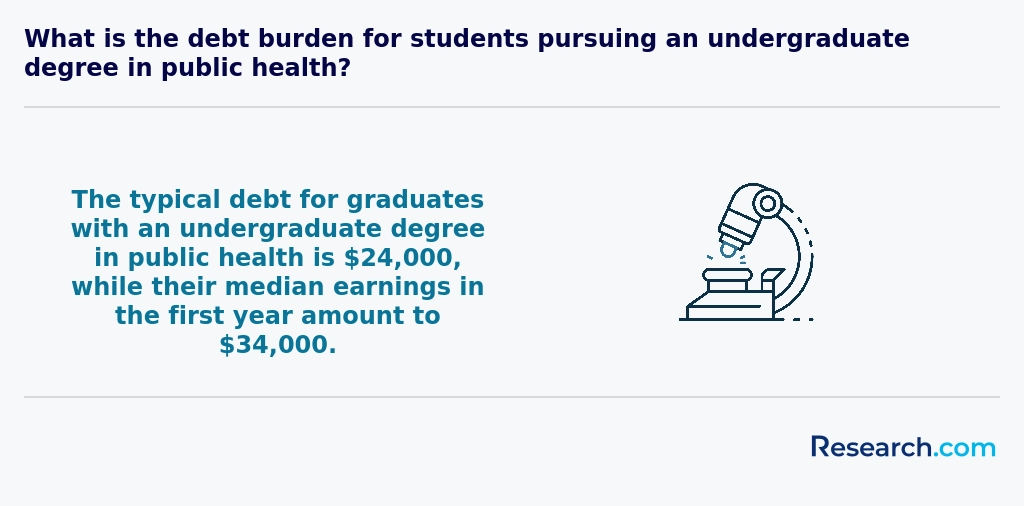
- Total tuition: $10,000–$38,000 for bachelor’s; $21,000–$33,600 for MPH
- Average entry salary: $52,610 (community health worker) to $69,790 (health educator)
- Time-to-payback: Typically 3–5 years based on salary growth and living costs
Reducing debt through scholarships and targeted internships accelerates ROI. Pairing federal aid with an affordable pathway like the cheapest medical billing and coding program can further optimize your overall investment in healthcare education.
What is the average cost of online public health degree in Missouri?
If you're wondering about the average cost of a online public health degree Missouri residents can expect to pay around $13,265 if they qualify for in-state tuition. That's a pretty good deal compared to out-of-state students who often end up paying nearly double at about $26,460 on average. Graduates from popular Missouri universities have shared how this affordability really helped them focus on learning instead of stressing over debt.
Missouri public schools like those in the University of Missouri system offer competitive tuition fees for residents, which makes pursuing an online public health degree here a smart choice financially. One graduate recalled feeling relieved knowing their tuition was manageable while juggling work and family, making their online learning experience much smoother.
It's not just about tuition; there can be some smaller fees related to technology or course materials, but these are usually affordable. Many students also tap into scholarship opportunities or federal aid to ease the cost. For those researching options, checking out affordable public health schools in missouri is a great starting point.
With the median total cost for public health degrees hovering around $33,456 nationally, Missouri's rates stand out as more accessible. So for anyone looking to dive into public health online without breaking the bank, Missouri presents some practical and wallet-friendly opportunities.

Advanced Career Opportunities with a Master’s in Public Health
Graduates with an online Master’s in Public Health (MPH) from Missouri institutions can unlock leadership roles across diverse sectors, from government agencies to private industry. An MPH deepens your expertise in epidemiology, biostatistics, health policy and management, positioning you for high-impact positions such as Public Health Program Director, Epidemiologist, or Healthcare Consultant. Many alumni report a seamless transition into senior roles within state health departments or global NGOs, citing the program’s emphasis on strategic planning and data-driven decision-making. The specialized training offered by an MPH also leads to a significant salary boost. According to recent data, Health Policy Analysts earn an average of $88,000 annually, while Public Health Program Directors can command upwards of $95,000. Your skill set in grant writing, community assessment, and outcome evaluation makes you highly competitive for jobs for masters in public health, especially in fast-growing metropolitan areas like St. Louis and Kansas City. Beyond traditional roles, an MPH opens doors to emerging fields such as health informatics and global health security, where professionals assess large datasets or develop pandemic preparedness strategies. With the momentum behind public health investments, this terminal degree not only elevates your career trajectory but also positions you at the forefront of shaping policies and programs that safeguard community well-being.
What financial aid is available to online public health degree students in Missouri?
If you're thinking about getting your public health degree online in Missouri, good news-there's a bunch of financial aid out there to make it easier on your wallet. A lot of students start with federal aid by filling out the FAFSA. That opens doors to grants like the Pell Grant, which can cover up to $7,395 a year and doesn't have to be paid back. This really helped recent grads from places like the University of Missouri stretch their budgets without drowning in debt.
Missouri also pitches in with state scholarships, like the Access Missouri Financial Assistance Program, which is super popular among undergrads trying to keep costs down. Plus, schools such as Southeast Missouri State University often have their own scholarships for public health students, giving you even more chances to snag some cash based on merit or need.
Many working students find relief through employer tuition reimbursement programs, especially if they're already in healthcare roles. And if loans are necessary, federal Direct Loans come with manageable interest rates and flexible repayment, so you're not stuck in stress mode after graduation.
Return on Investment (ROI) Analysis for Online Public Health Degrees in Missouri
Investing in an online public health degree in Missouri requires weighing tuition costs against long-term career earnings. On average, in-state students pay around $35,322 total, while out-of-state learners may see costs up to $59,880. Considering that roles like Environmental Health Specialist command mean annual wages of $83,820 and Health Educator positions average $66,710, graduates can recoup tuition expenses within two to four years, depending on specialization and locale. Key factors driving a positive ROI: • Average Salary Growth: Alumni data shows a 20–30% salary increase within five years post-graduation, especially for those advancing into leadership or policy roles. • Payback Period: Based on starting salaries—Community Health Worker at $49,900 and Occupational Health and Safety Specialist at $82,110—most students break even in roughly 3 years. • Tuition vs. Career Services: Schools offering robust career support and internship placement tend to accelerate employment, shortening the ROI horizon. For budget-conscious students, comparing program affordability is crucial. Prospective applicants should explore Affordable Online Master's in Public Health Degree Programs to identify cost-effective options that still deliver accredited curricula, strong faculty expertise, and field experience. By analyzing total program investment against projected earnings and professional advancement opportunities, students can select an online public health degree in Missouri that not only fits their financial constraints but also maximizes their long-term career value.
What are the prerequisites for enrolling in online public health degree program in Missouri?
If you're thinking about enrolling in an online public health program in Missouri, you'll want to have your basics covered. For bachelor's degrees, most schools like the University of Missouri expect you to have a high school diploma or GED. A decent GPA-around 2.5 to 3.0-is usually part of the deal, and while some places might ask for ACT or SAT scores, many programs are moving away from that, which is great news if standardized tests aren't your thing.
Graduates from Missouri schools often share how submitting transcripts, recommendation letters, and a personal statement really helped show their passion for public health and made their applications stand out. For grad programs like the MPH, things get a bit tighter-you'll need a bachelor's degree, typically with a 3.0 GPA or higher. Some courses in biology or stats can boost your chances, and while GRE scores aren't always required anymore, having solid work experience in health fields definitely gives you a leg up.
Schools like Saint Louis University appreciate when applicants include professional references and a clear statement about their career goals. Overall, these prerequisites aren't just hoops to jump through-they set you up for success and help make sure you're ready for the exciting journey ahead!
Accreditation and Professional Credentials
Most high-quality online public health programs in Missouri hold CEPH accreditation, ensuring a curriculum that meets national standards and boosts your credibility with employers.
Key certifications to advance your career:
- Certified Health Education Specialist (CHES): Validates expertise in health promotion and education.
- Certified in Public Health (CPH): Demonstrates broad public health knowledge and leadership.
- State or agency-specific credentials: Requirements vary—check Missouri Department of Health guidelines for roles in environmental health or epidemiology.
Maintaining these credentials typically involves continuing education and periodic renewal. For cost-conscious learners exploring related health fields, consider our cheapest medical billing and coding program.
What courses are typically in online public health degree programs in Missouri?
If you're diving into an online public health degree in Missouri, you'll find a solid mix of courses that really get to the heart of what public health is all about. At schools like the University of Missouri or Saint Louis University, graduates often talk about how core classes like Introduction to Public Health gave them the groundwork, explaining the history and basics of public health systems in a way that made real-life community work feel doable.
Epidemiology and Biostatistics courses are also big favorites since they teach you how to look at health data and understand disease patterns, which feels super useful when working on, say, a local outbreak. Many grads mention Environmental Health classes that open their eyes to how factors like pollution affect health, especially important in Missouri's rural and urban areas.
Plus, electives like Community Health or Health Communication let you tailor your degree to what excites you most-whether that's helping diverse local communities or designing health campaigns that really stick. Missouri programs even weave in regional issues, preparing you to make a real difference right where you live.
What types of specializations are available in online public health degree programs in Missouri?
If you're looking into an online public health degree in Missouri, you'll find plenty of specializations to choose from tailored to local needs. Graduates from popular colleges here often mention majors like epidemiology, which is perfect for digging into disease patterns-super relevant in Missouri especially after the COVID-19 pandemic. Then there's health education and promotion, where you learn to create community programs that tackle issues like obesity and smoking, both big topics with the Missouri Department of Health.
Environmental health is another key focus, helping students understand how Missouri's agriculture and pollution affect public health. Many grads love how this specialization lets them work on real problems like water quality. Plus, health policy and management trains you for leadership roles in clinics and state agencies focused on Missouri's healthcare system. And don't overlook biostatistics, which is all about crunching health data-pretty crucial since Missouri joins national health studies regularly. Missouri public health degree concentration options really cover a lot, letting you tailor your studies.
Many students also look for clear career paths, which is where knowing the available jobs for masters in public health helps. Choosing the right online public health specializations Missouri programs offer can feel like a tough decision, but it's exciting knowing you'll build skills that matter in your own community.
How do you choose the best online public health degree in Missouri?
When picking the best online public health degree Missouri has to offer, accreditation should be your first checkmark. Graduates from popular colleges here often share how CEPH accreditation made their degrees respected and job-ready. For example, they felt confident applying what they learned in real Missouri public health settings, knowing their education met top standards.
Next, think about what you want to specialize in. Public health covers a lot-from epidemiology to health policy-and Missouri programs let you customize your path. Many students from Missouri universities say having tailored coursework helped them land roles in local health departments or community outreach programs.
Cost matters too, especially for Missouri residents who find in-state rates pretty reasonable compared to national averages. Some grads highlight how scholarships and financial aid made their choices easier. If you want to compare options, check out this list of Affordable Online Master's in Public Health Degree Programs that suit Missouri students well.
Finally, consider how classes fit into your life. Whether it's evening live sessions or fully flexible courses, Missouri's online public health programs tend to cater well to busy schedules. Graduates often talk about juggling work and family while studying, appreciating the flexibility that kept them motivated and on track.

What career paths are available for online public health degree students in Missouri?
If you're thinking about online public health careers in Missouri, there's a bunch of exciting paths you can dive into. Graduates from popular programs at schools like the University of Missouri or Saint Louis University often land roles as health educators, creating programs that make a real difference in local communities. Imagine working with people in Kansas City or smaller towns, helping them adopt healthier lifestyles-it's a rewarding way to give back. Others become epidemiologists, tracking disease outbreaks or studying health trends, which is crucial in a state with both bustling cities and rural areas.
Missouri public health degree job opportunities also include roles like community health workers who connect people with vital health services, and environmental health specialists focused on keeping air and water safe. Graduates have found these jobs through the Missouri Department of Health and Senior Services or major hospitals around St. Louis. Many students juggling life and classes opt for cheap one year master's programs online to boost their career quickly and affordably, which really helps when starting out.
What is the job market for online public health degree in Missouri?
The job market for those with an online public health degree in Missouri is looking pretty bright. Graduates from popular schools like the University of Missouri and Saint Louis University often find themselves stepping into roles where they make a real difference, whether that's in local health departments or nonprofit groups. This steady demand shows why Missouri public health career growth online degree holders are feeling optimistic. Many alumni share stories of landing jobs managing health programs or working directly with communities to promote wellness.
What's great is the flexibility this degree offers. You can work in healthcare facilities, state agencies, or private companies-all eager for people who understand public health challenges in Missouri. Salaries, while aligned closely to the national average, make the effort worthwhile. Plus, it's easier on the wallet to earn your degree here compared to other states, making the whole experience feel like a smart move.
For folks balancing life and study, Missouri also supports students interested in online degrees for seniors, making it accessible for many more people to join the public health workforce.
Frequently Asked Questions About public health
Online public health degree students in Missouri can enhance their learning by actively engaging with course materials and participating in virtual discussions. Missouri has seen a growing demand for public health professionals, with the Bureau of Labor Statistics projecting a 13% increase in related jobs by 2030, making practical knowledge crucial.
Students should take advantage of internships and community health initiatives available through Missouri's local health departments. These hands-on experiences complement online coursework and improve employment prospects.
Leveraging state resources such as the Missouri Department of Health and Senior Services for up-to-date regional health data also supports informed research and assignments.
Emerging niches in the public health field reflect shifting societal needs and technological advances. Areas like epidemiology and informatics are growing rapidly, driven by the need for better disease tracking and data analysis, especially after COVID-19. Missouri's public health workforce is increasingly focused on addressing health disparities in rural and urban populations, as reported by the Missouri Department of Health and Senior Services.
Additional specialized fields include environmental health, where professionals tackle pollution and climate-related health risks, and global health, emphasizing cross-border disease prevention. Behavioral health is also expanding, linking mental health with overall community wellness. Pursuing an online public health degree in Missouri can prepare students for these vital and evolving roles.
Graduates with an online public health degree in Missouri should focus on building practical skills to meet employer expectations. Gaining experience through internships or volunteer work with local health departments or non-profits can be crucial. Missouri's Department of Health and Senior Services offers opportunities to engage with public health initiatives, enhancing employability.
Networking within Missouri's public health community, including attending conferences like the Missouri Public Health Association annual meeting, helps expand professional connections. Additionally, obtaining certifications such as the Certified in Public Health (CPH) can improve job prospects.
Understanding regional health challenges, such as Missouri's high rates of chronic diseases, prepares graduates for targeted roles. Awareness of labor market trends, with a 6% projected growth in health educator positions statewide through 2030, provides insight into demand (Bureau of Labor Statistics).
Employers in Missouri seek specific skills from graduates with online public health degrees. Strong analytical abilities are essential for interpreting health data and guiding community programs. Communication skills, both written and verbal, help professionals effectively share health information and collaborate with diverse groups. Familiarity with epidemiology and biostatistics is highly valued, as Missouri's public health challenges require evidence-based solutions. Leadership and project management capabilities are important for coordinating initiatives across organizations.
According to the Missouri Department of Health and Senior Services, skills in health policy and community outreach also significantly improve employment prospects. Proficiency in health informatics tools is increasingly in demand due to expanding electronic health record systems statewide.
Finding internships in Missouri relevant to a public health degree involves several strategic steps. Begin by exploring opportunities at local health departments such as the Missouri Department of Health and Senior Services, which offers internships in community health and epidemiology. Universities offering online public health programs often have partnerships with healthcare organizations statewide.
Students should also check with the Missouri Public Health Association for listings or networking events. Additionally, sites like the Missouri Job Center and Handshake can connect students with internships in public health fields.
Internships with organizations like the St. Louis County Health Department provide practical experience beneficial for future careers.
An online public health degree in Missouri can significantly enhance career mobility and advancement. Graduates often qualify for a wider range of roles in healthcare organizations, government agencies, and community health programs across the state. According to the Missouri Economic Research and Information Center (MERIC), public health-related jobs in Missouri are projected to grow by 10% from 2020 to 2030, higher than the average for all occupations.
Online programs offer flexibility, allowing students to continue working while gaining credentials that meet local licensure or certification requirements. This can lead to promotions or specialized positions such as epidemiologist or health program manager.
The Missouri Department of Health and Senior Services emphasizes that skilled public health professionals are crucial in managing state health initiatives, further supporting demand for qualified graduates.
Studying for a public health degree in Missouri equips students with interdisciplinary skills crucial for addressing complex health challenges. Missouri's programs emphasize collaboration across fields such as epidemiology, health policy, social sciences, and environmental health. This approach reflects workforce needs, as the Missouri Department of Health and Senior Services highlights increasing demand for professionals who can bridge multiple disciplines.
Students gain experience analyzing data, designing community health interventions, and working with diverse populations. Missouri's public health workforce is expected to grow by 10% through 2030, encouraging programs to integrate training in communication, management, and research methods.
Such interdisciplinary preparation enhances graduates' adaptability, making them valuable in varied roles from government agencies to nonprofit organizations.
When choosing between a thesis and a non-thesis public health degree program in Missouri, students should consider their career goals carefully. A thesis program involves conducting original research, which is ideal for those planning to pursue a PhD or research-focused roles. It typically requires strong self-motivation and time commitment.
The non-thesis option often emphasizes practical skills and may include internships or comprehensive exams. This path suits professionals aiming for immediate public health practice or administrative positions.
According to the Missouri Department of Health and Senior Services, the state's public health workforce needs practical leaders, highlighting the value of non-thesis programs for some.
Students based in Missouri seeking to study public health abroad while enrolled in online programs have several options. Many Missouri institutions, such as the University of Missouri, offer online public health degrees with study abroad opportunities integrated through partner universities worldwide. These programs often include virtual global classrooms or short-term international practicums.
Missouri ranks in the top 30 states for public health workforce size, highlighting local interest in global health perspectives. The Council on Education for Public Health (CEPH) accredits most Missouri programs, ensuring quality recognized internationally.
Financial support and exchange programs are available through university partnerships, making abroad experiences more accessible for Missouri students pursuing online public health degrees.
Students pursuing online public health degrees in Missouri can enhance their education through part-time jobs that provide practical experience. Common opportunities include roles as health educators, community outreach workers, or research assistants at local health departments and nonprofits. According to the Missouri Department of Health & Senior Services, public health agencies often hire part-time staff to support vaccination programs and health promotion initiatives.
Additionally, students may find part-time work in data collection or analysis, which supports epidemiological research crucial in Missouri's efforts to manage chronic diseases and infectious outbreaks. These roles help develop valuable skills and professional networks relevant to public health careers.
Online public health students in Missouri have several networking opportunities despite studying remotely. Many universities offer virtual events, webinars, and workshops where students can connect with peers and faculty. Institutions like the University of Missouri and Saint Louis University provide access to statewide public health organizations, enabling students to engage with professionals active in Missouri's health sector.
The Missouri Public Health Association hosts conferences and meetings that welcome students, fostering connections with local experts. Additionally, internships and practicum placements within Missouri's health departments and nonprofits provide practical networking experiences. According to the Missouri Department of Health & Senior Services, these partnerships are vital for career growth in public health within the state.
Alumni networks play a crucial role for online public health degree students in Missouri by providing valuable professional connections and career support. Graduates can tap into these networks to find job opportunities and internships within Missouri's growing public health sector, which employed over 15,000 professionals as of 2023, according to the Missouri Economic Research and Information Center.
These networks often include experienced public health practitioners and recent graduates who share insights about local health issues, policies, and employer expectations. Participation in alumni events and online forums enhances students' access to mentorship and guidance relevant to Missouri's health challenges.
Additionally, alumni connections facilitate collaborations on research and community health projects, expanding students' practical experience and professional visibility.
In Missouri, online public health degree programs offer flexible options to tailor your studies according to your career goals. Many schools provide elective courses or specialized tracks, such as epidemiology, health policy, or community health, enabling you to focus on areas that match your interests.
Some programs allow you to select practicum sites or research projects relevant to Missouri's public health challenges, like addressing rural health disparities or managing urban health crises.
Additionally, accredited Missouri programs often encourage interdisciplinary learning, so you can integrate knowledge from fields like environmental science or data analytics, enhancing your expertise.
Customizing your degree can improve job prospects, especially in Missouri's growing public health sector, which has seen a 7% employment increase over recent years (Bureau of Labor Statistics, 2023).
Online public health students in Missouri often face challenges related to balancing coursework with professional and personal responsibilities. Many students are working professionals, which can make time management difficult. According to the Missouri Department of Higher Education, nearly 60% of online learners in the state juggle studies with full-time jobs.
Another challenge includes limited access to hands-on experiences. Public health programs emphasize practical skills, but virtual formats may restrict exposure to community-based projects or internships common in Missouri's diverse urban and rural settings.
Technical issues and the need for reliable internet also pose barriers, especially in rural Missouri, where broadband access remains inconsistent. This can affect students' ability to participate fully in synchronous classes or complete assignments on time.
Finally, students may feel isolated. Without in-person interaction, building a professional network or peer support system-which is vital in public health fields-can be tougher for online learners in Missouri.
With an online public health degree in Missouri, you can pursue several respected professional certifications that enhance your career prospects. Among the most recognized is the Certified in Public Health (CPH) credential, offered by the National Board of Public Health Examiners. This certification validates your knowledge of core public health sciences and is valuable nationwide.
Missouri professionals also often seek the Registered Environmental Health Specialist/Registered Sanitarian (REHS/RS) certification, relevant given the state's focus on environmental health challenges. Additionally, certifications like Certified Health Education Specialist (CHES) provide opportunities for specializing in health promotion and education.
These certifications can improve job opportunities in Missouri's expanding public health sector, which, according to the Missouri Department of Health & Senior Services, is expected to grow by over 10% in the next decade.
To write a winning application for an online public health program in Missouri, start by clearly demonstrating your commitment to improving community health. Highlight relevant experience, such as volunteering or working in healthcare settings, especially within Missouri's public health system. Programs often seek candidates familiar with local health issues, including the state's ongoing efforts to address rural health disparities and chronic diseases, as noted by the Missouri Department of Health and Senior Services.
Ensure your personal statement is concise and tailored to the program's focus, emphasizing your career goals in public health. Submit all required materials on time, including transcripts and letters of recommendation, ideally from professionals who can attest to your skills in healthcare or research. Missouri's accredited institutions value strong academic records, so a competitive GPA strengthens your application.
Public health careers have a growing global significance, shaped by worldwide challenges such as infectious diseases, environmental health, and health equity. Professionals trained in public health contribute to prevention and policy across borders. For Missouri students pursuing online degrees, understanding this broader context enhances career opportunities both domestically and internationally.
According to the Missouri Department of Health and Senior Services, the state aligns with federal public health goals that emphasize global collaboration. Missouri graduates often work with agencies like the CDC, headquartered nearby in Atlanta, which plays a key global role in disease control.
Globally, public health careers demand skills in epidemiology, health education, and data analysis. Missouri's online programs increasingly incorporate these competencies, reflecting trends identified by the Association of Schools and Programs of Public Health (ASPPH).
Gaining practical experience while studying for an online public health degree in Missouri is achievable through internships, practicums, and volunteer opportunities. Many accredited programs require or strongly recommend completing hands-on experiences with local health departments or community organizations. Missouri's Department of Health and Senior Services often partners with universities to offer real-world projects focused on regional public health issues.
Students can also seek placements in hospitals, non-profits, or governmental agencies across Missouri, which supports a public health workforce of over 7,000 professionals (Bureau of Labor Statistics, 2023). Online students should consult academic advisors to identify approved sites offering meaningful experiential learning.
Choosing the right concentration within an online public health degree program in Missouri depends largely on your career goals and local health needs. Missouri faces significant challenges such as high rates of chronic diseases and rural health disparities, making concentrations like epidemiology, health policy, or community health particularly relevant.
Consider concentrations that align with Missouri's public health priorities. For example, the Missouri Department of Health and Senior Services emphasizes chronic disease prevention, which may guide you toward chronic disease epidemiology or health promotion.
Additionally, research program curriculum and faculty expertise to ensure quality education tailored to these issues. Networking opportunities within Missouri's public health sector can also influence your choice.
Understanding workforce demand and licensure requirements in Missouri can help you select a concentration with strong job prospects post-graduation.
Related Public Health Rankings for Nearby States
- 2027 Most Valuable Online Public Health Degree Programs Ranking in Kansas
- 2027 Most Valuable Online Public Health Degree Programs Ranking in Iowa
- 2027 Most Valuable Online Public Health Degree Programs Ranking in Illinois
- 2027 Most Valuable Online Public Health Degree Programs Ranking in South Dakota
- 2027 Most Valuable Online Public Health Degree Programs Ranking in Minnesota
- 2027 Most Valuable Online Public Health Degree Programs Ranking in Wisconsin
- 2027 Most Valuable Online Public Health Degree Programs Ranking in Ohio
- 2027 Most Valuable Online Public Health Degree Programs Ranking in North Dakota
- 2027 Most Valuable Online Public Health Degree Programs Ranking in Michigan
- 2027 Most Valuable Online Public Health Degree Programs Ranking in Texas
Top Trending Public Health Rankings
References
- For Academic Public Health https://globalnetworkpublichealth.org/
- Public Health Degrees & Careers | How To Work In Public Health https://www.learnhowtobecome.org/medical-health-careers/public-health/
- The Networking Guide for Public Health Professionals https://www.publichealthdegrees.org/resources/professional-networking/
- Finding Fulfillment in Your Public Health Career Journey | PH SPOT https://phspot.org/finding-fulfillment-in-your-public-health-career-journey/
- Public Health Graduate: How Can you Gain Experience Before Your First Job? - Global Health and Education Projects | GHEP https://globalhealthprojects.org/public-health-graduate-how-can-you-gain-experience-before-your-first-job/
- How to Get Your First Public Health Job - PHERN https://phern.communitycommons.org/early-career-professional-learning-series/how-to-get-your-first-public-health-job/
- Public Health Online | Online Public Health Degrees https://www.publichealthonline.org/
- A Medical Student's Perspective: Why I'm Studying Public Health, Too - Northern Area Health Education Center, Inc. https://northernahec.org/a-medical-students-perspective-why-im-studying-public-health-too/
- Are there Practical Experience Courses in an MPH Program? - Master's in Public Health Degree Programs https://www.masterspublichealth.net/faq/are-there-practical-experience-courses-in-an-mph-program/
- Your Guide to Earning a Master of Public Health Degree in Missouri https://masterspublichealth.com/mph-programs-in-missouri/