2027 Best Online Public Health Degree Programs Ranking in Missouri

Co-Founder and Chief Data Scientist
Choosing the right public health degree program can shape your future career and impact your community's well-being. This article introduces the 2027 Best Online Public Health Degree Programs Ranking in Missouri, created by the Research.com team of data scientists to help you make an informed decision.
Explore programs that match your goals and lifestyle while discovering the benefits of earning a public health degree. Whether you're starting fresh or advancing your education, this ranking offers valuable insights to guide you toward a rewarding path in public health.
Key benefits of getting online public health degree in Missouri
- Graduates with a public health degree in Missouri can expect strong salary prospects, such as Environmental Health Specialists earning about $86,710 annually and Health Educators making around $69,790 per year.
- Public health degree holders often explore diverse career paths including roles like Community Health Workers, Medical Assistants, or Occupational Health and Safety Specialists, offering rewarding opportunities across healthcare and safety sectors.
- Online public health degrees from Missouri universities provide flexibility and convenience, allowing students to balance work or family while earning a valuable credential comparable to traditional programs.
- 2027 Best Online Public Health Degree Programs Ranking in Missouri
- What can I expect from online public health degree in Missouri?
- Where can I work with online public health degree in Missouri?
What can I expect from online public health degree in Missouri?
The average cost of an online public health degree in Missouri varies widely depending on the institution and degree level but generally ranges between $15,000 and $40,000 for a master's program. Graduates from popular Missouri schools offering online MPH degrees often describe balancing affordability with quality, appreciating programs that integrate real-world case studies relevant to Missouri's public health landscape.
For instance, some graduates found that schools incorporating data from the Missouri Department of Health & Senior Services into their curriculum helped them deeply understand local issues like chronic disease and rural health disparities without extra tuition for specialized courses. Others valued the ability to participate in virtual internships affiliated with nearby health departments, providing practical experience that felt both meaningful and accessible.
It's important to note that costs can increase with added fees or extended program durations, so prospective students should consider financial aid options and compare accredited programs carefully. While affordability matters, graduates often highlight that the opportunity to engage with Missouri-specific public health challenges and supportive faculty were equally important factors in their satisfaction.
Where can I work with online public health degree in Missouri?
Graduates with an online public health degree in Missouri find diverse employment opportunities that reflect the state's unique health landscape. For instance, many alumni from institutions like the University of Missouri and Saint Louis University secure roles within the Missouri Department of Health and Senior Services (DHSS), managing programs that directly affect local communities' wellbeing. These graduates often describe a sense of fulfillment working as epidemiologists or health educators, contributing to efforts like infectious disease control and chronic illness prevention.
Others build careers in local health departments across Missouri's counties, engaging in environmental health or emergency response. Graduates frequently note how their online education prepared them for on-the-ground challenges, such as coordinating COVID-19 vaccination drives or community outreach initiatives supported by county agencies.
Healthcare systems like BJC HealthCare offer paths combining public health knowledge with clinical settings, which appeals to graduates seeking roles in quality improvement or patient education. Meanwhile, nonprofit sectors focused on health equity provide opportunities for graduates passionate about advocacy and addressing disparities.
Finally, some find rewarding careers in the private sector, working in health consulting or pharmaceutical companies where data analysis skills gained online prove invaluable. Missouri's growing public health market encourages graduates to think critically about where their skills can best meet evolving community needs.
Graduates with an online public health degree in Missouri often find rewarding financial outcomes tied to their specific career paths. For example, those entering roles as community health workers typically earn about $52,610 annually, according to recent U.S. Bureau of Labor Statistics data. Many graduates from institutions like the University of Missouri online programs celebrate reaching this steady income while making a tangible difference in local communities.
Health educators, a common trajectory for public health alumni, tend to bring in higher salaries, averaging around $69,790 a year. This reflects well on graduates from popular Missouri colleges who appreciate how their degree equips them to lead educational campaigns and wellness initiatives.
More specialized paths, such as environmental health specialists or occupational health and safety specialists, offer substantially higher wages - $86,710 and $85,570 annually respectively. Graduates pursuing these roles, often through advanced coursework or certifications available at Missouri State University's online offerings, share a sense of pride in earning competitive pay while protecting public health.
While urban centers like St. Louis may offer an edge in wages, graduates emphasize that the degree's versatility creates opportunities statewide, blending meaningful work with encouraging salary potential.
- Online public health bachelor's degrees in Missouri typically cost between $7,000 and $10,000 per year for in-state students, while graduate MPH programs range from $10,000 to $18,000 annually.
- Entry-level salaries for public health graduates in Missouri range from $45,000 to $55,000 per year, with mid-career professionals earning between $65,000 and $80,000.
- Job growth for health educators and community health workers in the Midwest is projected at 12% through 2030, reflecting expanding opportunities in Missouri.
- Major urban areas like St. Louis and Kansas City offer many roles in epidemiology, health policy, and health promotion for public health professionals.
- There is a growing demand for public health professionals skilled in addressing rural health disparities in Missouri, increasing job options outside urban centers.
- Choosing programs accredited by the Council on Education for Public Health (CEPH) is important for ensuring quality education and better job prospects.
Completing an online public health degree in Missouri typically depends on the degree level and pace chosen by the student. For example, graduates from well-known institutions like the University of Missouri often report that a bachelor's degree takes about four years full-time, aligning with the standard 120-credit-hour requirement.
However, some students have found that heavier course loads or enrolling in summer sessions can speed up graduation to three years or less, especially at places like Saint Louis University. On the other hand, balancing work or family often leads many to choose part-time enrollment, which can extend completion to five years or more.
Graduate-level programs, such as an MPH at Truman State or Washington University, show a wide range in completion times-from 18 months up to three years-depending on whether students study full- or part-time. Many appreciate the flexibility since it lets them tailor education to their busy lives, though accelerated tracks demand intense commitment.
The choice between online and on-campus public health degrees in Missouri often hinges on lifestyle and learning preferences. Graduates from institutions like the University of Missouri appreciate the on-campus experience for its face-to-face interaction, hands-on labs, and networking events with local public health agencies. This environment fosters immediate community engagement and personal motivation through structured schedules.
Conversely, alumni who pursued online programs at schools such as Missouri State University value the flexibility asynchronous classes provide, allowing them to balance work and family commitments without relocating. Although they sometimes miss spontaneous peer discussions, these students benefit from similar core curricula and accreditation ensured by CEPH, affirming comparable academic standards.
Cost also plays a role: online students in Missouri save on housing and commuting expenses, which can be substantial considering travel from rural areas to urban campuses like St. Louis University. However, reliable internet access remains a critical factor for online learners, especially outside metropolitan zones where broadband may be uneven.
Ultimately, both paths reflect distinct but valid strategies tailored to diverse student needs across Missouri's evolving public health education landscape.
Adapting to an online learning environment comes with its own set of opportunities and challenges that can significantly boost your academic and professional growth. Many programs offer interactive virtual classrooms, dedicated technical support, and digital libraries designed to give you a comprehensive educational experience. Students are encouraged to actively participate in webinars, discussion forums, and study groups, which help simulate the collaborative atmosphere of an on-campus experience. Engaging in these online communities not only enhances learning but also creates strong professional networks that can benefit your career down the line. Furthermore, selecting a program that provides robust student support services-like personalized academic advising and career counseling-can dramatically improve your overall success. For instance, graduates have found that researching the most affordable online public health programs in Missouri gave them access to comprehensive resources that seamlessly integrate academic rigor with practical support. Embrace the digital tools available and actively seek out virtual engagement opportunities to maximize the benefits of your online Public Health education.
The average cost of an online public health degree in Missouri varies depending on factors such as residency status and the institution attended. Data shows that the median total cost typically falls around $33,456, which aligns with experiences shared by graduates from well-known Missouri universities offering online public health programs. These graduates often emphasize the value they received in terms of flexible learning paired with reasonable pricing, especially when compared to similar programs nationally.
Missouri online public health program tuition fees for in-state students are considerably lower, with a median cost near $13,265. This affordability attracts many local students, including those enrolled in highly regarded public universities across the state. By contrast, out-of-state students generally see a median cost around $26,460, reflecting the higher tuition fees charged to non-residents. Many graduates recall the initial financial concerns they had, but they found that budgeting carefully and applying for state-specific scholarships made the investment manageable.
Some students point out that while tuition is the largest expense, additional costs such as technology fees and course materials should not be overlooked. Fortunately, several institutions provide financial aid packages and employer tuition reimbursement programs that soften these costs. Prospective students might also explore the most affordable online public health programs in Missouri, which can offer a combination of quality education and reasonable pricing.
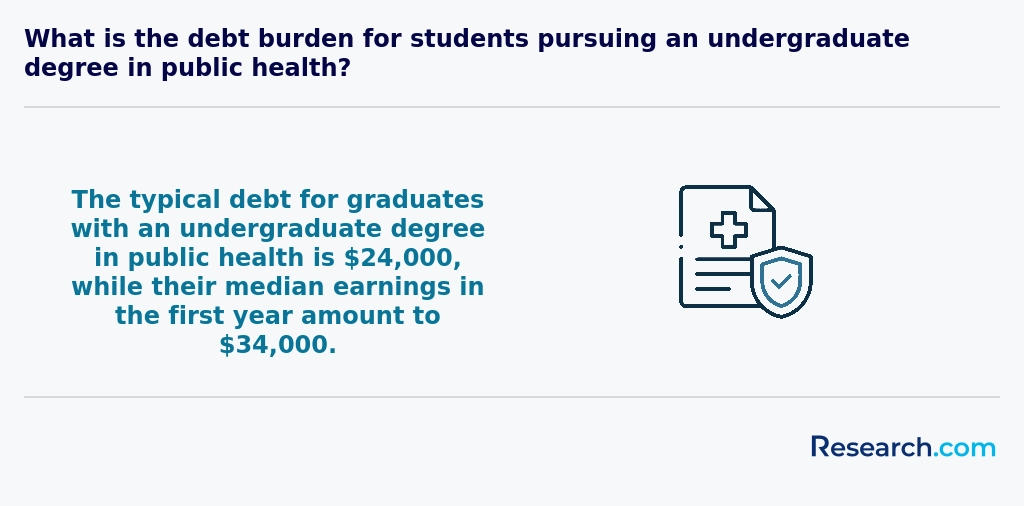
Students pursuing an online public health degree in Missouri often rely on a combination of financial aid sources tailored to the state's specific landscape. For many, completing the FAFSA unlocks access to federal aid such as Pell Grants, which can contribute up to $7,395 annually without requiring repayment. A graduate from a well-known Missouri university recalls how this grant made the difference in managing tuition costs while balancing part-time work and family responsibilities.
State-specific support includes the Missouri Access Program (MAP), which provides modest but meaningful tuition assistance for residents attending public colleges. One student shared how the MAP grant's average $1,500 annual award significantly eased their financial burden, enabling focus on coursework instead of constant financial stress.
Institutional scholarships at schools like the University of Missouri or St. Louis Community College recognize both merit and public health experience, often encouraging online learners to continue their studies. Additionally, professional organizations such as the Missouri Public Health Association offer scholarships that reward dedication to the field, fostering hope and motivation among emerging professionals.
Military-affiliated students benefit from the GI Bill and Yellow Ribbon programs, providing flexible options to cover online tuition. Although federal loans remain a fallback choice, graduates advise careful reflection on future debt considering interest rates and repayment plans.
Together, these layered financial supports form a practical, if sometimes complex, framework that Missouri online public health students navigate to transform aspirations into success.
Accreditation signals that an online public health program meets rigorous quality standards and prepares you for professional certification and advanced study.
- Council on Education for Public Health (CEPH) ensures curriculum alignment with core public health competencies.
- Higher Learning Commission (HLC) provides regional accreditation for colleges in Missouri.
- State Authorization Reciprocity Agreement (SARA) confirms legal permission for online study across state borders.
Before you enroll, verify each program’s accreditation status on the institution’s website. For related financial aid opportunities in complementary health fields, explore our guide to online medical billing and coding with financial aid.
Applicants to online public health degree programs in Missouri most often need a high school diploma or GED, paired with a minimum GPA around 2.5, reflecting a basic readiness for college-level work. Graduates from Missouri State University and the University of Missouri describe how this academic baseline ensured they could keep pace with rigorous coursework while balancing personal commitments.
Some programs might request SAT or ACT scores, but many Missouri schools have shifted to test-optional policies, especially post-pandemic, easing barriers for students who thrive in non-traditional assessment formats. Checking each university's specific requirements remains essential for applicants.
For graduate programs, like the MPH, a bachelor's degree from an accredited institution is usually mandatory. Graduates recall how relevant undergraduate courses in biology or social sciences from Missouri universities helped them feel confident entering complex public health topics online.
Work experience often enhances applications, especially for part-time or executive MPH tracks at schools like University of Missouri-Columbia and Saint Louis University, where letters of recommendation and personal statements showcase professional readiness and motivation.
Technical skills and reliable internet access are crucial. Many students describe their positive experiences navigating virtual classrooms and online collaboration, appreciating the flexibility Missouri's online programs provide for balancing life and study.

As an online Public Health graduate in Missouri, obtaining professional credentials can significantly boost your credibility and career prospects. Nationally recognized certifications demonstrate expertise in specialized areas and often translate into higher salaries and leadership opportunities. Consider the following certifications:
- Certified Health Education Specialist (CHES) and Master Certified Health Education Specialist (MCHES): Administered by the National Commission for Health Education Credentialing, these credentials validate your skills in health promotion and education.
- Certified in Public Health (CPH): Offered by the National Board of Public Health Examiners, the CPH credential verifies mastery of core public health knowledge and values.
- Certified in Infection Control (CIC): Ideal for roles focused on epidemiology and disease prevention within clinical and community settings.
- Health Informatics Certification: Prepares you for data management roles by enhancing technical skills in health information systems and analytics. In addition to certifications, specialized graduate certificate programs-such as Epidemiology, Global Health, and Environmental Health-allow you to deepen subject-matter expertise without committing to another full degree. These 12–18 credit-hour certificates can be completed online and often stack toward advanced degrees, offering flexibility for working professionals. Missouri’s professional development landscape also includes mandatory continuing education units (CEUs) for license renewals and specialized workshops delivered by state health departments, professional associations, and accredited universities. Engaging in regular CEUs not only keeps you current with evolving public health trends but also expands your network through conferences and seminars. Finally, many graduates leverage their degree to transition into interdisciplinary roles. For example, those drawn to direct patient care can explore the community health nursing career path, which combines clinical practice with population-level interventions.
Online public health degree programs in Missouri typically offer a blend of core courses and regionally relevant topics. Graduates from institutions like the University of Missouri appreciate how foundational classes in epidemiology and biostatistics equip them to analyze real health data, such as tracking disease outbreaks in their local communities. These courses provide crucial skills for interpreting public health trends, helping students see the direct impact of their learning.
Many Missouri students find environmental health courses particularly meaningful because they address familiar issues like agricultural pollution or urban air quality. Exploring these challenges through practical examples makes lessons tangible and sparks a strong sense of purpose. Health policy classes also resonate, as they illustrate how local and state policies shape public health outcomes, something graduates have noted influences their engagement in advocacy and management roles.
Students often highlight social and behavioral science coursework for its insightful look at factors affecting health behaviors in Missouri's diverse populations. Rural health and health disparities are common themes, reflecting concerns emphasized by the Missouri Department of Health and Senior Services. Hands-on practicum projects, sometimes in partnership with local health agencies, help learners translate theory into action, reinforcing their confidence and readiness to contribute to Missouri's public health landscape.
Online public health specializations Missouri programs commonly include Epidemiology, Health Policy and Management, Environmental Health, and Community Health or Social and Behavioral Health Sciences. Graduates from popular universities like the University of Missouri system often share how focusing on Epidemiology equipped them to actively contribute to controlling infectious disease outbreaks within local communities. Others pursuing Health Policy and Management appreciate the practical knowledge gained for improving healthcare systems in Missouri's urban and rural settings. Environmental Health stands out for students interested in addressing statewide issues such as water quality and occupational safety, reflecting Missouri's diverse environmental challenges.
Students frequently highlight the relevance of Community Health concentrations, noting their preparation to engage directly with populations. This is especially true for those advancing along the community health nursing career path, where behavioral interventions and health education are central. Choosing these public health degree concentration options Missouri-wide allows learners to align their education with specific workforce needs, making their training feel immediately applicable in local public health efforts.
When selecting the best online public health degree in Missouri, accreditation should be your first checkpoint. Graduates from well-known public institutions with CEPH accreditation often speak positively about the credibility their degrees afford them in local health departments. This matters deeply since Missouri employers value programs aligned with national standards. Cost also requires careful thought; many students from regional universities find that tuition can vary widely, and some online programs charge the same rates regardless of residency. Those balancing work and study appreciate programs offering flexible schedules that combine live and self-paced classes. Reputation, faculty expertise, and clear specialization options such as epidemiology or health policy enable students to tailor their education to career goals in Missouri's public and nonprofit sectors.
Recent graduates frequently mention how strong networking connections with local agencies boosted their job prospects. To compare affordability with quality, explore resources like the Low Cost Online Master's in Public Health Degree Programs Ranking in the South, which highlights affordable public health degrees Missouri candidates often consider. At the same time, critically assess whether a program prepares you for certifications like the Certified in Public Health (CPH), which many employers expect.
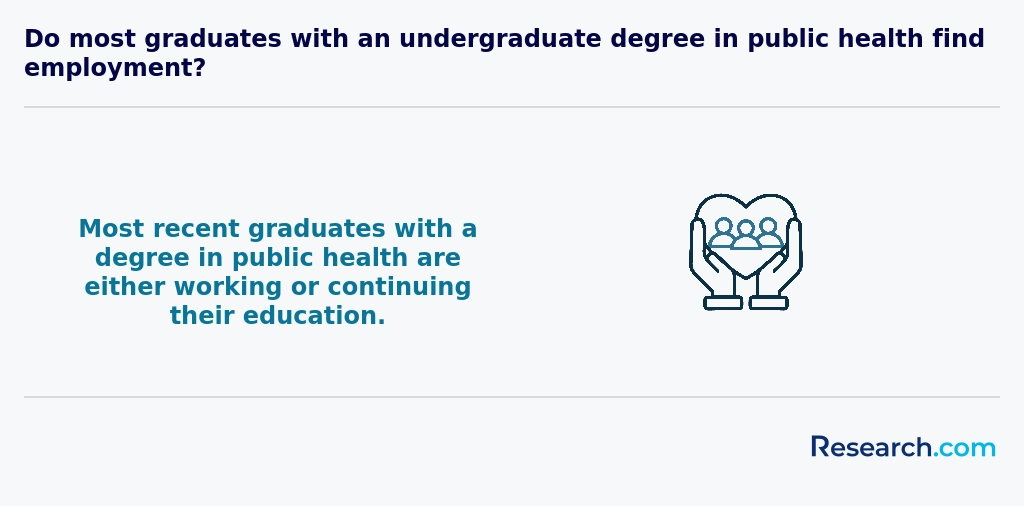
Graduates with an online public health degree in Missouri find diverse career opportunities reflecting the state's complex health landscape. Many pursue roles such as Community Health Educators, designing outreach programs in urban and rural areas alike, where familiar challenges like opioid addiction or maternal health impact daily life. Others become Epidemiologists, analyzing data to detect outbreaks influenced by Missouri's mix of cities and small towns. Graduates from renowned institutions appreciate how their education prepares them for positions like Health Program Coordinators or Environmental Health Specialists, directly engaging with local government agencies and healthcare nonprofits.
While Missouri's expanding job market aligns with national trends, graduates wisely weigh the competitive landscape of public health careers, considering certifications like the Certified Health Education Specialist credential. This approach is common among online public health degree in Missouri students aiming for advanced roles. Several graduates mention the value of programs that integrate practical fieldwork with strong data analytics training.
Missouri students exploring options often compare their interests in direct community work versus policy advising. For those looking to expedite their education and enter this growing field quickly, considering resources such as the top associate degrees in 6 months online can be a strategic step.
The job market for graduates holding an online public health degree in Missouri is showing promising signs, with growing opportunities across various sectors. Graduates from well-known institutions in Missouri often find roles within state agencies like the Missouri Department of Health and Senior Services or local health departments, where their expertise in epidemiology and health policy is directly applied to community health challenges. Many alumni appreciate how their degree prepared them to navigate real-life scenarios, such as managing responses to infectious disease outbreaks or contributing to chronic disease prevention programs.
Prospective students concerned about balancing work and study report that online formats typical of Missouri's public health programs provide the flexibility needed to advance their careers without interruption. The Missouri public health degree employment outlook remains positive, supported by state initiatives targeting health equity and preventive care. Some graduates highlight that choosing online schools with open admission helped them start their education sooner and made the pathway more accessible.
2027 Best Online Public Health Degree Programs Ranking in Missouri
Investing in your education is a significant decision that can shape your future, and the Research.com team understands the importance of making informed choices. To assist prospective students in Missouri, we have meticulously developed the "2027 Best Online Public Health Degree Programs Ranking in Missouri." Our dedication to quality, credibility, and accuracy is demonstrated through thorough research and careful analysis behind this ranking.
We utilized the following reputable data sources to ensure a comprehensive evaluation of public health programs:
By exploring this ranking, readers will gain valuable insights into the best online public health degree programs in Missouri, empowering them to make well-informed decisions about their educational journey. For more information on how this ranking was created, please visit our Research.com methodology page.


# 3 position
A.T. Still University
Master of Public Health


Frequently Asked Questions About public health
Students pursuing online public health degrees in Missouri can maximize their learning by actively engaging in virtual discussions and group projects. Research shows that collaborative learning improves critical thinking skills and retention. Missouri's online programs often incorporate local public health challenges, allowing students to apply theory to real-world issues.
Leveraging Missouri's public health resources, such as the Missouri Department of Health and Senior Services, can deepen understanding of state-specific data and initiatives. According to the CDC, Missouri faces significant public health concerns like rural health disparities and chronic diseases, which students can study to enhance their practical knowledge.
Time management and setting a structured study schedule are essential for balancing coursework with personal commitments, especially in self-paced environments.
The public health field is expanding with several emerging niches that reflect current societal needs. One key area is epidemiology focused on infectious disease control, which gained prominence during the COVID-19 pandemic. Missouri, with its mix of urban and rural populations, is increasingly investing in this specialty as noted by the Missouri Department of Health and Senior Services.
Another growing niche is health informatics, integrating data analytics to improve health outcomes. The use of electronic health records and big data is transforming decision-making in Missouri's public health agencies.
Environmental health remains critical, especially as Missouri faces challenges like lead contamination and air quality issues in cities such as St. Louis. Public health professionals specializing in environmental policy are in demand.
Lastly, the focus on health equity and social determinants of health is shaping workforce needs. Missouri's public health programs emphasize training professionals who can address disparities in minority and underserved communities.
After completing an online public health degree in Missouri, preparation for the job market is essential to transition successfully into the workforce. Networking is a key step; joining professional associations such as the Missouri Public Health Association can provide valuable contacts and job leads. Missouri's Bureau of Labor Statistics reports steady growth in public health roles, making it important to tailor your resume toward high-demand skills like epidemiology and health education.
Gaining practical experience through internships or volunteer opportunities with local health departments enhances employability. Missouri offers several public health agencies where students can seek hands-on experience. Additionally, obtaining certifications such as Certified Health Education Specialist (CHES) may improve job prospects. Staying informed about Missouri's public health challenges, like chronic disease prevention, shows employers your readiness to contribute effectively.
Employers in Missouri seek several key skills from graduates with online public health degrees. Critical thinking and data analysis are highly valued, as public health roles often require interpreting health statistics and crafting evidence-based strategies. Communication skills, both written and verbal, are crucial for educating communities and collaborating with healthcare teams.
Knowledge of epidemiology and health policy is important, particularly when addressing local health challenges. Missouri's Department of Health emphasizes cultural competence to effectively serve diverse populations statewide.
Graduates with proficiency in program planning and evaluation are also in demand, helping organizations improve health outcomes efficiently. According to the Bureau of Labor Statistics, Missouri's public health sector expects steady job growth, reinforcing the need for such skills.
Finding internships in Missouri for public health students involves targeting a range of organizations active in local health initiatives. State agencies like the Missouri Department of Health and Senior Services frequently offer internship opportunities focused on epidemiology, health education, and policy.
The Missouri Public Health Association also provides resources and connections useful for public health interns. Additionally, many hospitals and community health centers in cities such as St. Louis and Kansas City partner with universities to host interns working on real-world public health challenges.
Students should explore university career centers and online portals like Handshake for updated listings. According to the Missouri Department of Health, internships in these settings often improve employability in the state's public health workforce, which was projected to grow by over 10% through 2030.
Obtaining an online public health degree in Missouri can significantly enhance career mobility and advancement within the state's healthcare sector. Missouri's growing demand for public health professionals, driven by its population size of over 6 million and increasing healthcare challenges, creates opportunities for degree holders to access diverse roles in government, nonprofit, and private organizations.
Employers in Missouri often prefer candidates with formal public health education, especially those holding a Bachelor or Master of Public Health degree, as these qualifications provide essential knowledge in epidemiology, health policy, and community health.
According to the Missouri Department of Health and Senior Services, professionals with advanced public health degrees typically experience higher salary potential and are more competitive for leadership and specialized positions in areas like disease prevention and health promotion.
Moreover, online programs accredited by recognized bodies such as CEPH ensure that graduates meet industry standards, facilitating licensure and certification opportunities important for career progression within Missouri's public health system.
Studying for a public health degree in Missouri equips students with skills that bridge multiple disciplines such as epidemiology, healthcare policy, biostatistics, and environmental health. Missouri's programs often emphasize collaborative learning, preparing graduates to work in diverse teams spanning medical, social, and administrative fields.
Missouri's public health curricula integrate practical experiences including data analysis and community health initiatives, fostering critical thinking across sectors. According to the Missouri Department of Health & Senior Services, professionals with interdisciplinary training contribute significantly to addressing regional health challenges like chronic diseases and rural healthcare disparities.
This comprehensive educational approach enables students to adapt to various roles, from policy development to health education, aligning with Missouri's evolving public health needs.
When choosing between a thesis and a non-thesis online public health degree program in Missouri, consider your career goals and learning preferences. A thesis program involves conducting original research, which is ideal for students aiming to pursue doctoral studies or research-focused roles. Missouri's public health workforce continues to grow, with jobs expected to increase by 12% through 2028 according to the Missouri Economic Research and Information Center.
Non-thesis programs typically emphasize practical skills and may require a capstone project or comprehensive exam instead of original research. This option suits professionals focusing on administrative, policy, or community health roles.
Both options meet accreditation standards common in Missouri's public health education, but connecting with academic advisors can help tailor your choice to your professional pathway.
Students in Missouri interested in studying public health abroad have limited options through fully online programs explicitly designed for international study. Most public health degrees in the U.S., including Missouri institutions, focus on domestic health issues and use virtual platforms without requiring physical presence overseas.
However, some universities offer short-term study abroad opportunities or international fieldwork components within their public health curricula. These programs allow Missouri students to gain global health perspectives while completing the bulk of their coursework online.
Given that Missouri ranks near the national average in public health workforce development, gaining international experience can be a valuable complement to online studies, enhancing cultural competence and global health understanding.
Sources such as the Missouri Department of Health & Senior Services report that global health training remains a growing focus but often occurs through partnerships beyond traditional degree pathways.
Part-time job opportunities in Missouri that complement a public health degree often focus on community engagement and healthcare support roles. Positions such as health educator assistants, medical interpreters, and community outreach coordinators provide practical experience aligned with public health principles. According to the Missouri Department of Health and Senior Services, these roles contribute directly to improving local health outcomes.
Working in Missouri's clinics or nonprofit organizations focused on substance abuse or chronic disease prevention can also enhance skills in data collection and health promotion. Such roles often offer flexible hours suitable for online students.
Additionally, Missouri's aging population drives demand for part-time positions in elder care services, which help develop valuable insights into public health challenges related to aging.
Online public health students in Missouri benefit from several strong networking opportunities despite studying remotely. Many universities, such as the University of Missouri system, offer virtual events and webinars connecting students with faculty, alumni, and public health professionals statewide. These platforms allow students to engage with experts working in areas like epidemiology, health policy, and community health, which are priority fields in Missouri's health department reports.
Additionally, students can join professional organizations like the Missouri Public Health Association and the American Public Health Association's Missouri chapter. These groups provide access to conferences, workshops, and online forums specifically tailored to the state's public health challenges.
Local internships and practicum options are also available in collaboration with Missouri's health agencies, offering practical experience and professional networking within the state's public health infrastructure.
Alumni networks play a vital role for online public health degree students in Missouri by offering professional connections and support systems. Graduates can access job leads within Missouri's growing public health sector, which has expanded in response to ongoing public health challenges like COVID-19.
These networks often provide mentorship opportunities, enabling students to learn from experienced professionals familiar with Missouri's specific health policies and community needs. According to the Missouri Public Health Association, community engagement through alumni connections improves employment outcomes.
Peer collaboration within alumni groups also encourages sharing of resources, advice on certification, and updates on state public health initiatives, enhancing students' readiness for the local job market.
Online public health degree programs in Missouri often allow students to tailor their studies to align with specific career goals. Many schools offer concentrations such as epidemiology, health policy, or community health education, letting students focus on areas most relevant to their interests. Missouri's public universities typically provide elective courses and practicum opportunities, which help build practical skills and professional networks.
Students can also benefit from partnerships between universities and Missouri health agencies, gaining exposure to real-world public health challenges. According to the Missouri Department of Health and Senior Services, expertise in data analysis and health promotion is increasingly valuable. Customization ensures students prepare for roles in government, hospitals, or non-profits effectively.
Online public health students in Missouri face several typical challenges that can impact their academic success. One major obstacle is balancing coursework with personal and professional responsibilities, especially for working adults and parents. According to the Missouri Department of Higher Education, about 45% of online learners report time management as a significant struggle.
Technical issues also affect many students, including limited reliable internet access in rural areas of Missouri, where approximately 14% of households lack broadband connectivity, as reported by the Federal Communications Commission (FCC) in 2023.
Another challenge is limited opportunities for in-person networking and hands-on experiences, which are important in public health education for building professional connections and skills. Students often need to seek local internships or practicums, which can be difficult depending on their location.
Lastly, access to academic and mental health support resources tailored to online learners can vary across institutions, impacting student retention and success rates in Missouri's online public health programs.
With an online public health degree in Missouri, graduates can pursue several professional certifications that enhance career prospects. One of the most recognized credentials is the Certified in Public Health (CPH) offered by the National Board of Public Health Examiners. This certification demonstrates mastery of public health knowledge across various domains.
Additionally, Missouri practitioners often seek Certified Health Education Specialist (CHES) credentials, which validate skills in planning and implementing health education programs. For those focused on epidemiology or community health, certifications like the Certified Public Health Administrator (CPHA) are valuable.
According to the Missouri Department of Health & Senior Services, public health leadership with certifications tends to have better employment outcomes in state and local agencies. These certifications usually require an accredited degree, professional experience, and passing rigorous exams.
Applying to an online public health program in Missouri requires careful preparation to stand out. Begin by highlighting your academic background and relevant experience, particularly any work related to Missouri's public health challenges. Missouri faces significant issues like high rates of chronic diseases and rural healthcare disparities, so demonstrating awareness of these can strengthen your application.
Strong letters of recommendation from professionals familiar with your skills and dedication are crucial. Also, craft a clear personal statement explaining your career goals and how the program fits your aspirations within Missouri's public health landscape. Including relevant certifications or volunteer work can enhance your profile.
Public health careers offer a global outlook, reflecting the interconnected nature of health challenges today. Professionals with expertise in epidemiology, health policy, and community health are increasingly vital worldwide. In Missouri, online public health degree programs prepare students to engage with global health issues through coursework aligned with international standards.
According to the Missouri Department of Health and Senior Services, public health efforts contribute to controlling infectious diseases and improving chronic disease management, issues shared globally. The U.S. Bureau of Labor Statistics projects a 17% growth in public health jobs nationally by 2031, demonstrating rising demand.
Graduates can expect opportunities in diverse settings, including international organizations, government agencies, and NGOs addressing health crises across continents.
Students pursuing an online public health degree in Missouri can gain practical experience through internships offered by local health departments and nonprofit organizations. Many programs require or encourage internships in settings such as the Missouri Department of Health & Senior Services or community health centers.
Online learners can also participate in virtual projects or research collaborations with faculty or public health agencies. These opportunities allow students to apply classroom knowledge to real-world public health challenges, such as tracking disease outbreaks or developing health promotion programs tailored to Missouri's needs.
According to the Missouri Public Health Association, hands-on experience significantly enhances employability in the state's growing public health sector, which had over 10,000 practitioners as of recent reports.
Choosing the right concentration within an online public health degree in Missouri involves assessing your career goals and local health needs. Public health specialties like epidemiology, health education, and environmental health each address different issues. Missouri faces unique challenges such as rural health disparities and chronic disease rates higher than the national average, according to the Missouri Department of Health and Senior Services.
Research concentrations that align with these priorities and your interests.
Also, consider program flexibility and internship opportunities with Missouri health organizations to gain practical experience. Accreditation by bodies like CEPH ensures program quality and better career prospects.
- 2027 Best Online Public Health Degree Programs Ranking in Kansas
- 2027 Best Online Public Health Degree Programs Ranking in Iowa
- 2027 Best Online Public Health Degree Programs Ranking in Illinois
- 2027 Best Online Public Health Degree Programs Ranking in South Dakota
- 2027 Best Online Public Health Degree Programs Ranking in Minnesota
- 2027 Best Online Public Health Degree Programs Ranking in Wisconsin
- 2027 Best Online Public Health Degree Programs Ranking in Ohio
- 2027 Best Online Public Health Degree Programs Ranking in North Dakota
- 2027 Best Online Public Health Degree Programs Ranking in Michigan
- 2027 Best Online Public Health Degree Programs Ranking in Texas
- Areas in Public Health https://www.publichealthcareers.org/areas-in-public-health.html
- APHA Internships & Fellowships https://www.apha.org/professional-development/apha-internships
- Public Health https://disabroad.org/program/public-health/
- Students and Alumni associations - Europubhealth https://www.europubhealth.org/students-alumni-associations/
- How to Get Your First Public Health Job - PHERN https://phern.communitycommons.org/early-career-professional-learning-series/how-to-get-your-first-public-health-job/
- 25 Most Affordable Online MPH Programs - MPH Online https://www.mphonline.org/most-affordable-online-mph-programs/
- What is the Salary Outlook with MPH Degree? https://mphprogramslist.com/what-is-the-salary-outlook-for-mph-program-grads/
- Best Online MPH Programs in Missouri | 2026 Rankings – PublicAdministrationPolicy.org https://publicadministrationpolicy.org/public-health/missouri/
- Public Health/Global perspective - Wikiversity https://en.wikiversity.org/wiki/Public_Health/Global_perspective
- Steps to take when applying for a graduate program | PH SPOT https://phspot.org/how-i-think-i-got-into-grad-school/