2027 Most Popular MBA Degree Programs Ranking in Maine

Co-Founder and Chief Data Scientist
For students in Maine considering an MBA, choosing the right program is a major step toward a brighter future. This article introduces the 2027 Most Popular MBA Degree Programs Ranking in Maine, developed by the Research.com team of data scientists to provide clear and reliable insights.
By exploring this ranking, you'll discover which MBA programs stand out and why they're worth your attention. An MBA opens doors to new opportunities, growth, and career advancement.
Reading on will help you make a confident, informed decision about your education path.
Key benefits of getting MBA degree in Maine
- MBA graduates in Maine typically enjoy competitive salaries, with US data showing an average annual wage around $90,000 to $120,000 depending on the role, supporting financial growth and stability.
- Career options after earning a MBA from a well-regarded Maine university include management consulting, financial analysis, and marketing leadership, offering diverse and rewarding professional pathways.
- Completing a MBA degree online from a Maine-based university allows for flexible scheduling and balancing work-life commitments, helping graduates advance their careers without disruption.
- 2027 Most Popular MBA Degree Programs Ranking in Maine
- What can I expect from MBA degree in Maine?
- Where can I work with MBA degree in Maine?
What can I expect from MBA degree in Maine?
Stepping into the world of an MBA in Maine, you quickly discover that affordability doesn't mean cutting corners. The average cost for in-state graduate business students at the University of Maine ranges from about $13,000 to $16,000 per year, a surprisingly moderate sum compared to many northeastern states. Imagine diving into your coursework knowing that you're investing smartly in your future without drowning in debt.
Graduates often share stories of balancing work and study, taking advantage of part-time or online options offered by universities like the University of Southern Maine. These programs make it feel like the MBA adventure is crafted around your lifestyle, blending rigorous learning with real-world application.
The manageable tuition paired with smaller class sizes means students often build close-knit communities and get personalized guidance from passionate faculty. This balanced experience not only sparks confidence but also fuels enthusiasm for the next step in your career journey within Maine or beyond.
Where can I work with MBA degree in Maine?
Graduates with an MBA in Maine find themselves stepping into a world rich with varied career paths that spark excitement and growth. Imagine moving from bustling classrooms at the University of Southern Maine into leadership roles at MaineHealth, where strategic planning and financial management shape the future of healthcare. Others from Bowdoin College dive into Portland's dynamic finance scene, becoming financial analysts or managers at local banks, where their advanced skills unlock higher earning potential and real impact.
Some adventurous MBA grads head into manufacturing, working with companies like Bath Iron Works, applying project management skills to innovate and streamline complex operations. Meanwhile, startups across Maine eagerly welcome MBA-trained entrepreneurs who thrive on transforming creative ideas into growing businesses, fueled by the state's strong community support for innovation.
Education administration also calls out to many, with roles in college leadership that blend finance and human resources expertise learned during their programs, offering a rewarding mix of challenge and influence. These experiences make studying an MBA in Maine a launchpad into meaningful, diverse careers filled with opportunity and fulfillment.
Graduates from MBA programs at institutions like the University of Southern Maine often embark on career journeys that bring a rewarding financial boost. In Maine, these professionals typically find salary ranges between $75,000 and $110,000 annually, reflecting their advanced skills and local market dynamics.
Imagine a graduate stepping into a management role at a growing Portland tech firm, earning around $90,000. This kind of salary not only offers financial stability but also opens doors to career advancement and exciting new challenges. Many MBA alumni share stories of starting with salaries near $60,000 to $70,000 in smaller cities or nonprofit sectors, appreciating the gradual growth as they accumulate experience.
What's thrilling is the potential to climb into executive positions, where incomes can exceed $120,000. These roles reward not only expertise but leadership and strategic vision, qualities polished by Maine's business education programs. The journey of earning an MBA here feels like an adventurous investment with tangible rewards unfolding step by step.
- Tuition for a full MBA program in Maine ranges from $25,000 to $50,000 for in-state students, with additional costs for books, fees, and living expenses.
- MBA graduates often find jobs in healthcare, manufacturing, finance, and technology sectors, with roles in middle to senior management and consultancy.
- Starting salaries for MBA graduates in Maine typically range from $65,000 to $75,000 annually, increasing to $90,000 to $110,000 or more with experience.
- MBA programs emphasize practical learning and networking with local businesses, benefiting job placement within the state.
- Many programs offer part-time and online options, allowing students to work while earning their degree.
In Maine, diving into an MBA adventure often takes about two years if you choose the traditional full-time path, like many graduates from the University of Maine experience. Picture yourself fully immersed in campus life, wrapping up around 48 to 60 credit hours across four semesters-an exciting, focused journey. But if your life is a whirlwind of work and family, a part-time MBA, like the one at the University of Southern Maine, might be your perfect fit, stretching the journey to 2.5 or even 3 years. Imagine the flexibility of evening classes, balancing career growth while inching closer to your degree.
Online MBA programs also add to the adventure, offering a pace tailored to your rhythm, where some accelerated tracks let you cross the finish line in just 12 to 18 months. Factors like summer courses or credit transfers can speed things up, making every graduate's path uniquely their own.
When considering an MBA program in Maine, one of the crucial factors to evaluate is the affordability and potential return on investment (ROI). Prospective students often weigh the costs of tuition, living expenses, and other fees against the potential salary increases and career advancements that an MBA can offer. To find most affordable mba programs in maine, it's essential to research and compare the financial aspects of various programs. Many universities in Maine provide financial aid options, scholarships, and assistantships to help mitigate the costs. Furthermore, the job market for MBA graduates in Maine is diverse, with opportunities in fields like healthcare, finance, and consulting, offering competitive salaries that can help students recoup their investment in their education. By understanding the financial landscape and potential ROI of an MBA program, students can make informed decisions about their educational investments and set themselves up for long-term financial and professional success.
Choosing between an online and on-campus MBA in Maine is like picking your own adventure in education. Imagine attending the University of Maine's Graduate Business School, where on-campus MBA students thrive in bustling classrooms, engaging in lively debates, and forming friendships over coffee breaks. These graduates often recall the thrill of face-to-face collaboration and the powerful networking at career fairs that sparked their career leaps.
Meanwhile, envision a working professional enrolled in the University of Southern Maine's online MBA program. They juggle family and job commitments while accessing lectures and assignments anytime, anywhere. This flexibility fuels their ambition without missing family dinners or long commutes. Graduates from this path cherish the balance and convenience, feeling empowered by technology that makes learning dynamic and accessible.
Maine's MBA programs offer diverse experiences, yet both connect students to essential business skills. The real difference? It's how you want to experience growth-through vibrant campus life or flexible digital classrooms-each opening unique doors to success.
The average MBA degree cost in Maine is a compelling mix of accessibility and quality, making it an attractive choice for many aspiring business leaders. On average, the median total cost sits around $42,510, yet in-state students benefit from a significantly lower rate of about $19,231. Graduates from well-known institutions like the University of Southern Maine often recall the rewarding journey of balancing quality education with manageable tuition fees. These personal experiences highlight that Maine's MBA programs can be both a thrilling academic adventure and a smart financial investment.
Exploring the Maine MBA tuition and fees breakdown reveals that public universities generally offer more affordable options, especially for residents. For example, students enrolled full-time may find the in-state tuition and additional fees comfortably below the national median, while out-of-state students plan budgets closer to the $42,510 mark. This cost-conscious approach allows students to immerse themselves fully in their business studies without the looming stress of overwhelming debt.
For those seeking flexible and economical paths, part-time or online formats at Maine's institutions provide not only adaptability but also cost savings. Graduates frequently mention how such alternatives enabled them to juggle work, family, and studies effectively. If you want to dive deeper into this topic, check out the most affordable mba programs in maine that offer excellent value without compromising educational quality.

When evaluating a Maine MBA, it’s crucial to balance the total cost against expected career earnings and payback period. Beyond tuition-averaging $9,800 per year for in-state students at public institutions-consider fees for technology, textbooks, and living expenses, which can add $10,000–$15,000 annually. To calculate your return on investment (ROI), follow these steps: 1. Estimate Total Investment - Tuition and fees: $19,600 (two-year full-time program) - Living and materials: $25,000 - Opportunity cost: foregone income if you study full-time 2. Project Post-MBA Salary - Management roles: starting salaries around $75,000–$90,000 - Consulting: $80,000–$95,000 - Finance: $70,000–$85,000 3. Calculate Payback Period - Divide total investment by annual salary increase. - Example: $45,000 investment ÷ $20,000 increase = 2.25 years 4. Leverage Financial Aid and Scholarships - Merit-based aid can reduce tuition by up to 50%. - Work-study or employer sponsorship can further shorten your payback. For additional insights on budget-friendly MBA options, including programs just across the border, explore our Affordable MBA Degree Programs Ranking in Colorado, which highlights strategies to maximize value without compromising quality.
Exploring your MBA journey in Maine means uncovering a mix of financial aid options that make the adventure more affordable. Graduates from the University of Southern Maine often share how federal loans like Direct Unsubsidized and Grad PLUS Loans, accessed through FAFSA, became vital stepping stones in covering tuition and living expenses. Though direct federal grants are rare, these loans offer a steady lifeline.
Many MBA candidates find newfound hope in university scholarships based on merit at schools like the University of Maine, where academic and professional achievements unlock meaningful financial support. Imagine balancing study and work, while an assistantship lightens the financial load-this experience is common among Maine's MBA students.
For those juggling careers alongside their studies, employer tuition reimbursement is a real game-changer, particularly in Maine's vibrant healthcare and tech sectors. Plus, local organizations like the Maine Technology Institute sometimes offer scholarships that reward leadership and innovation, adding an extra layer of opportunity to your degree journey.
Investing in an MBA is a significant financial and time commitment, so understanding the return on investment is crucial. In Maine, the average total cost of an MBA ranges from $40,000 to $80,000, including tuition, fees, and living expenses. Graduates report starting salaries between $70,000 and $90,000, which translates to a typical payback period of 3–5 years when factoring in salary increases, bonuses, and career acceleration. • • Payback Timeline: Assuming a $75,000 investment and a $20,000 annual salary uplift post-MBA, students can expect to recoup their costs in roughly four years. Those securing consulting or finance roles often realize ROI in under three years due to higher starting offers. • Comparative Analysis: Maine’s ROI is competitive nationally, but prospective students can compare affordability metrics with other regions-explore our Affordable MBA Degree Programs Ranking in Colorado to see how in-state tuition and cost of living differences impact overall ROI. • Long-Term Gains: Beyond immediate salary boosts, Maine MBA alumni often report a 30% increase in mid-career earnings five to seven years post-graduation, reflecting promotions into leadership roles. Networking and strong alumni services further amplify these gains through mentorship and referrals. • Opportunity Cost: Many part-time and online MBAs in Maine allow students to work while studying, effectively reducing lost income and accelerating ROI. Full-time MBAs should weigh the benefits of immersive campus experiences against the temporary pause in earnings. By evaluating tuition outlay, projected earnings uplift, and program format, prospective students can make an informed decision that maximizes their MBA’s financial and professional returns.
Diving into an MBA program in Maine means first securing a bachelor's degree from an accredited college-whether your background is in business, arts, or science. Graduates from institutions like the University of Southern Maine often recall how their varied undergraduate paths didn't limit them but enriched their MBA journey, highlighting Maine's welcoming approach to diverse academic experiences.
Many programs ask for GMAT or GRE scores, though some schools have embraced a test-optional route, reflecting a fresh and flexible admission vibe post-pandemic. Imagine applying with confidence, knowing you can showcase your strengths beyond standardized tests, much like recent MBA students at Husson University who thrived under these evolving criteria.
Work experience really lights up your application. Think of it as your personal story-whether you led a small team in Portland or launched a startup in Bangor, Maine's MBA programs value that hands-on business savvy. Letters of recommendation and a heartfelt statement of purpose invite you to share your ambitions, turning your application into a vivid narrative of potential and passion.
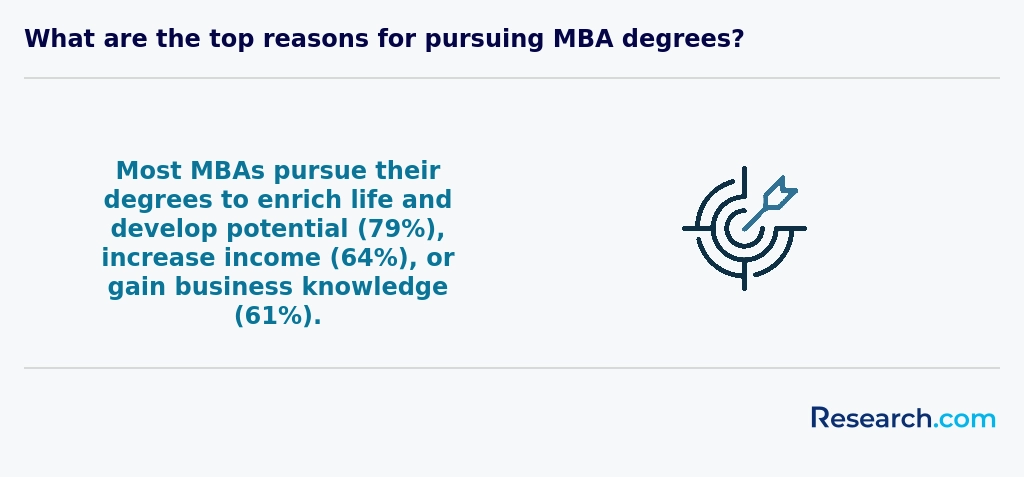
As the global business landscape evolves, Maine MBA programs are increasingly adapting to emerging market demands and technological advancements. Prospective students can expect curricula that incorporate data analytics, digital transformation, sustainable business practices, and innovative leadership strategies to better prepare them for the future. This forward-thinking approach not only enhances classroom learning but also equips graduates with skills that are highly valued in dynamic industries. Recent surveys and expert opinions suggest that the convergence of technology with traditional business disciplines is reshaping core MBA subjects. For instance, courses on artificial intelligence applications in business, cyber risk management, and innovative digital marketing strategies are gaining traction. As a result, graduates are more prepared to address modern challenges and seize opportunities that require agile thinking and strategic problem-solving. Emphasizing collaboration, many programs are also strengthening ties with local industries through internships, mentorship programs, and project-based learning experiences. These initiatives foster real-world exposure and help build strong alumni networks, which are critical for long-term career growth. For students keen on flexible learning options, exploring quick mba programs can offer both convenience and cutting-edge content designed for today’s fast-paced business landscape. Looking ahead, the increase in hybrid learning models and online resources is set to bridge geographical gaps, making high-quality MBA education more accessible without sacrificing rigorous academic standards. By staying updated on these trends, prospective MBA candidates in Maine can ensure they choose programs that not only provide immediate career benefits but also long-term strategic advantages in an ever-changing market.
Diving into an MBA program in Maine means immersing yourself in courses that shape you into a confident business leader ready for any challenge. Imagine exploring Financial Accounting and Reporting at the University of Southern Maine, where graduates remember the thrill of decoding real company financial statements, turning numbers into clear business stories.
Picture yourself navigating Managerial Economics at Husson University, applying economic concepts to local Maine industries, like the bustling seafood market or tourism ventures, making lessons come alive. In Marketing Management, students often share how analyzing consumer behavior felt like uncovering secrets to winning customer loyalty in Maine's unique market.
Operations Management opens doors to understanding supply chains, perfect for those inspired by Maine's vibrant manufacturing and logistics sectors. Meanwhile, Organizational Behavior brings to life the dynamics of teamwork and leadership, something graduates recall using firsthand during group projects reflecting real workplace challenges.
Courses in Business Strategy and Corporate Finance equip you with tools to craft long-term plans and smart financial moves, essential skills echoed by many Maine MBA graduates stepping into diverse industries with confidence.
In Maine, MBA programs offer an exciting array of specializations that open doors to vibrant career paths. Graduates from popular colleges often share stories about diving into healthcare management, thriving in leadership roles within large hospitals, or driving change in public health agencies. Finance enthusiasts explore corporate finance and investment management, gaining confidence to excel in banking or insurance sectors. Those drawn to creativity and consumer engagement find marketing specializations ideal, mastering digital marketing strategies and brand management.
Students passionate about innovation love the entrepreneurship track, inspired by Maine's growing startup culture, while others highlight the practicality of project management, managing complex initiatives in technology or construction fields. When exploring MBA specializations offered in Maine, some also embrace emerging fields like sustainability management or supply chain logistics, reflecting the state's environmental values and strategic location. Pursuing these options at well-known Maine universities truly shapes personal growth, with graduates often praising the tailored focus and real-world experiences. For those eager to accelerate their studies, quick mba programs are also available, blending speed with tailored concentrations for an adventurous educational journey.
Choosing the best MBA programs in Maine 2027 means diving into what truly matters for you: reputation, flexibility, and career fit. Graduates from the University of Southern Maine rave about its AACSB accreditation, which opens doors and connects them with a thriving professional network. If juggling work and study sounds familiar, consider the University of Maine's online MBA, crafted to blend seamlessly with busy lifestyles.
Cost often sparks anxiety, but many find relief knowing Maine's public universities offer affordable MBA degrees in Maine, keeping tuition below $30,000 annually for residents. Scholarships and financial aid options add even more hope to your journey, making an MBA feel within reach. Graduates often recall how their curriculum, tailored to focus areas like healthcare or entrepreneurship, made their studies exciting and relevant.
Employment outcomes also ignite optimism-imagine landing a job within months, just like many Maine MBA alums. If you want to explore affordable options beyond Maine, check out the Affordable MBA Degree Programs Ranking in Colorado for comparative ideas that might inspire your path.
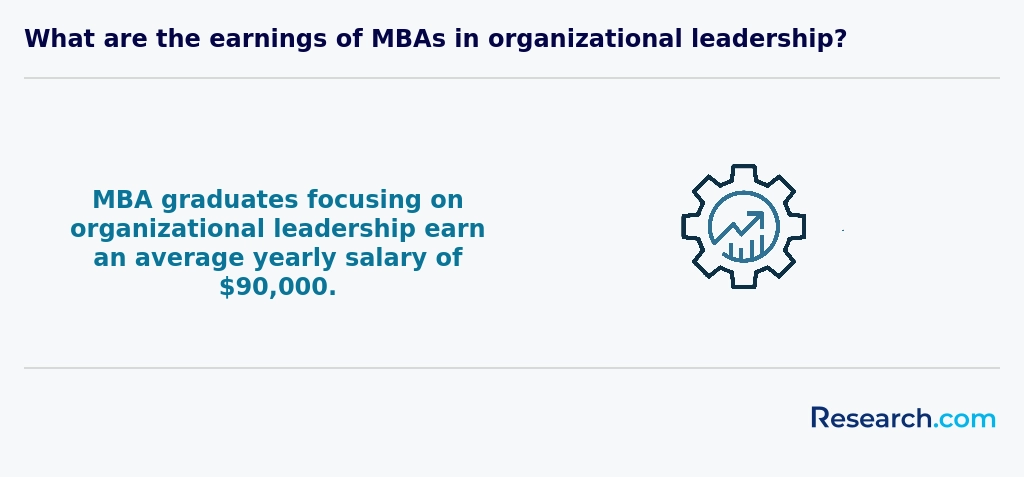
Graduates diving into MBA career opportunities in Maine discover a vibrant mix of paths across industries like healthcare, finance, and technology. For example, those who earned their MBA from popular schools often find themselves stepping into management roles-think operations managers or project leaders-where strategic thinking and leadership shine. Picture an MBA graduate at the University of Southern Maine leading a hospital's efficiency project, directly impacting patient care while advancing their career in healthcare management.
Finance and accounting beckon as well, especially within regional banks known around Maine. Graduates report energizing experiences analyzing risk or investment strategies, appreciating how Maine's affordable MBA programs foster strong returns in these roles. With the state's evolving entrepreneurial scene, many MBAs jump into consulting or marketing, driving innovation at local startups or established businesses.
Curious students can even explore flexible options, such as online accelerated bachelor's programs that complement MBA studies, enriching their career toolkit. The adventure of choosing top MBA jobs in Maine 2027 is about stepping confidently into leadership and growth opportunities uniquely shaped by Maine's economy and education system.
The Maine MBA job market outlook reveals a unique landscape enriched by local industries like healthcare, manufacturing, finance, and tourism. Graduates from programs at universities such as the University of Southern Maine often find rewarding roles within regional banks, healthcare systems, and family-owned manufacturers. One graduate recalled how strong community ties helped her land a leadership position in a tourism business, showcasing the advantage of familiarity with Maine's economic rhythm.
Employment opportunities for MBA graduates in Maine often come with the benefit of lower competition compared to larger cities, fostering a tight-knit professional environment. Many graduates appreciate how local MBA programs emphasize networking with businesses that truly understand Maine's market nuances, leading to practical internships and job placements that feel like natural next steps in their careers.
The cost and ROI for earning an MBA locally are also appealing. For example, tuition at public institutions ranges roughly between $18,000 and $30,000, making graduate education more attainable. This affordability, combined with Maine's diverse economy, encourages ambitious professionals to explore options like the easiest phd programs for further study while remaining connected to the local business scene.
2027 Most Popular MBA Degree Programs Ranking in Maine
Investing in your education is a significant decision that requires careful consideration, and the Research.com team recognizes the importance of providing reliable and accurate information to support this process. To guide prospective students in Maine, we have developed the "2027 Most Popular MBA Degree Programs Ranking in Maine" with a strong focus on quality, credibility, and precision. Our team conducted thorough research and analysis to ensure this ranking reflects the most current and relevant data available.
We utilized the following reputable data sources to create a comprehensive and trustworthy evaluation of MBA programs:
By examining this ranking, readers will gain valuable insights into the most sought-after MBA programs in Maine, enabling them to make well-informed choices for their academic and professional futures. For a deeper understanding of how this ranking was compiled, please visit our Research.com methodology page.


# 5 position
Thomas College
Business Administration MBA

Frequently Asked Questions About MBA
Students pursuing an MBA degree in Maine can maximize their learning by engaging deeply with both academic and practical opportunities. Maine's universities, like the University of Maine, often emphasize hands-on projects and internships, which help students apply theory to real business challenges.
Networking is also crucial. Joining local business groups or MBA-specific clubs can connect students with professionals and alumni, fostering valuable mentorships. According to the Graduate Management Admission Council, 60% of MBA graduates find job opportunities through networking.
Additionally, many Maine programs integrate case studies focused on regional industries such as healthcare and maritime, enhancing relevant skills. Staying current with industry trends and participating in workshops or seminars further enrich learning outcomes.
The MBA field in Maine is expanding into specialized niches that reflect evolving business needs. Among these, healthcare management is gaining prominence due to the state's growing healthcare sector. Programs focusing on data analytics and sustainability management are also emerging, responding to increased demand for expertise in data-driven decisions and environmental responsibility.
Additionally, Maine's small-business-friendly environment has boosted interest in entrepreneurship-focused MBAs. According to the U.S. Bureau of Labor Statistics, Maine expects a 7% growth in management occupations by 2030, underscoring the relevance of these niches.
Universities like the University of Southern Maine and other local institutions are adapting curricula to include these specialized paths, preparing graduates for dynamic regional markets.
After completing an MBA degree in Maine, preparing for the job market involves several strategic actions. Graduates should leverage career services at Maine institutions such as the University of Southern Maine and the University of Maine, which offer resume reviews, interview coaching, and networking events tailored to MBA students.
Building a strong professional network is crucial. Engaging with local business groups like the Maine Small Business Development Centers and attending industry conferences in Portland can provide valuable connections.
Additionally, gaining relevant internships or part-time roles during the program improves practical skills and employability. According to the Bureau of Labor Statistics, Maine's business management sector is expected to grow by 3% through 2031, highlighting opportunities in leadership and management roles.
Continuous learning and certification in areas such as project management or data analytics can further enhance job prospects after graduation.
Employers in Maine highly value MBA graduates who demonstrate strong leadership and strategic thinking skills. According to the Maine Department of Labor, 72% of management roles require effective decision-making abilities, making this a crucial competency.
Additionally, communication skills, both written and verbal, are essential for MBA holders to collaborate across diverse teams. Data analysis expertise is increasingly important, with many organizations in Maine seeking professionals who can interpret business data to drive growth.
Financial acumen and project management capabilities are also top priorities. The University of Maine's career surveys show that employers notably favor candidates with practical experience in budgeting and operational planning.
Overall, adaptability and ethical judgment remain critical, especially in Maine's evolving economic sectors like healthcare and technology.
Finding internships in Maine relevant to an MBA degree involves leveraging local business connections and university resources. Many MBA programs in Maine, such as those at the University of Southern Maine or the University of Maine, offer career services that connect students with internships across industries like finance, healthcare, and technology.
Students can also explore opportunities through Maine's regional business networks, including the Maine Business School Consortium, which collaborates with companies to provide practical experience. According to the U.S. Bureau of Labor Statistics, internships significantly improve job placement rates for MBA graduates nationwide.
Additionally, online platforms like Handshake and LinkedIn list Maine-specific MBA internship openings, often updated by educational institutions and employers. Networking events hosted by local chambers of commerce also support internship searches for MBA students in Maine.
An MBA degree significantly enhances career mobility and advancement opportunities in Maine's competitive job market. Graduates with MBAs often access higher-level managerial roles and leadership positions, as employers highly value the broad business skill set and strategic thinking developed through these programs.
According to the U.S. Bureau of Labor Statistics, individuals with advanced business degrees in New England, including Maine, see an average salary increase of about 15-25% compared to those with only a bachelor's degree. Moreover, Maine's growing industries such as healthcare management, finance, and technology increasingly require advanced credentials, making an MBA a key differentiator.
Many Maine employers prefer MBA holders for roles that demand cross-functional expertise and strong communication abilities, facilitating promotions and lateral moves within organizations. Local universities also report strong alumni networks that support career growth in the region.
Studying for an MBA degree in Maine equips students with versatile skills that are crucial for interdisciplinary roles. Maine's MBA programs emphasize collaboration across business functions such as marketing, finance, and operations, preparing graduates to work effectively in diverse teams. According to data from the Association to Advance Collegiate Schools of Business (AACSB), several Maine institutions integrate real-world projects and case studies, linking multiple disciplines to solve complex problems.
This multidisciplinary approach reflects the demands of today's job market, where managers often need knowledge beyond traditional business subjects. Maine's MBA curricula frequently include courses on data analytics, leadership, and technology, bridging gaps between business and other areas.
Additionally, Maine's regional economy-spanning healthcare, marine industries, and technology-provides practical contexts for interdisciplinary learning, fostering adaptability in graduates facing varied professional environments.
When choosing between a thesis and a non-thesis MBA program in Maine, consider your career goals and learning preferences. A thesis MBA typically involves conducting original research and writing a detailed academic paper, which suits students interested in pursuing doctoral studies or research-oriented roles. In contrast, non-thesis programs focus more on practical coursework and capstone projects, appealing to professionals aiming to advance their business skills quickly.
According to data from the National Center for Education Statistics, many Maine institutions offering MBAs provide both options, with approximately 60% of students opting for non-thesis tracks due to time constraints and immediate career application. Understanding these differences helps prospective students select the format best aligned with their future ambitions.
Students based in Maine who wish to pursue an MBA abroad have several options through partnerships and exchange programs offered by local universities. The University of Southern Maine, for example, provides opportunities to study at international business schools through affiliated networks, allowing students to experience global business environments firsthand.
Many MBA programs in the U.S. also offer dual degrees or global immersion courses with partner institutions internationally. While exact numbers fluctuate, according to the Maine Department of Education, approximately 5% of MBA students in Maine participate in such international study experiences annually.
Additionally, students can opt for online MBA programs offered by foreign universities. These programs combine global curricula with greater flexibility, which suits working professionals based in Maine looking to gain an international perspective without relocating.
Part-time job opportunities in Maine that complement MBA degree education often focus on roles in finance, marketing, and business analysis. For instance, internships or part-time positions at local banks like Bangor Savings Bank or TD Bank provide valuable experience in financial management and client relations.
Additionally, many Maine-based companies seek MBA students for roles in project management and business development, particularly in sectors like healthcare and technology, which are growing in the state.
According to the Maine Department of Labor, the state's professional and business services sector is expected to grow by 8% through 2028, increasing demand for skilled part-time positions relevant to MBA skills.
These opportunities allow MBA students to apply classroom theories in real-world settings while networking within Maine's business community.
MBA students in Maine have access to numerous networking opportunities through state universities, professional organizations, and business events. The University of Southern Maine, for example, hosts career fairs and alumni mixers that regularly connect students with local employers and industry leaders. According to the Maine Department of Labor, sectors like healthcare, finance, and technology actively seek MBA graduates, making networking essential for career advancement.
Student groups such as the Graduate Business Association provide peer networking and leadership experience. Additionally, Maine's chambers of commerce in Portland and Bangor frequently offer workshops and networking mixers tailored to business professionals, including MBA candidates.
Alumni networks play a crucial role in supporting MBA students in Maine by offering extensive professional connections. Graduates from Maine's top business schools, such as the University of Southern Maine, often join active alumni associations that facilitate mentorship, job leads, and career advice. According to the Graduate Management Admission Council, 85% of MBA students find networking opportunities critical to their career success.
These networks enable access to local industries significant to Maine's economy, including healthcare, finance, and maritime sectors. For example, alumni events frequently connect students with executives from leading companies based in Portland and Bangor.
Additionally, alumni networks foster lifelong professional development through workshops and webinars, allowing current students to stay informed about market trends and leadership skills. This practical support increases employability within the competitive northeastern job market.
Customizing an MBA degree program in Maine allows students to align their studies with specific career goals. Many Maine business schools offer concentrations such as Healthcare Management, Finance, or Sustainable Business, enabling learners to specialize in fields with regional demand. For example, the University of Maine's MBA program includes flexible elective options to tailor coursework.
Additionally, students can choose between full-time, part-time, or online formats to fit their schedules. Internships and capstone projects often let candidates gain practical experience in sectors like maritime industries or technology, important in Maine's economy.
According to the Maine Department of Labor, areas like healthcare and finance show steady growth, guiding specialization decisions. Researching specific programs and their elective choices is essential to ensure alignment with personal career ambitions.
MBA students in Maine often face the challenge of balancing rigorous coursework with personal and professional responsibilities. Many are working professionals, which makes time management critical. According to U.S. News data, MBA programs in Maine typically require 2 to 3 years to complete part-time, which can prolong stress and financial burden.
Another challenge is limited networking opportunities compared to larger metropolitan areas. Maine's smaller business community means fewer large firms for internships and job placements, impacting practical experience.
Finally, some students find it difficult to access specialized electives or cutting-edge technology that bigger schools offer, which may affect skill development.
With an MBA degree from Maine, graduates gain qualifications that can help them pursue several valuable professional certifications. Popular options include the Project Management Professional (PMP) designation, which is widely recognized by employers in various industries. Additionally, many MBA holders choose to become Certified Financial Planners (CFP) or Certified Management Accountants (CMA), certifications that complement the financial and strategic skills learned during their studies.
The Chartered Financial Analyst (CFA) credential is also a common path for those focused on investment management and finance careers. According to data from the Graduate Management Admission Council, nearly 30% of MBA graduates aim for such certifications to boost their career prospects.
Applying for an MBA program in Maine requires a clear, focused approach. Start by researching the specific programs offered by Maine's accredited schools, such as the University of Southern Maine or the University of Maine. Pay attention to each program's prerequisites and highlight how your professional experience aligns with their values.
Strong GMAT or GRE scores improve your chances; the average GMAT score for MBA programs in Maine typically ranges from 550 to 620. Craft a compelling personal statement that emphasizes your leadership skills and career goals, tailored to how the program can help you achieve them.
Letters of recommendation should come from supervisors who can attest to your managerial potential. Finally, proofread your entire application carefully to ensure it is professional and error-free, demonstrating your commitment to excellence.
The global perspective on an MBA career highlights its increasing value in a competitive job market. An MBA degree equips graduates with versatile skills in leadership, finance, and strategy applicable worldwide. For students in Maine, pursuing an MBA can open doors to both local and international opportunities, especially given the state's growing industries such as healthcare management and technology.
According to the Graduate Management Admission Council (GMAC), nearly 50% of MBA graduates in the U.S. find employment in roles requiring global business acumen. Maine's universities align their MBA curricula with these trends, emphasizing cross-cultural management and global economic understanding.
Furthermore, data shows that MBA holders in Maine earn on average 20%-40% more than those with only a bachelor's degree, reflecting strong employer demand not only regionally but globally. This degree fosters adaptability that is crucial for careers spanning borders and industries.
Gaining practical experience while studying for an MBA degree in Maine is key for career readiness. Many MBA programs in Maine encourage internships and cooperative education, allowing students to work with local businesses and organizations. For example, the University of Southern Maine offers internship opportunities that connect students with Maine's robust maritime, healthcare, and finance sectors.
Additionally, some programs integrate consulting projects where students solve real business challenges faced by regional companies. According to the Maine Department of Labor, internships can improve job placement rates by up to 20% for graduates. Networking events and business clubs at Maine universities also help students build professional relationships while still enrolled.
Choosing the right concentration within an MBA program in Maine involves considering both personal career goals and regional economic trends. Maine's economy strongly supports sectors like healthcare, tourism, and technology, making concentrations in healthcare management, hospitality, or information systems particularly relevant.
Data from the Maine Department of Labor indicates that healthcare and social assistance represent one of the state's largest employment sectors, suggesting strong job prospects for graduates with expertise in healthcare management.
Students should also assess the faculty expertise and partnerships offered by Maine's business schools, such as University of Southern Maine or Husson University, to ensure alignment with their desired specialization.
Flexibility with part-time or online options can be crucial for working professionals in the state balancing education and employment.
- 2027 Most Popular MBA Degree Programs Ranking in New Hampshire
- 2027 Most Popular MBA Degree Programs Ranking in Connecticut
- 2027 Most Popular MBA Degree Programs Ranking in Delaware
- 2027 Most Popular MBA Degree Programs Ranking in Ohio
- 2027 Most Popular MBA Degree Programs Ranking in Kentucky
- 2027 Most Popular MBA Degree Programs Ranking in North Carolina
- 2027 Most Popular MBA Degree Programs Ranking in Georgia
- 2027 Most Popular MBA Degree Programs Ranking in Illinois
- 2027 Most Popular MBA Degree Programs Ranking in Florida
- 2027 Most Popular MBA Degree Programs Ranking in Alabama
- What Work Experience Do You Need For an MBA? | Articles | Unimy https://www.unimy.com/article/blog-mba-preparation-admissions-mba-work-experience
- Verifying that you are not a robot... https://krea.edu.in/ifmrgsb/top-5-emerging-career-paths-for-mba-graduates/
- MBA Requirements: What do you really need for an MBA degree https://www.obseducation.org/en/blog/mba-requirements-what-do-you-really-need-for-an-mba-degree
- MBA Requirements https://www.collegeessayguy.com/blog/mba-requirements
- How to balance a part-time MBA while working full-time https://www.manchester.ac.ae/blog-post/how-to-balance-a-part-time-mba-while-working-full-time
- How an MBA contributes to career advancement https://online.wlv.ac.uk/blog/how-an-mba-contributes-to-career-advancement/
- Know more about thesis vs non- thesis: what is the difference? https://studyfans.com/en/blogs/816
- Tips for Writing an MBA Program Essay - GMAT Ninja https://www.gmatninja.com/articles/mba-admissions/essays-and-applications/minimizing-mba-application-essay-agony/
- Why Alumni Networks Matter in Business School: 7 Reasons https://europe.ceibs.edu/article/why-alumni-networks-matter-business-school
- Why Fit Matters: Matching Your Profile and Career Goals to Your Dream MBA Program https://merchantmba.com/blog/why-fit-matters-matching-your-profile-and-career-goals-to-your-dream-mba-program