
2027 Best MBA Degree Programs Ranking in Sioux Falls

Co-Founder and Chief Data Scientist
Choosing the right MBA program in Sioux Falls can shape your future career and open new opportunities. Our article introduces the 2027 Best MBA Degree Programs Ranking in Sioux Falls, developed by the Research.com team of data scientists. This ranking helps you make an informed decision by evaluating the most relevant programs available.
Reading this guide will give you valuable insights into the strengths of each MBA program. Pursuing an MBA is an exciting step toward personal growth and professional success. Let this article inspire and support your journey.
Key benefits of getting MBA degree in Sioux Falls
- MBA graduates in Sioux Falls often pursue management roles with average annual salaries around $100,000 nationally, reflecting strong earning potential and career growth.
- Career paths for MBA holders from local universities include roles in finance, marketing, and operations, offering diverse opportunities to thrive in dynamic business environments.
- Online MBA programs from reputable Sioux Falls institutions provide flexibility and convenience, enabling students to balance work and study while gaining valuable skills for leadership roles.
- 2027 Best MBA Degree Programs Ranking in Sioux Falls
- What can I expect from MBA degree in Sioux Falls?
- Where can I work with MBA degree in Sioux Falls?
What can I expect from MBA degree in Sioux Falls?
The average cost of earning an MBA degree in Sioux Falls is typically between $20,000 and $30,000 for the entire program. This range makes it an accessible investment for ambitious professionals eager to grow their careers without shouldering excessive debt. Graduates from institutions like the University of Sioux Falls often share how the tuition feels like a worthwhile investment, especially when combined with scholarships or employer tuition assistance that many find available locally.
Imagine balancing your evenings between work and dynamic, online classes designed to fit your busy lifestyle. Students appreciate the personal attention from smaller class sizes, which creates a supportive environment where collaboration and peer connections thrive. This flexible approach means you can develop practical skills in finance, marketing, and management without pausing your career.
For those motivated by leadership dreams within the Sioux Falls business community, this investment not only covers education costs but also opens doors to meaningful job opportunities driven by steady local economic growth.
Where can I work with MBA degree in Sioux Falls?
Graduates from MBA programs at universities like the University of Sioux Falls quickly discover a vibrant landscape of career opportunities right in their community. Many find rewarding roles within Sioux Falls' thriving healthcare sector, stepping into leadership positions at major systems such as Sanford Health and Avera Health. These roles challenge them to use their strategic thinking and management skills daily, making a tangible difference in patient care and organizational success.
Others thrive in the city's strong finance and banking scene, securing positions in financial analysis, risk management, and corporate banking with institutions like Citibank and Wells Fargo. These professionals often share how their MBA education sharpened their problem-solving abilities, helping them excel in an industry known for its fast pace and complexity.
Retail management is another exciting path, where MBA graduates apply their learning to steer local and national businesses toward growth and innovation. Many describe the pride they feel leading teams, optimizing supply chains, and crafting marketing strategies that resonate with customers in Sioux Falls.
Beyond these roles, entrepreneurial graduates pulse with energy as they launch startups or assist others in business development, fueled by the knowledge and confidence gained during their MBA studies at local colleges.
MBA graduates in Sioux Falls can anticipate an encouraging salary range that reflects both their advanced education and the dynamic local economy. Graduates from well-known programs at institutions like the University of Sioux Falls often report entry-level salaries near $75,000, quickly advancing toward $120,000 as they gain experience and take on managerial roles in thriving sectors like finance, healthcare, and supply chain management.
Imagine a recent graduate stepping into a leadership position at a major employer such as Sanford Health, where their MBA skills translate into effective team management and strategic growth initiatives. This hands-on experience can push annual earnings beyond $110,000 while opening doors to executive-level roles paying upwards of $150,000.
Students find that the moderate cost of living in Sioux Falls makes these salary levels highly rewarding, enabling graduates to enjoy a comfortable lifestyle while building wealth. Networking within the region and aligning with active industries amplifies opportunities, helping MBA holders secure lucrative bonuses and career advancement.
- The average cost of a full MBA program in Sioux Falls ranges from $25,000 to $45,000, which is lower than the national average.
- Entry-level MBA graduates typically earn around $70,000 per year, with mid-career salaries ranging from $95,000 to $120,000.
- Key industries hiring MBA holders include healthcare management, finance, retail, and insurance services.
- Many programs offer flexible schedules, including evening, weekend, part-time, and hybrid online classes for working professionals.
- Several local business schools have AACSB accreditation, ensuring high academic standards and degree recognition.
Completing an MBA degree in Sioux Falls offers flexible timelines tailored to fit your lifestyle and ambitions. Many full-time students at institutions like the University of Sioux Falls typically finish their MBA in about two years, embracing a steady pace that balances learning with growth.
For those eager to accelerate their journey, several local accelerated MBA programs allow completion in just 12 to 18 months. Graduates from these programs often share how the intense, focused curriculum helped them quickly advance their careers while staying motivated throughout the fast-paced experience.
Working professionals frequently choose part-time programs at colleges such as Augustana University, extending their studies over three to four years. These students find joy in juggling work, family, and education, celebrating each milestone as they steadily move toward their goals.
Online MBA options in Sioux Falls also inspire many to embrace a flexible schedule, making it possible to learn at a personal pace within 18 months to three years, empowering students to balance life's demands confidently.
When considering an MBA program in Sioux Falls, SD, one crucial factor to consider is the affordability and potential return on investment (ROI) of the degree. The cost of attending an MBA program can vary significantly depending on the institution and the format of the program (online, on-campus, or hybrid). To find the most affordable options, prospective students can explore affordable mba schools in south dakota, which offer competitive tuition rates without compromising on the quality of education. Understanding the financial implications and potential outcomes of pursuing an MBA in Sioux Falls is essential for making an informed decision about one's educational and career goals.
Choosing between an online and an on-campus MBA in Sioux Falls means embracing the style that best fits your life and ambitions. Online MBA programs offer remarkable flexibility, allowing you to juggle work, family, and education without missing a beat. Many graduates applaud this balance, sharing how video lectures and discussion boards made learning accessible anywhere, anytime, perfect for busy professionals. Meanwhile, on-campus programs at institutions like the University of Sioux Falls ignite vibrant connections through face-to-face interactions, group projects, and lively networking events that build lifelong friendships and professional ties.
Students on campus often describe the energy of in-person mentorship and collaborative study as inspiring, fueling both growth and motivation. Cost-wise, local on-campus programs average $25,000 to $40,000, a rewarding investment reflected in the rich campus experience. Online options provide savings by reducing campus overhead, often costing 10-20% less, without compromising core business knowledge. Whichever path you choose, Sioux Falls' MBA programs empower you to unlock your potential and craft an exciting career journey.
A critical component in the decision-making process for prospective MBA students is understanding how academic excellence translates into real-world impact. Faculty members and industry experts play an essential role in connecting classroom theories with practical business challenges. Many leading programs in Sioux Falls, SD, invite seasoned professionals to co-teach courses, ensuring that students gain firsthand perspectives on current market trends and innovative strategies. This close collaboration not only enriches the learning experience but also fosters meaningful mentorship and networking opportunities, vital for building a successful career in business. Through regular guest lectures, workshops, and industry panels, students are exposed to emerging trends such as digital transformation, sustainable business practices, and data-driven decision-making. Faculty members often share insights about recent research and case studies, empowering students to approach complex challenges with confidence. In addition, these interactions help demystify the practical aspects of navigating the modern business landscape, from understanding financial intricacies to managing global supply chains. Moreover, many programs offer career coaching sessions and tutoring led by industry professionals who have a proven track record of success. This added layer of support ensures that students are not only academically prepared, but also equipped with the networking skills and professional guidance necessary to excel in competitive markets. For those evaluating the total investment in their education, it might also be helpful to compare traditional campus-based programs with their flexible counterparts; for instance, insights on the cost of online master of business administration programs can further inform financial planning. Overall, strengthening the connection between academic learning and industry practice helps prospective students better appreciate the transformative potential of an MBA-empowering them to make an informed, forward-thinking choice for their future.
The average cost of an MBA degree in Sioux Falls offers an encouraging opportunity for aspiring business leaders. With a median total cost around $43,331, many students find that investing in their education here balances quality and affordability compared to larger metropolitan areas. Graduates from the University of Sioux Falls and South Dakota State University often share how the manageable tuition made it easier to focus on their studies without overwhelming financial stress, enabling them to fully engage with coursework and networking events.
For those who qualify as in-state students, costs can be even more attractive, with median totals near $30,955. This remarkable value helps candidates from Sioux Falls and surrounding regions pursue their MBA goals while maintaining a practical approach to budgeting their education. Many find that the total MBA program expenses Sioux Falls involves-factoring in technology fees and materials-remain within a reasonable range, allowing them to invest their resources wisely in living and professional experiences.
Students often praise the flexibility offered by these local programs, which allow part-time or accelerated options that fit diverse lifestyles and career trajectories. Exploring funding options and scholarships can further reduce the financial commitment, opening doors to those ready to advance their careers. To explore the most popular programs and understand what fits your aspirations, visit https://research.com/rankings/mba/most-popular-mba-sioux-falls-sd.
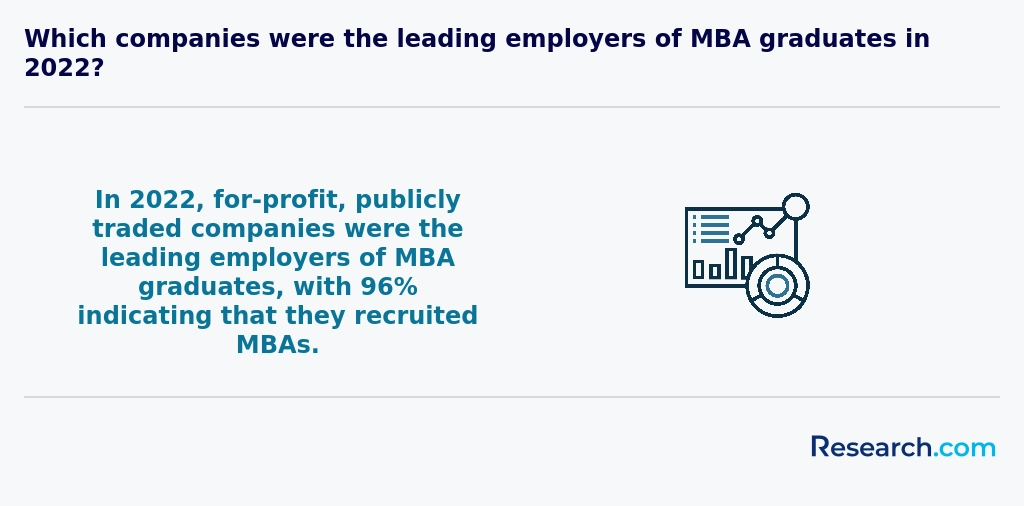
Many MBA students in Sioux Falls unlock a world of financial aid options that make their dreams achievable. Graduates from popular local institutions like the University of Sioux Falls and Augustana University often share how federal loans with fixed interest rates gave them manageable repayment plans while focusing on studies and family. State scholarships available through the South Dakota Board of Regents provide valuable support, rewarding hard work and dedication with funding that lightens tuition costs.
Several students celebrate receiving merit-based scholarships directly from their business schools, which recognize academic excellence and leadership potential. Imagine being able to reduce your tuition burden while gaining hands-on experience through part-time teaching roles or graduate assistantships-opportunities that some Sioux Falls MBA candidates have embraced to enrich their education.
- Employer tuition reimbursement is another powerful resource, especially within Sioux Falls' vibrant business community, where many professionals find their companies investing in their growth.
- Private scholarships from organizations like the National Black MBA Association also open doors to supplementary financial aid.
These combined resources create a supportive environment where eager learners in Sioux Falls can pursue their MBA goals confidently and with optimism.
To embark on an MBA journey in Sioux Falls, you'll need a solid foundation-a completed undergraduate degree from an accredited institution. Imagine walking through the halls of a well-known local college, where fellow graduates once shared your ambitions and transformed their careers through determination and learning.
Many MBA programs also value two to five years of professional experience. This real-world background empowers you to connect classroom theory with the challenges and successes encountered in everyday business life. Graduates often reflect on how their prior work shaped engaging discussions and opened doors to meaningful networking within Sioux Falls' vibrant business community.
Standardized tests like the GMAT or GRE commonly serve as benchmarks of readiness, though some programs offer waivers for strong work histories or exceptional academic records. Academic transcripts, recommendations, and heartfelt personal essays further reveal your unique motivation and leadership potential.
Interviews may also be part of the process, giving you the chance to share your vision personally-just as many Sioux Falls students have done before you-with warmth and confidence, stepping closer to their future success.
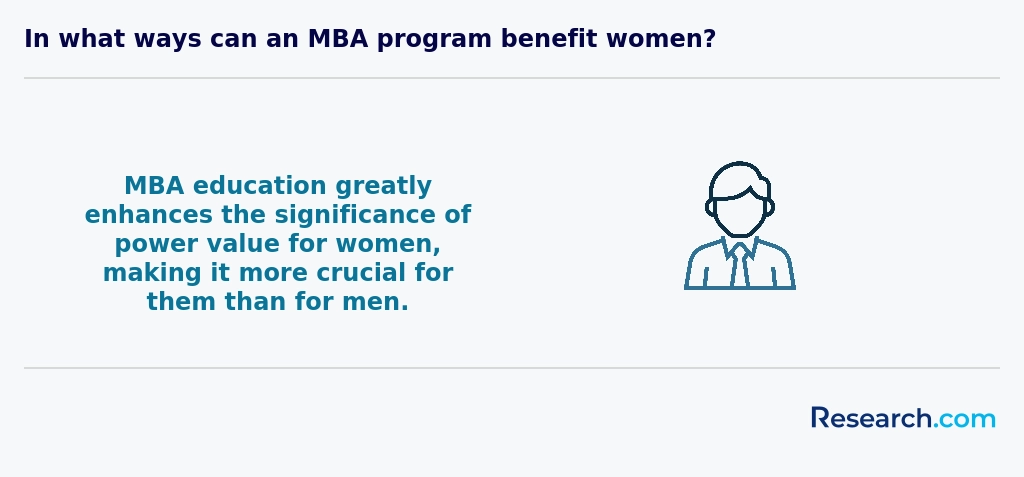
Calculating the ROI of an MBA program involves comparing the total cost of attendance against the salary increase and career advancement it enables. On average, completing an MBA in Sioux Falls requires an investment of approximately $70,000–$100,000 (including tuition, fees, and living expenses). Recent graduates report median starting salaries near $95,570, reflecting a typical post‐MBA salary bump of 20–30% over pre‐MBA earnings. Key factors influencing your ROI:
- Total Program Cost: Tuition rates range from $26,000 per year at public in-state institutions to $80,000+ at private universities.
- Salary Increase: Alumni cite salary gains of $15,000–$30,000 annually in their first post‐MBA role.
- Payback Period: Dividing your net investment by annual salary uplift yields an average payback period of 2.5–4 years.
- Opportunity Cost: Full-time students forgo income during study; part-time and online formats help mitigate this by enabling continued employment. Strategies to maximize ROI: 1. Leverage employer sponsorship or assistantships whenever possible. 2. Opt for accelerated or hybrid tracks to reduce living expenses. 3. Network strategically with local industries-healthcare, finance, and technology are rapidly expanding in Sioux Falls. 4. Compare affordable online options, such as those highlighted in our Low Cost Online Master's in MBA Degree Programs, to minimize tuition outlay. By proactively managing costs and targeting high-growth sectors, prospective MBA students can achieve a strong ROI and shorten their payback horizon, ensuring the value of their graduate business education.
Students pursuing an MBA in Sioux Falls at respected institutions experience a dynamic curriculum that sharpens essential business skills and ignites leadership potential. Core courses like Accounting empower graduates to confidently interpret financial statements, an invaluable skill when managing budgets or pitching to stakeholders.
Classes in Finance provide students with tools to analyze investments and assess risk, preparing them for real-world decisions whether launching a startup or navigating corporate growth. Marketing courses inspire creativity, as graduates learn to develop compelling brand stories that resonate with customers in competitive markets.
Operations Management and Strategic Management bring theory to life through hands-on projects, where students collaborate to optimize supply chains or craft winning business strategies. Organizational Behavior courses deepen empathy and teamwork skills, vital for leading diverse teams effectively.
Many graduates reflect on how economics courses offered at Sioux Falls colleges illuminate the bigger picture, connecting classroom lessons to local business challenges in South Dakota's evolving economy. This well-rounded, practical education equips students to thrive and lead with confidence in any industry.

Sioux Falls MBA degree concentration options unlock exciting paths tailored to diverse career ambitions. Graduates often share how specializing in Finance empowered them to confidently navigate corporate finance and investment roles within local banks and firms. Those who chose Marketing celebrate mastering digital strategies that directly fueled growth in Sioux Falls' thriving tech and retail scenes. Operations Management or Supply Chain Management specializations reveal real-world applications in the region's bustling manufacturing and distribution industries, inspiring students to become indispensable leaders in process improvement.
Healthcare Management attracts those passionate about impacting Sioux Falls' prominent health sector, blending business acumen with healthcare expertise to lead hospitals and services effectively. Entrepreneurship and Innovation drive spirited graduates to launch ventures or energize established companies with creative business plans and venture financing strategies. Many students at Sioux Falls' universities appreciate how these MBA specializations connect theory with hands-on practice, fueling their confidence and career momentum. To explore more options beyond Sioux Falls, consider programs from the best business schools in Utah.
MBA specializations in Sioux Falls empower professionals through focused learning that aligns with local industries and personal dreams, opening doors to fulfilling, successful futures.
Choosing the best MBA degree in Sioux Falls means focusing on programs that are not only accredited but also affordable and tailored to your personal and professional goals. Graduates from popular colleges here often highlight the value of top accredited MBA degrees Sioux Falls 2027 offers, where rigorous curriculum meets real-world application in local industries like healthcare and finance. Imagine yourself attending evening classes that allow you to continue working full-time while gaining essential leadership skills.
Many MBA students find inspiration in programs that provide strong career services; connecting with mentors and alumni who have launched successful careers in Sioux Falls' thriving business community fuels motivation. For those balancing busy schedules, exploring the executive MBA online for working professionals brings flexibility without sacrificing quality.
By aligning your choice with local economic strengths and your ambitions, you set yourself up for a rewarding journey that pushes you beyond limits and into a future filled with opportunity.

Graduates holding an MBA degree in Sioux Falls unlock a wealth of career possibilities, perfectly suited to the city's dynamic industries. Many find rewarding roles in finance and banking, benefiting from Sioux Falls' standing as a regional financial hub with companies like Citibank and Wells Fargo. Others thrive in healthcare management, supported by major local organizations such as Sanford Health and Avera Health, where MBA skills in administration and strategic planning are in high demand. The city's growing business landscape also fosters exciting opportunities in consulting, marketing, and sales management, enabling graduates from local universities to lead with confidence and innovation.
MBA career opportunities in Sioux Falls extend beyond corporate roles, with many graduates drawn to entrepreneurship and small business management, inspired by the city's supportive startup culture. For those aiming to expand their academic credentials alongside practical experience, local programs often encourage exploring related pathways, including part-time doctoral degrees, enhancing leadership potential and career growth throughout the region.
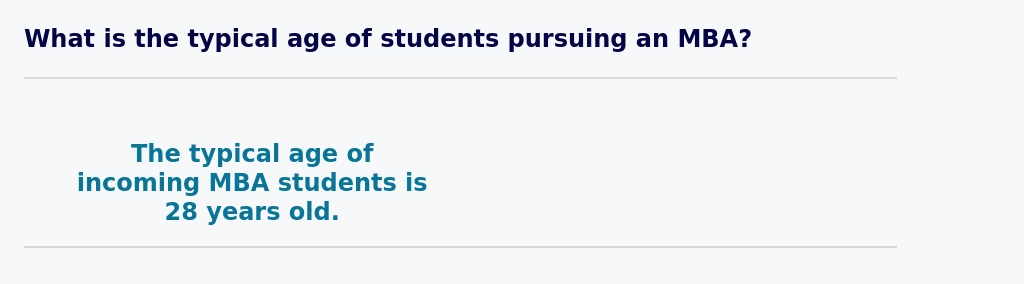
The job market for MBA degree holders in Sioux Falls is vibrant and full of opportunity, especially for those connected to local universities and colleges known for strong business programs. Graduates from these institutions often find themselves stepping into leadership roles within the city's key industries such as financial services, healthcare administration, and retail management. Sioux Falls MBA employment outlook is particularly encouraging, as many graduates share how their education prepared them to excel in well-established companies like Citibank and Sanford Health, where demand for skilled managers continues to grow.
Those pursuing an MBA locally benefit from tuition fees that are significantly below the national average, enhancing the return on investment. Many alumni say that the lower cost of education combined with a steady local economy helped them quickly gain meaningful positions. For individuals aiming to advance rapidly, exploring the shortest online MBA with accreditation provides a flexible way to enter this thriving job market without sacrificing quality or time.
With its expanding business sectors and supportive professional network, Sioux Falls offers MBA job opportunities in Sioux Falls that inspire confidence and ambition for current and future students alike.
2027 Best MBA Degree Programs Ranking in Sioux Falls
Investing in your education is a significant decision that can shape your future, and the Research.com team understands the importance of making informed choices. To assist prospective students in Sioux Falls, we have meticulously crafted the "2027 Best MBA Degree Programs Ranking in Sioux Falls." Our commitment to quality, credibility, and accuracy is reflected in the extensive research and analysis conducted to compile this ranking.
We utilized the following reputable data sources to ensure a comprehensive evaluation of MBA programs:
By exploring this ranking, readers will gain valuable insights into the best MBA degree programs available in Sioux Falls, helping them make informed decisions about their educational paths. For more details on our methodology, please visit our Research.com methodology page.


# 3 position
California Intercontinental University
Master of Business Administration

Frequently Asked Questions About MBA
Students pursuing an MBA degree in Sioux Falls can maximize their learning by engaging actively with local business communities. Sioux Falls hosts a growing economy with strong sectors like healthcare, finance, and agriculture, offering practical networking opportunities.
Participating in internships with companies in Sioux Falls helps MBA candidates gain real-world experience and apply classroom knowledge. Local organizations such as the Sioux Falls Development Foundation provide resources and events tailored to professionals.
Moreover, students should take advantage of flexible program options. Many MBA programs in South Dakota offer evening or online classes, which allow balancing work and study efficiently. According to the South Dakota Board of Regents, MBA enrollment has increased by 12% in recent years, reflecting growing demand for these flexible formats.
The field of MBA education is evolving rapidly, with several emerging niches that reflect current industry demands. In Sioux Falls, popular new concentrations include data analytics, sustainability management, and healthcare administration. These areas respond to the city's growing healthcare sector and increasing focus on sustainable business practices.
Data from the U.S. Bureau of Labor Statistics indicates a 23% growth in management analyst roles by 2030, highlighting the importance of analytical skills within MBA curricula. Local institutions such as the University of Sioux Falls have begun integrating these specialties to align with regional economic trends.
Additionally, MBA programs addressing technology management and entrepreneurship gain traction as Sioux Falls sees a rise in startups and tech firms. These niches prepare graduates for leadership roles in innovative business environments.
After completing an MBA degree in Sioux Falls, preparing for the job market involves targeted networking, skills development, and understanding the local economy. Sioux Falls hosts a growing financial and healthcare sector, which often seeks MBA graduates with expertise in management, analytics, and strategy. According to the Sioux Falls Development Foundation, these industries account for over 50% of the city's employment base.
Internships and practical experience during your studies remain crucial. Engage with local business organizations such as the Sioux Falls Chamber of Commerce to build connections. Additionally, leveraging career services from your MBA school can improve your job prospects through resume workshops and interview preparation tailored to regional employers.
Keeping updated with employment trends is also beneficial. The U.S. Bureau of Labor Statistics notes a steady 7% job growth for business and financial operations roles in South Dakota through 2030, suggesting favorable opportunities for MBA graduates in Sioux Falls.
Employers in Sioux Falls consistently seek MBA graduates who demonstrate strong leadership and strategic thinking skills. According to data from the U.S. Bureau of Labor Statistics and local industry reports, effective communication and problem-solving abilities are crucial for MBA holders in the region's competitive markets.
Financial acumen and a solid understanding of data analytics also rank highly. With Sioux Falls growing as a financial services hub, knowledge of budgeting, forecasting, and data-driven decision-making is increasingly valued.
Additionally, adaptability and teamwork are essential as businesses in Sioux Falls emphasize collaboration across diverse sectors such as healthcare, finance, and retail. Employers favor graduates who combine technical expertise with interpersonal skills to drive organizational success.
Finding internships in Sioux Falls related to an MBA degree involves leveraging both local business networks and educational resources. The Sioux Falls metropolitan area hosts diverse industries including finance, healthcare, and manufacturing, providing abundant opportunities for MBA students seeking practical experience.
Start by exploring internship programs offered directly through universities such as the University of Sioux Falls or South Dakota State University's Sioux Falls campus, which frequently collaborate with local firms. According to the Sioux Falls Development Foundation, many large employers actively recruit MBA interns, particularly in sectors like banking and insurance.
Additionally, professional organizations such as the Sioux Falls Area Chamber of Commerce offer networking events and job boards tailored to MBA candidates. Utilizing online platforms like Handshake and LinkedIn with specific filters for Sioux Falls can also enhance your search.
In Sioux Falls, earning an MBA can significantly enhance career mobility and advancement opportunities. The city's diverse economy, anchored by finance, healthcare, and retail sectors, values the managerial and strategic skills developed through MBA programs. According to the U.S. Bureau of Labor Statistics, management occupations in the Sioux Falls metropolitan area are projected to grow by 7% through 2031, reflecting increased demand for qualified leaders.
An MBA graduate often gains access to higher-level roles and expanded networks, which are vital in Sioux Falls' interconnected business community. Local employers frequently prioritize candidates with advanced degrees for promotions and leadership positions, highlighting the degree's relevance for career growth.
Furthermore, programs offered by institutions like the University of Sioux Falls and Augustana University emphasize applied knowledge and local business practices, helping students align their education with the market needs.
Studying for an MBA degree in Sioux Falls equips students with versatile skills that are essential for interdisciplinary roles. The region's MBA programs emphasize practical knowledge in business, technology, and leadership, which enables graduates to navigate multiple sectors effectively. According to the U.S. Bureau of Labor Statistics, interdisciplinary competencies such as project management and data analysis are increasingly valued in the job market, and Sioux Falls programs integrate these skills into their curricula.
Local universities also foster collaboration between business, healthcare, and technology fields, reflecting Sioux Falls' diverse economy. This approach prepares students to lead in environments where cross-functional teamwork is critical. Practical internships in Sioux Falls companies further enhance real-world application of interdisciplinary knowledge.
When choosing between a thesis and a non-thesis MBA program in Sioux Falls, consider your career goals and learning preferences. Thesis MBA programs emphasize research and analytical skills, requiring students to complete a substantial research project. This path suits those aiming for academic roles or positions in strategy and consulting.
Non-thesis programs focus more on practical coursework, case studies, and internships, which can benefit professionals looking to enhance applied business skills quickly. According to the U.S. Department of Education, non-thesis MBAs often have shorter durations, typically around two years, compared to thesis programs.
Local Sioux Falls institutions like the University of Sioux Falls offer both options, helping students align their education with market demands in the region's growing finance and healthcare sectors.
Students based in Sioux Falls interested in pursuing an MBA abroad have several pathways to explore while remaining connected to US higher education standards. Many US universities with study-abroad programs partner with international institutions, allowing students to earn credits overseas while maintaining their degree progress.
Another common option is enrolling in international MBA programs that offer joint degrees or exchange opportunities designed for US students. Programs in Europe and Asia often attract Sioux Falls applicants seeking global business perspectives. According to the Graduate Management Admission Council, nearly 20% of MBA candidates consider international exposure important for career growth.
Local Sioux Falls institutions like the University of Sioux Falls provide advisory services to help students navigate applications for foreign MBAs, ensuring academic transferability and visa compliance. This support is crucial for a smooth transition.
Sioux Falls offers diverse part-time job opportunities that can enhance MBA education by providing practical experience in business settings. Positions in financial services, such as working with local banks or credit unions, allow MBA candidates to apply concepts in finance and risk management. The city's growing healthcare industry also offers roles in administration and operations, complementing an MBA focus on management.
Retail management and marketing assistant positions are common in Sioux Falls, where candidates can develop skills in consumer behavior and strategic planning. According to the Sioux Falls Development Foundation, the metropolitan area has seen a steady increase in employers seeking candidates with advanced business skills.
Internships and part-time roles in consulting firms or startups also provide valuable exposure to business analytics and leadership. Such experiences reinforce classroom learning while expanding professional networks in the local market.
Sioux Falls offers MBA students a variety of valuable networking opportunities through local universities and business organizations. Universities in the area, such as the University of Sioux Falls and Augustana University, frequently host networking events, guest lectures, and career fairs tailored for MBA candidates.
Additionally, the Sioux Falls Chamber of Commerce provides platforms where students can engage with local business leaders and entrepreneurs. These events promote connections that can lead to internships, mentorships, and job placements.
According to the Sioux Falls Development Foundation, over 2,500 businesses operate in the city, creating a rich environment for practical networking. This active business community enhances the overall value of MBA programs for students focused on expanding professional contacts.
Alumni networks play a crucial role in supporting MBA students in Sioux Falls. Graduates often gain access to valuable mentorship opportunities, which can provide guidance on career development and industry trends. In Sioux Falls, where the business community is tightly connected, these networks help students build professional relationships that can lead to internships or job placements.
According to a 2023 survey by the Graduate Management Admission Council (GMAC), 78% of MBA alumni in the Midwest reported that their network helped them significantly in advancing their careers. This is especially relevant in Sioux Falls' growing finance and healthcare sectors, where alumni connections offer inside knowledge and refer students to key employers.
Customizing an MBA degree program in Sioux Falls allows students to align their education with specific career goals. Many local institutions offer concentrations such as finance, healthcare management, or entrepreneurship, enabling tailored expertise.
Students can also take advantage of elective courses, internships, and networking events that reflect the regional business environment. For example, healthcare is a major industry in Sioux Falls, influencing the availability of specialized MBA tracks.
Additionally, flexible schedules and part-time options accommodate working professionals seeking to balance education with career growth. According to the U.S. Department of Education, nearly 60% of MBA students in South Dakota enroll part-time, enhancing customization possibilities.
Engaging with faculty advisors and career services can further refine a program to meet individual aspirations and local market demands.
MBA students in Sioux Falls often face the challenge of balancing rigorous coursework with professional and personal responsibilities. Many enrolled students are working professionals, which can create time management pressures. According to recent data from the U.S. Department of Education, part-time MBA enrollment exceeds 60% in the region, reflecting this trend.
Another common difficulty is limited networking opportunities compared to larger metropolitan areas. While Sioux Falls offers a growing business community, MBA students may find fewer industry events and mentorship programs locally. Access to specialized electives, such as finance or technology management, also tends to be narrower, affecting some students' ability to tailor their studies.
Finally, financing an MBA remains a concern, with tuition ranging from $20,000 to $50,000 annually depending on the institution. Availability of scholarships and employer sponsorships in Sioux Falls can be limited, which influences students' decisions on program format and duration.
With an MBA degree in Sioux Falls, you can pursue several respected professional certifications to enhance your career prospects. Common options include the Certified Public Accountant (CPA), especially if your MBA has an accounting focus. This certification is valuable for finance and auditing roles.
The Project Management Professional (PMP) certification is also popular among MBA graduates interested in overseeing complex projects. Sioux Falls has growing industries demanding skilled project managers.
Another notable certification is the Certified Management Accountant (CMA), which is well-suited for MBA holders aiming for strategic financial management roles. According to the U.S. Bureau of Labor Statistics, MBA graduates with certifications can expect faster salary growth.
Additional credentials such as Six Sigma Green Belt or Certified Business Analyst may complement your MBA, depending on your specialization and career goals.
Writing a winning application for an MBA program in Sioux Falls requires clear emphasis on your professional goals and leadership potential. Admissions committees value candidates who demonstrate strong managerial experience combined with community involvement. Highlight any local business connections or work with Sioux Falls-based companies to show relevance.
Standardized test scores, such as the GMAT or GRE, remain important for many Sioux Falls MBA programs, so prepare thoroughly to meet or exceed average scores reported by schools like the University of Sioux Falls, where the average GMAT hovers around 550-600.
Essays should reflect your unique story and clarify how the MBA aligns with your career objectives in the Midwest business environment. Recommendations from supervisors or local business leaders can provide valuable credibility.
Finally, ensure your resume is concise, emphasizing quantifiable achievements. According to the Graduate Management Admission Council, clear metrics improve application impact significantly.
An MBA degree holds significant value globally, especially within the United States, where business education is highly competitive. For students in Sioux Falls, earning an MBA opens doors to leadership roles not only locally but on an international scale.
According to the Graduate Management Admission Council (GMAC, 2023), 75% of MBA graduates from U.S. schools report career advancement within three years. The Sioux Falls market demonstrates growth in sectors like finance, healthcare, and technology, where MBAs are increasingly sought after to manage complex, global operations.
Many Sioux Falls-based MBA programs emphasize international business and cross-cultural management, addressing the demand for graduates capable of navigating global supply chains and markets. This approach reflects broader trends where employers value global competence alongside core business skills.
Gaining practical experience while studying for an MBA degree in Sioux Falls is essential to enhance learning and improve job prospects. Many local universities offer internship programs linked to business partners in industries such as finance, healthcare, and manufacturing.
Students can participate in consulting projects that help Sioux Falls businesses solve real-world challenges, providing hands-on learning outside the classroom. Networking events and business competitions sponsored by schools further connect students with local industry leaders.
According to the Sioux Falls Development Foundation, the city's growing economy supports robust internship opportunities that MBA students can leverage alongside their studies to build practical skills and professional networks.
Choosing the right concentration within an MBA program in Sioux Falls involves aligning your career goals with market demands. Popular focuses include finance, healthcare management, and supply chain, reflecting key industries in the region. The Sioux Falls metro area hosts significant financial and healthcare sectors, making concentrations in these fields especially relevant. According to the U.S. Bureau of Labor Statistics, roles in healthcare management are projected to grow 32% nationally through 2030, influencing local demand.
Consider your professional background and future plans. Research local employers and their preferred skills. Many Sioux Falls MBA programs offer experiential learning tailored to regional business needs, adding practical value. Lastly, verify if the concentration has accreditation or faculty expertise to ensure quality education.
- 2027 Best MBA Degree Programs Ranking in Omaha
- 2027 Best MBA Degree Programs Ranking in Saint Paul
- 2027 Best MBA Degree Programs Ranking in Dubuque
- 2027 Best MBA Degree Programs Ranking in Kansas City
- 2027 Best MBA Degree Programs Ranking in Wichita
- 2027 Best MBA Degree Programs Ranking in River Forest
- 2027 Best MBA Degree Programs Ranking in Springfield
- 2027 Best MBA Degree Programs Ranking in Chicago
- 2027 Best MBA Degree Programs Ranking in Saint Louis
- 2027 Best MBA Degree Programs Ranking in Denver
- MBA studies https://moderna.edu.pl/majors/management/master-of-management/mba-management-masters-degree/
- Follow These 10 Steps To Write Your MBA Application Essays - ApplicantLab https://www.applicantlab.com/blog/10-steps-to-write-your-mba-application-essay/
- How to Choose the Best MBA Program for Your Career Goals https://www.clearadmit.com/2025/05/how-to-choose-the-best-mba-program-for-your-career-goals/
- Know more about thesis vs non- thesis: what is the difference? https://studyfans.com/en/blogs/816
- Verifying that you are not a robot... https://krea.edu.in/ifmrgsb/top-5-emerging-career-paths-for-mba-graduates/
- USD launches executive MBA program to elevate Sioux Falls' thriving business landscape https://siouxfalls.business/usd-launches-executive-mba-program-to-elevate-sioux-falls-thriving-business-landscape/
- How to balance a part-time MBA while working full-time https://www.manchester.ac.ae/blog-post/how-to-balance-a-part-time-mba-while-working-full-time
- How to Use Your MBA for Career Growth While You’re Still Studying - International Career Institute USA https://icieducation.com/blog/how-to-use-your-mba-for-career-growth-while-youre-still-studying/
- Top 10 Career Options After a Global MBA | SP Jain Global https://www.spjain.org/blog/articles/top-global-mba-careers
- Top MBA programs with the best alumni networks in the world - MBA Crystal Ball https://www.mbacrystalball.com/blog/2025/07/07/top-mba-programs-with-the-best-alumni-network-in-the-world/


