2027 Most Valuable Marketing Degree Programs Ranking in Massachusetts

Co-Founder and Chief Data Scientist
Choosing the right marketing degree program can feel overwhelming, especially with so many options in Massachusetts. This article presents the 2027 Most Valuable Marketing Degree Programs Ranking in Massachusetts, created by the Research.com team of data scientists to help you make an informed decision.
By exploring this ranking, you'll discover which programs offer the best value and opportunities for your future career. Earning a marketing degree can open doors to exciting and rewarding careers, and this guide supports you every step of the way.
Key benefits of getting marketing degree in Massachusetts
- Marketing degree graduates in Massachusetts can earn competitive salaries, such as $83,190 annually for Marketing Assistants and Digital Marketing Specialists, or up to $159,420 for Public Relations Specialists, reflecting strong earning potential.
- Graduates from popular Massachusetts universities often enjoy diverse career paths including roles in sales, media planning, or public relations, offering flexibility and opportunities to find the perfect fit.
- Online marketing degrees from respected Massachusetts schools provide greater flexibility and convenience, allowing students to balance work and study while still accessing quality education and career support.
- 2027 Most Valuable Marketing Degree Programs Ranking in Massachusetts
- What can I expect from marketing degree in Massachusetts?
- Where can I work with marketing degree in Massachusetts?
What can I expect from marketing degree in Massachusetts?
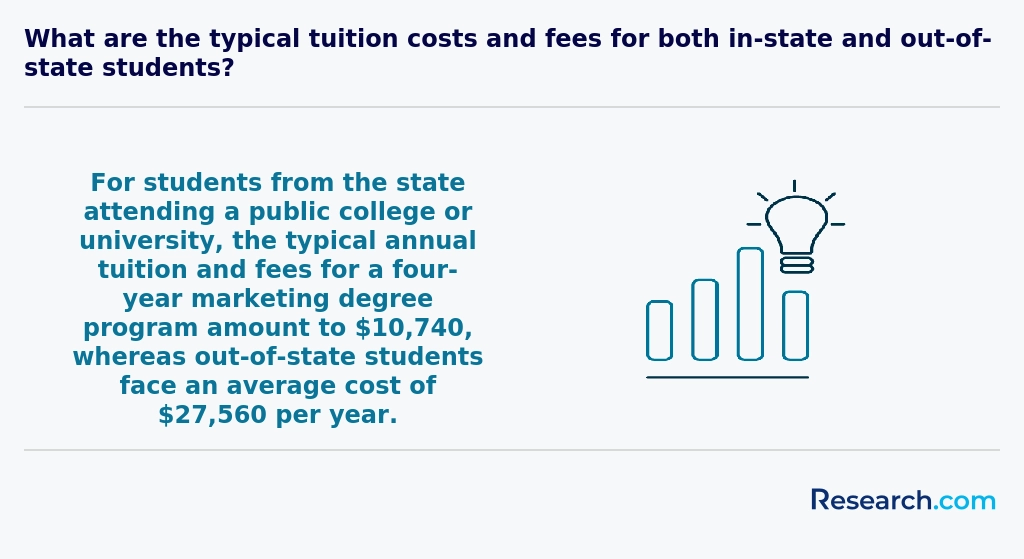
The average cost of earning a marketing degree in Massachusetts can vary quite a bit depending on the type of school you choose. For example, students at community colleges in the state usually pay much less, with tuition often around $6,000 to $8,000 per year. On the flip side, graduates from well-known universities like Boston University or Northeastern might spend closer to $50,000 a year, but many find the investment worth it due to the strong career networks and internship opportunities available.
Many marketing students rave about the hands-on experiences they get, like real internships with local startups or big companies right in Boston. These experiences often feel priceless and help justify the cost. Plus, schools often offer financial aid and scholarships which can make paying for your degree a lot less stressful. So even though the sticker price might seem high at first, many find the value and connections make it a smart choice for building a future in marketing right here in Massachusetts.
Where can I work with marketing degree in Massachusetts?
So, you're wondering where you can work with a marketing degree in Massachusetts? It's actually pretty exciting-graduates from schools like Boston University or UMass Amherst find a ton of options waiting for them right here. Imagine landing a job at a digital marketing agency in Boston, managing social media campaigns or boosting SEO for cool local startups. It's a fast-paced scene that keeps you on your toes and lets you get creative every day.
Another path grads love is jumping into marketing roles within healthcare companies around the Boston area. Hospitals and pharma firms are always looking for folks who can help them connect with patients and professionals. Plus, if you're into finance or education, companies and universities in the state need marketing pros to handle outreach and recruitment campaigns.
And don't forget nonprofits! Many graduates feel great working for causes they care about, helping those organizations tell their story and get community support. Whether it's tech, retail, or nonprofit work, Massachusetts really has a spot for every kind of marketing passion.
If you're thinking about what kind of paycheck to expect with a marketing degree in Massachusetts, here's the scoop. Graduates from places like Boston University or Northeastern often start in roles such as marketing assistants or digital marketing specialists, bringing in around $83,190 a year. That's a solid start, especially when you consider the lively Boston job market where companies are always hunting for fresh talent.
Some grads land gigs as public relations specialists and can see salaries jump up to about $159,420 annually-that's pretty awesome for a few years out of school! Even those stepping into media planner roles usually make around $83,190, which matches digital marketing specialist wages.
On the flip side, entry-level sales associates typically start lower, near $53,280. But that's still a nice cushion while you gain experience. Many grads mention how working in Boston's fast-paced business scene helps boost skills and income quicker than expected.
Overall, Massachusetts gives marketing grads a great blend of opportunity and reward, especially if you aim for those specialized marketing roles that pay more.
- Public universities in Massachusetts charge about $10,000 to $15,000 per year for in-state undergraduate marketing programs, while private schools can cost $35,000 to $50,000 annually.
- The average starting salary for marketing graduates in the state is around $50,000 per year, with mid-career salaries often exceeding $85,000.
- Marketing and sales jobs in Massachusetts are expected to grow by approximately 8% over the next decade, slightly above the national average.
- Many programs offer internships and cooperative education, giving students practical experience and networking opportunities within local businesses.
- The Boston area has a high concentration of companies needing marketing professionals, supporting strong job opportunities and career advancement options.
If you're wondering how long it takes to finish a marketing degree in Massachusetts, it mostly depends on the level you're aiming for. Typically, a bachelor's degree takes about four years if you're studying full-time, which is pretty standard at places like Boston University or Northeastern University. Many grads share how diving into campus life alongside classes made those years fly by.
Now, if you're starting with an associate degree at community colleges like MassBay or Bristol, expect around two years. Lots of folks love this route because it's a quicker path to either jump into a job or transfer credits to a four-year school.
For a master's degree, things get even more flexible. At universities in Massachusetts, you can wrap it up in one to two years, especially if you pick accelerated or part-time programs. Graduates who balanced work and studies often felt proud and energized by how they managed it all with some planning.
And don't forget-whether you're full-time or part-time, online or in-person, your personal pace and credit transfers can speed things up or stretch them out. It's all about finding what fits you best!
Collaborations between marketing degree programs in Massachusetts and leading industry partners play a pivotal role in bridging academic theory with real-world practice. Top institutions such as Boston University leverage relationships with Boston ad agencies and tech startups to offer semester-long internships, while Northeastern University’s renowned co-op program places students in paid roles at Fortune 500 firms and local nonprofits. These partnerships allow students to apply consumer behavior insights, digital marketing tactics, and brand management strategies on live campaigns, accelerating both skill acquisition and professional networking. Internships typically span 8–16 weeks and may include roles in digital marketing, market research, or integrated communications. For example, a Marketing Research Practicum at UMass Amherst pairs students with Cambridge market research firms to conduct data analysis projects that directly inform product development. Emerson College’s collaboration with Boston’s creative agencies offers portfolio-building opportunities in social media marketing and content creation, enhancing graduate employability. When evaluating programs, prospective students should assess the depth of employer connections, the diversity of internship placements, and the availability of credit-bearing experiential learning courses. While Massachusetts offers robust options, comparing costs and opportunities in other regions can provide valuable perspective-see our Low Cost Marketing Degree Programs Ranking in Washington, DC to explore affordable pathways with strong internship outcomes. By prioritizing programs with established industry partnerships, students not only gain hands-on experience but also secure a competitive edge in the dynamic marketing job market.
If you're thinking about a marketing degree in Massachusetts, the main difference between online and on-campus programs comes down to how you learn and connect. Online programs, like those at Boston University or Northeastern, let you study whenever and wherever you want, which is perfect if you're juggling work or family. Graduates often mention how this flexibility helped them stay motivated, even if it meant missing out on some in-person vibes.
On the flip side, if you're at UMass Amherst, the on-campus experience is all about face-to-face interactions. Students there love meeting professors and classmates in person, plus tapping into career services and local internships in Boston, which is buzzing with marketing agencies. This kind of networking can really boost your chances when looking for a job after graduation.
While the coursework is pretty much the same and both are accredited, those face-to-face moments make a big difference for many. Online is great if you want freedom; on-campus shines if you want that full college buzz and easy access to resources.
As the marketing landscape continues to evolve at a rapid pace, staying ahead of industry trends is essential for prospective students and current professionals alike. Looking forward, several emerging trends are set to redefine the future of marketing education and career opportunities in Massachusetts. For instance, the increasing integration of artificial intelligence and big data analytics is transforming how campaigns are developed and executed, making technical proficiency a key asset for graduates. Students should keep an eye on the rise of automation in digital advertising and personalized marketing strategies that leverage machine learning for more precise consumer targeting. This shift underscores the importance of selecting a program that not only covers traditional marketing fundamentals but also emphasizes cutting-edge digital tools and analytics skills. Courses and specialized workshops dedicated to these topics can provide a competitive edge in a crowded job market. Moreover, the global push for sustainability and ethical marketing practices is reshaping brand communications and consumer expectations. Graduates who understand how to incorporate environmental and social governance (ESG) into their marketing strategies will likely find themselves in high demand. Keeping aligned with these trends can be a differentiator when exploring career options, as businesses increasingly seek professionals capable of driving meaningful change. For those looking to balance education with cost-efficiency, programs at some of the cheapest marketing schools in massachusetts offer robust curricula that blend traditional marketing principles with modern technological advancements. Staying informed about these emerging trends and opportunities will not only enhance your academic journey but also prepare you to thrive in a dynamic and competitive industry.
When it comes to the average cost of marketing degree in Massachusetts, students often find that it varies quite a bit depending on where they study. For instance, graduates from public schools like the University of Massachusetts typically see total expenses around $47,000 if they qualify for in-state tuition. Out-of-state students usually pay more, but interestingly, the median total cost across the board hovers near $60,000. This makes sense given the mix of public and private options available in the state.
Private colleges, like Babson College or Boston University, tend to cost more, but many students feel the specialized marketing programs there offer a great return on investment. One recent graduate shared how the immersive classes and strong industry connections made every dollar worth it, even though tuition and living expenses added up faster than expected. Living costs in Massachusetts add a good chunk, so it's smart to factor those in to get a clear picture of total expenses for marketing programs Massachusetts students face.
If you're aiming to keep expenses manageable, you might want to check out the cheapest marketing schools in massachusetts. They offer solid programs with lower tuition that helped several grads avoid huge debt while still landing great jobs after school. Overall, budgeting for both tuition and living costs is key to making your marketing degree journey both rewarding and financially smooth.

Landing a marketing degree in Massachusetts? Great news - there's a bunch of financial aid to lighten the load. Take Boston University marketing grads, for example. Many started out by filling out the FAFSA to snag federal aid like Pell Grants, which don't have to be paid back and can cover up to $7,395 for the year. That's a big help when tuition can creep north of $50,000 at private schools.
State aid is another win. The MassGrant program supports Massachusetts residents attending local colleges, reducing the need for loans. Northeastern University marketing students often combine these grants with merit scholarships offered by their departments, rewarding strong academics or community leadership.
And it's not just school-based help. Professional groups like the American Marketing Association also toss out scholarships for marketing hopefuls. On top of that, lots of students tap into work-study gigs or marketing internships around Boston's bustling business scene - making money while building real skills feels pretty awesome.
To jump into a marketing degree program in Massachusetts, you'll usually need a high school diploma or something equivalent like a GED. Graduates from popular schools like UMass Amherst or Northeastern often mention that having a solid GPA-around 2.5 to 3.0-is a real confidence booster when applying. It shows colleges you're ready to handle college-level work, which can be a bit of a relief once you're in.
Some schools still ask for SAT or ACT scores, but many have gone test-optional lately, focusing more on your overall grades and readiness. For example, lots of students from Boston University appreciate how this opens doors without stressing over a test day.
You'll need to hand in official transcripts too, proving you've covered basics like English, math, and social sciences. Some programs, especially bachelor's ones, prefer you have taken prep courses in writing and quantitative reasoning. These help set you up for success, since marketing is all about clear communication and understanding numbers.
Community college paths in Massachusetts are a solid option too-many just ask for placement tests in English and math, making it easier to start.
If you're diving into a marketing degree in Massachusetts, you'll find yourself tackling courses that really hit the heart of what marketing is all about. Imagine starting with Principles of Marketing-it's like getting the blueprint for how brands catch your eye and keep your attention. Students at schools like Boston University often say this class helped them see the bigger picture of marketing strategies in action.
Then there's Consumer Behavior, which gets into why people buy what they do. You'll look at real-world examples, like figuring out why your favorite sneaker brand is always sold out. Marketing grads from UMass Amherst share how this course helped them understand customer choices-something you'll use every day in the business world.
Other must-have classes include Marketing Research, where you learn how to gather and study data (think surveys or social media trends), plus Advertising and Promotion, perfect for dreaming up campaigns that actually grab people's attention. Digital Marketing is huge too-covering everything from social media ads to SEO tactics, which Boston College grads say gave them a serious edge during internships.
Bonus? You'll also get some solid business basics like accounting and economics, so you're not just creative but smart with numbers and strategy. Overall, it's a blend that makes you ready for the fast-paced marketing world right here in Massachusetts-and beyond.
If you're looking into marketing degree specializations in Massachusetts, you'll find loads of cool options to match whatever vibe you're going for. Graduates from universities around Boston often rave about digital marketing-stuff like SEO, content creation, and social media management that's super hot right now. It's perfect if you want to dive into the fast-growing world of online branding.
Others swear by brand management, where you get to really shape how companies stand out, which is huge given Massachusetts's strong tech and healthcare scenes. Plus, advertising and promotion programs give you the chance to get creative with campaign strategies, and thanks to heaps of advertising agencies nearby, internships here feel like real-world adventures.
Some folks focus on market research and analytics, crunching data to help businesses make smarter moves-something that fits right into the state's innovative tech culture. There are also paths like international marketing and sales management, which open doors to global and customer-focused careers. If you're curious about whether is getting mba in marketing easy, exploring these specializations across Massachusetts marketing programs with specialization options is a great start.
Picking the best marketing degree programs Massachusetts has to offer means thinking about what really matters to you. For many grads from schools like Boston University, the quality of the curriculum made all the difference-courses in digital marketing and data analytics gave them hands-on skills they actually use day to day. Plus, those students often rave about how professors with real industry experience helped them land internships in Boston's buzzing marketing scene.
Another thing to keep in mind is cost. If you're looking for affordable marketing colleges in Massachusetts, there are options that won't break the bank, and finding scholarships or financial aid can really lighten the load. Some students also found that flexible program formats, like part-time or online classes at Northeastern, made juggling work and study totally doable.
If budget is a big concern, checking out the Low Cost Marketing Degree Programs Ranking in Washington, DC can inspire how to find value. With all this in mind, you'll be set to choose a marketing degree that fits your life and career goals perfectly.
If you're diving into a marketing degree in Massachusetts, you'll find tons of career paths waiting for you. Graduates from popular schools around Boston often land roles as marketing coordinators or managers, where they get to dream up campaigns and keep a close eye on market trends. These jobs pay really well, with marketing managers in the state pulling in a median annual wage around $129,000. It's exciting for grads who want to jump right in and make an impact.
For those interested in the digital side, the tech hubs in Boston and Cambridge are buzzing with social media manager and SEO specialist roles. Many graduates enjoy these chances to combine creativity with data, exploring areas like content creation and audience engagement. This growing demand definitely opens doors for marketing career opportunities in Massachusetts that feel fresh and innovative.
Others have found their stride in market research analysis, interpreting data to help companies understand consumer habits. This field is growing faster than average and offers solid pay. Plus, if you want to boost your qualifications quickly, some grads look into a one year online masters degree to sharpen their skills and stand out.
There are also options in brand management, sales, public relations, and advertising. Many marketing degree holders Massachusetts connect with the state's booming healthcare and biotech sectors, taking on roles that blend marketing with science and innovation. It's a great way to feel like you're truly making a difference while enjoying a solid career.
The job market for marketing degree holders in Massachusetts is pretty exciting right now. Graduates from well-known schools in Boston and Cambridge often find themselves with solid job offers soon after finishing their degrees. The demand for marketing pros who know digital marketing, data analysis, and brand strategy is booming in industries like tech and healthcare. For many marketing graduates, especially those from local universities, landing a marketing coordinator or digital marketing manager role feels within reach thanks to the state's thriving economy.
If you're curious about employment opportunities for marketing graduates Massachusetts has plenty of them, especially around Boston-Cambridge where thousands of marketing specialists work. You'll often hear stories of grads scoring internships or entry-level gigs through local networking events or campus connections, which really help them get their foot in the door.
With tuition costs ranging widely between public and private colleges, many students wonder if the investment is worth it. Fortunately, starting salaries around $50,000 to $60,000 and an average marketing manager salary over $120,000 make it feel like a smart bet. For a clearer idea on academic options, check out what are the easiest bachelor degrees to get.
2027 Most Valuable Marketing Degree Programs Ranking in Massachusetts
Investing in your education is a significant decision that can shape your future, and the Research.com team is fully aware of the challenges involved in making such a choice. To support prospective students interested in marketing, we have carefully developed the "2027 Most Valuable Marketing Degree Programs Ranking in Massachusetts." Our dedication to quality, credibility, and accuracy is demonstrated through rigorous research and analysis.
We utilized the following reputable data sources to ensure a comprehensive evaluation of marketing degree programs:
By reviewing this ranking, readers will gain valuable insights into the most valuable marketing programs in Massachusetts, enabling them to make well-informed decisions about their educational journey. For more details on our methodology, please visit our Research.com methodology page.


Frequently Asked Questions About marketing
Marketing degree students in Massachusetts can enhance their learning by engaging with the state's robust business environment. Massachusetts hosts numerous Fortune 500 companies and startups, providing ample internship and networking opportunities. According to the Massachusetts Executive Office of Labor and Workforce Development, the state's marketing and advertising sector employs over 20,000 professionals, highlighting strong local demand.
Students should leverage cooperative education programs offered by universities, which combine classroom learning with work experience. Participating in industry conferences and joining student marketing organizations can deepen practical skills. Complementing coursework with data analytics and digital marketing certifications also aligns with current industry trends in Massachusetts.
The marketing field in Massachusetts is evolving rapidly, with several emerging niches gaining importance. One key area is digital marketing analytics, where professionals use data to shape targeted campaigns. This niche is crucial as Massachusetts businesses increasingly rely on data-driven decisions, supported by the tech hubs in Boston and Cambridge.
Another growing field is content marketing focused on sustainability. Companies here are responding to consumer demand for eco-friendly products, making green marketing strategies essential. Social media influencer marketing also continues to expand, fueled by trends in local startups and biotech firms.
According to the Massachusetts Technology Collaborative, marketing roles involved in AI-driven customer insights have grown by over 20% since 2020, reflecting the integration of advanced technologies in marketing strategies.
Preparing for the job market after completing a marketing degree in Massachusetts requires strategic planning and practical experience. Graduates should focus on building a strong portfolio that showcases their skills in digital marketing, data analysis, and content creation. Internships play a crucial role; Massachusetts offers numerous opportunities in Boston's thriving marketing sector, with employers valuing hands-on experience.
Networking is essential. Joining local professional groups like the American Marketing Association Massachusetts Chapter helps connect graduates with industry professionals. According to the Bureau of Labor Statistics, Massachusetts had a 4.3% annual growth in marketing-related jobs between 2019 and 2029, highlighting strong regional demand.
Additionally, staying updated on marketing technologies and certifications, such as Google Analytics and HubSpot, can enhance employability.
Employers in Massachusetts highly value marketing degree graduates with strong analytical skills. According to the Massachusetts Department of Unemployment Assistance, data-driven decision making is essential in the state's competitive marketing sector. Graduates who can interpret consumer data and apply insights effectively stand out. Communication skills are also critical, especially the ability to craft clear messaging for diverse audiences.
Digital marketing expertise is increasingly demanded, as 78% of local businesses prioritize social media and SEO knowledge, per a 2023 industry survey by the Massachusetts Marketing Association. Additionally, creativity and adaptability remain top traits employers seek, enabling graduates to innovate in fast-changing markets.
Finding internships in Massachusetts relevant to a marketing degree involves leveraging several local resources and networks. Many universities in Massachusetts offer career centers that connect students with marketing internships through job fairs and online platforms. According to the Massachusetts Department of Higher Education, nearly 70% of students complete internships before graduation, which significantly boosts employability.
In addition to campus resources, Boston and Cambridge host numerous marketing agencies and tech companies offering paid internships. Websites like Handshake and the Massachusetts Workforce Board are excellent for locating opportunities. Networking through professional organizations such as the American Marketing Association Boston chapter also provides access to exclusive internships and events.
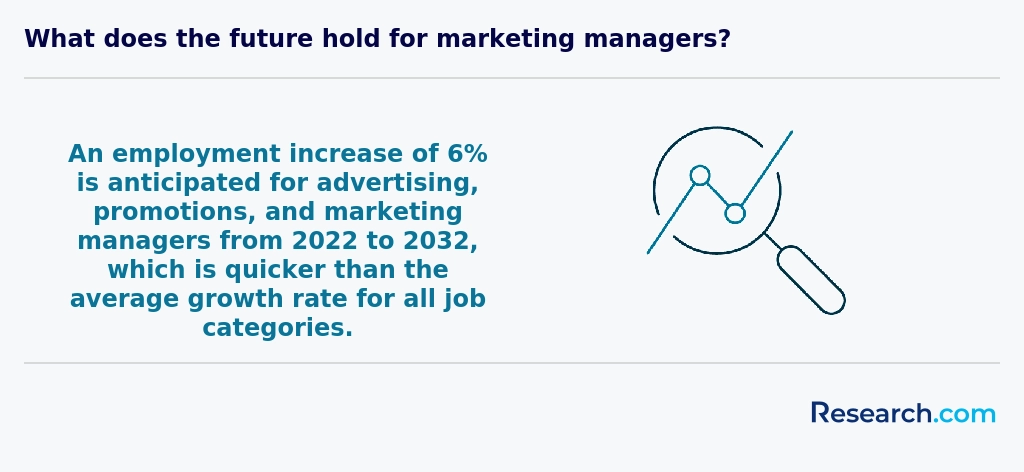
A marketing degree significantly enhances career mobility and advancement opportunities in Massachusetts. According to the Massachusetts Executive Office of Labor and Workforce Development, marketing-related occupations are projected to grow by 8% from 2022 to 2032, reflecting steady demand. Graduates with a marketing degree gain skills in digital marketing, analytics, and consumer behavior, which are highly valued across industries such as technology, finance, and healthcare-dominant sectors in Massachusetts.
Employers in the Boston metropolitan area often prioritize candidates with formal marketing education for roles in brand management, market research, and advertising. A relevant degree can lead to faster promotion into management positions and increases average starting salaries by 15% to 20% compared to candidates without a degree, according to data from the National Association of Colleges and Employers.
Furthermore, networking opportunities connected to Massachusetts' numerous universities and business hubs provide graduates with access to internships and mentorships that support career growth and transition into specialized marketing fields.
Studying for a marketing degree in Massachusetts offers a unique interdisciplinary approach, blending business fundamentals with skills from areas like data analytics, communications, and technology. Many Massachusetts institutions incorporate courses that emphasize digital marketing, consumer behavior, and market research, preparing students to work across departments.
Massachusetts is a hub for diverse industries such as technology, healthcare, and finance, creating opportunities for marketing graduates to apply their knowledge in various fields. According to the Massachusetts Department of Higher Education, over 65% of marketing programs include cross-disciplinary projects, enhancing adaptability.
This integrated training equips students to collaborate with professionals in IT, design, and management, making them valuable assets in today's complex business environments.
When choosing between a thesis and a non-thesis marketing degree program in Massachusetts, consider your career goals first. Thesis programs focus on research, ideal for students planning to pursue a PhD or roles in academic and analytical fields. Non-thesis programs emphasize practical skills and coursework, suited for immediate entry into marketing professions.
Thesis options usually require more time, sometimes up to two years, and demand strong research and writing skills. Conversely, non-thesis tracks often allow faster completion, which can be beneficial for working professionals.
According to the National Center for Education Statistics, nearly 60% of graduate marketing students in Massachusetts choose non-thesis options, reflecting the region's strong business and tech industries where applied skills are prioritized. Knowing regional industry needs and your academic strengths can guide your choice effectively.
Students in Massachusetts seeking to study marketing abroad have several pathways supported by their home institutions. Many universities in Massachusetts, such as Boston University and Northeastern University, offer exchange programs with partner schools across Europe and Asia. These programs typically allow marketing students to earn credits overseas, enriching their global business perspective.
Additionally, some schools participate in faculty-led short-term study abroad trips focused on international marketing strategies. The Global Education Benchmark Survey (2023) noted that Massachusetts ranks among the top five states for students studying abroad, with over 20% participating in business-related programs.
Financial aid and scholarships are often available to Massachusetts students pursuing marketing degrees abroad, making international study more accessible. Exploring these options can provide valuable cross-cultural experience essential in today's marketing careers.
Part-time job opportunities in Massachusetts that complement marketing degree education are diverse and abundant. Many students find roles in digital marketing agencies located in Boston, where the industry has grown by over 12% since 2020, according to the Massachusetts Technology Collaborative.
Positions such as social media coordinator, content creator, or marketing assistant offer hands-on experience aligned with academic theory. Internships and part-time roles at local start-ups and nonprofits provide valuable insights into market research and consumer behavior.
Moreover, retail marketing and event promotion jobs help develop skills in customer engagement and advertising strategies, critical for a marketing career. These opportunities allow students to build portfolios while studying.
Marketing students in Massachusetts benefit from a wealth of networking opportunities due to the state's strong business and academic environment. Universities like Boston University and Northeastern University offer active marketing clubs and alumni networks that connect students with industry professionals. The Massachusetts Technology Leadership Council and the American Marketing Association's Boston chapter host regular events, workshops, and conferences helping students build contacts in the local marketing industry.
Massachusetts is home to many Fortune 500 companies, especially in the Greater Boston area, providing internships and job fairs that are ideal for networking. According to the Massachusetts Executive Office of Labor and Workforce Development, marketing jobs in the state are projected to grow by 8% through 2028, increasing chances for students to meet future employers during career events.
Alumni networks play a significant role in supporting marketing degree students in Massachusetts. These networks connect current students with graduates working in various marketing fields, offering valuable mentorship opportunities that can guide career choices. According to the Massachusetts Department of Higher Education, schools with strong alumni networks often report higher job placement rates for marketing graduates.
Students benefit from exclusive events, workshops, and internship leads shared by alumni, which enhance practical learning beyond the classroom. Additionally, these connections can open doors to companies in Massachusetts's robust marketing industry, including firms in Boston's thriving tech and advertising sectors.
Research from the Career Advisory Board at Boston University highlights that 78% of marketing students found jobs through alumni referrals, underscoring the network's importance in career advancement.
Customizing a marketing degree program in Massachusetts allows students to align their education with specific career goals. Many universities offer flexible curricula, enabling students to choose electives in areas such as digital marketing, consumer analytics, or brand management. Internship opportunities with local companies in Boston's thriving marketing sector help gain practical experience and network. Additionally, some programs provide access to capstone projects or research collaborations that address real-world business challenges. According to the Massachusetts Department of Higher Education, nearly 70% of marketing students engage in internships, which significantly improve job placement rates. This hands-on approach strengthens skills vital for success in competitive marketing roles.
Marketing students in Massachusetts often face the challenge of balancing theory with practical experience. While many institutions offer solid academic programs, students must seek internships or real-world projects to stand out in a competitive job market. According to the Boston Business Journal, internship placements in marketing fields remain limited compared to demand, which heightens competition among students.
Another common difficulty is keeping pace with rapidly evolving digital marketing tools. Coursework may not always reflect the latest trends in social media advertising and data analytics, requiring students to pursue additional certifications independently.
Lastly, tuition costs in Massachusetts tend to be higher than the national average, making financial pressure a significant concern for many marketing students, as noted by the College Board.
With a marketing degree in Massachusetts, you can pursue various professional certifications to enhance your skills and career prospects. Popular options include the Certified Marketing Professional (CMP) and the Digital Marketing Institute's Certified Digital Marketing Professional. These certifications are recognized nationally and often respected by Massachusetts employers, especially in Boston's competitive marketing sector.
Another common certification is the American Marketing Association's Professional Certified Marketer (PCM), focusing on marketing management and data analysis. Additionally, certifications in Google Ads and Analytics are valuable for digital marketing roles, with many Massachusetts companies seeking expertise in online advertising.
According to the Bureau of Labor Statistics, marketing certifications can increase job opportunities and salary potential by up to 15% in the region.
Applying to a marketing program in Massachusetts requires a clear focus on both academic achievements and relevant experience. Most programs look for a strong GPA, typically above 3.0, backed by coursework in business, economics, or communications. Including specific examples of leadership or marketing internships can boost your profile.
Highlight your understanding of the local market, given Massachusetts' dynamic business environment, which the U.S. Bureau of Labor Statistics notes as having one of the highest concentrations of marketing jobs nationwide. Tailoring your personal statement to reflect awareness of regional industries like biotechnology and finance strengthens your application.
Proofreading your essays and securing strong letters of recommendation from educators or professionals familiar with your marketing skills are crucial. Demonstrating digital proficiency, such as familiarity with social media campaigns or analytics tools, is increasingly important in today's marketing landscape.
Marketing careers increasingly demand a global mindset as businesses in Massachusetts expand internationally. According to the U.S. Bureau of Labor Statistics, marketing managers are expected to grow 10% nationally from 2022 to 2032, reflecting broad demand that includes roles focused on global markets. Many Massachusetts marketing programs emphasize global strategies, helping students understand cultural differences and international consumer behavior.
Massachusetts benefits from its diverse economy, with strong ties to tech, healthcare, and education sectors that operate worldwide. This creates opportunities for marketing graduates to work in global campaigns and cross-border e-commerce. Professional organizations like the American Marketing Association Massachusetts Chapter provide networking and insights on worldwide trends.
Understanding digital marketing platforms used internationally and data privacy laws such as GDPR is also critical for careers in marketing today. Graduates equipped with global awareness and analytical skills are well-positioned to navigate the evolving international marketing landscape.
Gaining practical experience during a marketing degree in Massachusetts is essential for preparing students for the competitive job market. Many universities in the state encourage internships with local businesses, nonprofit organizations, and marketing firms. According to the Massachusetts Department of Higher Education, approximately 70% of marketing students participate in internships before graduation, helping them develop real-world skills.
Additionally, students can join campus marketing clubs or participate in case competitions, often sponsored by regional companies. Some institutions also offer cooperative education (co-op) programs, which combine academic study with paid work experience. These opportunities provide insight into current marketing trends in Massachusetts' dynamic economy, especially within Boston's robust tech and healthcare sectors.
Choosing the right concentration within a marketing degree program in Massachusetts involves evaluating your career goals and the strengths of local industries. Concentrations such as digital marketing, market research, or brand management align with Massachusetts's robust tech and healthcare sectors, which employ over 50,000 marketing professionals statewide, according to the Massachusetts Executive Office of Labor and Workforce Development (Mass.gov, 2023).
Consider programs offering practical experiences like internships with Boston's startups or established companies, as these enhance job prospects. Reviewing labor market data from the U.S. Bureau of Labor Statistics can also help identify high-demand specialties. Additionally, weigh the faculty expertise and course flexibility to match your learning style and interests.
- 2027 Most Valuable Marketing Degree Programs Ranking in Connecticut
- 2027 Most Valuable Marketing Degree Programs Ranking in New Hampshire
- 2027 Most Valuable Marketing Degree Programs Ranking in Maine
- 2027 Most Valuable Marketing Degree Programs Ranking in Maryland
- 2027 Most Valuable Marketing Degree Programs Ranking in Indiana
- 2027 Most Valuable Marketing Degree Programs Ranking in Georgia
- 2027 Most Valuable Marketing Degree Programs Ranking in Illinois
- 2027 Most Valuable Marketing Degree Programs Ranking in Florida
- 2027 Most Valuable Marketing Degree Programs Ranking in Alabama
- 2027 Most Valuable Marketing Degree Programs Ranking in Missouri
See What Experts Have To Say About Studying Marketing
Read our interview with Marketing experts

Sonya A. Grier, Ph.D.
Marketing Expert
Professor, Department of Marketing
American University

John R. Meindl
Marketing Expert
Adjunct Assistant Professor of Marketing
Hofstra University

- Admissions & Financial Aid - Massachusetts Association of Community Colleges https://masscc.org/financial-aid-resources/
- Business and Marketing Programs https://www.isepstudyabroad.org/programs/by-field-of-study/business-and-marketing-programs
- Women in marketing: Career growth through education | Esade https://www.esade.edu/beyond/en/women-marketing/
- Marketing Major | Kozminski University https://www.kozminski.edu.pl/en/marketing-major
- What Are Market Niches? Includes Benefits And Expert Insights https://seekmarketingpartners.com/digital-marketing-blog/what-are-market-niches/
- What is a niche market? Types and 26 untapped niches https://clientify.com/en/blog/marketing/what-is-a-niche-market-types-and-examples
- Marketing Manager Salaries State-by-State https://www.allbusinessschools.com/marketing/salary/
- Marketing Associate Degree - NECC https://necc.edu/academics/credit-programs/business/marketing-associate-degree/
- How Niches Provide New Growth Opportunities for Business https://visionedgemarketing.com/niche-marketing-provides-new-growth-opportunities/
- BS in Digital Marketing https://www.umassglobal.edu/academic-programs/bs-digital-marketing