2027 Most Popular Marketing Degree Programs Ranking in the West

Co-Founder and Chief Data Scientist
Choosing the right marketing degree can shape your future career and open exciting opportunities across the West. This article presents the 2027 Most Popular Marketing Degree Programs Ranking in the West, carefully crafted by the Research.com team of data scientists to guide you through your options.
By exploring this ranking, you'll gain valuable insights to help identify programs that align with your goals and interests. A marketing degree offers strong potential for growth, creativity, and connection in a dynamic industry made for those eager to make an impact.
Key benefits of getting marketing degree in the West
- Marketing degree graduates in the West can expect strong earning potential, with jobs like Public Relations Specialist averaging $159,420 annually and Marketing Assistants earning about $83,190 per year.
- Career paths are diverse; a graduate from a well-known Western university may work as a Digital Marketing Specialist, Media Planner, or Sales Associate, opening doors to exciting roles in advertising, communications, and sales.
- Online marketing degrees offer flexibility and convenience, allowing graduates from respected universities in the West to balance work and study while gaining valuable skills that employers highly value in today's digital world.
- 2027 Most Popular Marketing Degree Programs Ranking in the West
- What can I expect from marketing degree in the West?
- Where can I work with marketing degree in the West?
What can I expect from marketing degree in the West?
The average cost of earning a marketing degree in the Western United States varies widely, but you can generally expect tuition to range between $25,000 and $60,000 per year at popular institutions. Graduates from universities in California, Oregon, and Washington often share how investing in these programs felt worthwhile, as their education combined rigorous coursework with real-world experiences like internships with Silicon Valley startups.
One former student recalled how courses in digital marketing and data analysis at a West Coast university empowered them to develop skills that employers in tech and entertainment actively seek. This practical focus reflects a trend across Western programs, where education closely aligns with the dynamic digital economy around you.
In addition to tuition, budgeting for living expenses near urban hubs like Los Angeles or Seattle is key. However, many students find scholarships and assistantships help offset costs, making studying marketing in the West an attainable dream with profound career rewards.
Where can I work with marketing degree in the West?
Graduates with marketing degrees from universities like the University of Southern California or the University of Washington find themselves stepping into a world rich with opportunity across the Western United States. Imagine launching a career in the bustling tech hubs of San Francisco or Seattle, where companies like Apple and Google actively seek marketing talents skilled in data analysis and digital branding. Many graduates share stories of joining dynamic teams that shape product launches and online campaigns, environments that foster creativity and strategic thinking.
Others have thrived in Los Angeles's vibrant entertainment scene, working in marketing roles for film and music industries where innovation meets excitement every day. Nonprofit organizations in cities like Portland also offer rewarding paths, allowing graduates to harness creativity and communication skills to drive community impact.
Retail giants and e-commerce players in the West, such as Nordstrom, provide yet another career avenue, emphasizing customer experience and digital trends. For those drawn to variety, marketing consultancies in Seattle and Portland present opportunities to craft campaigns across diverse industries, making every project a new adventure.
Graduates with a marketing degree in the Western U.S., including those from well-known schools like the University of California or Oregon State University, can anticipate starting salaries that are both competitive and promising. For instance, a Marketing Assistant typically earns a mean annual wage of around $83,190, providing a strong foundation early in your career.
Those aiming to specialize might find roles such as Digital Marketing Specialists or Media Planners equally rewarding, both averaging about $83,190 per year. These positions often align well with the skills developed through hands-on projects or internships at tech startups in cities like Seattle or San Francisco.
Graduates who pursue paths in Public Relations can see notably higher wages, with specialist roles averaging an impressive $159,420 annually. This reflects the high demand for communication expertise in industries thriving across the West, from entertainment in California to health tech in Washington.
Even Sales Associate roles, common early career opportunities for marketing grads, offer respectable mean yearly earnings of about $53,280, perfect for building client relationship skills. Embracing these roles with enthusiasm and continuous learning can lead to rapid salary growth in this vibrant region.
- Tuition at public universities in the Western US ranges from $8,000 to $15,000 per year for in-state students and can exceed $25,000 for out-of-state students.
- Private schools in the region charge between $30,000 and $50,000 annually for a marketing degree.
- Starting salaries for marketing graduates in major cities like Los Angeles and Seattle usually range from $50,000 to $60,000 per year.
- Experienced marketing professionals with 5 to 10 years in the field can earn between $80,000 and $100,000 or more, especially with skills in digital marketing and brand management.
- Employment for marketing specialists and market research analysts is expected to grow by about 10% from 2022 to 2032, faster than the average for all jobs.
- Internships and networking in major Western cities are important for securing entry-level marketing positions after graduation.
Completing a marketing degree in the West usually fits within a clear and manageable timeline, giving you a strong roadmap toward your career goals. Most students pursuing a bachelor's degree at well-known universities like the University of California or Arizona State University find themselves immersed in four years of engaging coursework. These years are packed with both foundational classes and hands-on marketing projects that prepare you for the industry.
Many graduates recall balancing vibrant campus life with internships that help bring theory to life, making these four years both challenging and thrilling. If you choose an associate degree at a community college, expect around two years to build a solid foundation that can later transfer to a bachelor's program. For those aiming higher, adding a master's degree in marketing typically extends your study by one to two years, often offering flexible formats easing the journey, especially for those juggling work and study.
Part-time or online learners at Western institutions take pride in customizing their pace, reflecting the adaptable spirit of modern education in marketing. This personal control often leads to deeper satisfaction and real-world readiness, making your effort truly worthwhile.
Marketing degree programs in the West distinguish themselves through robust industry partnerships that translate classroom theory into real-world successes. Many universities collaborate with leading brands, advertising agencies, and tech startups to offer students live case studies, client-based projects, and exclusive internship placements. For example, a capstone project at a California institution might pair students with a regional wine producer to design a comprehensive digital campaign-allowing students to refine their strategic thinking and analytics skills under professional guidance. Beyond traditional internships, experiential learning often takes the form of co-op programs, industry-sponsored workshops, and mentorship initiatives. These opportunities not only boost practical competence but also foster valuable professional networks. Students investigating career paths with business marketing degree frequently cite these partnerships as pivotal in securing roles upon graduation, thanks to direct referrals and portfolio-ready deliverables. Faculty members, many of whom maintain active consulting roles, bring current market trends into the curriculum, ensuring hands-on projects mirror industry expectations-be it developing a social media launch strategy for a new app or conducting A/B testing for local retailers. Regular feedback from corporate partners and guest speakers further elevates learning outcomes, enabling students to iterate on campaigns with real stakes and measurable KPIs. By integrating industry collaboration into every stage of the program, Western marketing degrees equip graduates with not only the technical know-how but also the adaptability and professional confidence needed to excel in today’s dynamic marketing landscape.
Choosing between online and on-campus marketing degrees in the West often comes down to how you want to experience your education. Graduates from local institutions like the University of Washington cherish the face-to-face interaction, where brainstorming in a campus marketing lab or attending industry guest lectures sparked their creativity and deepened connections. This traditional setting also gave them direct access to internships through campus career services, making networking tangible and exciting.
On the other hand, online graduates from schools such as Arizona State University emphasize the freedom to tailor their schedule around work or family. Their courses included video lectures and virtual team projects that mimicked real-world collaboration, empowering them to learn at their own pace. Affordable tuition, ranging roughly from $10,000 to $25,000 annually in the West, made this pathway manageable without sacrificing quality.
Both paths cultivate skills and opportunities, but whether you value in-person energy or flexible pacing, your journey in marketing can truly thrive in the Western region's diverse landscape.
Understanding the true value of a marketing degree requires more than comparing tuition rates; it demands an analysis of lifetime earnings, payback period, and long-term career growth. On average, in-state students invest roughly $42,960 over four years, while out-of-state students may pay up to $110,240. Against this backdrop, entry-level Marketing Assistants earn a mean annual wage of $78,880, recouping their investment in under one year. Graduates advancing to roles such as Public Relations Specialist, with a mean salary of $150,030, can expect a payback period of less than one year after graduation. To optimize ROI, prospective students should weigh program cost against outcomes like job placement rates, average starting salaries, and alumni network strength. Institutions offering robust career services-such as resume workshops, mock interviews, and industry fairs-often report higher graduate employment within six months of commencement. Internships embedded in the curriculum further accelerate ROI by providing real-world experience and professional connections. For those balancing affordability and quality, consider programs highlighted in our Affordable Online Bachelor's in Marketing Degree Programs Ranking in Illinois. These online offerings deliver comparable academic rigor and career support at a fraction of the cost, reducing both debt and time to degree completion. Key factors influencing ROI include:
- Average time to recoup tuition through first-year salary
- Long-term median earnings growth (5- and 10-year post-graduation)
- Institutional partnerships with employers for paid internships
- Availability of accelerated or dual-degree options to enter the workforce sooner By conducting an ROI assessment-factoring in net cost, career services, and salary trajectories-students can make data-driven decisions that align educational investment with professional rewards.
The average cost of a marketing degree in the West generally centers around $13,000 for in-state students, reflecting a manageable investment when compared to out-of-state or private university tuition. Graduates from well-known Western universities often recall balancing a tuition cost around this figure while thriving in dynamic class environments and hands-on projects. Many students pursuing marketing in the region find that the average cost of marketing degree in the West can feel more achievable thanks to targeted scholarships and financial aid options.
Private institutions and out-of-state tuition typically push total expenses closer to $49,000, yet many marketing students embrace this challenge, inspired by access to cutting-edge digital marketing courses and analytics specializations. These experiences often prepare graduates for successful careers in vibrant markets like San Francisco and Seattle. The key to managing these expenses is planning carefully-considering factors like living costs, textbooks, and fees that can add up fast if not budgeted.
Community colleges and transfer programs also provide a promising path due to their lower tuition rates. Many prospective marketers start here to save money before transferring to a four-year university, making the marketing degree tuition and fees West 2027 outlook more flexible and tailored.
For those interested in accelerated learning options, exploring the fastest online marketing school in colorado can be an effective way to save time and money while remaining competitive in the field.
In today’s rapidly evolving marketing landscape, academic programs are increasingly integrating new technologies and innovative strategies to prepare students for future challenges. Institutions are now emphasizing data analytics, AI-driven insights, and omni-channel marketing approaches that mirror real-world business dynamics. This trend not only modernizes the curriculum but also directly boosts career readiness by aligning coursework with the demands of a tech-savvy job market. Students are encouraged to engage in experiential learning projects and industry collaborations, which provide hands-on experience with emerging tools and platforms. As companies continue to adapt to digital transformation, graduates who have embraced these trends are better positioned to secure competitive roles across diverse sectors. Whether it’s developing dynamic social media strategies or navigating the complexities of consumer data, the integration of cutting-edge technologies into marketing education is a crucial differentiator. For those seeking programs that lead the charge in innovation, exploring options like the fastest online marketing school in colorado can offer a forward-thinking approach that matches industry pace and delivers long-term career advantages.
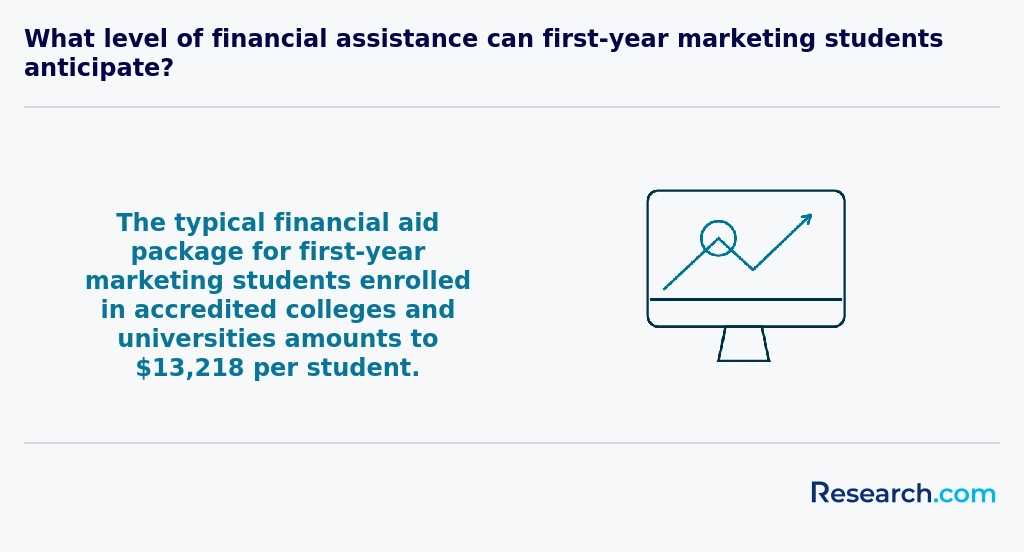
If you're aiming for a marketing degree in the West, there's a variety of financial aid tailored to lighten the load. Graduates from universities like the University of Washington or San Diego State often talk about tapping into federal aid through FAFSA, unlocking Pell Grants that can offer thousands yearly-sometimes up to $7,395 based on need. This help often keeps their focus on studies, not just finances.
State programs add another layer of support. Take California's Cal Grant-many marketing students there have seen it cover their tuition fully at state schools, turning what seemed like a mountain of expense into a reachable goal. Washington's State Need Grant is another gem reducing costs substantially for those who qualify.
Merit-based scholarships also empower students. Many Western universities award generous scholarships to savvy marketing minds, sometimes covering nearly half the tuition. Plus, professional groups like the American Marketing Association fuel scholarships that celebrate innovation and diversity, giving students encouragement alongside financial aid.
Internships with stipends are golden opportunities, too. Students earning while learning in marketing firms gain invaluable experience and support their education simultaneously, making their journey both practical and inspiring.
Understanding these avenues early helps you confidently navigate your path-securing aid that's both practical and motivating as you build your future in marketing.
To begin your journey toward a marketing degree in the West, you'll first need a high school diploma or equivalent, showcasing strong academics particularly in English, mathematics, and social sciences. Many graduates from well-known universities in California and Washington recall how their solid foundation in these subjects helped them grasp complex marketing concepts with ease. For instance, mastering communication skills made presenting market research projects more natural and impactful.
Standardized test scores like the SAT or ACT are still commonly required, though many schools now offer flexibility with test-optional policies. Graduates often share that focusing on relevant coursework and practical experiences positioned them better than just test scores alone. If you're aiming for a graduate marketing program, the bar rises: a bachelor's degree in business or a related field plus work experience can significantly boost your application.
Top programs in Oregon and California emphasize analytical abilities tested through GRE or GMAT exams. You'll also find that strong personal statements and recommendation letters vividly demonstrate your passion and potential, making your application memorable among a crowd of ambitious candidates eager to innovate in digital marketing landscapes.
When pursuing a marketing degree in the West, you'll dive into courses that build both your foundational knowledge and practical skills. Graduates from well-known universities often mention how Principles of Marketing gave them a clear understanding of essential concepts, making it easier to navigate complex strategies later on. Picture yourself analyzing customer decisions in a Consumer Behavior class, just like many students in Seattle do, where they connect theories to real tech-driven marketplaces.
Marketing Research stands out as another cornerstone, teaching you how to collect and interpret data-a skill highly valued by employers in dynamic West Coast markets. Digital Marketing is a must-have course now; from mastering SEO tactics to creating compelling social media campaigns, many students at top colleges like those around San Francisco thrive by practicing these skills firsthand.
Adding Advertising and Promotion or Sales Management classes can feel exciting, as you work on projects simulating real advertising campaigns or sales strategies. The blend of analytical and creative courses prepares you thoroughly for the competitive marketing world in the West.
Students pursuing marketing degrees in the West often choose from a variety of specializations that reflect the dynamic nature of this region's industries. Programs at universities in California, Washington, and Oregon offer concentrations like Digital Marketing, where graduates develop hands-on skills in SEO and social media campaigns, preparing them to thrive in tech-driven markets such as Silicon Valley. Others focus on Market Research and Analytics, gaining expertise in data interpretation and consumer insights, a valuable skill set for roles demanding precision and strategy. Brand Management and Advertising specializations allow students to creatively shape brand identities and craft compelling campaigns, experiences often enriched by real projects at well-known colleges in the West.
Many graduates find that Sales and Business Development specializations sharpen their negotiation and client management abilities, essential for thriving in fast-paced Western business environments. Notably, International Marketing prepares students to navigate global trade opportunities common in this region. Exploring these key concentrations within West region marketing program concentrations positions you well for success. Discover more about promising career paths with business marketing degree tailored to your goals.
Choosing the best marketing degree programs in the West means focusing on programs that blend solid academic foundations with real-world applications. Graduates from popular institutions near tech hubs like San Francisco or Seattle often recall how their internships with startups or major firms gave them hands-on experience that textbooks alone couldn't provide. Look for degrees that emphasize digital marketing, data analytics, and consumer behavior, so you gain relevant skills aligned with the dynamic job market in states like California and Oregon.
Cost is a practical concern, especially for Western students weighing public versus private options. Many find value in schools offering Affordable Online Bachelor's in Marketing Degree Programs Ranking in Illinois which can also apply to their budgeting strategy out West, helping them avoid overwhelming debt. Don't overlook accreditation and career placement services-factors graduates credit with boosting their confidence and network upon entering the workforce.
Flexibility also matters. Working professionals pursuing affordable marketing degrees western region options can benefit from part-time or hybrid formats that fit busy schedules yet maintain quality. Choosing programs near metropolitan areas often means stronger industry ties and higher job placement rates, setting students up for success in vibrant Western markets.

Graduates with a marketing degree in the Western United States find themselves at the heart of exciting career options. From digital marketing specialists crafting innovative campaigns in bustling Silicon Valley to brand managers shaping images for entertainment giants in Los Angeles, the opportunities are vast and dynamic. Many graduates from renowned universities in the West share how internships with local tech firms or retail leaders opened doors to roles in sales management and market research analysis. These jobs not only leverage their skills but also keep them engaged in fast-paced, ever-evolving environments.
For those exploring marketing degree career options in the West, it's inspiring to see peers thrive as advertising professionals, working closely with creative teams to produce compelling content that resonates globally. The region's economy provides fertile ground for these roles, made even more accessible through strong university connections and practical learning opportunities. If you're considering your path, exploring accelerated programs for bachelor's degree can help you start your career sooner with proven results.
Jobs for marketing graduates in Western states often emphasize versatility-whether it's data analysis, sales strategy, or content creation, the demand remains consistent. Graduates from top programs frequently highlight how their education prepared them for multiple roles, providing confidence as they navigate the competitive marketplace.
The job market for marketing degree holders in the West continues to thrive, driven by vibrant tech hubs and entertainment industries. Graduates from popular universities in California and Washington often find themselves sought after for roles in digital marketing, social media strategy, and data analysis. Many marketing graduates experience firsthand how cities like San Francisco and Seattle offer diverse opportunities that align with evolving consumer trends and e-commerce growth, making this region a hotspot for those pursuing a marketing degree job outlook West.
Those who combine traditional marketing education with strong digital skills report quicker job placements and higher starting salaries, often ranging from $50,000 to $65,000 at entry-level positions. Alumni from well-known West Coast colleges regularly highlight the rewarding challenge of mastering data analytics to stay competitive. Keep in mind that balancing educational costs with career gains is crucial; if you want to explore options to manage investment in your education, consider checking out resources on online phd cost.
For career opportunities for marketing graduates West, focusing on specialized skills like digital marketing and customer analytics proves invaluable in this competitive environment. Graduates confident in these areas often secure roles in major metropolitan areas, where salaries for marketing managers can exceed $140,000 thanks to strong regional economies.
2027 Most Popular Marketing Degree Programs Ranking in the West
Investing in your education is a significant decision that can profoundly impact your career, and the Research.com team recognizes the importance of making well-informed choices. To support prospective students in the West, we have carefully developed the "2027 Most Popular Marketing Degree Programs Ranking." Our dedication to quality, credibility, and accuracy is demonstrated through extensive research and rigorous analysis that underpin this ranking.
We utilized the following reputable data sources to create a comprehensive assessment of marketing programs:
By reviewing this ranking, readers will gain valuable insights into the most popular and well-regarded marketing degree programs in the West, helping them make confident and informed decisions about their educational journeys. For a detailed explanation of our methodology, please visit our Research.com methodology page.


Frequently Asked Questions About marketing
Marketing degree students in the Western US can maximize their learning experience by engaging actively with both academic and practical opportunities. According to the National Center for Education Statistics, internships are critical, with over 70% of marketing students securing jobs through related work experience. Connecting with local businesses in tech hubs like Silicon Valley or Seattle offers unique insights into digital marketing trends.
Students should also leverage university resources such as marketing clubs and workshops to build network connections. Collaborating on real projects and case studies strengthens critical thinking.
Furthermore, staying current with evolving tools like Google Analytics and social media platforms enhances skill sets. Many Western universities partner with industry leaders for guest lectures and career fairs, providing direct access to employers.
The marketing field is evolving rapidly, with several emerging niches gaining prominence in the Western US. Digital marketing remains a cornerstone, but specialized areas like data analytics and artificial intelligence (AI) marketing are growing quickly. According to the U.S. Bureau of Labor Statistics, marketing analyst jobs are projected to increase 23% from 2022 to 2032, driven by data-centric strategies.
Another rapidly expanding niche is influencer marketing, where brands collaborate with social media personalities to reach targeted audiences. Sustainable marketing is also gaining traction as companies respond to consumer demands for environmental responsibility.
Additionally, experiential marketing, which focuses on creating memorable brand experiences, is becoming essential for engagement in competitive markets.
After completing a marketing degree in the West, it's crucial to actively prepare for the competitive job market. Building a strong portfolio of practical experience through internships is highly recommended; according to the National Association of Colleges and Employers (NACE), 60% of marketing graduates secure jobs via internship connections.
Networking is also essential. Engaging with alumni groups and attending industry events in Western cities like San Francisco or Seattle can open doors to opportunities. The U.S. Bureau of Labor Statistics projects a 10% growth in marketing jobs through 2031, highlighting the demand for skilled graduates.
Additionally, students should enhance digital marketing skills, including data analytics and SEO, as these are increasingly sought after by employers in the region's tech-driven economy. Certifications in tools such as Google Analytics or HubSpot can provide a competitive advantage.
Employers in the Western US prioritize a combination of analytical and creative skills in marketing degree graduates. Data analysis is crucial, with 72% of marketing roles requiring proficiency in interpreting consumer data, according to the 2023 LinkedIn Jobs Report.
Strong communication abilities are also essential. Graduates must clearly present strategies and collaborate across teams. Additionally, familiarity with digital marketing tools such as SEO and social media platforms is highly valued, reflecting the growing emphasis on online engagement.
Critical thinking and problem-solving are frequently highlighted as well. According to the American Marketing Association, these skills help graduates adapt to rapidly changing market trends.
Finding internships in the Western United States for marketing students revolves around leveraging university career centers and local industry networks. Many institutions, such as the University of Southern California and University of Washington, provide dedicated platforms connecting students to internships with top companies in tech, entertainment, and retail sectors. According to the National Association of Colleges and Employers, nearly 60% of marketing internships in the West convert into job offers.
Students should also attend regional marketing conferences and networking events in cities like San Francisco, Seattle, and Los Angeles. These gatherings provide direct access to recruiters and agencies actively seeking marketing interns.
Online internship portals specializing in Western US opportunities, such as those hosted by LinkedIn and Handshake, further increase chances by offering tailored listings based on location and field of study.
A marketing degree significantly enhances career mobility and advancement opportunities in the Western US. According to the U.S. Bureau of Labor Statistics, marketing managers in this region earn a median annual wage of over $145,000, reflecting the high demand for specialized skills. Graduates with marketing degrees often find roles in diverse industries such as technology, entertainment, retail, and healthcare, enabling lateral moves across sectors.
The degree provides foundational knowledge in consumer behavior, digital marketing, and analytics, increasingly valued by employers. Additionally, many universities in the West offer internships and networking events that connect students to local businesses, boosting real-world experience.
Data from the National Center for Education Statistics shows a steady increase in marketing graduates in California and Washington, indicating growing interest and opportunities. This educational background also supports advancement into leadership roles, as employers seek candidates with both strategic insight and technical marketing expertise.
Studying for a marketing degree in the West, particularly within the US higher education system, equips students with interdisciplinary skills essential for modern careers. Programs integrate courses from business, psychology, data analytics, and communication, creating a broad knowledge base. According to the National Center for Education Statistics (NCES, 2023), over 60% of marketing programs in Western states include coursework in technology and consumer behavior.
This multidisciplinary approach prepares graduates to understand market trends, customer psychology, and data-driven decision making. It also encourages collaboration across departments, fostering adaptability in diverse roles, including digital marketing, product development, and strategic planning. These skills match the increasing demand for versatile professionals in the evolving marketing job market.
When choosing between a thesis and a non-thesis marketing degree program in the West, consider your career goals and learning preferences. Thesis programs emphasize research and require students to complete an original academic study, preparing them for roles in market research, analysis, or further graduate studies. According to the National Center for Education Statistics, about 30% of Western marketing master's degrees are thesis-based, reflecting this path's focus on academic skill development.
Non-thesis options typically focus on practical skills, coursework, and internships, catering to students seeking immediate employment in marketing management, brand strategy, or sales roles. Universities such as UCLA and UC Berkeley offer both formats to accommodate diverse student needs. Understanding these differences helps align your education with your professional ambitions.
Students based in the Western United States have several options to study marketing degrees abroad while remaining within the US higher education system. Many universities in California, Oregon, and Washington offer strong marketing programs with international exchange partnerships. These partnerships allow students to complete part of their studies at affiliated institutions overseas, especially in Europe and Asia. According to the National Center for Education Statistics, about 15% of business undergraduates in the West participate in study abroad programs.
Additionally, some schools provide dual-degree options allowing graduates to earn credentials recognized internationally. Top universities like the University of Southern California and the University of Washington rank highly for marketing studies, reflecting opportunities for global exposure without leaving the West Coast.
Part-time job opportunities in the Western United States that complement marketing degree education often include roles in digital marketing, social media management, and content creation. According to the U.S. Bureau of Labor Statistics, these fields are growing faster than average, providing valuable hands-on experience.
Many students find internships or part-time positions with local businesses or startups in cities like Seattle, San Francisco, and Los Angeles, which are hubs for tech and marketing innovation.
Campus marketing assistantships and customer insight internships enable students to apply classroom theory while developing essential skills like data analysis and client communication.
Gaining experience in these roles can improve employment prospects after graduation, with digital marketing salaries averaging around $65,000 annually, according to Glassdoor data focused on Western states.
Marketing students in the Western US benefit from strong networking opportunities due to the region's vibrant business environment. Universities such as the University of Southern California and the University of Washington offer active marketing clubs and chapters of national organizations like the American Marketing Association (AMA).
Students can attend industry conferences in cities like San Francisco and Seattle, where many startups and tech giants are headquartered. Internships and cooperative education programs with companies in Silicon Valley and the Pacific Northwest provide valuable real-world connections. According to the National Association of Colleges and Employers, 65% of marketing graduates in the West secure jobs through campus recruiting events and professional networking.
Local chambers of commerce and alumni networks also facilitate mentorships, greatly enhancing career prospects for marketing students in this region.
Alumni networks play a crucial role in supporting marketing degree students in the Western United States. These networks offer access to mentorship opportunities, where experienced graduates provide guidance on career development and industry trends. According to the Western Association of Schools and Colleges, 72% of marketing students reported that alumni connections helped them secure internships or job placements.
Networking events and online platforms managed by alumni associations facilitate direct interaction with professionals working in diverse marketing sectors, including digital advertising, market research, and brand management.
Participation in alumni networks also strengthens students' professional reputations by linking them to established marketers in key West Coast hubs like San Francisco and Seattle, where marketing job growth is projected to rise by 10% through 2030, per the U.S. Bureau of Labor Statistics.
Customizing a marketing degree program in the Western United States allows students to align their education with specific career goals. Many universities offer elective courses such as digital marketing, consumer behavior, or brand management, enabling students to specialize. Internship opportunities in tech hubs like Silicon Valley or Seattle provide practical experience relevant to desired industries. According to the National Center for Education Statistics, over 60% of marketing undergraduates in the West choose concentrations that reflect emerging trends, such as social media marketing.
Students can also pursue certificates in data analytics or e-commerce, which bolster resumes.
Advisors often assist in tailoring course selections to meet both personal interests and market demands.
Marketing students in the Western United States often face a competitive academic environment due to the concentration of top-tier business schools. According to the National Center for Education Statistics, enrollment in marketing programs has increased by 15% over the past five years, intensifying peer competition. Many students also struggle with staying current amid rapidly evolving digital marketing tools and platforms, which are essential skills in the US job market.
Another challenge is balancing theoretical knowledge with practical experience. Internship opportunities, while valuable, can be limited and highly sought after in Western metropolitan areas.
Moreover, students must navigate the rising costs of education; the average tuition for marketing degrees in public Western universities reached over $10,000 annually by 2023, adding financial pressure. Understanding diverse consumer behavior in culturally varied populations of the West also demands strong analytical skills.
With a marketing degree, students in the Western US can pursue several professional certifications to enhance their careers. The Certified Marketing Professional (CMP) offered by the American Marketing Association is popular and recognized across industries. It demands a mix of education and professional experience, making it ideal for graduates.
Digital marketing certifications, like the Google Analytics Individual Qualification and HubSpot Content Marketing Certification, are highly regarded due to the growing emphasis on online marketing strategies in the West. According to the U.S. Bureau of Labor Statistics, marketing jobs requiring digital skills are growing faster than average.
Another notable certification is the Project Management Professional (PMP), beneficial for marketing managers coordinating campaigns and teams. These certifications can significantly improve a graduate's job prospects and earning potential in competitive markets like California and Washington.
Writing a winning application for a marketing program in the West requires clarity, relevance, and evidence of genuine interest in the field. Admissions committees look for candidates who demonstrate strong communication skills, creativity, and analytical thinking, all crucial for marketing careers. Include specific examples of experiences, such as internships or projects that involved market research or digital marketing.
Highlight your knowledge of current trends, like data analytics and social media marketing, which are highly valued in US programs. According to the National Center for Education Statistics, marketing degrees grew 12% from 2018 to 2022 in Western institutions.
Additionally, tailor your personal statement to each program, showing alignment with their unique strengths. Be concise, professional, and authentic to stand out.
The global perspective on a marketing career highlights its growing importance in today's interconnected economy. In the US and Western countries, marketing professionals are increasingly required to understand diverse international markets and digital innovation. According to the Bureau of Labor Statistics, marketing manager roles in the US are expected to grow 10% from 2022 to 2032, faster than average. This growth reflects expanding global trade and e-commerce demands.
Western marketing degrees now emphasize global strategy, consumer behavior across cultures, and data analytics to prepare students. Understanding global trends and multicultural audiences is essential for success, with firms seeking graduates skilled in both traditional and digital channels. Research from the American Marketing Association supports this ongoing shift toward global marketing competencies.
Gaining practical experience while studying for a marketing degree in the West is essential for career readiness. Many universities in the region incorporate internships as part of their curriculum, allowing students to work with local businesses and startups. According to the National Association of Colleges and Employers, over 70% of marketing students secure internships before graduation, which significantly improves job placement rates.
Additionally, participating in marketing clubs and case competitions offers hands-on project work. Universities often partner with regional companies in California, Washington, and Oregon to provide live client projects. This real-world exposure helps students apply theory to practice and build professional networks.
Finally, some programs encourage co-op options, where students alternate semesters of study with full-time employment in marketing roles. This approach, popular at institutions such as the University of Washington, fosters skills development and enhances resumes.
Choosing the right concentration within a marketing degree program in the Western US requires understanding both your interests and the region's industry trends. Popular concentrations include digital marketing, brand management, and market research, reflecting the West's strong tech and entertainment sectors.
Data from the National Center for Education Statistics shows that over 60% of marketing majors in Western states select digital or social media-focused tracks, aligning with regional demand. Students should review local job market reports, such as those from the California Employment Development Department, to identify concentrations with growing employment opportunities.
Moreover, consider programs offering internships or partnerships with West Coast companies. Such experiences can build relevant skills and increase employability in competitive markets like San Francisco and Los Angeles.
See What Experts Have To Say About Studying Marketing
Read our interview with Marketing experts

John R. Meindl
Marketing Expert
Adjunct Assistant Professor of Marketing
Hofstra University

Sonya A. Grier, Ph.D.
Marketing Expert
Professor, Department of Marketing
American University

- Tips for Marketing Students - Impact Marketing https://impactmt.com/tips-for-marketing-students/
- What Careers Can You Expect with a Marketing Degree https://www.global-business-school.org/content-type/blog/what-careers-can-expect-marketing-degree/
- Academic Challenges of Marketing Students - Blog – Expert Tips & Insights for Students https://affordableassignments.co.uk/blog/academic-challenges-of-marketing-students/
- Marketing https://wne.edu/academics/undergraduate/marketing.cfm
- A Sample of Personal Career Goals and Career Strategy for Marketing Manager https://research-methodology.net/a-sample-of-personal-career-goals-and-career-strategy-for-marketing-manager/
- Why study marketing? Discover 7 compelling reasons https://isc.strath.ac.uk/blog/why-study-marketing
- 15 Marketing Certifications to Build Must-Have 2025 Skills https://www.cmswire.com/digital-marketing/10-marketing-certifications-that-can-help-you-earn-a-better-salary/
- Career Goals: 17 Inspirational Examples for you in 2026 https://www.imd.org/blog/learning-and-development/career-goals/
- Women in marketing: Career growth through education | Esade https://www.esade.edu/beyond/en/women-marketing/
- Your Digital Marketing Potential: Top 10 Free Certificates to Boost Your Career in 2025 - Berlin College https://berlincollege.de/elementor-2743/