2027 Most Valuable Marketing Degree Programs Ranking in Boston

Co-Founder and Chief Data Scientist
If you're considering a marketing degree in Boston, this article is here to help. It introduces the 2027 Most Valuable Marketing Degree Programs Ranking in Boston, created by the Research.com team of data scientists. This ranking simplifies the process of choosing which programs truly stand out.
By exploring this article, you'll gain clearer insight into the best marketing degree options, helping you make an informed decision. A marketing degree opens doors to exciting career opportunities, and this ranking highlights programs that offer real value.
Take this step confidently toward your future in marketing.
Key benefits of getting marketing degree in Boston
- Marketing degree graduates in Boston can expect competitive salaries such as $83,190 annually for roles like Marketing Assistant, Media Planner, or Digital Marketing Specialist, while Public Relations Specialists earn about $159,420 per year, reflecting strong earning potential.
- Graduates from Boston University, for example, often pursue diverse careers including sales, PR, and digital marketing, benefiting from the city's vibrant business scene and vast networking opportunities.
- Online marketing degrees from institutions like Northeastern University offer flexibility and practical experience, allowing students to balance work and studies while gaining valuable skills without relocating.
- 2027 Most Valuable Marketing Degree Programs Ranking in Boston
- What can I expect from marketing degree in Boston?
- Where can I work with marketing degree in Boston?
What can I expect from marketing degree in Boston?
The average cost of pursuing a marketing degree in Boston reflects the city's diverse educational landscape. Graduates from public institutions like Northeastern University often describe their tuition as more affordable compared to private universities such as Boston University or Suffolk University, where tuition can be considerably higher. For many, this difference shapes not just their financial planning but their overall college experience. One graduate recalled carefully balancing part-time work and internships to manage expenses while gaining valuable hands-on experience within Boston's vibrant business scene.
Tuition rates vary widely depending on the institution and program level, with public universities generally providing a financial edge. At the same time, private schools frequently offer extensive alumni networks and specialized marketing resources, making the investment feel worthwhile for some students. Many students emphasize that scholarships and financial aid in Boston's marketing programs significantly ease the cost burden, allowing them to fully engage academically and professionally without constant financial worry.
In Boston, where education is an investment closely tied to unique local opportunities, understanding cost alongside access to internships and partnerships with thriving sectors like tech and healthcare helps frame a clearer, hopeful picture of financing a marketing degree.
Where can I work with marketing degree in Boston?
Graduates from marketing programs at Boston College or Northeastern University often find themselves drawn to the city's thriving technology sector. They recall collaborating on digital campaigns with startups like HubSpot during internships, which nicely bridged classroom theory and real-world application. These experiences open doors to roles in digital marketing and product promotion where creativity meets data-driven strategy.
Others have felt energized by the healthcare industry, working with hospitals such as Massachusetts General. They describe the fulfillment in crafting patient education campaigns that make a tangible difference in community health awareness. The intersection of marketing skills with nonprofit and healthcare missions creates meaningful career paths that blend impact and innovation.
Finance firms in Boston, another common destination, attract graduates seeking competitive salaries and dynamic brand challenges. Recent alumni have shared stories of developing client-focused campaigns for investment companies, appreciating the fast-paced environment that sharpens their strategic thinking.
From universities to nonprofits, the variety of sectors hiring in Boston allows marketing graduates to align their passions-whether it's social media mastery, event coordination, or academic program promotion-with a vibrant local job market.
Graduates from marketing programs at Boston's well-regarded institutions often find themselves stepping into roles with solid starting salaries. For example, many begin as Digital Marketing Specialists or Marketing Assistants, roles that currently have a mean annual wage around $83,190. This is a realistic starting point that reflects the practical skill sets developed through coursework and internships in the Boston area.
As these graduates gain hands-on experience and build industry connections-common for those studying at places like Boston University or Northeastern University-they often progress to Public Relations Specialist roles, which offer an average salary of about $159,420. These figures highlight a rewarding trajectory and demonstrate how Boston's vibrant job market values well-prepared marketing professionals.
Even positions such as Media Planner, with mean annual wages similar to Digital Marketing Specialists, provide stable and engaging career options. Such salaries underscore the positive financial outcomes linked to investing in a marketing degree in Boston's dynamic economic environment.
- Tuition for marketing degrees in Boston ranges from $30,000 to $50,000 per year depending on whether the school is public or private.
- Entry-level marketing graduates typically earn between $50,000 and $60,000 annually.
- Mid-career and senior marketing professionals in Boston can earn between $80,000 and $120,000 or more.
- Boston's economy supports marketing jobs across sectors like technology, healthcare, finance, and education.
- There are many internship opportunities and professional events that help marketing students gain real-world experience and industry connections.
Completing a marketing degree in Boston usually takes four years for undergraduates pursuing a Bachelor's at well-known institutions like Boston University or Northeastern University. Many graduates recall the steady rhythm of full-time study, balancing projects and networking events, which helped them stay engaged and confident as they advanced. Some students found accelerated paths rewarding, squeezing their coursework into three years by taking summer classes, allowing them to enter the vibrant Boston job market sooner.
Graduate students often share how a Master's in Marketing or an MBA with a marketing focus at these universities takes about one to two years full-time. They appreciate the intensity but also the flexibility of part-time or online options-stretching the experience over two to three years-which lets them maintain work and life balance while deepening their expertise.
Internships and co-op programs in Boston enrich this timeline. Graduates often describe these experiences as pivotal, giving real-world insights that textbooks can't capture, even if it means a few extra months of study.
Embarking on your marketing education journey goes beyond researching programs-it’s about preparing an effective application strategy, fine-tuning your career goals, and making the most of every opportunity. Start by organizing your academic records, preparing a strong personal statement that emphasizes your passion for marketing, and gathering letters of recommendation from mentors who can attest to your skills. Tailor your application to reflect not only your achievements but also your willingness to adapt in a dynamic industry. It also helps to plan your future by researching internship opportunities, attending virtual open houses, and engaging on social media platforms to connect with current students and faculty. Consider building a network early; joining local marketing groups and university clubs can significantly enhance your career prospects. For those looking to explore professional guidance or compare programs, check out valuable marketing programs in massachusetts to see comprehensive rankings and expert insights. Finally, keep a close eye on deadlines and make use of available resources, such as financial aid workshops and campus visit programs, to ensure your application is both competitive and reflective of your long-term marketing ambitions. This proactive approach will not only streamline your enrollment process but also set a solid foundation for a dynamic career in marketing.
The difference between online and on-campus marketing degrees in Boston often comes down to environment and flexibility. Graduates from on-campus programs at places like Boston University recall vibrant campus life filled with face-to-face debates, spontaneous study group sessions, and direct access to local marketing events. These experiences create a strong sense of community and offer practical benefits like internships within Boston's dynamic marketing firms.
Conversely, students pursuing online degrees from institutions such as Northeastern University appreciate the freedom to learn on their own schedule. This flexibility suits those juggling jobs or family, allowing them to absorb marketing concepts without sacrificing other responsibilities. Many share how digital collaboration tools made group projects surprisingly engaging, though self-motivation was key to stay on track.
Cost and lifestyle also differ. On-campus students note extra expenses like housing, while online learners save but must proactively seek networking. Both paths offer unique advantages, and Boston's diverse educational scene ensures students find a fit aligned with their life and career goals.
The average marketing degree cost in Boston generally reflects a balance between public and private institution pricing, shaped significantly by residency status. Many undergraduates attending public universities in Boston, such as the University of Massachusetts Boston, experience more affordable tuition, with in-state students often paying a total cost around $48,550 for the degree's duration. This affordability allows graduates to pursue their studies without overwhelming financial pressure, fostering optimism about their career paths.
Conversely, private institutions like Boston University or Boston College tend to have higher total costs near $75,742, which includes tuition, fees, and living expenses. Graduates often recall the rewarding challenge of investing in such education, noting that the strong alumni networks and marketing-focused programs helped launch their professional journeys. These costs, while higher, reflect the value of immersive learning experiences and advanced career opportunities in Boston's dynamic marketing sector.
For students navigating the cost of earning a marketing degree Boston offers a nuanced picture. Charges vary widely based on factors such as program selection and residency, demanding thoughtful financial planning. Fortunately, many schools provide access to scholarships and merit aid that can alleviate expenses, allowing students to concentrate on building skills and connections rather than only finances.
Those exploring options might find it useful to review the valuable marketing programs in massachusetts, which highlight institutions combining quality education with reasonable costs, helping students make informed decisions about investing in their future.

Investing in a marketing degree in Boston, MA, requires careful consideration of both upfront costs and future earnings. On average, total tuition and fees for a four-year bachelor’s program at a private institution in Boston range from $140,000 to $200,000, while public universities charge between $40,000 and $80,000 for in-state students. With graduates reporting mean starting salaries of $78,880 for entry-level roles and median mid-career earnings around $95,000, most students can expect to recoup their investment within 5–7 years, assuming stable career progression and modest cost of living increases. To quantify ROI, consider a graduate who pays $160,000 in tuition and fees and secures a position at $78,880 per year. With an estimated annual salary growth rate of 3%, this graduate’s gross earnings over the first 10 years post-graduation would approximate $930,000. Subtracting total educational costs yields a net gain of $770,000, translating to an average annualized ROI of roughly 17%-well above standard long-term market returns. Additionally, salaries for senior marketing managers in Boston can exceed $130,000, further accelerating payback and amplifying lifetime value. Beyond financial metrics, intangible benefits such as access to Boston’s robust alumni network, experiential learning through internships at leading firms, and proximity to industry events contribute to career acceleration. For prospective students prioritizing affordability, alternative options include our Inexpensive Marketing Degree Programs Ranking in Kansas, which highlights cost-effective programs that maintain strong outcomes and ROI metrics.
Marketing students in Boston often find financial aid to be a key enabler in their educational journey. Graduates from institutions like Boston University or Suffolk University frequently recall how completing the FAFSA opened doors to federal grants like the Pell Grant, easing tuition burdens by thousands each year. These funds felt like a welcome boost during tight semesters.
Many also highlight merit-based scholarships offered by local schools as pivotal. For instance, Boston College awards help high-achieving marketing students afford the steep private tuition, sometimes reaching $15,000 annually. These scholarships not only lighten financial pressure but also serve as motivating achievements.
Beyond grants and scholarships, students appreciate state programs such as MEFA, which provide tailored loans and education financing for Massachusetts residents. One graduate fondly remembers balancing a campus work-study role, gaining practical marketing experience while offsetting living expenses.
Federal Direct Loans remain a reliable resource, with undergraduates qualifying for up to $7,500 yearly, allowing them to focus more on learning and less on financial stress.
To enroll in a marketing degree in Boston, prospective students need more than just a passion for the field-they must showcase a solid academic foundation. Graduates from prominent Boston institutions often reflect on how meeting entry requirements like a minimum 3.0 GPA and completion of core subjects such as English and mathematics played a vital role in their acceptance. Admissions committees especially appreciate applicants who excel in standardized tests, like the SAT, with scores typically ranging between 1200 and 1400, although many schools now offer test-optional avenues.
Beyond numerical benchmarks, submitting well-crafted personal statements and letters of recommendation reveals your genuine motivation and communication skills-qualities indispensable to marketing success. Those pursuing graduate marketing degrees, such as an MBA concentration at competitive Boston business schools, frequently share how acquiring relevant work experience and preparing for the GMAT or GRE strengthened their applications.
Understanding these prerequisites helps you approach Boston's marketing programs with confidence, knowing the journey demands both analytical rigor and creative dedication.

Graduates from Boston’s leading marketing programs consistently achieve job placement rates above 90% within six months of graduation, reflecting strong industry demand and program effectiveness. Boston University reports a 92% placement rate, with alumni securing roles at top firms such as HubSpot and Bain & Company, while Northeastern University’s renowned co-op program converts 85% of internship experiences into full-time offers. Emerson College partners with local agencies and nonprofits to provide hands-on projects, resulting in a 90% placement rate for its marketing graduates. Strategic industry partnerships further enhance career readiness by facilitating networking events, mentorships, and exclusive recruitment fairs on campus. Students benefit from direct connections to employers like DraftKings, EY-Parthenon, and digital agencies across Boston’s innovation ecosystem. To explore comprehensive digital marketing salary expectations and align career outcomes with compensation projections, prospective students can review specialized salary data and insights.
Marketing degrees in Boston often blend foundational principles with cutting-edge digital skills, reflecting the city's vibrant business and tech ecosystems. Graduates from popular institutions here frequently recall how courses like marketing analytics turned abstract data into clear strategies they used during internships with local startups. Understanding consumer behavior is another key focus, where theory is vividly brought to life by studying real Boston-area campaigns, helping students grasp how psychology shapes buying decisions.
Core studies also include digital marketing, covering SEO and social media, skills highly prized by Boston's tech-driven companies. Brand management and advertising classes empower students to craft compelling narratives, skills many find rewarding when collaborating on live projects at their colleges. Sales management and marketing research methods round out the curriculum, ensuring that graduates can lead teams and generate actionable insights from data.
Beyond marketing, business courses deepen their grasp of finance and organizational behavior, vital for navigating Boston's competitive job market. These thoughtfully structured programs make learning relatable and practical, fostering a confident and enthusiastic approach toward marketing careers in this dynamic city.
Marketing degree specializations in Boston offer diverse pathways tailored to the city's dynamic business scene. Graduates from local universities often highlight Digital Marketing as a standout option, where hands-on projects in social media and SEO reflect real-world challenges faced by Boston's tech startups and financial firms. This specialization is especially rewarding given the city's digital focus, with many students discussing how it helped them meet the growing demand and offered meaningful internships.
Another popular concentration option is Market Research and Analytics, praised by graduates for sharpening their ability to interpret consumer data, a skill highly valued in Boston's healthcare and technology industries. This specialization resonates well with students eager to follow data-driven marketing careers, supported by industry reports on analytics roles. Those seeking roles in corporate settings tend to gravitate toward Brand Management, a specialization tied closely to Boston's Fortune 500 companies, allowing students to dive deep into building brand identity and loyalty.
Specializations like Advertising and International Marketing bring creative and global perspectives to the table, enriching students' experiences in Boston's multicultural market. Many find the balance of business acumen and creative strategy energizing. For students weighing options, understanding the digital marketing salary expectations in Boston can also guide these important academic choices.
Choosing the best marketing degree programs Boston has to offer means reflecting on what fits your career goals and lifestyle. Graduates from renowned schools like Boston University often praise how access to local businesses for internships made their learning vivid and practical. Others from Northeastern University highlight how cooperative education blended work experience with study seamlessly. It's important to consider whether you want a Bachelor of Business Administration with a marketing focus or a specialized Master's program, depending on where you are in your career journey.
Affordability is also crucial when selecting among affordable marketing schools in Boston. Public institutions offer lower tuition for residents, while private colleges may present higher costs but often provide robust resources and connections. Keep in mind extra fees for materials or technology. Exploring rankings and cost comparisons, like those found in the Inexpensive Marketing Degree Programs Ranking in Kansas, can help shape your decision.
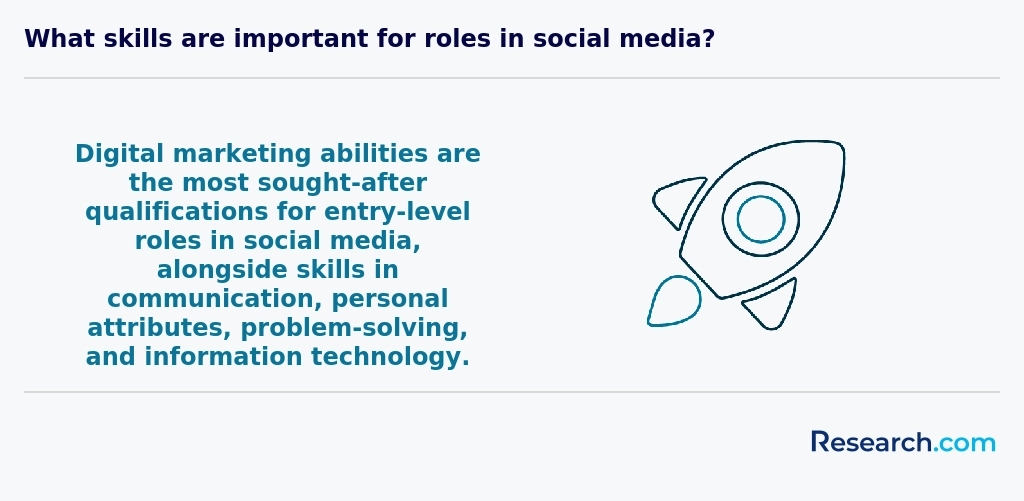
Graduates with a marketing degree in Boston often embark on diverse career paths shaped by the city's vibrant economy and robust educational institutions like Boston University and Northeastern University. Many find fulfilling roles as brand managers, where they blend creativity and strategy to position products in Boston's competitive markets. Others thrive as market research analysts, leveraging data skills to interpret trends inspired by Boston's culture of innovation. Graduates enthusiastic about digital marketing integrate seamlessly into the tech-savvy startup scene, working on SEO, social media, and content creation that resonate with today's digitally driven audiences.
Sales management is another rewarding avenue, combining marketing insight with leadership to impact revenue across multiple sectors. Students from local colleges often speak warmly about internships that transform theory into practice, deepening their understanding of marketing degree careers in Boston. For those eager to accelerate their studies and enter the workforce sooner, exploring fast track programs offers a valuable opportunity to gain momentum in these competitive fields.
The job market for marketing degree holders in Boston presents a vibrant landscape filled with diverse opportunities. Graduates from renowned local institutions often find themselves drawn into roles spanning digital marketing, brand management, and market research-fields actively propelled by Boston's thriving technology, healthcare, and finance sectors. Many feel energized by collaborating with startups and established companies, where their skills translate into strategic growth and innovation. This positive momentum is a core reason the marketing degree job outlook Boston remains bright, with salaries notably higher than the national average, reflecting both demand and prestige.
From personal experience shared by graduates, engaging internships and campus connections in Boston open doors quickly compared to other regions. Many describe the transition from classroom to career as seamless, with access to nonprofit and educational institutions further enriching their marketing applications. Considering the balance of tuition against these prospects, students might explore options like local programs or even an easiest associate degree to start their path with less financial pressure.
Looking ahead, Boston marketing career opportunities 2027 and beyond will likely grow as data-driven marketing and AI reshape the industry. Graduates who combine creativity with technical savvy enjoy a notably rewarding market, making Boston an inspiring city for those pursuing marketing degrees.
2027 Most Valuable Marketing Degree Programs Ranking in Boston
Investing in your education is a significant decision that can greatly influence your future, and the Research.com team is fully aware of the importance of making well-informed choices. To guide prospective students in Boston, we have carefully developed the "2027 Most Valuable Marketing Degree Programs Ranking in Boston." Our dedication to ensuring quality, credibility, and accuracy is demonstrated through rigorous research and thorough analysis.
We utilized the following reputable data sources to create this ranking:
By reviewing this ranking, readers will acquire valuable insights into the most rewarding marketing degree programs available in Boston, empowering them to make confident educational decisions. For a more detailed explanation of our approach, please visit our Research.com methodology page.


Frequently Asked Questions About marketing
Marketing degree students in Boston can maximize their learning experience by engaging deeply with the city's vast professional network. Boston is home to numerous marketing firms and startups, providing valuable internship opportunities that complement academic coursework. According to the U.S. Bureau of Labor Statistics, internships can increase the likelihood of employment by 15% after graduation.
Students should take advantage of university-sponsored events and local industry meetups. Boston hosts the annual HubSpot INBOUND marketing conference, attracting thousands of marketing professionals nationwide.
Participating in case competitions and projects related to Boston's strong sectors, such as biotechnology and finance, helps students apply theoretical knowledge practically.
Emerging niches in the marketing field are rapidly evolving, especially in a city like Boston, known for its innovation and strong tech presence. One key area is digital analytics, where marketers use large datasets to create targeted campaigns. According to the Boston Business Journal, demand for analysts with skills in AI and machine learning has grown by over 25% in the past three years.
Another growing niche is sustainability marketing, reflecting the increased focus on environmental responsibility. Boston companies seek marketers who can promote eco-friendly products and corporate social responsibility.
Additionally, influencer marketing continues to expand, with Boston's vibrant social media scene providing ample opportunities for brand partnerships. Niche roles in content strategy specifically tuned to local markets are also rising.
After earning a marketing degree in Boston, preparing for the job market involves several strategic steps. Boston's thriving business environment, with many startups and established firms, offers diverse marketing opportunities. Graduates should focus on gaining practical experience through internships, which 63% of Boston-area graduates report as crucial for job placement (Boston Chamber of Commerce, 2023).
Networking plays a vital role; joining local marketing associations like the American Marketing Association Boston Chapter can connect students with professionals. Additionally, familiarizing oneself with digital marketing tools and data analytics is essential, as 78% of Boston marketing roles require these skills (MassHire, 2023). Strong communication and portfolio development further enhance employability.
Employers in Boston prioritize a blend of analytical and creative skills when hiring marketing degree graduates. According to the Boston Planning & Development Agency, proficiency in digital marketing tools, data analysis, and content creation ranks high among job requirements. Candidates adept at using platforms like Google Analytics, SEO strategies, and social media management show significant advantages.
Strong communication skills remain essential, as marketing roles demand clear messaging and collaboration across diverse teams. Additionally, problem-solving abilities and adaptability are valued, reflecting Boston's dynamic business environment dominated by tech startups and established corporations.
Practical experience through internships or projects can further strengthen a graduate's profile in this competitive market.
Finding marketing internships in Boston involves using multiple local resources and networking strategically. Boston hosts numerous marketing agencies and startups, making it a rich environment for internships. According to the Boston Planning & Development Agency, the city's marketing and advertising sector is expected to grow by 5% annually through 2027.
University career centers are valuable for students seeking internships, often offering exclusive connections to local companies. Additionally, platforms like Handshake and Glassdoor list hundreds of Boston-based marketing internships. Joining professional groups such as the American Marketing Association's Boston chapter can also expand your network. Boston's strong economy, with key industries like technology and healthcare, drives demand for marketing talent, benefiting internship seekers.
A marketing degree significantly enhances career mobility and advancement opportunities in Boston's competitive job market. According to the U.S. Bureau of Labor Statistics, marketing managers in the Boston metropolitan area earn a median annual wage approximately 20% higher than the national average. This premium reflects the region's strong demand for skilled marketing professionals, especially in tech, healthcare, and finance sectors.
Obtaining a degree from accredited Boston institutions not only provides foundational marketing knowledge but also vital networking connections with local firms and alumni, improving job prospects. Employers often prioritize candidates with formal education for roles such as brand management, digital marketing, and analytics.
Furthermore, marketing degrees facilitate upward mobility by equipping graduates with strategic and analytical skills that enable them to transition from entry-level roles to leadership positions faster than peers without formal education. Data from the Boston Chamber of Commerce highlights that degree holders typically see a 15% annual promotion rate compared to non-degree holders.
Studying for a marketing degree in Boston offers strong preparation for interdisciplinary roles by integrating business, technology, and communication skills. Boston's universities emphasize collaboration across fields like data analytics, psychology, and digital media, essential for modern marketing careers.
Many programs include courses in consumer behavior, statistics, and information systems, enabling students to work effectively with teams in finance, IT, and creative industries. The city's robust job market, including startups and major firms, provides practical experience through internships that combine marketing with other disciplines.
According to the Boston Planning & Development Agency (BPDA), Boston is home to over 7,000 companies in tech and innovation, creating diverse opportunities for marketing graduates to apply interdisciplinary skills.
Choosing between a thesis and a non-thesis marketing degree program in Boston depends on your career goals and learning style. A thesis program involves original research and a substantial written project, which is ideal if you aim for a career in academia, research, or plan to pursue a PhD later. It often takes longer but builds strong analytical skills.
A non-thesis option typically focuses on practical coursework and internships, appealing to students targeting immediate entry into Boston's competitive marketing industry. According to the Boston Planning & Development Agency, marketing jobs in the city are expected to grow by 8% through 2028, favoring hands-on skills.
Consider your preferred approach: research-intensive or practice-oriented. Also, note that thesis programs may limit available classes or require faculty mentorship, while non-thesis paths provide more flexibility in electives and schedules.
Students based in Boston who wish to study marketing abroad have several paths to consider. Many Boston universities with marketing programs, such as Boston University and Northeastern University, offer established study abroad partnerships in Europe, Asia, and Latin America. These programs often include exchanges with business schools in countries like the United Kingdom and Spain, allowing students to earn credits toward their degree while gaining international experience.
Additionally, some institutions provide dual-degree options or international internships in global marketing hubs. According to the Institute of International Education, about 15% of Boston University undergraduates participate in study abroad, reflecting strong institutional support for global learning.
Boston's vibrant business environment offers diverse part-time job opportunities that complement marketing degree education. Many students find roles in digital marketing agencies, helping with social media strategy, content creation, and SEO. These positions provide practical skills highly valued in the marketing field.
Retail marketing roles in Boston's numerous shopping districts allow students to gain customer insights and understand consumer behavior firsthand. According to the Boston Planning & Development Agency, the city's retail sector employs thousands, making it a valuable experience hub.
Internships or part-time roles with tech startups also offer exposure to data analysis and campaign management. Such hands-on experiences can enhance classroom learning and improve employability after graduation.
Boston offers abundant networking opportunities for marketing students, leveraging its robust business environment and numerous academic institutions. Students can engage with local chapters of professional organizations such as the American Marketing Association (AMA) Boston, which hosts regular events and workshops. These forums allow students to connect with marketing professionals, alumni, and recruiters in the region.
Many universities in Boston also facilitate networking through career fairs and internship programs with firms in industries like technology, finance, and healthcare. According to the Boston Business Journal, over 20% of marketing roles in Boston are concentrated in digital media and analytics, providing students with targeted industry contacts.
Additionally, events like HubSpot's INBOUND conference, held near Boston, draw thousands of marketing experts, giving students an opportunity to meet innovators and industry leaders. These occasions are vital for building connections before graduation, enhancing job prospects in a competitive market.
Alumni networks play a crucial role for marketing degree students in Boston by providing valuable professional connections. Boston's dynamic marketing sector, with over 20,000 marketing-related jobs as reported by the Massachusetts Executive Office of Labor and Workforce Development (2023), offers many opportunities through these networks.
These networks facilitate mentorship, internships, and job placements by connecting current students with graduates working in local firms, agencies, and startups. Schools such as Boston University and Northeastern University actively foster strong alumni engagement, enhancing career support.
Moreover, attending alumni events often leads to collaborations and insights about regional market trends, which is vital in the evolving marketing landscape of Boston.
Customizing a marketing degree program in Boston involves selecting courses and experiences that align with your specific career goals. Many local universities offer flexible curricula allowing students to focus on areas such as digital marketing, brand management, or market research. For example, electives in social media strategy or data analytics can prepare you for the city's growing tech and startup sectors.
Internships are vital; Boston hosts over 100 marketing firms, providing hands-on opportunities that enrich classroom learning. According to the Boston Planning & Development Agency, the marketing sector in Boston grew by 8% from 2018 to 2023, highlighting increasing job possibilities.
Additionally, participating in networking events through local organizations like the American Marketing Association Boston chapter can help tailor your education by exposing you to industry trends and mentors.
Marketing students in Boston face several common challenges during their studies. One major hurdle is navigating the competitive landscape, as Boston hosts numerous prestigious institutions offering marketing programs, which can limit internship opportunities and job placements locally. According to the Boston Chamber of Commerce, nearly 25% of marketing internships receive hundreds of applications, making practical experience hard to secure.
Additionally, students must stay updated with rapidly evolving digital marketing trends, such as AI and data analytics. Balancing these technical skills alongside traditional marketing theories can be overwhelming.
Finally, the high cost of living in Boston adds financial stress, often requiring students to juggle part-time work with demanding coursework.
With a marketing degree, professionals in Boston can enhance their credentials by pursuing certifications that boost career prospects. Popular options include the Certified Professional Marketer (CPM) from the American Marketing Association, which validates marketing knowledge and skills.
Another valuable credential is the Google Ads Certification, essential for digital marketing roles given Boston's surge in tech startups. Additionally, the HubSpot Content Marketing Certification is favored for inbound marketing expertise.
For data-driven marketing, the Digital Marketing Institute's Professional Diploma offers up-to-date training.
According to the Greater Boston Chamber of Commerce, 47% of marketing employers prefer certified candidates, highlighting the importance of these credentials locally.
To write a winning application for a marketing program in Boston, start by highlighting your relevant experience and skills, such as internships or projects related to marketing. Boston's competitive market favors applicants who demonstrate knowledge of digital marketing tools and analytics, so emphasize these areas. According to the National Center for Education Statistics, programs in Boston receive thousands of applications, making a compelling personal statement essential.
Admissions committees value clarity and focused goals; explain why you want to study marketing and how Boston's unique business environment supports your ambitions. Include specific reasons tied to Boston's vibrant marketing sector and top institutions.
Lastly, strong letters of recommendation and a solid academic record, particularly in business-related courses, strengthen your application. Prepare thoroughly for any required standardized tests and submit all materials on time to maximize your chances in this competitive market.
The global view of a marketing career emphasizes adaptability and cultural understanding. As businesses expand internationally, marketers must grasp diverse consumer behaviors and global trends. In the US, marketing roles often demand skills in data analytics, digital strategy, and brand management, reflecting worldwide professional standards.
Boston, with its robust education ecosystem, aligns closely with these global needs. The city's marketing graduates benefit from access to multinational companies and internship opportunities that provide real-world international experience.
According to the Bureau of Labor Statistics, marketing managers in the US are expected to see a 10% job growth from 2022 to 2032, highlighting strong demand.
Sources such as the American Marketing Association emphasize that global digital marketing expertise is increasingly valued by employers.
Gaining practical experience while studying for a marketing degree in Boston is crucial for career readiness. Many universities in Boston offer internships with local businesses, ranging from startups to established firms, often facilitated through dedicated career services. According to the Boston Planning & Development Agency, internships in marketing roles have grown by 15% over the past five years in the city.
Students can also engage in cooperative education programs (co-ops) that combine classroom learning with real-world marketing projects. Additionally, networking events and marketing clubs on campuses provide opportunities to collaborate with industry professionals and work on live marketing campaigns.
Choosing the right concentration within a marketing degree program in Boston depends on your career goals and local industry trends. Boston's strong presence in technology, healthcare, and finance sectors means concentrations like digital marketing, healthcare marketing, and analytics are in high demand. According to the Boston Planning & Development Agency, digital marketing roles have grown by over 15% in the past five years in the city.
Consider your strengths and interests. If you enjoy data and numbers, a concentration in marketing analytics might suit you. For those drawn to creativity and brand management, advertising or content marketing could be ideal. Local universities often provide resources like career counseling and internships with Boston companies to help you decide.
- 2027 Most Valuable Marketing Degree Programs Ranking in Providence
- 2027 Most Valuable Marketing Degree Programs Ranking in Manchester
- 2027 Most Valuable Marketing Degree Programs Ranking in Springfield
- 2027 Most Valuable Marketing Degree Programs Ranking in Fairfield
- 2027 Most Valuable Marketing Degree Programs Ranking in New York
- 2027 Most Valuable Marketing Degree Programs Ranking in Jersey City
- 2027 Most Valuable Marketing Degree Programs Ranking in Syracuse
- 2027 Most Valuable Marketing Degree Programs Ranking in Philadelphia
- 2027 Most Valuable Marketing Degree Programs Ranking in Rochester
- 2027 Most Valuable Marketing Degree Programs Ranking in Washington
See What Experts Have To Say About Studying Marketing
Read our interview with Marketing experts

Aidin Namin, Ph.D.
Marketing Expert
Associate Professor of Marketing Analytics
Loyola Marymount University

John R. Meindl
Marketing Expert
Adjunct Assistant Professor of Marketing
Hofstra University

- Outstanding Job Application Letter for Marketing Manager | Cover Letter Copilot https://coverlettercopilot.ai/blog/job-application-letter-marketing-manager
- How to Get a Summer Internship in Marketing in 2026 (Agency, In-House, and Startup) https://whali.co.uk/blog/summer-internship-marketing-guide
- Traditional Marketing vs. Digital Marketing: What's the Difference? https://online.champlain.edu/blog/traditional-marketing-vs-digital-marketing
- Tips for Marketing Students - Impact Marketing https://impactmt.com/tips-for-marketing-students/
- What Jobs Can You Get with a Marketing Degree? https://www.global-business-school.org/content-type/blog/what-jobs-can-get-marketing-degree/
- Academic Challenges of Marketing Students - Blog – Expert Tips & Insights for Students https://affordableassignments.co.uk/blog/academic-challenges-of-marketing-students/
- Marketing intern vs marketing student – what they don’t teach you at university https://themarketinggp.com.au/marketing-intern-vs-marketing-student-what-they-dont-teach-you-at-university/
- Top 5 marketing skills employers are looking for in 2025 https://www.konkergroup.com/top-5-marketing-skills-employers-are-looking-for-in-2025/
- Women in marketing: Career growth through education | Esade https://www.esade.edu/beyond/en/women-marketing/
- Best Marketing Jobs in Boston, MA 2025 | Built In Boston https://www.builtinboston.com/jobs/marketing