2027 Most Popular Marketing Degree Programs Ranking in Washington

Co-Founder and Chief Data Scientist
Choosing the right marketing degree program in Washington can feel overwhelming. To help, this article presents the 2027 Most Popular Marketing Degree Programs Ranking in Washington, developed by the Research.com team of data scientists. It offers clear, data-driven insights so you can confidently explore your options.
Whether you're starting your academic journey or considering a change, understanding which programs stand out makes a big difference. A marketing degree opens doors to exciting careers where creativity meets strategy, and this guide will help you find the best fit for your goals.
Key benefits of getting marketing degree in Washington
- Salary for marketing degree graduates: Graduates in Washington can expect strong earning potential, with roles such as Public Relations Specialist earning a mean annual wage of $159,420 and Marketing Assistants about $83,190 per year.
- Career paths: Marketing degree holders from local universities often explore diverse roles like Digital Marketing Specialist or Media Planner, enjoying dynamic and rewarding career options.
- Online degree benefits: Earning a marketing degree online from a Washington-based university offers flexibility and practical experience, helping graduates balance work and study while advancing professionally.
- 2027 Most Popular Marketing Degree Programs Ranking in Washington
- What can I expect from marketing degree in Washington?
- Where can I work with marketing degree in Washington?
What can I expect from marketing degree in Washington?
The average cost of a marketing degree in Washington typically ranges between $10,000 and $35,000 per year, depending on whether students attend public universities or private colleges. Graduates from institutions like the University of Washington report that tuition fees, when combined with living expenses in Seattle, can feel challenging but manageable with scholarships and work-study opportunities. Many find the investment worthwhile, given the access to valuable internships with local tech giants and startups that enrich their learning experience.
Students often share stories of balancing coursework with hands-on projects for companies based in the Greater Seattle area, where digital marketing innovations thrive. This practical exposure not only boosts their resumes but also offsets some costs through paid placements. For example, cooperative education programs at Seattle Pacific University allow students to earn while they learn, making education more affordable and engaging.
Washingon's diverse economy encourages programs to integrate emerging trends like AI-driven marketing and data analytics, adding future-proof skills that graduates find exciting and motivating. These evolving curricula help justify the investment for many, as they feel prepared for well-paid roles in booming sectors.
Where can I work with marketing degree in Washington?
Marketing graduates in Washington often find themselves immersed in dynamic workplaces ranging from Seattle's bustling tech giants to innovative startups around Bellevue. Those studying at popular institutions like the University of Washington or Seattle University frequently share how internships at companies such as Amazon or Microsoft open doors to careers in digital marketing, brand management, and data analytics. Envision crafting social media strategies that boost engagement for a growing local startup or analyzing customer data to refine a cutting-edge product campaign-these are everyday experiences for marketing grads here.
Public and nonprofit sectors also offer rewarding career paths, with graduates applying their skills toward community outreach and impactful fundraising efforts. Imagine working alongside healthcare providers to design campaigns that connect patients with essential services or helping aerospace manufacturers communicate complex product benefits clearly to global audiences.
With Washington's strong economy and expanding industries, many graduates feel energized by the prospect of combining their marketing acumen with emerging technologies and creative storytelling to shape the future of brand communication.
Graduates from marketing programs at Washington colleges often find entry-level roles such as Marketing Assistants or Digital Marketing Specialists with mean annual wages around $83,190 according to recent data. For example, new graduates from universities with strong marketing curricula in Seattle report stepping into roles that offer both competitive pay and valuable experience in digital platforms, which fuels steady career growth.
With experience, many advance to positions like Public Relations Specialists, where the mean annual salary climbs significantly to about $159,420. This reflects the high demand for strong communication skills combined with strategic marketing expertise in cities like Bellevue and Seattle, where tech and finance sectors thrive.
Sales Associate roles tend to offer a more modest mean wage near $53,280 but provide excellent foundational experience in client interaction and market analysis, often serving as stepping stones to more specialized marketing careers. Such diverse earnings opportunities highlight how graduates can tailor their path depending on their interests and regional demand.
As the marketing landscape evolves, graduates from Washington institutions are positioned to benefit from growing emphasis on digital marketing, data analytics, and content strategy, with increasing salaries likely as these skills remain in high demand in the region's dynamic job market.
- Washington offers marketing degrees at public universities, private colleges, and community colleges, ranging from associate to graduate levels.
- Annual tuition averages about $12,000 at public universities, $35,000 at private colleges, and around $4,000 at community colleges.
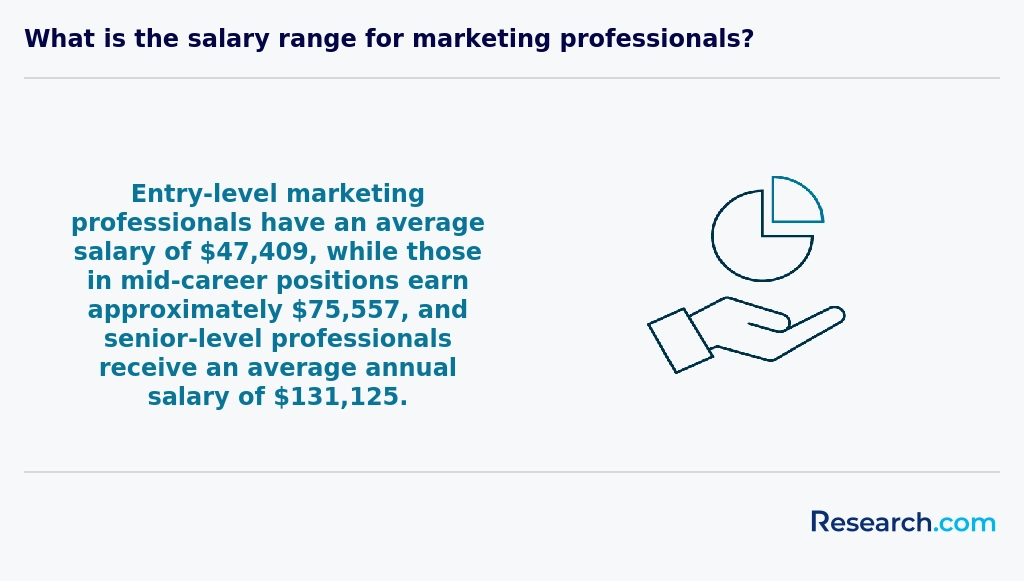
- Entry-level marketing salaries in Washington typically range from $45,000 to $55,000 per year.
- Mid-career marketing managers earn approximately $85,000 to $95,000 annually, with senior roles often surpassing six figures.
- Marketing jobs in Washington are projected to grow by roughly 7% over the next decade, driven by technology and business sectors.
- Internships and networking opportunities are plentiful in Seattle and other economic hubs, aiding in practical experience and job placement.
In Washington, completing a marketing degree typically aligns with traditional timelines, yet students increasingly customize their journeys. Graduates from the University of Washington often share how full-time bachelor's programs-generally lasting about four years-offer immersive experiences that balance coursework with real-world internships, making their education both challenging and rewarding.
Some students at community colleges, like Seattle Central College, embrace associate degrees that take around two years, enabling them to quickly enter the workforce or transfer to universities. These faster paths bring a sense of accomplishment and motivation as students manage studies alongside work or family.
Meanwhile, master's candidates at Washington State University describe completing their degrees in one to two years, depending on part-time or full-time status. Many appreciate accelerated and dual-degree options, which fuel excitement by blending academic rigor with practical skills in a short timeframe.
Looking ahead, the integration of online courses and flexible schedules in Washington's education system promises to make marketing degrees more accessible and tailored, empowering students to shape their own success stories.
Graduates of marketing degree programs in Washington, DC report an 89 percent six-month employment rate, with 75 percent landing full-time roles in marketing, advertising, or public relations. On average, alumni begin their careers earning $68,000 annually, and within five years, median salaries rise to $95,000-testament to the strong return on investment (ROI) of these programs. • Graduation and Placement Rates: Most institutions in DC boast graduation rates above 70 percent, with top schools achieving 85 percent or higher. Of those graduates, over 90 percent find related employment within a year. • Average Student Debt vs. Earnings: The median student debt for marketing graduates in DC is $28,000. Considering the starting salary of $68,000, alumni typically repay their loans within seven years without loan forgiveness programs. • ROI Comparison: When comparing cost to career outcomes, programs with lower tuition often deliver comparable placement rates. For students seeking budget-friendly options, see our Cheapest Marketing Degree Programs Ranking in Washington. • Industry Partnerships: Schools with formal partnerships-such as internships with Fortune 500 companies, government agencies, and leading nonprofits-contribute to higher placement rates. Alumni from programs offering 6-month paid internships report a 95 percent job-offer rate upon graduation. • Long-Term Career Growth: Five-year salary growth averages 40 percent for DC marketing graduates, outpacing the national average of 28 percent. This underscores how a marketing degree in Washington, DC not only yields immediate career entry but also sustained advancement.
Choosing between an online and on-campus marketing degree in Washington means weighing flexibility against immersive experience. Online students enjoy the freedom to study around their busy lives, especially in traffic-heavy cities like Seattle, logging into lectures whenever it fits their schedule. Graduates often mention how this freedom helped them balance jobs or family while earning their degrees without the daily commute stress.
On-campus students at universities like the University of Washington describe the energizing campus atmosphere-the spontaneous hallway chats, in-person networking events, and immediate feedback from professors that spark creative ideas. These experiences often lead to valuable internships with local companies, a crucial springboard for careers in competitive Washington markets.
The personal touch of face-to-face projects contrasts with online discussion boards, which, while practical, sometimes lack that close-knit vibe. However, growing investments in online program technology are narrowing these gaps, making it increasingly possible to combine convenience with meaningful interaction.
Marketing education in Washington, DC must evolve alongside rapid technological advancements and shifting consumer behaviors. As businesses increasingly leverage artificial intelligence (AI), machine learning, and big data to personalize customer experiences, students with hands-on experience in these areas will command a competitive edge. Programs that integrate AI-driven tools into courses on market research and digital advertising prepare graduates to deploy chatbots, predictive analytics, and programmatic ad buying-skills that top employers in DC demand. The rise of voice search, augmented reality (AR), and interactive content is reshaping how brands engage audiences. Students who master emerging channels-such as voice-activated assistants and immersive AR campaigns-will be poised to lead in sectors from tourism to nonprofit advocacy. Faculty collaborations with local agencies and tech incubators ensure real-world projects reflect these innovations, allowing learners to build portfolios that highlight their future-ready capabilities. Data privacy and ethical marketing are other focal points. With regulations like CCPA and GDPR influencing campaign strategies, programs emphasizing compliance, transparency, and consumer trust will produce professionals who navigate legal complexities and maintain brand integrity. Courses on digital ethics and policy analysis equip graduates to craft campaigns that respect user data while driving measurable ROI. Specializations in social media analytics, influencer partnerships, and content automation are more than trends-they’re career accelerators. Washington, DC institutions that update curricula to include hands-on workshops in social listening tools, API integrations, and creative automation platforms ensure students graduate with skill sets aligned to industry roadmaps. For concrete figures on how these specializations translate into earnings, explore our digital marketing degree salary insights. Looking ahead, the demand for omnichannel strategists-marketers who seamlessly integrate online and offline touchpoints-continues to grow. Graduates trained in unified customer journey mapping, CRM systems, and cross-platform analytics will find themselves at the forefront of DC’s vibrant marketing landscape. By choosing a program that embeds these future-focused trends into its core, prospective students can confidently step into roles that shape the next decade of marketing innovation.
The average cost of a marketing degree in Washington varies significantly depending on the type of institution and residency status. Graduates from public universities like the University of Washington or Washington State University often see total costs around $67,710 for in-state students, while out-of-state attendees can expect costs closer to $82,593. These figures reflect tuition, fees, and associated expenses, illustrating the financial commitment involved in pursuing higher education locally.
Many students appreciate the value of starting at community colleges such as Seattle Central College, where tuition averages about $5,000 per year for residents. This option allows prospective marketers to build foundational skills affordably before transferring to a four-year university. This pathway often generates positive feelings of financial relief and increased confidence in managing educational expenses while focusing on career goals.
Students considering private universities in Washington, like Seattle University and Gonzaga University, should anticipate costs within the higher range, but many find that the specialized marketing programs and networking opportunities justify this investment. The benefits felt by graduates include enhanced career readiness and a strong alumni network that opens doors in competitive marketing fields.
As the average cost of marketing degree in Washington continues to evolve, financial aid and scholarships remain crucial. Nearly 60% of undergraduates receive some form of support, helping to ease the burden. For those exploring flexible options, viewing the best popular marketing degree rankings can provide insight into programs aligning with both budget and ambition.
Navigating the application process for a marketing degree in Washington, DC doesn't have to be daunting. Start by researching each institution’s specific admission requirements, such as GPA thresholds, standardized test scores, and prerequisite coursework. Preparing a compelling personal statement and securing strong letters of recommendation can highlight your passion for marketing and set you apart from other applicants. To further strengthen your application, consider building a portfolio of marketing-related projects, internships, or volunteer experiences that showcase your practical skills and industry insights. Engaging in informational webinars or virtual campus tours can also provide an insider’s view of the program and its culture. Additionally, networking with current students and alumni through social media or university-hosted events offers invaluable advice and mentorship as you navigate the admissions journey. For more details on selecting an outstanding program, explore resources like the best popular marketing degree rankings to guide your decision-making process. By staying organized, seeking guidance, and being proactive in your research, you can confidently manage application deadlines, secure financial aid opportunities, and ultimately position yourself for success in Washington, DC’s competitive marketing landscape.
Marketing students in Washington often find relief through a variety of financial aid options tailored to their needs. Graduates from the University of Washington's Foster School of Business frequently recall how the Pell Grant helped ease their tuition burden, providing up to $7,395 annually based on financial need. This vital support, combined with federal loans such as Direct Subsidized Loans, which keep interest costs low while studying, makes pursuing a marketing degree more feasible.
State programs like the Washington College Grant have become a cornerstone for many students at public universities and community colleges, offering substantial tuition coverage for those from low- and middle-income families. Students often describe the sense of security this grant provides, allowing them to focus on studies rather than constant financial strain.
Beyond grants and loans, merit scholarships offered by institutions like Seattle University recognize academic and leadership excellence in marketing students, boosting morale and motivation. Many also benefit from part-time work through campus work-study programs, combining earnings with real-world experience. Increasingly, paid internships in Seattle's dynamic tech and retail sectors offer exciting opportunities, blending financial support with career growth that students find both empowering and inspiring.
Enrolling in a marketing degree in Washington typically starts with a high school diploma or its equivalent, like many graduates from the University of Washington recall as a foundational step. Most programs expect a GPA around 2.5 to 3.0, which often encourages students to maintain steady academic performance through high school and community college years. Increasingly, test scores such as the SAT or ACT are optional, reflecting an encouraging trend embraced by schools like Seattle University, where students emphasize holistic admissions over standardized tests.
For transfer students aiming for institutions like Washington State University, completing prerequisite courses in English, math, and introductory business ensures they're ready to dive into specialized marketing content. Graduate hopefuls must hold a bachelor's degree, with programs such as an MBA at Gonzaga University often requesting GRE or GMAT scores; however, many alumni express relief when these tests are waived thanks to relevant work experience.
Personal statements and letters of recommendation continue to play a vital role, illustrating applicants' passion for marketing and their unique career aspirations, a sentiment often echoed by recent graduates who valued this chance to showcase their individual stories.
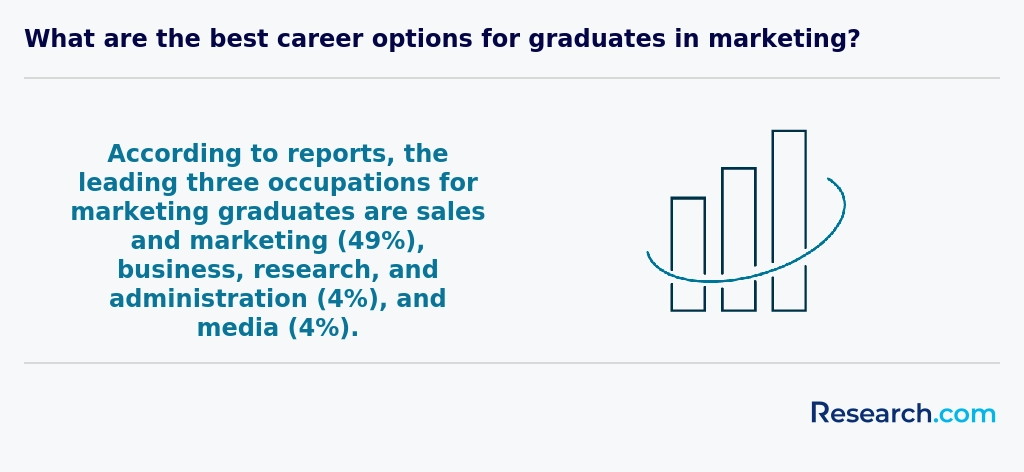
Marketing degrees in Washington typically include a mix of core business and specialized marketing courses that prepare students for the evolving digital landscape. Graduates from popular institutions often share how foundational classes like accounting and economics gave them a solid grasp of business operations, empowering them to make smarter marketing decisions in internships and projects.
Specialized courses such as Digital Marketing are especially valued, teaching hands-on skills with social media campaigns, SEO strategies, and data-driven email marketing. For example, students at well-regarded colleges in Seattle describe working on real client campaigns, turning concepts into measurable results-an experience that builds both confidence and excitement.
Other essential courses like Consumer Behavior and Marketing Analytics help students understand buyer motivations and evaluate market trends using data. Many find these classes eye-opening, enabling them to craft effective messaging that resonates deeply with target audiences.
Washington's programs increasingly emphasize practical application, with group projects and internships that connect classroom theory to the state's dynamic tech and retail sectors. This blend ensures graduates feel prepared to navigate and shape the future of marketing locally and beyond.
Students exploring marketing degree specializations in Washington often find a variety of forward-looking options that align with the evolving digital economy. Graduates from popular universities report that concentrations like Digital Marketing immerse them in real-world projects involving social media campaigns and SEO strategies, preparing them for the city's booming tech scene. These hands-on experiences help them envision careers driving online brand growth in innovative ways.
Marketing Analytics is another compelling path, where learners use data tools to predict trends and decode consumer behavior-skills highly prized by local startups and tech firms in Washington. Many graduates express excitement about applying these analytical techniques to influence business strategies effectively, experiencing a sense of accomplishment when their insights lead to measurable growth.
Concentrations such as Sales Management and International Marketing open doors to leadership roles and global market engagement, reflecting Washington's business expansion abroad. Students often share how programs emphasize cross-cultural communication and negotiation skills crucial for the international marketplace. For those curious about earning potential, students frequently investigate the digital marketing degree salary, which motivates them as they plan their futures.
Advertising and Brand Management remain staples, with universities fostering creativity and collaboration through partnerships with local companies-encouraging students to craft compelling narratives that resonate in today's competitive market. Collectively, these Washington marketing program concentration options offer a dynamic, practical education tailored to tomorrow's marketing challenges.
Choosing the best marketing degree in Washington means looking beyond just the curriculum to future opportunities. Graduates from universities like the University of Washington often praise how access to Seattle's vibrant tech and retail sectors created real-world marketing projects that accelerated their careers. Flexibility in the program allowing specialization-such as digital marketing or brand management-helps students align their studies with emerging industry trends. Many affordable marketing colleges in Washington state also emphasize internships, letting students build networks that feel exciting and rewarding as they transition into full-time roles.
Career services that connect students to local businesses can transform a university experience from theoretical to practical, creating confident graduates ready for Washington's competitive job market. Considering tuition and financial aid is crucial, with options laid out clearly in rankings like the Cheapest Marketing Degree Programs Ranking in Washington. This thoughtful approach ensures students choose programs well-suited to evolving marketing demands while feeling optimistic about their future.

Graduates with a marketing degree in Washington find diverse career paths, from dynamic roles in digital marketing and brand management to strategic positions in product management or data analytics. Those emerging from universities like the University of Washington or Seattle University often share stories of landing roles in tech hubs, where their skills drive innovative campaigns and customer engagement strategies. The fast-evolving nature of Washington's economy, especially in cities like Seattle and Tacoma, creates unique opportunities to work with startups or established firms adapting to digital transformation.
Many recent graduates recall starting as marketing coordinators or social media strategists in advertising agencies or retail companies, where hands-on experience led to leadership positions. For those exploring alternative educational routes, pursuing fast track degree programs online has accelerated their entry into competitive roles, proving ideal for balancing work and study. Exploring marketing degree career opportunities in Washington reveals promising paths that blend creativity with data-driven decision-making.
Jobs for marketing graduates in Washington state also increasingly include analytics and customer relationship management, especially with the growth of e-commerce platforms. These roles appeal to graduates eager to influence market trends and help companies innovate.
The job market for marketing degree holders in Washington presents exciting prospects as the state's vibrant economy fuels demand across various industries. Graduates from well-known institutions in Seattle often describe landing entry-level roles with competitive salaries between $45,000 and $60,000, providing a strong foundation for career growth. Many find themselves working in tech companies, retail giants, or media firms, where a solid grasp of digital marketing and data analytics is highly valued.
Career prospects for marketing graduates in Washington are shaped by trends like digital transformation and growing reliance on data-driven strategies. Networking through local industry groups and continuous skill development are commonly cited steps by graduates to stay competitive. Furthermore, diverse opportunities exist at both startups and established firms, making it easier to tailor career paths to personal interests and ambitions.
Those researching marketing degree job opportunities in Washington may also explore options at community colleges and universities that offer affordable tuition combined with strong industry connections. Many students enhance their qualifications through online open enrollment college courses, balancing education with work or internships, which expands their job prospects significantly.
2027 Most Popular Marketing Degree Programs Ranking in Washington
Investing in your education is a significant decision that can shape your future, and the Research.com team understands the importance of making informed choices. To assist prospective students in Washington, we have meticulously crafted the "2027 Most Popular Marketing Degree Programs Ranking in Washington." Our commitment to quality, credibility, and accuracy is reflected in the extensive research and analysis conducted to compile this ranking.
We utilized the following reputable data sources to ensure a comprehensive evaluation of marketing degree programs:
By exploring this ranking, readers will gain valuable insights into the most popular and respected marketing degree programs available in Washington, empowering them to make well-informed decisions about their educational paths. For more details on our methodology, please visit our Research.com methodology page.


Frequently Asked Questions About marketing
Marketing degree students in Washington can enhance their learning by engaging in internships with the state's diverse businesses, from Seattle's tech giants to local startups. According to the Washington State Employment Security Department, digital marketing roles are expected to grow 12% through 2030, highlighting the value of practical experience.
Participating in hands-on projects with industry partners or joining student marketing organizations also builds essential skills. Utilizing resources at universities like the University of Washington, which offers research centers focused on data analytics, can deepen theoretical understanding.
Finally, attending local marketing conferences and networking events helps students stay current with trends and connect with professionals in the Pacific Northwest's dynamic market.
Emerging niches within the marketing field are rapidly evolving, especially for students pursuing marketing degrees in Washington. Digital analytics is becoming crucial, with companies relying on data to drive targeted campaigns and improve customer experiences. According to the U.S. Bureau of Labor Statistics, demand for marketing analysts in Washington is expected to grow about 10% through 2031.
Another growing area is sustainability marketing, where businesses promote eco-friendly products and corporate social responsibility. Washington's strong focus on green industries supports this trend. Additionally, influencer marketing continues to expand, leveraging social media platforms to reach diverse audiences, which is especially vibrant in tech-savvy regions like Seattle.
Finally, artificial intelligence (AI) integration into marketing strategies is creating new roles focused on automation and personalization, offering promising career paths in the state's innovative market.
Graduates with marketing degrees in Washington can increase their job prospects by gaining practical experience during their studies. Internships at local companies in Seattle or Bellevue offer valuable exposure to digital marketing, consumer behavior analysis, and brand management.
Networking is crucial; students should attend industry events hosted by organizations like the American Marketing Association's Puget Sound chapter. Washington's marketing sector is growing, with a projected 6% job increase by 2031 according to the Washington State Employment Security Department.
Additionally, obtaining certifications in data analytics or social media marketing can make candidates stand out. Building a strong online portfolio showcasing campaigns and results also helps when approaching employers in the competitive job market.
Employers in Washington seek marketing graduates with a combination of technical and interpersonal skills. According to the Washington State Employment Security Department, digital marketing proficiency is highly valued, especially expertise in SEO, social media strategy, and data analytics.
Strong communication skills, including writing and presentation abilities, are essential for crafting compelling campaigns and collaborating with diverse teams. Additionally, creativity and problem-solving aptitude help graduates adapt to the fast-paced marketing environment.
Understanding consumer behavior, supported by quantitative analysis, also ranks as a crucial skill for success in Washington's competitive market. Familiarity with marketing software like Google Analytics and CRM platforms is often preferred.
Finding internships in Washington for marketing students involves targeted efforts in a state rich with diverse businesses. Washington's economy includes major industries like technology, retail, and tourism, creating numerous marketing internship opportunities, especially in Seattle and surrounding areas. According to the Washington State Employment Security Department, marketing specialties rank among the fastest-growing internship placements in the Puget Sound region.
Students should leverage university career centers, which often host internship fairs and partnerships with local companies. Networking through professional organizations such as the American Marketing Association's Seattle chapter also offers valuable connections. Additionally, online job portals like Handshake and local platforms can help locate marketing internships tailored to Washington's unique market.
Internships in digital marketing, brand management, and market research are particularly common given Washington's tech-driven business landscape. Planning ahead and combining academic coursework with practical experience is key to securing competitive positions.
A marketing degree in Washington significantly enhances career mobility and advancement opportunities. The state's strong economy, driven by technology, retail, and manufacturing sectors, creates high demand for marketing professionals skilled in digital and strategic marketing. According to the U.S. Bureau of Labor Statistics (2023), marketing manager positions in Washington are projected to grow 10% over the next decade, faster than the national average.
Graduates with marketing degrees often access diverse roles, from brand management to market research, improving their adaptability across industries. Employers in Seattle and Bellevue, home to many Fortune 500 companies, favor candidates with formal marketing education for leadership careers.
Additionally, professional certifications combined with a degree can lead to higher salaries and quicker promotions, reflecting heightened expertise and strategic insight valued in Washington's competitive market.
Studying for a marketing degree in Washington equips students with skills valuable across multiple disciplines, reflecting the state's diverse economy. Washington's marketing programs often integrate coursework in business analytics, communication, and information technology, preparing graduates for roles that blend creativity with data-driven decision-making.
Universities such as the University of Washington emphasize interdisciplinary learning, combining marketing with fields like computer science, sociology, and economics. This approach aligns with industry demands; for example, Seattle's tech sector drives a need for marketers fluent in digital tools and data analysis.
According to the Washington State Employment Security Department, marketing-related jobs are expected to grow 9% by 2030, highlighting the importance of adaptable skills. Thus, graduates enter the workforce ready to collaborate across departments, leveraging insights from multiple fields to enhance marketing strategies.
Choosing between a thesis and a non-thesis marketing degree program in Washington depends on your career goals and learning preferences. Thesis programs require original research and are well-suited for students aiming at academic careers or research-intensive roles. These programs typically take longer to complete but provide deeper expertise.
Non-thesis programs focus on practical skills through coursework and internships, often appealing to professionals seeking direct entry or advancement in Washington's dynamic marketing job market, which grew 5% from 2020 to 2023, according to the Washington State Employment Security Department.
Consider whether you prefer research or applied learning and your timeline, as non-thesis tracks usually finish faster. Accreditation and faculty expertise in local marketing trends also matter.
Students based in Washington looking to study marketing abroad have several options through U.S.-based exchange and study away programs. Many universities in Washington, such as the University of Washington, offer partnerships with international institutions in Europe, Asia, and Australia, allowing marketing students to gain global experience while earning credits toward their degree. According to the Institute of International Education, about 12% of U.S. study abroad participants in recent years have focused on business and marketing fields.
Moreover, students can enroll in summer or semester-long programs designed specifically for business disciplines, helping them understand international marketing trends firsthand. These opportunities enhance career prospects in Washington's growing marketing sector, valued at over $4 billion annually per Washington State Department of Commerce data.
Students pursuing marketing degrees in Washington can benefit greatly from part-time jobs that align with their studies. Popular roles include social media coordinator, content creator, and marketing assistant positions, which provide hands-on experience with digital marketing tools.
Washington's robust tech and retail sectors offer abundant opportunities in companies like Amazon and Starbucks, where marketing interns gain practical skills. According to the Washington State Employment Security Department, marketing-related job openings are projected to grow by 9% through 2028, indicating strong demand.
Additionally, freelance work in market research or promotional event staffing helps students build networks while enhancing their resumes. Such roles complement academic learning and improve employment prospects after graduation.
Marketing students in Washington benefit from a variety of networking opportunities offered by universities and industry organizations. Many schools host career fairs, industry panels, and mentorship programs connecting students with local employers. For example, the University of Washington's Foster School of Business organizes events that draw recruiters from Seattle's strong marketing sector.
The state's vibrant tech and retail industries provide internships and cooperative programs that are key to building professional relationships. According to the Washington State Department of Commerce, over 150,000 workers are employed in marketing and sales roles, highlighting the demand for marketing talent.
Additionally, organizations like the American Marketing Association (AMA) have active chapters in Washington, offering workshops, networking events, and speaker series. These platforms enable students to engage with marketing professionals and expand their contacts for future career opportunities.
Alumni networks play a crucial role for marketing degree students in Washington by providing valuable professional connections. Graduates often gain access to local marketing professionals working in Seattle's booming tech and media sectors, increasing job prospects. According to a 2023 report from the Washington State Workforce Board, 65% of marketing-related jobs in the state are secured through networking.
These networks offer mentorship opportunities, where experienced alumni guide students on current market trends and career planning. Events and workshops organized by alumni groups allow students to develop skills and learn directly from industry experts based in Washington.
In addition, alumni networks facilitate internships and job placements by connecting students with employers seeking local marketing talent.
Customizing a marketing degree program in Washington allows students to align their education with specific career goals. Many institutions offer elective courses focusing on digital marketing, consumer behavior, or data analytics, enabling students to specialize based on industry demands.
Washington's growing tech industry creates a strong demand for digital marketing skills. According to the Washington State Employment Security Department, marketing roles related to social media and e-commerce are projected to grow faster than average through 2028.
Students can also pursue internships with local companies, gaining practical experience and networking opportunities crucial for career advancement in competitive markets.
Additionally, some programs provide options to earn certificates in areas like SEO or content marketing, enhancing professional credentials alongside the degree.
Marketing students in Washington often face several challenges related to the state's competitive academic environment and evolving industry demands. According to the National Center for Education Statistics, Washington awards over 1,500 marketing-related degrees annually, leading to a crowded job market for graduates.
Students frequently report difficulty balancing theoretical knowledge with practical experience, as many programs emphasize digital marketing skills but may lack real-world internship availability. Additionally, rapid changes in marketing technology require continuous learning, which some find demanding.
Financial concerns are significant, with in-state tuition for public universities around $11,745 per year on average, creating pressure for students who are managing education costs alongside living expenses in cities like Seattle.
With a marketing degree in Washington, you can pursue several professional certifications to boost your career. Popular options include the Certified Marketing Professional (CMP) and the Digital Marketing Institute's Professional Diploma. These certifications help demonstrate expertise in marketing strategies, digital tools, and analytics.
Washington's growing tech sector increases demand for professionals with skills in digital marketing and data analysis. Certifications like Google Ads and HubSpot Content Marketing are well-regarded locally. According to the Washington State Employment Security Department, marketing roles requiring certification are expected to grow by 8% through 2028.
Industry-recognized credentials can improve job prospects and potential earnings for marketing graduates in the state.
To write a winning application for a marketing program in Washington, start by carefully researching each school's requirements and tailor your materials accordingly. Highlight your academic background and any relevant experience in marketing or business. Washington state is home to several top-ranked marketing programs, including at the University of Washington and Washington State University, which look for strong communication skills and analytical thinking.
Include a clear, concise personal statement explaining your career goals and why marketing excites you. Demonstrate awareness of the local market-Washington's tech and retail sectors are significant employers for marketing graduates, according to the Washington State Employment Security Department.
Strong letters of recommendation from professors or industry professionals can improve your chances. Be sure to proofread carefully and submit all materials on time to meet competitive deadlines.
Marketing careers in the United States, including Washington, are increasingly shaped by global trends and interactions. Professionals today must understand diverse markets, consumer behaviors, and digital platforms worldwide. According to the U.S. Bureau of Labor Statistics, marketing management jobs are expected to grow 10% from 2022 to 2032, reflecting global business expansion.
Washington's marketing graduates often engage with international companies due to the state's strong tech and export industries. For example, Seattle hosts numerous global corporations requiring marketers skilled in cross-cultural communication. Understanding global supply chains and digital marketing strategies is essential for success.
Many universities in Washington emphasize global business contexts in their curricula. This prepares students to navigate the interconnected nature of today's marketing field, making their skills valuable across borders.
Gaining practical experience while pursuing a marketing degree in Washington is essential for student success. Many universities encourage internship participation, often partnering with Seattle's growing tech and retail sectors. According to the Washington State Department of Commerce, marketing internships in the region increased by 12% from 2020 to 2023.
Students can also join marketing clubs or university-led consulting projects, applying theory to real-world challenges. Furthermore, Washington's location provides access to numerous networking events and workshops organized by local business associations. These opportunities help students build hands-on skills and connect with employers before graduation.
Choosing the right concentration within a marketing degree program in Washington depends on your career goals and interests. Popular concentrations include digital marketing, brand management, and market research. Each offers distinct skills; for example, digital marketing focuses on online platforms, a sector experiencing 8% annual job growth statewide, according to the Washington State Employment Security Department.
Consider local industry trends. Washington hosts many tech companies and startups, increasing demand for marketing graduates skilled in data analytics and content strategy. Research the curriculum of programs to ensure they offer hands-on experience, such as internships or projects related to Washington's diverse economy.
Finally, align concentrations with job market demands and your passion for specific marketing areas to make an informed choice.
- 2027 Most Popular Marketing Degree Programs Ranking in Philadelphia
- 2027 Most Popular Marketing Degree Programs Ranking in Pittsburgh
- 2027 Most Popular Marketing Degree Programs Ranking in Jersey City
- 2027 Most Popular Marketing Degree Programs Ranking in New York
- 2027 Most Popular Marketing Degree Programs Ranking in Fairfield
- 2027 Most Popular Marketing Degree Programs Ranking in Erie
- 2027 Most Popular Marketing Degree Programs Ranking in Syracuse
- 2027 Most Popular Marketing Degree Programs Ranking in Rochester
- 2027 Most Popular Marketing Degree Programs Ranking in Cleveland
- 2027 Most Popular Marketing Degree Programs Ranking in Springfield
See What Experts Have To Say About Studying Marketing
Read our interview with Marketing experts

John R. Meindl
Marketing Expert
Adjunct Assistant Professor of Marketing
Hofstra University

Aidin Namin, Ph.D.
Marketing Expert
Associate Professor of Marketing Analytics
Loyola Marymount University

- How Niches Provide New Growth Opportunities for Business https://visionedgemarketing.com/niche-marketing-provides-new-growth-opportunities/
- Women in marketing: Career growth through education | Esade https://www.esade.edu/beyond/en/women-marketing/
- Marketing personal statement examples and tips from ... https://www.wbs.ac.uk/blogs/student/masters/marketing-personal-statement-examples-and-tips-from-applicants/
- 8 Top Marketing Certification Programs That Will Advance Your Career in 2026 | Modern Marketing Institute https://www.modernmarketinginstitute.com/blog/8-top-marketing-certification-programs-that-will-advance-your-career-in-2026
- Washington Digital Marketing Degrees: Bachelor's & Master's ... https://digitalmarketingdegree.org/digital-marketing-degrees/washington/
- Outstanding Job Application Letter for Marketing Manager | Cover Letter Copilot https://coverlettercopilot.ai/blog/job-application-letter-marketing-manager
- Traditional Marketing vs. Digital Marketing: What's the Difference? https://online.champlain.edu/blog/traditional-marketing-vs-digital-marketing
- What Are Market Niches? Includes Benefits And Expert Insights https://seekmarketingpartners.com/digital-marketing-blog/what-are-market-niches/
- 12 Major Marketing Challenges and How to Address Them | NetSuite https://www.netsuite.com/portal/resource/articles/erp/marketing-challenges.shtml
- The guide to marketing and marketing jobs: Everything I wish I had known when I started | The Marketing Meetup https://themarketingmeetup.com/blog/the-guide-to-marketing/