2027 Most Popular Marketing Degree Programs Ranking in Boston

Co-Founder and Chief Data Scientist
Choosing the right marketing degree program in Boston can shape your future career and open exciting opportunities. This article presents the 2027 Most Popular Marketing Degree Programs Ranking in Boston, created by the Research.com team of data scientists to help you make a well-informed decision.
Exploring this ranking will give you insight into top programs tailored to your goals, ensuring your investment in education is worthwhile. A marketing degree boosts creativity, strategic thinking, and job prospects, making it a valuable step toward success in today's dynamic market.
Key benefits of getting marketing degree in Boston
- Marketing degree graduates in Boston can earn competitive salaries, such as Public Relations Specialists making about $159,420 annually and Marketing Assistants earning around $83,190, offering strong financial motivation for the degree.
- Graduates from Boston University often find diverse career paths, ranging from Sales Associates to Media Planners, giving them exciting opportunities in different marketing fields to match their interests and skills.
- Choosing an online marketing degree from schools like Northeastern University offers flexibility and convenience without sacrificing quality, helping busy students balance work and study while gaining valuable skills.
- 2027 Most Popular Marketing Degree Programs Ranking in Boston
- What can I expect from marketing degree in Boston?
- Where can I work with marketing degree in Boston?
What can I expect from marketing degree in Boston?
The average cost of pursuing a marketing degree in Boston can vary significantly depending on the institution, but many graduates from well-known universities and colleges in the city note that tuition typically ranges from $40,000 to over $60,000 per year. This investment often feels substantial, yet it is balanced by the rich learning environment and real-world opportunities that Boston offers. Many students recount how the expense was justified by the hands-on internships and cooperative education programs with local companies, allowing them to apply classroom theories directly in tech firms or healthcare organizations.
Graduates frequently express gratitude for the practical skills gained-such as mastering CRM and SEO tools-which made their job search in Boston's competitive market feel less daunting. The cost, while noticeable, often feels like a gateway to a vibrant professional network, with events and marketing agencies providing unmatched career connections and personal growth. This makes Boston's marketing education experience both challenging and deeply rewarding.
Where can I work with marketing degree in Boston?
Graduates with marketing degrees from institutions like Boston University and Northeastern University often find themselves welcomed into Boston's dynamic job market with enthusiasm and opportunity. Many step into corporate roles at well-known firms such as Fidelity Investments or Thermo Fisher Scientific, where they can apply skills in brand management and digital marketing to real-world challenges. These positions provide a mix of stability and creativity, allowing graduates to see the direct impact of their work on company growth.
Others embark on careers within the city's vibrant startup culture, especially in innovation hubs near Cambridge. Here, marketing graduates thrive by adapting quickly, crafting social media campaigns, and promoting emerging technologies in fast-paced environments. This path often sparks excitement and a sense of pioneering spirit.
For those drawn to healthcare marketing, Boston's leading hospitals offer roles that blend empathy with strategy, supporting public health initiatives and nonprofit campaigns. Many find fulfillment knowing their work advances meaningful causes.
Marketing degree holders also flourish in Boston's advertising agencies and university marketing departments, where each day brings opportunities to connect with communities and shape narratives. The city's broad array of options ensures that passionate graduates can discover career paths that truly resonate with their aspirations.
Graduates with marketing degrees from Boston's renowned institutions often find themselves well-positioned in a vibrant job market. For instance, those stepping into roles as marketing assistants or digital marketing specialists typically see mean annual wages around $83,190, according to the U.S. Bureau of Labor Statistics. This aligns with what many recent graduates from Boston University or Northeastern University report when starting out.
More experienced professionals moving into public relations specialist roles enjoy considerably higher earnings, with mean salaries near $159,420. This illustrates the premium Boston employers place on strategic communication skills combined with marketing expertise.
Starting salaries for sales associate roles hover around $53,280, often serving as an accessible entry point for marketing graduates eager to build a strong foundation in sales and customer engagement. Graduates appreciate how these positions offer not just competitive pay but also valuable experience that supports upward career growth.
Boston's dynamic economic landscape, fueled by tech and finance sectors, generally rewards marketing degrees with solid compensation that reflects growing responsibility and skill specialization.
- Public universities in Boston charge between $15,000 and $25,000 per year for in-state marketing students, while private schools can cost over $45,000 annually.
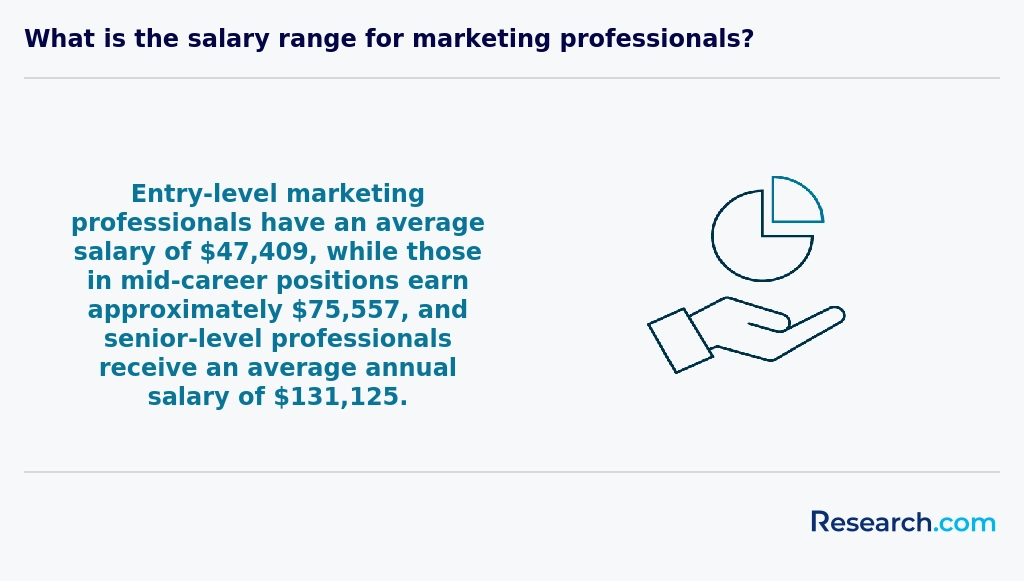
- Entry-level marketing professionals in Boston earn about $55,000 per year, with salaries rising to $85,000 mid-career and over $120,000 for senior managers.
- The marketing job market in Boston is expected to grow by 7% over the next decade, driven by sectors like technology, healthcare, finance, and education.
- Many Boston colleges offer internships and co-op programs that provide practical experience and improve job prospects.
- Several marketing programs in Boston are accredited by AACSB or ACBSP, ensuring high-quality education aligned with current industry standards.
Completing a marketing degree in Boston typically takes about four years for a full-time undergraduate student, aligning with the national norm. Graduates from institutions like Boston University or Northeastern University often recall balancing around 120 credit hours encompassing business fundamentals, marketing courses, and general education. Some have chosen accelerated paths, finishing in three years by embracing summer sessions and heavier course loads, though this demands strong dedication and time management.
Graduate students pursuing an M.S. in Marketing or an MBA with a marketing focus often spend one to two years completing their studies. Many appreciate the flexible schedules offered by Boston's universities, including evening or part-time options, which are particularly valuable for those working while studying. This flexibility helps students navigate busy lives without sacrificing progress, a reality reflected in many graduates' experiences.
Boston's blend of online and hybrid courses further adapts to individual needs, allowing some to extend timelines while balancing work or family. Internships, a common feature, enrich learning but may add time before graduation, a small tradeoff for gaining critical, real-world insight.
Investing in a Marketing degree in Boston, MA, requires careful evaluation of tuition costs against potential earnings. With average annual tuition around $38,070 for a four-year program, graduates can anticipate entry-level salaries of approximately $50,000 and mid-career earnings that exceed $90,000. Based on these figures, most graduates break even on tuition costs within 4–6 years, assuming full-time employment in marketing roles such as coordinators, analysts, or managers. Evaluating ROI also means factoring in living expenses and student loan interest. By leveraging scholarships, grants, and federal aid, students may reduce out-of-pocket costs by up to 35%. For those seeking more affordable alternatives without sacrificing quality, consider exploring our Inexpensive Marketing Degree Programs Ranking in Iowa, which highlights cost-effective pathways and robust financial aid packages. Moreover, Boston’s vibrant job market-with a projected growth rate of 16.3% through 2032-offers ample opportunities for rapid salary progression. Graduates who combine strong analytical skills with practical experience often secure promotions within 3–5 years, further improving long-term ROI. Networking through alumni events and university partnerships can also accelerate career advancement, ensuring that initial educational investments yield substantial dividends over the span of a marketing career.
Choosing between online and on-campus marketing degrees in Boston often comes down to lifestyle and learning preferences. Graduates from well-known Boston institutions like Northeastern University or Boston University frequently share that on-campus programs provide an irreplaceable energy. The chance to engage directly with professors and peers during lively classroom discussions or group projects adds depth to their understanding and builds valuable local networks.
Meanwhile, those who pursued online marketing degrees appreciate the flexibility to balance coursework with jobs or family life. For example, graduates recall how virtual group projects and video lectures allowed them to stay connected without the commute, making degrees from Boston's public universities more accessible. However, they note that this format requires self-discipline and can feel isolating without regular face-to-face interaction.
Cost-wise, graduates highlight that while tuition can be similar, on-campus students often manage additional expenses like housing and travel. Ultimately, both paths in Boston equip students with comparable marketing skills and career prospects, but the choice hinges on how one prefers to learn and engage within the city's marketing community.
The average cost of a marketing degree in Boston typically centers around $75,742, reflecting the combined expenses of tuition, fees, and related costs. Graduates from popular Boston institutions like Boston University or Northeastern University often recall balancing the rigors of demanding coursework with the excitement of engaging marketing projects, despite the significant financial commitment. Many find that the investment pays off through the vibrant industry connections and experiential learning available in the city.
For those considering the Boston marketing degree tuition and fees, private universities usually represent the higher end of the financial spectrum, while public schools offer more affordable in-state options. A student pursuing marketing at the University of Massachusetts Boston, for example, might pay noticeably less in tuition compared to their private school counterparts, making in-state residency a valuable factor to keep in mind. These differences in costs highlight the importance of planning ahead and considering all expenses beyond tuition, such as textbooks and daily living costs.
Additionally, students exploring in demand marketing schools in Boston often benefit from scholarships and financial aid, which can significantly mitigate the overall expense. Many graduates remember how such support made their degrees more accessible and reinforced their confidence in pursuing ambitious career goals. Exploring these options early can make the cost more manageable and keep the focus on learning and professional growth rather than financial stress.
For a clear pathway to some of the leading options, prospective students should explore in demand marketing schools in Boston to align their goals with programs that suit both their budget and academic aspirations.

Investing in a marketing degree requires weighing the total cost of tuition and living expenses against potential earnings. On average, annual tuition for a four-year marketing program in Boston is approximately $38,070, with living costs adding another $20,000 per year. Graduates typically start as Marketing Assistants earning around $78,880 annually, with experienced roles like Public Relations Specialist commanding up to $150,030. To evaluate when you’ll break even on your educational investment, compare cumulative tuition costs with projected salaries. Understanding the digital marketing degree cost alongside potential earnings can guide your decision-making process. For example, a graduate paying $152,280 in tuition and expenses could recoup their investment within 2–3 years at an entry-level salary of $78,880, and within under two years if they secure a mid‐career role at $90,000–$100,000 per year. Several factors influence ROI, including financial aid, scholarships, and part-time work. With 77% of students receiving average aid awards of $13,500 annually, net tuition may drop significantly. Co-op programs and internships at institutions like Northeastern University further accelerate ROI by providing paid work experience, while accelerated online options can reduce both tuition and opportunity costs. To maximize return, prospective students should prioritize programs offering strong career services, robust internship pipelines, and transparent alumni salary data. Engaging in campus networking events and leveraging mentorship programs can lead to higher‐paying positions sooner, ultimately shortening the time needed to offset educational expenses and boosting long‐term career satisfaction.
Many marketing students in Boston find that federal financial aid is a vital support system. Pell Grants, for example, can significantly ease tuition burdens, offering up to $7,395 for eligible undergraduates. Graduates from schools like Northeastern recall how these grants made ambitious projects and internships more accessible without deepening debt.
State resources such as the MassGrant program have also helped students attending public institutions like the University of Massachusetts Boston, covering part of tuition based on financial need. This kind of local assistance can transform the affordability of a degree, especially when paired with institutional scholarships.
At private universities such as Boston University, merit scholarships ranging from $10,000 to $25,000 per year have empowered students to focus on building strong networks rather than worrying about finances. Coupled with federal work-study jobs paying close to $15 per hour, many have balanced earning with valuable marketing experience on campus.
Additionally, private scholarships from organizations like the American Marketing Association and local Boston foundations offer helpful boosts. For those juggling careers and studies, employer tuition reimbursements often provide unexpected relief in managing education costs.
The marketing landscape is evolving rapidly, driven by technology advancements, shifting consumer behaviors, and innovative strategies. Today's students need to be prepared not only with traditional marketing skills but also with digital proficiency, data analytics, and creative problem-solving capabilities. Recent trends highlight the rise of artificial intelligence in campaign optimization, personalized customer experiences, and the growing importance of sustainability in branding. With industry partnerships and real-world projects increasingly integrated into academic programs, graduates are better positioned to make an immediate impact in their roles. Students can also benefit from exploring resources that detail market dynamics and top-performing programs. For instance, prospective students interested in exploring programs from in demand marketing schools can gain valuable insights on how these institutions align with emerging industry needs. Staying informed about trends such as voice search optimization, augmented reality marketing, and ethical advertising will give graduates a competitive edge in an ever-changing job market, while also helping them to anticipate shifts that could redefine marketing careers in the near future.
Enrolling in a marketing degree program in Boston begins with clear academic prerequisites that ensure students are ready for the challenges ahead. Most undergraduates share how having a solid high school foundation in English, math, and social studies made their transition into programs at well-known Boston colleges smoother. For example, graduates often recall how courses in economics or statistics gave them an early advantage when tackling marketing analytics.
Test scores, like the SAT or ACT, remain a part of the process at many Boston institutions, though some are adopting test-optional policies. Graduate applicants typically hold a bachelor's degree in related fields and may need GRE scores, but many have benefited from recent waivers, easing their path into advanced studies.
International students frequently highlight how proving English proficiency through TOEFL or IELTS built their confidence communicating in diverse classroom settings. Beyond academics, successful applicants demonstrate genuine interest through personal statements and relevant work or internship experience, which local universities highly value.
Boston's vibrant community and competitive tuition fees reflect not just costs but investment in a dynamic marketing education that inspires students to thrive.
Marketing degrees in Boston commonly include courses that blend core business fundamentals with specialized marketing skills, offering a rich, practical learning experience. Graduates from well-known institutions like Boston University and Northeastern often recall how courses like Introduction to Marketing laid a solid foundation by exploring consumer behavior and market research.
Hands-on classes such as Digital Marketing bring theories to life, teaching strategies in social media and SEO through projects that mimic real campaigns local Boston startups might run. Marketing Research and Analytics courses sharpen analytical skills, enabling students to interpret data that drives impactful decisions in industries thriving around Boston, such as healthcare and technology.
Students appreciate Consumer Behavior classes for their insight into psychological influences on purchasing decisions, which often feel immediately relevant during internships at Boston firms. Brand Management and Advertising courses inspire creativity and strategic thinking, reflecting the competitive energy of the Boston business scene.
This curriculum balance prepares students not just to understand marketing concepts but to apply them confidently in Boston's dynamic market environment, making their educational journey both engaging and deeply rewarding.
Marketing degree specializations in Boston reflect the city's dynamic business environment and diverse industries. Graduates from institutions like Boston University and City University of Boston often highlight the value of focusing on Digital Marketing, where skills in social media, SEO, and content creation align perfectly with Boston's tech-driven economy. This specialization offers a tangible edge in the local job market, enriching students' experience through projects that mimic real campaigns for Boston-based startups.
Boston marketing degree concentration options also include Brand Management, which appeals to students passionate about shaping consumer perceptions and fostering loyalty in the city's robust consumer goods sector. Graduates recall how hands-on case studies from local companies helped them see branding as a living, evolving strategy rather than just theory.
Many find Marketing Analytics compelling, given Boston's emphasis on innovation and data-driven decision-making. Learning to interpret market trends with statistical tools brings a sense of empowerment, especially when paired with experiences in market research internships. Other concentrations, such as Advertising, Sales Management, and International Marketing, round out the choices available to students eager to tailor their education to specific career aspirations.
For those curious about investments in these paths, understanding the digital marketing degree cost can provide useful context in planning their journey toward a specialized marketing career in Boston.
Choosing the best marketing degree in Boston means thinking about more than just the school's name. Graduates often remember how programs from universities like Boston University or Northeastern University emphasized internships and real-world projects, which helped them build confidence and practical skills. It's essential to look closely at the curriculum offerings-whether they dive into digital marketing, brand management, or data analytics-since Boston's marketing landscape rewards expertise in current industry trends.
Many students find that affordability plays a huge role in their decision. While private colleges in Boston might seem costly, some students discovered ways to manage expenses through scholarships or part-time study options, reflecting the value of flexible learning modes. Those seeking options might explore rankings that highlight affordable programs, like the Inexpensive Marketing Degree Programs Ranking in Iowa, to inform their financial planning. This kind of approach makes staying in Boston for a degree more realistic and motivating.
The city's strong economy creates a vibrant job market, and marketing graduates feel energized by the networking and career opportunities available locally. Choosing programs accredited by NECHE or those recognized in national rankings assures many students that their investment will pay off. Ultimately, selecting the right marketing degree in Boston is about finding a program that balances quality education, career support, and affordability-all factors that graduates appreciate deeply.

Graduates with a marketing degree in Boston find a variety of rewarding career opportunities that align well with the city's dynamic economy. Many alumni from popular institutions like Boston University and Northeastern University land roles as Market Research Analysts, where they dive into consumer behavior to guide strategic decisions for growing companies. Others thrive as Digital Marketing Specialists, leveraging Boston's thriving tech scene to boost online visibility for startups and established firms alike, creating campaigns that resonate deeply with local and global audiences.
Career opportunities for marketing graduates Boston also include positions such as Brand Manager and Advertising Coordinator, where graduates collaborate across creative and sales teams to build strong, memorable brands. Sales Manager roles combine marketing know-how with team leadership, an appealing path for many graduates focused on driving business growth within Boston's competitive markets.
Reflecting on those who've excelled, hands-on internships and cooperative education at city institutions often provide the real-world skills that distinguish successful candidates. For those considering alternate pathways, exploring quick 6 month certifications that lead to high paying jobs can be a strategic complement or alternative to traditional degrees.
The job market for marketing degree holders in Boston is notably strong and full of diverse opportunities, reflecting the city's dynamic economy. Graduates from local universities often find themselves well-positioned for roles in digital marketing, brand management, and content strategy across industries like technology, healthcare, and finance. This Boston marketing degree employment opportunities landscape encourages graduates to sharpen skills in data analytics and social media coordination, where demand continues to grow steadily.
Many marketing graduates have shared how Boston's professional networks, including organizations like the American Marketing Association's Boston chapter, play a crucial role in securing rewarding positions. The city's high cost of living is balanced by competitive salaries, with entry-level marketers earning $50,000 to $65,000 and managers surpassing $100,000, which aligns well with career ambitions. Students weighing education costs typical to Boston's institutions find it helpful to consider these earnings alongside tuition, especially when comparing with options such as online certificates that pay well.
For anyone reflecting on the marketing degree job outlook Boston offers, the steady growth predicted by labor departments signals a welcoming environment for launching and advancing a marketing career.
2027 Most Popular Marketing Degree Programs Ranking in Boston
Investing in your education is a significant decision that can shape your future, and the Research.com team understands the importance of making informed choices. To assist prospective students, we have meticulously created the "2027 Most Popular Marketing Degree Programs Ranking in Boston." Our commitment to quality, credibility, and accuracy is demonstrated through rigorous research and thorough analysis behind this ranking.
We utilized the following reputable data sources to ensure a comprehensive evaluation of marketing degree programs:
By exploring this ranking, readers will gain valuable insights into the most popular marketing degree programs in Boston, empowering them to make well-informed decisions about their educational futures. For more details on our methodology, please visit our Research.com methodology page.


Frequently Asked Questions About marketing
Marketing degree students in Boston can maximize their learning experience by engaging with local industry opportunities. Boston's vibrant business environment, home to numerous startups and established firms, offers valuable internships that complement academic theory with real-world practice. According to the Greater Boston Chamber of Commerce, internships in marketing roles have grown 12% over the past three years, underscoring the city's dynamic market.
Students should also leverage networking events and marketing associations such as the American Marketing Association's Boston chapter, which regularly hosts workshops and conferences. Additionally, taking advantage of Boston's diverse academic resources, including libraries and marketing labs, enhances hands-on skills.
The marketing field is evolving rapidly, and emerging niches reflect changes in technology and consumer behavior. In Boston, data-driven marketing is gaining significant traction due to the city's tech and biotech hubs. This niche focuses on using analytics to optimize campaigns and improve customer targeting.
Another growing area is experiential marketing, which creates interactive brand experiences. Boston's vibrant event scene supports this trend, allowing marketers to engage audiences directly.
Additionally, sustainable and ethical marketing is becoming important as consumers demand social responsibility. Boston universities report increased course offerings in this area, aligning with global marketing shifts.
Lastly, digital content strategy and influencer marketing are expanding, especially with Boston's strong media presence and startup culture.
Graduates with marketing degrees in Boston face a competitive but promising job market. To prepare effectively, students should build practical skills through internships; Boston's strong presence of advertising and tech firms offers numerous opportunities for hands-on experience. According to the Bureau of Labor Statistics, demand for marketing specialists in the Boston metro area is projected to grow by 8% from 2022 to 2032, slightly above the national average.
Developing digital marketing abilities, including social media management and data analytics, is essential. Networking through local industry groups like the Massachusetts American Marketing Association can improve job prospects. Additionally, tailoring resumes to highlight Boston-specific market knowledge attracts regional employers in healthcare, finance, and education sectors.
Employers in Boston seeking marketing degree graduates prioritize a blend of analytical and creative skills. According to the Massachusetts Department of Unemployment Assistance, proficiency in digital marketing tools like Google Analytics and SEO is essential. Many companies in Boston's competitive market also value strong communication skills, especially in content creation and social media management.
Critical thinking and data interpretation are ranked highly, with 67% of Boston marketing firms emphasizing the ability to analyze market trends and consumer behavior, as reported by the Boston Business Journal in 2023. Adaptability to emerging marketing technologies is also crucial for success in this evolving field.
Finding internships in Boston related to a marketing degree involves leveraging multiple local resources and networks. Boston is home to numerous marketing agencies, startups, and large corporations, offering a variety of internship opportunities. According to the Boston Chamber of Commerce, industries like technology, healthcare, and finance often seek marketing interns to support campaigns and digital strategies.
Students should utilize university career centers, which commonly maintain partnerships with local businesses. Platforms like Handshake and LinkedIn also list marketing internships specific to Boston. Additionally, attending local marketing meetups or professional events hosted by organizations such as the American Marketing Association's Boston chapter can expand connections.
Practical experience is crucial as Boston's competitive market favors candidates who combine academic knowledge with real-world skills. Tailoring applications to highlight digital marketing, analytics, and communication strengths increases chances of securing an internship.
A marketing degree significantly enhances career mobility and advancement opportunities in Boston's competitive job market. The city's robust economy features a concentration of industries such as technology, healthcare, and finance, where marketing professionals are in demand. According to the U.S. Bureau of Labor Statistics, marketing managers in the Boston metropolitan area earn a median annual wage approximately 15% higher than the national average.
Graduates with marketing degrees often find entry into roles like digital marketing, brand management, and market research, which serve as stepping stones to senior positions. Boston's network of businesses and startup ecosystems also supports career growth for those holding formal marketing qualifications.
Studying for a marketing degree in Boston offers unique interdisciplinary preparation due to the city's diverse academic and business environment. Many Boston universities integrate courses from communications, data analytics, psychology, and economics, reflecting marketing's evolving nature. This approach helps students develop skills in digital marketing, consumer behavior, and market research simultaneously.
Boston hosts numerous industries such as technology startups, healthcare, and finance, offering practical experiences through internships that blend marketing with other fields. According to the Boston Planning & Development Agency, over 60% of local companies emphasize cross-functional teamwork, increasing students' readiness for interdisciplinary roles.
Furthermore, partnerships between schools and corporations foster real-world projects, promoting collaboration across departments like IT, design, and business strategy.
When choosing between a thesis and a non-thesis marketing degree program in Boston, consider your career goals and learning preferences. A thesis program involves conducting original research, which suits students interested in academic or research roles. This option typically requires more time and strong analytical skills.
Non-thesis programs focus on practical skills through coursework and internships, ideal for students aiming to enter the marketing industry quickly. Boston's marketing sector is robust, employing over 15,000 professionals as of 2023, making practical experience valuable (source: Boston Planning & Development Agency).
Cost and duration may differ: thesis paths can extend your study by a semester or more. Evaluate your motivation for research versus hands-on application when deciding.
Students based in Boston who wish to study marketing abroad have several structured options through their local universities. Many Boston institutions participate in established study abroad programs, allowing marketing students to attend partner universities worldwide for a semester or year. For example, Boston University and Northeastern University offer access to over 100 international programs, including countries known for strong business education like the UK, Australia, and Spain.
Additionally, some programs include internships abroad, combining academic credits with practical marketing experience. According to NAFSA, around 42% of U.S. students enrolled in study abroad programs in 2022 pursued business-related fields, reflecting marketing's global appeal.
Boston offers various part-time job opportunities that can effectively complement marketing degree education. Students often find internships or roles in digital marketing agencies, where they gain hands-on experience in social media management, SEO, and content creation. According to the Bureau of Labor Statistics, Boston's marketing and advertising sector has grown steadily, with increasing demand for data-driven marketing roles.
Retail marketing positions in prominent Boston stores help students understand consumer behavior and brand management practically. Additionally, part-time jobs in event promotion or nonprofit fundraising provide valuable experience in marketing communications. These opportunities align well with classroom learning and expand professional networks in a city known for its vibrant business community.
Boston offers extensive networking opportunities for marketing students due to its strong business and academic communities. Numerous universities, including Boston University and Northeastern University, host marketing clubs and events that connect students with industry professionals. According to the Greater Boston Chamber of Commerce, the city supports over 20,000 marketing and advertising jobs, creating a dynamic environment for internships and job placements.
Students can engage with organizations like the American Marketing Association (AMA) Boston Chapter, which regularly arranges workshops and networking sessions. Additionally, Boston's many marketing conferences and seminars provide direct access to industry leaders and recruiters.
Alumni networks play a crucial role for marketing degree students in Boston by providing valuable connections in a competitive job market. Boston's marketing industry, valued at over $10 billion annually according to the Boston Planning & Development Agency, offers many professional opportunities accessible through these networks. Graduates can leverage contacts for internships, career advice, and job referrals within well-established Boston firms and startups.
Additionally, active alumni groups often host workshops, panels, and networking events, enhancing students' practical knowledge and industry awareness. According to the National Association of Colleges and Employers, 70% of jobs are secured through networking, making alumni ties essential.
Engaging with alumni also helps students understand local market trends and gain mentorship from marketing professionals familiar with Boston's unique economy.
Many Boston institutions offer flexible marketing degree programs allowing students to tailor their studies to specific career goals. Customization often includes choosing electives such as digital marketing, consumer behavior, or marketing analytics, which align with industry demands. Some schools provide options for internships or cooperative education experiences, offering practical exposure in Boston's vibrant marketing and advertising sectors.
Additionally, students may pursue certificates alongside their degree to supplement skills in areas like data analysis or social media strategy. According to the Boston Planning & Development Agency, Boston's marketing and advertising jobs are projected to grow steadily, enhancing opportunities for specialized knowledge.
Academic advisors and career services often assist in mapping degree choices to particular roles, such as brand management or market research, ensuring the curriculum supports professional objectives.
Marketing students in Boston often face the challenge of balancing rigorous coursework with practical experience demands. Boston's competitive job market, ranked among the top U.S. cities for marketing internships by the Bureau of Labor Statistics, increases pressure to secure relevant internships early. Additionally, many students encounter high tuition costs; for example, Massachusetts Institute of Technology and Boston University charge upwards of $50,000 annually, making financial planning essential.
Adapting to rapid changes in digital marketing trends also poses difficulties. According to a 2023 report by the American Marketing Association, staying current with evolving tools like AI-driven analytics requires ongoing effort. Finally, networking can be overwhelming, but Boston's vibrant business scene offers many opportunities for connection.
With a marketing degree, you can pursue several professional certifications that enhance your credentials and career prospects. Popular certifications include the Certified Marketing Professional (CMP) and the Digital Marketing Institute's Certified Digital Marketing Professional (CDMP). Both are recognized nationally and valued by Boston employers in marketing, advertising, and digital media sectors.
Additionally, the American Marketing Association (AMA) offers the Professional Certified Marketer (PCM) credential, which demonstrates expertise in marketing management, content marketing, and sales management.
Data from the Boston Planning & Development Agency shows growing demand for digital marketing skills in the region, making certifications that focus on social media, analytics, and SEO particularly valuable.
To write a winning application for a marketing program in Boston, start by highlighting your academic achievements and relevant experiences clearly. Boston hosts several top-ranked universities offering marketing degrees, such as Boston University and Northeastern University, which value strong analytical and communication skills. Demonstrating knowledge of Boston's vibrant business environment-home to over 12,000 marketing firms according to the Boston Planning & Development Agency-can strengthen your application.
Include a well-crafted personal statement explaining your career goals and how the program aligns with them. Emphasize any internships or projects related to digital marketing or consumer behavior.
The global outlook on marketing careers is shaped by rapid technological advances and increasing international trade. For students in Boston, this means marketing degrees must emphasize digital skills and cross-cultural communication to compete worldwide. According to the U.S. Bureau of Labor Statistics, marketing management jobs are expected to grow 10% between 2022 and 2032, faster than average, reflecting strong global demand.
Boston's diverse economy and international business links provide practical exposure to global marketing trends. Institutions here often integrate case studies from multinational companies, preparing graduates to understand global consumer behavior and regulatory environments. This approach aligns with employer demands in global markets, as reported in studies by the American Marketing Association.
Gaining practical experience while studying for a marketing degree in Boston is essential for career readiness. Many universities in Boston encourage internships with local companies, giving students hands-on exposure. According to the Massachusetts Executive Office of Labor and Workforce Development, Boston's marketing sector is growing by about 3% annually, creating ample internship opportunities.
Students can also join on-campus marketing clubs or participate in case competitions, which simulate real-world projects. Additionally, Boston hosts numerous networking events and industry conferences where students can connect with professionals. Volunteering for startups or nonprofit organizations in the area is another practical way to build experience alongside academic studies.
Choosing the right concentration within a marketing degree program in Boston involves assessing your career goals and interests. Boston's marketing job market is diverse, with strong demand in digital marketing, data analytics, and brand management, according to the U.S. Bureau of Labor Statistics and Boston Planning & Development Agency.
Students should research concentrations like social media marketing, consumer behavior, or market research. Boston's tech and healthcare sectors often seek marketing professionals with data-driven skills.
Consider programs that offer internships and connections in Boston's local industries, as hands-on experience improves employability. Reviewing alumni outcomes can also guide your decision.
Lastly, evaluate curriculum flexibility to ensure you can adapt to changing marketing trends prevalent in Boston's competitive environment.
- 2027 Most Popular Marketing Degree Programs Ranking in Providence
- 2027 Most Popular Marketing Degree Programs Ranking in Manchester
- 2027 Most Popular Marketing Degree Programs Ranking in Springfield
- 2027 Most Popular Marketing Degree Programs Ranking in Fairfield
- 2027 Most Popular Marketing Degree Programs Ranking in New York
- 2027 Most Popular Marketing Degree Programs Ranking in Jersey City
- 2027 Most Popular Marketing Degree Programs Ranking in Syracuse
- 2027 Most Popular Marketing Degree Programs Ranking in Philadelphia
- 2027 Most Popular Marketing Degree Programs Ranking in Rochester
- 2027 Most Popular Marketing Degree Programs Ranking in Washington
See What Experts Have To Say About Studying Marketing
Read our interview with Marketing experts

John R. Meindl
Marketing Expert
Adjunct Assistant Professor of Marketing
Hofstra University

Sonya A. Grier, Ph.D.
Marketing Expert
Professor, Department of Marketing
American University

- BCom Management Marketing - South Africa | Boston City Campus https://www.boston.ac.za/business-administration-service/bcom-management-marketing-degree/
- What Jobs Can You Get with a Marketing Degree? https://www.global-business-school.org/content-type/blog/what-jobs-can-get-marketing-degree/
- Tips for Marketing Students - Impact Marketing https://impactmt.com/tips-for-marketing-students/
- Career Goals: 17 Inspirational Examples for you in 2026 https://www.imd.org/blog/learning-and-development/career-goals/
- How Niches Provide New Growth Opportunities for Business https://visionedgemarketing.com/niche-marketing-provides-new-growth-opportunities/
- Top Marketing Institutes in Boston https://fueler.io/blog/top-marketing-institutes-in-boston
- Make the most of your digital marketing https://www.ccdaily.com/2022/01/make-the-most-of-your-digital-marketing/
- Best Marketing Certifications for Your Marketing Career https://www.business.com/articles/guide-to-marketing-certifications/
- Digital Marketing Major https://www.kozminski.edu.pl/en/digital-marketing-major
- What Are Market Niches? Includes Benefits And Expert Insights https://seekmarketingpartners.com/digital-marketing-blog/what-are-market-niches/