2027 Most Popular Logistics Degree Programs Ranking in California

Co-Founder and Chief Data Scientist
Choosing the right logistics degree program in California can feel overwhelming, but you're not alone. This article presents the 2027 Most Popular Logistics Degree Programs Ranking in California, crafted by the Research.com team of data scientists. It's designed to help you discover which programs truly stand out.
Whether you're starting fresh or considering a career change, understanding your options is key. A logistics degree opens doors to exciting opportunities in a growing field, offering skills that employers highly value.
Read on to make an informed, confident decision about your future education.
Key benefits of getting logistics degree in California
- Salary benefits: Graduates with a logistics degree in California can expect competitive salaries, such as $84,640 annually for Logistics Coordinators and Specialists, and $63,130 for Customs Brokers, providing strong financial stability.
- Career paths: A logistics graduate from a popular California university can pursue various roles like Transportation Planner or Supply Chain Coordinator, both offering rewarding job opportunities and growth potential.
- Online degree advantages: Earning a logistics degree online from a well-known California university offers flexibility and convenience, allowing students to balance work and study while gaining the same valuable skills as traditional students.
- Key benefits of getting logistics degree in California
- What can I expect from logistics degree in California?
- Where can I work with logistics degree in California?
- How much can I make with logistics degree in California?
- 2027 Most Popular Logistics Degree Programs Ranking in California
- Key Findings
- How long does it take to complete logistics degree in California?
- What's the difference between online and on-campus logistics degree?
- Emerging Trends in Logistics Education
- What is the average cost of logistics degree in California?
- Return on Investment and Career Outcomes
- What financial aid is available to logistics degree students in California?
- What are the prerequisites for enrolling in logistics degree program in California?
- Industry Certifications to Complement Your Logistics Degree
- What courses are typically in logistics degree programs in California?
- What types of specializations are available in logistics degree programs in California?
- How do you choose the best logistics degree in California?
- What career paths are available for logistics degree students in California?
- What is the job market for logistics degree in California?
- Related Logistics Rankings for Nearby States
- Top Trending Logistics Rankings
What can I expect from logistics degree in California?
The average cost of obtaining a logistics degree in California varies widely depending on the institution and degree level. Graduates from popular public universities often report paying between $7,000 and $15,000 per academic year for in-state tuition. For example, students attending well-known state colleges commonly balance in-class learning with internships at major ports like Los Angeles, which adds practical value without extra financial burden.
Private colleges offering logistics programs usually charge significantly more, often ranging from $20,000 to $40,000 per year. Despite the higher sticker price, many graduates find the investment worthwhile due to direct access to industry connections and career services that help secure jobs quickly in this competitive market.
Costs beyond tuition, such as textbooks and commuting, are manageable for most students but should be factored into your budgeting. Networking events and certification exam fees, like for the Certified Supply Chain Professional, are additional expenses but often enhance job prospects, making them a practical step for those aiming to thrive in California's dynamic logistics sector.
Where can I work with logistics degree in California?
Graduates from logistics programs at universities like California State University, Long Beach, often find themselves working directly in the bustling ports of Los Angeles and Long Beach. These ports handle nearly 40% of U.S. inbound ocean containers, providing hands-on opportunities in freight coordination, customs compliance, and operations management.
Others leverage their education by joining trucking companies, rail freight operations, or third-party logistics providers that serve California's extensive transportation network. For example, graduates from San Diego State University report securing roles optimizing trucking routes or managing perishable goods distribution for California's large agricultural sector.
California's retail giants and e-commerce hubs also attract logistics degree holders. Many graduates work at distribution centers for companies such as Amazon and Walmart, where they apply skills to streamline inventory and delivery systems, gaining valuable industry experience.
Manufacturing hubs in Southern California and the Bay Area offer paths in overseeing supply chains and materials procurement. Government roles, focusing on transportation infrastructure and sustainable logistics initiatives, provide meaningful careers aligned with California's environmental goals, reflecting a growing area for motivated graduates.
How much can I make with logistics degree in California?
Graduates of logistics programs in California typically start their careers in roles such as Logistics Coordinators or Specialists, earning around $84,640 annually according to 2023 BLS data. For example, a recent graduate from a university in Southern California shared how landing a Logistics Coordinator position at a major port boosted their income well above the national average.
Other entry-level positions like Customs Brokers earn about $63,130 per year. Those who focus on coordination roles in transportation or supply chain management, such as Supply Chain Coordinators or Transportation Planners, usually start closer to $46,690 annually, but gain valuable, hands-on experience that leads to higher wages.
Advancing with California's bustling logistics industry, especially near hubs like Los Angeles or the Bay Area, can push salaries upward. Professionals with experience or additional supply chain certifications often reach six-figure salaries, reflecting the strong regional demand. Graduates from prominent programs at California State University or University of Southern California often find these steps practical and motivating in their career paths.
2027 Most Popular Logistics Degree Programs Ranking in California
How do we rank schools?
Investing in your education is a significant decision that can greatly influence your career trajectory, and the Research.com team fully recognizes the importance of making well-informed choices. To support prospective students interested in logistics, we have carefully developed the "2027 Most Popular Logistics Degree Programs Ranking in California." Our dedication to quality, credibility, and accuracy is demonstrated through rigorous data collection and analysis involved in producing this ranking.
We utilized the following reputable data sources to ensure a comprehensive evaluation of logistics degree programs:
By consulting this ranking, readers will gain valuable insights into the most popular and quality logistics degree programs available in California, providing them with essential information to make confident decisions about their education and future careers. For more details on how this ranking was created, please visit our Research.com methodology page.


# 4 position
Ashford University
Bachelor of Logistics Management

# 5 position
Naval Postgraduate School
Master of Science in Logistics

Key Findings
- Logistics degrees are offered at community colleges, state universities, and private universities across California, with programs including bachelor's, associate degrees, and certificates.
- In-state tuition at California State Universities averages $7,000 to $8,000 per year, while community colleges cost around $1,000 to $2,000 annually for residents.
- Private universities in California typically charge over $30,000 per year for logistics programs.
- Entry-level logistics salaries in California range from $50,000 to $60,000 per year, increasing to $75,000 to $100,000 with experience.
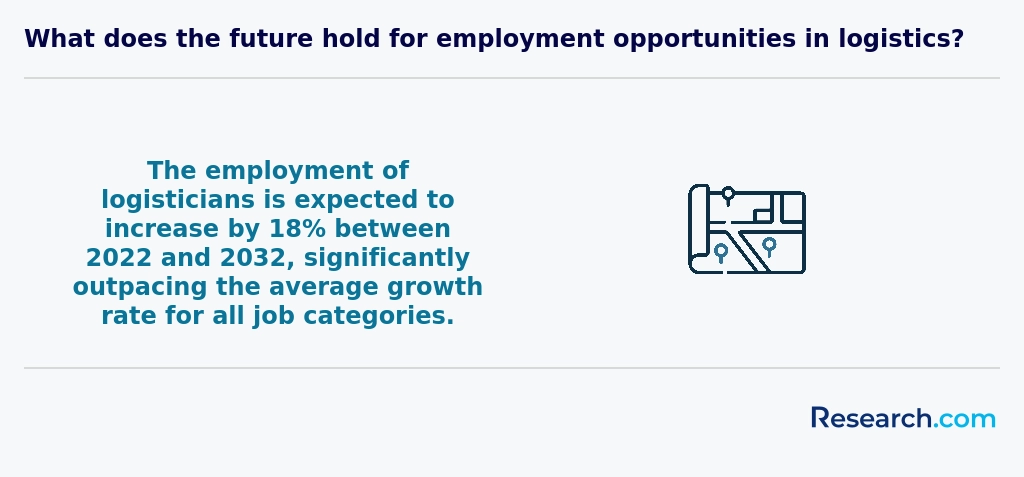
- Employment for logisticians in California is expected to grow faster than the national average due to the state's role in trade and expanding supply chain technologies.
- Internships and cooperative education opportunities in California's logistics hubs can improve practical skills and job prospects.
How long does it take to complete logistics degree in California?
Completing a logistics degree in California typically takes two to four years, depending on the level you choose. Many students start with an associate's degree at community colleges like Los Angeles City College, finishing in about two years. This route allows you to quickly gain essential skills in transportation and inventory management, often leading to early entry into the workforce.
For those aiming higher, bachelor's degrees at campuses like California State University or University of California generally require four years of full-time study. These programs dive deeper into supply chain strategy and analytics, preparing graduates for advanced roles. Many graduates share that pacing themselves full-time keeps them on track to finish in this timeframe, although part-time or transfer students might take longer.
Flexible options-such as online courses or accelerated programs-can shorten the journey. If you're transferring credits from a community college, your timeline may shrink as well. Choosing the right path for your situation helps you balance studies with work or personal commitments, making completion both realistic and rewarding.
What's the difference between online and on-campus logistics degree?
Choosing between online and on-campus logistics degrees in California boils down to your lifestyle and learning preferences. On-campus students at schools like California State University, Long Beach enjoy hands-on experiences-imagine attending site visits at the Port of Los Angeles or engaging directly with professors and peers during collaborative projects. These interactions often lead to valuable local internships and connections within California's bustling logistics industry.
In contrast, online programs provide flexibility for those balancing work or family commitments. Graduates from online logistics degrees share how accessing coursework anytime helped them maintain steady jobs while progressing academically. Digital tools like virtual simulations replicate practical training, but online students might miss spontaneous discussions that occur in campus hallways or labs.
Cost is also a factor; public campus tuition averages around $15,000 yearly, while online options often range between $8,000 and $20,000. Evaluate your need for in-person networking versus schedule flexibility to pick the path best aligned with your goals and California's dynamic supply chain environment.
Emerging Trends in Logistics Education
As the logistics industry undergoes rapid transformation, California’s top degree programs are increasingly incorporating advanced topics to prepare graduates for tomorrow’s supply chain challenges. Key areas of focus include:
- Digitalization and Automation: Programs now teach the integration of robotics in warehousing and the use of autonomous vehicles for last-mile delivery, ensuring students master technologies that drive efficiency.
- Data Analytics and AI: Coursework on predictive analytics and machine learning equips future logisticians to forecast demand, optimize routing, and make data-driven decisions in real time.
- Blockchain and IoT in Supply Chains: By exploring distributed ledger technology and Internet of Things applications, students learn secure tracking of shipments and enhanced visibility across global networks.
- Sustainability and Green Logistics: With environmental concerns at the forefront, curricula cover carbon footprint reduction, reverse logistics, and sustainable packaging solutions, aligning with industry commitments to ESG goals.
- Omnichannel Fulfillment Strategies: As e-commerce and brick-and-mortar converge, degree programs emphasize flexible distribution models and real-time inventory synchronization to meet consumer expectations. Staying ahead of these trends not only boosts employability but also positions graduates as innovators in a competitive marketplace. For students seeking affordable online alternatives that still include cutting-edge content, consider exploring the Most Affordable Online Logistics Degree Programs Ranking in Illinois to compare costs and delivery formats before making your final decision.
What is the average cost of logistics degree in California?
The average cost of a logistics degree in California depends heavily on the type of institution and residency status. For many students, starting at a community college can be the most cost-effective step, with annual tuition around $1,200 for California residents. This approach helps manage costs upfront and prepares students to transfer to a four-year public university, where in-state tuition averages approximately $7,500 per year. Graduates from these public institutions often share that balancing affordable tuition with strong program offerings made their education both practical and inspiring.
The average cost of logistics degree in California rises considerably at private universities, where annual tuition can range from $25,000 to $45,000. These schools often offer smaller classes and industry connections that appeal to students focused on specialized logistics careers. A graduate from a private university recalls the extra investment felt rewarding because of the personalized attention and networking opportunities that helped launch their career.
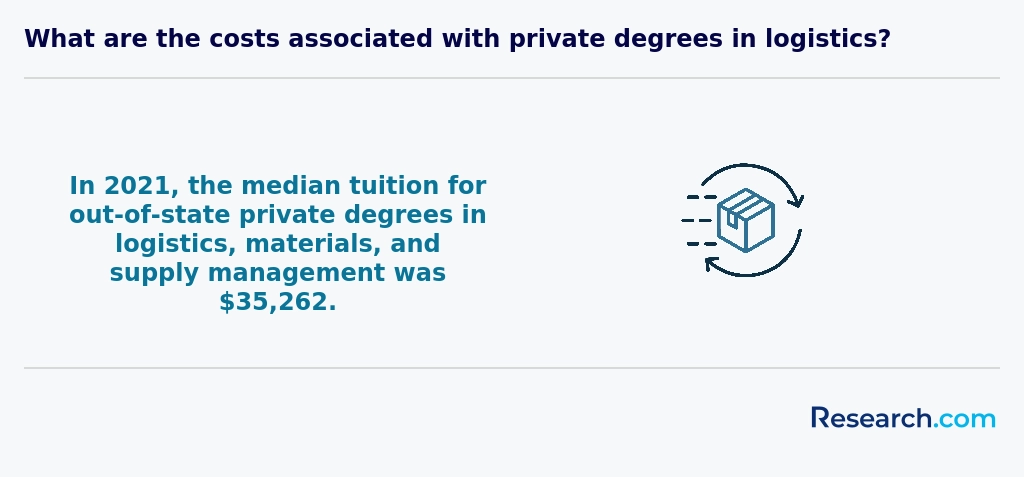
Budget-conscious students should also consider the median total cost of completing a degree, which is about $35,723 for in-state students, and closer to $63,396 for out-of-state students. These figures include not just tuition but also additional expenses like books, software, and transportation. Many students find that carefully balancing these costs alongside financial aid and scholarships can make even private programs attainable.
To explore affordable options and secure the best value, consider reviewing the cheapest logistics schools in california. This can provide a practical roadmap for managing tuition fees and planning your academic journey in logistics effectively.
Return on Investment and Career Outcomes
When evaluating a logistics degree in California, understanding the return on investment (ROI) is as critical as assessing tuition, financial aid, and career paths. An in-depth ROI analysis helps prospective students gauge long-term benefits such as salary growth, career advancement, and overall satisfaction relative to their educational costs. High-performing programs not only offer competitive salaries-like Customs Brokers averaging around $59,200 annually-but also provide valuable alumni networks, internship opportunities, and strategic industry partnerships that can considerably shorten the path to success. For example, several institutions have reported that graduates see rapid career progression within just a few years after graduation, reflecting both quality education and strong employer links in the region. Prospective students should compare programs by examining post-graduate placement statistics and alumni success stories, which are key indicators of a program’s effectiveness. Additionally, budget-conscious students might consider exploring the cheapest logistics schools in california to balance cost with quality outcomes. By carefully analyzing both immediate costs and long-term gains, students can make informed decisions that align with their career ambitions in the dynamic logistics industry.
What financial aid is available to logistics degree students in California?
For logistics students in California, financial aid usually begins with completing the FAFSA to unlock federal grants like the Pell Grant, which can award up to $7,395 annually to those meeting income requirements. Many undergraduates at institutions such as California State University, Long Beach, find this crucial for lowering tuition costs from the typical $15,000 per year to a more manageable amount. State programs like Cal Grant A and B further support students attending local public universities by covering tuition and other fees, an essential resource for those balancing work and study.
Graduates from community colleges often highlight how employer tuition assistance made a significant difference, especially for those already working in the logistics sector. Additionally, scholarships based on academic merit or industry connections-common at schools like San Jose State University-help students gain practical funding. Local workforce grants from California's Employment Development Department can also provide targeted aid for career-focused learners looking to boost their credentials without financial strain.
Combining these aids allows many logistics students statewide to confidently pursue their degrees while managing expenses effectively.
What are the prerequisites for enrolling in logistics degree program in California?
To enroll in a logistics degree program in California, you'll first need a high school diploma or GED. Graduates from CSU or UC campuses often recall that maintaining a GPA around 2.5 to 3.0, especially in subjects like math and English, made applying smoother. These courses build a strong foundation for tackling logistics' quantitative demands. For example, students at California State University, Long Beach found that having completed algebra and statistics in high school gave them confidence on day one.
Community colleges offer associate degrees with fewer barriers, making them a practical starting point. Many students appreciate the affordable tuition-about $1,200 annually-and the chance to transfer later to a four-year program.
Competitive bachelor's programs might require SAT or ACT scores, though many schools have become test-optional recently, which eases pressure. Graduate programs expect a completed bachelor's degree and relevant experience; international students also need to prove their English proficiency.
Expect to prepare personal statements, letters of recommendation, and sometimes interviews. Graduates often highlight that early preparation in IT and data analysis helped them thrive in California's logistics job market.
Industry Certifications to Complement Your Logistics Degree
Adding a recognized certification to your logistics degree can significantly boost your employability and earning potential. Employers often look for candidates who not only possess academic credentials but also hold industry-standard certifications that demonstrate specialized expertise. Key Certifications to Consider:
- ASCM CPIM (Certified in Production and Inventory Management): Ideal for mastering demand forecasting, inventory control, and production planning.
- ASCM CSCP (Certified Supply Chain Professional): Focuses on end-to-end supply chain integration, global supply chain strategies, and risk management.
- ASCM CLTD (Certified in Logistics, Transportation and Distribution): Emphasizes transportation management, warehouse operations, and distribution network design.
- Lean Six Sigma (Green Belt or Black Belt): Equips professionals with process-improvement methodologies to reduce waste and increase efficiency.
- PMI PMP (Project Management Professional): Valuable for logistics managers overseeing complex projects, from multimodal transportation to facility expansions.
- CILT (Chartered Institute of Logistics and Transport): Offers globally recognized credentials in logistics, transport, and supply chain management. How to Integrate Certifications into Your Path: 1. Map Certification to Career Goals: Align your certification choice with roles such as logistics analyst (CSCP) or warehouse operations manager (CLTD). 2. Leverage University Resources: Many programs partner with certification bodies to offer exam prep courses-ask your academic advisor for details. 3. Combine with an Associate Degree: Students exploring foundational programs can consult our list of the best associate in logistics programs online to find flexible, cost-effective options that prepare you for certification exams. 4. Prepare Strategically: Use official study guides, online boot camps, and practice exams to ensure you meet all exam requirements. By strategically earning one or more of these certifications, you’ll validate your skills, stay current with industry best practices, and stand out in California’s competitive logistics job market.
What courses are typically in logistics degree programs in California?
Logistics degree programs in California usually include a mix of foundational and specialized courses tailored to the state's dynamic trade environment. Graduates from popular schools like California State University, Long Beach, often emphasize the practicality of courses such as Supply Chain Management, which teaches you how to design and oversee the flow of goods from production to delivery-skills critical near the busy Ports of Los Angeles and Long Beach.
Students appreciate Transportation and Distribution classes that focus on real-world scenarios involving trucking, rail, air, and sea shipments, reflecting California's role as a major international trade hub.
Courses in Inventory Management help learners balance cost and demand smartly, which graduates find invaluable when managing warehouse stocked goods efficiently.
Many students find Logistics Technology courses particularly exciting, as they get hands-on with software like warehouse management systems (WMS) and transportation management systems (TMS) used daily in California's logistics companies.
International Logistics, another common course, prepares students for challenges like customs and trade compliance, essential for thriving in California's global market.
Business and Marketing Fundamentals also support students in understanding finance and communication, rounding out knowledge needed to succeed in varied logistics roles.
What types of specializations are available in logistics degree programs in California?
Logistics degree specializations in California typically include practical areas tailored to the state's thriving trade and transportation sectors. Graduates from top universities often focus on Supply Chain Management, mastering inventory control and demand forecasting to handle California's busy ports. This specialization prepares students for real-world challenges like managing cross-border shipments efficiently. Another popular concentration is Transportation and Distribution Management, where students learn to optimize freight movement by road, rail, air, and sea, making them highly employable within the state's extensive logistics network.
Many California logistics management concentration options also feature Warehouse and Inventory Management, where students gain hands-on experience with automated storage and order fulfillment systems. For those aiming at international markets, Global Logistics covers customs regulations and global strategies, critical for supporting California's role in multinational trade. Students appreciating this practical approach find success by combining coursework with internships near major hubs.
For those exploring these areas, a detailed list of the best associate in logistics programs online can provide guidance toward the right specialization and institution.
How do you choose the best logistics degree in California?
Start by checking the accreditation and reputation of logistics programs in California. Graduates from institutions like California State University, Long Beach, often share how accreditation by bodies such as AACSB helped them gain credibility with employers. This practical recognition can open doors quickly after graduation.
Next, focus on curriculum and specialization options. Many students appreciate programs emphasizing supply chain analytics or operations management, especially programs near the Ports of Los Angeles and Long Beach, where hands-on maritime logistics experience is common. This real-world exposure builds confidence and skills that employers value.
Cost matters, too. While public universities average around $7,500 yearly for in-state students, private institutions can exceed $25,000. Many who prioritize affordability look for scholarships or financial aid and often compare logistics degrees carefully. Some consult resources like the Most Affordable Online Logistics Degree Programs Ranking in Illinois for budgeting ideas.
Finally, consider flexibility. Online or hybrid formats suit those balancing work and study. Graduates often praise schools offering career services and internship partnerships, which enhance job prospects and provide a direct pathway into California's expanding logistics industry.
What career paths are available for logistics degree students in California?
Graduates with a logistics degree in California typically find career paths as supply chain analysts, logistics managers, operations managers, transportation coordinators, or inventory planners. Many who have studied at well-known California colleges share how these roles let them apply classroom knowledge in real business settings, such as managing inventory flow at major ports like Los Angeles or optimizing distribution for e-commerce companies based in Silicon Valley. These positions offer hands-on experience navigating California's complex supply chain networks.
For students focused on logistics degree career opportunities in California, it helps to start with internships near busy hubs and gradually build expertise in warehousing, transportation planning, or procurement. Some graduates have also leveraged programs at local universities to enter last-mile delivery operations for rapidly growing retail firms.
Considering expenses alongside career prospects? Check out accredited options that allow faster completion, like the fastest associates degree programs. The promise of roles at companies such as Amazon or Walmart makes the investment worthwhile, especially as job prospects for logistics graduates California remain robust and expanding.
What is the job market for logistics degree in California?
The job market for logistics degree holders in California is strong and expanding, thanks to the state's crucial role in global trade. Graduates from universities like California State University, Long Beach, and San Diego State University often find opportunities in transportation, warehousing, and retail distribution centers, sectors thriving especially near major ports. For those considering logistics degree job outlook California trends, the demand is clear: companies seek professionals skilled in supply chain management and technology integration.
Real-life experiences from graduates show that salaries in metropolitan areas such as San Francisco and San Jose exceed $100,000 annually, reflecting robust career opportunities. Students benefit from California's focus on green logistics and analytics, which adds value to their resume. Tuition costs for logistics programs vary, so many students explore financial aid options to ease expenses, and those looking for easy bachelor degrees that pay well can find logistic programs competitive in both cost and return on investment.
Graduates emphasize that specializing in emerging supply chain technologies or sustainability can significantly boost job prospects in California logistics management career opportunities, making the degree a practical and forward-looking choice.
Frequently Asked Questions About logistics
Logistics degree students in California can maximize their learning experience by combining academic knowledge with practical opportunities. California hosts several industry hubs, including the ports of Los Angeles and Long Beach, which handle nearly 40% of U.S. container imports according to the California State Association of Counties. Engaging in internships with these port authorities or logistics companies provides invaluable real-world experience.
Students should also leverage California's strong network of community colleges and state universities offering specialized logistics programs to build foundational and advanced skills. Joining professional associations such as the Council of Supply Chain Management Professionals helps with networking and career growth.
Additionally, staying updated on emerging trends like e-commerce growth and sustainable supply chain practices-areas where California leads-can sharpen a student's competitive edge.
The logistics field in California is evolving rapidly, with several emerging niches gaining importance for students pursuing logistics degrees. One key area is green logistics, focusing on sustainable supply chain practices to reduce environmental impact. California's strict environmental regulations make this niche particularly relevant.
Another growing sector is e-commerce logistics, driven by the state's massive online retail market and major ports like Los Angeles and Long Beach. This niche demands expertise in last-mile delivery and warehouse automation.
Additionally, data analytics in logistics is becoming essential for optimizing operations and forecasting demand. According to the California Labor Market Info, demand for logistics professionals with data skills is expected to grow 15% through 2030.
Preparing for the job market after earning a logistics degree in California requires strategic planning. Graduates should prioritize internships and work experience, as employers highly value practical skills. According to the California Employment Development Department, logistics roles in the state are expected to grow by 10% through 2030, highlighting strong demand. Networking through industry events and professional organizations, such as the Council of Supply Chain Management Professionals, enhances job prospects.
Obtaining certifications like Certified Supply Chain Professional (CSCP) can further boost employability. Developing proficiency in software tools like SAP or Oracle is also essential to stand out in California's competitive logistics sector.
Employers in California highly value logistics degree graduates who demonstrate strong analytical and problem-solving skills. The ability to manage supply chains efficiently is crucial, given California's role as a key logistics hub with over 40% of U.S. imports passing through its ports (California Logistics Report, 2023).
Effective communication and teamwork are also essential as logistics professionals collaborate with multiple stakeholders across industries. Additionally, proficiency in technology and data analysis software, such as warehouse management systems and transportation management tools, is increasingly demanded.
Time management and adaptability stand out as well, enabling graduates to handle California's dynamic market conditions and evolving regulations effectively.
Finding internships in California related to a logistics degree involves a combination of research, networking, and utilizing university resources. California is a major hub for logistics due to its ports in Los Angeles and Long Beach, which handle over 40% of US containerized imports, creating abundant opportunities.
Start by exploring career centers at your college, as they often partner with local companies like FedEx, Amazon, and UPS, which have logistics operations across the state.
Online platforms such as Handshake and LinkedIn are also valuable for locating internships specifically targeting logistics students in California.
Joining professional associations like the Council of Supply Chain Management Professionals (CSCMP) Inland Empire Roundtable can provide networking events and internships leads.
The California Employment Development Department offers labor market information useful for identifying growing logistics sectors and key employers.
A logistics degree in California significantly enhances career mobility and advancement opportunities within the state's expanding supply chain and transportation sectors. The California Employment Development Department projects a 10% growth in logistics-related jobs through 2028, driven by the state's global trade activities and major ports such as Los Angeles and Long Beach.
Graduates with a logistics degree often qualify for roles that demand specialized knowledge in inventory management, distribution strategies, and technology integration. This expertise is highly valued, enabling quicker promotions and transitions into managerial positions.
Additionally, California's logistics industry frequently seeks professionals skilled in data analysis and sustainability practices, skills typically taught in degree programs. Such qualifications support career advancement by aligning with evolving industry trends and regulatory requirements.
Studying for a logistics degree in California equips students with a broad skill set essential for interdisciplinary roles in supply chain management, transportation, and business operations. California's logistics programs often integrate coursework from business, technology, and engineering, reflecting the state's diverse economy and leading ports such as Los Angeles and Long Beach, which handle over 40% of US imports (California Economic Development Department, 2023).
This interdisciplinary approach helps students understand complex systems-from inventory control to regulatory compliance-preparing them to collaborate across departments and industries. Many programs also emphasize data analysis and emerging technologies like automation, which are critical in optimizing supply chains in California's innovation-driven environment.
When choosing between a thesis and a non-thesis logistics degree program in California, consider your career goals and learning style. Thesis programs typically emphasize research, ideal for students aiming at advanced studies or analytical roles in supply chain management. Non-thesis tracks focus more on practical skills, suitable for professionals seeking direct industry employment, project management, or certifications.
California houses key logistics hubs like the Ports of Los Angeles and Long Beach, driving demand for skilled logisticians. According to the Bureau of Labor Statistics, California expects a 10% growth in logistics-related jobs through 2030. Selecting a thesis option may suit those targeting research or academic careers, while non-thesis graduates often enter California's expanding logistics industry faster.
Factors such as program flexibility, faculty expertise, and internship opportunities in California's logistics centers should also influence your decision. Consult with advisers and examine how each option aligns with your ambitions and the state's dynamic logistics sector.
Students based in California seeking to study logistics abroad have several options through exchange programs and partnerships between California universities and international institutions. Many California State University campuses with logistics or supply chain programs offer semester-long study abroad opportunities in countries with strong logistics sectors, such as Germany, the Netherlands, and Singapore.
The California higher education system emphasizes global experience, recognizing that California ports handle over 40% of U.S. international trade, making international logistics expertise valuable. Programs often integrate coursework with internships at global firms to enhance practical skills.
Additionally, universities like UCLA and San Diego State provide guidance on scholarships and visa processes tailored for students interested in pursuing logistics degrees abroad, including programs accredited by the Council on Supply Chain Management Professionals (CSCMP).
Part-time job opportunities in California that complement a logistics degree are abundant due to the state's role as a major hub for trade and distribution. Positions such as warehouse associate, supply chain assistant, and transportation coordinator provide practical experience aligned with academic studies. According to the California Employment Development Department, the logistics sector in the state is expected to grow by 7% through 2028, increasing demand for skilled workers.
Internships or part-time roles with companies operating in ports like Los Angeles and Long Beach offer exposure to real-world supply chain challenges. Additionally, jobs in inventory management and order fulfillment at major retail companies help develop operational skills.
Logistics students in California benefit from a wide range of networking opportunities due to the state's strong transportation and trade sectors. Many universities include access to industry events, career fairs, and guest lectures featuring leading professionals from firms such as UPS, FedEx, and the Port of Los Angeles.
Professional organizations like the Council of Supply Chain Management Professionals (CSCMP) have active California chapters. These chapters offer students chances to connect with experienced logisticians and attend workshops, often leading to internships and job placements.
Additionally, California's strategic position as a global logistics hub encourages collaboration between educational institutions and major companies, providing students valuable contacts and real-world experience.
Alumni networks offer valuable support to logistics degree students in California by connecting them with experienced professionals in the field. These networks provide mentorship opportunities that help students understand industry expectations and career pathways. According to the Council of Supply Chain Management Professionals, California hosts one of the largest logistics hubs in the U.S., making alumni connections especially beneficial for job placements within the state's vast transportation and distribution sectors.
Through events and online platforms, alumni often share job leads and internships, giving students a competitive edge. Statistics from the National Association of Colleges and Employers indicate that 70% of jobs are found through personal contacts, underlining the importance of these networks.
Networking also allows students to stay updated on emerging trends in California's logistics industry, such as sustainability initiatives and technological advancements, enhancing their readiness for the workforce. Overall, alumni networks bridge the gap between academic knowledge and real-world application in a competitive market.
Customizing a logistics degree program in California allows students to align their education with specific career goals in this dynamic field. Many universities offer elective courses in areas such as supply chain management, transportation, and warehouse operations. Incorporating internships or cooperative education programs with California's major ports or distribution centers can provide valuable hands-on experience.
Students may also choose to specialize in technology-driven logistics, focusing on data analytics and automation, which are rapidly growing sectors in the state. According to the California Employment Development Department, demand for logistics professionals is projected to increase by 7% through 2028.
Additionally, partnering with local industry leaders through campus events or certification programs can enhance career readiness and networking opportunities tailored to regional market needs.
Logistics students in California often face the challenge of balancing rigorous coursework with practical experience requirements. Programs typically demand knowledge in supply chain management, transportation, and inventory control, which can be complex and technical. According to the California Community Colleges Chancellor's Office, about 40% of logistics students work part-time while studying, adding to the difficulty of managing time effectively.
Additionally, staying updated with rapidly evolving technologies like automation and data analytics is essential. Limited internship opportunities in certain regions of California also pose barriers to gaining hands-on experience. These challenges require strong commitment and adaptability from students pursuing logistics degrees.
With a logistics degree in California, students can pursue several professional certifications to boost their careers. One popular certification is the Certified Supply Chain Professional (CSCP) offered by APICS, recognized nationwide for expertise in supply chain management. Another valuable credential is the Certified Logistics, Transportation and Distribution (CLTD), also from APICS, which focuses on logistics operations and distribution.
California's massive ports and transportation networks create strong demand for certified logistics experts. According to the California Employment Development Department, logistics-related certifications can enhance job prospects and earning potential in sectors like warehousing, transportation, and freight management.
Additionally, the Six Sigma Green Belt and Project Management Professional (PMP) certifications are often pursued by logistics professionals to improve process efficiency and leadership skills in supply chain roles.
To write a winning application for a logistics program in California, start by clearly demonstrating your interest in supply chain management and related fields. Highlight any relevant experience, such as internships or work in transportation, warehousing, or inventory control. California is home to major ports like Los Angeles and Long Beach, crucial for logistics, which you can mention to show awareness of regional industry importance (California Logistic Center, 2023).
Strong academic records, specifically in mathematics and business courses, will bolster your profile. Include concise, focused essays explaining your career goals and why you chose California's logistics programs. Letters of recommendation from professionals within logistics or academic mentors can add value.
The field of logistics is increasingly global, reflecting the interconnected nature of supply chains and trade. A logistics career offers opportunities to work with international partners, requiring skills in global transportation, customs, and regulations. In California, home to major ports like Los Angeles and Long Beach, understanding global logistics is especially valuable.
According to the California Employment Development Department, the demand for logisticians is expected to grow by 10% through 2030, supported by California's role as a gateway for imports and exports. Many California logistics programs emphasize international perspectives to prepare students for these challenges.
Moreover, logistics professionals often engage with technology and sustainability trends worldwide, enhancing efficiency in global commerce. Knowledge of global markets and regulatory environments is thus critical for success in a logistics career.
Gaining practical experience while pursuing a logistics degree in California is highly valuable due to the state's vast logistics industry, which is the largest in the U.S. Students can engage in internships with major companies in ports like Los Angeles and Long Beach, which handle over 40% of all U.S. imports, according to the Port of Los Angeles annual report 2023.
Many California universities offer cooperative education programs or require internships as part of their logistics curriculum. These opportunities allow students to work on real projects, improving supply chain management skills and industry knowledge.
Additionally, joining student chapters of professional organizations such as the Council of Supply Chain Management Professionals (CSCMP) provides networking and mentorship options.
Choosing the right concentration within a logistics degree program in California depends on your career goals and interests. Options often include supply chain management, transportation, warehousing, and global logistics. California's position as a major trade hub-with ports like Los Angeles and Long Beach handling over 40% of all US imports-makes expertise in international logistics particularly valuable.
Consider concentrations that align with growing industries in California, such as tech, manufacturing, or e-commerce. Programs emphasizing data analytics and sustainability are gaining prominence due to increasing environmental regulations and demand for efficient supply chains. According to the California Employment Development Department, logistics jobs are expected to grow by 9% through 2030.
Students should also evaluate program curricula, faculty expertise, and internship opportunities in local companies. Practical experience in California's diverse logistics sector enhances employability after graduation.
Related Logistics Rankings for Nearby States
- 2027 Most Popular Logistics Degree Programs Ranking in Texas
- 2027 Most Popular Logistics Degree Programs Ranking in Missouri
- 2027 Most Popular Logistics Degree Programs Ranking in Arkansas
- 2027 Most Popular Logistics Degree Programs Ranking in Wisconsin
- 2027 Most Popular Logistics Degree Programs Ranking in Illinois
- 2027 Most Popular Logistics Degree Programs Ranking in Michigan
- 2027 Most Popular Logistics Degree Programs Ranking in Alabama
- 2027 Most Popular Logistics Degree Programs Ranking in Tennessee
- 2027 Most Popular Logistics Degree Programs Ranking in Florida
- 2027 Most Popular Logistics Degree Programs Ranking in Georgia
Top Trending Logistics Rankings
References
- Networking | Logistics & Transport Sector | CILT International https://ciltinternational.org/education-training/networking/
- Requirements For A Transportation And Logistics Degree - Logistics Degree https://logisticsdegree.net/requirements-for-earning-a-degree-in-transportation-and-logistics/
- Logistics Salary, Earnings & Influencing Factors | CBS https://www.cbs.de/en/blog/logistics-salary
- Study Logistics Abroad - Top Universities for Masters, MBA, PhD Degree Programs https://studee.com/degree/abroad/logistics
- Alumni https://www.scm-network.com/alumni/
- Logistics Cover Letter Example https://www.careertoolbelt.com/professions/logistics/cover-letter-example/
- Supply Chain Internships | Capital Placement https://capital-placement.com/supply-chain-internships/
- International Trade and Logistics Graduate Program (With / Non-Thesis) | Beykoz Üniversitesi https://www.beykoz.edu.tr/icerik/2251-international-trade-and-logistics-graduate-program-with-without-thesis
- Studying for a Career in Logistics https://www.shippingcollege.com/blog/studying-for-a-career-in-logistics-unlocking-opportunities-and-enjoyment
- Student Life - Master in Logistics and Supply Chain Management - FSTM I University of Luxembourg https://www.uni.lu/fdef-en/study-programs/master-in-logistics-and-supply-chain-management/student-life/