
2027 Best Logistics Degree Programs Ranking in West Virginia

Co-Founder and Chief Data Scientist
Choosing the right logistics degree program can shape your future career in West Virginia's growing supply chain industry. This article introduces the 2027 Best Logistics Degree Programs Ranking in West Virginia, developed by the Research.com team of data scientists.
Our ranking helps you discover programs that match your goals, making your decision easier and more confident. By exploring this guide, you'll learn about top-quality education options that open doors to rewarding logistics careers.
Investing in a logistics degree today means stepping into a field full of opportunities and growth.
Key benefits of getting logistics degree in West Virginia
- Graduates with a logistics degree can earn strong salaries, such as $84,640 annually for Logistics Coordinators and Specialists, or $63,130 for Customs Brokers, offering financial stability and rewarding careers.
- Career paths include roles like Transportation Planner and Supply Chain Coordinator, which are common for graduates from schools like West Virginia University, providing diverse opportunities in the logistics field.
- Online logistics degrees from West Virginia universities offer flexibility and convenience, making it easier to balance work and studies while gaining valuable skills that employers appreciate.
- Key benefits of getting logistics degree in West Virginia
- What can I expect from logistics degree in West Virginia?
- Where can I work with logistics degree in West Virginia?
- How much can I make with logistics degree in West Virginia?
- 2027 Best Logistics Degree Programs Ranking in West Virginia
- Key Findings
- How long does it take to complete logistics degree in West Virginia?
- What's the difference between online and on-campus logistics degree?
- What is the average cost of logistics degree in West Virginia?
- Return on Investment (ROI) of Logistics Degrees in West Virginia
- What financial aid is available to logistics degree students in West Virginia?
- Top Online Logistics Degree Programs in West Virginia
- What are the prerequisites for enrolling in logistics degree program in West Virginia?
- Student Life and Career Support in West Virginia Logistics Programs
- What courses are typically in logistics degree programs in West Virginia?
- What types of specializations are available in logistics degree programs in West Virginia?
- How do you choose the best logistics degree in West Virginia?
- What career paths are available for logistics degree students in West Virginia?
- What is the job market for logistics degree in West Virginia?
- Related Logistics Rankings for Nearby States
- Top Trending Logistics Rankings
What can I expect from logistics degree in West Virginia?
The average cost of earning a logistics degree in West Virginia typically ranges between $8,000 and $15,000 per year at public institutions, while private colleges may charge around $20,000 annually. Graduates from popular universities in West Virginia often recall how investing in these programs was worth it because of the hands-on experience and local industry connections they gained. Imagine studying transportation logistics near the Port of Huntington Tri-State, where you can see firsthand how one of the largest inland ports operates-this kind of exposure adds real value beyond the classroom.
Many students find that programs in West Virginia emphasize internships with local businesses, which not only enhance learning but help offset some expenses through paid opportunities. These immersive experiences prepare you for roles in sectors like coal and automotive manufacturing, where logistics efficiency is crucial. Knowing that you'll acquire skills directly applicable to the state's economy can make the financial commitment feel more like an investment in a promising future.
Where can I work with logistics degree in West Virginia?
Graduates from West Virginia's logistics programs, such as those at Marshall University and West Virginia University, often find themselves stepping directly into dynamic careers within the state's expanding supply chain and transportation sectors. Many land roles with industry giants like CSX Transportation, a powerhouse in rail logistics, where managing freight operations becomes a daily challenge that sharpens their problem-solving skills and boosts professional confidence.
Others thrive in large distribution centers-for example, Amazon's regional hubs-where fast-paced environments teach graduates how to optimize inventory flow and coordinate shipments flawlessly. Some graduates share how they found fulfillment working for state agencies such as the West Virginia Department of Transportation, crafting efficient freight routes or supporting emergency logistics planning, contributing directly to their community's safety and infrastructure.
Imagine applying classroom theory in real-world supply chain analysis within manufacturing plants producing automotive parts or chemicals, where precision and timing are crucial. Many graduates express pride knowing their logistics expertise keeps West Virginia's industries and economy moving smoothly every day.
How much can I make with logistics degree in West Virginia?
Graduates with a logistics degree in West Virginia often find rewarding career paths with solid earning potential. For example, logisticians in the state earn around $68,000 on average annually, reflecting the robust demand across supply chain and transportation sectors near Charleston and Huntington. Those stepping into roles such as Logistics Coordinator or Logistics Specialist can expect mean salaries near $84,640, which highlights the value employers place on this expertise.
Transportation Planners and Supply Chain Coordinators typically start with annual wages around $46,690, a promising entry point for recent graduates from institutions like West Virginia University or Fairmont State University. Over time, with gained experience and certifications like CSCP or CLTD, salaries can rise significantly.
Some graduates find success in niche roles such as Customs Broker, earning an average of $63,130, illustrating the diverse opportunities logistics degrees unlock in the region. These figures encourage students to envision a growing, dynamic career where their skills directly impact regional businesses and supply networks.
2027 Best Logistics Degree Programs Ranking in West Virginia
How do we rank schools?
Investing in your education is a significant decision that can shape your future, and the Research.com team understands the importance of making informed choices. To assist prospective students in West Virginia, we have meticulously crafted the "2027 Best Logistics Degree Programs Ranking in West Virginia." Our commitment to quality, credibility, and accuracy is reflected in the extensive research and analysis conducted to compile this ranking.
We utilized the following reputable data sources to ensure a comprehensive evaluation of logistics programs:
By exploring this ranking, readers will gain valuable insights into the best logistics degree programs available in West Virginia, helping them make informed decisions about their educational paths. For more details on our methodology, please visit our Research.com methodology page.

# 2 position
American Public University System
Bachelor of Arts in Transportation and Logistics Management

Key Findings
- Logistics degree programs in West Virginia are offered at both public and private universities, covering supply chain management and business logistics.
- In-state tuition at public four-year institutions ranges from $8,000 to $12,000 annually, while private and out-of-state tuition can be $20,000 to $35,000 per year.
- Starting salaries for logistics graduates average around $45,000 per year, with experienced professionals earning between $65,000 and $85,000.
- Employment in logistics-related fields in West Virginia is projected to grow by about 6% over the next decade.
- Certifications like CSCP and CLTD enhance job prospects and are often integrated into degree programs.
- Internships and cooperative education opportunities are available to provide hands-on experience and industry connections.
How long does it take to complete logistics degree in West Virginia?
If you're aiming to earn a logistics degree in West Virginia, know that most graduates finish their bachelor's programs in about four years of full-time study. This timeline reflects the experience of many who've walked the halls of West Virginia University, balancing core logistics courses with general education. It's a journey that feels rewarding as you build skills ready to take on real-world supply chain challenges.
For those eager to start working sooner, an associate degree typically takes around two years full-time at regional colleges. Graduates often speak of how this program gave them a solid foundation and quick entry into the logistics industry, sometimes leading them back to pursue a bachelor's degree later.
Master's degree seekers usually spend one to two years advancing their expertise. Many who studied in West Virginia's flexible programs highlight how part-time or online options allowed them to juggle careers while enhancing leadership skills. Remember, choosing part-time study may stretch your timeline, but it also offers invaluable balance and experience along the way.
What's the difference between online and on-campus logistics degree?
Choosing between online and on-campus logistics degrees in West Virginia comes down to your lifestyle and learning style. Online programs offer incredible flexibility, perfect for working adults or those in rural areas who can't easily travel to campuses like West Virginia University. Graduates from online tracks often highlight how managing coursework on their own schedule helped them balance jobs and family, though it demands strong self-discipline.
On-campus programs, like those at WVU, immerse you in hands-on learning with face-to-face classes, labs, and valuable internships linked to the state's transportation hubs such as the Tri-State Airport. Graduates recall how building direct relationships with professors and peers opened doors for real-world logistics projects and networking opportunities crucial for their careers.
Tuition differs too, with online degrees typically costing between $12,000 and $18,000 annually, while on-campus studies may exceed $20,000. Whichever path you take, West Virginia's growing logistics sector offers meaningful experience to prepare you for success.
What is the average cost of logistics degree in West Virginia?
The average logistics degree cost in West Virginia offers a practical pathway for many aspiring students. At popular institutions like West Virginia University and Marshall University, in-state students typically invest around $8,400 in tuition and fees for their entire undergraduate program. This figure makes pursuing a logistics degree accessible, allowing graduates to focus on gaining hands-on experience rather than overwhelming debt. Out-of-state students, while facing higher tuition, generally see a total cost near $17,520, reflecting the additional cost of attending from beyond West Virginia's borders.
Many logistics graduates recall how manageable expenses enabled them to participate fully in internships and campus activities that enhanced their careers. Typical additional costs for books and materials deserve consideration, but with diligent budgeting and financial aid options, the overall investment remains reasonable. Private colleges may charge more, yet public university programs maintain their reputation for quality education at fair tuition.
Understanding West Virginia logistics degree tuition and fees is vital for making informed decisions about education financing. Scholarships and grants, often tailored for supply chain and business studies, can significantly lower costs. Those committed to excelling in the logistics field within the state find these programs both affordable and rewarding.
For students seeking guidance on career prospects, exploring https://research.com/careers/logistics-careers offers valuable insights to complement your academic investment and prepare for a promising future in logistics.

Return on Investment (ROI) of Logistics Degrees in West Virginia
Investing in a Logistics degree in West Virginia often yields strong returns when measured by tuition costs, average starting salaries, and career advancement potential. On average, in-state undergraduates can expect to pay between $7,000 and $12,000 per year for a four-year program, while out-of-state students may incur up to $25,000 annually. When compared to a mean entry-level salary of $59,200 for roles like Customs Broker and a median annual wage of $81,220 for logisticians nationwide, the break-even point for a bachelor’s degree can be as short as two to three years after graduation. Key factors influencing ROI include:
- Tuition vs. Earnings: Graduates report that in-state tuition is recouped within 24–36 months, thanks to competitive starting salaries and rapid career progression.
- Financial Aid Impact: Leveraging state grants, scholarships, or work-study programs can reduce net costs by up to 40%, cutting the payback period by nearly a year.
- Career Services and Internships: Robust internship opportunities with regional freight companies and university career centers often lead directly to permanent positions, accelerating salary growth.
- Long-Term Growth: With a projected 19% job growth for logisticians by 2033, professionals with a bachelor’s degree in Logistics can anticipate salary increases of 4–6% annually, further enhancing lifetime ROI. For students comparing program affordability and value, exploring online options can be beneficial. For a detailed comparison of cost-effective online bachelor’s programs, see the 2025 Most Affordable Online Bachelor's in Logistics Degree Programs Ranking in Lebanon, IL.
What financial aid is available to logistics degree students in West Virginia?
When pursuing a logistics degree in West Virginia, numerous financial aid options can make your educational journey more affordable and less stressful. Federal aid, accessed by completing the FAFSA, is often the first step. Many logistics students at West Virginia University have benefited from Pell Grants, which provide non-repayable funds up to $7,395, helping cover tuition and living costs.
State aid programs like the West Virginia Higher Education Grant (WVHEG) are especially valuable for residents with demonstrated financial need, offering several thousand dollars annually. This grant has been a lifeline for many students attending colleges such as Marshall University, where it eases the burden of expenses beyond tuition.
Institutional scholarships at universities across West Virginia also reward academic merit and program-specific interests. For example, logistics and industrial engineering students often find scholarships targeted to their field, providing both encouragement and funding amidst competitive application rounds.
Moreover, industry partnerships bring real-world support. Graduates recall how regional employers, including the West Virginia Trucking Association, created opportunities for scholarships and tuition reimbursement, blending education with valuable hands-on internships.
Top Online Logistics Degree Programs in West Virginia
The rise of digital learning has made online logistics degrees in West Virginia an increasingly popular choice for students seeking flexibility without sacrificing quality. Many institutions, such as West Virginia University and Marshall University, now offer fully accredited online curricula that mirror their on-campus rigour, ensuring you gain hands-on skills in inventory control, transportation management, and supply chain analytics from anywhere. For a broader perspective on nationally recognized options, explore our ranking of the best online logistics degree programs to find programs that align with your career goals. Key factors to evaluate when comparing online programs include: • Curriculum alignment: Ensure courses cover core topics like global logistics and warehouse operations. • Interactive learning: Look for virtual labs, simulation tools, and live webinars to reinforce practical skills. • Industry partnerships: Top programs facilitate remote internships and mentorships with freight carriers, distribution centers, and supply chain consultants. • Student support: Seek schools with dedicated online advisors, tech assistance, and career services tailored to remote learners. Graduates of online logistics programs in West Virginia report average salaries comparable to their on-campus peers, thanks to robust virtual networking events and alumni forums that connect students with employers statewide. Whether you’re advancing within your current role or pivoting into logistics, these online pathways offer the expertise, convenience, and industry credibility needed to thrive in today’s dynamic supply chain environment.
What are the prerequisites for enrolling in logistics degree program in West Virginia?
To start a logistics degree in West Virginia, you'll need a high school diploma or GED-this basic step opens doors at institutions like West Virginia University and private colleges offering strong logistics programs. Graduates often recall how important a solid foundation in math and English was, helping them excel in coursework that demands sharp analytical and communication skills.
Many programs expect a GPA around 2.5 to 3.0, ensuring you're ready for the challenges ahead. Some schools may ask for SAT or ACT scores, though test-optional policies are growing. Strong scores can still boost your application, making you a standout candidate.
Letters of recommendation or personal statements often play a role, especially for competitive or specialized tracks like transportation management. Graduates share how these helped convey their passion and unique experiences to admissions teams.
Work experience or internships in logistics fields can really set you apart. Being familiar with supply chain operations or business environments through hands-on roles gives you a real-world edge when you begin your studies and later in your career.

Student Life and Career Support in West Virginia Logistics Programs
Beyond classroom instruction and rigorous coursework, one of the most significant aspects of a logistics degree is the vibrant student life and the robust career support available at West Virginia institutions. Students benefit from a dynamic campus culture where academic clubs, industry panels, networking events, and career fairs play a pivotal role in shaping their professional futures. Many programs organize regular meet-ups with industry experts, hands-on workshops, and mentorship sessions that bridge the gap between academic theory and real-world application. Furthermore, career services at these schools offer personalized counseling, resume workshops, and internship placement assistance, ensuring that graduates are well-equipped to launch their careers. Alumni networks are strong and active, providing ongoing guidance long after graduation and establishing connections that can lead to valuable job opportunities. These support systems not only enhance the overall educational experience but also significantly improve post-graduation employment prospects. For prospective students who are also evaluating the financial aspect of their studies, exploring rankings can be incredibly useful-check out our list of most affordable logistics schools in west virginia for detailed insights. In sum, the comprehensive approach to student life and career development is a key driver in the success of logistics programs across West Virginia, making them a compelling choice for future professionals.
What courses are typically in logistics degree programs in West Virginia?
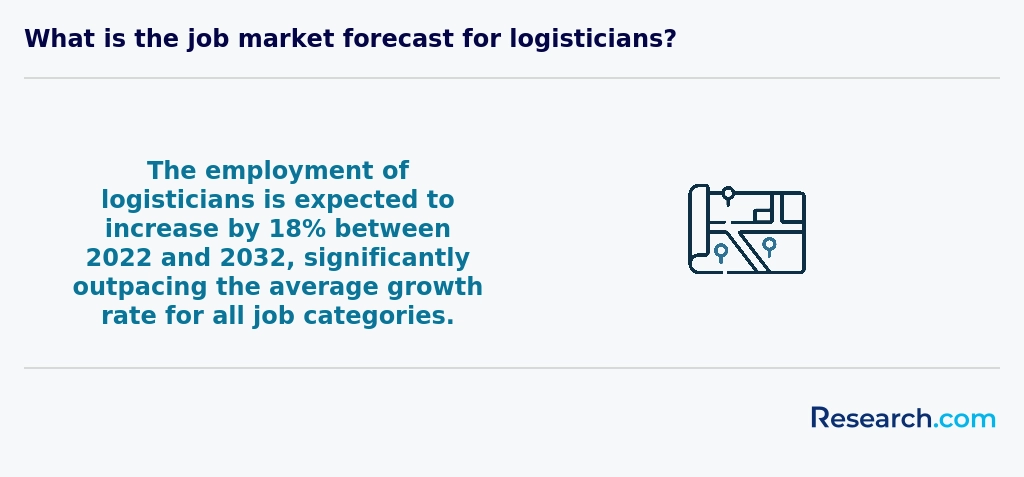
Logistics degree programs in West Virginia offer courses that deeply connect theory with practical skills, preparing you for real-world challenges. Graduates from popular schools like West Virginia University often highlight core subjects such as Supply Chain Management, where you learn how goods move smoothly from suppliers to customers, a critical skill given West Virginia's role as a transportation hub. Imagine planning efficient routes for trucks navigating the Appalachian terrain-that's where Transportation Management courses come alive.
Students also dive into Inventory Control and Warehousing, mastering the art of keeping stock balanced and warehouses running efficiently. Business subjects like accounting and finance round out the curriculum, helping you understand the economic forces shaping logistics in industries like mining and manufacturing.
Many grads mention how Logistics Planning and Analysis sharpened their ability to strategize and improve systems-skills essential for local companies coping with complex supply chains. Plus, technology-focused classes on data analytics equip you with the tools to leverage real-time information, an edge that's highly valued in West Virginia's evolving logistics sector.
What types of specializations are available in logistics degree programs in West Virginia?
Students pursuing a logistics degree in West Virginia can choose from several focused specializations that prepare them for dynamic careers. Popular concentrations include Supply Chain Management, where graduates learn to oversee the flow of goods, dramatically improving efficiency within industries that continue to expand in the region. Another relatable pathway is Transportation and Distribution, which appeals to those fascinated by managing trucking and rail systems-especially relevant given West Virginia's strategic transport corridors. Many graduates from local universities appreciate how this specialization grounds them in real-world skills like route planning and fleet management.
Warehouse and Inventory Management is an attractive choice for students eager to master operational technologies like automated storage systems, tapping into the booming e-commerce sector in the state. Additionally, some programs offer Global Logistics, preparing learners for international trade complexities-a vital niche as businesses grow globally.
For those considering broader options, understanding how these West Virginia logistics management concentrations link to business roles may inspire exploring MBA programs for non-business majors to enhance career flexibility and leadership skills.
How do you choose the best logistics degree in West Virginia?
Choosing the best logistics degree in West Virginia means focusing on programs that offer more than just theory. Graduates from public universities like West Virginia University often share how hands-on internships with local automotive and retail companies made their learning exciting and directly relevant to the state's booming transportation hubs. When you explore these programs, consider curriculum elements such as transportation management and warehouse operations, which align well with West Virginia's industry strengths.
Affordability plays a big role, too. Many students appreciate that public in-state tuition averages around $8,000 annually, making West Virginia a smart choice among affordable logistics colleges in West Virginia. Beyond tuition, don't overlook additional costs like books and fees to prepare realistically.
Also, it's crucial to verify a program's accreditation status. Universities listed as accredited universities tend to have active alumni networks and strong job placement, boosting your chances to connect with employers near major interstates and rail centers. Flexibility through evening or online classes can help you balance study with work or family life, creating a path that feels manageable and inspiring.
What career paths are available for logistics degree students in West Virginia?
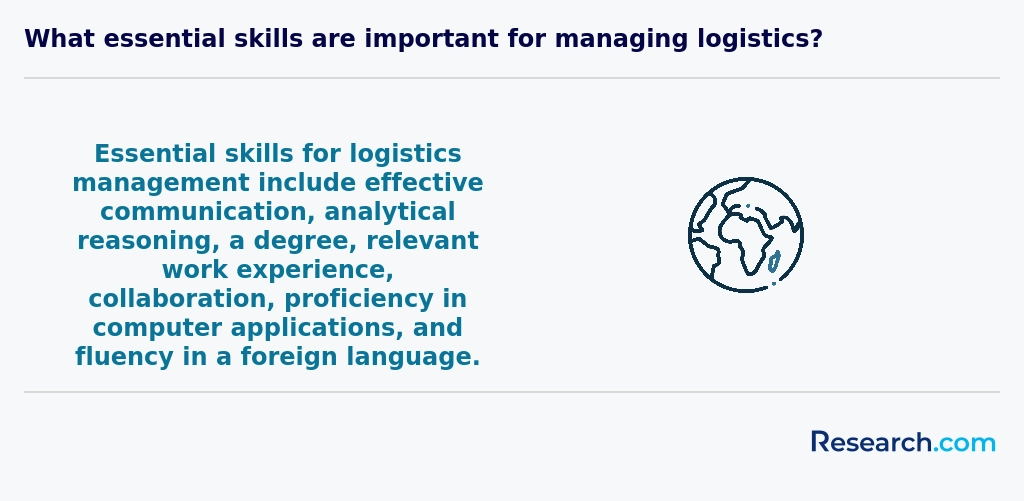
Graduates with a logistics degree in West Virginia find themselves stepping into a dynamic world where opportunities span from supply chain analyst roles to transportation management careers. Many graduates from popular schools like West Virginia University have shared how their education prepared them to analyze data and improve supply chain efficiency, critical skills in a state where logistics is closely tied to the economy. For those passionate about coordinating freight, management roles in trucking and rail logistics take advantage of West Virginia's strategic location near major highways and railroads.
Other graduates thrive as inventory managers or distribution center supervisors, overseeing warehouse operations in bustling retail or manufacturing sectors. Moving up to positions like logistics manager or supply chain manager is a natural goal, offering rewarding challenges and competitive salaries. Students exploring career options find West Virginia's affordable tuition a smart investment, encouraging them to focus on their futures.
Exploring this diverse field also includes roles in logistics IT, where graduates design systems that enhance supply chain automation. For those seeking career opportunities for logistics graduates West Virginia offers a unique blend of practical training and vibrant job markets. To explore careers further, check out resources here.
What is the job market for logistics degree in West Virginia?
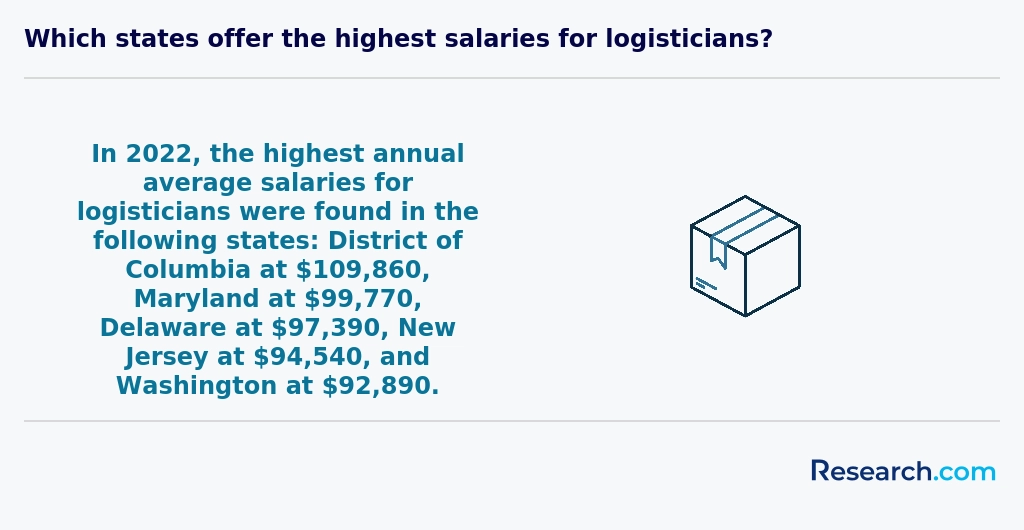
Graduates holding logistics degrees in West Virginia are stepping into a job market full of promise as the state's strategic location fosters a variety of employment paths. Established universities within the state prepare students well, with many graduates securing roles in transportation management, warehousing, and procurement at local manufacturing firms or logistics companies. This growing field offers hands-on opportunities, such as managing supply chains flowing through the busy interstate systems or coordinating shipments tied to the oil and natural gas sectors.
The logistics career opportunities in West Virginia benefit from steady industrial and infrastructure development, creating demand for skilled professionals who can efficiently handle freight and distribution. During their studies, students at popular colleges in West Virginia often gain practical experience, boosting their confidence and employability soon after graduation. Moreover, the relatively affordable tuition costs combined with favorable salary prospects provide a great balance for those ready to advance their careers.
If you are considering expanding your skill set, exploring a finance degree curriculum alongside logistics can open additional doors in supply chain cost management and strategic planning, further enhancing your professional journey.
Frequently Asked Questions About logistics
Logistics degree students in West Virginia can maximize their learning experience by combining classroom education with practical opportunities. Many regional employers, including major distribution centers and transportation companies around the I-79 and I-64 corridors, offer internships that provide hands-on experience essential for understanding supply chain operations.
Engaging with professional organizations such as the Council of Supply Chain Management Professionals (CSCMP) Appalachian Roundtable helps students stay updated on industry trends and network with local experts. West Virginia University also offers access to research centers focused on logistics innovation, giving students opportunities to participate in applied studies that reflect the state's economic profile.
Finally, students should consider leveraging federal workforce data, which show a projected 5% growth in logistics-related jobs in the region through 2030, to guide career planning and choose specialized coursework accordingly.
The logistics field is rapidly evolving, with several emerging niches gaining importance, especially relevant for students in West Virginia. One key area is supply chain sustainability, driven by increasing environmental regulations and consumer demand for greener practices. This niche includes managing eco-friendly transportation and minimizing waste.
Another growing segment is e-commerce logistics. West Virginia, with its strategic location near major highways, has seen a rise in distribution centers supporting online retail, requiring expertise in fast, efficient order fulfillment.
Additionally, advanced data analytics is transforming logistics by optimizing routes and inventories through big data and AI, a skill increasingly valued by local employers. Sources like the West Virginia Bureau of Labor Statistics highlight growth in these specialized roles within the state's logistics sector.
Graduates with a logistics degree in West Virginia should focus on gaining practical experience to enhance their job readiness. Internships or cooperative education programs available through many state universities provide valuable industry exposure. Employers in West Virginia prioritize candidates familiar with supply chain management software and transportation regulations, reflecting the state's growing distribution centers.
Networking is essential; joining professional organizations such as the Council of Supply Chain Management Professionals (CSCMP) West Virginia chapter can open job opportunities. According to the West Virginia Department of Commerce, logistics-related employment is expected to grow by 5% through 2030. Enhancing skills in data analysis and project management also increases competitiveness in the local market.
Employers in West Virginia highly value logistics degree graduates who demonstrate strong analytical and problem-solving skills. The ability to manage supply chains efficiently and optimize transportation routes is crucial in the state's growing logistics sector. Communication skills are also essential, as professionals often coordinate between vendors, carriers, and customers.
According to the West Virginia Department of Commerce, knowledge of inventory control and warehouse management software is increasingly sought after. Additionally, familiarity with regulatory compliance and safety standards is important due to the state's significant manufacturing and distribution industries.
Adaptability and proficiency in technology, including data analysis tools, help graduates meet evolving market demands in West Virginia's logistics field.
Finding internships in West Virginia relevant to a logistics degree involves strategic research and networking. Start by exploring West Virginia University and Marshall University career centers, which often list local logistics internships. The state's growing transportation sector, supported by the West Virginia Department of Transportation, offers opportunities in freight management and supply chain operations.
Utilizing platforms like Handshake and local job boards can help identify openings in companies involved in warehousing, distribution, and logistics technology, particularly in regions like Charleston and Huntington. Industry organizations such as the Council of Supply Chain Management Professionals (CSCMP) have local chapters that provide internship listings and networking events.
Internships often focus on practical skills like route planning, inventory control, and logistics software, matching the hands-on experience employers seek. According to the U.S. Bureau of Labor Statistics, West Virginia's logistics employment is projected to grow steadily through 2028, increasing internship demand. Connecting with alumni from logistics programs can also provide valuable leads within West Virginia's supply chain industry. Staying proactive and engaging with local businesses is key to securing relevant internships.
A logistics degree in West Virginia can significantly enhance career mobility and advancement opportunities within the state's growing transportation and supply chain sectors. According to the West Virginia Department of Commerce, the logistics industry is expected to grow faster than the national average through 2030, creating increasing demand for qualified professionals.
Graduates with logistics credentials often access roles such as supply chain analysts, operations managers, and transportation coordinators. These positions typically offer competitive salaries ranging from $50,000 to $80,000 annually, with advancement tied to specialized knowledge and experience.
Furthermore, local employers value candidates with formal education in logistics, as it demonstrates practical skills in inventory management, distribution, and technology integration. A degree also facilitates entry into professional certification programs, which can further increase upward mobility.
Studying for a logistics degree in West Virginia equips students with skills that cross multiple disciplines, including supply chain management, business operations, and technology. Many programs integrate courses in transportation, inventory control, and data analysis, allowing graduates to adapt to diverse roles.
West Virginia's strategic location near major transport corridors like I-79 and I-64 offers practical insights into regional logistics challenges, enhancing experiential learning. According to the West Virginia Department of Commerce, the state's logistics sector employs over 45,000 individuals, reflecting strong local industry demand.
This educational blend fosters critical thinking and problem-solving, essential for working in interdisciplinary teams, such as collaborating with engineers, economists, and IT professionals. Such preparation positions graduates to meet evolving business needs in a connected economy.
Choosing between a thesis and a non-thesis logistics degree program in West Virginia depends largely on your career goals and learning preferences. A thesis option typically suits students interested in research or pursuing a doctoral degree later. It involves original research and a formal written document, which can be valuable if you aim to work in academia or research-oriented fields.
Conversely, non-thesis programs focus on practical skills and may require additional coursework or internships. This path is often preferred by professionals aiming for managerial roles in West Virginia's logistics and supply chain sectors, which contribute significantly to the state's economy, valued at over $15 billion annually according to the West Virginia Department of Commerce.
Consider your long-term objectives and how each program format aligns with your career plans. Speaking with academic advisors and industry professionals in West Virginia can also provide useful insights tailored to the current job market.
Students in West Virginia interested in studying logistics abroad have several practical options within the US higher education system. Although West Virginia universities primarily focus on in-state campuses, many partner with international institutions to offer exchange programs or study abroad opportunities in logistics-related fields. For example, West Virginia University (WVU), the state's largest public institution, supports global learning experiences that can enhance supply chain management understanding through programs in Europe and Asia.
Since logistics is closely tied to international trade, gaining exposure abroad allows students to build critical skills in global transportation and distribution.
The U.S. Department of Education's Open Doors Report indicates over 300,000 American students studied abroad in 2019-20, with business and engineering disciplines prominent. West Virginia students are encouraged to explore universities with established logistics curricula and accredited programs recognized by organizations like the Council of Supply Chain Management Professionals (CSCMP).
Part-time job opportunities in West Virginia that complement logistics degree education are diverse and practical. Positions such as warehouse associate, inventory clerk, and transportation coordinator provide hands-on experience in supply chain management.
West Virginia's logistics sector benefits from its strategic location near major highways and distribution centers, like those around Charleston and Huntington. According to the West Virginia Department of Commerce, the transportation and warehousing industry employs over 20,000 individuals statewide, offering ample entry-level roles suitable for students.
Internships or part-time roles in freight handling companies and distribution hubs can enhance a student's understanding of material flow, inventory control, and customer service in real-world scenarios.
These jobs not only improve resumes but also help build valuable skills in time management, problem-solving, and teamwork, vital for a career in logistics.
Logistics students in West Virginia have access to various networking opportunities through industry partnerships and academic events. Many universities collaborate with local businesses, including major logistics firms in the Kanawha and Harrison counties, providing internships and job fairs that connect students with professionals.
Students can also join organizations like the Council of Supply Chain Management Professionals (CSCMP) chapters that are active within the state, offering workshops and regional conferences. These events help students build connections and gain insights into industry trends.
Additionally, West Virginia's strategic location along major transportation routes enhances opportunities for students to engage with the logistics sector through practical experiences and professional networking.
Alumni networks play a significant role for logistics degree students in West Virginia by providing valuable career connections and mentorship opportunities. Graduates working in state industries, such as transportation and distribution hubs near Charleston and the Northern Panhandle, can help current students access internships and job openings.
These networks foster professional relationships that often lead to employment in West Virginia's growing logistics sector, which benefits from Appalachian regional commerce growth. According to the West Virginia Department of Commerce, logistics employment has increased steadily, making networking crucial for early career success.
Additionally, alumni share industry insights and advice on evolving supply chain technologies, helping students stay competitive after graduation. This continuous support enhances students' practical knowledge beyond classroom learning.
Customizing a logistics degree program in West Virginia begins with selecting courses that align with your career goals. Many state universities and colleges offer elective classes in supply chain management, transportation, and inventory control, allowing students to focus on specific areas within logistics.
Internships and cooperative education opportunities are also vital. West Virginia's growing distribution and transportation sectors-supported by companies like Amazon and FedEx-provide valuable real-world experience. According to the West Virginia Department of Commerce, logistics jobs in the state are expected to grow by 7% through 2030, underscoring the demand for practical skills.
Additionally, some institutions offer certificate programs or partnerships with local businesses. This lets you develop expertise in emerging technologies such as warehouse automation or data analytics, enhancing your marketability in a competitive job market.
Logistics students in West Virginia face several challenges that can impact their education and career readiness. One significant hurdle is limited local internship opportunities, as West Virginia's logistics industry is smaller compared to neighboring states. According to the West Virginia Department of Transportation, major supply chain hubs are often located outside the state, restricting hands-on experience for students.
Another challenge involves adapting to rapidly evolving technology, such as automation and data analytics, which many programs may struggle to fully integrate due to budget constraints. This can affect students' preparedness for high-demand skills.
Additionally, rural locations of some institutions present access and networking difficulties, limiting connections with national logistics firms.
With a logistics degree in West Virginia, students can enhance their credentials by pursuing several professional certifications recognized nationwide. One popular option is the Certified Supply Chain Professional (CSCP) offered by APICS, which validates skills in supply chain management and is highly regarded by employers.
Another widely respected certification is the Certified Logistics Professional (CLP) provided by the International Society of Logistics. This credential is designed for those seeking advanced expertise in logistics and distribution management.
Locally, West Virginia's growing manufacturing and transportation sectors value certifications like the Six Sigma Green Belt, improving process efficiency. According to the West Virginia Department of Commerce, nearly 40% of regional employers prefer candidates with such certifications.
To write a winning application for a logistics program in West Virginia, start by clearly demonstrating your interest and understanding of the supply chain and transportation sectors, which are vital to the state's economy. West Virginia's strategic location near major highways and railroads supports a strong logistics industry, making relevant work experience or internships highly valuable.
Highlight any coursework or certifications in business, technology, or logistics-related fields. According to the West Virginia Department of Commerce, jobs in logistics and transportation are projected to grow by 5% through 2030, emphasizing the field's importance.
Strong letters of recommendation from professionals who can attest to your organizational and analytical skills enhance credibility. Also, tailor your personal statement to reflect local industry opportunities and the challenges you are driven to solve, demonstrating both ambition and regional awareness.
The global outlook for careers in logistics is increasingly positive, reflecting the growth of international trade and supply chain complexity. According to the U.S. Bureau of Labor Statistics, employment of logisticians is projected to grow 23% from 2021 to 2031, faster than the average for all occupations. This trend creates opportunities not only across the United States but also worldwide.
For students in West Virginia, a logistics degree prepares them to navigate global supply chains, which are vital for industries such as manufacturing and energy. West Virginia's strategic location near major transportation corridors enhances these prospects. The state's logistics sector supports economic activities worth billions annually, driven by exports and imports managed through local ports and railways.
Global logistics careers demand skills in technology, problem-solving, and international regulations. West Virginia universities often integrate these elements into their programs, aligning education with global industry standards. Graduates may find roles in industries spanning e-commerce to healthcare, reflecting the wide applicability of logistics expertise.
Students pursuing a logistics degree in West Virginia can gain practical experience through internships, cooperative education (co-op) programs, and on-campus logistics clubs. Many regional employers, including transportation companies and manufacturing firms, offer internships that provide hands-on exposure to supply chain and distribution operations.
Universities in West Virginia often partner with industry leaders in logistics hubs such as the Charleston and Huntington metropolitan areas, where distribution centers are key economic drivers. According to the West Virginia Department of Commerce, these sectors employ thousands, enabling students to access relevant placements.
Participating in co-op programs allows students to alternate semesters of work and study for deeper experiential learning. Additionally, attending regional logistics conferences or workshops can further expand practical skills and professional networks.
Choosing the right concentration within a logistics degree program in West Virginia begins with understanding your career goals and local industry demands. The state's logistics sector benefits greatly from its central location near major transportation routes like Interstates 64, 77, and 79, supporting opportunities in supply chain management, transportation, and warehousing.
Different colleges may offer concentrations such as supply chain analytics, transportation management, or procurement. Research shows that West Virginia's growing e-commerce and manufacturing industries increase the demand for professionals skilled in supply chain optimization and distribution strategies, according to the West Virginia Development Office.
Consider programs that include internships or partnerships with local logistics firms, as practical experience enhances job placement rates. Finally, review faculty expertise and available resources to find a concentration that aligns both with regional trends and your personal interests.
Related Logistics Rankings for Nearby States
- 2027 Best Logistics Degree Programs Ranking in Ohio
- 2027 Best Logistics Degree Programs Ranking in Pennsylvania
- 2027 Best Logistics Degree Programs Ranking in Tennessee
- 2027 Best Logistics Degree Programs Ranking in South Carolina
- 2027 Best Logistics Degree Programs Ranking in Georgia
- 2027 Best Logistics Degree Programs Ranking in New Jersey
- 2027 Best Logistics Degree Programs Ranking in Michigan
- 2027 Best Logistics Degree Programs Ranking in Illinois
- 2027 Best Logistics Degree Programs Ranking in Alabama
- 2027 Best Logistics Degree Programs Ranking in Missouri
Top Trending Logistics Rankings
References
- 5 Reasons Why Choose to Study Sustainable Mobility & Logistics https://www.mynoa.com/en/post/5-reasons-why-choose-to-study-logistics
- What are the key challenges in logistics management today? - Logitude World https://www.logitudeworld.com/what-are-the-key-challenges-in-logistics-management-today/
- How to Get Your First Logistics & Supply Chain Job https://www.logisticsbureau.com/how-to-secure-your-first-supply-chain-or-logistics-job/
- Succeed in Logistics & Supply Chain Management Career https://ga.edu/blog/navigating-the-global-flow-your-blueprint-for-success-in-logistics-supply-chain-
- 8 Critical Challenges in Logistics (And How to Overcome Them) | Load One Transportation https://load1.com/8-critical-logistics-challenges-and-how-to-overcome-them/
- Global Logistics: The Top 5 Emerging Markets You Shouldn’t Ignore - Global 3PL Network https://www.global3plnetwork.com/global-logistics-the-top-5-emerging-markets-you-shouldnt-ignore/
- Job Opportunities After Completing a Logistics Course - International School of Skill Development https://issd.org.in/blog/job-opportunities-after-completing-a-logistics-course/
- Logistics Software Development Company & Services https://www.idealogic.io/blog/logistics-is-it-possible-to-find-a-niche-today
- How to Find Supply Chain Management Internships | Elmhurst University https://www.elmhurst.edu/blog/supply-chain-management-internships/
- Supply Chain Internships | Capital Placement https://capital-placement.com/supply-chain-internships/


