
2027 Most Affordable Online Master's in Logistics Degree Programs Ranking in the Midwest

Co-Founder and Chief Data Scientist
Choosing the right online master's program in logistics can feel overwhelming, especially with so many options available. To help students in the Midwest make an informed decision, the Research.com team of data scientists created the 2027 Most Affordable Online Master's in Logistics Degree Programs Ranking in the Midwest.
This article highlights affordable, quality programs that offer great value. Pursuing a logistics degree opens doors to exciting career opportunities in a growing field and can boost your professional growth.
Explore the ranking to find the best programs suited to your goals and budget, making your educational journey both rewarding and accessible.
Key benefits of getting online logistics degree in the Midwest
- Logistics degree graduates in the Midwest can expect strong salaries, with roles such as Operations Manager earning around $129,330 annually and International Trade Manager earning up to $146,710, offering financial stability and growth.
- Career paths after graduating include roles in operations, transportation, and warehouse management, reflecting the diverse opportunities available to logistics professionals from universities like Michigan State University.
- Obtaining a logistics degree online provides flexibility and convenience, allowing students to balance work and study while gaining the same respected credential as traditional programs, as proven by graduates from the University of Illinois Urbana-Champaign's online offerings.
- Key benefits of getting online logistics degree in the Midwest
- What can I expect from online logistics degree in the Midwest?
- Where can I work with online logistics degree in the Midwest?
- How much can I make with online logistics degree in the Midwest?
- 2027 Most Affordable Online Master's in Logistics Degree Programs Ranking in the Midwest
- Key Findings
- How long does it take to complete online logistics degree in the Midwest?
- Emerging Trends and Future Opportunities in Logistics
- What's the difference between online and on-campus logistics degree?
- Future Trends in Logistics: Preparing for Industry 4.0
- What is the average cost of online logistics degree in the Midwest?
- What financial aid is available to online logistics degree students in the Midwest?
- What are the prerequisites for enrolling in online logistics degree program in the Midwest?
- What courses are typically in online logistics degree programs in the Midwest?
- What types of specializations are available in online logistics degree programs in the Midwest?
- How do you choose the best online logistics degree in the Midwest?
- What career paths are available for online logistics degree students in the Midwest?
- What is the job market for online logistics degree in the Midwest?
- Top Trending Logistics Rankings
What can I expect from online logistics degree in the Midwest?
The average cost for an online logistics degree in the Midwest typically ranges from $400 to $700 per credit hour, making it a more affordable option compared to programs on the East or West Coast. Graduates from well-known institutions like those in Illinois or Ohio often mention how this pricing allowed them to balance work, family, and education without excessive financial stress. For example, one graduate shared that attending a Midwest university online enabled them to remain employed locally while acquiring skills directly applicable to jobs in Chicago's bustling logistics sector.
However, cost alone doesn't tell the full story. Some students have found that lower tuition is balanced by a more regionally focused curriculum, which aligns closely with Midwest logistics challenges such as freight movement in Detroit's manufacturing corridors. This focus has helped students build networks with local companies, boosting job prospects.
Ultimately, while the average cost is accessible, prospective students should also consider how the program's local ties and practical coursework meet their career goals within the Midwest's unique logistics environment.
Where can I work with online logistics degree in the Midwest?
Graduates from online logistics programs at well-known Midwest institutions like Michigan State University and Ohio State University often find themselves working in dynamic environments such as Chicago's extensive transportation network or Indianapolis's growing distribution hubs. These roles typically involve managing supply chains for companies like Ford or Amazon, where timely inventory control and efficient freight management are crucial. One graduate from a Midwest program shared how her internship at a Chicago warehouse led to a full-time position coordinating rail and road shipments, highlighting the region's practical focus on real-world logistics challenges.
Beyond large corporations, many graduates work with state departments of transportation or third-party logistics providers, where they contribute to improving infrastructure efficiency. The opportunities here are varied, from supply chain analyst positions supporting manufacturing plants to procurement specialist roles ensuring smooth retail operations. However, it's important to recognize that the Midwest job market, while vibrant, can be competitive and often demands adaptability and ongoing learning.
Students at universities like Purdue often emphasize the advantage of networking through internships and regional partnerships, which can open doors in sectors ranging from agriculture to automotive. These experiences reflect the Midwest's unique mix of urban centers and manufacturing bases, providing a range of career paths that combine traditional logistics with emerging e-commerce needs.
How much can I make with online logistics degree in the Midwest?
Graduates holding an online logistics degree in the Midwest can anticipate varied earnings depending on their role and experience, reflecting the region's strong logistics and manufacturing sectors. For instance, logistics engineers, a common early-career position, earn a mean annual wage of about $103,150 according to BLS data. This aligns closely with entry- to mid-level salaries reported by graduates from respected programs such as those at Michigan State University and Ohio State University.
More senior roles like transportation or warehouse managers reportedly make around $111,870 annually on average. These positions often require several years of experience and may involve overseeing complex distribution networks in metropolitan hubs like Chicago or Columbus, where salaries tend to be higher. Operations managers, with a wider scope of responsibility, typically earn about $129,330 yearly.
International trade managers top this scale with average salaries reaching $146,710, suiting graduates who develop expertise in global supply chain dynamics. Midwest graduates appreciate how their degrees unlock access to these opportunities, often finding their education deeply practical in leading companies. While starting salaries may hover near $55,000 to $65,000, dedication and regional job growth boost earnings substantially over time.
2027 Most Affordable Online Master's in Logistics Degree Programs Ranking in the Midwest
How do we rank schools?
Investing in your education is a significant decision that can shape your professional future, and the Research.com team recognizes the importance of making informed choices. To support students seeking affordable and quality logistics master's degrees in the Midwest, we have carefully developed the "2027 Most Affordable Online Master's in Logistics Degree Programs Ranking in the Midwest." Our dedication to quality, credibility, and accuracy is demonstrated through thorough research and analysis underpinning this ranking.
We utilized the following reputable data sources to ensure a comprehensive evaluation of programs:
By consulting this ranking, readers will acquire essential insights to identify affordable, high-quality logistics master's programs tailored to their needs. For additional information about how this ranking was created, please visit our Research.com methodology page.


Key Findings
- Online logistics degrees in the Midwest typically cost between $10,000 and $20,000 at public universities, while private programs may reach over $30,000.
- Entry-level logistics jobs in the region offer starting salaries around $55,000 annually.
- Salaries can increase to between $75,000 and $90,000 with five to ten years of experience, especially for specialized roles like supply chain managers.
- States with the highest demand for logisticians include Illinois, Ohio, Michigan, and Indiana, with job growth projected at 7% to 10% over the next decade.
- Midwest online programs focus on practical skills such as supply chain management, transportation systems, and inventory control to match regional industry needs.
How long does it take to complete online logistics degree in the Midwest?
Completing an online logistics degree in the Midwest typically takes about four years for bachelor's programs when attending full-time, although this timeline can vary. Graduates from well-known institutions like the University of Wisconsin or Michigan State University often share that balancing work and study extends their journey to five or six years, especially when enrolled part-time. This flexible pacing allows many to maintain steady employment while advancing their education.
For master's degrees in logistics, midwestern schools usually require one to two years of full-time study. Some students appreciate programs that offer extended timelines up to three or four years, accommodating those juggling family or career demands. Practical examples include graduates who leveraged transfer credits or took accelerated courses to finish sooner, finding motivation in seeing their progress align with rising industry demand.
Ultimately, while textbooks give a general timeline, real student experiences highlight advantages in flexibility and personalized pacing, offering encouragement to those pursuing these degrees amid complex life responsibilities.
Emerging Trends and Future Opportunities in Logistics
As the logistics industry continues to evolve, staying informed about emerging trends is essential for both students and professionals. Technological innovations such as artificial intelligence, blockchain, and predictive analytics are reshaping supply chain operations and creating new career opportunities. This section explores how these advancements are influencing program curricula and the overall value of an online logistics degree in the Midwest. Integrating real-world applications of next-generation technology, many programs are updating their courses to cover topics like AI-driven demand forecasting and IoT-based asset tracking. These developments not only prepare graduates for the complexities of modern supply chains but also foster an environment where innovation and problem-solving are at the forefront of learning. For instance, students evaluating their educational options can benefit by comparing how different institutions incorporate these trends-for more detailed insights, consider exploring top online logistics programs in illinois that emphasize emerging technologies in their coursework. Additionally, the shift toward sustainable practices and the increasing importance of green logistics are influencing industry demands. Incorporating eco-friendly strategies and supply chain resiliency into their studies allows graduates to become valuable assets for employers seeking to reduce environmental impact while boosting efficiency. Keeping abreast of such trends not only enhances career prospects but also ensures that the skills acquired remain relevant in a rapidly changing market.
What's the difference between online and on-campus logistics degree?
Choosing between an online and an on-campus logistics degree in the Midwest often comes down to balancing flexibility with hands-on experience. Graduates from programs at well-known schools like Michigan State University or Ohio State University recall how on-campus life enhanced their learning through direct faculty interaction and collaborative projects, providing a vibrant campus atmosphere. Meanwhile, those who pursued online logistics degrees appreciated the ability to manage coursework around demanding jobs or family commitments, especially in states like Illinois or Ohio where workforce needs are urgent.
Online programs deliver curriculum that matches in-person courses, covering essentials like supply chain management and transportation planning, making them credible for employers across the Midwest. Yet, some students express the value of face-to-face networking and lab sessions found on campuses like those at Purdue University, which can offer nuanced insights difficult to replicate virtually.
Tuition differences reflect varied priorities: while some online options reduce commuting and facility costs, others mirror on-campus prices, so Midwest students are advised to compare carefully. Ultimately, the decision depends on individual circumstances and career goals.
Future Trends in Logistics: Preparing for Industry 4.0
As the logistics landscape evolves at a rapid pace, online master’s programs in the Midwest are integrating cutting-edge technologies and methodologies to keep graduates competitive. Key trends shaping the future include: • Automation and Robotics: Warehousing and distribution centers increasingly rely on autonomous guided vehicles (AGVs) and robotic picking systems. Students trained in these applications gain hands-on experience with simulation software and virtual labs that mirror real-world automation challenges. • Artificial Intelligence and Machine Learning: Predictive analytics powered by AI optimizes route planning, demand forecasting, and inventory management. Coursework now often includes practical exercises with AI platforms and case studies demonstrating cost savings and service improvements. • Blockchain for Transparency: Supply chain visibility is strengthened by blockchain’s immutable ledgers, ensuring traceability from manufacturing to delivery. Graduates learn to implement blockchain pilots that reduce fraud, accelerate customs clearance, and improve stakeholder collaboration. • Sustainability and Green Logistics: Eco-friendly initiatives-such as electric fleets, carbon footprint auditing, and reverse logistics-are becoming core competencies. Programs emphasize life-cycle analysis and green procurement strategies to meet corporate social responsibility goals. • Last-Mile Innovation: With e-commerce growth driving demand for faster deliveries, drones, crowd-sourced couriers, and micro-fulfillment centers are transforming last-mile logistics. Students explore pilot projects that test these solutions in urban and rural Midwest markets. By understanding these emerging trends, prospective students can choose an online logistics program that aligns with future industry needs. For those interested in exploring cost-effective regional options beyond the Midwest, consider our Inexpensive Logistics Degree Programs Ranking in Tennessee to compare affordability and specialization opportunities.
What is the average cost of online logistics degree in the Midwest?
The average cost of an online logistics degree in the Midwest typically centers around a median total cost of $25,200, reflecting a balance between in-state and out-of-state tuition rates. Many students pursuing an affordable online master's in logistics programs Midwest often find that public universities such as Ohio State University and Michigan State University offer competitive in-state tuition fees near the $21,000 mark for the entire degree. Graduates from these programs frequently mention the relief of manageable costs combined with flexible online scheduling, which allowed them to balance work and study effectively.
Private institutions within the region tend to charge higher, often ranging up to $35,000 or more annually, but this can come with additional perks like personalized support and advanced resources. It's important to account for fees related to technology and materials, which can add approximately $1,000 to $3,000, slightly increasing the total expense. Several students from the University of Wisconsin's online logistics program have shared positive experiences about the value received for their investment, underscoring cost versus quality considerations.
While the duration of most logistics master's degrees runs about 18 to 24 months, the total cost often reflects this timeframe. Prospective students should weigh these financial factors carefully as they explore options. For insights into specific programs and comparisons, one might consult comprehensive rankings such as https://research.com/rankings/logistics/best-online-logistics-midwest, which detail offerings in the Midwest and help clarify your best affordable paths to earning a logistics degree online.

What financial aid is available to online logistics degree students in the Midwest?
Students pursuing an online logistics degree in the Midwest often rely on a blend of financial aid options to manage costs that typically range from $15,000 to $35,000. Federal aid, accessed through FAFSA, plays a central role, offering loans like Direct Unsubsidized and Grad PLUS Loans. Midwest graduates from universities such as Michigan State University have shared how understanding loan limits helped them avoid overwhelming debt, balancing aid with future repayment plans.
Grants, though rarer for graduate logistics students, may still be available through state programs like Illinois' Monetary Award Program, which supports eligible public university attendees. Institutional scholarships and assistantships are valuable too; students at the University of Wisconsin-Madison often cite these as vital supports tied to academic merit or relevant work experience.
Employer tuition assistance stands out for working professionals in logistics hubs like Ohio, where companies sometimes cover partial or full tuition, easing financial pressure. Additional private scholarships through groups like the Council of Supply Chain Management Professionals further supplement aid, giving students real hope as they advance their education and careers.
What are the prerequisites for enrolling in online logistics degree program in the Midwest?
To enroll in an online logistics degree program in the Midwest, students generally need a bachelor's degree from an accredited institution. While many programs accept degrees from any field, graduates with backgrounds in business or supply chain find it smoother to adapt. For instance, students from universities like Indiana State or the University of Wisconsin often share how their prior business coursework eased the transition to logistics studies.
A minimum GPA-usually around 2.5-is common, though some top regional schools may ask for higher. Official transcripts validate this, anchoring the admission process in transparent academic records. Some programs still require GRE or GMAT scores, but many Midwest schools aligned with the Council of Supply Chain Management Professionals waive these for candidates with relevant work experience.
Work experience is highly valued. Graduates emphasize how having two to three years in logistics roles enhanced understanding and engagement during their studies. Letters of recommendation and personal statements also provide applicants a chance to express motivation and career goals, helping admissions see beyond grades and test scores.

What courses are typically in online logistics degree programs in the Midwest?
Online logistics degrees in the Midwest typically feature courses that blend theory with hands-on application, reflecting the region's unique transportation and industrial landscape. Graduates often recall how core subjects like Supply Chain Management illuminate the flow of goods from local factories to national retailers, providing a clear understanding of real-world logistics challenges faced around hubs like Chicago or Indianapolis.
Courses in Transportation and Distribution allow students to explore various transit modes and distribution methods, essential for navigating the complex web of Midwestern supply chains. Those who studied at schools such as the University of Wisconsin appreciate how these lessons directly relate to everyday operations of prominent manufacturing and retail companies nearby.
Other courses, like Inventory Management and Operations Management, emphasize balancing costs with efficiency-skills graduates find invaluable when shifting from classroom simulations to actual industry roles. Additionally, classes on Logistics Information Systems expose students to ERP software and warehouse technologies they will use professionally.
Finally, electives such as sustainability reflect a growing awareness of environmental impact in Midwestern logistics, a feature praised by alumni from Iowa State University for preparing them to meet evolving industry demands.
What types of specializations are available in online logistics degree programs in the Midwest?
Specializations in online logistics degree programs in the Midwest commonly include areas like supply chain management, transportation and distribution management, operations management, logistics analytics, and global logistics. Graduates from well-regarded Midwest universities often share how focusing on supply chain management helped them understand demand forecasting and supplier relationships, crucial in regional manufacturing hubs. The Midwest's unique position as a transportation nexus means that transportation and distribution management is particularly relevant, offering insights into route planning and regulatory compliance that align well with local industry needs.
Some students emphasize how a concentration in logistics analytics empowered them to leverage data for predictive insights, directly impacting operational efficiency. Others note how global logistics courses prepare them for challenges in international supply chains, a surprising yet valuable skill given the Midwest's growing export markets. These experiences highlight the practical specialization options tailored to regional economic demands. Prospective students might also consider how pursuing related fields, like accredited online hospitality degree programs, could complement their logistics education depending on career goals and interests.
Understanding these Midwest logistics management concentration options helps clarify what skills and knowledge graduates gain, which in turn supports their successful transition into the workforce.
How do you choose the best online logistics degree in the Midwest?
Choosing the best online logistics degree in the Midwest means balancing cost, accreditation, curriculum, and local job market relevance. Graduates from well-known Midwest universities often emphasize the value of programs accredited by bodies like the Association of Supply Chain Management, which ensures specialized logistics expertise. While many may be drawn to the prestige of longstanding institutions, affordability is equally crucial-seeking the best affordable online logistics degree Midwest helps avoid excessive debt while accessing quality education tailored to regional industries.
Curriculum depth matters; students frequently mention how courses including transportation management, supply chain analytics, and internships with companies near logistics hubs like Chicago or Indianapolis provide tangible, career-ready skills. Flexibility also tops many graduates' priorities, with asynchronous schedules allowing working professionals to progress steadily without sacrificing commitments.
For those wondering about career outcomes, exploring what can you do with a business administration degree alongside logistics studies can broaden your perspective and unlock diverse opportunities. Ultimately, looking closely at online options from Midwest colleges known for strong logistics programs helps ensure a practical and fulfilling educational journey.
What career paths are available for online logistics degree students in the Midwest?
Graduates with an online logistics degree in the Midwest find diverse career paths aligned with the region's major industries like manufacturing, transportation, and distribution. Many enter roles as supply chain analysts, logistics coordinators, or transportation managers, careers that reflect the practical needs of companies in Illinois, Ohio, and Michigan. Those pursuing programs at well-known Midwest universities have shared how their hands-on projects and connections within local industries enabled them to secure positions with firms like FedEx or C.H. Robinson, highlighting the strong link between education and employment opportunities. Such experiences showcase the tangible outcomes that attract students seeking Midwest logistics career opportunities.
With technology reshaping the field, roles have expanded to include logistics data analysts and demand planners, positions requiring analytical skills and proficiency with emerging tools. While salaries and roles vary, graduates value that their degree equips them to navigate the competitive market effectively. Some also consider the option of combining logistics expertise with other disciplines, which is why some favor institutions offering interdisciplinary programs or affordable accounting schools in Texas for complementary credentials. The well-established logistics network in the Midwest offers graduates a unique advantage when exploring online logistics degree jobs Midwest, but they remain mindful of ongoing industry shifts.

What is the job market for online logistics degree in the Midwest?
The job market for those with an online logistics degree in the Midwest remains promising, reflecting steady industry demand in a region known for its logistical importance. Graduates from popular Midwestern universities often find themselves quickly employed in diverse roles such as transportation coordination and supply chain analytics. One graduate shared how studying through an online program allowed flexibility while securing an internship with a major distribution center in Ohio, illustrating how local industry ties enhance career prospects. This positive employment outlook is aligned with the broader Midwest logistics degree employment opportunities, where companies like Amazon and UPS drive continuous growth.
However, students should remain mindful that competition rises alongside growing interest in logistics careers. Success may depend on leveraging school partnerships and practical experience, common features at respected institutions in the region. Graduates appreciate programs that emphasize real-world applications, helping them engage with challenges like last-mile delivery and warehouse automation. For those comparing costs and benefits, exploring the most affordable online business degree programs could provide useful perspective on educational choices alongside job market realities.
Frequently Asked Questions About logistics
Students pursuing online logistics degrees in the Midwest can enhance their learning by engaging actively with course materials and instructors. Many Midwest universities offer asynchronous classes, so managing time effectively is essential. Utilizing virtual internships through regional companies can provide practical experience in hubs like Chicago, a key logistics center handling over 25% of U.S. freight, according to the Illinois Department of Transportation.
Networking with classmates and joining relevant professional groups such as the Council of Supply Chain Management Professionals (CSCMP) Midwest roundtables can deepen understanding of industry trends. Leveraging resources like regional labor market data from the U.S. Bureau of Labor Statistics also helps students align their skills with local demand, improving job prospects after graduation.
The logistics field is rapidly evolving, with several emerging niches gaining prominence, especially in the Midwest. One key area is supply chain technology integration, where advanced software and automation improve efficiency. According to the Council of Supply Chain Management Professionals (CSCMP), Midwest logistics companies increasingly adopt AI and IoT tools to optimize operations.
Another growing niche is sustainable logistics, focusing on reducing environmental impact. With Midwest states like Illinois and Michigan committing to green initiatives, demand for experts in eco-friendly transportation and packaging rises.
Additionally, e-commerce fulfillment and last-mile delivery present opportunities. The surge in online shopping has created a need for specialists who can manage rapid, cost-effective deliveries within urban and rural Midwest areas.
After completing an online logistics degree in the Midwest, preparing for the job market requires targeted steps. Begin by obtaining relevant certifications such as the Certified Supply Chain Professional (CSCP) or Lean Six Sigma, which employers highly value. The Midwest has a strong logistics industry, particularly in cities like Chicago and Indianapolis, where major distribution centers are located.
Networking is essential; joining regional professional associations like the Council of Supply Chain Management Professionals (CSCMP) Midwest Roundtable can open job opportunities. Internships or co-op programs, even virtual ones, provide practical experience. According to the U.S. Bureau of Labor Statistics, logistics-related employment in the Midwest is projected to grow by 7% through 2030, underscoring increasing demand for skilled professionals.
Employers in the Midwest prioritize strong analytical and problem-solving skills for logistics degree graduates. The region's extensive manufacturing and transportation industries require professionals who can optimize supply chains effectively. According to the Council of Supply Chain Management Professionals, proficiency in data analytics and technology use, including software like ERP and TMS, is increasingly important.
Communication and teamwork skills are also critical, as logistics professionals must coordinate across departments and with external partners. Additionally, knowledge of regulatory compliance and risk management is vital due to complex logistics regulations affecting Midwest distribution hubs such as Chicago and Detroit.
Finding internships in the Midwest relevant to a logistics degree involves strategic research and networking. Many universities partner with regional companies in transportation, warehousing, and supply chain management. Sites like Handshake and LinkedIn often list Midwest internships in logistics fields, especially in logistics hubs such as Chicago, Indianapolis, and St. Louis.
The Midwest accounts for roughly 30% of U.S. freight movement, making it a prime region for practical logistics experience, according to the Federal Highway Administration. Students should also explore internships with major companies like C.H. Robinson and UPS, which have extensive Midwest operations.
Engaging with local chapters of professional associations, such as the Council of Supply Chain Management Professionals (CSCMP), can increase internship opportunities through events and mentorship.
An online logistics degree significantly enhances career mobility and advancement opportunities in the Midwest, a region known for its robust manufacturing, transportation, and distribution sectors. According to the Bureau of Labor Statistics, employment for logisticians in the Midwest is projected to grow by 7% from 2021 to 2031, slightly faster than the national average. Employers in states like Illinois, Ohio, and Indiana highly value candidates with specialized logistics education, often offering higher starting salaries and leadership roles to graduates.
Online programs provide flexibility, enabling working professionals to upskill without career interruptions. This flexibility supports quicker promotions and transitions into management or supply chain analyst roles.
The integration of technology and data analytics in modern logistics makes advanced degrees critical for career advancement, especially in Midwest industry hubs such as Chicago and Detroit. Graduates gain credentials that align with regional economic demands, improving competitiveness in a dynamic job market.
Studying for an online logistics degree in the Midwest equips students with skills that cross multiple disciplines, essential for today's complex supply chain environments. Midwest programs often integrate coursework in business management, data analytics, and information technology, reflecting the diverse demands of logistics roles. According to the Council of Supply Chain Management Professionals, nearly 40% of logistics jobs in the Midwest require proficiency in both IT and operational strategy.
Many Midwestern universities collaborate with local industries, exposing students to practical challenges in manufacturing, transportation, and distribution sectors. This hands-on focus strengthens adaptability and problem-solving, key for interdisciplinary roles.
The region's central position in national trade routes means graduates are trained in regional and global logistics practices, preparing them to work across varied organizational functions confidently.
When choosing between a thesis and a non-thesis online logistics degree program in the Midwest, consider your career goals and learning preferences. Thesis programs emphasize research and writing, preparing students for doctoral studies or roles in academia and strategic planning. Non-thesis tracks lean toward practical knowledge, ideal for professionals seeking immediate industry application.
The Midwest hosts key logistics hubs like Chicago and Indianapolis, where demand for analytical and operational skills is high, according to the Council of Supply Chain Management Professionals (CSCMP). Thesis options may suit those wanting to explore complex supply chain challenges deeply.
Non-thesis programs often require additional coursework or capstone projects, focusing on skills employers value in regional industries like manufacturing and distribution. Review program curricula and speak with advisors to assess alignment with your personal and professional objectives.
Students in the Midwest interested in studying logistics abroad through online programs have a growing number of options. Several Midwestern universities offer partnerships with international institutions, allowing learners to enroll in dual-degree or exchange programs while completing coursework remotely.
Additionally, programs often incorporate global supply chain case studies, helping students understand logistics challenges worldwide. For example, the Council of Supply Chain Management Professionals reports that the Midwest hosts major transportation hubs, making international logistics insights especially relevant.
Though fully online international degrees remain rare, Midwestern schools frequently provide virtual internships and study-abroad opportunities to complement online logistics curricula.
Students pursuing online logistics degrees in the Midwest can benefit from part-time jobs in warehousing, transportation, and supply chain management. The Midwest is home to major distribution hubs like Chicago and Indianapolis, where companies frequently hire logistics assistants and inventory coordinators. According to the U.S. Bureau of Labor Statistics, logistics-related jobs in this region are expected to grow by about 9% through 2030, higher than the national average.
Roles such as data entry specialists, shipping clerks, or delivery drivers provide practical experience aligned with logistics studies. These positions enhance skills in inventory management, route planning, and customer service.
Additionally, internships with manufacturing firms in states like Ohio and Michigan offer valuable exposure to supply chain operations. These opportunities help students apply classroom concepts to real-world challenges while balancing their studies.
Online logistics students in the Midwest benefit from a variety of networking opportunities despite the remote format of their programs. Many Midwestern universities connect students with regional industry leaders through virtual career fairs, webinars, and industry panels. For example, the Council of Supply Chain Management Professionals (CSCMP) has a strong presence in Midwest cities like Chicago and Minneapolis, offering events that students can attend virtually or locally.
Moreover, online students often gain access to alumni networks that span key logistics hubs such as Ohio, Illinois, and Indiana. These networks facilitate mentorships and job connections that are vital in a competitive field.
Participation in virtual student organizations and LinkedIn groups focused on Midwestern logistics is another common avenue. Such platforms enable communication with professionals who are actively working in major industries like manufacturing and transportation.
Alumni networks provide valuable support to online logistics degree students in the Midwest by creating professional connections within this region's strong supply chain and transportation industries. According to the Council of Supply Chain Management Professionals, Midwest logistics hubs like Chicago and Indianapolis offer numerous job opportunities, making networking essential for career advancement.
Through alumni associations, students gain access to mentorship programs, job boards, and industry events tailored to the logistics sector. These resources help graduates navigate competitive markets and secure positions in top companies.
Furthermore, alumni often share real-world insights and regional trends, enhancing students' understanding of logistics challenges specific to the Midwest.
Customizing your online logistics degree program in the Midwest allows you to align your education with specific career ambitions. Many Midwestern universities offer elective courses focusing on supply chain management, transportation, or warehouse operations, enabling specialization based on industry demand.
The region's strong manufacturing and agricultural sectors create opportunities to tailor studies to these fields, enhancing job prospects.
Additionally, programs often provide options for internships or project-based learning with local companies, crucial for gaining practical experience.
According to the Council of Supply Chain Management Professionals, 75% of Midwestern logistics employers value relevant hands-on experience, making tailored internships beneficial.
Certifications such as APICS or Six Sigma integration in some programs further support career-focused customization.
Online logistics students in the Midwest often face challenges related to balancing work, family, and study commitments. Many students juggle full-time jobs in the region's strong manufacturing and distribution sectors while pursuing degrees. According to the Bureau of Labor Statistics, the Midwest has a high concentration of logistics positions, which increases demand but can create scheduling conflicts for students.
Another challenge includes limited local networking opportunities. Unlike traditional programs, online students may struggle to build professional connections in logistics hubs like Chicago or Indianapolis. Access to regional internships or hands-on experiences can also be more difficult to secure remotely.
Additionally, some students encounter technology barriers, particularly in rural areas where reliable internet access is uneven.
With an online logistics degree, professionals in the Midwest can pursue several valuable certifications to advance their careers. One widely recognized option is the Certified Supply Chain Professional (CSCP) offered by APICS, which focuses on supply chain management and is highly regarded nationwide.
Another key certification is the Certified in Logistics, Transportation, and Distribution (CLTD), also from APICS, designed to validate expertise in logistics operations. Many logistics roles in Midwest hubs like Chicago and Indianapolis specifically seek candidates with these credentials for enhanced employability.
Additionally, the Six Sigma Green Belt certification is popular for logistics professionals aiming to improve process efficiency. According to the Bureau of Labor Statistics, the demand for logistics managers in the Midwest is projected to grow 4% by 2031, highlighting the importance of such certifications for career growth.
Crafting a winning application for an online logistics program in the Midwest begins with a clear demonstration of your interest and background in supply chain and logistics management. Admissions committees value candidates who articulate their career goals and explain how the program aligns with them. Highlight any relevant work experience or internships, especially within key Midwestern logistics hubs like Chicago or Indianapolis, known for their major transportation and distribution centers.
Strong academic records, particularly in quantitative subjects such as statistics or operations management, improve your chances. Be sure to provide precise examples of problem-solving skills and teamwork, which are critical in logistics roles.
Additionally, tailor your personal statement to reflect an understanding of the Midwest's logistics industry, referencing regional data from sources like the Council of Supply Chain Management Professionals (CSCMP) or the Mid-America Freight Coalition where appropriate. This shows research effort and genuine interest in contributing locally.
A logistics career today holds significant global importance, given the increasing interconnection of supply chains. According to the Council of Supply Chain Management Professionals (CSCMP), the logistics sector supports over 40 million jobs across the United States, many of which are influenced by global trade dynamics. Midwest states such as Illinois and Ohio play a critical role, being central hubs for transportation and distribution networks.
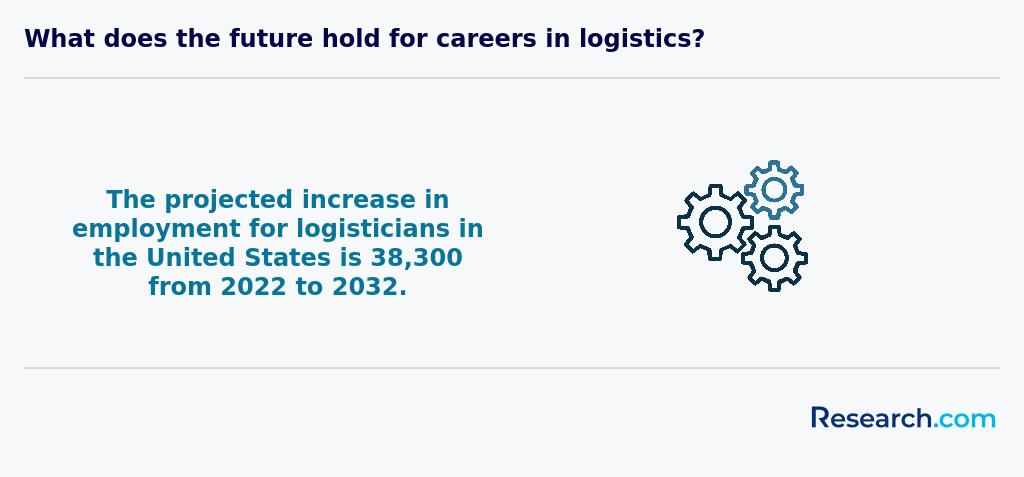
The demand for skilled logistics professionals is expected to grow by 7% through 2031, faster than the average for all occupations, as reported by the U.S. Bureau of Labor Statistics. This growth reflects the expanding complexity of global supply chains influenced by technologies like automation and data analytics.
Understanding global trade laws, cross-border regulations, and international shipping logistics is increasingly vital. Many online logistics degree programs in the Midwest incorporate these global perspectives, preparing students for careers that extend beyond regional borders into international markets.
Gaining practical experience while studying for an online logistics degree in the Midwest is vital for career success. Many programs encourage internships or cooperative education with regional companies, including manufacturers, distribution centers, and transportation firms prevalent in this area. The Midwest's central location for supply chain hubs, such as Chicago and Indianapolis, offers ample internship opportunities.
Students can also engage in virtual simulations and case studies, which are increasingly integrated into curricula. According to the Council of Supply Chain Management Professionals, 70% of logistics employers in the Midwest prefer applicants with hands-on experience. Networking through local professional organizations adds further practical insights during studies.
Choosing the right concentration within an online logistics degree in the Midwest starts with understanding your career goals and the region's industry demands. The Midwest is a major logistics hub, with states like Illinois, Ohio, and Indiana hosting numerous transportation and warehousing firms, according to the Midwest Economic Development Journal (2023).
Popular concentrations include supply chain management, transportation, and inventory control. Supply chain management is in high demand, as 34% of Midwest logistics jobs focus on optimizing supplier relationships and distribution networks (Bureau of Labor Statistics, 2023).
Evaluate the curriculum, faculty expertise, and partnerships with local companies to ensure practical learning opportunities tailored to Midwest logistics trends.
Top Trending Logistics Rankings
References
- 5 Reasons Why Choose to Study Sustainable Mobility & Logistics https://www.mynoa.com/en/post/5-reasons-why-choose-to-study-logistics
- Supply Chain Management Degrees in Illinois - SupplyChainGuide.org https://www.supplychainguide.org/degrees/illinois/
- Online Degree vs. Traditional | University of Arkansas Grantham https://www.uagrantham.edu/blog/pros-cons-online-degree-vs-traditional-university/
- Why Attend – transport logistic SEA https://transportlogisticsea.com/why-attend/
- Online B.S. in Logistics & Supply Chain Management | Marian University https://www.marian.edu/academics/programs/bachelors/online/logistics-supply-chain.php
- Logistics challenges and overcoming them - Mecalux.com https://www.mecalux.com/blog/logistics-challenges
- Networking | Logistics & Transport Sector | CILT International https://ciltinternational.org/education-training/networking/
- SEO page Logistics and Supply Chain Management 2025 https://en.ism.de/logistics-and-supply-chain-management
- Requirements For A Transportation And Logistics Degree - Logistics Degree https://logisticsdegree.net/requirements-for-earning-a-degree-in-transportation-and-logistics/
- Studying for a Career in Logistics https://www.shippingcollege.com/blog/studying-for-a-career-in-logistics-unlocking-opportunities-and-enjoyment


