
2027 Best Logistics Degree Programs Ranking in Georgia

Co-Founder and Chief Data Scientist
Choosing the right logistics degree program can shape your future career in Georgia's growing transportation and supply chain industries. This article introduces the 2027 Best Logistics Degree Programs Ranking in Georgia, carefully created by the Research.com team of data scientists. It's designed to help you confidently explore the top programs worth considering.
By reading this, you'll gain clarity on quality education options that fit your goals and lifestyle. A logistics degree opens doors to exciting opportunities, making it a smart step toward a rewarding career.
Key benefits of getting logistics degree in Georgia
- Graduates with a logistics degree in Georgia can expect strong earning potential, such as Logistics Coordinators and Specialists earning a mean annual wage of $84,640 while Customs Brokers earn about $63,130.
- Career paths are diverse, including roles like Transportation Planners and Supply Chain Coordinators, offering exciting opportunities in shipping, warehousing, and distribution based on local university graduate outcomes.
- Obtaining a logistics degree online from Georgia institutions provides flexible learning options, allowing students to balance work and study while gaining the skills needed for rewarding logistics careers.
- Key benefits of getting logistics degree in Georgia
- What can I expect from logistics degree in Georgia?
- Where can I work with logistics degree in Georgia?
- How much can I make with logistics degree in Georgia?
- 2027 Best Logistics Degree Programs Ranking in Georgia
- Key Findings
- How long does it take to complete logistics degree in Georgia?
- Application Process and Key Deadlines
- What's the difference between online and on-campus logistics degree?
- What is the average cost of logistics degree in Georgia?
- Emerging Technologies Shaping Logistics Education in Georgia
- What financial aid is available to logistics degree students in Georgia?
- What are the prerequisites for enrolling in logistics degree program in Georgia?
- Emerging Trends in Logistics Education and Industry
- What courses are typically in logistics degree programs in Georgia?
- What types of specializations are available in logistics degree programs in Georgia?
- How do you choose the best logistics degree in Georgia?
- What career paths are available for logistics degree students in Georgia?
- What is the job market for logistics degree in Georgia?
- Related Logistics Rankings for Nearby States
- Top Trending Logistics Rankings
What can I expect from logistics degree in Georgia?
The average cost of a logistics degree in Georgia usually falls somewhere between $8,000 and $25,000 per year, depending on whether you choose a public or private school. For example, students at popular public universities might find tuition more affordable, which is a huge relief when juggling other expenses.
Many graduates talk about how the reasonable cost combined with hands-on opportunities at schools like Georgia Southern or Kennesaw State made their education feel like a smart investment. Internships with big names like UPS or Coca-Cola, often arranged through these schools, add real-world value that's hard to beat. This mix of classroom theory and practical experience also helps ease any worries about future job prospects.
So, while the degree costs can vary, Georgia's strong industry connections and growing logistics sector give students a great bang for their buck, making those tuition fees feel worthwhile and exciting rather than overwhelming.
Where can I work with logistics degree in Georgia?
If you're studying logistics in Georgia, you're stepping into a world full of cool job options. Many grads from places like Georgia Tech or the University of Georgia land gigs in transportation hubs, especially near Atlanta's massive airport. Imagine working where tons of cargo planes take off every day-it's fast-paced and exciting!
Others find themselves behind the scenes at big warehouses for companies like Amazon or UPS, making sure packages get from shelves to doorsteps smoothly. It's a real buzz knowing you play a key part in keeping online orders flowing nationwide.
Some grads dive into manufacturing industries around Atlanta or Savannah, helping car or aerospace companies keep their supply chains tight and efficient. It's hands-on and satisfying work.
Plus, plenty of folks go public sector routes, working with state agencies managing highways or emergency supplies, or join consulting firms teaching businesses smarter ways to move goods. A logistics degree in Georgia really opens doors to diverse, meaningful careers.
How much can I make with logistics degree in Georgia?
If you're graduating with a logistics degree in Georgia, you can expect some pretty solid paychecks. For instance, logistics coordinators and specialists-roles many grads land-pull in a mean annual wage of about $84,640. That's a nice bump compared to starting salaries in other states. Meanwhile, if you find yourself working as a customs broker, the average sits around $63,130 a year, which is still competitive.
Graduates from schools like Georgia Southern or Georgia State often share how their supply chain coordinator roles start near $46,690 annually, which feels pretty good for fresh grads. Plus, you could move up quickly with experience or certifications, pushing salaries closer to six figures, especially in Atlanta's busy logistics scene.
Imagine working for a big distribution center near Hartsfield-Jackson airport, where day-to-day challenges keep you sharp and your paycheck growing. Many from Georgia's top logistics programs say it's a rewarding mix of steady income and real career growth.
2027 Best Logistics Degree Programs Ranking in Georgia
How do we rank schools?
Investing in your education is a significant decision that can shape your future, and the Research.com team fully recognizes the importance of making well-informed choices. To support prospective students seeking logistics degrees in Georgia, we have carefully developed the "2027 Best Logistics Degree Programs Ranking in Georgia." Our dedication to quality, credibility, and accuracy is demonstrated through rigorous research and analysis.
We utilized the following reputable data sources to ensure a comprehensive evaluation of logistics programs:
By exploring this ranking, readers will gain valuable insights to help them identify the best logistics degree programs in Georgia, empowering them to choose the right educational path. For more information about how this ranking was created, please visit our Research.com methodology page.

# 2 position
Georgia College & State University
Master of Logistics and Supply Chain Management (MLSCM)


Key Findings
- Tuition for logistics bachelor's programs in Georgia ranges from $7,000 to $12,000 per year at public universities and can exceed $20,000 annually at private institutions.
- Early-career logistics coordinators and analysts earn between $45,000 and $55,000 annually, while senior roles can pay $80,000 to $95,000 per year.
- Employment for logisticians in Georgia is projected to grow about 7% over the next decade, in line with the national average.
- Georgia's location as a southeastern transportation hub supports strong demand for logistics professionals, with major centers like the Port of Savannah and Hartsfield-Jackson Atlanta International Airport.
- Many logistics programs in Georgia offer internship opportunities and prepare students for certifications such as the APICS Certified Supply Chain Professional.
How long does it take to complete logistics degree in Georgia?
If you're thinking about getting a logistics degree in Georgia, you're probably wondering how long it'll take. Usually, an associate degree wraps up in about two years if you're going full-time. It's a solid way to get your feet wet and can even set you up to pursue a bachelor's later on. For those aiming higher, like a bachelor's in logistics or supply chain management, plan for around four years, especially at schools like Georgia Southern University or Kennesaw State University. Graduates often share how balancing studies with work or family made the timeline a bit flexible for them, especially if they studied part-time.
Some students speed things up by transferring credits from community colleges or choosing online and hybrid courses that offer more flexible schedules. And if you're considering a master's, expect about one to two years after your bachelor's. It's great for stepping up your career in Georgia's booming logistics scene!
Application Process and Key Deadlines
Navigating the application process for a logistics degree program in Georgia requires careful planning to meet deadlines and submit competitive materials. Begin by researching each school’s specific requirements-most bachelor’s programs ask for official high school transcripts, SAT or ACT scores (if applicable), a personal statement, and letters of recommendation. For graduate programs, you may need a résumé, GMAT or GRE scores, and a statement of purpose outlining your career goals in supply chain management. Create a timeline that includes:
- Application deadlines (typically December–February for fall entry)
- Financial aid and scholarship cutoff dates (many HOPE and Zell Miller Grant applications close by March)
- Standardized test registration deadlines (allow 4–6 weeks for score reporting)
- Campus visit or interview slots (if offered) Tips for a strong submission:
- Tailor your personal statement to highlight real-world logistics experiences, such as internships or projects at local distribution centers.
- Secure two to three recommendation letters from instructors or supervisors who can speak to your analytical and leadership skills.
- Polish your résumé to emphasize relevant coursework (e.g., inventory management simulations) and technical proficiencies (SAP, data analytics).
- Apply early to maximize scholarship opportunities and preferred housing. If flexibility is a priority, consider exploring logistics degrees online, which often feature rolling admissions and modular course schedules. By mapping out each requirement and prioritizing your strongest experiences, you’ll streamline your path to enrollment and set yourself up for success in Georgia’s top logistics programs.
What's the difference between online and on-campus logistics degree?
If you're thinking about a logistics degree in Georgia, the choice between online and on-campus really comes down to how you like to learn and what fits your lifestyle. On-campus programs at places like Georgia Southern University or the University of Georgia immerse you in a traditional classroom vibe. You get to chat face-to-face with professors, team up with classmates, and dive into hands-on experiences like internships or career fairs right in Atlanta or Savannah. Graduates often mention how those personal connections helped kickstart their careers.
On the flip side, online programs give you the freedom to study whenever and wherever you want. This is perfect if you're juggling work or family. Imagine fitting coursework around your schedule without needing to move or commute. Plenty of folks appreciate this flexibility, especially since Georgia's logistics scene is buzzing and growing fast.
Both formats cover the same key topics like inventory and supply chain analytics, so it's more about what learning style suits you. Either way, you're joining a strong field in Georgia's booming logistics industry.
What is the average cost of logistics degree in Georgia?
If you're curious about the average logistics degree cost in Georgia, expect to pay around $5,500 if you're an in-state student attending a public university. Out-of-state students should prepare for costs closer to $30,000, which can feel like a big jump but often includes more diverse program options. Graduates from popular schools in Georgia often mention how the lower in-state tuition helped them manage expenses better while pursuing degrees in supply chain management or logistics, making it easier to focus on coursework and internships.
Many students find that the difference between public and private schools in Georgia can be pretty significant. Private colleges typically charge between $20,000 to $35,000 per year, so the total cost can add up quickly if you don't qualify for scholarships or financial aid. However, the flexibility of programs at some private institutions appeals to those who want specialized or accelerated logistics degrees.
Besides tuition, it's smart to keep in mind living costs and extra fees, which means the total price tag for a logistics degree program in Georgia might reach nearly $30,000 annually. Those additional expenses, like textbooks and transport, were often mentioned by graduates balancing studies and part-time jobs. If you're seeking budget-friendly options, checking out the cheapest logistics programs in georgia can be a great starting point.
The cost of logistics degree programs Georgia-wide varies but knowing these figures gives you a solid idea to plan your college journey wisely and find a path that fits your goals and wallet.
Emerging Technologies Shaping Logistics Education in Georgia
Georgia’s top logistics programs are rapidly integrating cutting-edge technologies to prepare graduates for a data-driven industry. Artificial intelligence and machine learning modules teach students to forecast demand, optimize routing, and identify bottlenecks before they occur. Blockchain courses introduce the principles of immutable ledgers for transparent, tamper-proof supply chains. By simulating real-world scenarios-such as tracing a shipment from Savannah’s Port to Atlanta warehouses-students develop hands-on proficiency with decentralized tracking systems that reduce fraud and increase efficiency. The Internet of Things (IoT) and big data analytics also feature prominently. Learners analyze streaming sensor data from connected forklifts, pallet tags, and autonomous vehicles to improve warehouse throughput and minimize downtime. Digital twin exercises let students create virtual replicas of distribution centers, testing layout changes and process improvements without disrupting live operations. Emphasis on automation and robotics further builds skill sets in programming automated guided vehicles (AGVs) and collaborative robots, which are revolutionizing order fulfillment. Sustainability and green logistics round out the curriculum, teaching techniques for minimizing carbon footprints through route optimization, fuel-efficient transportation, and reverse logistics for end-of-life product management. For those balancing innovation with cost considerations, exploring the 2025 Most Inexpensive Online Bachelor's in Logistics Degree Programs Ranking in Kentucky can reveal budget-friendly pathways to a tech-forward education. By weaving emerging trends into core and elective coursework, Georgia’s logistics degree programs ensure graduates enter the workforce ready to lead digital transformations across global supply chains.
What financial aid is available to logistics degree students in Georgia?
Getting financial aid for a logistics degree in Georgia is totally doable and can really lighten the load. Many students at places like Georgia Southern or Kennesaw State find federal aid, like Pell Grants, super helpful since they don't have to pay those back. One graduate shared how the Pell Grant covered a huge chunk of their tuition, making the whole experience less stressful. Filling out the FAFSA is the key to unlocking this support, plus it opens doors to work-study gigs that actually relate to logistics, giving you hands-on experience while earning.
On top of federal aid, Georgia has some cool state programs like the HOPE Scholarship and HOPE Grant. A few grads from technical colleges mention how the HOPE Grant slashed their tuition for certificate programs tied to supply chain management. It's a win-win, especially if you keep your GPA solid.
Don't forget private scholarships from groups like the Council of Supply Chain Management Professionals-these helped others cover extra costs. Plus, some employers chip in with tuition help once you're in the industry, making the whole journey feel more manageable and exciting.
What are the prerequisites for enrolling in logistics degree program in Georgia?
Jumping into a logistics degree program in Georgia usually means you'll need a high school diploma or something equivalent like a GED-simple enough, right? Graduates from schools like Georgia Southern or the College of Coastal Georgia often share how having solid math and English skills actually made their coursework way smoother. Think algebra or business classes that helped them handle real-world logistics challenges, like calculating shipment costs or managing schedules.
Some programs might ask for SAT or ACT scores, but lots of Georgia schools have gone test-optional lately, so that's less of a headache. And don't forget, putting together a good application often means including letters of recommendation or a resume-even better if you've had a taste of supply chain work through a summer job or internship. Many students at Kennesaw State found that highlighting part-time gigs in warehouses helped them stand out.
Since Georgia's a logistics hub thanks to the Port of Savannah, sharing any hands-on experience with transportation or distribution often vibes well with admissions folks. It's not always a must-have but definitely a plus for getting a leg up in the program.

Emerging Trends in Logistics Education and Industry
As the logistics sector evolves rapidly with advancements in technology and changing global trade dynamics, both educational programs and industry practices are continually adapting. This section explores the latest trends that are shaping how logistics is taught and practiced in Georgia. Increasing emphasis on data analytics, artificial intelligence, and sustainability is transforming traditional supply chain methods, with many institutions integrating these modern approaches into their curricula. Additionally, the rise of digital platforms is fostering closer collaboration between students and industry experts, ensuring that graduates are better equipped to navigate emerging challenges in real time. For those mindful of budget considerations, researching options like the cheapest logistics programs in georgia can offer a pathway to quality education without excessive costs. By staying informed about these trends, prospective students not only prepare themselves for current market demands but also position themselves as future leaders in a dynamic industry.
What courses are typically in logistics degree programs in Georgia?
If you're diving into a logistics degree in Georgia, you'll find the courses really cover all the bases you need. At popular schools like Georgia Southern or Kennesaw State, students jump right into classes like Introduction to Supply Chain Management, where they get a clear picture of how products travel from suppliers all the way to customers. It's like seeing the whole delivery story unfold, which makes the concepts stick.
Then, you'll take Transportation Management, learning how to plan routes and choose the best ways to move goods efficiently-something super handy given Georgia's busy ports and highways. Inventory Control and Warehousing classes teach you how to keep stuff organized and ready to go, a skill grads rave about when they land jobs managing storage facilities near the Port of Savannah.
Operations Management and Procurement courses prep you to handle day-to-day business flow and vendor deals, while the technology side perks up with Logistics Information Systems, where you get to play with software that tracks and analyzes shipments in real time.
Many grads say that the hands-on approach in these classes, plus electives focused on Georgia's local logistics issues, made their learning relevant and exciting-and helped them feel ready to jump into the industry right after college.
What types of specializations are available in logistics degree programs in Georgia?
If you're eyeing a logistics degree in Georgia, you've got plenty of cool specializations to pick from. A lot of students who studied at popular schools, like those around Atlanta, dive into supply chain management because Georgia is such a key player with the Port of Savannah. Graduates often talk about how practical it feels learning everything from procurement to distribution, knowing they're prepping for real local jobs in warehousing and transportation. This makes the logistics management specializations in Georgia feel super relevant and hands-on.
Others find transportation management pretty exciting since Georgia's interstate highways and Hartsfield-Jackson Atlanta International Airport create tons of opportunities to get their hands dirty coordinating everything from trucks to planes. Plus, folks fascinated by data tend to gravitate toward logistics analytics, using cool software tools to make operations slicker and smarter. At several colleges, this specialization brings the tech side of logistics alive, which really fires up students who want to stand out.
There's also a push in Georgia for global logistics and trade compliance, especially if you're interested in international shipping laws and customs. And warehouse and inventory management remains a solid pick with the state's booming industrial parks and e-commerce growth. Many grads love sharing how the balance of theory and real-world warehouse software keeps this specialization fresh.
Whether you're after Georgia supply chain degree focus areas or want to explore options, plenty of students find logistics degrees online a great fit too - check out some logistics degrees online available that can give you that same practical skill set wherever you are.
How do you choose the best logistics degree in Georgia?
Choosing the best logistics degree programs Georgia offers starts with checking out the school's reputation and whether it's accredited by respected bodies like ACBSP or AACSB. Graduates from well-known universities in Atlanta often rave about how real-world internships with big names like UPS helped them feel confident stepping into their first job.
If you're looking for affordable logistics degrees in Georgia, public universities usually have lower tuition around $7,000 to $12,000 a year for in-state students, while private schools can be much pricier. It's smart to weigh in scholarships and financial aid, especially those aimed at supply chain students. Many grads also say career services made a huge difference in landing good gigs after college.
Don't forget location and flexibility. Urban campuses in Atlanta give lots of chances to network at local logistics hubs, but some students prefer online or hybrid options to juggle work and classes. For more budget-friendly online options, you might want to check out the 2025 Most Inexpensive Online Bachelor's in Logistics Degree Programs Ranking in Kentucky just to see how programs compare nearby.
What career paths are available for logistics degree students in Georgia?
If you're diving into a logistics degree in Georgia, you'll find tons of exciting career paths waiting for you. Think about a graduate from Georgia Tech who landed a job as a Logistics Coordinator, juggling the flow of goods between suppliers and customers at one of Atlanta's bustling warehouses. Or another who studied at Kennesaw State, stepping into a Transportation Manager role, making sure shipments move smoothly through Hartsfield-Jackson Atlanta International Airport and beyond. These jobs aren't just about spreadsheets-they're fast-paced, hands-on, and vital to keeping Georgia's economy humming.
Georgia's logistics career opportunities are impressive thanks to hubs like the Port of Savannah and a growing demand for supply chain pros. Roles like Supply Chain Analyst or Warehouse Manager pop up in industries all over-retail, manufacturing, even government. Some grads boost their prospects further with certifications, or by exploring accelerated bachelor's degree programs to move faster into the workforce.
What is the job market for logistics degree in Georgia?
If you're eyeing a logistics degree in Georgia, the job market is looking pretty bright. Thanks to Georgia's prime location with hubs like Hartsfield-Jackson Atlanta International Airport and the booming Port of Savannah, companies are hungry for grads who get how to keep goods moving smoothly. Graduates from popular schools in Georgia often land roles as supply chain analysts or logistics coordinators in industries like automotive manufacturing or retail distribution centers supporting e-commerce, which is booming around here. Many grads share how their internships with local logistics firms gave them invaluable hands-on experience, making the transition into the job market way easier and more exciting.
Employment opportunities for logistics graduates Georgia-wide are growing solidly, with wages typically between $50,000 and $75,000 a year-sometimes way higher if you snag a managerial spot. Plus, in-state tuition at Georgia's public universities makes this path affordable, and scholarships or work-study help lessen the load. For those curious about other flexible paths, plenty look into online certificate programs that pay well without a degree to boost their skills fast.
Frequently Asked Questions About logistics
Logistics degree students in Georgia can enhance their learning by actively engaging in internships and cooperative education opportunities. Georgia's strategic location as a transportation hub, including Hartsfield-Jackson Atlanta International Airport and the Port of Savannah, offers numerous real-world experiences. According to the Georgia Department of Economic Development, logistics and supply chain jobs are expected to grow by 12% over the next decade, emphasizing industry demand for practical skills.
Students should join professional organizations such as the Council of Supply Chain Management Professionals (CSCMP) Georgia Roundtable to network and access industry resources. Participating in case competitions and utilizing university career services also strengthens practical knowledge.
The logistics field in Georgia is evolving, with several emerging niches attracting attention from both employers and students. One significant area is supply chain analytics, where data-driven decision-making improves efficiency. According to the Georgia Department of Economic Development, companies increasingly seek professionals skilled in advanced software and data interpretation.
Another growing niche involves sustainable logistics. As environmental concerns rise, firms in Georgia are adopting greener transportation and warehousing methods, creating demand for experts in eco-friendly supply chains. Furthermore, e-commerce logistics has expanded rapidly, driven by the growth of Atlanta's distribution hubs, which requires specialists in last-mile delivery and inventory optimization.
Finally, technology integration in logistics, such as automation and robotics, is reshaping job roles in Georgia's logistics industry. Staying updated with these niches can offer promising career opportunities for students pursuing logistics degrees in the state.
Graduates with a logistics degree in Georgia should focus on gaining practical experience to strengthen their job prospects. Internships and cooperative education programs offered by universities provide hands-on skills in supply chain management and transportation. According to the Georgia Department of Economic Development, logistics and transportation represent a significant employment sector, accounting for over 300,000 jobs statewide.
Networking is essential. Joining local chapters of professional organizations like the Council of Supply Chain Management Professionals (CSCMP) can open doors to career opportunities. Certifications such as the Certified Supply Chain Professional (CSCP) by APICS further enhance a graduate's credentials.
Finally, staying updated with Georgia's growing logistics hubs, including the Port of Savannah, gives students insight into regional market trends and employer needs.
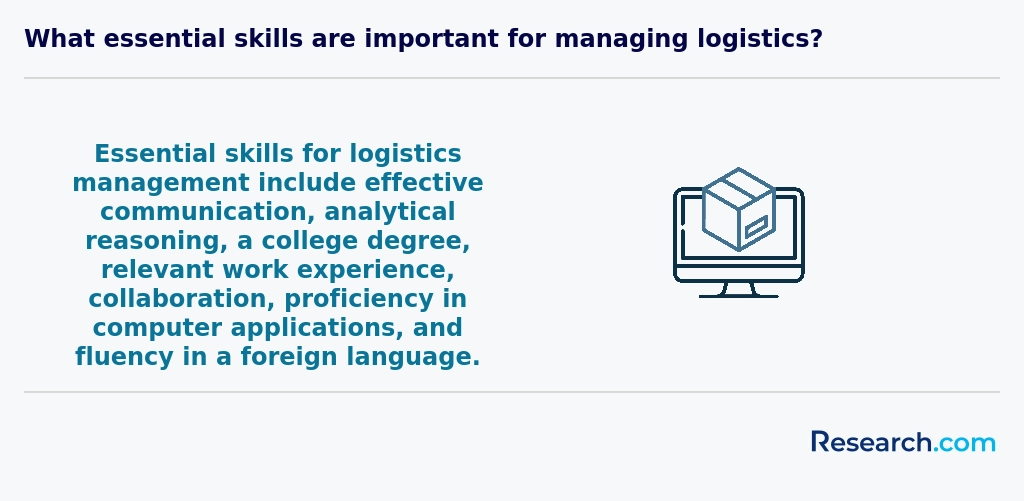
Employers in Georgia seek logistics degree graduates with strong analytical skills to optimize supply chains and reduce costs effectively. According to Georgia Department of Economic Development, proficiency in data analysis tools and software such as Excel and ERP systems is highly valued. Communication skills are also critical, enabling graduates to coordinate with suppliers and customers smoothly.
Problem-solving abilities are important, as logistics professionals must handle unexpected challenges in transportation and inventory management. Knowledge of Georgia's major logistics hubs, including the Port of Savannah-one of the fastest-growing ports in the U.S.-gives graduates a practical advantage.
Finally, employers prioritize graduates familiar with regulatory compliance and sustainability practices specific to Georgia's transportation sector.
Finding internships in Georgia relevant to a logistics degree involves several strategic steps. Many universities, like Georgia Southern and Kennesaw State, offer career services with internship listings tailored to logistics students. The Georgia Department of Economic Development highlights that Atlanta is a major transportation hub, offering ample opportunities in supply chain and freight management sectors.
Students can leverage platforms such as Handshake, which partner with local employers around Georgia, including logistics firms and regional distribution centers. Networking at industry events hosted by organizations like the Georgia Logistics Summit also proves invaluable.
Additionally, applying early and tailoring resumes to logistics roles enhances chances of securing competitive internships in Georgia's dynamic market.
A logistics degree in Georgia significantly enhances career mobility and advancement opportunities within the state's growing supply chain sector. Georgia is a national logistics hub, mainly due to the Port of Savannah, the busiest container port in the U.S. This creates high demand for skilled logistics professionals.
Graduates with logistics degrees typically find better job prospects, higher salaries, and quicker promotions compared to those without formal education in the field. According to the Georgia Department of Labor, employment in logistics-related occupations is projected to grow by 12% through 2030, outpacing many other industries.
Moreover, a logistics degree equips students with critical skills in supply chain management, transportation, and inventory control, which are highly valued by employers in distribution centers and manufacturing companies across Georgia.
Completing a degree also opens doors to leadership roles, helping individuals advance from entry-level positions to managerial or analyst roles faster than experience alone would allow.
Studying for a logistics degree in Georgia equips students with skills that cross traditional disciplinary boundaries. Programs emphasize supply chain management, transportation, and operations, integrating knowledge from business, technology, and analytics. Georgia's strategic location as a transportation hub, home to the Port of Savannah-the fastest-growing container port in the U.S.-offers practical learning opportunities linked to real-world industry challenges.
Students gain expertise in data analysis, project management, and communication, essential for collaboration across different sectors. According to the Georgia Department of Economic Development, logistics jobs in Georgia have grown by 10% over the past five years, reflecting the demand for versatile professionals.
Overall, these programs prepare graduates to work alongside engineers, IT specialists, and business leaders, creating solutions that improve efficiency and innovation in global supply chains.
Choosing between a thesis and a non-thesis logistics degree program in Georgia depends largely on your career goals. A thesis option involves conducting original research and writing a detailed paper, which is ideal if you aim for roles in research, academia, or advanced study. Non-thesis programs focus more on coursework and practical skills, suiting students who wish to enter the workforce quickly or pursue management positions.
Georgia's logistics sector is robust, anchored by the Port of Savannah, one of the fastest-growing in the US. According to the Georgia Department of Economic Development, logistics jobs in the state are expected to grow by over 8% from 2021 to 2031.
Consider program flexibility and faculty expertise as well. Most Georgia universities offer both options, but thesis programs often require a longer commitment. Review specific program details to align your education pathway with industry demands and your personal aspirations.
Students based in Georgia who want to study logistics abroad have several pathways to consider. Many U.S. universities, including those in Georgia, have partnerships with international institutions, allowing students to participate in exchange programs focused on supply chain and logistics management. These programs offer exposure to global logistics practices and enhance cross-cultural competence.
Additionally, some Georgia schools provide dual-degree options in collaboration with foreign universities, enabling students to earn credentials recognized in both countries. According to the Council of Supply Chain Management Professionals, Georgia's logistics sector is one of the fastest-growing, highlighting the value of international experience for local job markets.
Financial aid and scholarships specifically for studying abroad in logistics are often available, making international education more accessible to Georgia students.
Students pursuing logistics degrees in Georgia have access to various part-time job opportunities that enhance practical learning. Roles such as warehouse associates, inventory assistants, and supply chain interns are common in cities like Atlanta, a major logistics hub.
According to the Georgia Department of Labor, logistics and transportation jobs in the state are expected to grow by 7% over the next decade, making part-time roles in trucking coordination and distribution centers valuable for experience. These positions help develop skills in inventory management, transportation planning, and data analysis.
Additionally, internships with companies like UPS and Norfolk Southern, headquartered in Georgia, offer students hands-on exposure to logistics operations while studying.
Logistics students in Georgia benefit from a variety of strong networking opportunities that connect them with industry professionals and employers. Many universities collaborate with local companies, including major logistics hubs like the Port of Savannah, the largest single container terminal in North America. This collaboration often results in internships and career fairs specifically for logistics students.
Professional organizations such as the Georgia Logistics Summit and the Council of Supply Chain Management Professionals (CSCMP) Georgia Roundtable provide regular events, workshops, and conferences. These platforms allow students to meet experts, recruit mentors, and explore job openings.
Moreover, Georgia's strategic location as a transportation and distribution center enhances access to networking through events hosted by industry leaders like UPS and Delta Air Lines. Universities often support student chapters of national logistics associations, enhancing peer and professional connections within the state.
Alumni networks are a valuable resource for logistics degree students in Georgia. These networks provide access to experienced professionals who can offer career advice and mentorship. According to the Georgia Department of Economic Development, the state's logistics sector employs over 250,000 workers, making connections crucial for job placement.
Students can benefit from alumni job referrals, internships, and networking events that many universities organize. Strong alumni ties often lead to exclusive opportunities within Georgia's busy ports, distribution centers, and transportation hubs. Additionally, alumni can help students understand industry trends and skill demands in the local market, increasing their competitiveness after graduation.
Customizing a logistics degree program in Georgia allows students to align their education with specific career goals. Many Georgia institutions offer elective courses in supply chain management, transportation, and international logistics, enabling focused expertise. For example, Georgia Southern University and Kennesaw State University provide specialization options that reflect Georgia's role as a major logistics hub, especially with the Port of Savannah ranking as the fastest-growing container terminal in the U.S. According to the Georgia Department of Economic Development, tailoring coursework to areas like warehouse management or distribution can improve job prospects in Georgia's expanding logistics sector. Internships and partnerships with local logistics firms also enhance practical skills and networking opportunities.
Logistics students in Georgia often face several challenges as they pursue their degrees. One common issue is the rapidly evolving nature of supply chain technology, which requires staying updated with tools like warehouse management systems and transportation software. Georgia, being a major logistics hub-especially in Atlanta with Hartsfield-Jackson Airport and the Port of Savannah-demands practical experience that can be difficult to obtain through classroom studies alone.
Another challenge is balancing academic coursework with internships or co-op opportunities. According to the Georgia Department of Economic Development, the state's logistics sector grew by 7.5% over the past five years, increasing the need for hands-on skills.
Additionally, students may encounter difficulty navigating Georgia's competitive job market, as many logistics firms prefer candidates with both degrees and relevant certifications such as CSCMP or APICS. Finally, funding and cost remain concerns, as tuition and living expenses in Georgia's urban centers can be high.
With a logistics degree in Georgia, you can pursue several professional certifications that enhance your career prospects. Popular certifications include the Certified Supply Chain Professional (CSCP) from APICS and the Certified in Logistics, Transportation and Distribution (CLTD). Both are recognized nationwide and highly valued by employers.
The Georgia Department of Labor reports that logistics and transportation jobs are growing, increasing demand for certified professionals. Earning certifications can help you qualify for managerial roles in the state's busy ports and distribution centers, such as the Port of Savannah, one of the largest in the U.S.
Other certifications to consider are the Certified Professional in Supply Management (CPSM) and Six Sigma certifications, which focus on efficiency and process improvement. These credentials demonstrate specialized knowledge and help logistics graduates stand out.
Writing a winning application for a logistics program in Georgia requires attention to detail and a clear demonstration of your passion for the field. Start by researching the specific requirements of the schools you are applying to, such as Georgia Tech or Kennesaw State University, both known for reputable logistics programs.
Highlight any relevant experience in supply chain, transportation, or warehouse management. Georgia's growing logistics hub, including the Port of Savannah-the fourth-largest in the US-creates strong local demand, so showcasing awareness of regional industry trends can be an advantage.
Strong academic records, especially in math and business courses, are important. Additionally, writing a concise personal statement that explains your career goals and why logistics matters to you can set your application apart. Finally, ask for recommendation letters from professionals familiar with your skills in logistics or related fields.
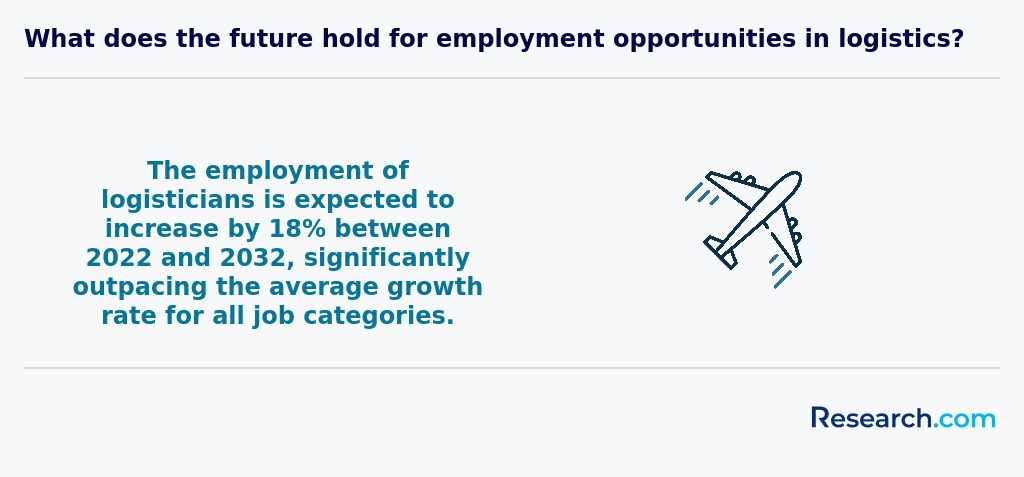
Logistics careers have strong global relevance, reflecting the growth of international trade and supply chain networks. In the United States, including Georgia, logistics professionals are crucial for efficiently moving goods and services across borders. The Bureau of Labor Statistics projects a 28% growth in logisticians' employment from 2020 to 2030, faster than the average for all occupations.
Georgia's strategic location as a transportation hub, with major ports like Savannah, enhances career opportunities in logistics and supply chain management. This regional advantage connects graduates to global markets and multinational companies.
Globally, employers seek graduates with skills in technology, data analysis, and sustainable logistics practices, highlighting the importance of comprehensive education. Pursuing a logistics degree in Georgia equips students to compete in a globalized economy and meet evolving industry demands.
Students pursuing a logistics degree in Georgia can gain practical experience through internships offered by many universities. These opportunities allow learners to work with local businesses involved in supply chain management, transportation, and warehousing. For example, Atlanta is a major logistics hub, hosting companies like UPS and DHL, which provide valuable internship placements.
Cooperative education programs (co-ops) also offer real-world work experience integrated with academic studies. According to the Georgia Department of Economic Development, logistics employment in the state is projected to grow by 8% by 2028, increasing demand for skilled interns.
Additionally, some schools encourage participation in student organizations and competitions focused on supply chain challenges, which enhance hands-on learning beyond the classroom.
Choosing the right concentration within a logistics degree program in Georgia depends largely on your career goals and regional industry demands. Georgia's logistics sector is robust, driven by the Port of Savannah, the nation's fastest-growing container port, employing over 70,000 logistics workers (Georgia Department of Economic Development, 2023).
Students should consider concentrations like supply chain management, transportation, or warehousing, each aligning with different job roles. Supply chain management focuses on optimizing product flow, ideal for those interested in planning and strategy. Transportation concentrates on managing freight and fleet operations, while warehousing emphasizes inventory control and distribution systems.
Research local employment trends and internship opportunities to find a concentration offering strong practical experience. Also, verify if your chosen school in Georgia has partnerships with regional logistics firms to support job placement. Understanding these factors will guide an informed decision tailored to Georgia's thriving logistics market.
Related Logistics Rankings for Nearby States
- 2027 Best Logistics Degree Programs Ranking in South Carolina
- 2027 Best Logistics Degree Programs Ranking in Florida
- 2027 Best Logistics Degree Programs Ranking in Alabama
- 2027 Best Logistics Degree Programs Ranking in Tennessee
- 2027 Best Logistics Degree Programs Ranking in West Virginia
- 2027 Best Logistics Degree Programs Ranking in Arkansas
- 2027 Best Logistics Degree Programs Ranking in Missouri
- 2027 Best Logistics Degree Programs Ranking in Ohio
- 2027 Best Logistics Degree Programs Ranking in Illinois
- 2027 Best Logistics Degree Programs Ranking in Pennsylvania
Top Trending Logistics Rankings
References
- Logistics - Vistula University https://vistula.edu.pl/en/major/logistics
- Master of Logistics and Supply Chain Management (MLSCM) https://www.gcsu.edu/business/gradbusiness/mlscm
- Alumni Network https://www.klu.org/professionals-organizations/engage-with-klu/alumni-network
- Answer: Logistics Degree Salary With A Bachelor vs. Master’s Degree? https://logisticsdegree.net/logistics-degree-salary-with-a-bachelor-vs-masters-degree/
- Logistics Software Development Company & Services https://www.idealogic.io/blog/logistics-is-it-possible-to-find-a-niche-today
- Supply Chain Schools in Georgia | KCH Transportation https://kchtrans.com/supply-chain-schools-ga/
- Certificate | Logistics Qualifications | CILT International https://ciltinternational.org/education-training/international-qualifications/certificate-logistics-qualifications-cilt-international/
- mim SUPPLY CHAIN/Logistics specialization - ESCE - Omnes International https://www.omnes-international.com/en/program/pge-supply-chain-logistics-specialization-esce/
- Supply Chain Internships | Capital Placement https://capital-placement.com/supply-chain-internships/
- 3+ Logistics Cover Letter Examples (with In-Depth Guidance) https://www.tealhq.com/cover-letter-examples/logistics








