2027 Best Logistics Degree Programs Ranking in Alabama

Co-Founder and Chief Data Scientist
Choosing the right logistics degree program in Alabama can shape your future career in this growing field. Our article presents the 2027 Best Logistics Degree Programs Ranking in Alabama, developed by the Research.com team of data scientists to guide you toward the top programs available.
By exploring this ranking, you'll gain valuable insights to make an informed decision that fits your goals. Pursuing a logistics degree opens doors to dynamic opportunities, and this article helps you take the first confident step.
Key benefits of getting logistics degree in Alabama
- Graduates with a logistics degree in Alabama can expect competitive salaries, such as Logistics Coordinators and Specialists earning around $84,640 annually, while roles like Transportation Planners and Supply Chain Coordinators typically earn about $46,690 per year.
- Career paths include diverse roles in transportation, customs brokerage, and supply chain management, offering exciting opportunities demonstrated by successful graduates from the University of Alabama.
- Completing a logistics degree online, as some students at Auburn University have, provides the flexibility to work while studying, making it easier to balance life commitments and accelerate career growth.
- Key benefits of getting logistics degree in Alabama
- What can I expect from logistics degree in Alabama?
- Where can I work with logistics degree in Alabama?
- How much can I make with logistics degree in Alabama?
- 2027 Best Logistics Degree Programs Ranking in Alabama
- Key Findings
- How long does it take to complete logistics degree in Alabama?
- Professional Certifications to Boost Your Logistics Career
- What's the difference between online and on-campus logistics degree?
- Industry Trends and Future Outlook in Alabama Logistics
- What is the average cost of logistics degree in Alabama?
- What financial aid is available to logistics degree students in Alabama?
- What are the prerequisites for enrolling in logistics degree program in Alabama?
- Emerging Technologies and Innovations in Logistics
- What courses are typically in logistics degree programs in Alabama?
- What types of specializations are available in logistics degree programs in Alabama?
- How do you choose the best logistics degree in Alabama?
- What career paths are available for logistics degree students in Alabama?
- What is the job market for logistics degree in Alabama?
- Related Logistics Rankings for Nearby States
- Top Trending Logistics Rankings
What can I expect from logistics degree in Alabama?
The cost of a logistics degree in Alabama typically dances between opportunity and investment. Graduates from universities like the University of Alabama and Auburn University recall balancing the tuition-generally ranging from $10,000 to $30,000 annually for in-state students-with the priceless value of real-world internships that turn theory into action. Picture walking along the docks at the Port of Mobile, imagining how supply chains ripple through those massive containers-this hands-on learning often makes the tuition feel like a ticket to a front-row seat in logistics innovation.
Many students find scholarships and financial aid easing the cost, especially for those committed to Alabama's booming transportation and warehousing industries. The blend of classroom lectures on demand forecasting with tangible projects, such as warehouse automation simulations, creates an educational experience that feels both affordable and forward-thinking.
Ultimately, the investment isn't just monetary but a strategic step toward thriving in a state where logistics runs like the lifeblood of commerce and career possibilities stretch far beyond the classroom walls.
Where can I work with logistics degree in Alabama?
Graduates from logistics programs at institutions like the University of Alabama and Auburn University find themselves stepping into a vibrant world where supply chains pulse with life. Imagine managing the flow of parts for Mercedes-Benz in Birmingham or orchestrating inventory at Amazon's bustling distribution centers scattered across the state. These roles don't just pay the bills-they place you at the heart of Alabama's economic rhythm.
Picture working near the Port of Mobile, where the deep-water docks become your stage for coordinating freight forwarding or steering cargo through customs, connecting global trade to local enterprise. Here, logistics graduates transform abstract data into actionable plans, mastering technology to keep goods rolling smoothly. Those who relish fast-paced environments thrive in transportation management, warehouse operations, or even supply chain analytics, blending strategy with real-time problem solving.
The energy is palpable: graduates share stories of navigating the dynamic interplay between manufacturing hubs and retailers like Walmart, feeling pride as their decisions keep shelves stocked and deliveries punctual. Working in government or healthcare logistics further expands horizons, turning skills into essential services that touch everyday lives. Alabama's logistics landscape invites graduates to become innovative players in a growing, tech-savvy industry.
How much can I make with logistics degree in Alabama?
If you're diving into a logistics degree at a top Alabama university, imagine stepping into a world where your starting salary could hover around $46,690 as a transportation planner or supply chain coordinator, according to the U.S. Bureau of Labor Statistics. Graduates from well-known Alabama colleges often find these entry points bustling with opportunity, blending classroom theory with real-world supply chain puzzles.
Picture a recent graduate juggling schedules for distribution centers near the Port of Mobile, where strategic logistics know-how translates into an average yearly paycheck of about $84,640 as a logistics coordinator or specialist. This is no abstract number-it's a tangible reward for mastering inventory flow and shipment choreography in a booming regional hub.
Or envision someone certified in customs brokerage navigating international shipments, earning $63,130 annually, a figure that sparks pride and confidence while reflecting Alabama's rich trade routes. These salaries grow as your expertise and certifications multiply-transforming your degree into a launchpad for a vibrant career with compelling paychecks rooted right here in Alabama's evolving logistics landscape.
2027 Best Logistics Degree Programs Ranking in Alabama
How do we rank schools?
Investing in your education is a significant decision that can shape your future, and the Research.com team understands the importance of making informed choices. To assist prospective students in Alabama, we have meticulously crafted the "2027 Best Logistics Degree Programs Ranking in Alabama." Our commitment to quality, credibility, and accuracy is reflected in the extensive research and analysis conducted to compile this ranking.
We utilized the following reputable data sources to ensure a comprehensive evaluation of logistics programs:
By exploring this ranking, readers will gain valuable insights into the best logistics degree programs available in Alabama, enabling them to make informed decisions about their educational paths. For more details on our methodology, please visit our Research.com methodology page.


Key Findings
- The total cost for a four-year logistics bachelor's degree in Alabama ranges from $25,000 to $40,000 for in-state students at public universities.
- Entry-level salaries for logistics graduates in Alabama typically start between $45,000 and $50,000 annually.
- With experience and certifications, logistics professionals in Alabama can earn an average salary of $70,000 or more over time.
- Employment for logisticians in Alabama is projected to grow by about 7% between 2022 and 2032, matching the national average.
- Many logistics programs in Alabama offer internships and align with certification standards like CSCMP and APICS to boost career readiness.
How long does it take to complete logistics degree in Alabama?
Imagine diving into the bustling world of logistics at the University of Alabama, where most students embark on a four-year journey to earn their Bachelor's degree. This timeline matches the rhythm of a typical undergraduate adventure, filled with late-night study sessions and hands-on projects that turn concepts into real supply chain magic.
For those craving a quicker route, Alabama's community colleges offer two-year Associate degrees-perfect for jumping straight into entry-level roles or using as a springboard toward a full bachelor's. Graduates from Auburn University often recount balancing internships that add a valuable twist: gaining real-world experience that sometimes stretches their timeline but turbocharges their resumes.
Master's programs in Alabama flex to fit working professionals, taking anywhere from one to two years, with options for online or hybrid classes that transform a commute into couch time. Full-time or part-time enrollment colors each student's pace uniquely, blending ambition with life's realities in the heart of Alabama's evolving logistics landscape.
Professional Certifications to Boost Your Logistics Career
Earning a logistics degree is an essential first step, but pairing your academic credentials with industry-recognized certifications can significantly enhance your employability and earning potential. Before you begin, be sure you understand the logistics degree requirements for your chosen program in Alabama, and then explore these top certifications: - APICS Certified in Production and Inventory Management (CPIM): Focuses on mastering inventory, production planning and control, and supply chain optimization. Widely respected by manufacturers and distributors. - APICS Certified Supply Chain Professional (CSCP): Covers end-to-end supply chain management, from supplier to customer, including technology integration and risk management. - APICS Certified Logistics, Transportation and Distribution (CLTD): Emphasizes best practices in transportation, warehouse operations, and global logistics. - Council of Supply Chain Management Professionals (CSCMP) SCPro™ Certification: A three-level credential that validates your ability to assess, design and implement comprehensive supply chain strategies. - International Society of Logistics (SOLE) Certified Professional Logistician (CPL): Recognizes mastery of logistics concepts, processes, and management techniques across all sectors. These certifications often align with coursework topics-transportation management, inventory control, global logistics-so you can leverage academic projects and internship experiences to prepare for exams. Employers in Alabama’s booming manufacturing, e-commerce, and transportation hubs actively seek professionals who combine a solid logistics degree foundation with proven certification credentials. By investing in one or more of these programs, you demonstrate both technical expertise and a commitment to continuous professional development, setting yourself apart in a competitive job market.
What's the difference between online and on-campus logistics degree?
Imagine navigating logistics from the vibrant halls of the University of Alabama, where on-campus students thrive amid the buzz of live discussions and hands-on projects, like coordinating site visits to the sprawling Port of Mobile. Graduates often recall the electric energy of brainstorming with peers in packed classrooms or forging connections at career fairs linked directly to Alabama's booming transportation sectors.
Now contrast that with online students based anywhere in the state-perhaps a busy professional balancing shifts in Birmingham or a parent in Huntsville juggling family life. Their classrooms exist in the flow of digital platforms, offering lessons and deadlines adaptable to their unique rhythms. They celebrate the freedom of stepping into their studies between daily errands, cutting commute costs and savoring flexibility without sacrificing rigor.
Both paths dive deeply into the core of supply chain mastery but offer distinctly Alabama-flavored experiences: on-campus students bask in face-to-face mentorship and local networking, while online learners embrace autonomy and convenience, each fueled by the shared goal of launching a career in a field as dynamic as the state itself.
Industry Trends and Future Outlook in Alabama Logistics
The logistics industry in Alabama is rapidly evolving with the growing integration of advanced technologies and sustainable practices. Today’s logistics programs are increasingly incorporating innovations such as blockchain, artificial intelligence, and Internet of Things (IoT) to prepare graduates for the digital transformation of supply chains. As employers shift toward data-driven decision-making, students with hands-on experience in these emerging areas are in high demand. Local industry partnerships are also fostering real-world exposure through collaborative projects and internships that keep curricula aligned with current market needs. Furthermore, the surge in e-commerce and global trade continues to drive the expansion of transportation and warehousing networks statewide, creating a dynamic environment for logistics professionals. For those comparing program costs alongside technology initiatives, exploring the most affordable logistics programs in alabama can provide additional insights into quality education that meets industry standards. This forward-looking approach not only enhances career readiness but also ensures that graduates remain competitive in an ever-changing global market.
What is the average cost of logistics degree in Alabama?
Imagining the journey toward a logistics degree in Alabama, the financial roadmap reveals a median total cost of around $41,847, weaving together tuition, fees, and other essentials. Graduates from renowned institutions like Auburn University and the University of Alabama often recount how this investment felt manageable when balanced against the career doors it opened. For an Alabama resident, the average logistics degree cost in Alabama 2027 can appear quite reasonable, especially considering the median in-state total cost is approximately $12,511, making public universities an economical choice. Out-of-state students, however, encounter steeper expenses, yet many find scholarship opportunities and work-study programs that ease the burden.
Take the example of some graduates who vividly remember budgeting tightly but thriving academically thanks to scholarships tied to business and logistics disciplines. For them, the total cost of logistics degree programs Alabama included living expenses and books, carefully planned alongside tuition. Many private colleges in the state do tend to push total costs higher, but public institutions remain a popular path for those seeking affordability without sacrificing quality. Those curious can explore more about the most affordable logistics programs in alabama, unlocking paths that fit their financial realities and goals.
What financial aid is available to logistics degree students in Alabama?
Imagine starting your logistics degree at Auburn University or the University of Alabama, knowing the hefty tuition won't weigh you down-because financial aid is your secret ally. Many graduates recall filling out the FAFSA early, unlocking possibilities like the Pell Grant, which can knock off up to $7,395 from tuition bills. This gift of federal aid doesn't discriminate; it supports any eligible degree, logistics included.
In Alabama, state-funded grants feel like hidden treasures for residents. The Alabama Student Grant Program is a lifeline, easing costs based on financial need for those dedicated to navigating supply chains. Some grads found that the Alabama Math and Science Scholarship, typically for STEM students, bolstered their budgets thanks to logistics' technical roots.
Schools themselves often reward ambition. Institutional scholarships encourage students who excel or lead, sparking pride among those juggling school and work. Industry groups, like the CSCMP, weave another safety net with scholarships that celebrate practical interest in logistics, making dreams feel tangible and close.
And for working adults, company tuition programs turn evening classes into a smart investment, making every late-night study session a step toward a brighter career.
What are the prerequisites for enrolling in logistics degree program in Alabama?
Stepping into a logistics degree program in Alabama means you've already cleared the gateway of a high school diploma or GED-your ticket to a field where supply chains hum like finely tuned machines. Graduates from universities here often share how that 2.5 to 3.0 GPA requirement wasn't just a number; it was proof they could keep pace with Alabama's fast-evolving logistics landscape. Imagine diving into college algebra or statistics courses that sharpen your ability to predict and solve real-world transport puzzles around the busy docks of the Port of Mobile.
Some students recall how taking foundational classes like English composition or introduction to business at their local Alabama college transformed their ability to draft impactful reports and communicate logistics strategies clearly-a skill employers treasure deeply.
Beyond academics, hands-on experience through internships near bustling distribution centers often lights up resumes and spirits. Many alumni describe the thrill of navigating warehouse floors, connecting theory to practice, feeling the pulse of Alabama's growing logistics heart.

Emerging Technologies and Innovations in Logistics
The logistics industry in Alabama is rapidly evolving as emerging technologies reshape supply chain operations and career opportunities for graduates. Automation and robotics are streamlining warehouse workflows, with automated guided vehicles (AGVs) and robotic sorting systems reducing order fulfillment times and labor costs. Students who gain hands-on experience with warehouse management software can transition seamlessly into roles that leverage these tools to optimize inventory accuracy and throughput. Artificial intelligence (AI) and machine learning (ML) are driving predictive analytics in demand forecasting and route optimization. By analyzing historical shipping data and real-time traffic patterns, AI-powered systems help logistics managers minimize delays and fuel consumption. Alabama programs that integrate data analytics courses prepare students to harness these capabilities, ensuring they can implement algorithm-driven decision-making in transportation and distribution roles. The Internet of Things (IoT) is enhancing visibility across the supply chain through smart sensors and connected devices. Temperature- and humidity-monitoring tags protect sensitive goods in transit, while asset-tracking beacons provide end-to-end shipment updates. Logistics graduates skilled in configuring and interpreting IoT networks are increasingly sought after by companies committed to reducing waste and ensuring compliance with regulatory standards. Blockchain technology is also gaining traction for its ability to secure transaction records and improve transparency in cross-border logistics. Students familiar with blockchain applications can help employers reduce fraud, accelerate customs clearance, and foster trust among supply chain partners. For those exploring flexible programs that emphasize cutting-edge curriculum, the 2025 Most Affordable Online Bachelor’s in Logistics Degree Programs Ranking in Illinois offers insights into innovative online options that complement traditional on-campus learning. By staying abreast of these technological trends, Alabama logistics graduates can position themselves at the forefront of industry transformation.
What courses are typically in logistics degree programs in Alabama?
Imagine diving into courses that feel like a backstage pass to Alabama's bustling logistics scene. At universities like the University of Alabama or Auburn, graduates describe their Supply Chain Management classes as master plans for orchestrating the smooth dance of goods from factory floors in Birmingham to ports along Mobile Bay. Transportation Management feels like a hands-on GPS adventure, unraveling the secrets of trucks, trains, and planes threading across the South.
Inventory Management isn't just theory-it's about balancing warehouses as if you're steering a giant, living puzzle. Meanwhile, dives into Logistics Technology open doors to software tools that feel like your personal command center, controlling warehouse robots or tracking shipments in real-time. Operations Management courses break down how to tame complex production lines, while Procurement and Purchasing classes equip students to negotiate deals that can fuel Alabama's thriving automotive and manufacturing hubs.
Global Logistics courses spark the thrill of navigating international waters, trade laws, and customs as if you're a globe-trotting supply chain detective. Graduates cherish how these courses mix Alabama's unique industrial flavor with sharp, career-ready skills, turning classroom lessons into exciting, real-world logistics adventures.
What types of specializations are available in logistics degree programs in Alabama?
Dive into the dynamic world of logistics degree specializations in Alabama, where classrooms come alive with practical energy. Graduates from the state's renowned universities often recall how the Supply Chain Management track transformed their view of global commerce, mastering everything from procurement puzzles to demand forecasting wizardry. Picture yourself navigating the bustling Port of Mobile, a real-world classroom that highlights the critical role of transportation and distribution specialization, driving careers fueled by rail, truck, and maritime logistics.
Operations Management fans find themselves orchestrating warehouse flows and production schedules with data-driven precision, their studies at prominent Alabama colleges turning theory into action. Meanwhile, those enchanted by international logistics dive into the electrifying realm of customs regulations and global trade strategies, preparing to connect Alabama's industries with global markets. For tech-savvy students, the logistics analytics and technology track unlocks the power of ERP systems and automation, making logistics an exhilarating blend of numbers and innovation.
Exploring these Alabama logistics management program options sparks motivation among students eager to master the art of movement and exchange, enhancing both their career prospects and connection to this thriving economic hub. Discover how these focused paths align perfectly with your aspirations by exploring logistics degree requirements.
How do you choose the best logistics degree in Alabama?
Choosing the best logistics degree program in Alabama is like plotting a perfect route through a bustling highway system. Graduates from universities in Birmingham and Huntsville often reminisce about how the hands-on curriculum brought supply chain puzzles to life-imagine negotiating shipping logistics right next to the Port of Mobile or analyzing inventory management for a local automotive plant. These real-world connections make the abstract pulse of logistics beat stronger and clearer.
When scouting for the best logistics degree programs in Alabama, accreditation is your GPS-without it, you risk ending up off-course. Think about graduates who chose programs with AACSB or ACBSP recognition; their degrees unlocked doors to thriving local companies hungry for talent. Plus, specializations like international logistics echo Alabama's diverse economy and create exciting job leads.
The true secret lies in affordability paired with opportunity. Numerous students find affordable logistics degrees Alabama a relief, balancing low tuition costs with rich internship offers that turn classroom lessons into thrilling career adventures. Curious minds should also check out the 2025 Most Affordable Online Bachelor's in Logistics Degree Programs Ranking in Illinois-sometimes the perfect program is just a state away, expanding horizons beyond Alabama's borders.
What career paths are available for logistics degree students in Alabama?
Graduates with a logistics degree in Alabama dive into a dynamic river of career possibilities, from orchestrating supply chain flows at renowned universities to steering transportation corridors near the bustling Port of Mobile. Imagine launching your journey as a supply chain analyst in Birmingham's automotive plants or fine-tuning inventory systems within Huntsville's aerospace hubs-all while feeling the pulse of Alabama's industrial heartbeat.
Those embracing Alabama supply chain job opportunities often evolve into nimble operations managers or savvy transportation coordinators, optimizing routes where highways crisscross like arteries feeding economic vitality. Graduates share stories of mastering last-mile delivery puzzles in e-commerce landscapes, finding joy in turning complex logistics challenges into seamless success tales.
Whether managing freight forwarding or crafting demand plans, students from popular Alabama colleges access hands-on experience backed by affordable, strong programs-some choosing the best accelerated associate degree paths to launch their careers faster. For anyone seeking logistics management careers in Alabama, the field pulses with opportunity, creativity, and steady growth.
What is the job market for logistics degree in Alabama?
The job market for logistics degree graduates in Alabama pulses with opportunity, fueled by bustling automotive plants like Mercedes-Benz and Hyundai that demand savvy supply chain thinkers. Graduates from institutions such as the University of Alabama and Auburn University often share stories of landing roles managing inventory flows at the Port of Mobile-one of the Gulf Coast's busiest gateways. This real-world exposure amplifies their skills, making the transition from campus to career feel seamless and rewarding. Alabama logistics career opportunities are expanding alongside the state's thriving e-commerce distribution centers, opening doors to positions that start with competitive salaries around $45,000 to $55,000 annually.
Students find the financial side of earning a logistics degree manageable too, with in-state tuition hovering near $8,000 to $12,000 per year. Many reflect on internships with local warehouses or shipping firms as transformational, turning theoretical knowledge into practical savvy. For learners eyeing an education path that pairs ambition with affordability, Alabama stands out as a strategic choice where practical experience and industry demand intersect beautifully.
Those curious about easy bachelor degrees that pay well might explore logistics as a promising route-especially in Alabama's dynamic job scene, which rewards perseverance and proactive skill-building through certifications and hands-on learning.
Frequently Asked Questions About logistics
Logistics degree students in Alabama can maximize their learning by engaging in hands-on experiences such as internships and cooperative education programs. These opportunities provide real-world exposure to supply chain management, transportation, and warehousing-key areas in Alabama's growing logistics sector. According to the Alabama Department of Commerce, logistics and distribution centers have expanded by over 15% in recent years, reflecting rising demand for skilled professionals.
Students should also take advantage of industry events and networking groups like the Alabama Trucking Association. Joining these organizations helps build professional connections and stay updated on industry trends. Additionally, leveraging Alabama's proximity to major logistics hubs, including the Port of Mobile, can give students practical insights into maritime and intermodal transportation.
The logistics field in Alabama is rapidly evolving with several emerging niches attracting attention. One key area is e-commerce fulfillment, driven by the state's expanding distribution centers that support companies like Amazon and Walmart. This growth increases demand for logistics professionals skilled in warehousing technology and last-mile delivery strategies.
Another important niche is supply chain sustainability. Alabama companies are focusing on reducing environmental impact through green logistics initiatives, including alternative fuels and energy-efficient transportation methods.
Data analytics and automation also play a growing role, with businesses leveraging technology to optimize inventory management and route planning. According to the Alabama Department of Commerce, logistics employment related to these technologies is projected to grow steadily over the next decade.
After completing a logistics degree in Alabama, it is essential to gain practical experience to improve employability. Internships and cooperative education programs offered by Alabama universities provide valuable hands-on training in supply chain management and transportation industries.
The Alabama Department of Labor reports that demand for logistics professionals in the state is growing by 5% annually, especially in sectors like automotive and aerospace manufacturing, prominent in cities such as Birmingham and Huntsville.
Networking through local industry associations, such as the Alabama Logistics Association, enhances job prospects by connecting graduates with employers.
Additionally, obtaining certifications like the Certified Supply Chain Professional (CSCP) can boost credibility and career advancement opportunities.
Employers in Alabama highly value logistics degree graduates who demonstrate strong analytical and problem-solving skills. These abilities are essential for optimizing supply chains and improving efficiency in the state's growing transportation sector.
Communication skills are also crucial, as logistics professionals often coordinate between suppliers, manufacturers, and retailers. Clear verbal and written communication helps ensure smooth operations across complex networks.
Technical proficiency with logistics software and data analysis tools is increasingly sought after. According to the Alabama Department of Labor, proficiency in inventory management systems can increase job prospects by 15%.
Finally, leadership and adaptability are important traits, reflecting the dynamic nature of Alabama's logistics industry landscape.
Finding internships in Alabama relevant to a logistics degree involves several practical steps. Start by exploring resources at your college's career services office, as many Alabama universities maintain partnerships with local logistics companies. According to the Alabama Department of Commerce, the state hosts over 1,200 transportation and logistics firms, creating numerous internship opportunities.
Networking through industry associations, such as the Alabama Trucking Association or the Council of Supply Chain Management Professionals (CSCMP) Alabama Roundtable, can connect students with employers actively seeking interns.
Additionally, online job platforms tailored to Alabama's market, like Handshake or Internships.com, list openings specifically in logistics and supply chain roles across the state's key hubs such as Birmingham and Mobile.
Students should also consider internships at large distribution centers and port facilities, which play a critical role in Alabama's logistics sector as reported by the U.S. Bureau of Labor Statistics.
A logistics degree in Alabama significantly enhances career mobility by equipping graduates with in-demand skills such as supply chain management, inventory control, and transportation coordination. Employers in Alabama's growing manufacturing and distribution sectors often seek candidates with formal logistics education, boosting job prospects.
According to the Alabama Department of Labor, logistics and supply chain roles are expected to grow by 8% over the next decade, outpacing many other fields. This growth translates into increased opportunities for advancement into supervisory and management positions.
Graduates with a logistics degree frequently experience higher starting salaries compared to those without, reflecting the specialized knowledge they bring. Many Alabama companies also value certifications earned alongside degrees, further supporting career progression.
Studying for a logistics degree in Alabama equips students with skills applicable across multiple disciplines, reflecting the state's diverse industrial landscape. Alabama's logistics programs emphasize supply chain management, transportation, and inventory control, integrating knowledge from business, engineering, and information technology.
Courses often include project management and data analysis, preparing graduates to work in complex environments requiring collaboration between departments such as marketing, finance, and operations. According to the Alabama Department of Commerce, logistics-related employment is projected to grow steadily, underscoring the need for versatile professionals.
Universities in Alabama also collaborate with local industries, providing internships that expose students to real-world, interdisciplinary challenges. This hands-on experience is critical for understanding the interconnected nature of logistics careers.
When choosing between a thesis and a non-thesis logistics degree program in Alabama, students should consider their career goals and learning preferences. A thesis option typically involves original research and is suited for those aiming for roles in research, academia, or advanced study. Non-thesis programs focus more on practical skills and coursework, preparing students for immediate entry into logistics management roles.
The University of Alabama highlights that thesis programs may extend the degree time by a semester or more due to research requirements. Meanwhile, the Alabama Department of Labor reports a steady 5% annual growth in logistics-related jobs, favoring graduates with applied skills.
Cost, time commitment, and long-term objectives matter significantly in this choice.
Students in Alabama interested in studying logistics abroad have several avenues to explore through U.S. higher education partnerships. Many Alabama universities offering logistics programs, such as Auburn University and the University of Alabama, participate in study abroad programs with institutions in Europe and Asia.
These programs often focus on global supply chain management and international trade, providing practical experience in diverse logistics environments. According to the Institute for Supply Management, such global exposure significantly improves employment prospects.
Additionally, students may opt for semester-long exchanges or summer internships abroad, typically facilitated by university agreements or organizations like the Council on International Educational Exchange (CIEE).
Financial aid and scholarships for study abroad in logistics are often available through Alabama's universities and external sources, easing the cost burden for students.
Part-time job opportunities in Alabama that complement logistics degree education often include roles in warehousing, supply chain support, and transportation coordination. These positions provide practical experience relevant to logistics theory and management.
For example, working as a warehouse associate or inventory clerk allows students to understand inventory management and distribution processes firsthand. Alabama's strong manufacturing and distribution sectors, including facilities run by major companies like Mercedes-Benz and Amazon, offer such positions regularly, according to the Alabama Department of Labor.
Freight brokerage assistant roles or delivery coordination positions also provide exposure to transportation logistics and customer service, essential for logistics professionals. These roles help students develop skills in scheduling, shipment tracking, and documentation.
Additionally, internship opportunities with port authorities, such as the Port of Mobile-one of the largest ports in the U.S. Gulf Coast-can offer valuable insight into large-scale logistics operations and maritime transportation management.
Logistics students in Alabama have numerous networking opportunities that connect them with industry professionals and potential employers. Many universities in the state collaborate with regional businesses and transportation hubs like the Port of Mobile, one of the busiest deep-water ports in the U.S., enhancing practical exposure.
Student organizations such as the Alabama State University Logistics and Supply Chain Management Club provide regular events and workshops. These activities promote networking with alumni and professionals from companies like Amazon and Hyundai, which have significant operations in Alabama. According to the Alabama Department of Commerce, logistics and transportation jobs are projected to grow steadily through 2030, increasing networking chances for graduates.
Moreover, statewide events like the Alabama Logistics Technology Council annual conference offer students direct access to experts and recruiters. Universities also often host career fairs focused on supply chain and logistics roles, increasing local engagement.
Alumni networks offer valuable benefits to logistics degree students in Alabama by providing connections within the industry. Graduates from Alabama universities often gain access to job opportunities, mentorship, and internships through these networks. According to the Council of Supply Chain Management Professionals, strong professional relationships significantly improve career prospects in logistics. In Alabama, where logistics hubs like the Port of Mobile and Birmingham's industrial centers play key roles, networking can open doors to local companies focused on transportation, warehousing, and distribution.
These alumni communities also support students by sharing insights about current industry trends and regional market demands. Networking events and alumni panels help students build relevant skills and understand employer expectations. Especially in a specialized field like logistics, having direct contact with experienced professionals can enhance career readiness and increase employability after graduation.
Students pursuing a logistics degree in Alabama can tailor their programs by selecting elective courses aligned with specific career goals, such as supply chain management, transportation, or warehouse operations. Many Alabama universities offer flexible curricula allowing focus on areas like global logistics or inventory control. Internships and cooperative education opportunities with leading Alabama companies, including those in Birmingham's industrial sector or the Port of Mobile, provide practical experience. Additionally, some programs incorporate certifications like APICS or Six Sigma, enhancing professional qualifications. According to Alabama's Department of Labor, industries relying on logistics continue to grow, making customization valuable for career advancement.
Logistics students in Alabama often face challenges related to the state's evolving transportation infrastructure. According to the Alabama Department of Transportation, congestion in urban centers like Birmingham and Mobile can limit hands-on learning opportunities tied to real-world freight movement. Additionally, students must navigate supply chain complexities influenced by Alabama's strong automotive and aerospace industries, which require specific knowledge of just-in-time delivery and advanced inventory management.
There is also a shortage of local internships offering diverse logistics experiences, making it harder for students to gain practical skills. Limited exposure to emerging technologies such as automation and data analytics can affect job readiness. Finally, labor market competition remains steep due to a growing logistics sector projected to add thousands of jobs statewide by 2030, per the Alabama Workforce Council.
With a logistics degree in Alabama, students can pursue several professional certifications to enhance their career prospects. One widely recognized credential is the Certified Supply Chain Professional (CSCP) certification offered by APICS. This certification helps logistics graduates demonstrate expertise in supply chain management.
Another important certification is the Certified in Logistics, Transportation and Distribution (CLTD), also from APICS, focusing specifically on logistics operations. The Council of Supply Chain Management Professionals (CSCMP) offers the SCPro™ certification, notable for its comprehensive approach.
Given Alabama's growing logistics industry, especially near the Port of Mobile, these certifications can significantly improve job opportunities locally and nationwide, according to data from the Alabama Department of Commerce.
To write a winning application for a logistics program in Alabama, start by clearly demonstrating your interest in the field. Highlight any relevant experience, such as internships or jobs related to supply chain management or transportation.
Make sure to research the specific program and tailor your personal statement to reflect how their curriculum matches your career goals. Admissions committees often value applicants who show an understanding of Alabama's growing logistics sector, which contributed over $35 billion to the state's economy in recent years (Alabama Department of Commerce).
Strong letters of recommendation from professionals or educators familiar with your skills can improve your application. Finally, emphasize your quantitative abilities, as logistics programs often require analytical skills tied to operations and data management.
A logistics career offers expansive global opportunities as supply chains increasingly connect international markets. Professionals with logistics degrees from Alabama can engage in worldwide trade, transportation, and distribution management, benefiting from the state's growing role as a regional transportation hub.
According to the Alabama Technology Network, companies in Alabama are expanding their logistics capacities to serve markets in Asia, Europe, and Latin America. This global reach demands skills in international regulations, cultural awareness, and advanced technology use.
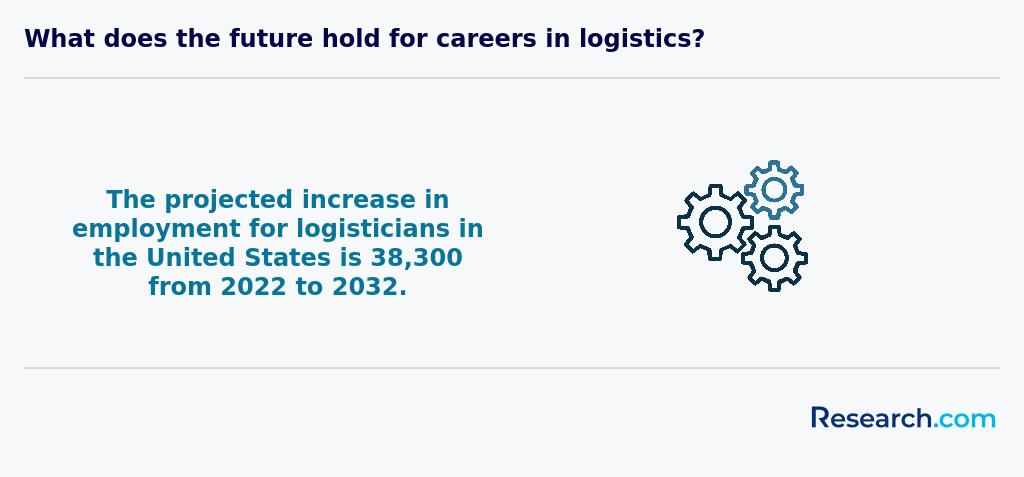
The U.S. Bureau of Labor Statistics projects employment for logisticians to grow 19% from 2022 to 2032, driven by globalization and e-commerce growth, reinforcing the importance of an Alabama-based logistics education with global relevance.
Gaining practical experience while studying for a logistics degree in Alabama is achievable through multiple avenues. Many universities in the state partner with local industries, offering internships that provide hands-on work in supply chain management, transportation, and warehousing. According to the Alabama Department of Commerce, the state's growing logistics sector employs over 100,000 people, creating ample opportunities for student internships.
Students can also participate in cooperative education programs (co-ops), which alternate classroom study with full-time work in logistics roles. These programs blend theory and practice effectively, helping students build valuable skills and professional networks.
Additionally, engaging in campus logistics clubs or regional supply chain competitions can enhance real-world problem-solving abilities. Local events sponsored by organizations like the Alabama Trucking Association also provide networking platforms for students pursuing logistics careers.
Choosing the right concentration within a logistics degree program in Alabama requires assessing your career goals and the state's economic strengths. Alabama's logistics sector is driven largely by manufacturing, automotive, and aerospace industries, as reported by the Alabama Department of Commerce. Specializations like supply chain management and transportation are highly relevant due to the state's strategic location near major ports and highways.
Consider concentrations offering practical skills and internships with local companies, which are common in Alabama programs. Also, review job market trends from the U.S. Bureau of Labor Statistics, which projects continued growth in logistics-related roles in the region. Aligning your concentration with demand can improve employment opportunities.
Related Logistics Rankings for Nearby States
- 2027 Best Logistics Degree Programs Ranking in Tennessee
- 2027 Best Logistics Degree Programs Ranking in Georgia
- 2027 Best Logistics Degree Programs Ranking in Florida
- 2027 Best Logistics Degree Programs Ranking in Arkansas
- 2027 Best Logistics Degree Programs Ranking in South Carolina
- 2027 Best Logistics Degree Programs Ranking in Missouri
- 2027 Best Logistics Degree Programs Ranking in Illinois
- 2027 Best Logistics Degree Programs Ranking in Texas
- 2027 Best Logistics Degree Programs Ranking in West Virginia
- 2027 Best Logistics Degree Programs Ranking in Ohio
Top Trending Logistics Rankings
References
- SEO page Logistics and Supply Chain Management 2025 https://en.ism.de/logistics-and-supply-chain-management
- Supply Chain Career Paths: What Each Role Actually Leads To https://www.scoperecruiting.com/blog/supply-chain-career-paths
- Global Logistics: The Top 5 Emerging Markets You Shouldn’t Ignore - Global 3PL Network https://www.global3plnetwork.com/global-logistics-the-top-5-emerging-markets-you-shouldnt-ignore/
- 5 Reasons Why Choose to Study Sustainable Mobility & Logistics https://www.mynoa.com/en/post/5-reasons-why-choose-to-study-logistics
- 3+ Logistics Cover Letter Examples (with In-Depth Guidance) https://www.tealhq.com/cover-letter-examples/logistics
- Supply Chain and Logistics Career Paths: Explained https://www.logisticsbureau.com/jobs-and-career-paths-in-supply-chain-and-logistics/
- Under Graduate https://iil.edu.in/alumni-connect/
- LOGISTICS AND SUPPLY CHAIN MANAGEMENT https://www.aamu.edu/academics/colleges/business-public-affairs/departments/management-marketing-logistics/programs/logistics-and-supply-chain-management.html
- Blog - Mastering Niche Talent Acquisition: Securing Top Talent in Logistics and Supply Chain https://www.mvp-search.com/insight/mastering-niche-talent-acquisition-securing-top-talent-in-logistics-and-supply-chain
- 4 logistics challenges in 2024 https://www.dhl.com/discover/en-nz/logistics-advice/logistics-insights/logistics-challenges-and-supply-chain-solutions