
2027 Most Valuable Logistics Degree Programs Ranking in Texas

Co-Founder and Chief Data Scientist
Exploring logistics degree programs in Texas can feel overwhelming, but choosing the right one is a crucial step toward a rewarding career. This article introduces the 2027 Most Valuable Logistics Degree Programs Ranking in Texas, developed by the Research.com team of data scientists to guide you in making well-informed decisions.
By reading this ranking, you'll discover which programs offer the best opportunities, combining quality education with career potential. A logistics degree opens doors to diverse industries and exciting roles, making your future full of possibilities and growth.
Key benefits of getting logistics degree in Texas
- Salary for logistics degree graduates: Graduates in Texas can expect rewarding pay, such as a Logistics Coordinator earning around $84,640 annually or a Customs Broker earning about $63,130, reflecting strong financial opportunities in the field.
- Career paths: A logistics graduate from the University of Texas might pursue roles like Transportation Planner or Supply Chain Coordinator, enjoying diverse and stable job options with room for growth.
- Online degree benefits: Completing a logistics degree online offers flexibility for working students, as seen with graduates from Texas A&M Online, enabling them to balance education and life while advancing their careers efficiently.
- Key benefits of getting logistics degree in Texas
- What can I expect from logistics degree in Texas?
- Where can I work with logistics degree in Texas?
- How much can I make with logistics degree in Texas?
- 2027 Most Valuable Logistics Degree Programs Ranking in Texas
- Key Findings
- How long does it take to complete logistics degree in Texas?
- How Much Can I Make With a Logistics Degree in Texas?
- What's the difference between online and on-campus logistics degree?
- What is the average cost of logistics degree in Texas?
- Earning Potential and Salary Insights for Logistics Graduates
- What financial aid is available to logistics degree students in Texas?
- Professional Certifications and Continuing Education
- What are the prerequisites for enrolling in logistics degree program in Texas?
- What courses are typically in logistics degree programs in Texas?
- What types of specializations are available in logistics degree programs in Texas?
- How do you choose the best logistics degree in Texas?
- What career paths are available for logistics degree students in Texas?
- What is the job market for logistics degree in Texas?
- Related Logistics Rankings for Nearby States
- Top Trending Logistics Rankings
What can I expect from logistics degree in Texas?
The average cost of earning a logistics degree in Texas varies depending on the institution and program level. For example, many students pursuing a Bachelor's degree at Texas A&M University or the University of Texas at Austin typically face tuition and fees ranging from $10,000 to $15,000 per year for in-state students. Community colleges offering logistics-related certifications or associate degrees can provide more affordable options, often costing between $3,000 and $6,000 annually.
Graduates often share how balancing costs with hands-on internship opportunities, widely available in Texas due to its strong industry connections, made their investment worthwhile. Practical experiences with local logistics firms helped them gain confidence and build networks, bringing theory to life in real-world freight coordination and supply chain projects.
Students should also consider additional expenses like textbooks, software for analytics courses, and transportation to internships across Texas's extensive logistics hubs. Planning financially with these factors in mind ensures a smoother path through well-regarded Texas programs.
Where can I work with logistics degree in Texas?
Graduates from logistics programs at Texas A&M or the University of Texas benefit from Texas' strategic location and diverse economy. Many find roles managing supply chains at major hubs like the Port of Houston or Dallas/Fort Worth Airport, where flow of goods and information must be seamless.
Logistics students often secure positions in retail giants such as Walmart and Amazon, involved in organizing inventory and optimizing delivery schedules. Others thrive in Texas' booming oil and gas sector, coordinating materials distribution and production timelines.
Manufacturing firms offer careers as production planners or supply chain managers, where graduates apply their skills to electronics, automotive, and food products industries. Students report feeling motivated knowing their work directly improves efficiency and customer satisfaction.
Public sector roles with state agencies or military logistics units also attract graduates, offering opportunities to contribute to transportation safety and trade regulation efforts throughout Texas. Real-life experience gained through internships often opens these doors early in their careers.
How much can I make with logistics degree in Texas?
Graduates with a logistics degree in Texas often find rewarding salaries that align with the state's dynamic economy. For instance, entry-level logistics specialists, such as those graduating from Texas A&M or the University of Houston, can expect mean annual wages around $84,640, according to the latest BLS data. This solid starting salary positions them well above national averages and reflects Texas's strong transport and supply chain sectors.
Roles like Customs Brokers offer slightly lower but still competitive wages, with a mean annual salary of $63,130, showing viable alternatives within the logistics field. Graduates focusing on planning or coordination roles, such as Transportation or Supply Chain Coordinators, typically earn approximately $46,690 annually.
Many graduates describe how internships at Houston's major ports or Dallas-Fort Worth distribution centers have directly boosted their earning opportunities and professional networks. Leveraging these local industry hubs can lead to accelerated career growth and salary increases in Texas's high-demand logistics market.
2027 Most Valuable Logistics Degree Programs Ranking in Texas
How do we rank schools?
Investing in your education is a significant decision that can shape your future, and the Research.com team understands the importance of making informed choices. To assist prospective students interested in logistics, we have meticulously created the "2027 Most Valuable Logistics Degree Programs Ranking in Texas." Our commitment to quality, credibility, and accuracy is demonstrated through extensive research and careful analysis.
We utilized the following reputable data sources to ensure a comprehensive evaluation of logistics programs:
By exploring this ranking, readers will gain valuable insights into the top logistics degree programs available in Texas, empowering them to make well-informed educational decisions. For more information about how our ranking was created, please visit our Research.com methodology page.


# 9 position
The University of Texas at San Antonio
Supply Chain Management Bachelor's Degree UT San Antonio

# 10 position
The University of Texas at Austin
Bachelor of Science in Supply Chain Management and Analytics

Key Findings
- Tuition for logistics degrees in Texas ranges from $10,000 to $13,000 per year at public universities and $25,000 to $40,000 at private colleges.
- Texas is a major logistics hub, featuring key infrastructure like Houston ports and Dallas-Fort Worth International Airport.
- Entry-level salaries for logistics graduates typically fall between $50,000 and $60,000 annually.
- Experienced logistics professionals can earn over $90,000 to $100,000 per year in Texas.
- Employment for logisticians is projected to grow about 5% nationally through 2031, with sustained demand expected in Texas.
- Industries driving logistics jobs in Texas include manufacturing, retail, and energy sectors.
How long does it take to complete logistics degree in Texas?
Completing a logistics degree in Texas typically takes about four years for a Bachelor's, following the structured semester system of universities like Texas A&M or the University of Texas at Arlington. Graduates often share how aligning with the standard eight-semester timeline helps them enter the workforce confidently and on schedule. For those at community colleges such as Tarrant County College, an Associate degree usually requires around two years of full-time study, serving as a solid, affordable foundation for transfer to a four-year program.
Many students juggling work and family responsibilities benefit from part-time and online course options offered by institutions like Texas State University, which can extend the completion time but provide needed flexibility. Graduates highlight that planning ahead and leveraging transfer credits can help shorten study duration. For those aiming for advanced roles, a Master's degree adds one to two years, focusing on leadership and strategy in supply chains, often pursued after gaining real-world experience in Texas's growing logistics sector.
How Much Can I Make With a Logistics Degree in Texas?
Graduates holding a Logistics degree in Texas can expect competitive compensation that reflects the state’s robust supply chain and transportation sectors. According to the Bureau of Labor Statistics, the median annual wage for logisticians nationwide is $79,400, but Texas salaries can vary by region and role. Entry-level positions such as Logistics Coordinator typically start around $52,000 per year, while Supply Chain Analysts earn a median of $77,000. Mid-career professionals working as Transportation Coordinators or Inventory Control Specialists can see salaries ranging from $68,000 to $85,000, and Logistics Managers often command $90,000 to $110,000 annually. Top 10% earners in metropolitan hubs like Dallas and Houston exceed $122,000, underscoring the earning potential for those who advance into leadership roles. Location plays a key role in salary variation. In Dallas–Fort Worth, the average salary for supply chain professionals is approximately $82,000, while in Houston it hovers around $78,500. Factors influencing these figures include company size, specialization, and additional certifications (e.g., Certified Supply Chain Professional). Moreover, professionals who combine a Logistics degree with hands-on internship experience often negotiate higher starting salaries-sometimes up to 10% above the regional average. Balancing education costs against potential earnings is crucial for maximizing ROI. For students exploring cost-effective pathways, our Low Cost Online Bachelor's in Logistics Degree Programs Ranking in the Midwest offers insight into affordable online alternatives that still deliver strong salary outcomes. By understanding these salary benchmarks, you can make informed decisions that align your career goals with financial expectations.
What's the difference between online and on-campus logistics degree?
Online logistics degrees in Texas suit students who need flexibility, such as those balancing work or family. Graduates from Texas A&M's online program often praise being able to study on their own schedule without commuting to College Station. This format reduces extra costs like housing, which is beneficial for those living far from Austin or Houston. Coursework is accessible anytime, making it easier to fit learning around busy days.
On-campus logistics degrees, for example at the University of Texas at Austin, offer direct interaction with professors and hands-on experiences, such as working in simulation labs or visiting nearby logistics hubs like the Port of Houston. Graduates highlight how practical training and face-to-face networking boosted their confidence and job prospects.
In Texas, on-campus students benefit from strong local partnerships, enhancing internship opportunities, while online students enjoy self-paced study and savings on living expenses. Choosing between these paths depends on your lifestyle and career goals in the state's dynamic logistics sector.
What is the average cost of logistics degree in Texas?
The average cost of a logistics degree in Texas varies depending on the institution and residency status, but the median in-state total cost is approximately $11,498. Graduates from well-known public universities like Texas A&M experience tuition costs that are reasonable relative to the opportunities they gain in supply chain and logistics fields. These students often note the value in affordable tuition paired with strong program reputations, making their investment feel worthwhile in starting lucrative careers.
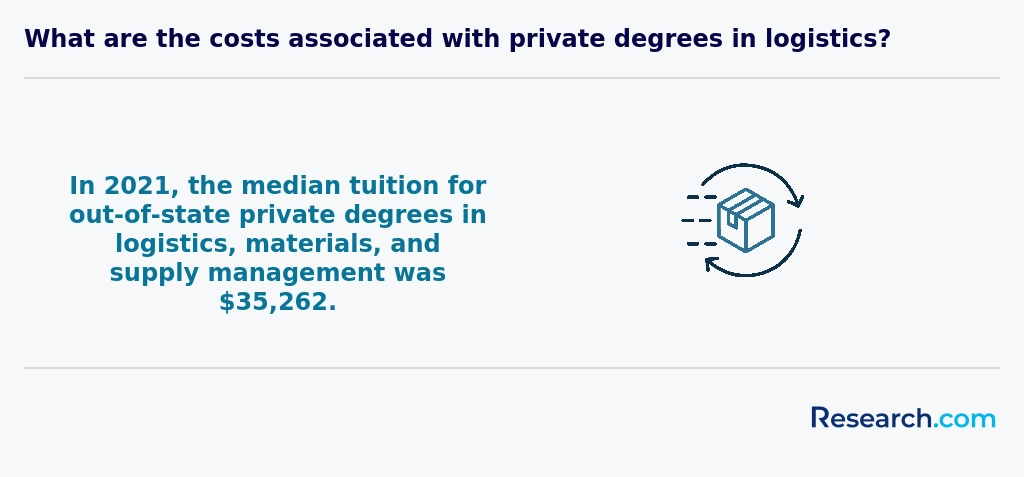
Out-of-state students generally face higher expenses, with median total costs reaching about $36,266, reflecting significantly increased tuition rates. However, these costs can be offset by scholarships, financial aid, or employer tuition assistance. Many graduates recall balancing coursework with internships in Texas's major logistics hubs like Houston and Dallas, emphasizing that practical experience can complement the financial investment.
Community colleges such as Houston Community College and Dallas College offer certificate and associate degree programs that demonstrate excellent value, costing between $3,000 and $7,000 annually. These programs can be a strategic entry point for those eager to join the workforce quickly or who plan to transfer credits towards a bachelor's degree later, reducing overall Texas logistics degree tuition and fees.
For students seeking ways to manage expenses, exploring options like affordable logistics programs in texas can provide tailored paths that suit individual budgets while maintaining quality education.
Earning Potential and Salary Insights for Logistics Graduates
Pursuing a Logistics degree in Texas opens the door to a promising range of salaries and career growth opportunities. Graduates can expect competitive salaries that reflect both industry demand and the specialized skills developed during their studies. Early-career roles, such as Supply Chain Analysts and Logistics Coordinators, often start in the mid-$70,000 range, while management positions and specialized roles can offer significantly higher compensation. Factors influencing earning potential include practical experience, internships, and industry certifications, all of which contribute to faster salary growth and long-term career success. Moreover, choosing a program that balances quality with affordability is critical, as research shows that graduates from institutions offering affordable logistics programs in texas often enjoy a smoother transition into the job market. This focus on practical skills and cost-effective education not only helps manage student debt but also positions graduates to take advantage of Texas' rapidly expanding logistics sector.
What financial aid is available to logistics degree students in Texas?
Logistics students in Texas can tap into several financial aid sources to ease tuition costs, which typically range from $10,000 to $14,000 annually at public universities. For instance, many students at Texas A&M University benefit from federal aid by submitting the FAFSA, qualifying for Pell Grants that can cover up to $7,395 based on financial need. This grant often makes a big difference in managing expenses during the academic year.
State programs like the Texas Grant help students attending public institutions, offering additional need-based support. Graduates from the University of Texas system often recall how the Top 10% Rule helped them gain automatic admission and open doors to valuable merit scholarships, boosting their confidence and financial stability.
Beyond federal and state aid, scholarships specifically targeting logistics and supply chain students are common. Many students receive awards from local professional groups such as the CSCMP Texas Roundtable or their universities. Additionally, employment-based tuition reimbursement programs through Texas logistics firms give working students practical help, letting them gain experience without the financial strain.
Professional Certifications and Continuing Education
Earning industry-recognized certifications can significantly enhance the value of your logistics degree and position you for advanced roles in Texas’s competitive market. Organizations such as APICS (now part of the Association for Supply Chain Management) offer credentials like the Certified in Production and Inventory Management (CPIM) and Certified Supply Chain Professional (CSCP), which validate your mastery of core concepts. Similarly, the Council of Supply Chain Management Professionals (CSCMP) provides the SCPro™ certification, demonstrating your ability to solve real-world supply chain challenges from end to end. Beyond APICS and CSCMP, specialized certifications such as the Certified Logistics Professional (CLP) and Six Sigma Green Belt equip you with expertise in process optimization, quality management, and lean principles. Employers often seek candidates who hold these certifications alongside a strong academic background, as they signal commitment to continuous improvement and industry standards. To maintain certification status, professionals must engage in ongoing education-earning recertification credits through workshops, webinars, and industry conferences. For those balancing full-time work with professional development, flexible learning pathways are essential. To supplement these credentials, many candidates opt for targeted online curricula, including the best online logistics degree program, which offers courses directly aligned with certification exam topics and real-world case studies. Such programs provide modular content, allowing you to focus on areas like inventory management, transportation planning, and supply chain analytics at your own pace. Professional associations also host regional events and networking opportunities in major Texas hubs like Dallas, Houston, and San Antonio. Participating in these forums not only helps you earn continuing education credits but also connects you with mentors, potential employers, and peers who share best practices. By combining your degree with certifications and active engagement in professional communities, you’ll solidify your expertise, expand your network, and accelerate your career growth in logistics.
What are the prerequisites for enrolling in logistics degree program in Texas?
To enroll in a logistics degree program in Texas, you must first have a high school diploma or GED. Graduates from popular universities like the University of Texas at Austin often share how completing core high school courses such as English, Algebra II or higher, Biology or Chemistry, and Social Studies laid a strong foundation for their studies.
Many Texas schools, including Texas A&M, require SAT or ACT scores, although some programs now offer test-optional policies. Students find this flexibility helpful, especially when applying during uncertain times like the recent pandemic.
A solid GPA-usually around 2.5 to 3.0-is important to demonstrate academic readiness. Transfer students or those entering graduate logistics programs often need completed business or economics coursework and relevant experience. For instance, MBA logistics candidates might prepare by submitting GRE or GMAT scores and personal statements, reflecting the program's competitive nature.
These requirements are designed to ensure you're prepared for the analytical challenges of logistics, so meeting them can boost your confidence and set you up for success in Texas's dynamic supply chain field.

What courses are typically in logistics degree programs in Texas?
Logistics degree programs in Texas typically include core courses focused on supply chain management, transportation management, and inventory control. These subjects teach you how to efficiently move goods across Texas's vast transportation network, from major ports to extensive highway corridors. Graduates often mention how understanding these processes helped them secure internships with manufacturing and e-commerce firms.
Other key courses cover operations management to optimize production, logistics technology which introduces essential software for warehousing, and procurement strategies for sourcing materials. For example, students at Texas A&M University find the hands-on projects in logistics technology especially rewarding, allowing practical application alongside theoretical knowledge.
Business analytics and quantitative methods are also important courses, sharpening your skills in data-driven decision-making-a must-have in today's competitive job market. International logistics classes highlight Texas's role in global trade, helping students grasp cross-border challenges they'll face in their careers.
Transportation policy and regulation are emphasized to provide insight into Texas's freight corridors, ensuring graduates can navigate legal and operational challenges confidently.
What types of specializations are available in logistics degree programs in Texas?
Logistics degree specializations in Texas offer practical pathways designed to equip students for the state's booming supply chain sector. Graduates often highlight specializations like Supply Chain Management, where they learn to streamline supplier and retailer coordination-vital skills given Texas's prominence in warehousing and transportation. Others focus on Transportation Management, gaining hands-on experience with freight systems and trucking networks that thrive in Texas's central location.
Many students choose Warehouse and Inventory Management, mastering inventory control and facility layout that align with Texas's extensive warehouse infrastructure. International Logistics is another popular option, especially for those seeking roles involving cross-border trade with Mexico, requiring deep understanding of customs and global compliance. Additionally, Logistics Analytics draws those interested in leveraging data to optimize supply chains, a fast-growing area supported by Texas's $300 billion logistics industry.
Prospective students interested in exploring comprehensive Texas logistics management concentration options can consider the best online logistics degree program for flexible learning. Graduates from well-known Texas colleges often share that these focused specializations directly prepared them for rewarding, in-demand careers.
How do you choose the best logistics degree in Texas?
When choosing the best logistics degree programs in Texas, focus on curriculum relevance and hands-on opportunities. Graduates from popular Texas universities often highlight the value of programs featuring courses in supply chain analytics and transportation management paired with internships at Houston ports or Dallas-Fort Worth distribution centers. These real-world experiences build confidence and industry connections crucial for career success.
Check for accreditation by respected bodies like AACSB or ACBSP to ensure your degree is recognized and respected by employers in Texas's competitive logistics market. Many students find that attending a well-accredited school opens doors to better job placements.
Cost plays a big role, especially since many seek affordable logistics degrees Texas offers across its public universities. Tuition generally ranges around $10,000 to $12,000 yearly, with financial aid available. For more budget-friendly online options, consider the Low Cost Online Bachelor's in Logistics Degree Programs Ranking in the Midwest.
Lastly, evaluate career support services and graduate employment rates. Texas logistics graduates often report higher starting salaries thanks to strong local demand and programs tightly linked to freight and distribution industries. Choosing a degree connected to Texas's economic hubs can lead to fulfilling, well-paid roles quickly.

What career paths are available for logistics degree students in Texas?
Graduates with a logistics degree in Texas enjoy a broad range of logistics management careers in Texas, including supply chain management, transportation coordination, and inventory control. Many find rewarding roles in companies near major hubs like the Port of Houston or logistics centers in Dallas, where practical experience gained through internships at local universities proves invaluable. For example, graduates from well-known Texas colleges often land positions managing freight or optimizing warehouse operations, directly impacting the flow of goods in dynamic industries such as retail and oil and gas.
Texas logistics degree job opportunities also extend to procurement, supplier relations, and logistics analysis, helping companies reduce costs and improve efficiency. Students pursuing an accelerated undergraduate degree can quickly enter these fields, benefiting from strong industry connections and growing demand for expertise in the state's vast transportation networks.
What is the job market for logistics degree in Texas?
The job market for logistics degree holders in Texas is highly favorable, driven by the state's strategic location and booming transportation sector. Graduates from popular Texas universities often find opportunities as supply chain analysts, transportation managers, or warehouse supervisors in industries like retail, manufacturing, and wholesale trade. Experienced graduates report that Texas ports, such as the Port of Houston, and the rapid growth of e-commerce create strong demand for skilled professionals, making the job outlook for logistics degree in Texas very promising.
Many students benefit from internships and cooperative education programs offered by colleges, which boost practical skills and enhance job placement success. With average salaries around $95,000, logistics roles in Texas tend to be financially rewarding compared to national averages. For students wondering which bachelor degree is easy but promising, logistics programs combine manageable coursework with excellent career potential in the Texas market.
Understanding Texas logistics career opportunities means recognizing the presence of major companies and distribution centers that boost hiring. Graduates frequently share positive experiences about entering this thriving field with good starting salaries and numerous roles available statewide.
Frequently Asked Questions About logistics
Logistics degree students in Texas can maximize their learning by engaging in internships and cooperative education offered through many Texas universities. Practical experience is crucial, as the state leads the nation in logistics employment, with over 400,000 workers in transportation and warehousing as of 2023 (Texas Workforce Commission).
Students should also leverage industry connections from programs that partner with major Texas logistics hubs like the Port of Houston and Dallas/Fort Worth International Airport. Networking through professional organizations such as the Council of Supply Chain Management Professionals (CSCMP) Texas Roundtable provides valuable insights and career opportunities.
Additionally, gaining proficiency in supply chain software and data analytics tools can significantly enhance job readiness in this technology-driven field.
Emerging niches within the logistics field in Texas are shaped by the state's strategic location and economic growth. One key area is supply chain technology, where demand for expertise in automation, data analytics, and AI-driven logistics is rapidly increasing. According to the Texas Workforce Commission, technology integration roles in logistics are expected to grow by 15% through 2028.
Sustainability logistics is another growing niche. Texas companies focus more on reducing carbon footprints and adopting green transportation methods. This trend offers new opportunities for professionals skilled in eco-friendly supply chain management.
Lastly, e-commerce logistics is booming, driven by Texas's increasing population and proximity to major ports. This has created specialized roles in last-mile delivery optimization and warehouse robotics, crucial for powerhouses like Dallas and Houston.
Preparing for the job market after earning a logistics degree in Texas requires a strategic approach. Students should focus on gaining practical experience through internships or cooperative education programs, which are often available at Texas universities. According to the Texas Workforce Commission, logistics and supply chain jobs in Texas are projected to grow by 8.5% through 2030, highlighting strong demand.
Networking is crucial; joining organizations like the Council of Supply Chain Management Professionals (CSCMP) Texas Roundtable can connect graduates with industry leaders. Additionally, obtaining certifications such as the Certified Supply Chain Professional (CSCP) can improve job prospects by demonstrating specialized knowledge.
Leveraging university career services and attending state logistics job fairs also helps to find opportunities tailored to Texas's large transportation and distribution hubs, including Dallas and Houston.
Employers in Texas seek logistics degree graduates with strong analytical and problem-solving skills. The ability to optimize supply chains and manage transportation efficiently is crucial for success in this fast-growing sector. According to the Texas Workforce Commission, demand for skilled logistics professionals is rising by 8% annually, emphasizing the need for candidates with knowledge of inventory control and data analysis software.
Communication and teamwork are also highly valued, as logistics roles often require coordinating among suppliers, warehouses, and customers. Additionally, familiarity with Texas-specific regulations and international trade laws enhances a graduate's employability. Proficiency in technologies such as ERP systems further distinguishes candidates in this competitive field.
Finding internships in Texas relevant to a logistics degree involves leveraging local resources and industry connections. Texas is a major logistics hub, hosting companies like UPS, FedEx, and numerous Texas-based supply chain firms. According to the Texas Workforce Commission, the warehousing and transportation sector in Texas employed over 500,000 workers in 2023, indicating strong internship opportunities.
Students should explore university career centers, which often partner with regional companies to offer logistics internships. Additionally, professional organizations such as the Council of Supply Chain Management Professionals (CSCMP) Texas Roundtable provide networking events and internship listings.
Online platforms specific to Texas job markets, including the Texas Internship Challenge and Handshake, help students connect with employers actively seeking logistics interns. Early application and customized resumes that highlight relevant logistics coursework increase chances of securing internships.
A logistics degree significantly enhances career mobility and advancement opportunities in Texas, a leading hub for transportation and supply chain industries. According to the Texas Workforce Commission, the demand for logistics professionals is projected to grow by 10% through 2030, faster than the average for all occupations. Graduates with logistics degrees often qualify for higher-level roles such as supply chain manager, logistics analyst, or operations director, which typically offer greater responsibility and increased salaries.
Many Texas employers value the specialized knowledge logistics graduates bring, including skills in inventory management, transportation planning, and data analysis. These competencies align with the state's role as a logistics gateway due to its extensive ports, highways, and railroads.
Furthermore, Texas universities often provide strong industry connections and internship opportunities, facilitating a smoother transition from education to employment. This local network support strengthens graduates' ability to advance within the competitive logistics sector.
Studying for a logistics degree in Texas equips students with skills applicable across multiple disciplines such as supply chain management, transportation, and information technology. Texas, a major hub for trade and commerce, offers students hands-on experience with industries including energy, manufacturing, and retail.
Students learn to coordinate complex operations, analyze data, and manage resources, which are essential in roles blending business, engineering, and technology. According to the Texas Workforce Commission, logistics and supply chain careers are among the fastest-growing in the state, emphasizing interdisciplinary knowledge.
Courses often include project management, data analytics, and communication, preparing graduates to work effectively in diverse teams and solve multifaceted problems found in modern logistics environments.
Choosing between a thesis and a non-thesis logistics degree program in Texas depends largely on your career goals. Thesis programs focus on research and are ideal if you plan to pursue a doctoral degree or a career in academia. They often require 6 to 12 months of research and a formal defense, which develops critical thinking skills valuable in strategic roles.
Non-thesis programs are more practice-oriented, emphasizing applied knowledge and industry skills. They typically involve additional coursework or internships instead of a research project. This path suits professionals aiming for leadership roles in Texas's growing logistics sector, valued at over $160 billion annually according to the Texas Department of Transportation.
Consider your interest in research, time commitment, and long-term objectives when deciding between these options.
Students based in Texas looking to study logistics abroad have several options through partnerships and exchange programs offered by Texas universities. Institutions like Texas A&M and the University of Texas system often collaborate with international schools in Europe and Asia, providing students opportunities to gain global logistics experience. These programs typically last one semester and focus on global supply chain management, an area where Texas leads nationally due to its central role in trade and transportation. According to the Texas Workforce Commission (2023), Texas hosts over 1,000 logistics-related companies, underscoring the demand for globally skilled professionals.
Additionally, students may pursue dual-degree or certificate programs in collaboration with foreign universities, enhancing their credentials in international logistics. Participation in organizations such as the Council of Supply Chain Management Professionals (CSCMP) also facilitates study abroad opportunities. While funding varies, some Texas colleges offer scholarships specifically for study abroad experiences in logistics fields, helping to offset expenses.
Students pursuing logistics degrees in Texas can benefit from various part-time job opportunities that enhance their academic learning. Positions such as warehouse associates, supply chain coordinators, and inventory clerks provide practical experience directly related to logistics principles. Texas, hosting major ports like Houston, offers ample roles in freight handling and distribution centers, giving students exposure to real-world operations.
According to the Texas Workforce Commission, logistics-related jobs are expected to grow steadily through 2027, reflecting the state's expanding trade and transportation sectors. Part-time roles within shipping companies or retail supply chains also help develop skills in tracking, planning, and coordination, vital for future logistics professionals.
Logistics students in Texas benefit from numerous networking opportunities through academic programs and industry partnerships. Many universities host career fairs and networking events specifically targeting supply chain and logistics fields. For example, Texas A&M and the University of Texas have strong ties with Texas Logistics Council, which organizes workshops and conferences connecting students with professionals.
Additionally, internships in Texas ports and transportation hubs, such as the Port of Houston-the largest in the US by foreign tonnage-offer practical networking experiences. Students can also join professional associations like the Council of Supply Chain Management Professionals (CSCMP) Texas Roundtable to build connections.
Alumni networks provide valuable support for logistics degree students in Texas by connecting them with experienced professionals working across the state's robust transportation and supply chain sectors. Texas, home to major logistics hubs like Dallas-Fort Worth and Houston, benefits from graduates who can offer mentorship, internships, and job leads. According to the Texas A&M Transportation Institute, the state's freight movement is expected to grow by over 40% by 2050, increasing demand for skilled logistics professionals.
Students leveraging alumni networks gain access to industry insights and career guidance that may not be easily found through traditional channels. Additionally, alumni can facilitate introductions to firms specializing in Texas's energy, manufacturing, and import-export industries, helping students establish professional credibility early in their careers.
Customizing a logistics degree program in Texas allows students to align their education with specific career goals in a dynamic industry. Many Texas universities offer elective courses focusing on supply chain management, transportation, warehousing, and procurement. Students can select internships with major Texas companies, such as those in Houston's energy sector or Dallas's distribution hubs, to gain practical experience tailored to their ambitions.
Additionally, specialized certifications like Six Sigma or Lean Management can often be integrated into degree programs. According to the Texas Workforce Commission, demand for skilled logistics professionals is projected to grow by 8% through 2030, making targeted skills a valuable asset.
Advisors at Texas institutions typically work with students to choose courses and projects that support roles in areas like freight management, inventory control, or global logistics. This flexibility helps graduates meet specific employer needs in Texas's growing logistics market.
Logistics students in Texas face several common challenges during their studies. One major difficulty is balancing theory with real-world applications. Texas, being a key hub for transportation and trade, demands that students grasp complex supply chain systems alongside practical experience.
Another challenge is keeping pace with rapidly evolving technologies like automation and data analytics, which are reshaping logistics careers. According to the Texas Workforce Commission, employment in logistics occupations is expected to grow 10.3% through 2030, highlighting the need for current skills.
Additionally, some students struggle with access to internships, which are crucial for gaining hands-on experience in the competitive Texas market. Networking opportunities are often concentrated near major metropolitan areas, creating geographic barriers.
With a logistics degree in Texas, graduates can enhance their careers by pursuing several key professional certifications. One of the most recognized is the Certified Supply Chain Professional (CSCP) offered by APICS, which validates expertise in supply chain management. Another valuable certification is the Certified Logistics, Transportation and Distribution (CLTD), focusing specifically on logistics operations.
Texas is a major logistics hub, especially in cities like Dallas and Houston, making these certifications highly relevant to local industry demands. Additionally, the Six Sigma Green Belt certification is popular for professionals aiming to improve operational efficiency.
These credentials not only increase job prospects but often lead to higher salaries, with Texas logistics roles averaging above the national median, according to the Texas Workforce Commission.
Writing a winning application for a logistics program in Texas begins with thorough research on the schools offering accredited degrees. Texas is home to top logistics programs at universities like Texas A&M and the University of Texas, known for strong industry connections.
Highlight relevant experience or education in supply chain management, transportation, or business. Emphasize skills such as analytical thinking and problem-solving, which are critical in logistics roles. According to the Texas Workforce Commission, logistics jobs are growing at a faster rate than many other sectors in the state, making practical knowledge valuable.
Craft a clear, concise personal statement tailored to logistics, showcasing your motivation and career goals. Include any internships, certifications like the APICS CPIM, or relevant projects. Finally, verify all application requirements and deadlines carefully to ensure completeness and timeliness.
Logistics careers in Texas hold strong global relevance due to the state's strategic location and extensive trade networks. Texas ranks as the top exporting state in the US, handling over $300 billion in exports annually according to the Texas A&M Transportation Institute. This creates vast opportunities for logistics professionals engaged in supply chain management and international shipping.
On a global scale, logistics experts in Texas are valued for their skills in managing cross-border trade, especially given Texas's proximity to Mexico and access to major ports.
Professionals with logistics degrees benefit from evolving technologies like automation and data analytics, which are transforming global supply chains.
According to the Bureau of Labor Statistics, employment for logisticians in Texas is projected to grow by 10% from 2022 to 2032, reflecting the expanding demand worldwide for skilled logistics management.
Students pursuing a logistics degree in Texas can gain valuable practical experience through internships and cooperative education programs. Texas hosts numerous logistics hubs, including the Port of Houston, which offers internship opportunities with leading companies in freight management and supply chain operations. Participating in internships not only provides hands-on experience but also helps build professional networks within Texas's robust transportation sector.
Many universities in Texas partner with local businesses to facilitate real-world training. For example, Texas A&M and University of Texas offer co-op programs where students alternate between classroom study and full-time work in logistics roles. This practical approach enhances understanding of industry technologies and processes.
Additionally, student organizations such as the Council of Supply Chain Management Professionals (CSCMP) provide networking events and workshops specific to Texas logistics. Engaging in these groups can increase exposure to current trends and job opportunities. According to the National Center for Education Statistics, around 65% of logistics students across the US complete an internship before graduation, highlighting its importance in career preparation.
Choosing the right concentration within a logistics degree program in Texas starts with understanding your career goals. Logistics covers many areas such as supply chain management, transportation, and warehousing. Texas is a hub for transportation and distribution, with the Port of Houston being the largest in the U.S. by total cargo tonnage (American Association of Port Authorities, 2023). This influences the demand for expertise in maritime and freight logistics.
Students should also consider concentrations that match regional industry needs. For example, supply chain analytics is growing due to increasing automation and data use. Additionally, Texas's energy sector drives demand for logistics related to oil and gas supply chains. Researching job trends through the Texas Workforce Commission can help align your concentration with market demand.
Related Logistics Rankings for Nearby States
- 2027 Most Valuable Logistics Degree Programs Ranking in Arkansas
- 2027 Most Valuable Logistics Degree Programs Ranking in Missouri
- 2027 Most Valuable Logistics Degree Programs Ranking in Tennessee
- 2027 Most Valuable Logistics Degree Programs Ranking in Alabama
- 2027 Most Valuable Logistics Degree Programs Ranking in Georgia
- 2027 Most Valuable Logistics Degree Programs Ranking in Florida
- 2027 Most Valuable Logistics Degree Programs Ranking in South Carolina
- 2027 Most Valuable Logistics Degree Programs Ranking in Illinois
- 2027 Most Valuable Logistics Degree Programs Ranking in West Virginia
- 2027 Most Valuable Logistics Degree Programs Ranking in Ohio
Top Trending Logistics Rankings
References
- Logistics challenges and overcoming them - Mecalux.com https://www.mecalux.com/blog/logistics-challenges
- 3+ Logistics Cover Letter Examples (with In-Depth Guidance) https://www.tealhq.com/cover-letter-examples/logistics
- What are the Hottest Skill Niches in Supply Chain and Procurement? https://www.argentus.com/skill-niches-procurement/
- Explore More https://aast.edu/en/colleges/citl/alex/dept/contenttemp.php
- Studying for a Career in Logistics https://www.shippingcollege.com/blog/studying-for-a-career-in-logistics-unlocking-opportunities-and-enjoyment
- How to Get Your First Logistics & Supply Chain Job https://www.logisticsbureau.com/how-to-secure-your-first-supply-chain-or-logistics-job/
- Developments & Logistics Concepts of the Future https://transportlogistic.de/en/industry-insights/detail/logistic-concepts-of-the-future.html
- Certificate | Logistics Qualifications | CILT International https://ciltinternational.org/education-training/international-qualifications/certificate-logistics-qualifications-cilt-international/
- Blog - Mastering Niche Talent Acquisition: Securing Top Talent in Logistics and Supply Chain https://www.mvp-search.com/insight/mastering-niche-talent-acquisition-securing-top-talent-in-logistics-and-supply-chain
- Logistics Salary, Earnings & Influencing Factors | CBS https://www.cbs.de/en/blog/logistics-salary


