2027 Most Affordable Logistics Degree Programs Ranking in Texas

Co-Founder and Chief Data Scientist
Choosing the right logistics degree program is an important step toward a rewarding career in supply chain management and transportation. For students in Texas, finding an affordable and quality option can be overwhelming.
This article features the 2027 Most Affordable Logistics Degree Programs Ranking in Texas, created by the Research.com team of data scientists. It aims to guide you with reliable information so you can make an informed decision about which programs offer true value.
Exploring these options will help you take confident steps toward a future full of opportunity and success in logistics.
Key benefits of getting logistics degree in Texas
- Logistics degree graduates in Texas can earn strong salaries, with roles like Logistics Coordinator and Logistics Specialist offering mean annual wages around $84,640, and Customs Brokers earning about $63,130 annually.
- Career paths for logistics graduates include positions such as Transportation Planner and Supply Chain Coordinator, providing diverse opportunities in managing supply chains and transportation networks within Texas industries.
- Completing a logistics degree online in Texas offers flexibility and convenience, allowing students to balance work and study while gaining the same valuable skills as traditional programs from well-known universities.
- Key benefits of getting logistics degree in Texas
- What can I expect from logistics degree in Texas?
- Where can I work with logistics degree in Texas?
- How much can I make with logistics degree in Texas?
- 2027 Most Affordable Logistics Degree Programs Ranking in Texas
- Key Findings
- How long does it take to complete logistics degree in Texas?
- What's the difference between online and on-campus logistics degree?
- Return on Investment for Logistics Degrees in Texas
- What is the average cost of logistics degree in Texas?
- Industry Trends and Future Outlook in Texas Logistics
- What financial aid is available to logistics degree students in Texas?
- What are the prerequisites for enrolling in logistics degree program in Texas?
- Industry Outlook and Emerging Trends in Texas Logistics
- What courses are typically in logistics degree programs in Texas?
- What types of specializations are available in logistics degree programs in Texas?
- How do you choose the best logistics degree in Texas?
- What career paths are available for logistics degree students in Texas?
- What is the job market for logistics degree in Texas?
- Related Logistics Rankings for Nearby States
- Top Trending Logistics Rankings
What can I expect from logistics degree in Texas?
The average cost of earning a logistics degree in Texas typically ranges between $10,000 and $30,000 per year for in-state students, depending on the university or college. Graduates from well-known Texas schools often share how this investment unlocks valuable opportunities, such as internships with Houston's shipping companies or hands-on supply chain projects through Dallas-area firms. These experiences deeply enrich the learning curve, making tuition feel well worth it.
Many students find that the blend of classroom lessons and real-world applications justifies the cost, especially when programs include access to cutting-edge technology and professional certification prep. For example, students at prominent Texas institutions enjoy mentorship that equips them to navigate Texas's complex logistics hubs, which sparks enthusiasm and confidence about their career prospects.
While tuition varies, financial aid and scholarships aimed at logistics students make programs more accessible, keeping the path affordable. This support often eases concerns about cost, allowing students to focus on mastering skills vital to thriving in Texas's booming logistics economy.
Where can I work with logistics degree in Texas?
Graduates from logistics programs at universities like Texas A&M and the University of Texas often find themselves in vibrant roles within Texas's expansive transportation and distribution network. Imagine managing the flow of goods through bustling freight hubs near the Mexican border or optimizing supply chains for major retailers like Amazon and Walmart stationed in Texas's key distribution centers. These experiences underscore the hands-on, dynamic career paths available.
Students often describe the excitement of coordinating real-time shipments in rapidly evolving sectors such as e-commerce, where last-mile delivery innovations are shaping future logistics careers. Picture working with cutting-edge logistics technology, helping Texas companies adapt to increasing online demand.
Energy sector roles also captivate many graduates, who thrive managing equipment logistics vital to oil and gas operations. Public sector opportunities at Texas ports illustrate another career angle, where logistics coordinators play crucial roles in trade compliance and cargo management.
Overall, logistics degree holders in Texas enjoy promising futures in diverse industries that blend traditional skills with emerging trends, fueling both professional growth and personal fulfillment.
How much can I make with logistics degree in Texas?
Graduates with a logistics degree from Texas institutions often find themselves positioned for strong earning potential in roles like Logistics Coordinator and Logistics Specialist, where the mean annual wage reaches around $84,640. Imagine starting your career near the bustling ports of Houston or the dynamic Dallas supply chain hubs, earning salaries that reflect the state's economic vitality.
Entry-level professionals might initially see offers between $50,000 and $65,000, but with experience, progression into mid-career roles such as supply chain coordination or transportation planning can boost earnings closer to $75,000 or more. For example, a recent graduate from a top Texas university described graduating with confidence, knowing the state's industry demand and mean wages-$46,690 for Transportation Planners and Supply Chain Coordinators-would support a solid financial future.
Texas' logistics sector values certification and specialization, which can raise salaries significantly, especially in areas like customs brokerage, which averages $63,130 annually. This combination of education and opportunity means graduates are well placed to enjoy both rewarding work and attractive compensation, contributing to Texas's growing supply chain landscape.
2027 Most Affordable Logistics Degree Programs Ranking in Texas
How do we rank schools?
Investing in your education is a significant decision that can shape your future, and the Research.com team understands the importance of making informed choices. To assist prospective students in Texas, we have meticulously crafted the "2027 Most Affordable Logistics Degree Programs Ranking in Texas." Our commitment to quality, credibility, and accuracy is reflected in the extensive research and careful analysis performed to compile this ranking.
We utilized the following reputable data sources to ensure a comprehensive evaluation of logistics degree programs:
By exploring this ranking, readers will gain valuable insights into the most affordable logistics degree options in Texas, empowering them to make informed decisions about their educational investments. For more information on how this ranking was created, please visit our Research.com methodology page.


# 3 position
The University of Texas Rio Grande Valley
Bachelor of Business Administration in Global Supply Chain Management


# 6 position
The University of Texas at San Antonio
Supply Chain Management Bachelor's Degree UT San Antonio


# 10 position
The University of Texas at Arlington
Bachelor of Science in Operations and Supply Chain Management

Key Findings
- Texas offers logistics programs from associate to graduate levels at accredited universities and community colleges.
- Annual costs for a bachelor's degree range from $10,000-$15,000 at public schools to over $25,000 at private institutions.
- Entry-level logistics specialists earn about $50,000 to $60,000 per year, with senior managers making more than $110,000 annually.
- Logistics jobs in Texas are projected to grow 10-12% over the next decade, faster than the national average.
- Internships and cooperative education programs in Texas provide students with valuable work experience in logistics fields.
How long does it take to complete logistics degree in Texas?
Completing a logistics degree in Texas typically ranges from two to four years, depending on the path chosen. At major universities like Texas A&M or the University of Texas at Austin, many graduates recall spending four years immersed in rigorous supply chain coursework, internships, and hands-on projects, blending theory with real-world applications. These experiences often evoke excitement and a deep sense of accomplishment as students connect classroom knowledge with thriving Texas industries.
On the other hand, some students at community colleges such as Lone Star College pursue associate degrees, finishing in about two years. These programs offer a faster route with immediate skills, allowing graduates to enter the bustling Texas logistics job market feeling confident and ready.
Emerging hybrid and accelerated programs are reshaping timelines by combining online flexibility with in-person labs. Graduates from these tracks often express gratitude for balancing work and study, completing degrees efficiently while advancing their careers. In Texas, where logistics is a vital economic driver, students are increasingly tailoring durations to fit personal goals and market demands.
What's the difference between online and on-campus logistics degree?
Online logistics degrees in Texas offer unparalleled flexibility, letting students from Austin to El Paso tailor their studies around jobs and family. Graduates recall balancing night shifts with video lectures and virtual simulations, appreciating the freedom to learn without daily commutes. This mode suits those who thrive on self-discipline, often embracing cutting-edge digital tools to master supply chain concepts remotely.
Meanwhile, on-campus programs at institutions like Texas A&M or the University of Houston immerse students in dynamic classroom settings. Many recall the excitement of hands-on labs and site visits to Houston's bustling ports, which bring textbook theories to life. Networking happens naturally here-between classes or at university-hosted industry events, creating bonds that often lead to internships and job offers.
As Texas continues growing as a logistics hub, a hybrid future may emerge: combining online flexibility with real-world, in-person experiences. This blend could deliver the best of both worlds-allowing students across Texas to gain practical skills and build powerful professional networks.
Return on Investment for Logistics Degrees in Texas
Assessing the return on investment (ROI) of a logistics degree in Texas helps prospective students balance educational costs against potential earnings and career growth. By comparing program expenses with average starting salaries and long-term income projections, students can make informed decisions about their educational investments. Average Cost vs. Starting Salary
- Average total cost (tuition, fees, living expenses): $30,000–$70,000
- Mean first-year salary for entry-level logistics roles: $ Fifty-eight,000–$65,000
- Projected five-year salary growth: 20%–30% Key ROI Metrics • Break-Even Period: On average, Texas graduates recoup their investment in 3–5 years, assuming stable salary increases and moderate living costs. • Debt-to-Income Ratio: With average student debt of $25,000 and median starting salaries of $60,000, graduates maintain a healthy ratio below 0.5, indicating manageable loan payments. • Long-Term Earnings Potential: Over a 20-year career, total earnings can exceed $1.5 million, factoring in promotions and industry demand. Maximizing Your ROI
- Choose accredited, affordable programs with high job placement rates.
- Leverage internships and cooperative education to secure job offers before graduation.
- Pursue professional certifications (e.g., CPIM, CLTD) to boost early-career salary and advancement opportunities.
- Explore cost-saving options, such as in-state tuition waivers or accelerated degree tracks. For students comparing regional affordability, Texas offers competitive ROI metrics. For additional insights into cost-effective logistics programs in other states, see our Most Affordable Logistics Degree Programs Ranking in Miami, FL.
What is the average cost of logistics degree in Texas?
The average cost of a logistics degree in Texas currently hovers around $36,266 for both in-state and out-of-state students, with in-state learners often paying closer to $11,498. Graduates from well-regarded programs at Texas universities recall balancing tuition expenses with living costs in cities like Dallas or Houston, where the vibrant logistics industry offers abundant job opportunities and internships. These real-world experiences make the investment worthwhile, blending practical skills with academic knowledge.
Students pursuing logistics degrees in Texas often find that total expenses exceed tuition alone. Many budget for textbooks, supplies, and housing, which together may add another $12,000 to $15,000 annually, leading to total expenses for Texas logistics programs that can feel substantial but manageable with smart planning. The hands-on collaboration between universities and local businesses frequently results in paid internships, easing the financial load while enriching student experience.
Looking ahead, the cost dynamics might shift as more programs adapt to hybrid or online formats, potentially lowering living expenses while maintaining quality education. Popular institutions in Texas continue to innovate, creating opportunities for students to graduate well-prepared without overwhelming debt. To explore options, prospective students should review the best logistics schools in texas for the latest insights on program costs and strengths.
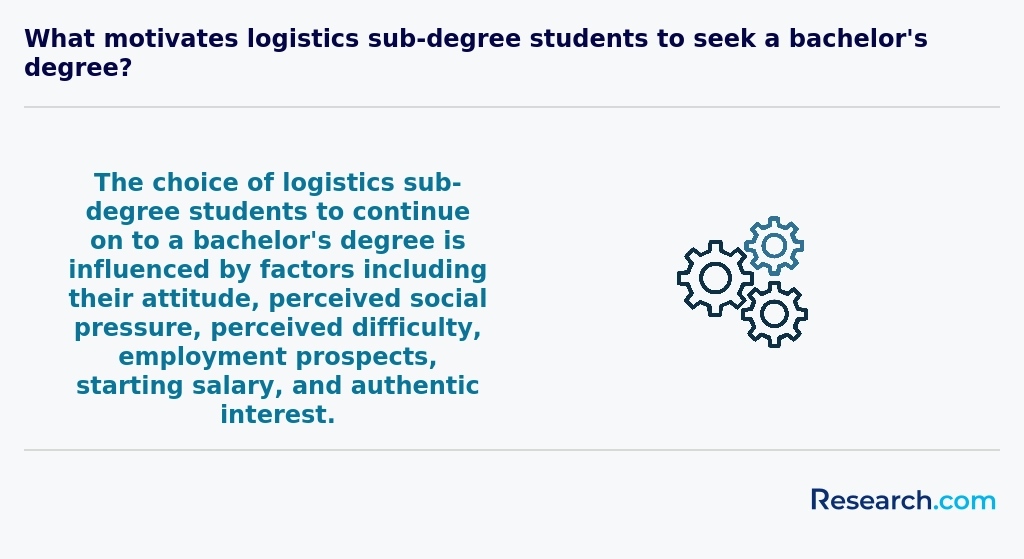
Industry Trends and Future Outlook in Texas Logistics
Texas's logistics and supply chain sector is rapidly evolving in response to global trends and technological advances, making it an exciting field for prospective students to explore. The state continues to be a hub for innovation driven by automation, advanced analytics, and sustainable practices that not only streamline operations but also open new career avenues. As digital transformation reshapes traditional logistics methods, Texas institutions are increasingly integrating emerging technologies-ranging from artificial intelligence to blockchain-to prepare graduates for a competitive, technology-driven job market. Recent industry developments indicate a growing demand for professionals who can leverage data analytics, environmental sustainability, and agile management strategies to optimize supply chains. This trend is mirrored in academic programs that have expanded their curricula to include courses on digital logistics, cybersecurity in supply chains, and green transportation strategies. These initiatives are designed to ensure that graduates not only meet today's challenges but are also future-ready for innovations that promise higher efficiency and reduced environmental impact. Prospective students are encouraged to consider programs that are actively engaged with industry trends as these programs often have strong partnerships with local businesses and provide invaluable hands-on experience. For those exploring quality education in this dynamic field, researching best logistics schools in texas can offer deeper insights into how institutions are adapting to and driving these industry changes. By staying informed about these trends and the strategic initiatives of Texas educational institutions, students can align their academic pursuits with the evolving needs of the logistics industry, ensuring a rewarding and prosperous career path.
What financial aid is available to logistics degree students in Texas?
Students pursuing logistics degrees in Texas often benefit from a robust mix of financial aid options that ease the burden of costs. Graduates from universities like the University of Texas at Arlington recall how Pell Grants and Federal Supplemental Educational Opportunity Grants provided initial relief, covering thousands of dollars during challenging semesters. Federal student loans with manageable interest rates offered them flexibility while focusing on studies.
State-support programs such as the Texas Educational Opportunity Grant have been a lifeline for many attending public Texas colleges, helping to cover tuition that typically ranges between $10,000 and $15,000 annually for in-state students. Some grads vividly remember using the Texas Tuition Promise Fund to lock in future tuition prices, providing peace of mind amidst financial uncertainty.
Looking ahead, logistics students might see expanding partnerships between universities and private logistics companies offering scholarships and tuition reimbursement. Existing models at institutions known for supply chain programs are evolving, with more targeted aid addressing workforce demands in Texas's booming transportation sector, creating hopeful opportunities for future enrollees.
What are the prerequisites for enrolling in logistics degree program in Texas?
To enroll in a logistics degree program in Texas, students typically need a high school diploma or GED, along with strong skills in math and English. Graduates from popular Texas universities often recall how foundational courses in business or economics helped them feel confident entering college-level logistics studies. Some schools may ask for SAT or ACT scores, though many programs are becoming more flexible with this requirement, reflecting a positive shift towards accessibility.
Placement tests are common to ensure readiness, with some students sharing how these assessments helped them identify strengths and areas for growth before starting their degree. Future logistics students might expect recommended courses in accounting or statistics, designed to prepare them for the analytical nature of the field at institutions like Texas A&M or the University of Houston.
Cost remains a practical consideration, with Texas public universities offering competitive tuition that excites many incoming students focused on value. Hands-on internships in transportation or warehousing sectors often enrich the learning experience, making the pathway to a logistics career both practical and inspiring.
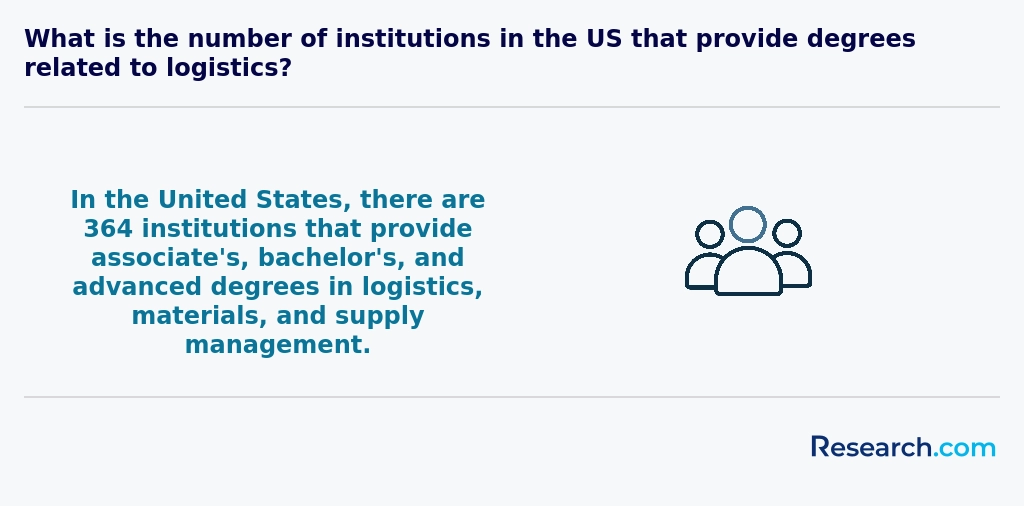
Industry Outlook and Emerging Trends in Texas Logistics
The Texas logistics industry is poised for dramatic transformation as technological innovation, sustainability mandates, and shifting consumer demands reshape supply chains from the Gulf Coast to the Panhandle. According to the U.S. Bureau of Labor Statistics, employment for logisticians is projected to grow 30% from 2020 to 2030, and Texas-home to major ports, rail hubs, and interstate corridors-will be at the epicenter of this expansion. Key trends to watch include: • Digital Supply Chain and Data Analytics: Companies increasingly rely on real-time tracking, predictive algorithms, and advanced analytics to optimize routes and inventory levels. Logistics graduates who master tools like TMS (Transportation Management Systems) and ERP (Enterprise Resource Planning) will be in high demand. • Automation and Robotics: Automated guided vehicles (AGVs), warehouse drones, and robotic sortation systems are streamlining fulfillment centers across Houston and Dallas. Professionals with hands-on experience in these technologies will accelerate operational efficiency. • Green and Sustainable Logistics: With environmental regulations tightening, firms are adopting alternative fuels, carbon-offset programs, and circular supply chain models. Expertise in sustainable packaging and reverse logistics will differentiate graduates in a competitive job market. • Blockchain and IoT Integration: Blockchain’s immutable ledgers enhance transparency in customs procedures, while IoT sensors enable end-to-end visibility of temperature-sensitive shipments. Logistics professionals familiar with these innovations can bridge the gap between technology teams and operations. For those seeking a streamlined pathway into this evolving landscape, foundational credentials matter. Aspiring professionals may start with best online associate in logistics programs to build the core competencies necessary for advanced certifications and specialized roles. By staying ahead of emerging trends, Texas logistics graduates will not only meet industry demand but also drive the next generation of supply chain excellence.
What courses are typically in logistics degree programs in Texas?
Students pursuing logistics degrees in Texas typically engage in courses that blend theoretical concepts with practical applications. Graduates from institutions like Texas A&M University and the University of Texas often highlight how classes in Supply Chain Management and Transportation and Distribution Management prepare them for real-world logistics challenges, such as coordinating shipments across multiple transport modes or optimizing routes to save costs and time.
In these programs, Inventory and Warehouse Management courses often simulate maintaining efficient stock levels for major Texas industries, like energy and aerospace, giving students hands-on experience managing real supply chain complexities. Logistics Information Systems classes introduce software and data analytics tools that reflect the technological advancements driving the field forward.
Graduates recall that courses in Procurement and Purchasing bring insight into supplier relationships and negotiation strategies essential for thriving in Texas's competitive markets. Operations Management classes further reinforce skills in workflow optimization and quality control, helping students envision themselves improving manufacturing and distribution processes locally and globally.
What types of specializations are available in logistics degree programs in Texas?
Students pursuing a logistics degree in Texas typically engage with specializations tailored to the state's unique economic and geographic landscape. Common focuses include Supply Chain Management, where graduates from universities like the University of Texas report gaining hands-on skills in inventory control and supplier relations that prepare them to manage complex supply networks efficiently. Another vital specialization is Transportation and Distribution, emphasizing freight management and infrastructure use near major hubs such as Dallas-Fort Worth, giving students practical insights into real-world shipping challenges.
Operations and Production Management prepares students to optimize processes crucial for Texas's diverse manufacturing sectors, often highlighted by graduates who describe the thrill of solving real-time logistics issues through case studies and internships. Warehouse Management and Inventory Control also remains prominent, reflecting the needs of sprawling Texas logistics centers. These specializations are part of evolving Texas logistics management degree options that increasingly incorporate technology and analytics.
Many students explore such tracks at renowned colleges while benefiting from experiential learning via internships that connect them with industry leaders. Those interested can also explore the best online associate in logistics programs to start their journey flexibly.
How do you choose the best logistics degree in Texas?
To choose the best logistics degree in Texas, start by investigating programs with strong ties to the state's thriving transportation hubs like Houston and Dallas-Fort Worth. Graduates from Texas universities often share how hands-on internships and local industry partnerships boosted their confidence and employment prospects. Selecting a program with accreditation from respected organizations ensures your education meets high standards, making your degree more valuable in Texas's competitive logistics sector.
Affordability remains key-several students find that community colleges offer affordable logistics degrees Texas residents appreciate, especially when balancing work and study. Considering delivery formats is also crucial; many programs now offer online or hybrid options that support flexible schedules, helping students stay motivated and engaged. Practical coursework in supply chain analytics and inventory management promises skills that graduates happily apply in real-world jobs across Texas.
Exploring financial aid and scholarship opportunities can ease the investment burden. For those interested, check out the Most Affordable Logistics Degree Programs Ranking in Miami, FL to compare cost-effective pathways elsewhere, which may inspire similar savings strategies in Texas. Choosing wisely means blending quality, cost, and real-world experience for a rewarding logistics career.
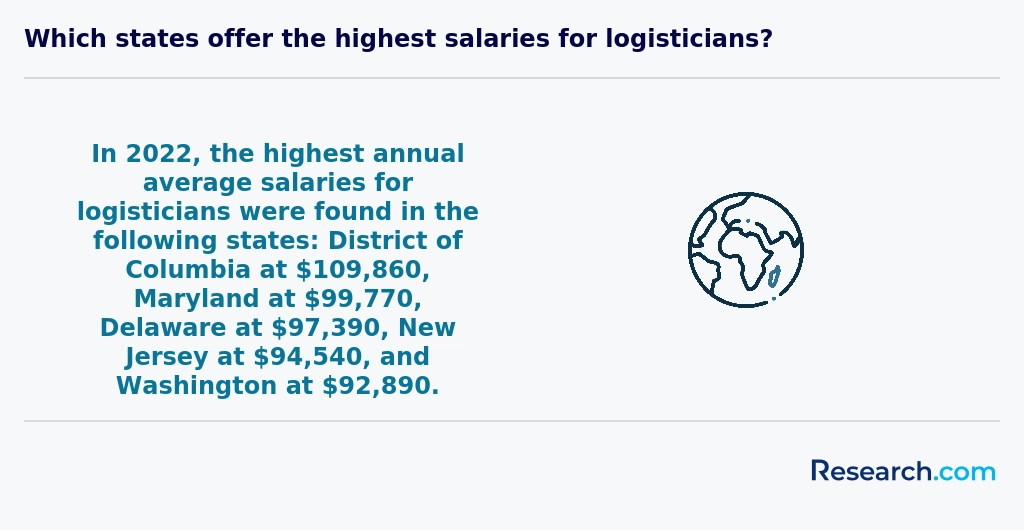
What career paths are available for logistics degree students in Texas?
Graduates with a logistics degree in Texas find career paths that extend well beyond traditional roles, reflecting the state's dynamic economy and key transportation hubs. Many start as supply chain analysts or logistics coordinators, positions that provide hands-on experience managing goods movement near major centers like the Port of Houston or Dallas-Fort Worth International Airport. These locations create vivid, real-world opportunities that bring theoretical concepts to life for students from popular Texas universities.
As logistics continues to evolve digitally, graduates increasingly pursue roles as transportation managers or inventory control specialists, where proficiency in supply chain software is invaluable. Students often share how internships in Texas logistics firms energize their aspirations, as they see firsthand the positive impact of efficient supply chains on businesses and communities. This optimism fuels their enthusiasm about the strong growth prospects in logistics career opportunities in Texas.
Further specialization is common, with operations analysts and procurement specialists advancing into senior roles or global logistics positions. Many graduates from Texas universities consider enhancing their qualifications through 1 year masters programs usa to tap into emerging trends like sustainable supply chain practices. These futures-oriented paths illustrate the rich Texas logistics degree job prospects awaiting dedicated students.
What is the job market for logistics degree in Texas?
The logistics degree job outlook Texas presents is promising due to the state's extensive infrastructure and global trade connections, especially around metropolitan centers like Houston and Dallas-Fort Worth. Graduates often find themselves quickly immersed in varied roles such as supply chain analysts or operations managers, working with companies that handle oil and gas distribution or manage vast e-commerce networks.
Many students from popular universities in Texas describe their academic journey as highly practical, benefiting from internships at major distribution hubs and hands-on projects tied directly to regional industries. These real-world experiences foster confidence and readiness, making graduates sought after in Texas logistics career opportunities 2027 and beyond.
Institutions known for logistics programs frequently collaborate with businesses near the Port of Houston, offering unique chances to engage in international trade logistics. This synergy creates roles regarding customs and global supply chains that graduates find exciting and rewarding. For those exploring advanced education, some discover easiest phd pathways to deepen expertise while maintaining career momentum.
Frequently Asked Questions About logistics
Logistics degree students in Texas can maximize their learning by combining academic study with practical experience. Texas is home to a large logistics industry-anchored by major ports like Houston and Dallas-Fort Worth's extensive transportation network. Students should seek internships and cooperative education programs with local companies to apply classroom knowledge.
Engaging in professional organizations such as the Council of Supply Chain Management Professionals (CSCMP) Texas Roundtable can enhance networking and industry insight. According to the Texas Workforce Commission, logistics-related jobs are projected to grow 7.5% through 2030, highlighting ample career opportunities for well-prepared graduates.
Finally, utilizing specialized software and technology courses will prepare students for the digital demands of modern logistics and supply chain management.
The logistics field in Texas is evolving rapidly, with several emerging niches attracting attention. One significant area is supply chain analytics, where professionals use data tools to optimize transportation and inventory. According to the Bureau of Labor Statistics, jobs in this area are expected to grow by 7% nationally through 2031.
Another niche is green logistics, focusing on sustainable practices to reduce environmental impact. Texas' large energy and manufacturing sectors fuel demand for experts in eco-friendly shipping solutions.
Finally, e-commerce logistics continues to expand as online retail grows. Texas ports and distribution centers increasingly need specialists to manage fast, efficient delivery networks.
After completing a logistics degree in Texas, preparing for the job market requires focused steps to maximize employment opportunities. Texas is a major logistics hub in the US, hosting ports like Houston and Dallas/Fort Worth airports, which emphasize the demand for skilled professionals. Gaining practical experience through internships or cooperative education programs during studies is essential, as 85% of employers seek candidates with relevant work experience according to the Texas Workforce Commission.
Networking plays a critical role. Joining professional organizations such as the Texas Logistics Council provides connections and job leads. Additionally, obtaining industry certifications, like the Certified Supply Chain Professional (CSCP), can enhance a graduate's credentials and competitiveness. Texas also reports steady growth in logistics positions, projecting a 7% increase by 2030, underscoring the importance of targeted preparation.
Employers in Texas highly value logistics degree graduates who demonstrate strong analytical skills. The ability to assess supply chain data and optimize transportation routes is crucial, especially in Texas, where the logistics sector supports over 1.3 million jobs statewide (Texas A&M Transportation Institute, 2023).
Effective communication is another critical skill. Coordinating with suppliers, distributors, and internal teams requires clarity and precision.
Technical proficiency with logistics software and data management tools is increasingly important, as digital systems streamline inventory and freight management.
Finally, problem-solving abilities and adaptability are essential to handle disruptions in supply chains, which Texas's diverse industries often face due to weather or regulatory changes.
Finding internships in Texas for logistics degree students involves several practical steps. Start by exploring university career services, as many Texas institutions like Texas A&M and the University of Texas at Austin offer dedicated support for internships in supply chain and logistics fields.
The Texas Workforce Commission provides resources and listings especially relevant to logistics and transportation industries, which are significant in Texas due to its large ports and distribution centers.
Networking is essential. Joining professional organizations such as the Texas Logistics Council can connect students with local companies offering internships. LinkedIn and Handshake also list relevant openings and enable direct employer contact.
Target companies involved in Texas's major logistics hubs, including Houston, Dallas, and San Antonio, where demand for interns is higher.
In Texas, holding a logistics degree significantly improves career mobility and advancement opportunities due to the state's robust transportation and supply chain industries. Texas is home to major ports, distribution centers, and manufacturing hubs, creating high demand for skilled logistics professionals. The U.S. Bureau of Labor Statistics projects a 14% growth rate for logisticians nationwide through 2031, with Texas being a key contributor.
Graduates with a logistics degree often begin in entry-level roles but can quickly progress to management positions. Employers frequently seek candidates with formal education combined with practical knowledge in inventory control, transportation operations, and procurement.
Additionally, many Texas universities and colleges offer internships and partnerships within local industries, which enhances networking and career advancement potential.
Studying for a logistics degree in Texas equips students with interdisciplinary skills essential for various industries. Programs typically integrate supply chain management, transportation, and business analytics, reflecting the complexity of modern logistics roles. Texas, a national leader in trade and transportation with major ports like Houston and Dallas-Fort Worth's extensive distribution hubs, offers practical learning aligned with real-world demands.
Curriculums emphasize collaboration across fields such as information technology, finance, and marketing, preparing graduates for cross-functional teams. According to the Texas A&M Transportation Institute, Texas logistics employs over 900,000 workers, highlighting vast opportunities requiring versatile expertise.
This holistic approach fosters problem-solving, data analysis, and communication skills, enabling students to adapt to dynamic logistics environments across sectors including manufacturing, retail, and government operations.
Choosing between a thesis and a non-thesis logistics degree in Texas depends largely on your career goals and learning preferences. A thesis program requires original research and is suited for students aiming at academic or research careers. It involves a significant time commitment but offers deep expertise and improved critical thinking skills.
Non-thesis programs focus more on practical skills and coursework, preparing students for immediate industry employment. Texas has a growing logistics sector, thanks to major ports like Houston and Dallas-Fort Worth's transportation hubs, increasing demand for hands-on expertise.
Data from the Texas Workforce Commission shows logistics jobs in the state are projected to grow by 12% through 2030, favoring applied skills.
Consider the time you can dedicate and whether your goal is research or industry practice when deciding between the two paths.
Students based in Texas interested in studying logistics abroad have several options through exchange programs and partnerships offered by Texas universities. Institutions such as Texas A&M and the University of Texas system often collaborate with foreign universities that provide logistics and supply chain management courses. These programs allow students to gain international experience while earning credits toward their degree.
Additionally, some Texas schools participate in dual-degree or study abroad programs focused on global trade and logistics hubs like Rotterdam or Singapore, important centers in global supply chains.
According to the Texas Workforce Commission, logistics remains a top-growing industry in the state, making global study relevant for hands-on practical knowledge.
Students pursuing a logistics degree in Texas can benefit from various part-time job opportunities that enhance their academic learning. Positions such as warehouse associates, inventory clerks, and shipping coordinators are common roles that provide practical experience with supply chain operations. According to the Texas Workforce Commission, the logistics sector continues to grow, offering students increased chances to gain hands-on skills.
Internships or part-time roles in transportation companies or distribution centers near major hubs like Dallas-Fort Worth and Houston allow students to apply theoretical knowledge. These experiences improve understanding of inventory management, transportation planning, and logistics technology.
Such employment not only supports academic growth but also builds valuable professional networks within Texas's robust logistics industry.
Logistics students in Texas benefit from numerous networking opportunities that connect them with industry professionals and potential employers. Many universities in Texas host regular career fairs and industry nights specifically for supply chain and logistics fields, often attracting companies from Houston's large port operations to Dallas' distribution hubs.
The Council of Supply Chain Management Professionals (CSCMP) Dallas Roundtable offers student memberships, providing access to networking events, workshops, and mentorship programs. Additionally, Texas State University and the University of Texas system partner with local industries, giving students internship and co-op placements that can lead to valuable professional connections.
According to Texas Workforce Commission, logistics and transportation sectors employ over 500,000 people in Texas, creating active local communities where students can network. Industry conferences like the Texas Logistics Summit further enhance those connections by showcasing the latest trends and offering direct interaction with supply chain leaders.
Alumni networks play a crucial role for logistics degree students in Texas by creating valuable professional connections. Texas is a logistics hub, boasting the largest logistics market in the U.S., valued at over $700 billion annually, according to the Bureau of Labor Statistics. Alumni can offer mentorship, internships, and job leads within this robust industry.
Students benefit from networking events and online communities facilitated by schools, which connect them directly to established professionals. These connections often lead to improved employment opportunities and career advancement.
Research from the Council of Supply Chain Management Professionals highlights that 70% of logistics job placements come through referrals, underscoring the importance of alumni ties.
Customizing a logistics degree program in Texas allows students to tailor their education to match specific career goals. Many Texas universities offer electives in supply chain management, transportation, and inventory control. Students can choose courses aligned with industries prominent in Texas, such as oil and gas, manufacturing, and international trade, sectors that employed over 1.5 million logistics workers in Texas as of 2023 (Bureau of Labor Statistics).
Internships and cooperative education programs are widely available across Texas colleges, providing practical experience with local firms like J.B. Hunt and Texas Instruments. Moreover, some schools offer certificate add-ons in areas like data analytics or global logistics, enhancing specialization.
Flexible scheduling and online course options further support individual career paths, especially for working professionals aiming to advance in logistics management or operations roles.
Logistics students in Texas often encounter several challenges during their studies. One major hurdle is balancing practical experience with academic requirements. Texas is home to a large and dynamic logistics industry, including major hubs like the Port of Houston, which requires students to understand complex supply chain operations while learning theory.
Another issue is staying updated with rapidly evolving technology. The logistics sector increasingly relies on automation and data analytics, making it essential for students to acquire technical skills beyond traditional logistics knowledge.
Additionally, cost can be a concern, as some programs have rising tuition fees despite Texas offering more affordable education compared to the national average (NCES, 2023).
Finally, strong competition for internships and entry-level positions means students need to build robust networks early.
Students who earn a logistics degree in Texas can pursue several professional certifications that enhance their career prospects. One of the most recognized is the Certified Supply Chain Professional (CSCP) credential from APICS, which is valued nationwide and highly relevant in Texas' large transportation and distribution sectors.
Another common certification is the Certified Logistics, Transportation and Distribution (CLTD) designation, also offered by APICS. It focuses specifically on logistics management, which aligns well with Texas's status as a major freight and shipping hub.
The International Society of Logistics (SOLE) provides the Certified Professional Logistician (CPL) certification, which covers a broad array of logistics topics and is respected across multiple industries in Texas and the US.
These certifications often require candidates to pass exams and have relevant work experience, making them practical goals for recent graduates aiming to stand out in Texas's competitive logistics job market.
To write a winning application for a logistics program in Texas, start by thoroughly researching the specific schools and their program strengths. Highlight your interest in supply chain management, transportation, or warehousing, as Texas is a major hub with ports like Houston and Dallas-Fort Worth metroplex playing critical roles.
Showcase relevant experience or coursework, including internships or jobs connected to logistics or business operations. Use clear, concise language to explain your career goals and how the program will help you achieve them.
Strong letters of recommendation and a personalized statement can set you apart. According to the Texas Workforce Commission, logistics jobs in Texas grew by 12% from 2018 to 2023, indicating a robust market. Highlighting awareness of this growth may strengthen your application.
A logistics career offers a broad global perspective, especially for students in Texas considering this field. The United States, including Texas, plays a vital role in international supply chains due to major ports like Houston and Dallas-Fort Worth's central logistics hub. According to the U.S. Bureau of Labor Statistics, employment of logisticians is expected to grow 28% from 2021 to 2031, highlighting strong demand.
Logistics professionals often work with global partners, requiring knowledge of diverse markets and regulations. Texas-based programs prepare students to manage cross-border transportation, customs, and technology. This global outlook enhances career opportunities not only in Texas but worldwide, reflecting the industry's interconnected nature.
Gaining practical experience while studying for a logistics degree in Texas is crucial for building job-ready skills. Many Texas universities offer internships through partnerships with major logistics companies such as UPS, DHL, and local warehousing firms. These internships provide hands-on experience in supply chain management, transportation, and inventory control.
Additionally, cooperative education programs (co-ops) combine classroom learning with paid work experience. Programs at schools like Texas A&M and the University of Texas often connect students with internships, enhancing their resumes.
Students can also join logistics clubs and student organizations, which often host networking events and workshops.
Choosing the right concentration within a logistics degree program in Texas depends on your career goals and the industry needs in the state. Texas is a major logistics hub, with industries like transportation, warehousing, and supply chain management driving demand for specialized skills. According to the Texas Workforce Commission, jobs in transportation and logistics are projected to grow by 7.3% between 2020 and 2030.
Popular concentrations include supply chain management, transportation management, and logistics analytics. Selecting a focus that matches the growing sectors in Texas enhances job prospects. Research programs that offer hands-on experience, internships, and connections with local businesses like those in Houston and Dallas-Fort Worth, key logistics centers in the state.
Related Logistics Rankings for Nearby States
- 2027 Most Affordable Logistics Degree Programs Ranking in Arkansas
- 2027 Most Affordable Logistics Degree Programs Ranking in Missouri
- 2027 Most Affordable Logistics Degree Programs Ranking in Tennessee
- 2027 Most Affordable Logistics Degree Programs Ranking in Alabama
- 2027 Most Affordable Logistics Degree Programs Ranking in Georgia
- 2027 Most Affordable Logistics Degree Programs Ranking in Florida
- 2027 Most Affordable Logistics Degree Programs Ranking in South Carolina
- 2027 Most Affordable Logistics Degree Programs Ranking in Illinois
- 2027 Most Affordable Logistics Degree Programs Ranking in West Virginia
- 2027 Most Affordable Logistics Degree Programs Ranking in Ohio
Top Trending Logistics Rankings
References
- Developments & Logistics Concepts of the Future https://transportlogistic.de/en/industry-insights/detail/logistic-concepts-of-the-future.html
- What are the key challenges in logistics management today? - Logitude World https://www.logitudeworld.com/what-are-the-key-challenges-in-logistics-management-today/
- Under Graduate https://iil.edu.in/alumni-connect/
- 5 Key Logistics Management Challenges - PLS Logistic Services https://www.plslogistics.com/blog/5-challenges-that-logistics-managers-face-every-day/
- Global Supply Chain Management in a BBA: Preparing for a Career in Logistics and Operations - UE Amsterdam https://www.ue-amsterdam.com/blog/global-supply-chain-management-in-a-bba-preparing-for-a-career-in-logistics-and-operations
- Certificate | Logistics Qualifications | CILT International https://ciltinternational.org/education-training/international-qualifications/certificate-logistics-qualifications-cilt-international/
- Career Goals: 17 Inspirational Examples for you in 2026 https://www.imd.org/blog/learning-and-development/career-goals/
- How to build your freight forwarding business through networking - RW SOLUTIONS https://rwsolutions.com/how-to-build-your-freight-forwarding-business-through-networking/
- Global Logistics: The Top 5 Emerging Markets You Shouldn’t Ignore - Global 3PL Network https://www.global3plnetwork.com/global-logistics-the-top-5-emerging-markets-you-shouldnt-ignore/
- How to Find Supply Chain Management Internships | Elmhurst University https://www.elmhurst.edu/blog/supply-chain-management-internships/