2027 Easiest Online Logistics Degree Programs Ranking in the South

Co-Founder and Chief Data Scientist
Choosing the right logistics degree program can feel overwhelming, especially when balancing work, life, and study. That's why the 2027 Easiest Online Logistics Degree Programs Ranking in the South was created by the Research.com team of data scientists to guide you toward programs that fit your needs.
In this article, you'll find valuable insights to help you make informed decisions about your education journey. A logistics degree opens doors to dynamic careers, and this ranking highlights options that make earning your degree more accessible and rewarding.
Key benefits of getting online logistics degree in the South
- Logistics degree graduates in the South can earn competitive salaries, with positions like Logistics Coordinator and Logistics Specialist averaging around $84,640 annually, and Customs Brokers earning about $63,130 per year.
- Career paths for logistics graduates include roles in transportation planning, supply chain coordination, and customs brokerage, offering diverse opportunities to grow in the thriving Southern logistics industry.
- Online logistics degrees provide flexibility and accessibility, allowing students from busy lives or remote areas in the South to advance their education without relocating, while still gaining strong career prospects.
- Key benefits of getting online logistics degree in the South
- What can I expect from online logistics degree in the South?
- Where can I work with online logistics degree in the South?
- How much can I make with online logistics degree in the South?
- 2027 Easiest Online Logistics Degree Programs Ranking in the South
- Key Findings
- How long does it take to complete online logistics degree in the South?
- Typical Curriculum and Courses
- What's the difference between online and on-campus logistics degree?
- Program Curriculum and Specializations
- What is the average cost of online logistics degree in the South?
- What financial aid is available to online logistics degree students in the South?
- What are the prerequisites for enrolling in online logistics degree program in the South?
- Typical Courses and Curriculum Breakdown
- What courses are typically in online logistics degree programs in the South?
- What types of specializations are available in online logistics degree programs in the South?
- How do you choose the best online logistics degree in the South?
- What career paths are available for online logistics degree students in the South?
- What is the job market for online logistics degree in the South?
- Top Trending Logistics Rankings
What can I expect from online logistics degree in the South?
The average cost of an online logistics degree in the South can vary significantly depending on the institution and residency status. Many graduates from well-regarded Southern universities share that public schools often offer the most affordable tuition, especially for in-state students. For example, students at universities in Georgia or Texas typically find tuition more manageable compared to private counterparts.
One graduate recalled balancing work and study while appreciating the program's affordability and the value of hands-on internships offered through partnerships with local businesses. This practical experience, combined with a reasonable tuition rate, left them feeling confident about their investment. Tuition costs can range broadly, but public online programs often fall between $7,000 to $15,000 per year for in-state students.
It's important to weigh these costs against the quality of education, accreditation, and career services provided. The sense of community fostered by Southern institutions, even in an online format, adds significant value that many students cherish throughout their learning journey.
Where can I work with online logistics degree in the South?
Graduates from online logistics programs at Southern universities often find themselves stepping confidently into diverse roles across the region's bustling transportation and distribution hubs. Imagine coordinating shipments at a major port near a university city or optimizing warehouse operations for a retail giant with regional centers in states like Texas or Georgia-these are the real opportunities entering logistics graduates embrace.
Many alumni recall landing positions in transportation and warehousing sectors, managing inventory or streamlining supply chains in dynamic environments such as the Port of Savannah or Houston. Others discover rewarding careers with manufacturing firms in Alabama or Tennessee, where their skills directly impact production flow and international shipping efficiency.
Students from popular Southern colleges have expressed excitement about joining rapidly growing e-commerce companies in Atlanta or Miami, crafting innovative delivery solutions that meet modern consumer demands. Likewise, public sector roles, including military logistics near significant bases or emergency management logistics with state agencies, provide meaningful options to apply their expertise with societal impact.
For Southern logistics graduates, the combination of strong regional industry presence and their online education creates pathways to fulfilling careers that are both challenging and deeply connected to the heart of their communities.
How much can I make with online logistics degree in the South?
Graduates from online logistics programs in the South often find themselves stepping into roles like Logistics Coordinator or Logistics Specialist, where the mean annual wage is around $84,640 according to the latest BLS data. For many alumni of popular Southern institutions offering strong logistics curricula, this salary aligns well with real-world experience as they support bustling hubs like the Port of Savannah or Houston, turning textbook knowledge into impactful careers.
Entry-level roles such as Supply Chain Coordinator or Transportation Planner, with mean wages near $46,690, offer graduates a solid starting point. Graduates share how applying skills learned at colleges in states like Texas and Georgia helps them quickly adapt to the dynamic demands of distribution centers and transportation planning.
Those who persevere and gain certification-like CSCP or CPSM-often see salary boosts of 10-20%, making mid-level management roles more attainable in the South's evolving markets. Witnessing graduates thrive in these settings emphasizes that hard work combined with practical, region-specific knowledge can lead to rewarding financial and professional growth.
2027 Easiest Online Logistics Degree Programs Ranking in the South
How do we rank schools?
Investing in your education is a significant decision that can shape your future, and the Research.com team is dedicated to helping you make informed choices. To support prospective students interested in logistics, we have carefully developed the "2027 Easiest Online Logistics Degree Programs Ranking in the South." Our commitment to quality, credibility, and accuracy is demonstrated through thorough research and data analysis.
We utilized the following reputable data sources to create this ranking:
By consulting this ranking, readers will receive valuable guidance on the most accessible and quality online logistics degree programs in the South, enabling better educational and career decisions. For more information on how this ranking was developed, please visit our Research.com methodology page.
# 1 position
Florida State College at Jacksonville
Bachelor of Logistics


# 5 position
Embry-Riddle Aeronautical University-Worldwide
Master of Logistics and Supply Chain Management

# 6 position
Embry-Riddle Aeronautical University-Worldwide
Bachelor of Logistics and Supply Chain Management


Key Findings
- The South offers many accredited online logistics degree programs, often through public universities and community colleges with flexible scheduling.
- Tuition for a bachelor's online logistics degree typically ranges from $8,000 to $20,000, with more affordable options available at public universities in Texas, Georgia, and Florida.
- Logistics jobs in the South are growing at about 4-6% annually, supported by major ports like Savannah, Houston, and Charleston.
- Starting salaries for logistics graduates are between $45,000 and $55,000, with mid-career earnings of $70,000 to $90,000 and senior roles exceeding $100,000.
- Many programs include hands-on learning opportunities like virtual labs, internships, and partnerships with regional employers to build practical skills.
How long does it take to complete online logistics degree in the South?
Completing an online logistics degree in the South varies but often aligns closely with your chosen level of study and personal commitments. Graduates from well-regarded Southern institutions, such as those at University of North Carolina or Georgia Southern University, often share that associate degrees take about two years when studied full-time, providing foundational skills that quickly open doors to entry-level roles.
Bachelor's degrees typically require around four years of full-time study. Many students appreciate the flexibility offered by programs at places like Texas A&M or Florida State University, which allow part-time enrollment or accelerated courses. This means some can finish sooner, while others balance work and family and stretch their studies out with little added pressure.
For those pursuing master's degrees, the experience often feels like a natural next step, taking one to two years full-time. South Carolina or Auburn University graduates frequently mention the advantage of part-time options, making it manageable alongside professional responsibilities. The balance of rigorous content and flexible pacing fosters a sense of accomplishment and growth during their studies.
Typical Curriculum and Courses
A comprehensive online logistics degree in the South combines core theory, hands-on application, and emerging technology modules to prepare students for a dynamic supply chain landscape. Southern institutions often structure their curriculum into the following pillars: • Core Logistics Foundations – Supply Chain Management Principles: End-to-end process mapping, stakeholder collaboration, and value-chain analysis. – Transportation & Distribution Systems: Route optimization, carrier management, and multimodal integration. – Inventory & Warehouse Management: Stock control techniques, warehouse design, and order fulfillment strategies. – Procurement & Strategic Sourcing: Supplier evaluation, contract negotiation, and ethical sourcing practices. • Analytical & Technical Skills – Data Analytics for Logistics: Demand forecasting, KPIs, and dashboard creation using tools like Excel and Tableau. – Logistics Information Systems: Hands-on training with TMS, WMS, and ERP platforms to streamline operations. – Lean Six Sigma & Process Improvement: Waste reduction, process mapping, and continuous improvement methodologies. • Advanced Topics & Capstone Experience – Global Logistics & Trade Compliance: Customs brokerage, international regulations, and risk management in cross-border trade. – Emerging Technologies: Blockchain applications, IoT tracking, and automation innovations transforming last-mile delivery. – Capstone Project or Internship: Integration of real-world scenarios, requiring strategic problem solving and industry collaboration. • Elective Specializations – E-commerce & Last-Mile Delivery – Cold Chain Management for Perishables – Pharmaceutical & Healthcare Logistics These carefully sequenced courses ensure graduates possess both operational know-how and strategic insight. For professionals aiming to deepen their expertise beyond these core offerings, pursuing a best supply chain management masters degree online can further enhance skills in global procurement, advanced analytics, and leadership within complex supply networks.
What's the difference between online and on-campus logistics degree?
Graduates from Southern universities often reflect on distinct experiences between online and on-campus logistics degrees. Those pursuing online programs in states like Texas appreciate the flexibility to juggle jobs and family, studying at unconventional hours without sacrificing progress. This format suits residents in rural areas who might find traveling to campus in Georgia difficult, making education more accessible and manageable.
Conversely, students attending on-campus programs at institutions in Florida or Tennessee cherish the face-to-face interactions that build lasting professional networks. The hands-on labs and industry partnerships there offer tangible experience, which many credit for smoother entry into supply chain roles. These settings foster a collaborative atmosphere, where learning extends beyond textbooks into real-world problem solving.
While both paths maintain strong accreditation standards, the choice hinges on lifestyle and learning preferences. Online programs leverage virtual simulations and discussion forums, giving autonomy, whereas on-campus courses emphasize personal engagement and practical exposure. Understanding these nuances helps Southern students align their education with career ambitions and daily realities.
Program Curriculum and Specializations
A comprehensive online logistics degree not only imparts broad industry knowledge but also offers specialized tracks that align with your career goals. In many southern institutions, the curriculum is designed to adapt to the evolving demands of the logistics field by incorporating both foundational courses and niche electives. Students can typically expect core modules in supply chain management, inventory control, transportation systems, and procurement strategies alongside specialized courses such as import/export regulations, global supply chain analytics, sustainable logistics practices, and advanced warehousing technology. These specializations enable you to tailor your education to specific interests and market needs, ensuring that you remain competitive in areas like customs brokerage, supply chain analytics, and international trade logistics. Moreover, many programs feature capstone projects and case studies that simulate real-world challenges, allowing you to gain practical experience and build valuable industry connections. This targeted approach not only enhances learning outcomes but also improves your employability in an ever-changing job market.
What is the average cost of online logistics degree in the South?
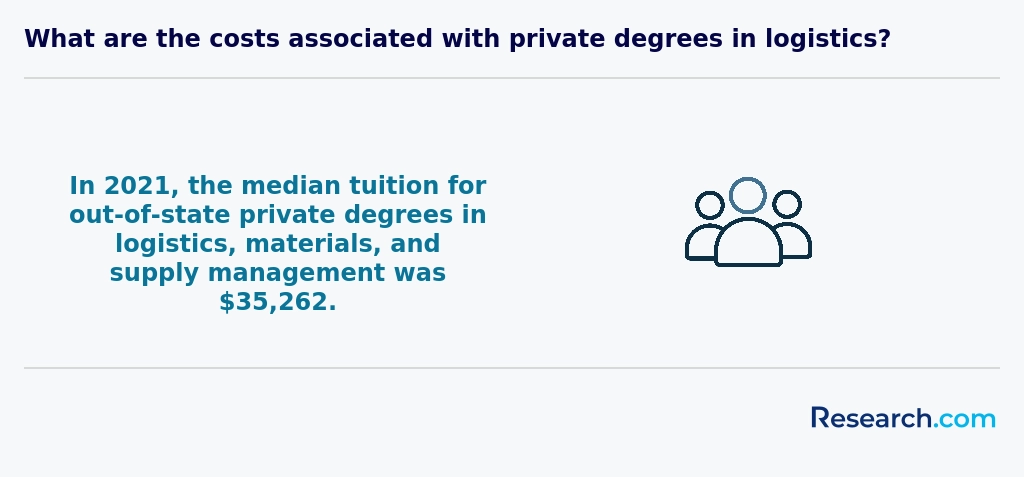
The average cost of an online logistics degree in the South tends to be around $19,800, with some variation depending largely on whether a student resides in-state or out-of-state. In-state students at well-known public universities, such as those in Florida or Georgia, often see total costs near $16,192, making these programs more accessible and appealing. Graduates from these institutions commonly reflect on how affordable tuition combined with flexible online options allowed them to balance work and study without undue financial stress. Out-of-state students might experience higher expenses, averaging closer to $33,976, due to additional tuition fees-a factor worth considering when selecting the best fit.
Many students pursuing logistics degrees at Southern universities appreciate how these costs compare favorably with private institutions, which can be significantly more expensive. The thoughtful structure of fees, often charged per credit hour between $300 and $600, aligns well with the varied pacing of online studies, offering a manageable financial commitment over the program's typically two-to-four-year duration. Those enrolled in programs like those offered at the University of North Florida often highlight how the per-credit model supports their budgeting goals.
Considering the average cost of online logistics degree programs in the South, it's encouraging to note that financial aid, scholarships, and employer tuition assistance frequently reduce out-of-pocket expenses. The combination of reasonable tuition and such support has given many Southern graduates the confidence to advance their careers without the heavy burden of student debt. Students seeking further specialization may explore the best supply chain management masters degree online, which can build upon a solid foundation set by these programs.
What financial aid is available to online logistics degree students in the South?
Navigating financial aid for an online logistics degree in the South often begins with completing the FAFSA, unlocking access to federal grants, work-study, and low-interest loans. Many graduates recall how Pell Grants, which can cover up to $7,395 annually, made a tangible difference when attending institutions like Middle Tennessee State University or Georgia Southern University. These grants ease the burden significantly, allowing students to focus more on learning than finances.
State-specific aid is equally important. For example, students in Tennessee benefit from the HOPE Scholarship and Grant programs, which prioritize residents pursuing logistics at public universities. Graduates often share how such state programs filled gaps federal aid missed, providing much-needed peace of mind.
Institutional scholarships remain a vital resource, especially at universities known for strong logistics programs. Many online learners find merit-based awards or partnerships with local logistics companies that fund scholarships or internships, offering both financial support and career connections. Veterans, too, find substantial relief through the GI Bill and military tuition assistance, easing their path in logistics education.
What are the prerequisites for enrolling in online logistics degree program in the South?
Enrolling in an online logistics degree program in the South often begins with having a solid academic foundation, typically a high school diploma or GED for undergraduate studies. For those aiming higher, graduate programs expect a bachelor's degree from an accredited institution. Graduates from universities known for their logistics programs, such as those in major Southern cities, often recall how meeting transcript and GPA requirements-usually around 2.5 to 3.0-was crucial to their acceptance.
Many Southern colleges have embraced test-optional policies, making the path more accessible. Yet some programs still value standardized tests like the GRE or GMAT, especially if work experience is limited. Reflecting on peers, those who combined strong academic records with relevant experience in regional industries-ports, transportation, or manufacturing hubs-tended to find themselves better prepared and more confident.
Additionally, technical readiness cannot be overlooked. Reliable internet and the right computer setup made juggling video lectures and supply chain simulations manageable. Graduates often emphasize that these prerequisites, while demanding, provide a meaningful framework that prepares students for success in the dynamic Southern logistics sector.

Typical Courses and Curriculum Breakdown
When you enroll in an online logistics degree program in the South, you’ll progress through a strategic sequence of courses designed to build your expertise from foundational theories to advanced, real-world applications. Core coursework often includes: • Introduction to Supply Chain Management: Explore end-to-end supply chain processes, demand forecasting, and network design-essential groundwork for any logistics professional. • Transportation and Distribution Logistics: Learn how to optimize multimodal transport, route planning, and carrier negotiations to reduce costs and improve delivery performance. • Inventory Control and Warehousing Management: Master inventory models, safety stock calculations, and warehouse layout design to ensure efficient stock handling and fulfillment. • Procurement and Supplier Relationship Management: Delve into supplier selection, contract negotiation, and ethical sourcing to secure reliable supply chains. • Logistics Information Systems and Data Analytics: Gain hands-on experience with TMS and WMS software, data visualization tools, and predictive analytics techniques. • International Logistics and Trade Compliance: Understand global shipping regulations, customs procedures, and trade documentation essential for cross-border operations. • Strategic Logistics Planning and Sustainability: Examine how to align logistics strategies with corporate goals, implement green logistics practices, and measure performance with KPIs. • Capstone Project in Logistics Operations: Apply your cumulative knowledge to a real-world case study, designing a complete logistics solution from procurement to last-mile delivery. For additional insights on program affordability and to compare curriculum costs, check out our ranking of Low Cost Online Bachelor's in Logistics Degree Programs Ranking in the South. This breakdown not only helps you anticipate the skills you’ll acquire but also supports your decision-making by highlighting courses that directly impact your career readiness.
What courses are typically in online logistics degree programs in the South?
Online logistics degree programs in the South consistently emphasize courses that build practical, actionable skills essential to the region's booming supply chain sector. Graduates from universities in Texas and Georgia often highlight how core classes like Supply Chain Management and Transportation and Distribution felt immediately relevant, as these courses closely mirror the operations they witness daily around major ports and distribution centers.
Many students find Operations Management and Inventory Control courses particularly eye-opening, offering tools to optimize warehouse flow and keep stock levels lean-skills highly prized by employers in Southern manufacturing hubs. Alongside these, Logistics Technology and Systems courses introduce software that students quickly use in internships or entry-level roles, making the learning tangible.
Complementing logistics fundamentals, business-related classes such as Project Management and Financial Accounting provide graduates with confidence in handling budgets and leading teams. This blend of theory and real-world application, as shared by alumni from Florida institutions, creates a rewarding learning experience that aligns well with the region's demand for versatile logistics professionals.
What types of specializations are available in online logistics degree programs in the South?
Online logistics degree specializations in the South typically reflect the region's dynamic economic landscape, offering students pathways that resonate with real-world industry demands. Graduates from popular Southern institutions often speak highly of tracks such as Supply Chain Management, which equips them to oversee complex production and distribution networks vital to the South's manufacturing hubs. Another favorite is Transportation and Distribution Management, where learners gain expertise navigating logistics challenges unique to major Southern port cities like Savannah and Charleston. These programs bring concepts alive through scenarios that mirror actual industry environments.
Other common areas include Operations Management, focusing on enhancing efficiency and controlling costs within logistics firms-a skill many graduates find invaluable in the South's robust industrial sectors. Specializations in Procurement and Purchasing help students master the art of sourcing goods effectively, a critical skill for both public and private operations here. Warehouse Management is also pivotal, especially given the booming e-commerce-driven expansion in Southern distribution centers. These diverse concentration options make the online logistics degree a versatile and practical education tailored for success in the Southern US logistics degree concentration options.
The accessibility of these programs is further illustrated by affordable choices, which you can explore in the Low Cost Online Bachelor's in Logistics Degree Programs Ranking in the South, making advanced logistics knowledge achievable for many aspiring professionals.
How do you choose the best online logistics degree in the South?
Choosing the best online logistics degree in the South means prioritizing programs that reflect the unique economic landscape of the region. Graduates from universities near logistic hubs such as Charlotte and Atlanta often mention the value of strong local industry ties. These connections translate directly into internships and job opportunities with major employers like FedEx or local port authorities. A focus on curriculum that balances supply chain technology and transportation management prepares you for the dynamic challenges specific to Southern logistics networks.
Cost and flexibility weigh heavily for many students balancing work and study. Affordable logistics degrees southern US offer competitive tuition with options for in-state rates online, ensuring you don't compromise quality. Some graduates have emphasized how asynchronous classes made completing their degree manageable alongside full-time jobs.
When exploring options, look into institutions that provide robust career services and alumni networks. Schools with regional accreditation and professional endorsements provide a trusted credential that employers recognize. For those wanting to accelerate their studies, consider programs that allow you to get associate's degree online fast, giving you a head start in this growing field.
What career paths are available for online logistics degree students in the South?
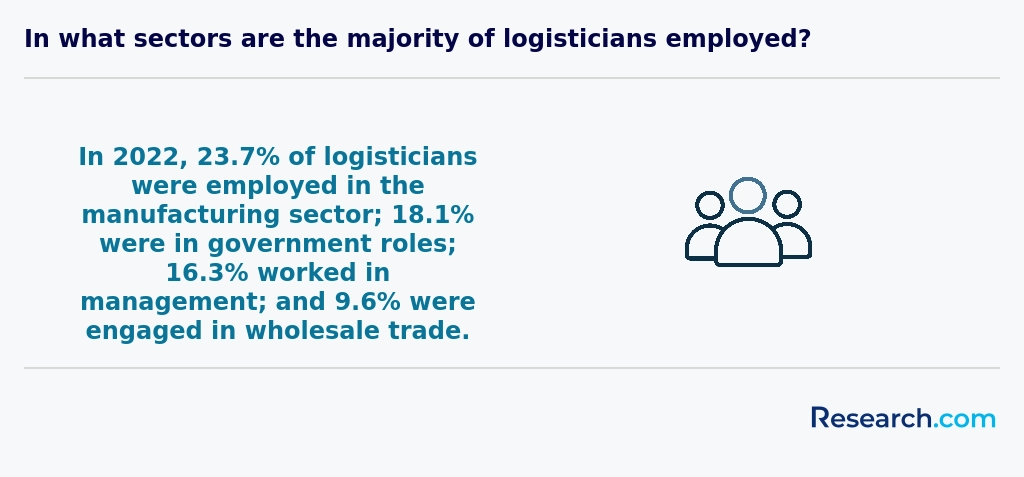
Graduates with an online logistics degree in the South find numerous career paths rooted in the region's vibrant transportation and manufacturing hubs. Roles such as logistics analyst, supply chain manager, and operations coordinator offer dynamic work experiences that reflect real-world challenges. Many graduates from well-regarded Southern universities who pursue these careers appreciate how programs incorporate practical elements like warehouse management and freight coordination, preparing them to thrive in busy ports and distribution centers.
These Southern industries value professionals who can seamlessly blend technology and strategy, leading to opportunities in niche sectors like cold chain logistics-a field critical to agricultural and pharmaceutical supply chains in the area. The variety of Southern US logistics job opportunities allows graduates to feel confident in securing roles that match their unique skills and interests, from transportation planning to procurement.
Students looking for flexibility can explore open enrollment colleges which offer relevant coursework designed to build competencies in data analytics and risk management, enhancing job readiness in a growing market.
What is the job market for online logistics degree in the South?
The job market for graduates with an online logistics degree in the South is notably strong and growing, reflecting the region's strategic importance in supply chain management. Graduates from well-regarded institutions in states like Texas and Georgia often find themselves quickly absorbed into roles at bustling ports or major distribution centers. For many, the ability to study online has been a game-changer-it allows balancing work and education while building skills directly applicable to vibrant logistics hubs in Atlanta or Dallas. This practical experience, combined with a respected degree, opens doors to opportunities that feel both exciting and attainable.
Employers value graduates who not only understand logistics theory but can navigate real-world challenges, a perspective gained from internships or cooperative education programs prominent at Southern universities. Students often share how this combination fosters confidence and adaptability, preparing them for diverse career paths. If you're considering such a route, recognizing the competitive salary potential and steady growth can inspire commitment to this field's demanding yet rewarding nature. Exploring majors in college that pay well can also help in making informed decisions about your educational investments in logistics career opportunities in Southern US.
Frequently Asked Questions About logistics
Students pursuing online logistics degrees in the South can maximize their learning by actively engaging with regional industry resources. The Southern states contribute significantly to the US logistics sector, accounting for over 30% of national freight movement according to the Bureau of Transportation Statistics. Taking advantage of internships and virtual networking with local companies like FedEx and UPS can provide practical insights.
In addition, students should utilize state-supported workforce programs such as those in Texas and Georgia that focus on supply chain skills. Collaborating in online study groups and accessing library resources from accredited Southern universities also enhances comprehension.
Finally, staying current with trends in Southeastern port activities and transportation hubs strengthens real-world connection to course content.
The logistics field is evolving rapidly, with several emerging niches gaining traction, especially in the South. One growing area is supply chain technology integration, where professionals use advanced software and automation to streamline operations. According to the Georgia Center of Innovation for Logistics, technology-driven logistics jobs in the South have increased by nearly 15% over the past five years.
Another important niche is sustainable logistics. Companies in states like Texas and Florida are investing in green transportation and environmentally friendly warehouse practices to meet stricter regulations and consumer demand. This shift opens up roles focused on reducing carbon footprints.
E-commerce fulfillment is also booming as online shopping expands. Southern ports, such as Savannah and Charleston, are among the fastest-growing in the U.S., creating logistics opportunities centered on rapid parcel delivery and inventory management.
Finally, last-mile delivery optimization is a key focus, driven by consumer expectations for fast shipping. These emerging niches highlight promising paths for students pursuing online logistics degrees in the South.
Graduates of online logistics degrees in the South should focus on honing practical skills to meet regional industry demands. The Southern U.S. is a major hub for transportation and distribution, with top employers seeking expertise in supply chain technology, warehouse management, and data analytics, according to the Bureau of Labor Statistics.
Networking is key; joining professional associations like the Council of Supply Chain Management Professionals (CSCMP) Southeast Roundtable connects students with local opportunities. Additionally, internships or cooperative education programs, even virtual ones, help build relevant experience.
Obtaining certifications such as the Certified Supply Chain Professional (CSCP) can improve employability in this competitive sector.
Employers in the South prioritize several key skills when hiring logistics degree graduates. Strong analytical abilities are essential, as businesses rely on data to optimize supply chains efficiently. Communication skills also rank highly, enabling graduates to coordinate teams and negotiate with vendors effectively.
Technical proficiency with logistics software like ERP and transportation management systems is increasingly important. According to the Georgia Department of Economic Development, 68% of logistics firms in the South seek candidates familiar with technology-driven supply chain solutions.
Adaptability and problem-solving skills are critical due to the South's dynamic transportation hubs. Additionally, knowledge of regulatory compliance improves job prospects, given regional trade and transport regulations.
Finding internships in the South relevant to a logistics degree involves strategic research and networking. Many Southern states like Georgia, Texas, and North Carolina have strong logistics sectors due to major ports, distribution hubs, and transportation infrastructure.
Start by exploring internship listings at companies specializing in supply chain, freight, and transportation management. The Port of Savannah in Georgia is among the busiest in the U.S., making local companies excellent internship targets (Georgia Ports Authority, 2023).
Reach out to university career centers, even for online students, as they often partner with regional businesses. Professional organizations like the Council of Supply Chain Management Professionals (CSCMP) offer internship databases and networking opportunities.
Additionally, online job platforms like Handshake and LinkedIn can help identify internships with Southern employers in logistics fields.
Obtaining an online logistics degree can significantly boost career mobility and advancement opportunities for professionals in the South. The region's growing logistics industry, driven by ports like Savannah and Houston, demands skilled managers and analysts. According to the Bureau of Labor Statistics, logistics-related occupations in Southern states are expected to grow faster than the national average through 2031.
Online programs offer flexibility, allowing working adults to upskill without relocating. Graduates often qualify for roles with higher responsibility and pay, such as supply chain managers and transportation coordinators.
Industry certifications paired with an accredited degree further enhance job prospects in this competitive market.
Studying for an online logistics degree in the South equips students with skills that cross multiple disciplines, essential for today's complex supply chains. Southern universities often integrate coursework in business management, information technology, and transportation, providing a broad foundation.
The region's role as a logistics hub-with major ports like Savannah and Houston-means programs emphasize real-world challenges and practical applications. For instance, the Southern Automotive Corridor drives the need for expertise in production and distribution, linking logistics with manufacturing and marketing.
According to the Bureau of Labor Statistics, the South's logistics sector is projected to grow steadily, highlighting demand for professionals who understand finance, data analysis, and regulatory environments. This interdisciplinary approach prepares graduates to adapt across industries, enhancing career flexibility.
Choosing between a thesis and a non-thesis logistics degree program in the South depends largely on your career goals. Thesis programs focus on research, ideal for those considering doctoral studies or roles requiring strong analytical skills. Non-thesis options, common in Southern universities, offer more coursework and practical applications, suitable for students aiming for direct industry employment in logistics hubs like Atlanta or Dallas.
Southern states account for nearly 30% of U.S. logistics jobs, making experience and applied knowledge crucial. Statistics from the Bureau of Labor Statistics show non-thesis graduates often enter the workforce faster, while thesis students may benefit from stronger academic credentials.
Consider your learning style, time availability, and professional plans when selecting a path.
Students based in the South seeking online logistics degrees have various options to study logistics abroad through U.S.-accredited programs with international components. Several universities in the South offer online logistics degrees that include virtual exchange programs or global case studies, enabling students to gain international perspectives without relocating.
For example, some Texas and Florida institutions provide partnerships with foreign universities, allowing coursework or internships abroad as part of degree requirements. According to the Council of Supply Chain Management Professionals, the South hosts over 30% of U.S. logistics jobs, emphasizing regional expertise enhanced by global knowledge.
Students should research accredited online programs that integrate international logistics trends while leveraging Southern economic strengths.
Students pursuing online logistics degrees in the South can benefit from part-time jobs that provide practical experience in supply chain operations. Common opportunities include warehouse assistant roles, delivery driver positions, and inventory clerk jobs, which are prevalent due to the region's strong transportation and distribution sectors.
According to the U.S. Bureau of Labor Statistics, states like Texas, Georgia, and Florida are among the top employers of logistics workers, and part-time roles within these states offer access to growing industries such as e-commerce and manufacturing.
Internships with local freight companies and small-scale logistics firms also help students apply theoretical knowledge in real business settings while building valuable networks.
Online logistics students in the South benefit from a variety of networking opportunities tailored to their region's growing supply chain industry. Many Southern universities partner with local logistics companies, offering virtual career fairs and internship placements that help students connect with industry professionals.
Professional organizations like the Council of Supply Chain Management Professionals (CSCMP) have active Southern chapters hosting webinars and events accessible to online students. These platforms encourage relationship-building with employers from major hubs such as Atlanta and Dallas.
Additionally, Southern states like Texas and Georgia rank among the top for logistics employment, creating a strong regional job network accessible through online alumni groups and LinkedIn communities targeted at logistics professionals in the South.
Alumni networks provide significant advantages for online logistics degree students in the South. These networks connect current students with graduates who have industry experience in regional logistics hubs like Atlanta, Memphis, and Dallas. According to the Council of Supply Chain Management Professionals, nearly 40% of U.S. logistics companies operate in the Southern states, making these connections especially valuable for job placement and internships.
Through alumni networks, students gain access to mentorship, job leads, and industry insights tailored to the evolving logistics landscape in the South. Networking events and online groups help students develop professional relationships that often lead to increased employment opportunities within major southern logistics companies.
Furthermore, alumni involvement can aid in understanding regional supply chain trends, fostering skills that align with local economic demands. This support system enhances career prospects and helps online students build a professional identity despite geographic barriers.
Students pursuing online logistics degrees in the South can often tailor their programs through elective courses, specialization tracks, or certificate options. Many Southern universities provide choices in areas like supply chain management, transportation, or procurement, allowing students to align studies with specific career goals. For example, the U.S. Bureau of Labor Statistics highlights the Southeast as a hub for logistics due to major ports and infrastructure, which influences program offerings to focus on regional industry needs.
Additionally, some programs offer internships or capstone projects with local companies. These opportunities help build relevant skills and professional networks. Checking accreditation and faculty expertise can also guide customization towards sectors like e-commerce or manufacturing logistics.
Online logistics students in the South face several common challenges that can affect their educational experience. Limited access to high-speed internet in rural areas remains a significant issue, with the Federal Communications Commission reporting that approximately 22% of Southern rural residents lack broadband. This connectivity gap can hinder participation in live classes and timely submission of assignments.
Additionally, balancing work, family, and studies is a frequent struggle, as many students in the South combine online programs with full-time employment in logistics hubs like Atlanta and Houston. According to the Bureau of Labor Statistics, these cities lead in logistics jobs, increasing student demand but also pressure.
Lastly, students often report difficulty in obtaining internships and local networking opportunities crucial for career advancement, due partly to fewer regional corporate partnerships with online programs in the logistics sector.
Graduates with an online logistics degree in the South can pursue several valuable professional certifications to enhance their career prospects. Common certifications include the Certified Supply Chain Professional (CSCP) from APICS and the Certified Professional in Supply Management (CPSM) offered by the Institute for Supply Management. These credentials validate expertise in supply chain management and procurement.
The region's growing logistics sector, driven by major hubs like Atlanta and Dallas, emphasizes certifications related to transportation and distribution, such as the Certified Logistics Associate (CLA) and Certified Logistics Technician (CLT), both provided by the Manufacturing Skill Standards Council (MSSC).
According to the Bureau of Labor Statistics, workers with certifications may earn up to 20% more in logistics roles in Southern states, reflecting strong employer demand for certified professionals.
To write a winning application for an online logistics program in the South, start by clearly demonstrating your understanding of the regional logistics industry. The Southern US is a major hub for transportation and distribution, with ports like Savannah and Houston playing critical roles (Bureau of Transportation Statistics, 2023). Highlight relevant work experience or skills related to supply chain management, as this shows practical knowledge.
Focus on a well-crafted personal statement explaining your career goals and why an online Southern program suits your needs. Emphasize flexibility and regional industry connections.
Lastly, maintain strong academic records and ask for professional recommendations that reflect your commitment and potential.
Logistics careers have a strong global outlook, with supply chains expanding rapidly due to international trade growth. In the United States, especially in the South, logistics plays a pivotal role. Regions like Atlanta and Dallas serve as key hubs connecting global markets. According to the Bureau of Labor Statistics, logistics employment in the South is projected to grow faster than the national average, driven by ports, airports, and manufacturing.
Many companies worldwide seek logistics professionals who understand complex global supply networks. A degree in logistics prepares students for roles in transportation, warehousing, and inventory management, skills valued internationally. This global demand offers graduates flexible career options, both domestically and abroad.
For Southern students, studying logistics online offers access to advanced curricula aligned with industry standards, preparing them to meet worldwide challenges effectively.
Online logistics degree students in the South can gain practical experience through internships and cooperative education programs. Many Southern universities partner with major ports, distribution centers, and transportation companies, such as those near the Port of Savannah and Dallas-Fort Worth, key logistics hubs. These partnerships offer remote or hybrid internship opportunities tailored to online learners.
Students can also engage in virtual simulations and supply chain management software training, widely used in the industry to develop real-world problem-solving skills. According to the Council of Supply Chain Management Professionals, nearly 75% of Southern logistics employers value hands-on experience alongside academic credentials.
Networking with local logistics associations or attending regional conferences virtually further enhances practical knowledge and career opportunities.
Choosing the right concentration within an online logistics degree program in the South involves assessing your career goals and the regional industry demand. The South hosts major logistics hubs in cities like Atlanta, Charlotte, and Dallas, where concentrations in supply chain management, transportation, or warehousing can be especially valuable, according to the Bureau of Labor Statistics.
Many programs offer specializations such as global logistics or inventory control. Consider concentrations aligned with sectors growing in the South, like e-commerce distribution and manufacturing logistics. Researching job market trends and employer needs in Southern states will help tailor your education for better career opportunities.
Top Trending Logistics Rankings
References
- Developments & Logistics Concepts of the Future https://transportlogistic.de/en/industry-insights/detail/logistic-concepts-of-the-future.html
- Top Soft Skills Employers Look for in Logistics & Supply Chain Graduates https://imsgroupofinstitutions.com/top-soft-skills-employers-look-for-in-logistics-supply-chain-graduates/
- Continuing Education in Global Logistics: A Powerful Catalyst for Career Growth https://gofreightpath.com/continuing-education-in-global-logistics-a-powerful-catalyst-for-career-growth/
- Trends Driving Growth in Logistics and Supply Chain Roles https://www.jusdaglobal.com/en/article/trends-in-logistics-occupations-careers/
- 12 Logistics Courses & Certifications To Pick in 2025 https://www.upes.ac.in/blog/advanced-engineering/logistics-courses-for-beginners-and-professionals
- Logistics and Supply Chain Management - Open Learning Group - Distance Learning and Higher Education Specialists https://olg.co.za/bba-in-logistics-and-supply-chain-management/
- Blog - Mastering Niche Talent Acquisition: Securing Top Talent in Logistics and Supply Chain https://www.mvp-search.com/insight/mastering-niche-talent-acquisition-securing-top-talent-in-logistics-and-supply-chain
- 5 Reasons Why Choose to Study Sustainable Mobility & Logistics https://www.mynoa.com/en/post/5-reasons-why-choose-to-study-logistics
- Supply Chain & Logistics Education: Ask the Professors | The Logistics Academy https://tla.edu.sg/supply-chain-logistics-education-ask-professors/
- Your Guide to a Career in Transportation & Logistics Management. MANCOSA https://www.mancosa.co.za/blog/career-in-transportation-and-logistics-management/