
2027 Most Affordable Logistics Degree Programs Ranking in the USA

Co-Founder and Chief Data Scientist
Choosing the right logistics degree can feel overwhelming, but finding an affordable program that fits your goals is key. This article presents the 2027 Most Affordable Logistics Degree Programs Ranking in the USA, created by the Research.com team of data scientists to guide you in making smart decisions.
By exploring this ranking, you'll discover quality programs that won't break the bank while setting you up for a promising career in logistics. Pursuing a logistics degree opens doors to dynamic opportunities in a growing field, making it a worthwhile investment in your future.
Key benefits of getting logistics degree in America
- Graduates with a logistics degree can expect strong earning potential, with roles like Logistics Coordinator and Logistics Specialist averaging about $84,640 annually, offering financial stability and rewarding careers.
- A logistics degree opens doors to diverse career paths, including Transportation Planner and Customs Broker, providing graduates with exciting opportunities to work in various industries and grow professionally.
- Completing a logistics degree online, such as from a respected university, offers flexibility for busy students and working professionals, allowing you to balance study with life while gaining valuable skills.
- Key benefits of getting logistics degree in America
- What can I expect from logistics degree in America?
- Where can I work with logistics degree in America?
- How much can I make with logistics degree in America?
- 2027 Most Affordable Logistics Degree Programs Ranking in the USA
- Key Findings
- How long does it take to complete logistics degree in America?
- What's the difference between online and on-campus logistics degree?
- What is the average cost of logistics degree in America?
- Emerging Trends Shaping the Future of Logistics Education in America
- What financial aid is available to logistics degree students in America?
- Student Life and Campus Resources
- What are the prerequisites for enrolling in logistics degree program in America?
- Return on Investment Analysis for Affordable Logistics Degrees
- What courses are typically in logistics degree programs in America?
- What types of specializations are available in logistics degree programs in America?
- How do you choose the best logistics degree in America?
- What career paths are available for logistics degree students in America?
- What is the job market for logistics degree in America?
- Top Trending Logistics Rankings
What can I expect from logistics degree in America?
The average cost of earning a logistics degree in America varies widely, often depending on the institution and level of study. For many students attending public universities known for their supply chain programs, such as Michigan State University or Pennsylvania State University, tuition for a bachelor's degree typically ranges from $25,000 to $40,000 per year for in-state residents. Out-of-state students at these schools may expect higher fees, sometimes doubling the in-state rate. Graduates often reflect on managing these costs by balancing scholarships, part-time work, and internships, making the investment feel worthwhile as practical experiences deepen their understanding and future employability.
At private colleges or universities with renowned logistics departments, tuition can be significantly higher, sometimes exceeding $50,000 annually. However, many students emphasize that the exposure to advanced software tools, case studies, and strong industry connections justifies the expense. Hands-on internships in global shipping firms or regional distribution hubs often help offset costs by providing paid opportunities and invaluable real-world insights.
Graduate programs, which many pursue after completing a bachelor's, add further financial commitment but also open doors to higher-paying roles. Students at universities with strong business schools often view this investment as a pivotal step toward leadership careers in supply chain management. Overall, while the cost can be substantial, students consistently share a sense of achievement and optimism fueled by the promising career paths a logistics degree in America can unlock.
Where can I work with logistics degree in America?
Graduates from logistics programs at respected institutions such as Michigan State University or Pennsylvania State University often find themselves stepping confidently into roles within transportation and warehousing. Many recall the satisfaction of coordinating shipments or optimizing routes, understanding the real impact of their work on everyday commerce. This sector's growth, highlighted by the U.S. Bureau of Labor Statistics, assures students that their skills are in demand.
Others remember hands-on internships with manufacturing firms, where managing supply chains for raw materials and finished products brought lessons in efficiency and problem-solving that textbooks alone can't teach. Retail giants like Amazon and Target also attract logistics graduates, who thrive managing complex product flows, inspired by the fast-paced challenges these companies present.
Healthcare logistics, often surprising students initially, offers a meaningful avenue to contribute to critical medical supply delivery, blending precision with a sense of purpose. Many graduates speak warmly about careers in government or with third-party logistics providers such as FedEx Supply Chain, where versatility and teamwork shape rewarding professional journeys.
How much can I make with logistics degree in America?
Graduates from well-regarded programs such as those at Michigan State University or the University of Tennessee often enter the workforce in roles like Logistics Coordinator or Logistics Specialist, where mean annual wages hover around $84,640. This salary reflects a solid starting point that aligns closely with their training and the practical skills gained through internships and capstone projects.
For those starting as Supply Chain Coordinators or Transportation Planners, the reported average salary is approximately $46,690 annually, which might feel modest but represents a launchpad with strong growth potential as experience accumulates. Graduates recount that initial roles often provide hands-on problem solving and valuable exposure to the complex logistics networks powering major companies.
Many logistics graduates find that wages increase significantly with certifications and experience. For example, Customs Broker positions, which command an average annual salary of $63,130, often become accessible after obtaining industry-recognized credentials. University alumni frequently share that moving beyond entry-level roles into specialized logistics fields brings both financial rewards and greater job satisfaction.
Living in regions with high demand such as California or Texas often adds a 10-20% premium to these figures, making the logistics degree an investment that opens doors to both competitive salaries and meaningful, dynamic careers.
2027 Most Affordable Logistics Degree Programs Ranking in the USA
How do we rank schools?
Investing in your education is a significant decision that can shape your future, and the Research.com team understands the importance of making informed choices. To assist prospective students, we have meticulously crafted the "2027 Most Affordable Logistics Degree Programs Ranking in the USA." Our commitment to quality, credibility, and accuracy is reflected in the extensive research and analysis conducted to compile this ranking.
We utilized the following reputable data sources to ensure a comprehensive evaluation of logistics degree programs:
By exploring this ranking, readers will gain valuable insights into the most affordable and credible logistics degree programs in the USA, helping them make informed decisions about their educational paths. For more details on our methodology, please visit our Research.com methodology page.

# 2 position
Inter American University of Puerto Rico-Ponce
Master of Science in Distribution and Global Logistics


# 6 position
Embry-Riddle Aeronautical University-Worldwide
Bachelor of Science in Logistics and Supply Chain Management

# 7 position
Embry-Riddle Aeronautical University-Worldwide
Master of Science in Logistics and Supply Chain Management
# 8 position
American Public University System
Bachelor of Arts in Transportation and Logistics Management

# 10 position
Western Governors University
Bachelor of Supply Chain and Operations Management

# 11 position
University of Arkansas Grantham
Bachelor of Science in Logistics

# 12 position
Universidad Ana G. Mendez-Gurabo Campus
Master of Business Administration in Supply Chain and Logistics



Key Findings
- Logistics degrees are available at associate's and bachelor's levels, with bachelor's being more common for management roles.
- Public universities charge between $10,000 and $25,000 per year for in-state students, while private schools can cost over $30,000 annually.
- Employment for logisticians is expected to grow 14% from 2021 to 2031, much faster than average.
- Starting salaries for new graduates range from $55,000 to $65,000, with experienced professionals earning $76,000 to $85,000 and top managers over $100,000.
- Programs focus on skills like analytics, inventory control, and transportation management and often include internships for practical experience.
How long does it take to complete logistics degree in America?
Completing a logistics degree in America often takes commitment and focus, but the timeframe is quite manageable depending on your goals. Many graduates from well-known programs at schools like Arizona State University or Michigan State University share that earning a bachelor's degree requires about four years of full-time study, covering diverse topics such as supply chain management and operations planning. This period allows for deep understanding and opportunities like internships that enhance real-world readiness.
For those eager to enter the workforce sooner, associate degrees from community colleges often take just two years. Graduates express satisfaction with how these programs blend foundational skills with hands-on learning, making them a practical choice for quicker career starts or as a stepping stone toward a bachelor's degree.
Graduate programs, typically one to two years post-bachelor's, appeal to professionals looking to specialize or advance. Alumni pursuing master's degrees at institutions like the University of Tennessee report that this timeframe balances well with work commitments and intensifies expertise in global logistics or procurement.
Factors like part-time enrollment or choosing accelerated online options can shorten or extend these timelines, allowing students to tailor their education to personal circumstances and career ambitions.
What's the difference between online and on-campus logistics degree?
The main difference between online and on-campus logistics degrees in the U.S. lies in the learning environment and daily experience. Graduates from prominent universities like Michigan State or Rutgers often recall the invaluable face-to-face interactions on campus-discussing supply chain strategies during group projects or participating in hands-on simulations that bring theory to life. This direct engagement fosters strong networking and collaboration skills vital for roles in transportation or warehousing.
Conversely, online learners appreciate the flexibility to manage studies alongside work or family commitments, tapping into recorded lectures and virtual assignments at their convenience. Many students from institutions like Arizona State University highlight how this flexibility allows them to stay employed while earning their degree, making education accessible without the burden of commuting or housing costs.
Additionally, online programs in logistics frequently cost 20-30% less, as graduates point out, reducing expenses beyond tuition by eliminating campus fees and living costs. Yet both paths cover similar core topics and meet industry standards, so the choice often depends on lifestyle and learning preferences.
What is the average cost of logistics degree in America?
The average logistics degree cost in the USA often depends on whether students attend public or private institutions, along with their residency status. Graduates from well-known public universities typically face median total costs around $38,941 for out-of-state students, while in-state students may pay much less, closer to $12,099 in total. This disparity highlights the value of considering state residency when planning for education expenses in logistics programs.
Many students who attended respected programs at universities with strong supply chain and logistics departments found that managing costs while maintaining educational quality was a balancing act. For instance, community colleges offer an affordable starting point, enabling students to complete foundational coursework for about $4,500 annually before transferring to a four-year institution. Those who followed this path often mentioned feeling confident about their investment due to the significant savings.
Additional expenses such as textbooks and software sometimes add $1,000 to $2,000 annually. However, several students appreciated programs that provide internship opportunities directly related to logistics. These real-world experiences sometimes help offset costs by offering paid positions that also build professional networks and skills.
For students searching for affordable logistics degree programs United States-wide, identifying options that combine quality with reasonable tuition is vital. Exploring options like a community college route or scholarships can ease financial pressure. Some graduates recommend checking resources listing the most accessible programs, such as an affordable logistics school, to find a fit that matches career goals and budgets seamlessly.

Emerging Trends Shaping the Future of Logistics Education in America
The rapid integration of automation, artificial intelligence, and sustainability principles is redefining core competencies in logistics degree programs. Graduates today must be adept at leveraging AI-driven demand forecasting, blockchain-enabled supply chain transparency, and Internet of Things (IoT)–powered asset tracking. Institutions are responding by embedding specialized modules on digital twin simulation, robotics process automation, and green logistics practices. For those weighing options, questions like what is the best associate in logistics program online are increasingly tied to a program’s ability to offer hands-on labs in warehouse automation and case studies on carbon-neutral supply chains. Leading programs now partner with major carriers and tech vendors to deliver real-world projects, ensuring graduates emerge with both strategic insight and practical know-how. Looking ahead, the convergence of big data analytics and circular economy models will create new specializations in reverse logistics and sustainability management. Prospective students should seek programs that not only teach foundational concepts but also emphasize cross-disciplinary collaboration-preparing them to navigate and shape a logistics industry driven by resilience, transparency, and environmental stewardship.
What financial aid is available to logistics degree students in America?
Students pursuing logistics degrees in America often find that federal student aid forms the backbone of their financial support. Graduates from universities like Michigan State or Penn State recall how Pell Grants, offering up to $7,395, made the first year more affordable when juggling between studies and living expenses. These grants require no repayment, providing a vital financial cushion.
Subsidized and unsubsidized federal loans also play a significant role. Many logistics students in their sophomore or junior years, especially at public institutions such as Arizona State University, have appreciated the low interest rates and flexible repayment terms that ease financial pressure without stifling academic focus.
Additionally, state grants like California's College Promise Grant have empowered in-state community college students to pursue logistics without the heavy burden of tuition. These efforts reflect a tangible, hopeful pathway for those balancing education and part-time jobs.
Scholarships from organizations like the Council of Supply Chain Management Professionals and merit-based awards are frequently mentioned by graduates as game changers, reducing debt and inspiring dedication.
Work-study programs and internships complement financial support by weaving real-world experience with income, making the learning journey rewarding beyond the classroom.
Student Life and Campus Resources
Attending a logistics degree program is about more than just classroom learning; it's an immersive experience that blends academic rigor with vibrant campus life and supportive services. Prospective students should explore the comprehensive resources that institutions offer, such as career counseling, student clubs, mentoring programs, workshops, and peer networking opportunities. These elements enrich the educational journey by providing tangible platforms for practical experience and professional growth. For example, many universities facilitate internship programs and host industry networking events, ensuring students build critical connections early on. Additionally, robust support services-including academic advising, mental health resources, and career fairs-play a pivotal role in easing the transition from student life to a successful career in logistics. For those looking into programs that balance excellence with affordability, you might consider an affordable logistics school that offers robust student support alongside competitive tuition rates. This integration of campus life and professional development is key to preparing students for the dynamic challenges of the modern logistics field.
What are the prerequisites for enrolling in logistics degree program in America?
Enrolling in a logistics degree program in America typically begins with having a high school diploma or equivalent, such as a GED. Graduates from reputable institutions like Pennsylvania State University or Arizona State University often emphasized how foundational math skills-especially algebra and statistics-proved invaluable early on. These courses sharpen analytical abilities crucial for understanding complex supply chain systems.
A solid academic record is essential. Most universities expect a GPA between 2.5 and 3.0, though competitive programs often seek higher, sometimes near 3.5. Many students who gained admission to top logistics programs share how maintaining a steady GPA opened doors, even in test-optional environments post-2020.
Beyond grades, personal statements and recommendation letters reflecting a sincere interest in logistics or supply chain management play a vital role. Hands-on experience, whether through internships or part-time roles at firms in logistics hubs like Chicago or Atlanta, also strengthened many applicants' profiles.
Some graduates recalled how prerequisite courses in economics or business, if missed in high school, were crucial to build a strong foundation. This preparation smooths the transition to more advanced logistics topics at institutions known for applied learning.
Return on Investment Analysis for Affordable Logistics Degrees
Evaluating the return on investment (ROI) for a logistics degree is essential for prospective students seeking both affordability and long-term career value. By comparing total program costs-including tuition, fees, and living expenses-against median starting salaries and mid-career earnings, students can estimate their payback period and lifetime value. On average, a bachelor’s in logistics from a public in-state institution costing $12,500 per year can be recouped within 3–4 years, given entry-level salaries around $55,000. Mid-career logistics managers often earn upwards of $85,000, translating to a 10× ROI over a 20-year period. Regional cost variations significantly impact ROI calculations. For example, programs in the Midwest and South typically offer lower tuition and living costs, accelerating the payback timeline. Prospective students in Alabama may find even greater value; for detailed comparisons of low-cost options and associated salary outcomes, explore the Inexpensive Logistics Degree Programs Ranking in Alabama. Similarly, private institutions with higher sticker prices can still deliver strong ROI if they offer robust career services and networking opportunities that drive early promotions. To maximize ROI, consider leveraging financial aid, scholarships, and internship stipends to reduce upfront expenses. Graduates who combine part-time work in supply chain roles with their studies often lower their net cost and gain relevant experience, further boosting employability and starting salaries. By integrating cost analysis with career projections, students can make data-driven decisions that align educational investment with long-term financial and professional goals.
What courses are typically in logistics degree programs in America?
Graduates from well-known American universities often recall how foundational courses like Introduction to Logistics and Supply Chain Management clarified the intricate flow of goods from factory floors to store shelves. These classes make abstract concepts feel tangible by using real-world examples such as managing inventory during holiday seasons or coordinating cross-country shipments efficiently.
Transportation Management courses frequently stood out, diving into the complexities of moving products via trucks, rail, air, and sea. Students at prominent colleges in the US appreciate how these lessons connect theory to practice, especially when analyzing case studies on the impact of delays in major ports or regional trucking challenges.
Hands-on experiences with Warehouse Operations and Distribution, along with Procurement and Supplier Relations, often excite learners by revealing how strategic decisions in sourcing and fulfillment directly affect a company's bottom line. The exposure to Logistics Information Systems, including ERP and TMS platforms, rounds out the curriculum by blending technology with logistics, preparing students for modern demands.
What types of specializations are available in logistics degree programs in America?
Logistics degree specializations in the USA often include focused areas such as Supply Chain Management, Transportation Management, and Logistics Technology and Analytics. Graduates from top programs at universities like Texas A&M or Michigan State share how concentrating on Supply Chain Management helped them master procurement and distribution strategies, key to navigating the growing complexity of U.S. markets.
Others gravitate toward Transportation Management, developing skills in routing and fleet operations-essential for tackling nearly 28% of logistics costs tied to transportation in the U.S. Reflecting on these experiences, many describe the satisfaction of solving real-world freight challenges, a core part of their curriculum at well-known institutions.
Students captivated by data-driven roles pursue Logistics Technology and Analytics, where they learn to use AI and software tools to forecast demand and optimize inventory. This specialization resonates with those who appreciate how technology transforms logistics operations nationally. For a broader view, programs often offer Warehouse Management and Global Logistics, emphasizing operational efficiency and international trade intricacies. For those exploring options, it's valuable to see what is the best associate in logistics program online to find a path fitting their goals in these popular logistics majors offered in America.
How do you choose the best logistics degree in America?
Choosing the best logistics degree in America means looking beyond just the name of the university. Graduates from popular schools often highlight the importance of accreditation, such as from AACSB or ACBSP, which assures employers of rigorous academic quality. For many, this recognition opens doors to better jobs in a competitive market. Cost is another reality; some recent grads recall balancing tuition against other expenses and recommend exploring affordable options like those listed in the Inexpensive Logistics Degree Programs Ranking in Alabama to manage education without overwhelming debt.
Curriculum matters deeply. Top logistics programs found in recognized American universities offer practical courses in transportation management and procurement, paired with internships that bring classroom knowledge into real-world settings. Many students appreciate programs that offer online or hybrid flexibility, allowing them to work while studying. Choosing among the best affordable logistics degree programs USA ensures your education fits your life and career goals simultaneously.
What career paths are available for logistics degree students in America?
Graduates of logistics programs in America often find themselves stepping into roles that significantly impact how goods and services flow across the country. From well-known universities and colleges popular for studying logistics, many have shared how becoming a logistics analyst allowed them to dive deep into data to optimize supply chain operations, making tangible improvements in efficiency. Others from community colleges found fulfillment as supply chain managers, where they coordinated between suppliers and retailers, witnessing their work translate directly into smoother customer experiences. This reflects the array of logistics degree career opportunities in USA, offering diverse pathways that match varied talents and interests.
Job prospects for logistics graduates in America also include positions like operations managers and transportation managers, roles that demand leadership and strategic planning to keep daily workflows seamless. Graduates often talk about the pride in reducing costs and delivery times, which energizes their drive to innovate. For those drawn to negotiation, becoming procurement specialists presents a chance to secure vital resources essential for manufacturing and retail industries. Many students gather practical skills during internships, boosting confidence before graduating.
For students considering affordable and efficient pathways to these careers, exploring high paying 6 month certificate programs online can be a great step forward, especially when balancing work and study commitments.
What is the job market for logistics degree in America?
The logistics degree job market USA is robust and growing, particularly as globalization and e-commerce expand. Graduates from well-known programs at universities like Michigan State or Penn State report entering careers with roles as supply chain coordinators or logistics analysts, quickly advancing due to high demand. Many find that practical skills and certifications-including those earned while in school-are highly valued by employers who seek efficient problem solvers to optimize distribution networks.
For students weighing the cost of study, it's encouraging that tuition can be manageable, especially through public universities or online options. Balancing work and study is common, and some use internships to gain real-world experience that makes a marked difference in job prospects. For instance, graduates from Minnesota's logistics programs often recount how hands-on projects helped them confidently transition into supply chain management roles.
Those exploring logistics career opportunities in America also benefit from strong salaries, particularly in metropolitan hubs such as California or Maryland, where wages reach into six figures for experienced professionals. If speed is a priority, considering the quickest way to get associate's degree can be a practical path that still opens doors to these thriving markets.
Frequently Asked Questions About logistics
Logistics degree students in America can maximize their learning experience by combining academic study with practical exposure. According to the Council of Supply Chain Management Professionals (CSCMP), experiential learning such as internships and cooperative education programs significantly improves job readiness. Many universities partner with industry leaders, offering students hands-on experience managing supply chains and distribution networks.
Students should also engage with professional associations like CSCMP or the International Society of Logistics. These organizations provide access to conferences, networking, and mentorship opportunities. Participating in case competitions and simulation exercises helps develop problem-solving skills tailored to logistics challenges.
Additionally, staying updated on technologies like AI and blockchain, which are transforming U.S. logistics, strengthens career prospects. The U.S. Bureau of Labor Statistics projects a 28% growth in logistics-related jobs through 2031, underscoring the value of a well-rounded education that includes both theory and practice.
The logistics field in America is rapidly evolving, with several emerging niches gaining attention. One key area is e-commerce logistics, driven by the growth of online shopping, which was valued at over $1 trillion in 2023 according to the U.S. Census Bureau. This niche focuses on optimizing last-mile delivery and returns management.
Another important niche is green logistics, where companies work to reduce environmental impact through sustainable supply chain practices. The U.S. Environmental Protection Agency reports that transportation contributes 29% of greenhouse gas emissions, making this area critical.
Additionally, technology integration such as using artificial intelligence and blockchain for tracking and automation is expanding the field. The Labor Department notes a rising demand for professionals skilled in these innovations.
Preparing for the job market after completing a logistics degree in America involves several strategic steps. First, gaining relevant experience through internships or cooperative education programs is crucial. According to the Bureau of Labor Statistics, logistics roles are expected to grow by 16% from 2020 to 2030, making practical experience highly valued by employers.
Building strong analytical and technological skills is also essential. Familiarity with supply chain management software and data analysis tools can set candidates apart in this competitive field.
Networking with professionals via industry associations like the Council of Supply Chain Management Professionals (CSCMP) can provide useful contacts and job leads.
Employers in America prioritize a mix of technical and soft skills when hiring logistics degree graduates. According to the Bureau of Labor Statistics, strong analytical abilities are essential for managing supply chains and optimizing transportation networks.
Additionally, proficiency in software such as Enterprise Resource Planning (ERP) and Warehouse Management Systems (WMS) is highly sought after. Communication skills are important, as logistics professionals often coordinate between suppliers, manufacturers, and customers.
Problem-solving and adaptability also rank high, given the dynamic nature of the industry. Leadership is valued; 38% of logistics managers report that graduates who demonstrate teamwork and decision-making skills get noticed (Council of Supply Chain Management Professionals, 2023).
Overall, a blend of technical expertise with interpersonal skills increases employability in the US logistics sector.
Finding internships relevant to a logistics degree in America involves several targeted strategies. Start by exploring opportunities through university career centers, which often partner with companies in supply chain and transportation sectors. According to the Council of Supply Chain Management Professionals (CSCMP), internships can significantly boost hiring chances after graduation.
Online job platforms like Handshake and LinkedIn frequently list logistics internships specifically for students. Additionally, consider joining professional organizations such as CSCMP or the Institute for Supply Management, which provide networking events and exclusive internship postings.
Large companies like Amazon, UPS, and DHL regularly offer logistics internships, showing steady demand in the sector. Engaging directly with local firms through informational interviews can also open doors.
A logistics degree in America significantly enhances career mobility by equipping graduates with practical skills in supply chain management, transportation, and inventory control. According to the U.S. Bureau of Labor Statistics, employment in logistics and supply chain management is projected to grow 22% from 2020 to 2030, much faster than the average for all occupations. This growth creates numerous opportunities for advancement in diverse industries such as manufacturing, retail, and government.
Holding a logistics degree often leads to higher earning potential and quicker promotions compared to those without formal education in the field. The degree provides a foundation in analytical and problem-solving skills valued by employers, facilitating transitions into management roles. Networking opportunities in academic programs also support career progression by connecting students to industry professionals.
Studying for a logistics degree in America equips students with skills that span multiple disciplines, including supply chain management, transportation, and business analysis. Many programs integrate coursework in information technology, economics, and operations management to create a holistic understanding of logistics systems. According to the Council of Supply Chain Management Professionals (CSCMP), nearly 75% of logistics jobs require knowledge across these fields.
Students often engage in real-world case studies and internships, bridging theory with practical applications in finance, marketing, and data analytics. This interdisciplinary approach prepares graduates to collaborate with diverse teams and address complex challenges in global supply chains.
When choosing between a thesis and a non-thesis logistics degree program in America, consider your career goals and learning style. Thesis programs emphasize research, requiring students to conduct original studies and write a detailed paper. This path suits those aiming for academic roles, research positions, or doctoral studies. Non-thesis programs focus more on practical skills and coursework, ideal for students targeting immediate employment in logistics, supply chain management, or operations management.
According to the Council of Supply Chain Management Professionals, about 60% of logistics jobs value hands-on experience more than research. Thesis degrees typically take longer to complete, often 2-3 years versus 1-2 years for non-thesis programs. Consider also that thesis programs may offer opportunities for publication or conference presentations, beneficial for some career paths.
Students in America seeking to study logistics abroad have several options through university partnerships and exchange programs. Many US institutions collaborate with overseas universities in countries like Germany, the Netherlands, and Singapore, which are known for strong logistics and supply chain education. Programs often include short-term study abroad experiences or full semesters abroad, allowing students to gain international perspectives on global supply chain management.
According to the Council of Supply Chain Management Professionals (CSCMP), international experience is highly valued in logistics careers. American students can also access internships abroad through programs supported by organizations like the Institute for Supply Management (ISM). These opportunities help develop practical skills and global networks.
Costs vary, but scholarships and financial aid are sometimes available for studying logistics overseas. Students should consult their home institutions' study abroad offices to explore accredited partner programs and ensure credits will transfer.
Part-time job opportunities that complement a logistics degree in America often involve roles related to supply chain management, inventory control, and transportation coordination. Positions such as warehouse associates, inventory clerks, and delivery assistants provide practical experience alongside academic studies.
Many logistics students find internships with distribution centers or third-party logistics (3PL) companies, gaining insights into operational workflows. The U.S. Bureau of Labor Statistics notes that logistics-related fields are expected to grow by 11% from 2020 to 2030, indicating strong demand for skilled workers.
Working in retail supply chain departments or customer service roles in logistics firms can enhance understanding of end-to-end delivery processes, benefiting students' career preparedness.
Logistics students in America have access to numerous networking opportunities that can enhance their career prospects. Many universities with logistics programs offer connections to industry professionals through career fairs, guest lectures, and alumni events. For example, organizations like the Council of Supply Chain Management Professionals (CSCMP) host local chapter meetings and national conferences, which draw thousands of logistics professionals annually.
Internships remain a critical networking avenue, with companies such as FedEx and Amazon frequently partnering with academic institutions to provide hands-on experience.
Additionally, logistics students can join professional groups such as the Institute for Supply Management (ISM), which provide online forums, certification programs, and local meetups to build industry contacts. According to the Bureau of Labor Statistics, the logistics sector is expected to grow by 11% from 2022 to 2032, increasing the value of a strong professional network in this field.
Alumni networks play a crucial role for logistics degree students in America by providing valuable connections to industry professionals. Many logistics programs in U.S. universities have active alumni groups that offer mentorship, internship opportunities, and job referrals. According to the Council of Supply Chain Management Professionals, nearly 85% of logistics jobs are found through networking. These connections help students understand current market trends and emerging technologies in supply chain management.
Moreover, alumni often return to campuses for guest lectures and workshops, giving students insights based on real-world experience. Participation in alumni events can significantly enhance a student's career prospects and professional growth.
Customizing a logistics degree program in America allows students to align their education with specific career goals. Many universities offer elective courses in areas like supply chain management, transportation, and inventory control, enabling students to tailor their studies.
Internships and cooperative education opportunities provide practical experience, which employers highly value. According to the Bureau of Labor Statistics, logistics careers are expected to grow 11% from 2021 to 2031, emphasizing the importance of relevant skills.
Students can also choose specialized tracks or certificates in emerging fields such as logistics technology or sustainable supply chains, enhancing their job prospects. Selecting programs accredited by bodies like the Council on Supply Chain Management Professionals ensures quality education.
Logistics students in America often face significant challenges related to the complexity of the supply chain industry. Many programs require a strong grasp of mathematics, information technology, and analytics, which can be demanding for students without a technical background.
Additionally, the dynamic nature of logistics, including global disruptions like the COVID-19 pandemic, requires students to adapt quickly to evolving concepts and practices. According to the Bureau of Labor Statistics, the logistics field is growing rapidly, but students must keep pace with new technologies and sustainability initiatives.
Hands-on experience is another hurdle, as internships or cooperative education opportunities can be competitive and geographically limited for some students.
Graduates with a logistics degree in America can enhance their career prospects by earning respected professional certifications. One widely recognized certification is the Certified Supply Chain Professional (CSCP) offered by APICS, which focuses on supply chain management practices. Another key certification is the Certified in Logistics, Transportation, and Distribution (CLTD), also by APICS, designed for specialists in logistics operations.
The International Society of Logistics (SOLE) offers the Certified Professional Logistician (CPL), targeting experienced professionals seeking advanced credentials. Additionally, the Council of Supply Chain Management Professionals (CSCMP) provides various certificates geared towards leadership roles.
According to the Bureau of Labor Statistics, logistics careers are expected to grow 11% from 2022 to 2032, making these certifications valuable investments for career growth.
Applying to a logistics program in America requires clear communication of your goals and qualifications. First, research schools accredited by the Accreditation Council for Business Schools and Programs (ACBSP) or the Association to Advance Collegiate Schools of Business (AACSB), as these endorsements matter to employers.
Craft a focused personal statement explaining your interest in logistics, referencing industry growth-such as the U.S. logistics market valued at over $1.6 trillion annually (Council of Supply Chain Management Professionals, 2023). Connect your background to skills needed in supply chain management, transportation, and inventory control.
Highlight any relevant experience or internships, stressing analytical and problem-solving abilities. Strong letters of recommendation from academic or work supervisors also enhance your application.
Finally, maintain a competitive GPA, ideally above 3.0, and prepare for any required standardized tests, ensuring all materials demonstrate your commitment and suitability for a logistics career.
A logistics career is increasingly viewed through a global lens, reflecting the interconnected nature of supply chains worldwide. In the United States, logistics professionals are critical for managing the flow of goods across borders, contributing to 8% of the national GDP according to the Council of Supply Chain Management Professionals (CSCMP, 2023).
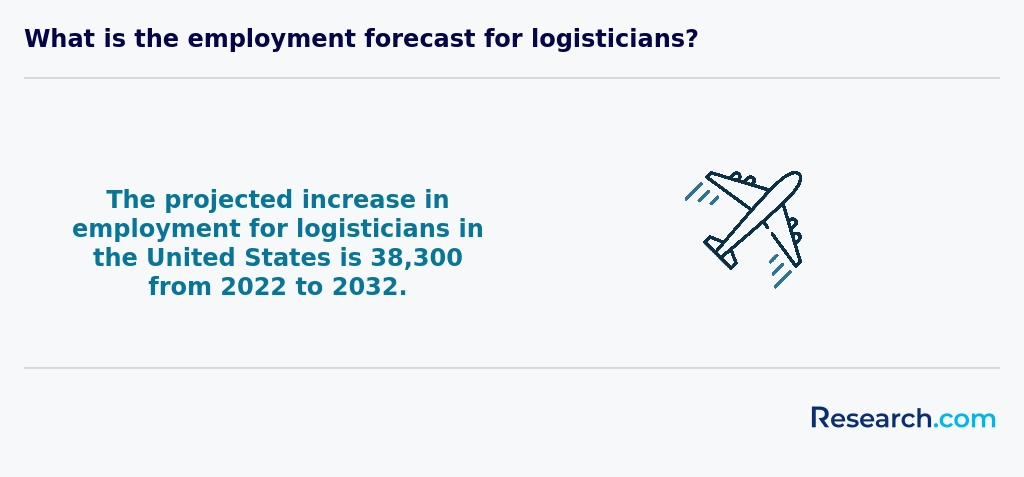
American logistics degrees emphasize skills in international trade, transportation, and technology integration to prepare graduates for global challenges. The U.S. Bureau of Labor Statistics (2023) projects a 11% growth rate for logisticians through 2031, driven by global e-commerce and international manufacturing.
Such trends highlight the demand for logistics experts who understand global regulations, customs, and sustainable practices. Universities in the U.S. often collaborate with international firms, providing students exposure to worldwide logistics operations and diverse markets.
Gaining practical experience while studying for a logistics degree in America is essential for career readiness. Many universities offer internships through partnerships with logistics companies, allowing students to apply classroom knowledge in real-world settings. According to the Bureau of Labor Statistics, internships can increase job placement rates by up to 15% in supply chain fields.
Additionally, cooperative education programs (co-ops) integrate paid work experiences with coursework, offering hands-on exposure without extending graduation timelines. Participating in student-run logistics clubs and case competitions can also develop practical skills such as problem-solving and team collaboration.
Some schools provide simulation labs where students practice supply chain management technologies used by industry leaders like Amazon and FedEx. These options collectively enhance employability upon graduation.
Choosing the right concentration within a logistics degree program in America depends on your career goals and interests. Common concentrations include supply chain management, transportation, warehousing, and procurement. Each offers distinct skills valued in the logistics industry, which is expected to grow by 23% through 2031, according to the U.S. Bureau of Labor Statistics.
Consider industry demand in your chosen field. For example, supply chain management roles are rapidly expanding due to globalization and e-commerce growth. Reviewing job postings and networking with professionals can provide insights.
Finally, ensure that your chosen program is accredited by recognized agencies like ACBSP or AACSB to maintain quality education standards.
Top Trending Logistics Rankings
References
- 5 Key Logistics Management Challenges - PLS Logistic Services https://www.plslogistics.com/blog/5-challenges-that-logistics-managers-face-every-day/
- Requirements For A Transportation And Logistics Degree - Logistics Degree https://logisticsdegree.net/requirements-for-earning-a-degree-in-transportation-and-logistics/
- 4 logistics challenges in 2024 https://www.dhl.com/discover/en-nz/logistics-advice/logistics-insights/logistics-challenges-and-supply-chain-solutions
- Top Skills Employers Look for In Supply Chain Students https://scmtalent.com/top-skills-employers-look-for-in-supply-chain-students/
- Job Opportunities After Completing a Logistics Course - International School of Skill Development https://issd.org.in/blog/job-opportunities-after-completing-a-logistics-course/
- Logistics and Supply Chain Management https://akademiata.pl/en/offer/bachelor/logistics-and-supply-chain-management/
- Logistics Manager Certifications: Best Credentials to Advance Your Career | Teal https://www.tealhq.com/career-paths/logistics-manager-certifications
- Student Life - Master in Logistics and Supply Chain Management - FSTM I University of Luxembourg https://www.uni.lu/fdef-en/study-programs/master-in-logistics-and-supply-chain-management/student-life/
- Business Administration (BBA) - Logistics and Supply Chain Management Concentration https://www.uagrantham.edu/online-degrees/business-administration-bba-logistics-and-supply-chain-management-concentration/
- Events and networking https://logistics.org.uk/executivemembership/events-and-networking


