
2027 Most Popular Logistics Degree Programs Ranking in Missouri

Co-Founder and Chief Data Scientist
Considering a career in logistics? Choosing the right program can make all the difference in your future success.
This article presents the 2027 Most Popular Logistics Degree Programs Ranking in Missouri, developed by the Research.com team of data scientists. Their data-driven approach helps you identify top logistics degree programs worth your attention.
By reading this ranking, you'll gain valuable insights to make an informed decision, boosting your confidence as you plan your education and career path in a growing industry.
Start exploring opportunities that can lead to a rewarding future.
Key benefits of getting logistics degree in Missouri
- Graduates with a logistics degree in Missouri can earn competitive salaries, such as $84,640 annually for Logistics Coordinators and Specialists, and $63,130 for Customs Brokers, offering strong financial stability.
- Career paths include roles like Transportation Planner or Supply Chain Coordinator, with many Missouri graduates successfully joining industries like manufacturing, retail, and transportation.
- Completing a logistics degree online in Missouri offers flexibility and allows students to balance work and study, making it easier to gain valuable experience while earning their degree.
- Key benefits of getting logistics degree in Missouri
- What can I expect from logistics degree in Missouri?
- Where can I work with logistics degree in Missouri?
- How much can I make with logistics degree in Missouri?
- 2027 Most Popular Logistics Degree Programs Ranking in Missouri
- Key Findings
- How long does it take to complete logistics degree in Missouri?
- Emerging Trends in Logistics Education and Industry
- What's the difference between online and on-campus logistics degree?
- What is the average cost of logistics degree in Missouri?
- Certifications and Professional Development
- What financial aid is available to logistics degree students in Missouri?
- Emerging Trends in Logistics Education and Industry Opportunities
- What are the prerequisites for enrolling in logistics degree program in Missouri?
- What courses are typically in logistics degree programs in Missouri?
- What types of specializations are available in logistics degree programs in Missouri?
- How do you choose the best logistics degree in Missouri?
- What career paths are available for logistics degree students in Missouri?
- What is the job market for logistics degree in Missouri?
- Related Logistics Rankings for Nearby States
- Top Trending Logistics Rankings
What can I expect from logistics degree in Missouri?
The average cost of pursuing a logistics degree in Missouri typically varies depending on the institution, but students can expect public universities to offer more affordable tuition rates. Many graduates from universities such as the University of Missouri or Missouri State University report tuition costs ranging from $8,000 to $12,000 per year for in-state students. These costs are often considerably lower than private colleges, making public institutions a practical choice for controlling education expenses.
Financial aid and scholarships specifically targeting logistics and supply chain students are increasingly accessible, easing the financial burden. Graduates often describe the relief and motivation these resources provide, allowing them to focus on hands-on learning experiences like internships and case studies integrated with Missouri's logistics industry. Practical exposure at local hubs such as Kansas City International Airport further enhances the value of their education without added travel costs.
By balancing tuition affordability with strong industry connections, Missouri's logistics programs enable students to graduate feeling confident and ready to succeed, making the investment worthwhile.
Where can I work with logistics degree in Missouri?
Graduates with a logistics degree from Missouri universities like the University of Missouri or Missouri State University find diverse job opportunities across the state's thriving industries. Many secure roles in freight and cargo transportation near hubs such as Kansas City Southern or BNSF Railway, where they apply their skills as logistics coordinators or transportation managers. Working in these fast-paced settings gives them real-world experience managing supply chains and optimizing freight movement.
Others join manufacturing giants like Boeing or Ford, using their knowledge to improve inventory control and production scheduling. These roles offer hands-on involvement in streamlining complex operations, making graduates feel valued and accomplished. Retail and e-commerce sectors are also popular, with companies like Walmart and Amazon providing careers in warehouse management and demand planning, making daily work engaging and impactful.
Public sector positions within the Missouri Department of Transportation attract graduates passionate about infrastructure and traffic planning. Many alumni share how these roles allow them to contribute to community improvements while growing professionally in a supportive environment.
How much can I make with logistics degree in Missouri?
Graduates with a logistics degree in Missouri can expect solid earning potential, especially when starting out or moving into specialized roles. For instance, logistics coordinators and specialists typically earn around $84,640 annually, reflecting strong demand in metropolitan hubs like St. Louis and Kansas City where many graduates from the University of Missouri system find rewarding positions.
Entry-level roles such as transportation planners or supply chain coordinators usually start near $46,690 per year, a good baseline for recent graduates from institutions including Missouri State University. These positions offer excellent opportunities to build practical skills and advance quickly.
Customs brokers based in Missouri earn about $63,130 annually, illustrating potential for mid-career growth through certification and specialization. Graduates who pursue professional credentials alongside their degree often enhance their earning power significantly.
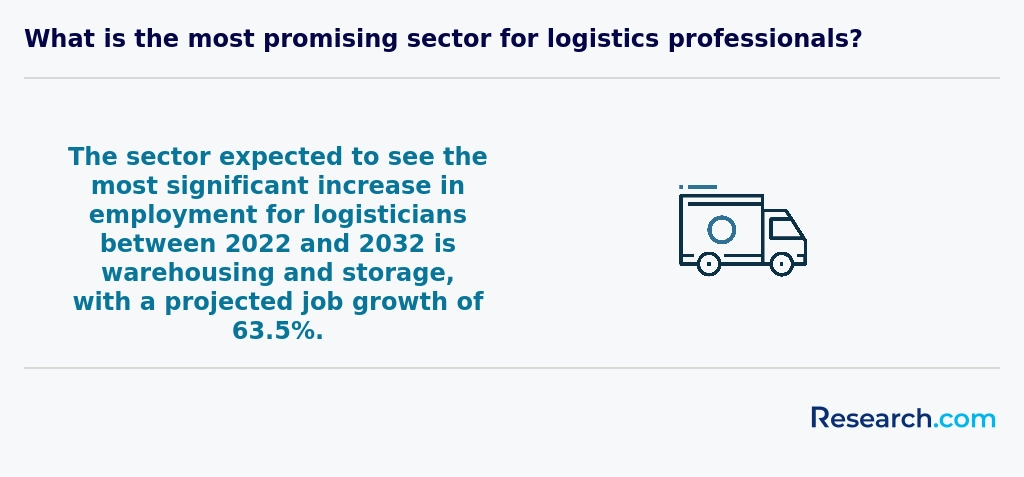
Many logistics students appreciate the strategic advantage Missouri's central location offers, making it easier to enter diverse industries like warehousing and distribution, which fuels competitive wages and exciting career paths right after graduation.
2027 Most Popular Logistics Degree Programs Ranking in Missouri
How do we rank schools?
Investing in your education is a significant decision that can shape your future, and the Research.com team understands the importance of making informed choices. To assist prospective students in Missouri, we have meticulously developed the "2027 Most Popular Logistics Degree Programs Ranking in Missouri." Our dedication to quality, credibility, and accuracy is demonstrated through thorough research and careful analysis involved in compiling this ranking.
We utilized the following reputable data sources to ensure a comprehensive evaluation of logistics degree programs:
By exploring this ranking, readers will gain valuable insights into the most popular logistics degree programs in Missouri, empowering them to make informed decisions about their educational journeys. For more information on our ranking process, please visit our Research.com methodology page.

# 2 position
Missouri State University-Springfield
Bachelor of Supply Chain, Logistics, and Operations Management


Key Findings
- Logistics degrees in Missouri benefit from the state's central location with access to major highways, railroads, and airports.
- Tuition costs range from $9,000 to $12,000 per year at public universities for in-state students, while private schools may charge over $20,000 annually.
- Entry-level salaries for logistics graduates start between $45,000 and $50,000 per year, with mid-career salaries often exceeding $70,000.
- Employment in logistics-related jobs in Missouri is projected to grow by 7% to 10% over the next decade.
- Degree programs typically combine business, technology, and transportation courses, and many schools offer internships with local companies for hands-on experience.
How long does it take to complete logistics degree in Missouri?
Completing a logistics degree in Missouri generally takes between two to four years, depending on whether you pursue an associate or bachelor's degree. For example, students at Metropolitan Community College or St. Louis Community College often finish an associate degree in about two years by taking around 60 credit hours. This path is ideal if you want to enter the workforce quickly with solid foundational skills.
On the other hand, bachelor's degree programs at the University of Missouri (Mizzou) or Missouri State University commonly require about four years of full-time study. These programs include a mix of general education, core logistics topics, and electives, offering graduates a comprehensive education that employers highly value. Many students share how this longer timeline gave them confidence to tackle complex supply chain challenges.
If you are balancing work or family, part-time study can extend your program to six years, which many adult learners find manageable while advancing their careers. Some Missouri schools also offer accelerated or online options, perfect for motivated students eager to complete their degrees sooner without sacrificing quality.
Emerging Trends in Logistics Education and Industry
Staying ahead of industry shifts is essential for logistics degree students, as programs evolve to meet demands for automation, data analytics, and sustainability. Today’s curricula increasingly incorporate courses on AI-driven supply chain optimization, Internet of Things (IoT) for real-time tracking, and blockchain for secure transactions. Graduates with hands-on experience in these technologies are highly sought after by employers aiming to reduce costs and improve transparency. E-commerce growth and same-day delivery expectations have fueled demand for expertise in last-mile logistics and reverse logistics, prompting universities to develop specialized labs and simulation centers. Additionally, green logistics-focusing on carbon footprint reduction and circular supply chains-has become a cornerstone of many programs, equipping students to design eco-friendly distribution networks and adhere to emerging regulatory standards. As the line between academia and industry blurs, partnerships with tech providers and logistics firms offer internships where students can pilot autonomous vehicles, warehouse robotics, and advanced TMS platforms. Many institutions now encourage professional certifications (e.g., CSCP, CLTD) alongside degree completion to enhance credibility and career prospects. For those seeking cost-effective alternatives or specialized weekend courses that embrace these trends, our Low Cost Logistics Degree Programs Ranking in Miami, FL provides a curated list of programs blending affordability with cutting-edge curriculum. By choosing a program aligned with these emerging trends, students will be well-prepared to lead in a rapidly transforming logistics landscape.
What's the difference between online and on-campus logistics degree?
Choosing between an online or on-campus logistics degree in Missouri often comes down to how you prefer to learn and engage. Graduates from Missouri State University and the University of Missouri frequently share how on-campus programs gave them hands-on experience with warehouses and simulation labs, which sparked confidence when entering the workforce. These face-to-face settings also made networking easier through career fairs and internships in local transport hubs like Kansas City.
On the other hand, online programs offer flexibility that suits students working full time or juggling family. Many online learners appreciate being able to complete coursework asynchronously without commuting or extra campus fees. However, they need to be comfortable with digital platforms and self-motivation to keep pace.
Cost differences can be subtle-Missouri's public universities charge roughly $10,000 annually for in-state students regardless of format. To succeed, consider your schedule, learning style, and desire for in-person networking within Missouri's logistics community.
What is the average cost of logistics degree in Missouri?
The average cost of a logistics degree in Missouri is around $34,157 for both in-state and out-of-state students, based on median total expenses. However, many students at popular institutions such as the University of Missouri find the actual cost varies depending on whether they qualify for in-state tuition, financial aid, and scholarships available through state programs targeting high-demand fields like logistics and supply chain management.
Graduates commonly share that while tuition is a significant expense, the overall financial impact is often eased by careful planning and utilizing resources offered by their schools. For example, an in-state student might pay closer to $13,903 in total tuition, which makes completing a degree at a public university more manageable. Meanwhile, private colleges generally have higher fees, but their flexible financial aid options can help offset initial sticker prices.
Beyond tuition, expenses such as textbooks, transportation, and living costs add roughly $8,000 to $10,000 annually, so budgeting for these is essential. Many logistics students emphasize how small actions-like renting textbooks, carpooling, or living on-campus-can improve affordability while maintaining focus on academics and career goals.
Prospective students looking to find the most cost-effective route should consider researching the cheapest logistics school in missouri to optimize their investment. Exploring these options early allows for financial strategies that align with personal needs and ensures a rewarding educational journey in logistics.

Certifications and Professional Development
Adding industry‐recognized certifications and ongoing professional development can significantly boost the value of your logistics degree in Missouri. Many graduates complement their bachelor’s studies with credentials that demonstrate specialized expertise: – APICS Certified in Logistics, Transportation and Distribution (CLTD): Validates skills in end-to-end supply chain processes and best practices. – APICS Certified Supply Chain Professional (CSCP): Focuses on the integration of suppliers, plants, distributors and customers. – Lean Six Sigma Green/Black Belt: Equips you with process-improvement tools to reduce waste and boost operational efficiency. – Project Management Professional (PMP): Offers advanced project planning and execution methodologies, ideal for complex logistics projects. – Certified Professional in Supply Management (CPSM): Demonstrates proficiency in strategic sourcing and supplier relationship management. For those beginning their journey, enrolling in the best associate in logistics program online can lay a solid foundation before pursuing advanced certificates. In addition, professional organizations such as the Council of Supply Chain Management Professionals (CSCMP) and the International Society of Logistics (SOLE) offer workshops, webinars, and networking events that keep you updated on emerging trends like blockchain in logistics and sustainable supply chains. Engaging in these certifications and communities not only enhances your resume but also fosters the lifelong learning mindset valued by top employers in Missouri’s logistics sector.
What financial aid is available to logistics degree students in Missouri?
Missouri students pursuing logistics degrees often rely on a mix of federal aid and state programs to manage tuition costs, which range from $8,000 to $12,000 annually at public universities like University of Missouri and Missouri State University. Completing the FAFSA is the essential first step, unlocking access to Pell Grants that can reduce expenses by up to $7,500 yearly and low-interest federal loans. Graduates report that these funds significantly eased their financial stress, allowing them to focus on coursework and internships.
State resources like the Access Missouri Financial Assistance Program offer need-based grants tailored for residents, while the A+ Scholarship helps those transferring from community colleges such as St. Louis Community College to four-year schools. This pathway not only makes education affordable but also flexible.
For many students, scholarships from organizations like the Council of Supply Chain Management Professionals provide crucial merit-based aid, rewarding leadership and academic success in logistics.
Employers in Missouri's dynamic logistics sector often support tuition reimbursement. Students working part-time in companies around Kansas City or Springfield frequently use this benefit to balance work and study effectively.
Emerging Trends in Logistics Education and Industry Opportunities
In today’s rapidly evolving global market, logistics education is embracing emerging technologies and innovative practices that are reshaping the industry. Modern programs are increasingly integrating courses on artificial intelligence, blockchain, and data analytics to prepare graduates for the challenges of a digital supply chain environment. Sustainability and green logistics are also gaining prominence as schools align curricula with industry demands for eco-friendly practices. These advancements not only enhance learning experiences but also open doors to diverse career paths, from managing smart warehouses to developing ethical sourcing strategies. Students can benefit from programs that offer real-world exposure through partnerships with industry-leading companies and internships that provide hands-on experience with cutting-edge technology. This focus on emerging trends is a key factor when evaluating the value of a program, particularly when considering affordability and long-term career growth. For those seeking comprehensive yet budget-friendly options, exploring institutions such as the cheapest logistics school in missouri can be an excellent start. By staying updated on technological advancements and market innovations, prospective students are better positioned to make informed decisions that align with the future needs of the logistics industry. This proactive approach not only enriches their academic journey but also builds a strong foundation for success in a competitive field.
What are the prerequisites for enrolling in logistics degree program in Missouri?
To enroll in a logistics degree program in Missouri, you'll need a high school diploma or equivalent, such as a GED, with a GPA typically between 2.5 and 3.0. Graduates from well-known Missouri institutions often recall how having solid math and English skills made challenging coursework in logistics and supply chain management much smoother. For example, students from universities like the University of Missouri emphasize that comfort with algebra and basic statistics was crucial for success in their classes.
Many programs also consider SAT or ACT scores, though some colleges have test-optional policies, which can ease the application process. It helps to complete prerequisite courses related to business or statistics ahead of time, providing a helpful foundation for real-world logistics problem-solving.
Those transferring from community colleges should ensure their transcripts show strong performance in general education and introductory business courses, as this can streamline admission. Graduates often highlight that submitting a personal statement about their passion for logistics and letters of recommendation boosted their applications and connected them with faculty mentors early on.
What courses are typically in logistics degree programs in Missouri?
Logistics degree programs in Missouri commonly include courses designed to equip you with practical skills and hands-on knowledge essential for the industry. Graduates from well-known institutions like the University of Missouri and Missouri State University often highlight the value of courses such as Introduction to Logistics and Supply Chain Management, which lays the groundwork by explaining how goods, information, and services flow efficiently across regions.
Courses in Transportation Management are vital, teaching about multiple freight modes and regulations, especially relevant since Missouri serves as a key transportation hub. Students appreciate learning about real-world freight logistics that connect Kansas City rail centers to broader networks.
Other essential classes include Inventory Control and Warehousing, emphasizing inventory techniques and warehouse operations that students say prepare them for roles in Amazon or Target distribution centers based in Missouri.
Procurement and Sourcing and Operations Management help balance costs and quality, skills graduates often find useful in regional companies. Additionally, training in Information Technology in Logistics familiarizes students with software like ERP and WMS systems, bridging classroom theory with daily logistics challenges.
Electives such as business statistics or transportation law often round out studies, allowing students at Missouri community colleges and universities to tailor their education to real local industry needs and career goals.
What types of specializations are available in logistics degree programs in Missouri?
Students pursuing logistics degree specializations in Missouri often focus on areas like Supply Chain Management, which covers coordinating production and shipment processes. Graduates from popular universities in Missouri recall applying what they learned about optimizing supplier relations and inventory control in hands-on internships tied to local businesses. Transportation Management is another key specialization, leveraging Missouri's central location near hubs like Kansas City to teach freight movement and route planning-skills essential for careers in trucking or railroads. Many graduates find this practical focus drives quick employment after graduation.
Warehouse and Distribution Management is favored by those interested in managing storage and distribution centers, emphasizing space utilization and safety. Logistics students sharing their experiences at Missouri colleges highlight how technology integration, including automation, prepares them for growing industry demands. Emerging specializations such as Logistics Analytics combine logistics knowledge with data analysis, offering strong job prospects by helping companies improve supply chain decisions.
For those weighing options, exploring the best associate in logistics program online can provide flexible paths tailored to these specializations.
Missouri logistics program concentration options like these demonstrate the practical career preparation that resonates positively with students seeking real-world application of their skills.
How do you choose the best logistics degree in Missouri?
Focus on program accreditation and curriculum when choosing the best logistics degree programs Missouri offers. Graduates from universities near logistics hubs like St. Louis often highlight how coursework aligned with the Council of Supply Chain Management Professionals (CSCMP) standards prepared them well for real-world challenges. Programs featuring hands-on internships with Missouri's extensive transportation network help students build practical skills and industry connections.
Consider costs carefully. Public colleges in Missouri typically charge between $9,000 and $11,000 annually for in-state students, making affordable logistics degrees in Missouri a realistic option. Graduates appreciate balancing quality education with manageable tuition, especially when supplemented by scholarships or financial aid.
Look for programs offering certifications such as APICS or Six Sigma. Recent graduates note these credentials boosted their employability in Missouri's competitive market. Also, explore flexible formats like hybrid or online options that cater to working professionals.
Many students find it helpful to compare local program offerings with comprehensive rankings like the Low Cost Logistics Degree Programs Ranking in Miami, FL to understand affordability and quality elsewhere.
What career paths are available for logistics degree students in Missouri?
Graduates with a logistics degree in Missouri have access to diverse logistics career opportunities in Missouri, including roles like supply chain analyst, logistics coordinator, transportation manager, and warehouse manager. These careers often involve working with companies in key Missouri hubs such as St. Louis and Kansas City, where large distribution centers from Amazon and Walmart create vibrant job markets. Many graduates from popular Missouri colleges emphasize the real-world skills gained through internships nearby, which help them confidently manage shipment schedules and optimize supply chains.
Job prospects also include procurement specialists and freight forwarders, positions that combine negotiation expertise with supply chain knowledge. Students from Missouri universities report satisfaction in securing roles where operations and purchasing intersect. Additionally, data analyst roles in logistics are growing due to advanced technology use in regional businesses, making skills in transportation management systems and ERP software highly sought after. Those investigating affordable paths to enter the field often explore options like accelerated online associates degree programs to complement their studies and improve market readiness.
What is the job market for logistics degree in Missouri?
The logistics degree job market Missouri offers is vibrant, especially for graduates from well-known institutions like the University of Central Missouri and Missouri State University. These graduates often share that securing positions in transportation management, warehouse operations, or supply chain analysis is realistic given Missouri's strategic location as a central hub. The demand from regional companies means opportunities are available for those who combine academic knowledge with practical experience.
Many logistics students emphasize the value of internships and cooperative education programs offered by Missouri universities, which have helped them transition smoothly into roles with competitive salaries. Warehousing, inventory management, and procurement positions are among the most accessible and growing fields. With employment expected to grow about 6% from 2022 to 2032, the Missouri logistics degree employment outlook is encouraging for new graduates.
Cost-conscious students appreciate that public universities in Missouri have competitive tuition rates, especially for in-state residents, making it easier to pursue logistics degrees without heavy debt. For those considering advanced paths, some even explore easy doctoral programs to deepen their expertise and expand career options.
Frequently Asked Questions About logistics
Logistics degree students in Missouri can maximize their learning by engaging in internships with the state's robust transportation and distribution sectors. Missouri ranks as a central logistics hub in the U.S., hosting major companies like Amazon and Walmart, providing numerous practical opportunities. Participating in hands-on experiences helps students apply classroom theories and develop professional networks.
Additionally, students should seek programs that offer coursework aligned with industry needs, such as supply chain analytics and transportation management. Utilizing Missouri's strong career services and attending relevant industry conferences in cities like St. Louis and Kansas City further supports career readiness.
According to the Missouri Department of Economic Development, logistics and transportation jobs are projected to grow by 5% through 2030, highlighting the sector's importance.
The logistics field in Missouri is evolving rapidly with emerging niches driven by technological advances and regional economic needs. One growing area is supply chain analytics, where professionals use data to optimize inventory and reduce costs. According to the Missouri Economic Research and Information Center, demand for data-savvy logisticians in St. Louis and Kansas City is rising steadily.
Another niche gaining momentum is e-commerce fulfillment logistics. With online shopping surging nationwide, Missouri warehouses are expanding to meet faster delivery expectations, creating roles focused on automation and last-mile delivery strategies.
Additionally, sustainable logistics is becoming vital as Missouri companies seek eco-friendly transportation and packaging solutions. The Missouri Department of Transportation supports greener freight initiatives, influencing curricula in local logistics programs.
Graduates with a logistics degree in Missouri can enhance their job prospects by gaining practical experience through internships or cooperative education programs offered by many state universities. The Missouri Department of Economic Development reports that logistics and supply chain management jobs are expected to grow by about 7% through 2030, signaling steady demand. Networking within Missouri's robust transportation hubs, such as St. Louis and Kansas City, is vital. Joining professional organizations, like the Council of Supply Chain Management Professionals (CSCMP), can connect graduates to local industry resources and job leads. Additionally, obtaining certifications such as the Certified Supply Chain Professional (CSCP) further strengthens a candidate's profile.
Employers in Missouri value logistics graduates who demonstrate strong analytical and problem-solving skills. These abilities are essential for managing supply chains efficiently and adapting to disruptions, which is crucial given Missouri's central role as a transportation hub in the U.S., including major distribution centers near Kansas City and St. Louis (Bureau of Labor Statistics, 2023).
Communication skills also rank highly, as logistics professionals often coordinate between suppliers, transporters, and customers. Proficiency with technology, such as inventory management software and data analysis tools, is increasingly important in Missouri's growing logistics sector.
Additionally, knowledge of regulatory compliance and safety standards, particularly those relevant to Missouri's trucking and warehousing industries, improves employability. Employers expect graduates to blend technical expertise with practical understanding of Missouri's unique logistics environment.
Finding internships in Missouri related to a logistics degree involves leveraging several local resources and industry connections. The state is home to major logistics hubs such as Kansas City, St. Louis, and Springfield, which host numerous companies specializing in transportation, warehousing, and supply chain management. According to the Missouri Economic Research and Information Center (MERIC), the transportation and warehousing sector employs over 85,000 workers statewide, presenting ample internship opportunities.
Students should start by contacting university career centers, as many Missouri colleges collaborate with local businesses for internships. Platforms like Missouri Job Center and Handshake also list logistics internships targeted at students and recent graduates. Networking through professional organizations such as the Council of Supply Chain Management Professionals (CSCMP) St. Louis Roundtable can provide inside access to industry openings. Applying early and tailoring resumes to highlight relevant coursework and skills can improve chances significantly.
A logistics degree in Missouri significantly enhances career mobility and advancement opportunities within the state's growing transportation and supply chain sectors. Graduates equipped with logistics knowledge are in demand due to Missouri's strategic location as a national transportation hub, especially with major freight routes like I-70 and proximity to the Mississippi River.
According to the Missouri Economic Research and Information Center, jobs in logistics and supply chain management are expected to grow 6% from 2020 to 2030, slightly above the national average. Holders of logistics degrees often qualify for management roles more quickly, benefiting from skills in inventory management, procurement, and distribution planning.
Many Missouri employers value formal education combined with practical experience, meaning that completing a logistics degree can open doors to leadership positions and higher salary tiers. Networking through internships and partnerships with local companies further aids career progression in this field.
Studying for a logistics degree in Missouri equips students with a broad set of skills that apply across multiple industries. Programs often combine supply chain management, transportation, and business analytics, fostering a deep understanding of how products move efficiently from suppliers to consumers.
Missouri's central location in the United States makes it a key logistics hub, offering students practical exposure to real-world challenges faced by companies like Amazon and FedEx operating in the state, according to the Missouri Economic Research and Information Center (MERIC).
Courses emphasize teamwork and problem-solving, encouraging collaboration across disciplines such as finance, information technology, and marketing. This interdisciplinary approach helps graduates adapt to diverse roles in manufacturing, retail, and distribution centers.
Choosing between a thesis and a non-thesis logistics degree program in Missouri depends largely on your career goals and learning preferences. Thesis programs emphasize research and prepare students for roles in academia or positions requiring advanced analytical skills. Non-thesis programs focus on practical knowledge and coursework, ideal for those seeking immediate entry into logistics management or supply chain operations.
Missouri's logistics industry is valued at over $20 billion annually, with growing demand for skilled professionals in fields like transportation and warehousing, according to the Missouri Economic Research and Information Center. Opting for a thesis program may suit students aiming for specialized research or doctoral studies, while non-thesis paths typically offer flexibility and faster completion times.
Consider faculty expertise, program accreditation, and opportunities for internships within Missouri's robust logistics sector when making your decision. Both tracks can lead to rewarding careers but serve different professional trajectories.
Students based in Missouri seeking to study logistics abroad have various pathways through partnerships and exchange programs offered by Missouri universities. Several Missouri institutions, such as the University of Missouri, provide international study options integrated into their supply chain and logistics curricula.
These programs often partner with universities in Europe and Asia, allowing students to gain global logistics perspectives while earning credits toward their degree. Access to such opportunities is important since Missouri hosts a significant logistics industry hub, including major distribution centers like those of Amazon and FedEx.
International study enhances understanding of global supply chains, an asset in Missouri's growing logistics job market, which the Missouri Economic Research and Information Center notes is expanding steadily. Students are encouraged to consult their academic advisors early to identify available programs and scholarship options.
Students pursuing logistics degrees in Missouri can benefit from several part-time job opportunities that offer practical experience. Positions such as warehouse associates, inventory clerks, and shipping coordinators provide hands-on understanding of supply chain operations. According to the Missouri Economic Research and Information Center, the state's transportation and warehousing sectors employ over 43,000 workers, reflecting strong local demand.
Additionally, part-time roles in customer service or procurement within logistics companies help develop communication and negotiation skills critical for career advancement. Internships at major Missouri hubs, like the Kansas City Southern Railway or St. Louis Lambert International Airport, also offer valuable exposure to real-world logistics challenges and technologies.
Logistics students in Missouri benefit from a variety of networking opportunities through regional industry groups and university partnerships. The Missouri Chapter of the Council of Supply Chain Management Professionals (CSCMP) regularly hosts events, workshops, and conferences that connect students with local logistics professionals. According to CSCMP, these gatherings allow students to engage with companies in transportation, warehousing, and supply chain sectors.
Additionally, universities like the University of Missouri and Missouri State University offer career fairs and alumni networking sessions specifically for logistics and supply chain students. These events help students obtain internships and entry-level positions in Missouri's growing logistics industry, which contributes significantly to the state's $80 billion annual transportation economy, as reported by the Missouri Department of Transportation.
Alumni networks offer significant benefits to logistics degree students in Missouri by connecting them with experienced professionals in the field. Graduates from Missouri institutions often leverage these networks to access job openings, internships, and mentorship opportunities. According to the Missouri Economic Research and Information Center (MERIC), the state's transportation and logistics sector employs over 150,000 workers, making networking crucial for entering this competitive market.
These networks also facilitate knowledge sharing about local industry trends, such as supply chain advancements in Kansas City and St. Louis. Alumni events, both virtual and in-person, provide valuable career insights and foster lasting professional relationships.
Moreover, participation in alumni groups can improve employment prospects, as 80% of jobs in logistics are filled through networking, per the Council of Supply Chain Management Professionals (CSCMP).
Students pursuing logistics degrees in Missouri can tailor their programs to align with specific career goals by selecting from various concentrations such as supply chain management, transportation, or operations. Many Missouri institutions offer elective courses allowing focus on emerging areas like data analytics or global logistics. Practical experience options, including internships and cooperative education programs, enable students to gain hands-on skills directly relevant to industries prominent in the state, like manufacturing and distribution.
Missouri's strategic location as a central transportation hub supports opportunities in sectors like freight and warehousing, influencing curriculum choices. According to the Missouri Economic Research and Information Center, logistics-related employment is projected to grow by 5% through 2030, highlighting the value of specialized knowledge.
Logistics students in Missouri commonly face challenges related to balancing rigorous academic coursework with gaining practical industry experience. Many programs emphasize supply chain management, requiring students to master complex software and analytics tools, which can be difficult without prior exposure. According to the Missouri Economic Research and Information Center, the state's logistics sector is growing, increasing demand for internships that are sometimes competitive or limited in availability. Additionally, students encounter challenges in understanding regulatory compliance and transportation laws specific to Missouri and the broader Midwest region. These factors combined illustrate the demanding nature of logistics education in the state.
With a logistics degree in Missouri, graduates can enhance their career prospects by pursuing various professional certifications. Popular options include the Certified Supply Chain Professional (CSCP) and the Certified in Logistics, Transportation and Distribution (CLTD), both offered by APICS. These certifications validate expertise in supply chain management and distribution operations.
Additionally, the Certified Professional Logistician (CPL) credential from the International Society of Logistics is recognized nationwide. Missouri's growing transportation and warehousing sectors benefit from professionals holding such certifications, showcasing advanced skills in managing complex supply chains.
According to the Missouri Economic Research and Information Center, logistics jobs have grown 7% over recent years, increasing demand for certified experts in the field.
Writing a winning application for a logistics program in Missouri involves clear presentation of your academic and practical experience. Missouri hosts strong supply chain industries, making programs competitive, especially in cities like St. Louis and Kansas City. Highlight any relevant coursework in business, transportation, or inventory management, and emphasize internships or work experience in logistics or related fields. Missouri Department of Economic Development reports a growing demand for logistics professionals, so mention your understanding of regional industry trends backed by data if possible.
Additionally, a well-crafted personal statement should articulate your career goals and how Missouri's programs align with them. Strong letters of recommendation from professionals or professors knowledgeable about logistics add credibility. Finally, ensure your application is free of errors and submitted well before deadlines common among Missouri universities, such as the University of Missouri or Missouri State University.
Logistics careers have a strong global outlook, reflecting the interconnected nature of supply chains and trade. Professionals with a logistics degree in Missouri benefit from the state's strategic location near major transport hubs like St. Louis and Kansas City, which link U.S. markets to global shipping routes.
The U.S. Bureau of Labor Statistics projects 11% job growth for logisticians nationwide from 2022 to 2032, faster than average compared to other occupations. Missouri's logistics sector supports this trend with growing demand in manufacturing, e-commerce, and distribution.
Globally, logistics expertise is crucial for efficient international trade, making graduates attractive for companies managing cross-border operations. Earning a logistics degree in Missouri equips students with skills valued worldwide, including supply chain management, transportation, and technology integration.
Gaining practical experience while studying for a logistics degree in Missouri is essential for career readiness. Many Missouri universities partner with local businesses and warehouses to offer internships that provide hands-on learning in supply chain management and transportation.
Students can also participate in cooperative education (co-op) programs, where they alternate between classroom study and paid work terms related to logistics. For example, Missouri's transportation sector, including freight and warehousing, contributes over $50 billion annually to the state economy (Missouri Economic Research and Information Center).
Additionally, student organizations and competitions, such as supply chain case challenges, help develop real-world skills. Volunteering with logistics-related projects in community development or disaster relief can further enhance practical knowledge.
Choosing the right concentration within a logistics degree in Missouri depends on your career goals and the state's economic landscape. Missouri is a transportation hub with strong industries in warehousing, manufacturing, and distribution. Specializations like supply chain management, transportation logistics, or operations management align with local job opportunities.
Consider labor market data from the Missouri Department of Economic Development, which highlights growth in logistics-related roles. For example, Missouri's freight transportation sector is projected to grow by 8% through 2030, according to the U.S. Bureau of Labor Statistics. This growth supports concentrations focused on freight and transportation logistics.
Additionally, look at program offerings at Missouri universities to find concentrations matching your interests in technology, analytics, or global logistics. Hands-on internships with regional companies can further guide your choice by providing practical experience in specific logistics fields.
Related Logistics Rankings for Nearby States
- 2027 Most Popular Logistics Degree Programs Ranking in Arkansas
- 2027 Most Popular Logistics Degree Programs Ranking in Illinois
- 2027 Most Popular Logistics Degree Programs Ranking in Tennessee
- 2027 Most Popular Logistics Degree Programs Ranking in Wisconsin
- 2027 Most Popular Logistics Degree Programs Ranking in Ohio
- 2027 Most Popular Logistics Degree Programs Ranking in Michigan
- 2027 Most Popular Logistics Degree Programs Ranking in Alabama
- 2027 Most Popular Logistics Degree Programs Ranking in West Virginia
- 2027 Most Popular Logistics Degree Programs Ranking in Georgia
- 2027 Most Popular Logistics Degree Programs Ranking in Texas
Top Trending Logistics Rankings
References
- Advance Your Career in Logistics and Supply Chain Management | CCU Online https://www.ccu.edu/blogs/cags/category/business/advance-your-career-in-logistics-and-supply-chain-management/
- Supply Chain & Logistics https://www.stchas.edu/programs-courses/programs/supply-chain-and-logistics.php
- Logistics Salary, Earnings & Influencing Factors | CBS https://www.cbs.de/en/blog/logistics-salary
- Operations & Logistics – Career and Life Design Center | University of Central Missouri https://careerandlife.ucmo.edu/channels/operations-logistics/
- Logistics Distance Learning Master’s Degree Program Without Thesis | IKU Graduate School http://enstitu.iku.edu.tr/en/masters-degree/logistics-distance-education-non-thesis-master-program
- Explore More https://aast.edu/en/colleges/citl/alex/dept/contenttemp.php
- Alumni Network - Global SCLM https://global-sclm.com/index.php/alumni-network/
- International Trade and Logistics Graduate Program (With / Non-Thesis) | Beykoz Üniversitesi https://www.beykoz.edu.tr/icerik/2251-international-trade-and-logistics-graduate-program-with-without-thesis
- Requirements For A Transportation And Logistics Degree - Logistics Degree https://logisticsdegree.net/requirements-for-earning-a-degree-in-transportation-and-logistics/
- Student Life - Master in Logistics and Supply Chain Management - FSTM I University of Luxembourg https://www.uni.lu/fdef-en/study-programs/master-in-logistics-and-supply-chain-management/student-life/


