
2027 Most Valuable Online Logistics Degree Programs Ranking in the USA

Co-Founder and Chief Data Scientist
Choosing the right logistics degree program can shape your future career and open up exciting opportunities in a growing industry. This article presents the 2027 Most Valuable Online Logistics Degree Programs Ranking in the USA, crafted by the Research.com team of data scientists. It's designed to help you make an informed decision about which programs truly stand out.
By exploring this ranking, you'll discover options that align with your goals and budget. Whether you're starting fresh or advancing your skills, a logistics degree offers valuable knowledge and promising career paths.
Key benefits of getting online logistics degree in America
- Salary for logistics degree graduates: Graduates can expect strong earning potential, with roles like Logistics Coordinator and Logistics Specialist averaging $84,640 per year, while Customs Brokers earn around $63,130 annually.
- Potential career paths: A logistics graduate from a top university often pursues diverse roles such as Transportation Planner or Supply Chain Coordinator, offering exciting opportunities across industries like shipping, manufacturing, and retail.
- Benefits of an online logistics degree: Online programs provide flexibility for busy adults, allowing graduates from respected schools to balance work and study while gaining the same valuable skills as traditional students.
- Key benefits of getting online logistics degree in America
- What can I expect from online logistics degree in America?
- Where can I work with online logistics degree in America?
- How much can I make with online logistics degree in America?
- 2027 Most Valuable Online Logistics Degree Programs Ranking in the USA
- Key Findings
- How long does it take to complete online logistics degree in America?
- What's the difference between online and on-campus logistics degree?
- Emerging Trends and Innovations in Logistics Education
- What is the average cost of online logistics degree in America?
- What financial aid is available to online logistics degree students in America?
- Future Trends in Logistics and In-Demand Skills
- What are the prerequisites for enrolling in online logistics degree program in America?
- Return on Investment (ROI) Analysis: Maximizing the Value of Your Online Logistics Degree
- What courses are typically in online logistics degree programs in America?
- What types of specializations are available in online logistics degree programs in America?
- How do you choose the best online logistics degree in America?
- What career paths are available for online logistics degree students in America?
- What is the job market for online logistics degree in America?
- Top Trending Logistics Rankings
What can I expect from online logistics degree in America?
The average cost of an online logistics degree in America typically ranges between $20,000 and $50,000 for a bachelor's program, with master's degrees often hitting $30,000 to $70,000 depending on the institution. Graduates from respected schools in states like Michigan or Arizona often recall balancing budget with quality, investing in programs with flexible payment plans that felt like a smart trade-off for gaining hands-on ERP and TMS experience. The real value jumps off the screen when you picture them confidently negotiating supply contracts or streamlining warehouse operations, skills born from immersive simulations and industry partnerships integrated into their coursework.
It's not just about tuition; many students find that financial aid, scholarships, and employer tuition reimbursement turn the cost into an attainable investment. Those who've tasted success in flagship universities often mention a sense of empowerment, knowing their degrees are backed by ACBSP or ABET accreditations-an assurance that employers respect.
Imagine juggling work, family, and studies, yet feeling energized by virtual labs and peer networks that mimic real supply chain pressures. The cost, while real, often feels like the price of unlocking a door to a thriving logistics career in America's expanding markets.
Where can I work with online logistics degree in America?
With an online logistics degree in America, graduates often find themselves steering the gears of supply chains in industries as varied as shipping hubs and sprawling warehouse floors. Imagine a recent graduate from Arizona State University diving into transportation management at a major freight company, optimizing delivery routes with high-tech tools to save time and costs-turning logistics puzzles into daily victories.
Others from Michigan State University have stepped into inventory control roles at nationwide retailers, where the pulse of e-commerce beats fastest. They handle warehouses like dynamic orchestras, keeping inventory precise and orders shipping seamlessly. It's a hands-on dance with data and deadlines that transforms chaos into smooth operations.
Manufacturing plants and health systems also eagerly welcome these grads. Picture someone from Pennsylvania State University coordinating just-in-time deliveries or managing emergency medical supplies, knowing their work keeps production lines humming and hospitals stocked when it matters most.
From entry-level analysts to confident managers, logistics careers in America are a vibrant promise filled with impact, challenge, and constant evolution-perfect for students wanting a career that moves as fast as the world around them.
How much can I make with online logistics degree in America?
Picture yourself, fresh from an online logistics degree program at a top-tier American institution, stepping into the vibrant world of supply chain mastery. Your first paycheck as a Logistics Coordinator could be around $84,640 per year, a figure that can feel like an opening door to exciting career possibilities. Fellow graduates from respected universities often find themselves in roles like Transportation Planner or Supply Chain Coordinator, both averaging about $46,690 annually - perfect stepping stones as you climb higher.
Imagine navigating bustling warehouses or coordinating shipments with the precision that your education sharpened. Some peers, specializing further, have become Logistics Specialists pulling in close to $84,640 annually, enjoying both challenge and reward. And if you lean toward customs, turning into a Customs Broker might net you around $63,130, blending strategic insight with international flair.
The satisfaction comes not just from numbers but the palpable sense of driving commerce forward. Whether you're managing inventory or optimizing routes, your degree fuels a career path with tangible growth and real-world impact, especially if your alma mater is among those leading online logistics education in America.
2027 Most Valuable Online Logistics Degree Programs Ranking in the USA
How do we rank schools?
Investing in your education is a significant decision that can shape your future, and the Research.com team understands the importance of making informed choices. To assist prospective students seeking excellence in logistics education, we have carefully developed the "2027 Most Valuable Online Logistics Degree Programs Ranking in the USA." Our dedication to quality, credibility, and accuracy is demonstrated through thorough research and data analysis behind this ranking.
We utilized the following reputable data sources to ensure a comprehensive evaluation of logistics degree programs:
By reviewing this ranking, readers will gain valuable insights into the most valuable online logistics degree programs, helping them make well-informed decisions about their educational investment and career advancement. For more information about how the ranking was created, please visit our Research.com methodology page.
# 1 position
Western Governors University
Bachelor of Supply Chain and Operations Management


# 3 position
Embry-Riddle Aeronautical University-Worldwide
Master of Logistics and Supply Chain Management


# 7 position
Florida State College at Jacksonville
Bachelor of Logistics


# 10 position
Colorado Christian University
Bachelor of Logistics and Supply Chain Management

# 11 position
Embry-Riddle Aeronautical University-Worldwide
Bachelor of Logistics and Supply Chain Management


Key Findings
- Most online logistics degrees in the U.S. are Bachelor of Science or Bachelor of Business Administration programs focused on logistics or supply chain management, usually lasting four years full-time.
- In-state tuition at public universities ranges from $7,000 to $15,000 per year, while out-of-state and private schools typically cost between $20,000 and $35,000 annually.
- The total cost for an online logistics degree usually falls between $30,000 and $60,000.
- The median annual wage for logisticians was about $77,030 in 2022, with entry-level salaries starting around $55,000 to $65,000.
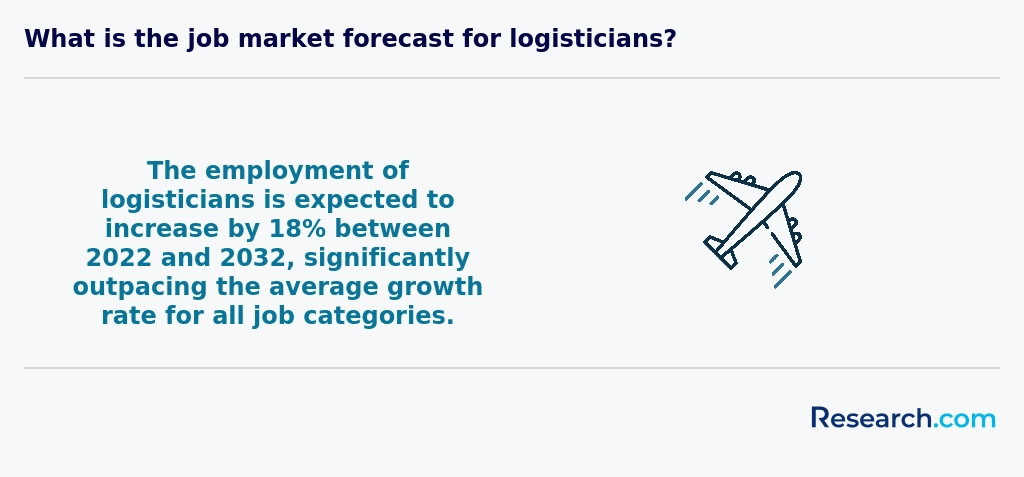
- Logistics jobs are projected to grow 7% from 2022 to 2032, driven by global trade, e-commerce, and supply chain needs across various industries.
- Top programs are accredited by bodies like ACBSP or AACSB, ensuring quality education and practical skills through virtual labs and local internships.
How long does it take to complete online logistics degree in America?
Imagine juggling a full-time job while earning your logistics degree from a college like Arizona State University or Rutgers. For many students, the path to a bachelor's in logistics stretches about four years if you dive in full-time, a steady marathon through supply chains and inventory theories. Yet, for those balancing life's twists-perhaps a parent or a busy professional-part-time options gently extend that journey to five or six years, letting you pace yourself without sacrificing ambition.
Associate degrees, often stepping stones offered by community colleges, wrap up in roughly two years. Graduates often recall how these compact programs were the perfect launchpad to transfer credits and keep momentum towards a bachelor's degree at schools like the University of Tennessee.
Master's students embracing online programs from places like Michigan State University experience a blend of intensity and flexibility-typically finishing full-time within 18 months to two years, while part-timers weave their studies over up to three years. Accelerated courses with eight-week terms transform the slog of semesters into sprints, making the finish line feel that much closer, energizing students eager to join America's thriving supply chain workforce.
What's the difference between online and on-campus logistics degree?
Picture juggling your day job and evening classes while sipping coffee in your favorite nook-that's the reality for many online logistics students at institutions like Arizona State University. The asynchronous format lets you hit pause and play on your studies, tailoring learning around life's chaos. On-campus, say at Michigan State University, logistics grads cherish the buzz: face-to-face debates, instant lab access, and networking over coffee in bustling campus halls, crafting bonds that double as career ladders.
Cost whispers loudly too. Public universities in America can ask $10,000 to $15,000 yearly on campus, while some online programs drop that to $7,000 or so-more wallet-friendly for the busy adult learner. Online learners often navigate virtual internships, stitching together experience proactively, contrasting with the structured, local partnerships traditional students tap into effortlessly.
Both paths deck you out with the same industry badges-like the CSCP-and share accreditation gold stars from bodies such as ACBSP, ensuring your diploma shines wherever you go.
Emerging Trends and Innovations in Logistics Education
In response to rapid technological advances and shifting supply chain demands, modern online logistics degree programs are incorporating cutting-edge topics such as AI-driven route optimization, blockchain-based traceability, and sustainable logistics practices. Students pursuing a logistics bachelor degree will find curricula increasingly integrate modules on:
- Digital Supply Chain Transformation: Real-time data analytics, IoT sensors, and cloud platforms that enable end-to-end visibility and predictive forecasting.
- Autonomous and Electric Transportation: Emerging coursework on autonomous vehicles, drones, and green fleet management preparing graduates for last-mile delivery innovations.
- Circular Economy and Sustainability: Principles of waste reduction, reverse logistics, and ethical sourcing are now critical components of supply chain education.
- Blockchain and Secure Transactions: Hands-on case studies demonstrating how distributed ledger technologies enhance transparency and reduce fraud in global trade.
- Collaborative Platforms and Vendor Management: Interactive simulations replicating centralized dashboards for multi-partner coordination and risk mitigation. By emphasizing these trends, graduates are equipped with the strategic mindset and technical proficiency demanded by industry disruptors. Capstone projects often partner with leading shippers and technology providers, ensuring that students gain real-world experience in deploying these innovations. As the logistics landscape evolves, programs that embed these forward-looking themes will deliver unparalleled value, positioning graduates at the forefront of supply chain transformation.
What is the average cost of online logistics degree in America?
In the landscape of online logistics degrees in America, the average cost paints a clear but dynamic picture. Graduates from top programs like those at Michigan State University and Penn State know well that median total tuition hovers around $46,950, with in-state students benefiting from lower median costs near $21,060. Out-of-state students, while investing a bit more-around $48,152-often find the premium worthwhile for the career-opening credentials they earn.
Imagine joining a cohort of ambitious learners balancing work and life, navigating supply chain challenges from their home offices while tapping into these flexible programs. They embrace the investment knowing that total expenses for logistics degree programs in the USA encompass more than just tuition-they factor in technology fees, course materials, and sometimes brief campus visits. Yet financial aid and scholarships frequently ease this journey, turning what might seem like a steep climb into a rewarding ascent.
Many who pursue these degrees reflect on their decision as a gateway to career growth and personal fulfillment. The blend of rigorous academics and real-world applications makes the cost an investment into a future aligned with fast-growing logistics sectors. For anyone exploring pathways into this vibrant industry, consulting the most affordable logistics degree options can illuminate economical choices without sacrificing quality.
What financial aid is available to online logistics degree students in America?
Imagine a logistics student from Arizona State University logging into their FAFSA portal, unlocking a treasure chest of federal Pell Grants-up to $7,395 a year-that feel like a financial breeze, not a storm. This grant, unlike loans, floats freely without repayment shackles, lighting the path to an online logistics degree with a clear sky ahead.
Then there's the steady anchor of low-interest Federal Direct Loans, a buoy that many logistics undergrads at the University of Michigan have relied upon to navigate through tuition tides. It's more than just money; it's a way to turn ambition into a degree without capsizing debt.
State grants, tailored like bespoke cargo for residents, swell the sails for students attending Florida State University or Texas A&M. These funds recognize the locality's investment in growing the supply chain workforce and ease the pressure on pockets.
Institutional scholarships from colleges often act like lighthouses, guiding eager logisticians toward merit or need-based rewards at places like Rutgers or Penn State, where the supply chain sector's rapid growth means opportunity and aid go hand in hand.
Working professionals at companies tied to manufacturing or retail find tuition assistance programs waiting like freight shipments-covered or partially paid-fueling career growth without financial crash.
Lastly, private scholarships from the Council of Supply Chain Management Professionals and the Institute for Supply Management shine bright like rare gems, sparking motivation and rewarding leadership in students globally-but especially for those grounded in American logistics education.
Future Trends in Logistics and In-Demand Skills
As the logistics industry continues to evolve rapidly, staying ahead means understanding the emerging trends and skills that will define the future of supply chain management. Advances in technology such as artificial intelligence, blockchain, and Internet of Things (IoT) are transforming everything from inventory tracking to last-mile delivery. Graduates with an online logistics degree will need to master data analytics, cybersecurity fundamentals, and digital transformation strategies to remain competitive. These new areas of expertise not only enable professionals to optimize supply chains but also to lead innovation within their organizations. Moreover, sustainability and green logistics are increasingly important as companies strive to reduce their environmental impact while maintaining efficiency. Building skills in sustainable operations and ethical sourcing can open doors to roles that are shaping the future of the industry. Balancing these modern demands with foundational logistics concepts will provide a robust framework for career advancement. For those looking to maximize both quality and cost-effectiveness in their education, exploring the opportunities offered by the most affordable logistics degree can be a smart move. By embracing these trends and continually updating your skill set, you can ensure that your credentials remain valuable in an ever-changing market.
What are the prerequisites for enrolling in online logistics degree program in America?
Landing a spot in an online logistics degree program in America usually starts with the classic ticket: a high school diploma or GED. Imagine a student logging into their first virtual class at a well-known university like Arizona State or Penn State, relieved that their solid high school transcript in math and economics opened doors to a world of supply chain mysteries.
Many programs still flirt with SAT or ACT scores, though a growing number favor holistic views and test-optional paths. Graduates often recall how presenting strong grades rather than standardized tests made their applications stand out, adding a personal touch that resonated with admission teams.
Work experience isn't a strict must for bachelor's degrees but can feel like a secret weapon. One recent graduate fondly remembers how previous part-time logistics internship stories sparked engaging conversations during virtual orientations, making the abstract flow of goods and data feel incredibly tangible.
Tech-wise, reliable internet and some computer savvy are golden tickets. When a student from a popular Midwest college mastered their school's learning platform, they unlocked smooth, interactive discussions and hands-on projects that turned theory into excitement.

Return on Investment (ROI) Analysis: Maximizing the Value of Your Online Logistics Degree
When weighing the true value of an online logistics degree, understanding the return on investment (ROI) is essential. On average, graduates with a bachelor’s in logistics report starting salaries between $55,000 and $65,000, while those with specialized master’s degrees can command $75,000 to $90,000 in their first year. By comparing these figures against median program costs-approximately $46,950 for a full degree-you can estimate a payback period of just under one year for bachelor’s holders and around 18 months for master’s graduates, assuming full-time employment. Several factors influence ROI: • Program Length and Format: Accelerated tracks and competency-based models can shorten your time to degree, reducing tuition and opportunity costs. • Career Services and Networking: Institutions offering robust placement support and virtual career fairs see higher job-placement rates, boosting early earnings. • Financial Aid and Scholarships: Maximizing federal aid, employer tuition benefits, and targeted scholarships lowers your net cost. For budget-conscious students, explore our Most Affordable Logistics Degree Programs Ranking in Charleston, SC to identify programs with competitive tuition and strong outcomes. To calculate your personalized ROI: 1. Total Cost = Tuition + Fees + Books 2. Annual Earnings Increase = Expected Post-Degree Salary – Current Salary 3. Payback Period (Years) = Total Cost ÷ Annual Earnings Increase For example, if your degree costs $50,000 and you anticipate a $20,000 annual salary bump, your payback period is 2.5 years. After this period, every dollar earned contributes directly to net gain. By applying this ROI framework, you’ll make data-driven decisions that align program cost, length, and earning potential-ensuring your online logistics education delivers lasting career and financial benefits.
What courses are typically in online logistics degree programs in America?
Imagine diving into a whirlwind of knowledge at a top American university, where online logistics students unpack courses like Introduction to Logistics and Supply Chain Management, painting a vivid picture of warehouses humming with activity and trucks crisscrossing states. Graduates recall how Transportation Management classes transformed abstract concepts into real-world puzzles-choosing the best carriers and navigating complex regulations that keep goods flowing seamlessly across America's vast highways.
In the realm of Inventory and Warehouse Management, students tackle smart strategies to optimize stock, imagining sprawling storage hubs where every box has a place. Meanwhile, Procurement and Sourcing brings negotiation tables to life, reflecting the experiences of peers who mastered supplier relationships critical to thriving supply chains.
From Operations Management focusing on workflow efficiency to the tech-savvy discoveries in Technology in Logistics using cutting-edge software tools, students at popular colleges across the U.S. feel equipped to navigate complex logistics landscapes with confidence.
Logistics Law and Ethics sheds light on navigating legal mazes and moral crossroads, while Data Analysis and Decision Making fine-tunes the ability to predict patterns-skills graduates cherish when making impactful decisions on the job.
What types of specializations are available in online logistics degree programs in America?
Imagine navigating the bustling arteries of America's supply chain through specializations like Supply Chain Management, where graduates from renowned universities find joy mastering the dance of inventory and supplier harmony. These students often share how this focus transforms chaos into streamlined symphonies of goods and information, perfectly tuned for today's competitive marketplaces.
Others gravitate toward Transportation and Distribution Management, picturing themselves orchestrating fleets of trucks and cargo planes crisscrossing the continent. It's a favorite among those enrolling in popular colleges, who thrill in learning real-world regulatory challenges and logistic tech with a hands-on feel, turning theory into action across highways and ports.
For those fascinated by the higher stakes of global trade, specializations like Global Logistics or International Supply Chain Management unlock the mystery of cross-border flows and cultural nuances, a common choice for students drawn to widely respected programs focusing on online logistics degree specializations USA. Many graduates describe the thrill of controlling vast networks from their living rooms.
Logistics bachelor degree seekers also find their niches in technologically charged fields like Logistics Information Systems, where automation and AI become trusty sidekicks. The feeling of mastering futuristic warehouse management tools is echoed by alumni who graduated from top schools, proudly turning data into decisive action daily.
Bonus: dives into Procurement and Purchasing specialize in crafty negotiation and ethical sourcing; graduates recall the satisfaction of shaping responsible supply chains, a feeling that resonates deeply amidst America's evolving commerce landscape. These diverse logistics management focus areas America ensure there's a tailored path for every curious mind, giving online learners the power to shape their futures dynamically.
How do you choose the best online logistics degree in America?
Choosing the best fit for your logistics journey means hunting beyond glossy brochures-think of it as mapping a crucial supply chain that connects your ambitions to top-tier education. Graduates from prominent American colleges often recall how programs with robust accreditation gave them confidence employers recognized nationwide; this validation feels like having a reliable freight carrier on speed dial. When sorting through best online logistics degree programs USA, consider costs not as barriers but investments, with public institutions sometimes offering surprising value alongside private titans of higher ed. Practicality shines brightest where curricula weave emerging themes like supply chain analytics and sustainability into case studies-imagine navigating real-world e-commerce challenges before you even step into the marketplace.
Flexibility can transform studies into a tailored voyage rather than a rigid itinerary. Many students embrace asynchronous classes, fitting learning between shifts or family time, while others thrive on live dialogues that mimic bustling logistics hubs. Success stories often mention career services or internships that open doors, turning theory into tangible networks. Curious about affordability? Explore the Most Affordable Logistics Degree Programs Ranking in Charleston, SC for eye-opening options. Remember, affordable logistics degrees online America don't mean skimping on quality-just smarter choices aligned to your goals.
What career paths are available for online logistics degree students in America?
Graduates with an online logistics degree in America step into a world where they master the art of seamless movement-be it products, data, or ideas-across vast networks. Take a graduate from a well-known Midwestern university who leveraged their knowledge to rapidly ascend as a logistics manager, orchestrating complex supply chains with a confident hand. For those fascinated by analysis and precision, becoming a supply chain analyst turns raw data into gold, optimizing inventory flows and forecasting future needs. Another graduate from a coastal college shares how their role as a transportation coordinator feels like conducting a symphony, ensuring goods arrive on time like a perfectly timed crescendo.
Exploring logistics degree job opportunities in America means navigating roles such as purchasing agents, nimble negotiators connecting with suppliers, or warehouse operations managers who keep the gears of distribution humming. Many graduates have found that their logistics education-especially from schools known for strong programs-offers a launchpad into diverse industries, every step energized by tangible impact. Those ready to deepen their expertise often explore online 1 year masters programs to sharpen their edge further.
What is the job market for online logistics degree in America?
The online logistics degree job market in USA is a dynamic landscape where graduates find themselves stepping into roles integral to the backbone of modern commerce. Imagine a recent graduate from a well-known American university, armed with skills in supply chain analytics and transportation logistics, navigating the bustling distribution centers of Atlanta or Chicago. This is a world where 11% job growth beckons, fueled by the rise of e-commerce and the never-ending demand for faster deliveries.
Many graduates, whether from flagship public universities or private colleges, report a tangible sense of optimism. They embrace the challenge of optimizing complex systems that keep goods moving efficiently across the country. The flexibility of online logistics degrees allows students nationwide to keep pace with emerging trends without relocating, reflecting the accessibility of courses that cover the latest technologies and industry needs.
For those weighing educational paths, comparing logistics to the easiest bachelor degree to get highlights a degree with meaningful ROI. The logistics careers growth in America continues as companies invest in automation and data-driven strategies, creating a fertile ground for graduates to thrive in competitive, evolving fields.
Frequently Asked Questions About logistics
Online logistics degree students in America can maximize their learning by actively engaging with interactive course materials and participating in virtual discussions. Research from the Council of Supply Chain Management Professionals highlights that hands-on experience significantly improves knowledge retention in logistics education.
Students should also leverage internships and real-world projects, as about 60% of logistics employers in the U.S. prefer candidates with practical experience, according to the Bureau of Labor Statistics.
Utilizing digital tools, such as supply chain simulation software, enhances understanding of complex concepts. Regular communication with faculty and peers helps clarify difficult topics and builds professional networks critical for career growth.
The logistics field in the US is rapidly evolving, creating new and specialized career paths. One emerging niche is supply chain analytics, where professionals use data to optimize transportation and inventory decisions. According to the Council of Supply Chain Management Professionals (CSCMP), demand for analysts grew by 15% in recent years.
Another fast-growing area is e-commerce logistics, driven by online retail sales reaching over $1 trillion in 2023, as reported by the US Census Bureau. This niche focuses on last-mile delivery and warehouse automation.
Additionally, sustainable logistics is gaining attention, with companies investing in green transportation methods to reduce carbon footprints. This shift is supported by federal policies promoting environmental responsibility.
After completing an online logistics degree in America, preparing for the job market involves a combination of practical experience, networking, and skill refinement. According to the U.S. Bureau of Labor Statistics, employment in logistics roles is expected to grow 11% from 2022 to 2032, signaling strong demand for qualified professionals.
Gaining internships or cooperative education experiences while still studying helps build real-world skills and connections. Many online programs offer virtual internships or partnerships with companies nationwide.
Certifications such as the Certified Supply Chain Professional (CSCP) or Certified Logistics Associate (CLA) can improve job prospects by validating expertise. Additionally, developing proficiency with logistics software like SAP or Oracle is recommended.
Finally, joining professional organizations such as the Council of Supply Chain Management Professionals (CSCMP) provides networking opportunities and industry insights crucial for career advancement.
Employers in the American logistics sector prioritize several key skills in graduates of online logistics degrees. Strong analytical abilities are essential, as 85% of logistics managers report relying heavily on data to optimize supply chains, according to the Council of Supply Chain Management Professionals (CSCMP).
Problem-solving and critical thinking stand out, enabling graduates to address complex operational challenges efficiently. Communication skills are equally important; effective coordination with suppliers and clients demands clarity and teamwork.
Technical proficiency with logistics software and an understanding of transportation regulations are increasingly sought after. Additionally, leadership and project management skills are valued to oversee logistics projects and teams.
These competencies equip graduates to meet the dynamic demands of the US logistics industry.
Finding internships relevant to a logistics degree in America involves multiple approaches. Start by exploring university career centers, as many colleges partner with local and national employers to connect students with internship opportunities. According to the Council of Supply Chain Management Professionals (CSCMP), internships in logistics offer valuable hands-on experience and improve job prospects.
Use online platforms like Handshake and LinkedIn to search for logistics-specific internships. Companies such as Amazon, UPS, and FedEx frequently offer roles for logistics students. Networking through professional associations like CSCMP or the American Production and Inventory Control Society (APICS) can also reveal hidden opportunities.
Finally, check U.S. Department of Labor's resources and consider internships funded under the Workforce Innovation and Opportunity Act (WIOA), which supports skills development in high-demand fields like logistics.
An online logistics degree in America significantly enhances career mobility and advancement opportunities. According to the Bureau of Labor Statistics, employment in logistics-related fields such as supply chain management is projected to grow 23% from 2021 to 2031, much faster than the average for all occupations. This growth increases demand for qualified professionals with formal education.
Graduates with an online logistics degree gain skills in areas like inventory management, transportation, and procurement, which are critical for roles in warehousing, distribution, and global trade.
Employers increasingly value candidates who combine practical experience with accredited logistics education, boosting promotion potential and salary prospects.
Additionally, the flexibility of online degrees allows working professionals to upgrade skills without career interruption, further supporting upward mobility in logistics careers.
Studying for a logistics degree in America equips students with a broad skill set that crosses multiple disciplines. Programs typically combine courses in supply chain management, business analytics, finance, and information technology. This interdisciplinary approach is vital because logistics roles demand coordination between different fields such as transportation, inventory control, and customer service.
According to the Council of Supply Chain Management Professionals (CSCMP), 94% of logistics professionals require proficiency in data analysis and business strategy. American universities integrate real-world case studies and technology tools like ERP systems, which prepare students for complex problem-solving in diverse environments.
Furthermore, many online logistics programs offer collaborations with business, engineering, and IT departments, providing students with hands-on experience managing projects across fields. This fusion enhances adaptability and communication skills, essential for leadership roles in freight, manufacturing, or retail sectors.
When choosing between a thesis and a non-thesis logistics degree program in America, students should first consider their career goals. Thesis programs emphasize research, preparing students for roles in academia or advanced analysis within supply chain management. Non-thesis options focus more on practical skills, suitable for professionals seeking timely entry into the logistics industry.
According to the Bureau of Labor Statistics, logistics careers are projected to grow 11% from 2020 to 2030, encouraging practitioners to prioritize applied knowledge. Thesis tracks often require designing original research, while non-thesis tracks include internships or capstone projects, offering hands-on experience.
Cost and time are also factors: thesis programs may demand more time due to research commitments, potentially increasing expenses. Students should assess personal learning preferences and consult academic advisors to align choices with their professional aspirations.
American students interested in studying logistics abroad have several options through online international collaborations and study abroad programs. Many US institutions partner with foreign universities, allowing students to attend online classes with global perspectives while earning credits towards their US degree. These programs often include coursework on supply chain management and transportation logistics, reflecting the global nature of the industry.
According to the Council of Supply Chain Management Professionals (CSCMP), the global logistics market influences nearly 8% of the US GDP, highlighting the value of international experience for logistics careers. Students can find programs focusing on regions like Europe or Asia, which are hubs for global trade logistics.
Some universities also offer dual-degree or certificate programs in partnership with overseas schools, providing deeper exposure while maintaining cost efficiency. Overall, online logistics degrees abroad offer flexible pathways to gain international expertise critical in today's interconnected supply chains.
Students pursuing online logistics degrees in America can benefit greatly from part-time jobs that align with their studies. Popular roles include warehouse associates and inventory clerks, where practical skills in supply chain management and inventory control are developed. According to the Bureau of Labor Statistics (BLS), warehouse occupations are projected to grow 6% through 2032, offering steady employment prospects.
Other relevant positions include delivery drivers and transportation coordinators, which provide real-world experience in route planning and logistics coordination. Retail logistics assistant jobs also allow students to gain insights into order fulfillment and customer service within supply chains.
Engaging in these roles while studying helps students apply theoretical knowledge and enhances employability in the competitive US logistics sector.
Online logistics students in America have growing networking opportunities through various channels. Many accredited universities offering online logistics degrees provide access to student forums, virtual meetups, and alumni networks, helping students connect professionally. According to the Council of Supply Chain Management Professionals (CSCMP), participation in their online events and webinars is a key networking resource for students.
Additionally, students can join professional associations like the American Production and Inventory Control Society (APICS), which offers certification programs and local chapter events nationwide. These memberships provide valuable chances to engage with industry experts and potential employers.
Employers in the logistics sector increasingly value virtual networking skills, making these online interactions critical for career development in supply chain management, a field projected to grow 11% through 2031 per the U.S. Bureau of Labor Statistics.
Alumni networks provide significant benefits for students pursuing online logistics degrees in America. These networks connect current students with graduates who have entered the logistics field, enabling mentorship and career advice tailored to industry demands.
Access to alumni can enhance job placement opportunities. According to the Council of Supply Chain Management Professionals (CSCMP), about 79% of logistics professionals find new roles through networking. Online students gain from this indirect support system, often overcoming geographical barriers.
Moreover, alumni offer insights into emerging logistics trends like automation and sustainability, which are critical in the U.S. supply chain sector. Institutions with active alumni networks often report higher employment rates among graduates thanks to these peer connections.
Customizing an online logistics degree program in America allows students to align their education with specific career goals. Many universities offer electives focusing on areas such as supply chain management, transportation systems, or warehousing technology. Students can also select certificate options to build expertise in niche fields like global logistics or data analytics.
Internships and capstone projects often provide practical experience tailored to students' interests. According to the Council of Supply Chain Management Professionals, specialized skills in technology and analytics significantly improve job prospects in the U.S. logistics sector. Choosing programs accredited by bodies like the Accreditation Council for Business Schools and Programs (ACBSP) ensures relevant curriculum and industry recognition.
Online logistics students in America often face time management challenges due to balancing coursework with full-time jobs or family responsibilities. This balancing act can be particularly difficult given that the logistics field demands understanding complex supply chain processes and software tools.
Additionally, many students struggle with limited hands-on experience, as virtual programs may lack opportunities for practical training or internships. According to a 2023 report by the Council of Supply Chain Management Professionals, 65% of logistics employers prefer candidates with real-world experience.
Another challenge lies in adapting to advanced technologies used in logistics, such as transportation management systems and warehouse automation, which require strong technical skills often self-taught in online formats.
Moreover, access to academic support and networking opportunities can be restricted for remote students, potentially impacting their professional connections and job placement chances.
With an online logistics degree in the United States, graduates can pursue several respected professional certifications to enhance their career prospects. One popular option is the Certified Supply Chain Professional (CSCP) offered by APICS, recognized widely in the industry for its focus on supply chain management and operations.
Another common certification is the Certified in Logistics, Transportation, and Distribution (CLTD), also provided by APICS, which targets skills in transportation and distribution management. The Council of Supply Chain Management Professionals (CSCMP) offers the SCPro certification, emphasizing practical supply chain knowledge.
Professionals can also consider the Six Sigma certification, valuable for improving logistics efficiency. According to the Bureau of Labor Statistics, logistics careers averaged 5% job growth from 2020-2030, making these certifications increasingly relevant.
Writing a winning application for an online logistics program in America requires clear focus and careful preparation. Start by researching schools accredited by recognized agencies like the Accreditation Council for Business Schools and Programs (ACBSP) or the Association to Advance Collegiate Schools of Business (AACSB). These accreditations ensure quality education.
Highlight your relevant experience and skills, especially if you have worked in supply chain management or transportation. The U.S. Bureau of Labor Statistics projects 4% job growth for logisticians through 2031, showing strong career potential. Mention your motivation and goals, linking them to practical benefits of an online degree.
Ensure all transcripts, test scores, and recommendation letters are complete and submitted on time. Tailor your personal statement to reflect your commitment to logistics and continuous learning, demonstrating how the program matches your career ambitions.
The logistics industry is a vital component of the global economy, with the United States playing a key role. According to the U.S. Bureau of Labor Statistics, employment in logistics-related occupations is projected to grow 11% from 2021 to 2031, faster than the average for all jobs. This growth reflects increasing demands for efficient supply chains worldwide.
Globally, logistics professionals must adapt to trends such as technological innovation, sustainability, and international trade regulations. A logistics career in America offers opportunities to engage with global networks, as U.S. companies often manage international shipments and distribution.
Studying logistics online in the U.S. provides access to curricula that emphasize these global perspectives, preparing students to work in multinational environments.
Gaining practical experience while pursuing an online logistics degree in America is crucial for career readiness. Many programs encourage internships with logistics companies, warehouses, or transportation firms. According to the U.S. Bureau of Labor Statistics, logistics roles often require hands-on skills in supply chain management and distribution.
Students can also participate in virtual simulations and case studies provided by their schools. These tools mimic real-world scenarios, improving decision-making and problem-solving skills. Additionally, professional associations like the Council of Supply Chain Management Professionals offer networking and mentorship opportunities.
Some universities partner with firms to provide cooperative education (co-op) programs, blending coursework and paid work experience.
Choosing the right concentration within an online logistics degree program in America involves aligning your career goals with specialized areas of study. Common concentrations include supply chain management, transportation, procurement, and logistics technology. According to the Bureau of Labor Statistics, supply chain management jobs are expected to grow 22% from 2020 to 2030, making it a promising focus.
Consider your interests and industry demands. For example, transportation logistics emphasizes managing freight and distribution networks, while procurement focuses on sourcing and supplier relations. Research schools accredited by organizations like the Council for Supply Chain Management Professionals to ensure quality education.
Top Trending Logistics Rankings
References
- Networking | Logistics & Transport Sector | CILT International https://ciltinternational.org/education-training/networking/
- Logistics Careers https://logisticsdegree.net/programs/
- Logistics Education: More Is Better https://www.inboundlogistics.com/articles/logistics-education-more-is-better/
- 5 Logistics & Transportation Career Programs You Can ... https://www.invest529.com/blog/5-logistics-transportation-career-programs-you-can-complete-in-less-than-a-year/
- Networking Strategies for the Logistics Industry https://www.df-alliance.com/blog/your-guide-to-networking-in-the-logistics-industry-9-proven-strategies-from-dfa
- Engaging Process for Supply Chain Learning https://www.scmglobe.com/engaging-process-for-teaching-supply-chains/
- Job Opportunities After Completing a Logistics Course https://issd.org.in/blog/job-opportunities-after-completing-a-logistics-course/
- Supply Chain & Logistics Education: Ask the Professors https://tla.edu.sg/supply-chain-logistics-education-ask-professors/
- Online Logistics Management Degree | ACBSP Accredited https://www.coloradotech.edu/degrees/bachelors/business-administration/logistics
- Events and networking https://logistics.org.uk/executivemembership/events-and-networking


