
2027 Most Popular Logistics Degree Programs Ranking in Florida

Co-Founder and Chief Data Scientist
Are you considering a career in logistics and wondering which degree programs in Florida stand out? This article introduces the 2027 Most Popular Logistics Degree Programs Ranking in Florida, created by the Research.com team of data scientists. It offers a clear guide to help you choose the best program tailored to your goals.
By exploring this ranking, you'll gain valuable insights to confidently select a program that fits your needs. A logistics degree opens doors to dynamic opportunities in a growing field, making your future brighter and more secure.
Key benefits of getting logistics degree in Florida
- Salary for logistics degree graduates: Graduates can expect solid earnings, with roles like Logistics Coordinator and Logistics Specialist averaging around $84,640 annually, while Customs Brokers earn about $63,130 per year.
- Career paths: A logistics degree from a Florida university opens doors to diverse roles such as Transportation Planner or Supply Chain Coordinator, enabling you to work in various industries like shipping, manufacturing, and retail.
- Benefits of online degrees: Completing a logistics degree online from a Florida institution offers flexibility to balance work and study, often accelerating your path to rewarding logistics careers without relocating.
- Key benefits of getting logistics degree in Florida
- What can I expect from logistics degree in Florida?
- Where can I work with logistics degree in Florida?
- How much can I make with logistics degree in Florida?
- 2027 Most Popular Logistics Degree Programs Ranking in Florida
- Key Findings
- How long does it take to complete logistics degree in Florida?
- Certifications and Continuing Education
- What's the difference between online and on-campus logistics degree?
- What is the average cost of logistics degree in Florida?
- What financial aid is available to logistics degree students in Florida?
- Professional Certifications and Credentials to Accelerate Your Logistics Career
- What are the prerequisites for enrolling in logistics degree program in Florida?
- Alumni Success Stories and Career Insights
- What courses are typically in logistics degree programs in Florida?
- What types of specializations are available in logistics degree programs in Florida?
- How do you choose the best logistics degree in Florida?
- What career paths are available for logistics degree students in Florida?
- What is the job market for logistics degree in Florida?
- Related Logistics Rankings for Nearby States
- Top Trending Logistics Rankings
What can I expect from logistics degree in Florida?
The average cost of obtaining a logistics degree in Florida varies widely depending on the institution, but students typically spend between $5,000 and $15,000 per year in tuition. Many public colleges and universities offer competitive rates, especially for in-state students, making programs at schools like the University of Central Florida or Florida State University affordable options for aspiring logisticians. Graduates often reflect on how financial aid and military benefits significantly eased their pathway to graduation, allowing them to focus on mastering supply chain strategies without overwhelming financial stress.
Consider the experience of a recent graduate who balanced studies with an internship at Port Everglades, using tuition assistance to keep education costs manageable. This hands-on approach, common in Florida's programs, combines real-world learning with a cost-effective academic foundation. The investment in your education here will equip you not just with theory but also with practical skills like GPS tracking and blockchain applications that employers in Florida's bustling logistics sector highly value.
By leveraging scholarships and focusing on public institutions, many students find that pursuing a logistics degree in Florida is a smart and affordable step toward a rewarding career in a thriving industry.
Where can I work with logistics degree in Florida?
With a logistics degree earned at institutions like the University of Florida or Florida State College at Jacksonville, graduates step into a vibrant career landscape. Many find themselves efficiently coordinating freight at bustling hubs such as PortMiami or Port Everglades, where their skills directly power Florida's economy. Imagine managing supply routes for Amazon or FedEx distribution centers, where every decision shapes customer satisfaction nationwide.
Some graduates thrive in manufacturing plants, optimizing production schedules to reduce delays and costs. Others bring their expertise to hospitality venues, ensuring events and hotels run seamlessly through smart supply chain management. One common thread is the blend of analytical thinking and real-world problem solving that employers value.
The state's booming e-commerce scene and top-ranked transportation infrastructure offer graduates rewarding roles filled with challenges and opportunities to innovate. Walking in the shoes of a logistics professional in Florida means embracing dynamic work environments where you turn strategy into action and see the immediate impact of your efforts.
How much can I make with logistics degree in Florida?
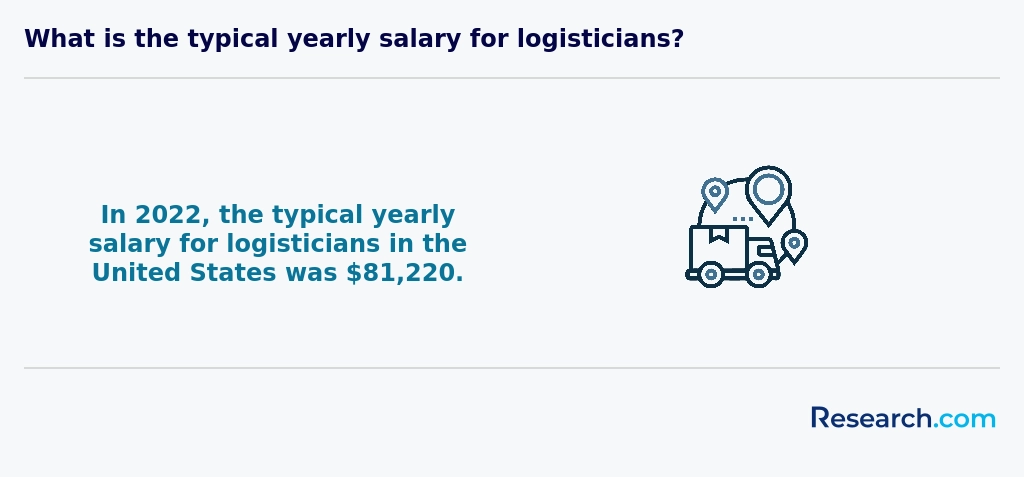
Graduates from logistics programs at institutions like the University of Florida or Florida State University often find themselves stepping into rewarding roles with competitive salaries. For instance, many start their careers as Transportation Planners or Supply Chain Coordinators, roles that offer mean annual wages around $46,690. This is a solid foundation, especially when beginning your professional journey in Florida's bustling logistics sector.
As you gain experience and develop specialized skills, job titles such as Logistics Specialists or Logistics Coordinators become attainable, with mean annual wages soaring to approximately $84,640. Florida's strategic ports and growing e-commerce markets, particularly in cities like Miami and Tampa, create exciting opportunities where you can apply your knowledge and thrive.
Customs Brokers also earn a competitive mean wage of about $63,130, reflecting the demand for expertise in managing international trade. Many graduates report feeling motivated and confident in their careers due to Florida's vibrant logistics industry and the practical training they receive during their studies.
2027 Most Popular Logistics Degree Programs Ranking in Florida
How do we rank schools?
Investing in your education is a significant decision that can shape your future, and the Research.com team understands the importance of making informed choices. To assist prospective students in Florida, we have meticulously crafted the "2027 Most Popular Logistics Degree Programs Ranking in Florida." Our commitment to quality, credibility, and accuracy is reflected in the extensive research and analysis conducted to compile this ranking.
We utilized the following reputable data sources to ensure a comprehensive evaluation of logistics degree programs:
By exploring this ranking, readers will gain valuable insights into the most popular logistics degree programs available in Florida, empowering them to make well-informed decisions about their educational futures. For more details on our methodology, please visit our Research.com methodology page.


# 4 position
Florida International University
Bachelor of Business Administration in Logistics and Supply Chain


# 11 position
Florida Southern College
Master of Business Administration in MBA: Supply Chain Management


# 13 position
Embry-Riddle Aeronautical University-Worldwide
Bachelor of Science in Logistics and Supply Chain Management

# 14 position
Embry-Riddle Aeronautical University-Worldwide
Master of Science in Logistics and Supply Chain Management
# 15 position
Florida Institute of Technology-Online
Logistics Management, M.S.

# 16 position
Florida State College at Jacksonville
Bachelor of Logistics

# 17 position
Ana G. Mendez University
Master of Business Administration with specialization in Supply Chain

# 18 position
Broward College
Supply Chain Management, Bachelor of Applied Science

# 19 position
Miami Dade College
Supply Chain Management Bachelor of Applied Science

# 20 position
Rasmussen University-Florida
Bachelor of Science in Logistics

Key Findings
- Logistics degrees in Florida are offered at associate's, bachelor's, and sometimes master's levels through business or engineering colleges.
- Annual tuition costs range from $3,000 to $5,000 for community colleges, $6,500 to $8,500 at public universities, and $20,000 to $35,000 at private institutions for in-state students.
- Entry-level logistics salaries typically range from $45,000 to $55,000 annually, increasing to $75,000 to $90,000 with experience.
- Florida's logistics job market is strong due to international trade hubs like the Port of Miami and Port Everglades and growing e-commerce demand.
- Employment in logistics and supply chain management in Florida is projected to grow over 10% in the next decade, outpacing the national average.
How long does it take to complete logistics degree in Florida?
Completing a logistics degree in Florida usually takes about four years if you're pursuing a bachelor's degree full-time. Many students at institutions like the University of Central Florida or Florida State University follow this roadmap, balancing core logistics courses with general education and electives totaling around 120 to 130 credit hours.
Some graduates share how accelerated bachelor's programs helped them finish in three years or less by taking extra courses during summer terms-an ideal path if you're driven and ready to embrace a busy schedule.
For those targeting advanced knowledge, master's degrees in logistics or supply chain management often take one to two years and offer flexible schedules. Schools such as the University of Florida provide part-time and online classes that accommodate working professionals aiming to advance without pausing their careers.
If you're starting fresh or seeking a quicker route into the workforce, associate degrees through Miami Dade College or Hillsborough Community College typically take two years. These programs provide hands-on experience and can be a stepping stone toward a bachelor's degree, opening doors in Florida's thriving logistics sector.
Certifications and Continuing Education
Certifications and continuing education help logistics professionals keep pace with changing technology, global trade rules, inventory systems, transportation networks, and employer expectations. They can also be useful for career changers who already have a degree but need proof of logistics-specific knowledge.
- Certified Supply Chain Professional (CSCP): Offered by APICS/ASCM, this certification demonstrates knowledge of end-to-end supply chain strategy, supplier planning, demand management, and customer relations.
- Certified in Production and Inventory Management (CPIM): Also through APICS/ASCM, CPIM focuses on inventory control, production planning, resource management, and reducing costs and lead times.
- Certified Logistics, Transportation and Distribution (CLTD): This ASCM credential covers logistics network design, order management, transportation, distribution, and global trade compliance.
- Lean Six Sigma Green Belt: Emphasizes process improvement, error reduction, waste reduction, and measurable efficiency gains in logistics operations.
- International Air Transport Association (IATA) Dangerous Goods Regulations: A relevant option for students or professionals targeting air-cargo roles that involve hazardous materials documentation and safe handling.
Most certification providers require periodic recertification through continuing education units (CEUs), professional development, exams, or approved work-related activities. Before enrolling, check the current renewal rules, exam requirements, employer recognition, and whether your school offers exam preparation.
Some Florida universities, community colleges, and professional associations offer workshops, webinars, short courses, or credit-bearing pathways that support certification preparation. If you are comparing cost-conscious options, review the 2025 Most Cheapest Online Bachelor's in Logistics Degree Programs Ranking in Florida to identify programs that may pair affordability with career-oriented training.
Continuing education is most valuable when it is tied to a specific career move. For example, a student interested in port operations may benefit from transportation and trade compliance training, while a warehouse operations professional may get more value from Lean Six Sigma or inventory management credentials.
What's the difference between online and on-campus logistics degree?
Choosing between online and on-campus logistics degrees in Florida comes down to your lifestyle and learning preferences. Graduates from Florida State University often rave about the hands-on experiences of in-person classes-working directly with port authorities in Jacksonville or collaborating on real-life supply chain projects adds excitement and invaluable networking opportunities. These face-to-face connections build confidence and practical know-how, especially in Florida's bustling logistics hubs.
Conversely, online programs offer unmatched flexibility. Many working professionals appreciate being able to study after hours without the stress of commuting, accessing lectures from anywhere in the state. Graduates from the University of North Florida highlight how digital platforms make juggling work, family, and studies manageable without sacrificing quality, keeping pace with the 8% industry growth expected through 2028.
Remember, while on-campus students may benefit from campus labs and internships, online learners save time and resources by eliminating relocation. Both paths lead to solid foundations in transportation management and inventory control-key skills for thriving in Florida's dynamic supply chain sector.
What is the average cost of logistics degree in Florida?
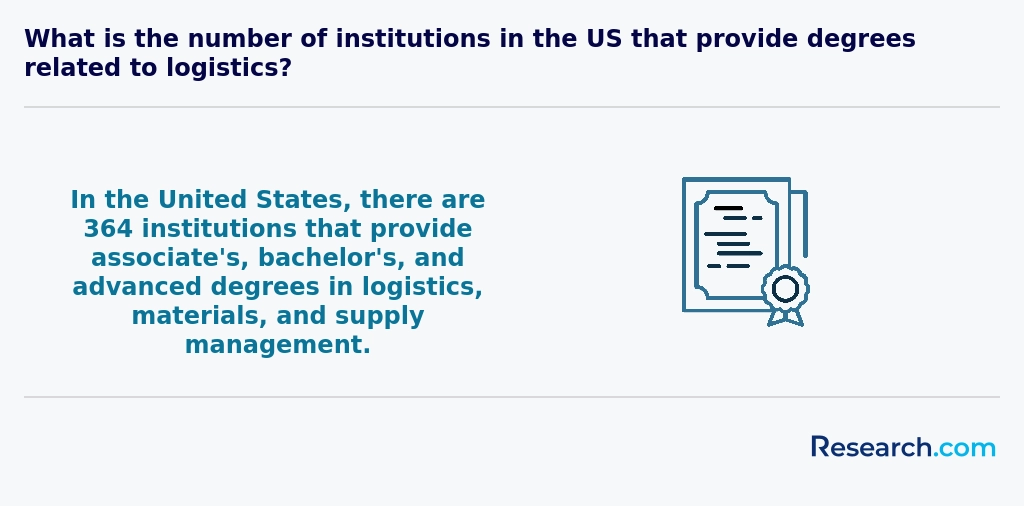
The average cost of a logistics degree in Florida for in-state students is around $6,410, a figure that provides hopeful students with a realistic benchmark as they plan their educational journey. Many graduates from the University of Florida's Warrington College of Business recall how their tuition investment was balanced by valuable internships and networking opportunities. Community colleges offering associate degrees often reduce the initial financial hurdle, charging approximately $2,500 to $3,500 per year, making them an accessible starting point for those eager to enter the logistics field without overwhelming debt.
Private universities, while more costly-sometimes ranging between $20,000 and $40,000 annually-often supplement tuition with scholarships and aid, which can genuinely lighten the financial load for determined students. Graduates from Florida's private institutions frequently highlight how their investment translated into advanced career readiness and specialized knowledge, reinforcing that cost does not diminish the value of education but frames the challenge worth conquering.
When considering Florida logistics degree tuition and fees, it's also vital to factor in additional annual expenses such as books, fees, and living costs, which can add $4,000 to $7,000. Planning thoughtfully for these helps make the entire pursuit manageable and rewarding.
For those curious about their best financial options, exploring the most affordable logistics programs in florida can lead to smart choices that blend quality education with economic sense, empowering students to launch their logistics careers with confidence.

What financial aid is available to logistics degree students in Florida?
Securing financial aid for logistics degrees in Florida is not only possible but often essential to thriving in your studies. Many students at the University of Central Florida and Florida State University have leveraged federal aid by completing the FAFSA, unlocking Pell Grants that can cover thousands of dollars annually without the burden of repayment. These grants, combined with low-interest federal loans, make pursuing your passion more accessible.
The Florida Bright Futures Scholarship is another powerful resource, rewarding high-achieving students with tuition coverage that can reach up to 100% at public colleges. Graduates often share how this program eased their financial worries, allowing them to focus fully on logistics and supply chain management coursework.
Additionally, institutional scholarships tailored specifically for business and logistics students at Florida colleges provide vital support. Many working adults also tap into employer tuition reimbursement programs, turning their professional experience into educational opportunities.
Private scholarships from groups like the Council of Supply Chain Management Professionals further brighten the path. Together, these aids create a solid foundation to help you succeed in Florida's dynamic logistics field.
Professional Certifications and Credentials to Accelerate Your Logistics Career
A logistics degree can build your academic foundation, but professional certifications can help demonstrate specialized skills to employers. Certifications are especially useful for students and professionals who want to move into supply chain management, transportation, distribution, procurement, process improvement, or global logistics roles.
- APICS Certified Supply Chain Professional (CSCP): Shows knowledge of end-to-end supply chain planning, from suppliers to customers. It is a strong option for professionals who want broader supply chain responsibilities.
- APICS Certified in Logistics, Transportation and Distribution (CLTD): Focuses on logistics strategy, transportation management, distribution center operations, and global logistics practices.
- Certified Professional in Supply Management (CPSM): Offered by the Institute for Supply Management, this credential emphasizes sourcing, procurement strategy, and supplier relationship management.
- Six Sigma Green Belt/Black Belt: Builds process-improvement skills that can help logistics professionals reduce waste, improve accuracy, and strengthen operational efficiency.
- Lean Certification: Validates knowledge of lean methods, which are important in just-in-time inventory, warehouse workflows, and continuous improvement environments.
Students at the beginning of their logistics education may want a lower-cost academic pathway before pursuing advanced credentials. Our list of the best online associate in logistics programs can help you compare flexible programs that build practical skills and may prepare you for later certification.
The best certification depends on your goal. Choose CSCP if you want broad supply chain knowledge, CLTD if your interest is transportation and distribution, CPSM if you want procurement and supplier management, and Lean or Six Sigma if you want operations improvement roles. Pairing the right credential with a degree can make your resume more specific and more competitive.
What are the prerequisites for enrolling in logistics degree program in Florida?
To enroll in a logistics degree program in Florida, you'll first need a high school diploma or GED-this foundational step opens the door to exciting opportunities at popular institutions like the University of Central Florida or Florida State University. Graduates often recall how maintaining a GPA around 2.5 to 3.0 helped them meet admissions standards, setting a strong academic tone early on.
Many schools require or recommend SAT or ACT scores, so even if some colleges have test-optional policies, submitting solid results can boost your chances at competitive programs. Completing high school coursework in algebra, geometry, English, and basic economics creates a skill set essential for understanding logistics strategies in real-world business scenarios.
Transfer students benefit from Florida's 2+2 articulation agreements, making it easier to continue studies from community colleges by bringing credits in supply chain or business fields. Students who've balanced study with internships often find that demonstrating work experience or ERP software familiarity strengthens their applications and enriches their classroom engagement.
Financial preparedness matters too. With in-state tuition around $6,400 annually, graduates often emphasize budgeting for textbooks and certification exams, which amplify career readiness in Florida's vibrant logistics industry.
Alumni Success Stories and Career Insights
Alumni outcomes are useful because they show how a logistics program performs after graduation, not just how it looks on paper. Graduates from Florida logistics programs often point to internships, faculty with industry experience, employer connections, and applied coursework as the experiences that made the biggest difference in their job search.
One common pattern is that students who complete internships during their coursework are better positioned for entry-level roles such as logistics analyst, supply chain coordinator, transportation planner, or freight operations specialist. For example, a graduate who used an internship as a bridge into a logistics analyst role gained early exposure to shipment tracking, vendor coordination, and inventory reporting before applying for full-time positions. Another alumnus credited campus mentorship and networking with helping secure a supply chain management role at a major manufacturing firm.
Prospective students should look for programs that make these experiences easy to access. Strong signs include required or well-supported internships, career fairs with logistics employers, faculty who maintain industry relationships, student organizations tied to supply chain management, and coursework that uses real data or operational case studies. If cost is a major factor in your decision, compare options through our guide to most affordable logistics programs in florida.
The main lesson from alumni is clear: a logistics degree is most valuable when it combines classroom knowledge with real workplace practice. Students who actively seek internships, mentors, certifications, and employer contacts usually graduate with a clearer career direction.
What courses are typically in logistics degree programs in Florida?
Diving into a logistics degree in Florida, you'll find courses that deeply prepare you for the dynamic world of supply chain and transportation management. Graduates from universities like Florida State University and the University of Central Florida often highlight how courses such as Supply Chain Management taught them to streamline processes, making goods flow smoothly from suppliers to customers-a skill crucial for Florida's bustling ports.
Many students appreciate the hands-on learning in Transportation and Distribution, where they explore diverse modes like maritime shipping, air freight, and trucking-essential knowledge given Florida's key role in international trade.
Courses like Inventory Management and Logistics Technology empower students to optimize stock levels and leverage software tools, boosting operational efficiency. At institutions like Florida International University, learners tackle real-world scenarios, negotiating procurement deals and applying business analytics to solve complex supply challenges.
These subjects are not just academic-they're the backbone of rewarding careers that impact Florida's economy daily, inspiring students to become innovative leaders in global logistics.
What types of specializations are available in logistics degree programs in Florida?
If you're exploring logistics degree specializations in Florida, you'll find several paths tailored to this state's dynamic economy. Many graduates from renowned Florida colleges share how focusing on Supply Chain Management prepared them to improve efficiency in major ports like those in Miami, where over 116 million tons of cargo pass annually. This specialization teaches you to optimize every step from sourcing to delivery, ideal for anyone excited by Florida's role in global trade.
Others have chosen Transportation Management to master coordinating shipments by land, sea, and air. Florida's extensive network of highways and airports offers a living classroom, making this specialization practical and exciting for those who thrive on complex logistics puzzles.
For students drawn to warehouse operations or the booming e-commerce landscape nearby, Inventory and Warehouse Management provides hands-on expertise in managing stock and distribution centers.
Finally, for those eager to engage globally, focusing on Global Logistics is rewarding. Given that Florida ranks third nationwide in exports, understanding international trade regulations equips you for high-demand careers. If you want to explore your options further, don't miss the list of the best online associate in logistics programs to find a path that fits your goals.
Florida logistics management program options cater to varied interests, so pick what resonates with your ambition and embrace the exciting challenges ahead.
How do you choose the best logistics degree in Florida?
When selecting the best logistics degree programs in Florida, prioritize accreditation to ensure quality and recognition. Graduates from schools with ACBSP or AACSB accreditation often share how this boosted their confidence and employability, stepping easily into Florida's vibrant trade and transportation sectors. Think about programs at universities near major ports like Miami and Jacksonville, where hands-on experiences in international logistics and port operations are real and relevant.
Consider affordability carefully-public institutions often charge $6,000 to $8,000 per year for in-state tuition, whereas private colleges can reach $35,000. Many students have found success by exploring options for affordable logistics degrees Florida 2027, leveraging scholarships and employer tuition support to manage costs effectively. For flexible learners, programs offering online or hybrid formats can be a game-changer, allowing you to balance studies with work or family.
Internships and job placements are crucial. Graduates often reflect on meaningful industry connections that led directly to career opportunities. For more affordable online options, check out the 2025 Most Cheapest Online Bachelor's in Logistics Degree Programs Ranking in Florida.
What career paths are available for logistics degree students in Florida?
Graduates with a logistics degree in Florida unlock diverse career paths shaped by the state's dynamic trade environment. Many find fulfilling roles as supply chain analysts or logistics coordinators, especially around bustling hubs like PortMiami and Port Everglades, where real-world challenges demand sharp problem-solving skills. At universities known for their logistics programs, such as the University of Central Florida or Florida State University, students often gain hands-on experience that prepares them for careers managing warehousing operations or overseeing inventory control systems.
Other graduates pursue positions as transportation planners, shaping efficient routes that keep goods moving swiftly across the state and beyond. With Florida's expanding e-commerce sector, job prospects abound for those skilled in procurement and freight forwarding. Those interested in quicker entry into the field might explore top paying certificate programs offered at community colleges, allowing them to step directly into rewarding roles. Understanding these Florida logistics management job prospects can inspire you to build a career tailored to your strengths and passions.
What is the job market for logistics degree in Florida?
The job market for logistics degree holders in Florida is thriving, fueled by the state's strategic role in trade and supply chain management. Graduates from popular universities in Florida often find themselves stepping into dynamic roles within bustling ports like PortMiami or distribution hubs supporting major retail and e-commerce operations. Many alumni share how their education prepared them to navigate real-world challenges, such as coordinating shipments that flow through Florida's extensive transportation networks.
Florida logistics careers and salary trends reflect steady growth, with entry-level salaries typically starting between $45,000 and $55,000. For motivated professionals, reaching management positions can lead to six-figure incomes. This optimism encourages students to pursue certifications alongside their degree, helping them stand out in this competitive market. If you're exploring ways to advance further academically, consider looking into the easiest phd options that can complement your logistics expertise.
Frequently Asked Questions About logistics
Logistics degree students in Florida can maximize their learning by engaging in internships with major ports like the Port of Miami or Port Everglades. These experiences offer practical insight into supply chain management and transportation logistics.
Florida is a key logistics hub, ranking among the top states for freight movement, which means students have access to diverse industry opportunities. According to the Florida Department of Transportation, careers in logistics there grow faster than the national average.
Students should also take advantage of networking events hosted by organizations such as the Council of Supply Chain Management Professionals (CSCMP) Florida Roundtable. These platforms help build professional connections crucial for career advancement.
Additionally, pursuing certifications like the Certified Supply Chain Professional (CSCP) alongside the degree enhances employability in Florida's competitive logistics market.
The logistics field is rapidly evolving, and several emerging niches are gaining prominence, especially in Florida. One notable area is e-commerce logistics, driven by Florida's strategic location as a trade hub with quick access to Latin America and the Caribbean. This niche focuses on optimizing last-mile delivery and returns management.
Another growing niche is supply chain sustainability. With increasing environmental regulations, companies seek specialists in reducing carbon footprints and waste in supply chains. Florida's ports and transportation sectors are actively exploring green logistics solutions.
Technology integration is also crucial. Skills in automation, data analytics, and blockchain are in high demand to improve efficiency and transparency. According to Florida's Department of Economic Opportunity, logistics jobs requiring digital skills are expected to grow by over 10% through 2026.
These niches offer promising career paths for students pursuing logistics degrees in Florida.
After completing a logistics degree in Florida, preparing for the job market involves several strategic steps. First, gaining practical experience through internships or cooperative education programs is crucial. Florida's strong port and transportation industries offer many such opportunities, enhancing employability.
Networking with industry professionals via local organizations like the Council of Supply Chain Management Professionals (CSCMP) Florida Roundtable can open doors. Additionally, certifications such as Certified Supply Chain Professional (CSCP) can provide a competitive edge.
According to the Florida Department of Economic Opportunity, logistics jobs are expected to grow by 10% through 2030, particularly in hubs like Miami and Jacksonville. Keeping skills updated with emerging technologies remains essential in this evolving field.
Employers in Florida's logistics sector prioritize a combination of technical and interpersonal skills for graduates holding logistics degrees. Critical thinking and problem-solving abilities rank highly, as professionals must manage complex supply chains efficiently. Knowledge of logistics software, such as warehouse management systems and transportation management tools, is increasingly important due to technological integration in the industry.
Communication skills are essential, enabling collaboration across diverse teams and with external partners. According to the Florida Department of Economic Opportunity, demand is growing for graduates well-versed in data analysis and inventory control, reflecting Florida's status as a major logistics hub.
Additionally, adaptability and project management skills help graduates navigate the fast-paced and evolving logistics environment.
Finding internships in Florida relevant to a logistics degree involves several practical steps. Start by exploring logistics hubs such as Miami, Jacksonville, and Tampa, where major ports and distribution centers create plentiful opportunities. According to the Florida Department of Economic Opportunity, logistics internships are in demand due to the state's growing transportation industry, which supports over 650,000 jobs statewide.
Students should utilize college career services, which often partner with local businesses in supply chain and transportation sectors. Networking platforms like Handshake and LinkedIn also list Florida-based logistics internships specifically. Professional organizations such as the Council of Supply Chain Management Professionals (CSCMP) Florida Roundtable provide valuable event-driven networking.
Engaging directly with companies like J.B. Hunt Transport or Ryder System, which frequently offer internship programs in Florida, is another advisable route. Early application and tailored resumes highlighting logistics coursework increase chances significantly.
A logistics degree in Florida offers significant advantages for career mobility and advancement, especially given the state's role as a major transportation and distribution hub. According to the Florida Department of Economic Opportunity, the logistics sector is projected to grow faster than the national average by 2027, increasing demand for skilled professionals. Graduates with logistics degrees typically qualify for positions in supply chain management, transportation planning, and operations analysis, all fields essential to Florida's thriving ports and intermodal networks.
Employers in Florida often seek candidates with specialized knowledge in logistics technology and regulations, typically gained through accredited degree programs. This background enables graduates to advance more quickly into supervisory and strategic roles.
Studying for a logistics degree in Florida offers students a comprehensive education that integrates multiple disciplines such as supply chain management, business analytics, and transportation. Florida's strategic location as a logistics hub-with major ports like Miami and Jacksonville-provides real-world context to classroom learning, enhancing interdisciplinary understanding. Programs often include courses in finance, information technology, and operations management, equipping students with diverse skills needed for complex roles.
Additionally, many Florida universities maintain partnerships with local industries, offering internships and cooperative education experiences. According to the Florida Department of Economic Opportunity, logistics-related occupations are projected to grow by over 10% by 2030, emphasizing the demand for versatile professionals.
When choosing between a thesis and a non-thesis logistics degree program in Florida, consider your career goals and learning preferences. Thesis programs typically emphasize research and require a formal project, which suits students interested in academic or analytical roles. Non-thesis options often focus on practical skills and may include internships or applied projects.
Florida's logistics sector is growing rapidly, with ports and transportation hubs fueling demand for both research and hands-on expertise. According to the Florida Ports Council, logistics employment is projected to increase by 8% through 2028, highlighting opportunities for graduates with diverse skills.
Cost and time commitment also differ: thesis programs may take longer due to research requirements, while non-thesis paths often allow faster completion. Choosing depends on whether you prefer deep research or immediate application in the workforce.
Students based in Florida who wish to study logistics abroad have several options through partnerships and exchange programs offered by Florida universities. Many institutions, such as the University of Florida and Florida International University, maintain agreements with international universities that provide specialized courses in global supply chain management and logistics. These programs allow students to gain hands-on experience in international logistics markets while earning credits towards their Florida degree.
Florida's logistics industry is robust, ranking among the top states for freight volume and job growth, as reported by the Florida Department of Transportation. This regional strength encourages schools to foster global exposure opportunities for their students. Participation in study abroad programs in countries with major logistics hubs, such as the Netherlands or Singapore, is increasingly popular and supported academically.
Financial aid and scholarships specific to study abroad logistics programs are sometimes available, helping reduce costs. To take advantage of these global learning experiences, Florida students should consult their university's study abroad office and logistics department early in their academic planning.
Students pursuing logistics degrees in Florida can find valuable part-time job opportunities that enhance their education and practical skills. Roles such as warehouse associates, inventory clerks, and supply chain assistants are common and provide hands-on experience with inventory management and distribution processes.
Florida's strategic location as a transport hub-with major ports in Miami, Jacksonville, and Tampa-creates demand for logistics support roles. According to the Florida Department of Economic Opportunity, transportation and warehousing jobs are projected to grow by 7% through 2030.
Additionally, internships or part-time positions with third-party logistics companies or freight brokers help students understand shipping regulations and freight coordination. These experiences complement academic learning by applying theories to real-world supply chains.
Logistics students in Florida have access to a variety of valuable networking opportunities that can enhance their education and career prospects. Many universities in the state host industry-focused events, career fairs, and guest lectures, connecting students with professionals from major Florida companies such as J.B. Hunt and Ryder. The Florida Logistics Council, a trade organization dedicated to advancing the state's logistics industry, offers student memberships and events designed for networking and professional growth.
Students can also participate in internships through partnerships between academic programs and local businesses, providing hands-on experience and direct industry contacts. Additionally, Florida's strategic location as a transport and trade hub attracts national and international logistics conferences and workshops, often open to students. These events provide critical opportunities to build relationships with employers and industry leaders within the state's growing $100 billion logistics sector (Florida Chamber Foundation, 2023).
Alumni networks play a significant role in supporting logistics degree students in Florida. These networks provide crucial connections to industry professionals across the state's major transportation hubs, such as the Port of Miami and Port Tampa Bay, which handle billions of dollars in cargo annually (Florida Department of Transportation, 2023). Through mentorship programs, alumni offer guidance on career paths and skills needed in supply chain management and logistics.
Many alumni also facilitate internship and job placements, helping students secure positions in competitive fields. According to the Florida Chamber Foundation, alumni networks boost employment opportunities by up to 20% for logistics graduates in Florida.
Customizing a logistics degree program in Florida involves selecting electives and concentrations that align with your career goals. Many Florida universities offer specializations such as supply chain management, transportation, or global logistics. Focusing on these areas can prepare you for roles in Florida's major ports like Miami and Jacksonville, which are key logistics hubs.
Internships and cooperative education opportunities with local logistics companies can also tailor your experience. According to the Florida Department of Economic Opportunity, logistics-related jobs in the state are projected to grow by 9% over the next decade, emphasizing the importance of relevant, hands-on training.
Additionally, some programs offer certifications in logistics software and data analytics, which are increasingly valuable skills in the industry.
Logistics students in Florida often face the challenge of balancing theoretical knowledge with practical experience. Florida's strategic location as a transportation hub demands familiarity with complex supply chain operations involving ports, airports, and interstate highways.
Another hurdle is staying updated with fast-evolving technology, such as automation and data analytics, which are increasingly integrated into logistics management. According to the Florida Department of Economic Opportunity, demand for logistics professionals is growing, but this also raises competition for internships and entry-level roles essential for career development.
Additionally, meeting accreditation standards while managing tuition costs poses financial and academic pressures on many students. Navigating these challenges requires strong time management and adaptability skills.
With a logistics degree in Florida, graduates can pursue several respected professional certifications that enhance career prospects. The Certified Supply Chain Professional (CSCP) and Certified in Logistics, Transportation and Distribution (CLTD) offered by APICS are popular choices. These certifications focus on supply chain management and logistics operations, respectively.
Additionally, the Certified Professional in Supply Management (CPSM) by the Institute for Supply Management is valuable for those interested in procurement and supply management roles. Florida's growing logistics sector, especially in ports like Miami and Jacksonville, increases demand for such credentials, with the Florida Department of Economic Opportunity projecting over 10% growth in logistics jobs through 2030.
Obtaining these certifications requires passing exams and relevant work experience, but they significantly boost employability in Florida's competitive logistics market.
When applying to logistics degree programs in Florida, a strong application highlights your understanding of the industry's role in the state's economy. Florida's strategic location as a major logistics hub-handling over $100 billion in cargo annually through its ports-makes relevant experience or interest highly valuable.
Start by clearly stating your career goals and how the program aligns with the growing demand for logistics professionals in Florida, as noted by the Florida Ports Council and Bureau of Labor Statistics.
Showcase any practical experience, such as internships or work with supply chain firms. Also emphasize skills in analytics, technology, and problem-solving, which are increasingly essential in logistics management.
Finally, strong letters of recommendation and a well-written personal statement reflecting your motivation and understanding of Florida's logistics sector can greatly enhance your application.
Logistics careers offer strong global opportunities due to the increasing demand for supply chain management expertise worldwide. Florida plays a vital role as a logistics hub, benefiting from its ports, airports, and proximity to Latin America. According to the Florida Department of Economic Opportunity, employment in logistics-related fields is projected to grow faster than the national average through 2030.
Globally, companies seek professionals who understand international customs, global trade regulations, and advanced technology. Gaining a logistics degree in Florida prepares students to work with multinational corporations and navigate global supply chains efficiently. This international perspective is critical in a constantly evolving market where seamless movement of goods affects economic stability.
Gaining practical experience while studying for a logistics degree in Florida is achievable through several key approaches. Many Florida universities integrate internships into their logistics programs, enabling students to work with local companies in transportation, warehousing, and supply chain management.
Florida's strategic location as a logistics hub, including major ports like Miami and Jacksonville, offers abundant opportunities for internships and cooperative education (co-op) placements. According to the Florida Department of Transportation, these sectors are continuously expanding, making hands-on experience highly valuable.
Students can also participate in simulation labs and case study projects offered by colleges, which help develop real-world problem-solving skills. Networking events and industry partnerships further enhance access to practical experiences.
Choosing the right concentration within a logistics degree program in Florida depends on your career goals and the state's economic strengths. Florida's position as a major hub for international trade and transportation highlights the importance of specializations like supply chain management, transportation, and distribution logistics. According to the Florida Department of Economic Opportunity, sectors related to logistics are growing faster than the national average, especially in ports and warehousing.
Evaluate concentrations by considering the skills taught, such as inventory control or freight forwarding, and local industry demand. Research Florida-based internship opportunities associated with each focus area to gain practical experience.
Related Logistics Rankings for Nearby States
- 2027 Most Popular Logistics Degree Programs Ranking in Georgia
- 2027 Most Popular Logistics Degree Programs Ranking in Alabama
- 2027 Most Popular Logistics Degree Programs Ranking in South Carolina
- 2027 Most Popular Logistics Degree Programs Ranking in Tennessee
- 2027 Most Popular Logistics Degree Programs Ranking in Arkansas
- 2027 Most Popular Logistics Degree Programs Ranking in West Virginia
- 2027 Most Popular Logistics Degree Programs Ranking in Missouri
- 2027 Most Popular Logistics Degree Programs Ranking in Ohio
- 2027 Most Popular Logistics Degree Programs Ranking in Illinois
- 2027 Most Popular Logistics Degree Programs Ranking in Pennsylvania
Top Trending Logistics Rankings
References
- Logistics Manager Certifications: Best Credentials to Advance Your Career | Teal https://www.tealhq.com/career-paths/logistics-manager-certifications
- Top 5 Logistics And Supply Chain Management Degrees https://www.searates.com/blog/post/top-5-logistics-and-supply-chain-management-degrees
- 14 Logistics Support Specialist Cover Letter Examples: Plus Recruiter Insights (Updated for 2026) https://resumeworded.com/cover-letter-samples/logistics-support-specialist
- Supply Chain and Logistics Career Paths: Explained https://www.logisticsbureau.com/jobs-and-career-paths-in-supply-chain-and-logistics/
- 1. Online registration https://moderna.edu.pl/majors/management/bachelor-of-management/logistics-management/
- Jobs in transport and logistics: skills you need to get started https://www.rwmgroup.com.au/jobs-in-transport-and-logistics-skills-you-need-to-get-started
- CA25 - Supply Chain & Logistics https://www.pgcareers.com/pl/en/supply-chain-logistics
- Study Logistics Abroad - Top Universities for Masters, MBA, PhD Degree Programs https://studee.com/degree/abroad/logistics
- Supply Chain Internships | Capital Placement https://capital-placement.com/supply-chain-internships/
- Logistics Software Development Company & Services https://www.idealogic.io/blog/logistics-is-it-possible-to-find-a-niche-today


