
2027 Best Online Master's in Logistics Degree Programs Ranking in Georgia

Co-Founder and Chief Data Scientist
Choosing the right online master's degree in logistics can shape your career and open new opportunities. This article introduces the 2027 Best Online Master's in Logistics Degree Programs Ranking in Georgia, thoughtfully created by the Research.com team of data scientists.
Our goal is to help Georgia students make smart, informed decisions about their education. Exploring this ranking will guide you toward programs that offer quality, flexibility, and career growth.
Whether you're starting fresh or advancing your skills, earning a logistics degree can be a rewarding step toward your future success.
Key benefits of getting online logistics degree in Georgia
- Salary for logistics degree graduates: Graduates in Georgia can expect strong earning potential, with roles like Operations Manager earning a mean annual wage of $129,330 and Transportation or Warehouse Managers around $111,870.
- Career paths: A logistics graduate from the University of Georgia might pursue jobs in supply chain management, transportation, or warehouse operations, opening many rewarding opportunities in growing industries.
- Benefits of an online degree: Earning a logistics degree online from Georgia Tech offers flexibility to balance work and study, while providing the same respected credential as a traditional program, helping you advance quickly without pausing your career.
- Key benefits of getting online logistics degree in Georgia
- What can I expect from online logistics degree in Georgia?
- Where can I work with online logistics degree in Georgia?
- How much can I make with online logistics degree in Georgia?
- 2027 Best Online Master's in Logistics Degree Programs Ranking in Georgia
- Key Findings
- How long does it take to complete online logistics degree in Georgia?
- Tips for Success in Your Online Master's in Logistics Program
- What's the difference between online and on-campus logistics degree?
- What is the average cost of online logistics degree in Georgia?
- What financial aid is available to online logistics degree students in Georgia?
- Accreditation and Professional Certification
- What are the prerequisites for enrolling in online logistics degree program in Georgia?
- Accreditation and Quality Assurance
- What courses are typically in online logistics degree programs in Georgia?
- What types of specializations are available in online logistics degree programs in Georgia?
- How do you choose the best online logistics degree in Georgia?
- What career paths are available for online logistics degree students in Georgia?
- What is the job market for online logistics degree in Georgia?
- Top Trending Logistics Rankings
What can I expect from online logistics degree in Georgia?
The average cost of an online logistics degree in Georgia typically ranges between $15,000 and $30,000, depending on the institution and program length. Many students find that colleges like Georgia Southern University or Kennesaw State University offer competitive pricing that balances quality education with affordability. Graduates often share how this investment felt manageable, especially with flexible payment plans and scholarship options tailored to working professionals.
Enrolling in these programs means accessing curriculum designed around real-world logistics challenges faced right in Georgia, such as operations near the Port of Savannah. Students learn with cutting-edge technology and case studies that reflect employer expectations across Atlanta's bustling supply chain networks.
Former students often describe the joy of balancing career growth and education without sacrificing their current jobs, thanks to virtual classes and interactive coursework that fit into busy schedules. This flexibility makes the cost worthwhile, turning financial commitment into a stepping stone for exciting opportunities in Georgia's $74 billion logistics industry.
Where can I work with online logistics degree in Georgia?
Graduates with an online logistics degree in Georgia find themselves at the heart of dynamic career opportunities. Many start their journeys in Atlanta, where the bustling logistics hubs like Hartsfield-Jackson Airport and Georgia Ports Authority create a thriving environment for logistics roles. Graduates from institutions such as Georgia Southern University and Kennesaw State University often share how landing positions in freight management or supply chain analysis felt like natural next steps after their studies.
Picture yourself coordinating inventory for a major retailer or helping a global company like UPS optimize deliveries-these are typical paths in Georgia's robust logistics sector. Beyond private companies, public roles with the Georgia Department of Transportation or regional planning agencies offer exciting chances to influence infrastructure projects that shape the future of supply chains.
This state's strong logistics economy means there's room to grow, whether aiming for operational management or specialized planning roles. Many grads appreciate that their education gave them the confidence to enter a field where demand and rewards increase every year.
How much can I make with online logistics degree in Georgia?
Graduates with an online logistics degree in Georgia often find themselves well-positioned to earn competitive salaries that reflect the state's vibrant logistics industry. Many alumni from institutions like Georgia Southern University and Kennesaw State University report entry-level salaries starting between $50,000 and $60,000, which matches BLS data for logisticians statewide. As you gain experience, roles such as Warehouse Manager or Transportation Manager offer mean annual wages of about $111,870, showcasing the potential for growth.
For those reaching management levels, becoming an Operations Manager can bring a substantial salary increase, with a mean annual wage near $129,330. Some graduates who specialize further may aim for high-paying positions like International Trade Manager, earning an impressive mean salary of roughly $146,710. These figures reflect the opportunities available in Georgia's strong logistics hubs like Atlanta and Savannah.
Many graduates share how combining their degrees with certifications and real-world internships helped unlock these salary milestones, turning their passion for efficient supply chains into rewarding careers.
2027 Best Online Master's in Logistics Degree Programs Ranking in Georgia
How do we rank schools?
Investing in your education is a significant decision that can shape your future, and the Research.com team understands the importance of making informed choices. To assist prospective students in Georgia, we have meticulously crafted the "2027 Best Online Master's in Logistics Degree Programs Ranking in Georgia." Our commitment to quality, credibility, and accuracy is reflected in the extensive research and analysis conducted to compile this ranking.
We utilized the following reputable data sources to ensure a comprehensive evaluation of logistics programs:
By exploring this ranking, readers will gain valuable insights into the best online master's programs in logistics available in Georgia, helping them make informed decisions about their educational and professional futures. For more details on our methodology, please visit our Research.com methodology page.


Key Findings
- Online logistics degrees in Georgia typically cost between $10,000 and $25,000, with public universities being more affordable than private ones.
- Graduates can expect a starting salary of around $55,000 per year, with mid- to senior-level roles paying between $85,000 and $100,000 annually.
- Georgia's strategic location as a transportation hub, including Atlanta's busy airport and the Port of Savannah, creates strong job opportunities for logistics professionals.
- Logistics-related fields in Georgia are growing, supported by industries like manufacturing, retail, and freight services.
- Online programs cover supply chain management, inventory control, transportation planning, and data analytics to prepare students for competitive roles.
How long does it take to complete online logistics degree in Georgia?
Completing an online logistics degree in Georgia typically takes between one and two years, depending on your dedication and the program you choose. Many graduates from schools like Georgia Southern University and Kennesaw State University share how their full-time commitment allowed them to finish in just 12 to 18 months, balancing coursework with their daily lives. If you're juggling work or family, part-time enrollment might stretch your timeline closer to two years, but the flexibility to learn at your own pace makes this path manageable and rewarding.
Imagine accelerating your studies through a program that values your prior experience or transfer credits, cutting down the usual timeframe without sacrificing quality. This option is especially common in Georgia's online programs, designed for working professionals eager to advance swiftly in a state booming in logistics roles thanks to the Port of Savannah.
By planning your schedule and focusing on credits, you can tailor your journey and turn your career goals into reality faster than you might expect.
Tips for Success in Your Online Master's in Logistics Program
Succeeding in an online master's program requires proactive strategies and a disciplined approach to learning. Start by creating a dedicated workspace free of distractions and invest in reliable technology to keep pace with digital coursework. Time management is key-set a clear schedule, break courses into manageable tasks, and leverage productivity tools to stay organized. Engage regularly with instructors and peers through discussion boards and virtual meetups to build a supportive network; these interactions can enhance your understanding and offer industry insights. Additionally, complement your coursework with real-world projects, internships, or volunteer opportunities that build practical skills and bolster your resume. Remember to take advantage of academic resources like tutoring services, workshops, and career counseling, which can guide you in aligning your studies with industry demands. Consistent self-assessment and adapting your strategies based on feedback will further help you overcome challenges inherent in online learning, ultimately leading to a successful and fulfilling academic experience.
What's the difference between online and on-campus logistics degree?
Choosing between an online and on-campus logistics degree in Georgia means weighing flexibility against hands-on experience. Graduates from institutions like Georgia Southern University often praise online programs for fitting their busy schedules, especially when balancing family or work in Atlanta's fast-paced logistics scene. They value being able to access coursework anytime, a true advantage when managing unpredictable shifts in warehouse or transportation roles.
On the other hand, on-campus students at schools like Kennesaw State University highlight the immersive experience of face-to-face learning. They gain direct access to labs and networking events near Atlanta's airport and ports, areas integral to Georgia's thriving logistics industry. This personal interaction builds practical skills and connections essential for career growth.
Both pathways lead to reputable, fully accredited degrees recognized across Georgia. If your priority is flexibility but you still want access to a vibrant logistics network, look for online programs offered by respected Georgia universities that understand the local industry's needs and challenges.
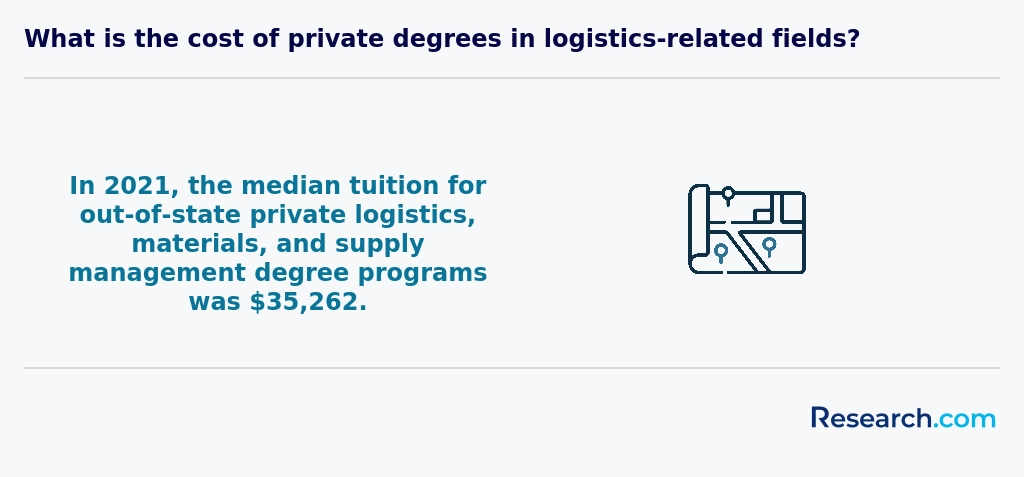
What is the average cost of online logistics degree in Georgia?
The average cost of an online logistics degree in Georgia typically centers around $14,010 in total tuition. This figure reflects a balanced and affordable option compared to national trends, making Georgia an attractive choice for those seeking an accessible yet high-quality supply chain education. Many graduates from universities like Georgia Southern University and Kennesaw State University share how their programs offered strong value without overwhelming debt, allowing them to confidently invest in their futures.
Students pursuing an affordable online logistics master's degree Georgia often find that tuition rates fall between $350 and $800 per credit hour, with most degrees requiring roughly 30 to 36 credit hours. This manageable cost structure encourages learners from diverse backgrounds to follow their passion for supply chain management without unnecessary financial stress. One graduate highlighted the ease of balancing work and study, knowing the degree was priced fairly and the return on investment was promising.
For those considering multiple learning pathways, exploring options such as employer tuition assistance or financial aid plans in Georgia can further soften costs. It's inspiring to witness many individuals in the state harnessing these benefits to complete their degrees affordably. If you're exploring hybrid paths or looking beyond logistics, consider also how programs like the Ohio part-time online MBA can complement your career goals and broaden your expertise in business management.
What financial aid is available to online logistics degree students in Georgia?
Many students pursuing an online logistics degree in Georgia find that financial aid options open doors to rewarding careers without overwhelming debt. Graduates from schools like Georgia Southern University often share how completing the FAFSA unlocked federal Direct Loans and even Pell Grants, easing their tuition burden. These federal resources are a cornerstone for managing costs in logistics programs, especially since annual fees typically range from $15,000 to $25,000 at public institutions.
State aid also plays a crucial role. The HOPE Scholarship and HOPE Grant, funded by the Georgia Lottery, have been game-changers for students attending institutions such as Kennesaw State University. These programs not only motivate students but can significantly reduce expenses if the school participates.
Institutions themselves offer robust support too. Many students report benefiting from merit-based scholarships or employer tuition assistance, handy for professionals balancing work and study. Additionally, graduate assistantships at universities provide both financial relief and valuable experience, making the pursuit of a logistics degree feel achievable and empowering.
Accreditation and Professional Certification
Accreditation ensures that an online master’s in logistics program in Georgia meets rigorous academic and industry standards, giving you confidence that employers recognize your credential. Regional accreditation from bodies like the Southern Association of Colleges and Schools Commission on Colleges (SACSCOC) validates institutional quality, while programmatic accreditation-such as AACSB for business schools or ACBSP for applied business programs-demonstrates specialized excellence in logistics and supply chain education. Beyond institutional credentials, professional certifications complement your master’s degree by signaling expertise in key logistics domains. Popular certifications include APICS Certified in Production and Inventory Management (CPIM), Certified Supply Chain Professional (CSCP), and Certified in Logistics, Transportation and Distribution (CLTD), all offered through the Association for Supply Chain Management (ASCM). Many Georgia institutions integrate certification preparation into their curriculum, offering exam-focused workshops and access to industry-standard software tools, so graduates are well equipped to earn these credentials shortly after graduation. Maintaining certifications and staying current with emerging logistics technologies-such as blockchain for port operations or AI-driven inventory forecasting-requires ongoing professional development. Look for online master’s programs that provide alumni access to webinars, industry conferences, and continuing education units (CEUs). This lifelong learning approach not only sustains your competitive edge but also supports career advancement in roles from supply chain analyst to director of distribution. To balance quality accreditation, certification readiness, and affordability, explore resources on what are the most affordable online supply chain management degrees-a guide to help you find cost-effective programs without compromising on recognized standards.
What are the prerequisites for enrolling in online logistics degree program in Georgia?
To enroll in an online logistics degree program in Georgia, you'll need a bachelor's degree from an accredited institution, but it doesn't have to be strictly in logistics. Many successful graduates from Georgia Tech and Georgia Southern University came from backgrounds like business or engineering, which gave them a solid foundation and confidence when diving into logistics concepts.
A minimum GPA of around 2.5 to 3.0 is typically expected, so maintaining steady academic performance is key. Some programs may ask for GRE or GMAT scores, but many have embraced test-optional admissions, especially given the pandemic's influence, making entry more accessible for working professionals and busy parents.
Work experience in logistics or supply chain roles is a powerful asset. Imagine leveraging your time with Georgia's bustling Port of Savannah; this experience makes your application stand out as it shows real-world knowledge in one of the most dynamic logistics hubs in the country.
Beyond transcripts, letters of recommendation and a statement of purpose give you a chance to share your motivation and professional goals-elements that Georgia's top programs value deeply. These steps ensure your application tells a compelling story of readiness and dedication.
Accreditation and Quality Assurance
Accreditation is a critical factor when evaluating online master’s in logistics programs in Georgia, as it ensures that the curriculum meets rigorous academic and industry standards. Regional accreditation by bodies such as the Southern Association of Colleges and Schools Commission on Colleges (SACSCOC) confirms institutional quality, while specialized accreditation from the Association to Advance Collegiate Schools of Business (AACSB) or the Council of Supply Chain Management Professionals (CSCMP) validates program excellence in logistics and supply chain education. Prospective students should verify both institutional and programmatic accreditation on university websites and official accreditor directories. In addition to accreditation, quality assurance mechanisms-such as regular curriculum reviews, advisory boards composed of industry experts, and student satisfaction surveys-help maintain high educational standards and industry relevance. Programs with strong industry partnerships often provide exclusive access to internships, capstone projects, and networking events, which translate into better career outcomes. For those balancing budget constraints with accreditation requirements, see our Most Affordable Logistics Degree Programs Ranking in Georgia to find accredited programs that deliver both quality and value.
What courses are typically in online logistics degree programs in Georgia?
When you enroll in an online logistics degree in Georgia, expect a curriculum thoughtfully crafted to prepare you for the real-world challenges of this dynamic industry. Graduates from well-known institutions like Georgia Southern University often share how courses such as Supply Chain Management opened their eyes to the intricate flow from procurement to retail-imagine coordinating shipments smoothly from the Port of Savannah to distribution centers across the nation.
Other core subjects like Logistics and Transportation help you master the practical side of moving goods, while Operations Management teaches you to streamline processes efficiently, just as busy warehouses in Atlanta do daily. Inventory Control and Procurement Strategies give you hands-on insights into managing stock and sourcing materials smartly.
Many students praise how Business Analytics and Project Management courses sharpen their decision-making and leadership skills, enabling them to analyze data and steer logistics projects confidently. Studying online in Georgia immerses you in a growing sector, equipped with practical knowledge and local industry relevance to build a thriving career.

What types of specializations are available in online logistics degree programs in Georgia?
When exploring online logistics degree specializations in Georgia, you'll find key concentrations tailored to the state's unique industry landscape. Graduates from the University of Georgia and Georgia Southern University often highlight Supply Chain Management as a powerful focus, where they learn to master procurement, production, and distribution channels essential to Georgia's bustling retail and manufacturing sectors. Another popular path is Transportation and Distribution Management, perfect for those eager to navigate the strategies behind freight and warehousing in a state known for its extensive transportation network.
Additionally, Logistics Analytics is gaining traction among tech-savvy students looking to leverage data and innovative tools to drive efficiency. This specialization stands out for its practical application in Georgia's modern logistics environment. For those drawn to global markets, Global Logistics offers insight into international trade challenges-an area highly relevant given Georgia's role as a major shipping hub.
For students balancing interests, combining logistics studies with insights from related fields can be valuable. Many students also explore fastest online hospitality management programs alongside logistics to expand their career options. Georgia's dynamic programs ensure that whatever specialization you choose, you're prepared to lead confidently in one of the nation's most vibrant logistics hubs.
How do you choose the best online logistics degree in Georgia?
To choose the best online logistics degree in Georgia, start by focusing on accreditation and curriculum quality. Graduates from well-regarded programs like Georgia Southern University often share how their coursework connected directly to Georgia's vibrant logistics sector, including opportunities near the Port of Savannah. This hands-on relevance makes learning both exciting and practical, preparing you for real-world challenges.
Cost is a major consideration. Many students discover that affordable logistics master's degree Georgia options offer great value without sacrificing quality. Comparing tuition and exploring financial aid can transform your education experience from stressful to empowering.
Flexibility also matters. Those balancing work and study appreciate programs allowing asynchronous learning and reasonable completion times. This flexibility keeps motivation high and progress steady.
Finally, successful graduates highlight the importance of career support services. With logistics roles growing in Georgia, tapping into university connections can open doors fast. For broader business opportunities, consider checking out the top MBA schools in Virginia to expand your horizon beyond logistics if you plan that path someday.

What career paths are available for online logistics degree students in Georgia?
Graduates with an online logistics degree in Georgia often find exciting career paths that tap into the state's robust transportation network. Many step into roles such as Supply Chain Analyst or Transportation Manager, where they influence the flow of goods through bustling hubs like Hartsfield-Jackson Atlanta International Airport and the Port of Savannah. These positions challenge graduates to think critically and apply strategic solutions to real-world logistical problems.
Others thrive as Logistics Coordinators or Warehouse Managers, overseeing inventory and daily operations in dynamic environments, sometimes for major employers like Amazon or UPS. Having studied at well-known institutions in Georgia, these graduates share how the online format allowed them to balance work and study, making career advancement not just possible but energizing.
For students seeking to diversify skills, pursuing an online master's in accounting with CPA focus complements logistics management jobs in Georgia, opening additional leadership opportunities. The key is embracing the variety of roles available and building from a platform of practical knowledge and local industry connections.

What is the job market for online logistics degree in Georgia?
The job market for online logistics jobs in Georgia is thriving thanks to the state's pivotal role as a logistics hub. Graduates from well-regarded universities and colleges in Georgia often find themselves stepping confidently into roles with transportation companies near Hartsfield-Jackson Atlanta International Airport or distribution centers linked to the Port of Savannah. These real-world connections create a vibrant ecosystem where skills learned during online programs translate directly into impactful career opportunities.
Many graduates recall how their education provided not only theory but also practical knowledge that employers seek in this competitive state market. Georgia's metropolitan areas are especially hotbeds for logistics managers and supply chain analysts. For students wondering about return on their investment, wages averaging around $80,000 highlight strong earning potential that encourages perseverance. In addition, these programs often prepare students for industry certifications, which significantly boost employability even further.
If you are looking to make strategic career moves, consider the value of flexible online study aligned with Georgia's dynamic logistics scene. For insights into cost-effective educational paths, explore highest salary associate programs to complement your career planning.
Frequently Asked Questions About logistics
Online logistics degree students in Georgia can maximize their learning by engaging actively with course materials and participating in virtual discussions. Collaborative projects and networking with peers help build practical skills relevant to Georgia's growing logistics sector, which supports over 274,000 jobs statewide (Georgia Department of Economic Development, 2023).
Utilizing local industry resources, such as internships with Atlanta's major logistics firms, can provide real-world insights. Students should also take advantage of virtual office hours and academic advising to clarify complex topics and stay on track.
Staying updated on Georgia's logistics trends through reputable organizations enhances understanding beyond textbooks.
The logistics field in Georgia is evolving rapidly, with several emerging niches gaining prominence. One key area is supply chain digitization, where companies adopt advanced technologies like artificial intelligence and blockchain to improve efficiency and transparency. This shift is driven by Georgia's role as a major freight hub, especially near the Port of Savannah, one of the busiest in the U.S.
Another growing niche is sustainable logistics. Businesses increasingly focus on reducing carbon footprints, driven by both regulatory pressures and consumer demand. Georgia's government supports green initiatives, creating new job opportunities in this field.
Additionally, e-commerce logistics is booming. With online sales in Georgia set to rise annually, managing rapid delivery and last-mile distribution is a critical focus for logistics professionals.
Preparing for the job market after completing an online logistics degree in Georgia involves strategic steps to increase employment prospects. Georgia's logistics sector is robust, with the Port of Savannah being the fourth busiest container port in the U.S., creating many career opportunities. Graduates should focus on gaining practical experience through internships or cooperative education programs, which are often available via online degree providers.
Networking is crucial; joining professional groups like the Georgia Logistics Summit or the Council of Supply Chain Management Professionals can provide valuable connections. Staying updated on industry trends and pursuing certifications such as the Certified Supply Chain Professional (CSCP) can improve job readiness.
Additionally, tailoring resumes to highlight skills in transportation management, inventory control, and data analysis is important, as these are in demand in the Georgia job market according to the Georgia Department of Economic Development.
Employers hiring logistics degree graduates in Georgia prioritize strong analytical and problem-solving skills. These are essential for managing supply chains efficiently. According to Georgia's Department of Economic Development, companies in Atlanta-one of the nation's largest logistics hubs-value graduates who can optimize transportation routes and inventory management.
Communication skills are also highly sought after. Logistics professionals must coordinate across various teams and vendors, making clear and effective communication crucial. Familiarity with logistics software and data analytics tools enhances a candidate's appeal.
Additionally, knowledge of regulatory compliance and safety practices is important due to Georgia's busy ports and interstate logistics operations. Graduates with relevant certifications often have an edge in this competitive job market.
Finding internships in Georgia relevant to a logistics degree involves leveraging both local industry connections and academic resources. Georgia's strategic location with major transportation hubs like the Port of Savannah provides ample opportunities in supply chain and logistics sectors. According to the Georgia Department of Economic Development, logistics and transportation rank among the state's top growth industries.
Students should start by contacting career services at their online schools, which often have partnerships with regional employers. Additionally, checking platforms like Georgia's Workforce Development Portal can connect candidates with internship openings.
Networking through organizations such as the Council of Supply Chain Management Professionals (CSCMP) Georgia Roundtable can also help secure valuable positions.
An online logistics degree in Georgia significantly improves career mobility by equipping students with essential skills in supply chain management, transportation, and inventory control. According to the Georgia Department of Labor, the logistics sector is growing at 6% annually, outpacing many other fields. This growth creates new opportunities for advancement, particularly in metropolitan hubs like Atlanta, a major logistics center in the Southeast.
Employers often seek candidates with advanced degrees who demonstrate expertise in technology and analytics. An online logistics degree offers flexible access to these credentials, enabling working professionals to upskill without disrupting employment.
Graduates can expect higher earning potential and eligibility for managerial roles. The Bureau of Labor Statistics reports that logisticians in Georgia earn a median annual salary above the national average, reflecting strong local industry demand.
Studying for a logistics degree in Georgia equips students with skills applicable across various industries such as transportation, manufacturing, and supply chain management. Georgia's strategic location as a transportation hub, featuring the world's busiest airport in Atlanta and major seaports in Savannah and Brunswick, enriches learning with real-world applications.
Many online programs in Georgia emphasize interdisciplinary knowledge by integrating courses in business analytics, information technology, and operations management. This combination prepares graduates to adapt and collaborate in roles that cross traditional logistics boundaries.
According to the Georgia Department of Economic Development, logistics-related jobs are expected to grow by 7% over the next decade, highlighting demand for professionals who understand multiple fields.
Choosing between a thesis and a non-thesis online logistics degree in Georgia depends on your career goals and learning preferences. A thesis program requires original research and is ideal if you plan to pursue a PhD or roles involving in-depth analysis. It often demands significant time and effort for research and writing.
The non-thesis option typically focuses on practical skills and coursework, suitable for professionals aiming to enter or advance in Georgia's logistics industry quickly. According to the Georgia Department of Economic Development, Atlanta is a major logistics hub, with over 10% of jobs in transportation and warehousing, emphasizing applied knowledge.
Consider your interest in research and your timeline when deciding between these two paths.
Students in Georgia looking to study logistics abroad have several online options from U.S. institutions with global access. Universities such as Georgia Southern University and Kennesaw State University offer fully online logistics and supply chain management master's programs accessible internationally. These programs combine comprehensive coursework with flexible schedules ideal for international students or those seeking to remain in Georgia while gaining a global perspective.
According to the Georgia Department of Economic Development, the state's strategic location makes logistics a key industry, with over 100,000 related jobs. This demand encourages academic programs to include global logistics components, enhancing international applicability. Accredited online programs often incorporate case studies on global supply chains, preparing students for cross-border logistics challenges.
Furthermore, U.S. Department of Education data highlights that U.S.-based online logistics degrees are recognized worldwide, ensuring transferability and professional credibility. Students in Georgia interested in expanding their educational horizons can leverage these accredited online platforms to earn degrees while engaging with international logistics concepts and networks.
Students pursuing online logistics degrees in Georgia can benefit from several part-time job opportunities that enhance their practical skills. Positions in warehouse operations, such as inventory clerk or forklift operator, provide hands-on experience with supply chain processes common in the state's growing distribution centers.
Transportation coordinator roles are also valuable, allowing students to learn about route planning and freight management. According to the Georgia Department of Economic Development, the logistics and distribution sector is a significant employer, with metro Atlanta housing major hubs for companies like UPS and Coca-Cola.
Additionally, part-time jobs in procurement or customer service within logistics firms offer insight into vendor relations and order fulfillment, helping students apply classroom concepts. These roles support skill development that aligns with industry demands in Georgia's expanding logistics market.
Online logistics students in Georgia benefit from various networking opportunities that support career growth. Many programs partner with local industry organizations such as the Georgia Logistics Summit and the Council of Supply Chain Management Professionals (CSCMP) Atlanta Roundtable, providing students access to events, conferences, and workshops.
Universities typically offer virtual career fairs and alumni networking platforms, enabling students to connect with professionals across Georgia's logistics sector. The state's status as a transportation hub, with the Port of Savannah being the fourth busiest in the U.S., means strong industry demand and ample professional contacts.
Students can also join Georgia-based LinkedIn groups and regional chapters of national logistics associations to build meaningful connections in the field.
Alumni networks offer valuable support to online logistics degree students in Georgia by providing connections to experienced professionals across the state's growing supply chain industry. Georgia's position as a logistics hub, with the Port of Savannah being the fastest-growing container port in the U.S. (Georgia Ports Authority, 2023), means strong alumni ties can lead to internships and job placements.
Networking through alumni allows students to tap into local market insights and mentorship opportunities. These relationships often help students navigate career paths and access exclusive job listings.
Additionally, Georgia-based alumni events and online groups create ongoing learning communities that enhance professional development in logistics and supply chain management.
Customizing an online logistics degree in Georgia allows students to align their education with personal career goals. Many programs offer elective courses covering areas like supply chain management, transportation, and inventory control. This flexibility helps students develop expertise in sectors relevant to Georgia's booming logistics industry.
According to the Georgia Department of Economic Development, logistics is a critical sector supporting over 500,000 jobs statewide. Students can choose internships or project-based courses to gain practical experience with local logistics firms or distribution centers, enhancing employability.
Advisors at Georgia universities usually assist students in tailoring their course load to fit objectives such as pursuing leadership roles, technology integration, or international trade specialization.
Online logistics students in Georgia often face challenges related to balancing coursework with professional and personal responsibilities. Many are working adults who must manage full-time jobs alongside their studies. This dual demand can limit time for assignments and participation in interactive learning, which is critical in logistics education.
Technical issues also pose difficulties. Reliable internet access is essential, yet rural areas of Georgia report lower broadband availability, according to the Federal Communications Commission. This impacts students' ability to attend live sessions and access materials promptly.
Additionally, some students struggle with limited networking opportunities compared to on-campus peers. Logistics is a field that benefits from professional connections, and virtual environments may restrict casual interactions that foster these links.
With an online logistics degree, students in Georgia can pursue several respected professional certifications to boost their careers. One popular certification is the Certified Supply Chain Professional (CSCP), offered by APICS. It validates expertise in supply chain management and logistics strategy.
Another valuable credential is the Certified in Logistics, Transportation and Distribution (CLTD), also from APICS, which focuses on logistics operations, including transportation and inventory management.
The Certified Professional in Supply Management (CPSM) from the Institute for Supply Management is suitable for graduates seeking advanced procurement and supply chain skills.
According to the Georgia Department of Economic Development, the state's logistics sector employs over 200,000 people, increasing demand for certified professionals.
Writing a winning application for an online logistics program in Georgia starts with a clear demonstration of your interest and experience in supply chain management. Highlight any relevant work or internships, especially in Georgia's growing logistics hubs like Atlanta, where over 1.2 million people work in transportation and warehousing sectors (Georgia Department of Labor, 2023).
Strong academic records are essential, so provide transcripts showcasing your quantitative skills in math, statistics, or business. Tailor your personal statement to emphasize how a logistics degree will support Georgia's role as a national transportation center.
Additionally, include professional recommendations that can speak to your leadership or problem-solving abilities in logistics-related projects.
Logistics careers are increasingly viewed through a global lens as supply chains connect markets worldwide. Professionals with logistics expertise play key roles in managing international trade, transportation, and distribution. According to the Bureau of Labor Statistics, employment in logistics roles is expected to grow 23% from 2020 to 2030, much faster than average, highlighting strong demand across the U.S., including Georgia.
Georgia is a major logistics hub, anchored by the Port of Savannah-the fastest-growing container port in the nation. This provides graduates with unique opportunities to engage in global shipping and trade management. Multinational companies headquartered or operating in Georgia seek logistics professionals with a global outlook to optimize worldwide operations.
Online logistics degrees offer flexibility for Georgia students to gain skills in international standards, technology, and compliance. Understanding global logistics trends equips students to work effectively across borders, meeting the needs of an interconnected economy.
Gaining practical experience while pursuing an online logistics degree in Georgia is essential for career readiness. Many programs encourage internships with leading logistics companies in the state, such as those near the Port of Savannah, a major U.S. logistics hub handling over 4 million TEUs (twenty-foot equivalent units) annually, according to the Georgia Ports Authority.
Students can also engage in virtual simulations and case studies offered by accredited online programs to apply theoretical knowledge.
Additionally, networking through Georgia's professional associations like the Council of Supply Chain Management Professionals (CSCMP) Georgia Roundtable can connect students with industry mentors and job opportunities.
Choosing the right concentration within an online logistics degree program in Georgia involves aligning your interests with regional industry demands. Georgia is a major logistics hub due to the Port of Savannah, the fastest-growing container terminal in the U.S., creating strong demand for supply chain management and transportation specialties.
Research concentrations such as supply chain analytics, transportation management, or warehouse operations. Look for programs offering practical skills relevant to Georgia's logistics sector.
Consider programs accredited by recognized bodies like the Accreditation Council for Business Schools and Programs (ACBSP) to ensure quality education.
Review job placement data and partnerships with Georgia-based companies to confirm opportunities for internships or employment post-graduation.
Top Trending Logistics Rankings
References
- Explore More https://aast.edu/en/colleges/citl/alex/dept/contenttemp.php
- Top Soft Skills Employers Look for in Logistics & Supply Chain Graduates https://imsgroupofinstitutions.com/top-soft-skills-employers-look-for-in-logistics-supply-chain-graduates/
- International Trade and Logistics Graduate Program (With / Non-Thesis) | Beykoz Üniversitesi https://www.beykoz.edu.tr/icerik/2251-international-trade-and-logistics-graduate-program-with-without-thesis
- 5 Strategies to Land a Stable, High-Paying Logistics Career - The Job Center https://thejobcenterstaffing.com/5-strategies-stable-logistics-career/
- Global Supply Chain Management in a BBA: Preparing for a Career in Logistics and Operations - UE Amsterdam https://www.ue-amsterdam.com/blog/global-supply-chain-management-in-a-bba-preparing-for-a-career-in-logistics-and-operations
- What a career in logistics looks like https://gradireland.com/careers-advice/what-career-logistics-looks
- Logistics and Supply Chain Management Certification Training Tbilisi | Logistics Courses Online Georgia https://unichrone.com/ge/logistics-and-supply-chain-management-training/tbilisi
- Know more about thesis vs non- thesis: what is the difference? https://studyfans.com/en/blogs/816
- 60 Best Logistics courses In Europe 2026 https://www.hotcoursesabroad.com/study/training-degrees/europe/logistics-courses/continent/2/cgory/zm.-4/sin/ct/programs.html
- What are the key challenges in logistics management today? - Logitude World https://www.logitudeworld.com/what-are-the-key-challenges-in-logistics-management-today/


