
2027 Most Popular Logistics Degree Programs Ranking in Pennsylvania

Co-Founder and Chief Data Scientist
Choosing the right logistics degree program in Pennsylvania can shape your future career and open doors to exciting opportunities. This article presents the 2027 Most Popular Logistics Degree Programs Ranking in Pennsylvania, developed by the Research.com team of data scientists to guide you through the best options available.
Whether you're just starting or considering a change, understanding the top programs helps you make an informed decision. A logistics degree can offer strong job prospects and valuable skills in a growing industry. Dive in to discover which programs stand out and why pursuing this path could be the perfect step for your goals.
Key benefits of getting logistics degree in Pennsylvania
- Graduates with a logistics degree in Pennsylvania can earn competitive salaries, such as $84,640 annually for Logistics Coordinators and Specialists, or $63,130 for Customs Brokers, offering strong financial stability.
- Career paths include roles like Transportation Planner or Supply Chain Coordinator, enabling graduates from Pennsylvania colleges to explore diverse and rewarding opportunities in logistics and supply chain management.
- Obtaining a logistics degree online offers flexibility and convenience, ideal for working adults in Pennsylvania, and allows graduates to balance education with personal and professional commitments effectively.
- Key benefits of getting logistics degree in Pennsylvania
- What can I expect from logistics degree in Pennsylvania?
- Where can I work with logistics degree in Pennsylvania?
- How much can I make with logistics degree in Pennsylvania?
- 2027 Most Popular Logistics Degree Programs Ranking in Pennsylvania
- Key Findings
- How long does it take to complete logistics degree in Pennsylvania?
- Emerging Trends in Logistics Education and Industry Innovations
- What's the difference between online and on-campus logistics degree?
- What is the average cost of logistics degree in Pennsylvania?
- Professional Certifications and Continuing Education
- What financial aid is available to logistics degree students in Pennsylvania?
- Industry Certifications and Continuing Education
- What are the prerequisites for enrolling in logistics degree program in Pennsylvania?
- What courses are typically in logistics degree programs in Pennsylvania?
- What types of specializations are available in logistics degree programs in Pennsylvania?
- How do you choose the best logistics degree in Pennsylvania?
- What career paths are available for logistics degree students in Pennsylvania?
- What is the job market for logistics degree in Pennsylvania?
- Related Logistics Rankings for Nearby States
- Top Trending Logistics Rankings
What can I expect from logistics degree in Pennsylvania?
Imagine balancing textbooks on supply chain algorithms while watching cargo ships glide into Philadelphia's port-that's the reality for many logistics students in Pennsylvania. Graduates from Penn State or Temple University often reflect on their journey not as a simple number but as a mosaic of experiences: late-night study sessions on demand forecasting, plus thrilling internships navigating real warehouse chaos. But what does this cost in dollar signs?
The average tuition for a logistics degree in Pennsylvania varies broadly-think somewhere between $10,000 to $30,000 per year, depending on public or private colleges and part-time versus full-time enrollment. Many students find relief through scholarships or employer tuition assistance, especially in programs tied closely with industry giants near Pittsburgh or Allentown.
Financial aid options often transform this hefty number into a manageable investment, allowing students to focus more on mastering procurement puzzles and less on mounting bills. The price tag fades when weighed against the confidence gained walking through busy distribution centers, ready to reshape how goods flow across the nation.
Where can I work with logistics degree in Pennsylvania?
Graduates from logistics programs at Pennsylvania's top schools dive straight into dynamic roles that shape how goods move across the bustling Northeast. Imagine a coordinator fine-tuning shipments for a major Amazon fulfillment center just outside Pittsburgh, juggling schedules that keep shelves stocked and customers thrilled. Or a supply chain analyst based in Philadelphia, optimizing inventory for a steel manufacturer, feeling the pulse of production flow ripple through the city's industrial heartbeat.
Many alumni share stories of joining third-party logistics providers like UPS or FedEx, where every decision impacts thousands of deliveries daily-offering a rush of purpose and problem-solving adrenaline. Others find themselves in government offices, orchestrating emergency supply chains that can save lives, or embedded within healthcare networks ensuring critical medical supplies arrive on time.
From consulting firms where fresh minds advise companies on revolutionary tech to vibrant manufacturing floors in Harrisburg, a Pennsylvania logistics degree opens diverse doors. Graduates often describe the pride and excitement in powering industries crucial to the state's economy while building careers filled with challenge and reward.
How much can I make with logistics degree in Pennsylvania?
Graduates from logistics programs at institutions like Penn State or Temple University in Pennsylvania often launch their careers with earnings varying widely, but anchored by real numbers you can bank on. For instance, stepping into roles like Logistics Coordinator or Logistics Specialist in the Keystone State can bring in a robust average salary around $84,640 annually, reflecting the practical skills gained during studies and internships around Philadelphia's bustling shipping hubs.
Imagine starting your journey as a Transportation Planner or Supply Chain Coordinator, where your mean annual wage may hover near $46,690. These roles often provide the groundwork in managing complex supply chains, a skill highly valued in Pennsylvania's manufacturing and wholesale sectors.
For those leaning toward customs brokerage, a career with a mean annual wage of about $63,130 offers a gateway to specialized logistics work, tied to Pennsylvania's active ports and import-export demands. These figures materialize from graduates who applied classroom concepts to real-world logistics challenges, feeling the excitement when their strategic decisions lead to smoother operations and satisfied clients.
The salary landscape here is more than numbers; it's about climbing steadily as you grow from entry-level logistics roles to positions managing entire supply chains, a journey punctuated by newfound confidence and professional pride in Pennsylvania's dynamic economy.
2027 Most Popular Logistics Degree Programs Ranking in Pennsylvania
How do we rank schools?
Investing in your education is a significant decision that can shape your future, and the Research.com team understands the importance of making informed choices. To assist prospective students in Pennsylvania, we have meticulously developed the "2027 Most Popular Logistics Degree Programs Ranking in Pennsylvania." Our commitment to quality, credibility, and accuracy is reflected in the extensive research and analysis conducted to compile this ranking.
We utilized the following reputable data sources to ensure a comprehensive evaluation of logistics degree programs:
By exploring this ranking, readers will gain valuable insights into the most popular logistics programs in Pennsylvania, helping them make informed decisions about their educational paths and career prospects. For more details on our methodology, please visit our Research.com methodology page.


Key Findings
- Pennsylvania is a key logistics hub with major highways, ports, and rail networks supporting supply chain operations.
- Public universities charge $10,000 to $15,000 per year for in-state tuition, while private colleges range from $25,000 to $40,000 annually.
- Entry-level logistics jobs offer salaries between $50,000 and $60,000, with mid-career professionals earning $75,000 to $90,000.
- Senior logistics roles can pay over six figures, reflecting strong demand for experienced professionals.
- Logistics jobs in Pennsylvania are growing due to e-commerce, manufacturing, and warehousing expansion.
- Many programs include internships and cover important skills like inventory management and transportation planning.
How long does it take to complete logistics degree in Pennsylvania?
Two to four years-that's the typical roadmap for earning a logistics degree in Pennsylvania, depending on whether you're chasing an associate or a bachelor's. Imagine starting at a community college near Pittsburgh, where an associate degree unfolds over two years of hands-on learning in warehouse systems and inventory management, making the jump to your first logistics job feel energizing and doable.
Meanwhile, a bachelor's degree, often a four-year journey at schools like Penn State or Temple University, dives deeper into logistics planning and strategic operations, opening doors to management roles. Graduates often recall balancing classes with part-time work, discovering that online or accelerated tracks can shave months off that timeline-sometimes finishing in just three years.
For those who want to level up, graduate degrees add another one to two years, turning students into supply chain leaders ready to reshape Pennsylvania's booming logistics scene. Many appreciate this path, fueled by solid job growth and excitement about stepping directly into careers in one of America's top logistics hubs.
Emerging Trends in Logistics Education and Industry Innovations
The logistics industry is rapidly transforming, driven by technological advancements, evolving consumer demands, and global market shifts. Today’s logistics degree programs are adapting to incorporate emerging trends such as Industry 4.0 technologies, automation, data analytics, and sustainable practices-ensuring that graduates are well-prepared for the challenges of tomorrow. Integrating subjects like blockchain applications in supply chain transparency, robotics in warehousing operations, and AI-driven predictive analytics, modern programs emphasize both theoretical knowledge and practical skills. Students should look for schools that not only cover traditional logistics concepts but also offer modules on emerging innovations. Programs that partner with industry leaders and engage in real-world projects provide invaluable exposure to current trends. For instance, many institutions now offer specialized workshops, virtual simulations, and collaborative projects that simulate the challenges of a digitized supply chain. Keeping future trends in mind is crucial when selecting your educational path. Researching factors like partnerships with top logistics firms and technology-driven curriculum enhancements can make a significant difference in career readiness. Candidates are encouraged to explore comprehensive options, such as the most affordable logistics schools in pennsylvania, where affordability meets innovation, ensuring that graduates enter the workforce with a competitive edge in this dynamic field.
What's the difference between online and on-campus logistics degree?
Imagine juggling a career in bustling Philadelphia while earning your logistics degree through online courses-flexibility is your secret weapon. Online programs let you watch video lectures between shifts, weaving studies into your life's rhythm without sacrificing income. Graduates from Temple University praise how this freedom tamed their hectic schedules, granting them control over when to dive into procurement or inventory analytics.
Now, picture walking through Penn State's campus, trading ideas face-to-face with professors who know the trucking and warehousing veins running through Pennsylvania. On-campus students thrive on impromptu mentorship and quick access to local internships at giants like UPS, making connections that transform classrooms into career launchpads.
Both paths share the same foundation-distribution, supply chain, and logistics strategy-but deliver vastly different experiences. Online learners savor adaptive pacing and cost savings on commuting, while traditional students soak in hands-on opportunities that resonate deeply in Pennsylvania's industrial heartbeat.
What is the average cost of logistics degree in Pennsylvania?
The average cost of a logistics degree in Pennsylvania hovers around $42,325 total, painting a picture far more manageable than the daunting price tags often associated with higher education. For in-state students, the median total cost is closer to $21,926, a figure that catches the eye of many savvy local students dreaming of mastering supply chains without drowning in debt. Graduates from institutions like Penn State and Temple often reflect on their journey, noting how balancing tuition, fees, and living expenses was a key part of their growth beyond the classroom.
Imagine walking through bustling corridors at a campus where future logistics leaders discuss warehouse optimization between classes, all while keeping an eye on budget-friendly options. Fees typically add a couple thousand dollars yearly for essentials like campus tech and services, while books - often filled with both management theories and technical formulas - might set you back about $1,200 per year.
Many students appreciate the flexible paths available, starting with community colleges or certificate programs, proving that the average cost of logistics degree in Pennsylvania can feel not only achievable but exciting. Those looking for scholarships, internships, or cooperative education often find the financial puzzle becomes easier to solve. For a full breakdown of opportunities, visit the most affordable logistics schools in pennsylvania, where the value of education meets real-world readiness.

Professional Certifications and Continuing Education
Earning industry-recognized certifications alongside your logistics degree can significantly boost your credibility and career prospects in supply chain management. Employers increasingly seek candidates with both academic credentials and professional certifications that validate specific skills. Common certifications include: • APICS Certified in Production and Inventory Management (CPIM): Focuses on mastering internal operations, inventory control, and production planning. • APICS Certified Supply Chain Professional (CSCP): Covers end-to-end supply chain strategies, international logistics, and best practices. • APICS Certified in Logistics, Transportation and Distribution (CLTD): Emphasizes transportation modes, warehouse management, and risk mitigation. • Council of Supply Chain Management Professionals’ SCPro™ Certification: Demonstrates proficiency across all tiers of the supply chain. • Certified International Trade Logistics (CITL): Validates expertise in customs compliance, trade documentation, and global shipping regulations. Continuing education courses and workshops help you stay current with emerging trends such as automation, blockchain in freight tracking, and sustainable logistics practices. Many institutions integrate certification prep into their curricula-particularly at the associate level-so you graduate ready to sit for exams. To explore programs that align with your certification goals, check out our list of the best associate in logistics programs online. Investing in both a degree and targeted certifications can accelerate your path to leadership roles and specialized positions in Pennsylvania’s dynamic logistics sector.
What financial aid is available to logistics degree students in Pennsylvania?
Imagine a logistics student at Penn State leveraging federal Pell Grants to cut their bill by thousands-up to $7,395 annually-lightening the load while mastering supply chain systems. This federal lifeline, accessed via FAFSA, is often the first treasure chest unlocked by those chasing logistics degrees across Pennsylvania.
At Temple University, another student might tap into the Pennsylvania State Grant Program, snagging up to $4,577 to keep tuition manageable as they dive into transportation strategy courses. These state grants reward in-state ambition, making public universities more affordable and dreams more real.
Merit-based scholarships often sparkle like hidden gems within universities' financial aid offices, rewarding strong academics or leadership in logistics studies. Picture a rising star at Drexel University whose commitment to supply chain innovation earns a scholarship-each dollar nudging them closer to graduation.
Working professionals in Philadelphia or Pittsburgh frequently find employer tuition reimbursement programs turning daytime career hustles into funded education pathways.
Meanwhile, the Council of Supply Chain Management Professionals (CSCMP) extends scholarships nationwide, which Pennsylvania students seize as academic boosters, blending passion with financial relief on their journey.
Industry Certifications and Continuing Education
Pursuing industry-recognized certifications and ongoing professional development can significantly boost your credentials and marketability in the logistics sector. Employers often seek candidates with specialized credentials that demonstrate expertise beyond a bachelor’s degree. Below are some of the most valued certifications and learning pathways for logistics professionals: • APICS Certified in Production and Inventory Management (CPIM): Focuses on mastering supply chain terminology, production planning, and inventory control. Earning CPIM can lead to salary increases of up to 20% and improved job prospects in manufacturing and distribution. • APICS Certified Supply Chain Professional (CSCP): Covers end-to-end supply chain design, implementation, and improvement. CSCP holders report accelerated career progression into senior analyst and management roles. • SOLE International’s Certified Logistics Technician (CLT) and Certified Logistics Associate (CLA): Ideal for those seeking hands-on validation of skills in warehousing, material handling, and transportation operations. • Lean Six Sigma Green Belt/Black Belt: Equips professionals with process-improvement methodologies crucial for reducing waste and increasing efficiency. Logistics graduates with Six Sigma credentials often command higher salaries and leadership positions. • Project Management Professional (PMP): While not logistics-specific, PMP certification is widely recognized and complements supply chain expertise by demonstrating proficiency in project planning, risk management, and stakeholder communication. Many logistics programs now integrate continuing education modules and exam prep courses. For students seeking flexible, affordable pathways to complete prerequisites or bridge programs, consider reviewing our ranking of the 2025 Most Cheapest Online Bachelor's in Logistics Degree Programs Ranking in Kentucky. This resource highlights cost-effective online bachelor’s options that pair well with certification exam readiness. Regularly attending industry conferences such as the CSCMP Edge or joining professional associations like the Council of Supply Chain Management Professionals can also provide networking, mentoring, and scholarship opportunities. By strategically combining your degree with targeted certifications and lifelong learning, you’ll be well-positioned to advance in Pennsylvania’s competitive logistics job market.
What are the prerequisites for enrolling in logistics degree program in Pennsylvania?
Picture yourself stepping into a bustling classroom at a renowned Pennsylvania university, where logistics masters are made. To join this vibrant world, you'll need a high school diploma or GED as your golden ticket. Graduates from these programs often recall how their solid grounding in math and English-sometimes even business or economics courses-was the backbone for tackling supply chain puzzles with confidence.
Standardized tests like the SAT or ACT frequently play a supporting role. While some schools have eased these requirements, many students still find that strong math scores open doors, especially in analytics-driven logistics programs at popular colleges. Letters of recommendation and personal essays add unique brushstrokes to your application canvas, revealing your passion for orchestrating complex networks.
Imagine interns at Pennsylvania community colleges gaining hands-on warehouse experience, translating classroom theories into real-life logistics triumphs. This practical exposure often becomes the secret ingredient that makes applicants shine brighter among competitive peers eager to conquer the dynamic industry.
- High school diploma or GED
- Completion of courses in math, English, and sometimes business or economics
- Submission of SAT or ACT scores, subject to the institution's policy
- Letters of recommendation or personal essays in some cases
- Relevant work or internship experience, advantageous but not always required

What courses are typically in logistics degree programs in Pennsylvania?
Imagine diving into a curriculum crafted like a dynamic map of Pennsylvania's bustling supply chains. At universities such as Penn State or Temple, graduates recall mastering operations management, where real-world case studies challenge them to optimize production lines echoing the hum of thousands of manufacturing workers across the state.
Transportation and distribution management courses transport students into the driver's seat, teaching them to navigate freight systems that crisscross Pennsylvania's highways, ports, and railways. One alum from a Philadelphia college fondly remembers simulating carrier selection with scenarios involving shipments from the Port of Philadelphia, making the abstract intensely tangible.
Inventory control and warehouse management classes let students wrestle with minimizing costs while juggling delivery timings, a skill essential in Pennsylvania's large warehousing hubs. Meanwhile, logistics technology immerses students in cutting-edge software, turning data into actionable insights-making the invisible pulse of supply chains visible.
International logistics connects the Keystone State to the world, reflecting its global commerce footprint, while risk management and sustainability inspire students to envision eco-friendly solutions in a rapidly changing environment. These courses aren't just lessons-they are the heartbeat of a career in Pennsylvania's thriving logistics landscape.
What types of specializations are available in logistics degree programs in Pennsylvania?
Delving into logistics degree specializations in Pennsylvania feels like stepping into a bustling network of possibilities, where every path leads to dynamic careers grounded in real-world challenges. Imagine honing your skills in Supply Chain Management amid Philadelphia's vibrant manufacturing scene, mastering the choreography of goods flowing seamlessly from factory floors to eager customers. Graduates from Pennsylvania's well-regarded colleges glow with confidence, having navigated transportation arteries during their Transportation Management studies, plotting routes through sprawling highway networks and rail lines. Others find their niche in Warehouse and Distribution Management, thriving where Pittsburgh's distribution centers pulse with activity, turning inventory puzzles into streamlined success stories. The lure of Procurement and Purchasing sparks excitement too, where students craft savvy negotiation prowess, dreaming of optimizing Pennsylvania's vast supplier relationships. For those drawn to the global stage, specializing in Global Logistics and International Trade feels like unlocking the gates of the Port of Philadelphia, connecting local industry to worldwide markets with finesse. If this inspires you, explore a list of the best associate in logistics programs online to find your perfect start in Pennsylvania's thriving logistics sector.
Pennsylvania logistics management career options expand richly from these specializations, each echoing the state's economic heartbeat. Graduates often share stories of how their chosen focus didn't just teach them theory but empowered them with skills tailored to the state's unique industrial landscape. Whether it's strategizing procurement paths or orchestrating cross-state freight flows, these pathways shape students into indispensable professionals ready to energize Pennsylvania's supply chains with passion and purpose.
How do you choose the best logistics degree in Pennsylvania?
Choosing the best logistics degree in Pennsylvania means diving into programs that feel alive with opportunity. Imagine a graduate from a bustling urban campus near Philadelphia glowing about their internship at a major shipping hub-real-world experience fueling their passion. Accredited programs, like those accredited by AACSB or ACBSP, don't just hand you a diploma; they hand you the keys to a network of industry contacts eager to hire. If your daydream involves orchestrating the perfect supply chain, look for curricula covering warehouse tech, transportation strategy, and procurement sprinkled with hands-on internships to complement dusty textbooks.
For those hunting affordable logistics degrees in Pennsylvania, public universities offer a sweet spot between cost and quality, often with tuition between $10,000 to $15,000 annually for residents. Graduates from these programs share tales of balancing studies and part-time jobs, leveraging the hybrid or online options that keep education flexible without sacrificing the depth needed in this fast-growing field.
To get inspired by what's possible, check out the 2025 Most Cheapest Online Bachelor's in Logistics Degree Programs Ranking in Kentucky-a reminder that affordability and practical skills can go hand in hand. When you blend these elements with location benefits and strong graduate outcomes, selecting the ideal logistics degree program in Pennsylvania becomes a journey worth every step.
What career paths are available for logistics degree students in Pennsylvania?
Graduates stepping out of Pennsylvania's top logistics programs often find themselves navigating a vibrant maze of career opportunities uniquely fueled by the state's bustling transportation arteries. Imagine coordinating supply chains for Philadelphia's thriving manufacturing scene, or optimizing freight routes through Pittsburgh's dynamic rail networks-each role a puzzle piece in the grand logistics masterpiece. From supply chain analyst to transportation manager, the hands-on experience gained at universities like Penn State or Temple transforms theory into real-world impact, where every decision can streamline operations or spark innovation.
Jobs with a logistics degree in Pennsylvania frequently lead to exhilarating positions in warehousing or retail, where graduates balance inventory precision with rapid distribution demands. Some graduates even dive into consulting, crafting tailored solutions that elevate local industries. For those eager to fast-track their careers, considering an accelerated bachelor degree in logistics opens doors to advanced roles sooner, blending academic rigor with Pennsylvania's cutting-edge supply chain landscape.
What is the job market for logistics degree in Pennsylvania?
Pennsylvania's logistics degree job opportunities bloom in a landscape shaped by the state's bustling manufacturing plants, highways humming with freight trucks, and warehouses teeming with activity. Graduates from universities like Penn State or Temple often share stories of landing roles swiftly, propelled by regional demand for supply chain analysts, distribution supervisors, and logistics managers. Imagine stepping out from campus into Philadelphia's vibrant port environment, where your skills directly streamline goods moving coast to coast.
The Pennsylvania logistics degree career outlook is a vibrant mosaic; salaries range typically between $60,000 and $90,000, rewarding experience and specializations finely tuned by internships or certifications. Local employers prize hands-on experience, which many Pennsylvania institutions foster through close ties with thriving transportation and warehousing sectors. Students eagerly embrace these chances, knowing practical learning spices up their resumes.
For those pondering next steps, exploring what is the easiest phd pathways can add strategic depth to their career trajectory, meshing academic growth with the realistic pulse of Pennsylvania's logistics industry.
Frequently Asked Questions About logistics
Logistics degree students in Pennsylvania can maximize their learning experience by combining classroom knowledge with practical exposure. Pennsylvania is home to major distribution hubs including those near Philadelphia and Pittsburgh, providing students unique opportunities for internships and co-op programs. According to the Pennsylvania Department of Labor & Industry, the logistics sector employs over 200,000 people statewide, reflecting strong industry demand.
Engaging with local supply chain companies or transportation firms can offer hands-on skills that complement academic study. Many Pennsylvania colleges partner with regional employers to facilitate such experiences.
Additionally, students should take advantage of technology-focused courses covering warehouse management systems and transportation software, vital skills in logistics careers.
Joining professional organizations such as the Council of Supply Chain Management Professionals (CSCMP) chapter in Pennsylvania also helps students network and stay informed about industry trends.
Emerging niches in the logistics field reflect ongoing shifts in technology and market demands. In Pennsylvania, the rise of e-commerce has driven growth in supply chain analytics and last-mile delivery management. According to the Pennsylvania Department of Labor & Industry, demand for professionals skilled in data analysis and transportation optimization is increasing.
Another key niche is sustainable logistics, focusing on reducing environmental impact through green supply chain practices. Pennsylvania's logistics sector is also embracing automation and robotics, reducing costs and enhancing efficiency in warehouses and distribution centers.
Additionally, cold chain logistics is expanding to support Pennsylvania's growing pharmaceutical and food industries, requiring specialized knowledge in temperature-controlled supply chains.
After earning a logistics degree in Pennsylvania, preparing for the job market involves both building practical skills and networking. Pennsylvania's strategic location near major transport hubs like Philadelphia and Pittsburgh offers extensive opportunities in supply chain and distribution industries.
Students should seek internships with local companies to gain hands-on experience, as over 70% of logistics employers in Pennsylvania prefer candidates with relevant work experience, according to the Pennsylvania Department of Labor & Industry.
Additionally, professional certifications such as the APICS Certified Supply Chain Professional (CSCP) enhance job prospects by validating skills recognized nationwide.
Joining industry groups like the Council of Supply Chain Management Professionals (CSCMP) Philadelphia Roundtable provides valuable networking and career resources.
Strong communication and analytical skills remain essential due to the increasing use of data analytics in logistics roles across the state.
Employers hiring logistics degree graduates in Pennsylvania prioritize a blend of technical and soft skills. Key abilities include supply chain management, data analysis, and proficiency with logistics software like SAP and Oracle. According to the Pennsylvania Department of Labor & Industry, knowledge in transportation systems and inventory control is essential for 70% of logistics roles statewide.
Problem-solving and effective communication are equally valued. Graduates who demonstrate teamwork and leadership capabilities often stand out in Pennsylvania's competitive logistics job market, which supports industries such as manufacturing and retail distribution.
Additionally, familiarity with regulatory compliance and sustainability practices is increasingly important, reflecting growing industry trends toward environmentally responsible supply chains. The U.S. Bureau of Labor Statistics projects steady job growth in logistics fields across Pennsylvania through 2030, emphasizing these competencies.
Finding internships in Pennsylvania related to a logistics degree involves several key steps. Start by exploring university career centers, as many Pennsylvania colleges with logistics programs maintain partnerships with regional companies. According to the Pennsylvania Department of Labor, the logistics and transportation sector employs over 500,000 people statewide, creating numerous internship opportunities.
Students should also utilize job platforms like Handshake or LinkedIn, filtering for internships within Pennsylvania's major logistics hubs, including Philadelphia, Pittsburgh, and the Lehigh Valley. Networking through professional organizations, such as the Council of Supply Chain Management Professionals (CSCMP) Philadelphia Roundtable, can also reveal valuable opportunities.
Additionally, local chambers of commerce and industry events provide direct contact with employers seeking logistics interns. Planning ahead and applying early in the academic year improves chances of securing hands-on experience critical for future careers.
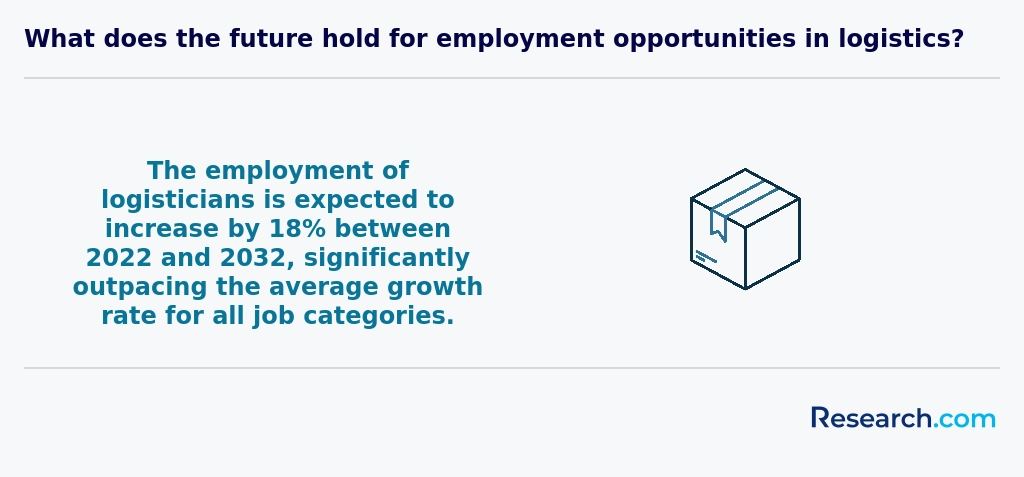
A logistics degree in Pennsylvania opens significant opportunities for career mobility and advancement. The state's strong manufacturing and distribution sectors create demand for professionals skilled in supply chain management and operations. According to the Pennsylvania Department of Labor & Industry, employment for logisticians is projected to grow by 7% through 2030, faster than the average for all jobs.
This degree equips graduates with critical skills in inventory management, transportation, and analytics, which are highly valued across industries in Pennsylvania's major cities like Philadelphia and Pittsburgh.
Furthermore, employers often prioritize candidates with formal education in logistics for supervisory and managerial roles, boosting chances for promotions and salary increases. The Council of Supply Chain Management Professionals highlights that logistics certification combined with a degree can enhance earnings potential by up to 15% in the state.
Studying for a logistics degree in Pennsylvania equips students with skills that span multiple disciplines, including supply chain management, business analytics, and information technology. Universities in Pennsylvania often integrate coursework in economics, transportation, and data science, reflecting the complexity of modern logistics roles.
Pennsylvania's strategic location as a transportation hub offers students practical insights into real-world logistics challenges. According to the Pennsylvania Department of Transportation, the state handles over $400 billion in freight annually, highlighting the demand for interdisciplinary expertise in managing supply chains efficiently.
Furthermore, logistics programs emphasize teamwork and communication, preparing graduates to collaborate with professionals from finance, operations, and marketing. This cross-functional training aims to develop versatile problem-solvers ready for dynamic and evolving industry needs.
When choosing between a thesis and a non-thesis logistics degree program in Pennsylvania, consider your career goals and learning preferences. Thesis programs focus on original research, ideal for students interested in academic or research careers. In contrast, non-thesis options emphasize practical skills and coursework, suited for professionals aiming for immediate industry roles.
According to the U.S. Bureau of Labor Statistics, Pennsylvania's logistics sector employs over 200,000 workers, highlighting strong demand for hands-on skills. Schools like Penn State and Temple University offer both options, with thesis tracks typically requiring 6 to 9 credit hours of research.
Assess your readiness for extensive writing and analysis versus fieldwork and internships when deciding your path.
Students based in Pennsylvania interested in studying logistics abroad have several pathways through partnerships between Pennsylvania universities and international institutions. Many Pennsylvania schools, such as Pennsylvania State University, offer study abroad programs that include logistics courses in countries like Germany and the Netherlands, known for their strong supply chain infrastructures.
The Council of Supply Chain Management Professionals (CSCMP) reports that Pennsylvania ranks among the top states in logistics employment, encouraging students to gain global perspectives. Studying abroad enhances understanding of international trade, customs regulations, and advanced logistics practices.
Additionally, exchange programs and dual-degree options linked with foreign business schools provide hands-on experiences, often integrating internships with multinational logistics firms.
Part-time jobs that complement logistics degree education in Pennsylvania focus on roles involving supply chain management, inventory control, and transportation coordination. Positions such as warehouse associates or shipping and receiving clerks offer practical experience with inventory systems and distribution processes. According to the Pennsylvania Department of Labor & Industry, the logistics sector employs over 200,000 workers statewide, with steady growth expected through 2028.
Additionally, internships or part-time roles in freight brokerage firms or transportation companies can sharpen skills in route planning and customer service. Opportunities also exist in procurement support and data analysis, where students can develop expertise in software essential for logistics management. These roles provide valuable hands-on knowledge directly applicable to future logistics careers.
Logistics students in Pennsylvania have access to numerous networking opportunities that can enhance their careers. Many universities partner with local and national organizations such as the Council of Supply Chain Management Professionals (CSCMP) Delaware Valley Roundtable, which connects students to industry professionals through events and workshops.
Pennsylvania's strategic location with major transportation hubs offers students chances to network via internships and job fairs hosted by logistic companies like DHL and FedEx. According to the Pennsylvania Department of Labor, the logistics sector employs over 200,000 people statewide, creating a robust professional community for newcomers.
Additionally, student chapters of professional bodies provide platforms for peer collaboration and mentorship, essential for career development in this field.
Alumni networks play a significant role for logistics degree students in Pennsylvania by offering valuable career support and connections. Graduates who join these networks gain access to industry professionals working in key Pennsylvania hubs like Philadelphia, Pittsburgh, and Harrisburg. According to the Council of Supply Chain Management Professionals, Pennsylvania is a major logistics center, which makes networking crucial for job placement and internships.
These networks often provide mentorship programs, helping students navigate their careers with guidance from experienced alumni. They also share information about local job openings, industry trends, and professional events.
Participation in alumni groups increases students' chances of securing internships and employment, as many logistics firms in Pennsylvania prefer candidates recommended through trusted connections.
Customizing a logistics degree program in Pennsylvania starts with selecting electives that align with your career goals. Many universities in Pennsylvania offer specializations such as supply chain management, transportation, or procurement to help tailor your studies.
Internships and cooperative education programs are widely available through partnerships with local firms, including companies in Philadelphia and Pittsburgh's growing logistics sectors. These practical experiences enhance on-the-job skills.
Additionally, students can pursue certifications like the Certified Supply Chain Professional (CSCP) alongside their degree, boosting employability in Pennsylvania's competitive logistics job market.
Consult academic advisors early to map out a plan that fits your ambitions and local industry demands.
Logistics students in Pennsylvania often face challenges related to balancing rigorous coursework and gaining practical experience. Programs typically require in-depth understanding of supply chain management, transportation, and data analytics, which can be demanding for many.
Additionally, Pennsylvania's diverse industrial economy means students must adapt to various sectors, from manufacturing to e-commerce, each with unique logistics demands. Access to internships is competitive, as companies like Amazon and UPS have strong presence but limited openings.
Furthermore, keeping up with rapidly evolving technology and sustainability standards in logistics is essential, requiring continual learning beyond the classroom. According to the Pennsylvania Department of Labor & Industry, 12% growth in related occupations stresses the importance of real-world skills.
With a logistics degree in Pennsylvania, there are several professional certifications that can enhance your career prospects. One popular option is the Certified Supply Chain Professional (CSCP) offered by APICS, which is well recognized across the US logistics industry. Another valuable certification is the Certified Logistics Professional (CLP) awarded by the International Society of Logistics (SOLE).
The state of Pennsylvania has a strong logistics sector, particularly around the Philadelphia and Pittsburgh areas, where demand for certified professionals has grown by approximately 8% over recent years, according to the Pennsylvania Department of Labor & Industry. Additional certifications include the Six Sigma Green Belt, useful for process improvement roles, and the Transportation Management Certificate from the American Society of Transportation and Logistics (ASTL).
These certifications help graduates validate their skills and increase earning potential, making them a significant step for anyone pursuing advanced opportunities after completing a logistics degree in Pennsylvania.
To write a winning application for a logistics program in Pennsylvania, start by clearly demonstrating your interest in supply chain management and logistics careers. Highlight relevant experience, such as internships or work in transportation, warehousing, or distribution.
Showcase your academic record, especially in math, economics, or business courses, as these are critical for logistics studies. Many Pennsylvania institutions look for applicants with a GPA above 3.0, reflecting strong analytical skills.
Personalize your statement of purpose to mention Pennsylvania's key logistics hubs, like Philadelphia and Pittsburgh, and how the program aligns with these market opportunities. Use credible sources, such as the Pennsylvania Department of Labor & Industry, which reports a growing demand for logistics professionals in the state.
Finally, request strong recommendation letters that emphasize your leadership and problem-solving skills, essential for careers in logistics and supply chain management.
Logistics careers offer strong global opportunities influenced by increasing international trade and supply chain complexity. Graduates with logistics degrees from Pennsylvania institutions are well-positioned to contribute to global markets, as Pennsylvania ranks among the top U.S. states for warehousing and transportation employment, according to the U.S. Bureau of Labor Statistics. Understanding global logistics networks is essential, as companies increasingly seek professionals skilled in managing efficiency across borders.
Logistics professionals support key industries such as manufacturing, retail, and healthcare, all of which depend on smooth international supply chains. Skills from Pennsylvania programs align with industry needs in ports like Philadelphia, a major East Coast hub for imports and exports.
Additionally, global perspectives in logistics include sustainability and technology integration, areas emphasized in many Pennsylvania logistics curricula to meet evolving market demands.
Gaining practical experience while pursuing a logistics degree in Pennsylvania is essential for career success. Many universities in Pennsylvania offer cooperative education (co-op) programs, allowing students to work in logistics roles with local companies while earning academic credit. This hands-on experience helps develop real-world skills and professional networks.
Internships are another common opportunity. According to the Pennsylvania Department of Labor & Industry, the state hosts numerous logistics firms, especially around Philadelphia and Pittsburgh, providing a diverse range of internship placements.
Additionally, some schools collaborate with regional ports, warehouses, and distribution centers, enabling students to observe supply chain operations firsthand. Joining logistics-related student organizations and attending industry conferences also enhance practical knowledge and professional connections.
Choosing the right concentration within a logistics degree program in Pennsylvania starts with understanding your career goals and the state's industry strengths. Pennsylvania is a major hub for logistics and distribution, with over 250,000 logistics-related jobs as reported by the Pennsylvania Department of Labor & Industry (2023). Focus areas like supply chain management, transportation, or warehousing can align differently with these job markets.
Consider concentrations that emphasize skills in demand locally, such as inventory control or freight management. Research Pennsylvania-specific employers like Amazon's fulfillment centers or UPS hubs to see what qualifications they prioritize.
Additionally, compare curricula among Pennsylvania colleges to find programs offering practical internships or partnerships, since hands-on experience is highly valued in the regional logistics sector.
Related Logistics Rankings for Nearby States
- 2027 Most Popular Logistics Degree Programs Ranking in New Jersey
- 2027 Most Popular Logistics Degree Programs Ranking in New York
- 2027 Most Popular Logistics Degree Programs Ranking in West Virginia
- 2027 Most Popular Logistics Degree Programs Ranking in Ohio
- 2027 Most Popular Logistics Degree Programs Ranking in Rhode Island
- 2027 Most Popular Logistics Degree Programs Ranking in Tennessee
- 2027 Most Popular Logistics Degree Programs Ranking in South Carolina
- 2027 Most Popular Logistics Degree Programs Ranking in Michigan
- 2027 Most Popular Logistics Degree Programs Ranking in Georgia
- 2027 Most Popular Logistics Degree Programs Ranking in Illinois
Top Trending Logistics Rankings
References
- Career Goals: 17 Inspirational Examples for you in 2026 https://www.imd.org/blog/learning-and-development/career-goals/
- Supply Chain & Logistics Education: Ask the Professors | The Logistics Academy https://tla.edu.sg/supply-chain-logistics-education-ask-professors/
- Logistics - Vistula University https://vistula.edu.pl/en/major/logistics
- Alumni Network https://www.klu.org/professionals-organizations/engage-with-klu/alumni-network
- 1. Online registration https://moderna.edu.pl/majors/management/bachelor-of-management/logistics-management/
- SEO page Logistics and Supply Chain Management 2025 https://en.ism.de/logistics-and-supply-chain-management
- Supply Chain and Logistics Career Paths: Explained https://www.logisticsbureau.com/jobs-and-career-paths-in-supply-chain-and-logistics/
- Certificate | Logistics Qualifications | CILT International https://ciltinternational.org/education-training/international-qualifications/certificate-logistics-qualifications-cilt-international/
- For students https://careers.hellmann.com/en/germany/students
- Job Opportunities After Completing a Logistics Course - International School of Skill Development https://issd.org.in/blog/job-opportunities-after-completing-a-logistics-course/


